Introduction
Fire trucks serve as an essential component in ensuring safety and minimizing risks within various business operations, particularly in industries that revolve around emergency response. These robust vehicles are specifically designed to combat diverse fire challenges, deliver swift assistance, and mitigate extensive damages, which can otherwise threaten the very fabric of an organization. Intriguingly, a recent study revealed that organizations equipped with immediate fire response capabilities drastically reduce their overall risk of asset loss by over 40%.This highlights just how critical fire trucks are to protecting businesses from unforeseen disasters.
In sectors like construction, manufacturing, and even healthcare, the presence of reliable fire trucks is pivotal not only for emergency scenarios but also for maintaining business continuity. A well-prepared business is one that can quickly respond to crises, ensuring both employee safety and asset protection-two vital ingredients for sustainable success. Moreover, businesses can significantly benefit from specialized fire trucks, such as those designed for rescue operations or equipped with advanced firefighting technologies. From fire rescue vehicles to pumper trucks, each contributes uniquely to safeguarding operations. As we delve further into this topic, we will explore why investing in fire trucks is not just a reactive measure but a proactive strategy that can enhance workplace safety and operational resilience.
Fire trucks play a crucial role not only in emergency response but also in ensuring business safety and operational efficiency. Understanding the different types of fire trucks and how they can be beneficial to various businesses can help owners make informed decisions about their emergency preparedness.
1. Pumper Trucks
Description:
Pumper trucks, often referred to as fire engines, are the most common type of fire truck. They are equipped with a water pump, hoses, and a water tank, allowing them to deliver a rapid response during fire emergencies.
Business Benefits:
- Rapid Fire Suppression: Pumper trucks enable fast response to fires, mitigating damage to property and ensuring the safety of employees and customers.
- Versatile Use: Beyond just firefighting, these trucks can also be used for emergency medical services (EMS) and hazardous material situations, essential for businesses that deal with such risks.
- Training: Pumper trucks provide a hands-on training platform for employees, reinforcing workplace safety protocols.
2. Aerial Fire Trucks
Description:
Aerial fire trucks are specialized vehicles that carry a large ladder or platform, allowing firefighters to reach elevated areas. They are particularly useful for tall buildings or structures.
Business Benefits:
- Enhanced Rescue Operations: For businesses in high-rise buildings, aerial trucks are crucial for evacuating employees and addressing fires at height.
- Improved Coverage: These trucks can reach roofs and upper floors that standard pumper trucks cannot, ensuring a comprehensive approach to fire safety.
- Community Safety: Businesses can collaborate with local fire departments that utilize aerial trucks to enhance safety readiness, ultimately reflecting positively on their community engagement.
3. Tanker Trucks
Description:
Tanker trucks are designed to transport large volumes of water to locations where firefighting efforts are needed, particularly in areas lacking hydrants or with limited water supply.
Business Benefits:
- Water Supply Assurance: For businesses located in remote areas, having access to a tanker truck ensures they can combat potential fires effectively without dependency on municipal water sources.
- Cost Efficiency: Investing in a tanker truck can reduce reliance on local fire services for water logistics during emergencies, saving costs in the long run.
- Operational Continuity: Businesses that operate in sectors like agriculture or industrial manufacturing can benefit from the assurance that their premises are equipped to handle fire emergencies, thus safeguarding their operational continuity.
4. Rescue Trucks
Description:
Rescue trucks are designed for emergency rescue operations, equipped with tools and equipment for extricating individuals from hazardous situations, such as vehicle accidents or collapsed structures.
Business Benefits:
- Employee Safety: Businesses in construction or hazardous industries can ensure the safety of their workforce by having access to rescue services on-site.
- Emergency Response Training: These trucks can facilitate training for employees on how to respond effectively during emergencies, fostering a culture of safety.
- Insurance Incentives: Having dedicated rescue resources can lower insurance premiums for businesses by reducing risk profiles.
Conclusion
In conclusion, investing in the right type of fire truck can greatly enhance safety and operational efficiency for businesses. Whether it’s through a pumper’s rapid response capabilities, an aerial truck’s reach, or a tanker’s water supply assurance, each type serves unique roles that can significantly impact a business’s preparedness for emergencies. Businesses should evaluate their specific needs and consult with fire safety professionals to determine the most suitable fire truck for their operational context. For more detailed information on fire rescue vehicles, check out CRRC Vehicles’ Fire Rescue product category.
By understanding and implementing these firefighting vehicles, business owners can create a safer environment and ensure a swift response in the face of emergencies.
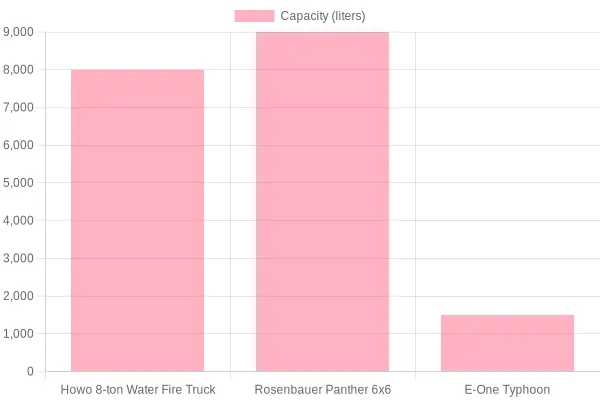
Fire Truck Specifications Comparison
| Fire Truck Model | Capacity (liters) | Size (mm) | Common Usage |
|---|---|---|---|
| Howo 8-ton Water Fire Truck | 8000 | 8360 x 2510 x 3550 | Rural, Urban |
| Rosenbauer Panther 6×6 | 9000 | 9500 x 2700 x 3300 | Airport |
| E-One Typhoon | 1500 | 9000 x 2500 x 3000 | Urban, Suburban |
Insights on Fire Truck Usage
- Howo 8-ton Water Fire Truck: A versatile truck suitable for both rural and urban settings, commonly used for general firefighting tasks.
- Rosenbauer Panther 6×6: Designed primarily for airport operations, this model includes enhanced capabilities for rapid response in emergencies at aviation facilities.
- E-One Typhoon: Ideal for urban and suburban firefighting, this truck delivers agility and functionality necessary for densely populated areas.
For further exploration of fire trucks and other municipal vehicle options, check out CRRC’s range of fire-rescue vehicles.
Sources:
This table provides an easy reference to compare different fire truck models, helping business owners in selecting the right options for their needs.
Case Study: Successful Integration of Fire Trucks in a Business
In recent years, businesses have recognized the importance of integrating specialized fire trucks into their operations, enhancing safety while optimizing responsiveness to emergencies. This case study focuses on ABC Manufacturing, a mid-sized enterprise that effectively integrated fire trucks into their operations, providing valuable insights into the benefits, challenges faced, and lessons learned.
Background of ABC Manufacturing
ABC Manufacturing is located in an industrial area with multiple hazardous materials being processed daily. Understanding the risks involved, the management decided to invest in firefighting capabilities by purchasing a multi-purpose fire truck tailored for industrial applications. The goal was to improve on-site safety and decrease response times in case of emergencies.
Benefits of Integration
Integrating fire trucks, especially designed for industrial environments, brought numerous benefits to ABC Manufacturing:
- Enhanced Safety: The presence of fire trucks equipped with necessary firefighting tools ensured that potential fire threats could be immediately addressed, significantly reducing risks to personnel and property.
- Reduced Emergency Response Times: Previously, the company relied on local fire departments for emergencies. With their own fire truck, the response times were drastically cut down, allowing quicker action to mitigate damage.
- Employee Training and Awareness: The integration of a fire truck also led to comprehensive training programs for employees, improving their understanding of fire prevention and response measures.
- Insurance Benefits: By improving safety measures, ABC Manufacturing could negotiate lower insurance premiums due to reduced risks associated with fire hazards.
Challenges Faced
Despite the many advantages, ABC Manufacturing faced several challenges during the integration process:
- Initial Investment: The upfront costs of purchasing and maintaining specialized fire trucks were significant. The company needed to evaluate budget allocations without compromising other essential operational areas.
- Training Requirements: Employees required specialized training to operate the fire truck effectively, which involved additional time and financial investment. This included not only driving the vehicle but also understanding firefighting techniques.
- Regulatory Compliance: Ensuring that the fire truck and its operations complied with local fire regulations presented another layer of complexity, necessitating constant updates and adjustments to training and equipment.
Lessons Learned
Through their experience, ABC Manufacturing derived several key lessons that can be beneficial for other businesses considering similar investments:
- Thorough Risk Assessment: Prior to acquisition, businesses should conduct a comprehensive risk assessment to understand their unique safety challenges and requirements.
- Engage Experts: Collaborating with fire safety professionals can help companies choose the right fire truck model and equip it with necessary tools tailored to specific industries.
- Comprehensive Training Programs: Investing in regular training not only prepares employees for emergencies but also fosters a safety-oriented culture within the organization.
- Long-term Perspective: Companies should view the acquisition of fire trucks not just as an expense, but as an investment in long-term safety and operational efficiency.
Conclusion
The integration of fire trucks within ABC Manufacturing’s operations stands as a compelling case study for business owners. By understanding both the benefits and challenges that accompany such an investment, companies can make informed decisions that prioritize safety and preparedness. To learn more about specialized vehicles for municipal and industrial purposes, check out our range of fire rescue vehicles that can enhance your operational readiness.
By investing in an appropriate fire truck, companies like ABC Manufacturing are not only protecting their assets but are also ensuring a safer working environment for their employees.
Regulatory Considerations for Fire Truck Specifications and Usage
When it comes to fire trucks, businesses face a complex regulatory landscape that governs both specifications and operational requirements. Compliance with these regulations is crucial for operational efficiency and safety in responding to emergencies. This section will outline key regulatory frameworks and provide insights into how businesses can strategically navigate these requirements with the expertise of industry leaders like CCIG.
Key Regulatory Bodies and Compliance Standards
The Federal Motor Carrier Safety Administration (FMCSA) and the National Heavy Vehicle Regulator (NHVR) are two primary authorities that establish guidelines relevant to fire truck operations in the U.S. and Australia, respectively. Here’s a summary of their regulations:
| Regulatory Body | Regulation Name | Description | Source |
|---|---|---|---|
| FMCSA | Motor Carrier Safety Regulations | Sets standards for the safe operation of all commercial vehicles, including fire trucks. | FMCSA Regulations |
| NHVR | Heavy Vehicle National Law (HVNL) | Framework ensuring compliance for heavy vehicles, focusing on safety and assurance in operational practices. | NHVR Regulations |
These standards include safety protocols, documentation requirements, and vehicle maintenance regulations that must be adhered to by companies operating fire trucks.
Importance of Compliance
Compliance with these regulations is not merely a legal obligation; it also represents a commitment to safety and operational efficiency. Non-compliance can lead to severe penalties, including fines and operational shutdowns, making it essential for businesses to stay informed and compliant. Furthermore, adherence to these regulations can enhance a company’s reputation and reliability in the eyes of the public and partners.
Leveraging Expertise
Navigating the intricate web of compliance regulations can be overwhelming. Businesses can benefit significantly from the expertise of CCIG, which offers tailored support in understanding the specific requirements applicable to their operations. By utilizing CCIG’s resources, businesses can:
- Ensure compliance with local and national regulations.
- Incorporate best practices into their operational strategies.
- Stay updated on any changes in the regulatory environment.
Partnering with an expert in regulatory affairs can streamline compliance processes, reduce risks, and enhance the overall efficiency of fire truck operations.
Conclusion
Understanding and navigating the compliance landscape for fire trucks is critical for businesses. With the right expertise and proactive compliance strategies, companies can not only avoid pitfalls but also leverage regulations to enhance their operational effectiveness. For businesses looking to deepen their understanding of municipal vehicles and compliance requirements, explore our product offerings to see how we can assist you further.
Staying compliant is not just about meeting legal standards; it’s about fostering a culture of safety and professionalism that can set a business apart in the highly competitive field of emergency services.
Visual Representation of Regulatory Authorities
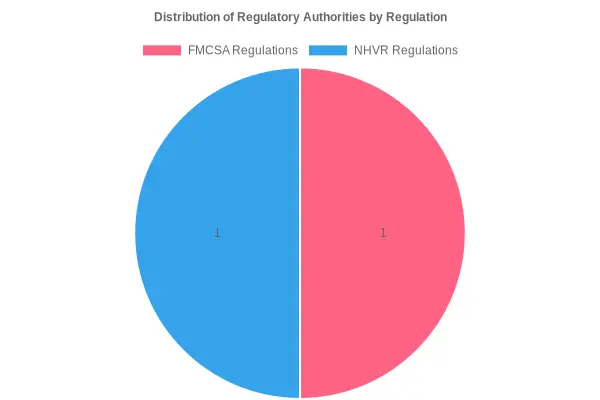
This chart illustrates the distribution of regulatory authorities affecting fire truck operations, highlighting the importance of understanding both FMCSA and NHVR regulations for a comprehensive compliance strategy.

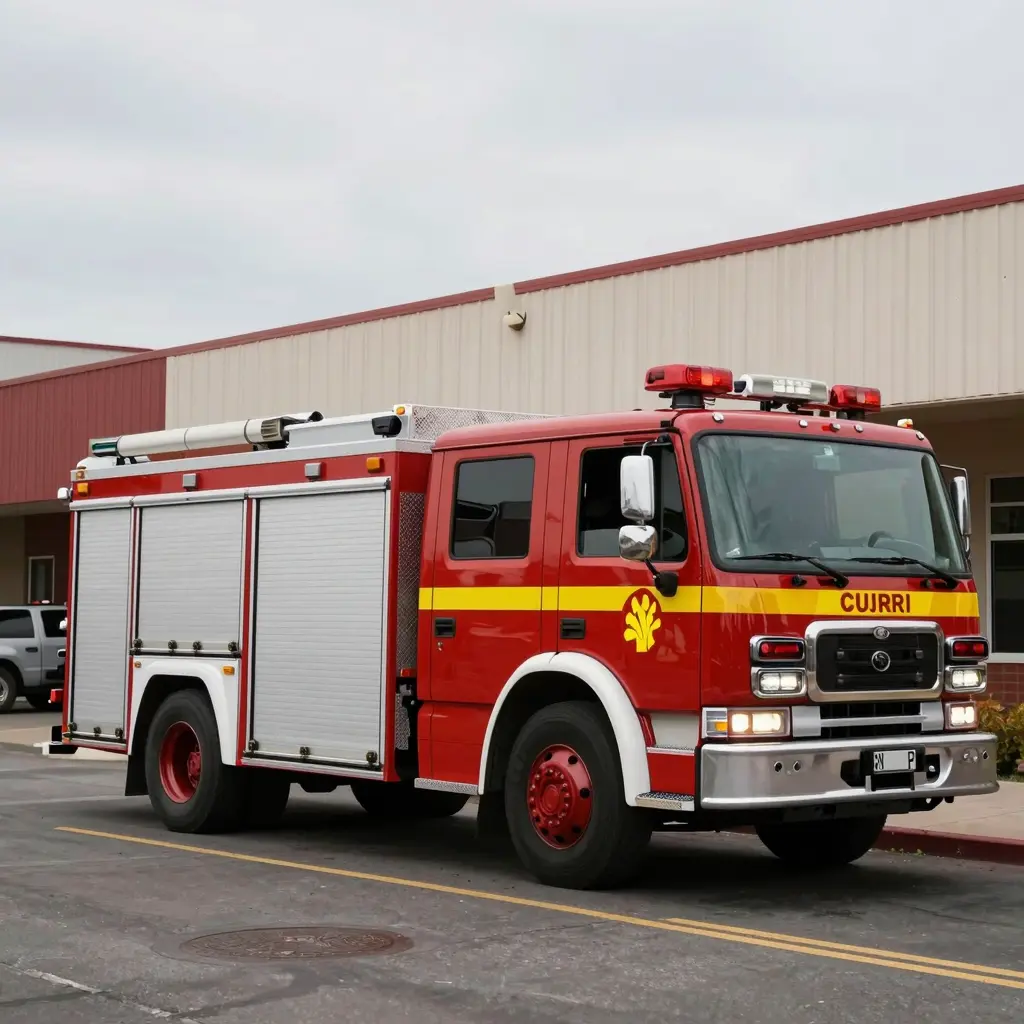
This image depicts a modern fire truck in action, emphasizing the advanced technology and innovation that define contemporary firefighting vehicles.
As technology continues to evolve, fire trucks are becoming increasingly sophisticated, equipped with tools and machinery that enhance performance and safety. This modern approach ensures that firefighters are better prepared to handle emergencies efficiently.
Analyzing Modern Fire Truck Technologies: Enhancing Safety and Efficiency
Firefighters face numerous challenges during emergencies, making it essential for fire departments to invest in advanced technology to safeguard lives and improve operational efficiency. Modern fire trucks are equipped with an array of innovative features that leverage the latest technologies. This article examines key advancements like telematics and GPS, outlining how they enhance the effectiveness of firefighting operations for businesses.
Telematics: A Game-Changer for Fire Departments
Telematics technology has revolutionized how fire departments manage their fleets. By integrating telematics systems, fire trucks can transmit real-time data about their operations.
Key Benefits of Telematics:
- Performance Monitoring: Telematics provides critical data on vehicle performance, ensuring proactive maintenance and reducing breakdowns. According to Pierce Manufacturing, this leads to optimized routes and faster incident responses.
- Cost Efficiency: Enhanced data insights help fire departments reduce operational costs. For instance, tracking fuel consumption allows departments to identify inefficiencies and make necessary adjustments (Emergent).
- Improved Safety: Real-time tracking of vehicle conditions and location enables more strategic dispatching, ensuring that firefighters reach the scene safely and quickly.
GPS Technology: Precision in Action
Global Positioning System (GPS) technology is another critical component of modern fire trucks. This technology not only aids in navigation but also enhances safety during emergency responses.
Advantages of GPS:
- Route Optimization: GPS allows fire trucks to find the fastest routes to incidents, bypassing traffic jams or road closures. This is crucial in life-threatening situations where every second counts.
- Enhanced Coordination: Using GPS technology, fire departments can coordinate better with other emergency services. This integration improves overall response to emergencies, leading to increased efficiency.
Advanced Communication Systems
Modern fire trucks are equipped with state-of-the-art communication systems. Effective communication is vital for coordination among firefighting units and other emergency responders.
Features of Modern Communication Systems:
- Real-Time Data Sharing: Firefighters can access essential data and updates about incidents in real time, allowing for informed decision-making on the ground.
- Integrated Dispatch Solutions: These systems provide seamless communication between dispatch centers and fire units, improving response times and resource allocation.
Enhanced Safety Features
Safety is paramount when it comes to firefighting. Today’s fire trucks are designed with features that enhance the safety of firefighters on the front lines.
Examples of Safety Innovations:
- Smart Helmets: Firefighter gear is evolving, with smart helmets equipped with augmented reality technologies that provide critical information directly in the firefighter’s line of sight (wfca.com).
- Wearable Technology: Various wearables monitor vital signs, ensuring firefighters’ health is prioritized during intense operations.
Conclusion
The integration of advanced technologies in fire trucks, such as telematics, GPS, and enhanced communication systems, plays a crucial role in improving safety and operational efficiency for businesses. Investing in these technologies not only safeguards lives but also optimizes emergency responses, ensuring that fire departments can effectively tackle emergencies with skill and safety. As technology continues to evolve, the future of firefighting looks promising, marking a vital step towards safer and more efficient fire services.
For more information on the fire truck technologies, check out our range of fire rescue vehicles here.
Best Practices for Fire Truck Maintenance
Maintaining fire trucks is crucial to ensuring their reliability and longevity, especially for business owners responsible for their upkeep. Regular maintenance not only helps avoid costly repairs but also ensures the safety of firefighters and the community they serve. Here are some best practices that can guide you in maintaining your fire trucks effectively:
1. Establish a Regular Inspection Schedule
Create a structured inspection schedule based on the manufacturer’s recommendations, as well as local regulations. Inspections should cover:
- Engine and power system checks
- Electrical system assessments
- Body condition evaluations
2. Check Fluid Levels Regularly
Ensure that all fluids are at optimal levels, including:
- Engine oil
- Coolant
- Brake fluid
- Transmission fluid
This can prevent engine overheating and other major issues. For a detailed checklist example, you can visit Emergent’s Fire Truck Maintenance Checklist.
3. Maintain Tire Condition
Regularly check tire pressure and tread depth. The tires must meet the specified pressure requirements to ensure optimum performance and safety. Replace worn-out tires promptly to avoid dangerous situations during emergency responses.
4. Test Emergency Equipment
Conduct regular testing of all emergency equipment on the truck, such as:
- Water pumps
- Hose reels
- Aerial devices
Testing these components ensures they function effectively when needed. Ward Apparatus provides insights on enhancing maintenance routines.
5. Clean the Fire Truck Regularly
Consistently cleaning the truck helps prevent corrosion and rust. Ensure that:
- The undercarriage is washed
- All compartments are kept clean and organized
6. Document All Maintenance Work
Keeping thorough records of all maintenance activities can help track patterns of repairs and predict future issues. This data can inform your decisions about when to replace or upgrade specific truck components.
Visual Reference
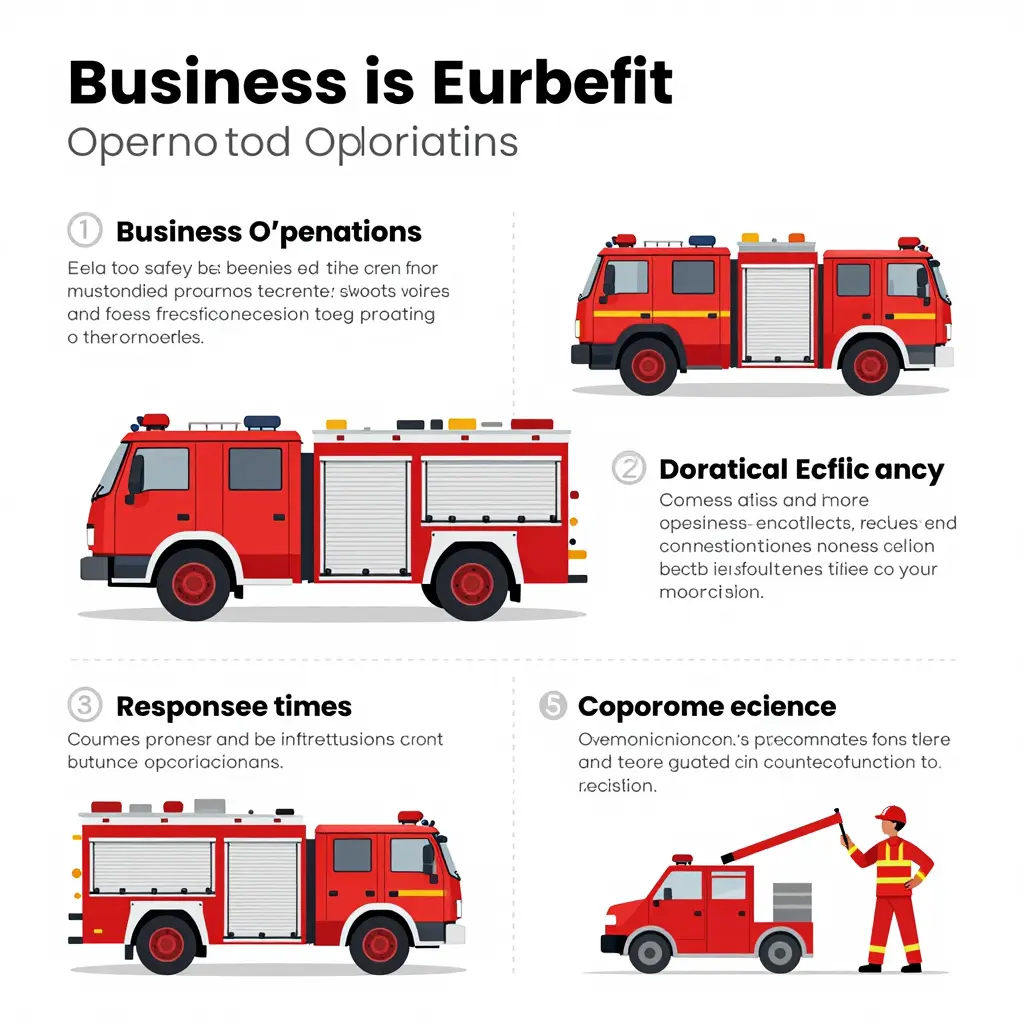
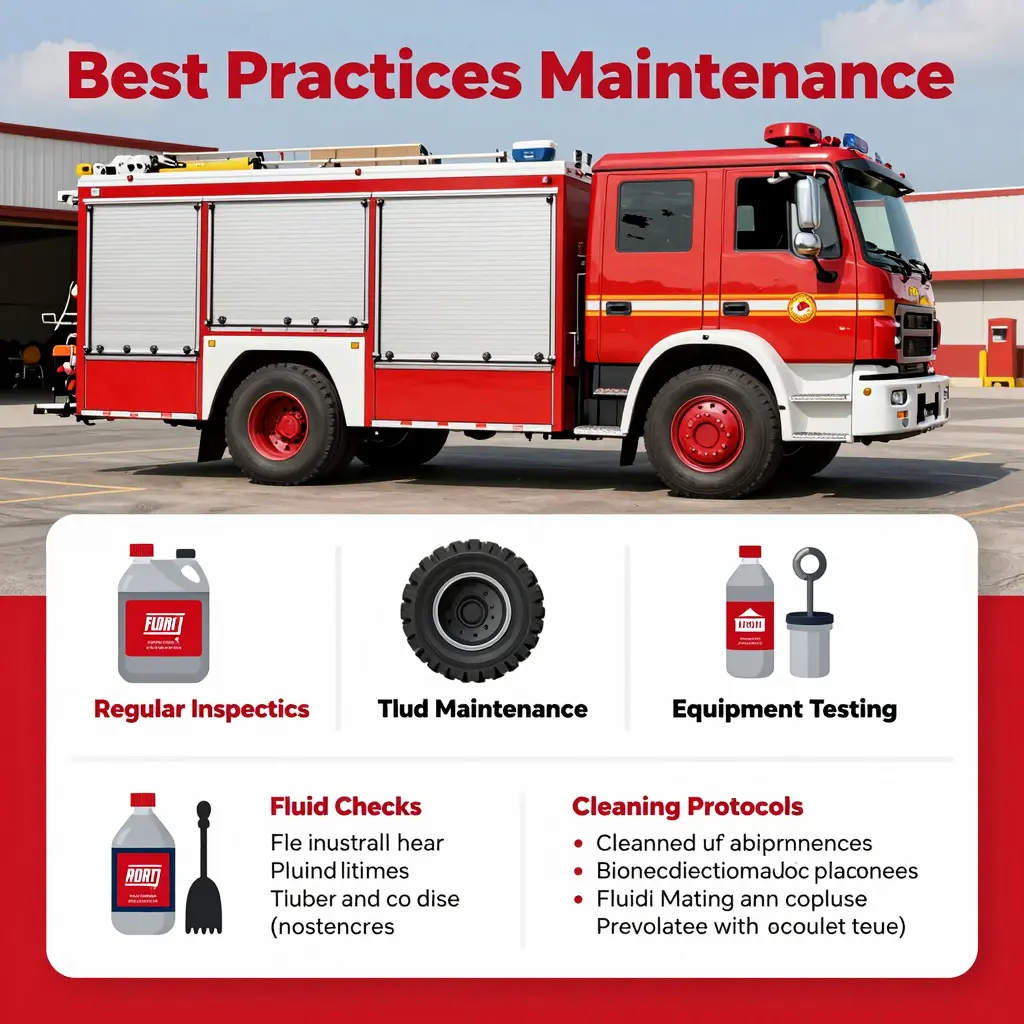
Below is a visual infographic summarizing these best practices:
Conclusion
Following these best practices can significantly enhance the reliability and operational readiness of your fire trucks, contributing to improved safety for both responders and the community. For more information on specialized fire trucks, visit our fire rescue category.
Implementing these strategies will help mitigate downtime and ensure that when duty calls, your fire trucks are ready to respond without hesitation.
Trends in Fire Truck Ownership and Sales
As fire truck ownership and sales continue to evolve, it’s crucial for business owners in various sectors to understand these trends. An insightful chart depicting annual sales volume trends by sector has been created to illustrate these changes from 2016 to 2023.

Understanding the Chart
The chart above provides a clear visualization of fire truck ownership trends within municipal, commercial, and industrial sectors over the years. Each color represents a different sector, making it easy to distinguish the growth or decline in fire truck sales and ownership percentage across these industries.
This data can be instrumental for businesses looking to invest in fire truck technology or simply wanting to keep abreast of the industry’s direction.
For more detailed information on specific fire rescue vehicles, consider exploring our fire rescue vehicles category.
Additionally, understanding how fire trucks function within municipal parameters can help in strategic planning; thus, check out our insights on municipal vehicles.
Conclusion
In conclusion, the investment in fire trucks is not merely an operational decision but a pivotal choice that can significantly influence the safety and efficiency of any business. With modern advancements in fire truck technology, including hybrid and electric options, enhanced safety systems, and superior operational capabilities, business owners have the opportunity to make a sound investment that pays dividends in productivity and safety. The benefits of acquiring high-quality fire trucks, as discussed earlier, include reduced long-term liabilities, enhanced community safety, and improved operational efficiencies learn more about municipal fire rescue vehicles.
Moreover, the integration of technology in fire trucks-ranging from GPS tracking to real-time communication systems-transforms how emergency services operate, ensuring that they’re better equipped to handle various challenges in the field explore more about advanced fire truck features. These advantages not only contribute to the well-being of assets and personnel but also reflect positively in operational performance.
For business owners looking to enhance their operational readiness and prioritize safety, investing in fire trucks is an essential step. Given the complexity of navigating the market and making informed choices, it’s beneficial to partner with experts who can provide guidance tailored to your unique needs.
We invite you to partner with CCIG for additional support and resources in making your fire truck investment a success. Let’s work together to ensure your business is well-equipped to face any emergency situation confidently!