
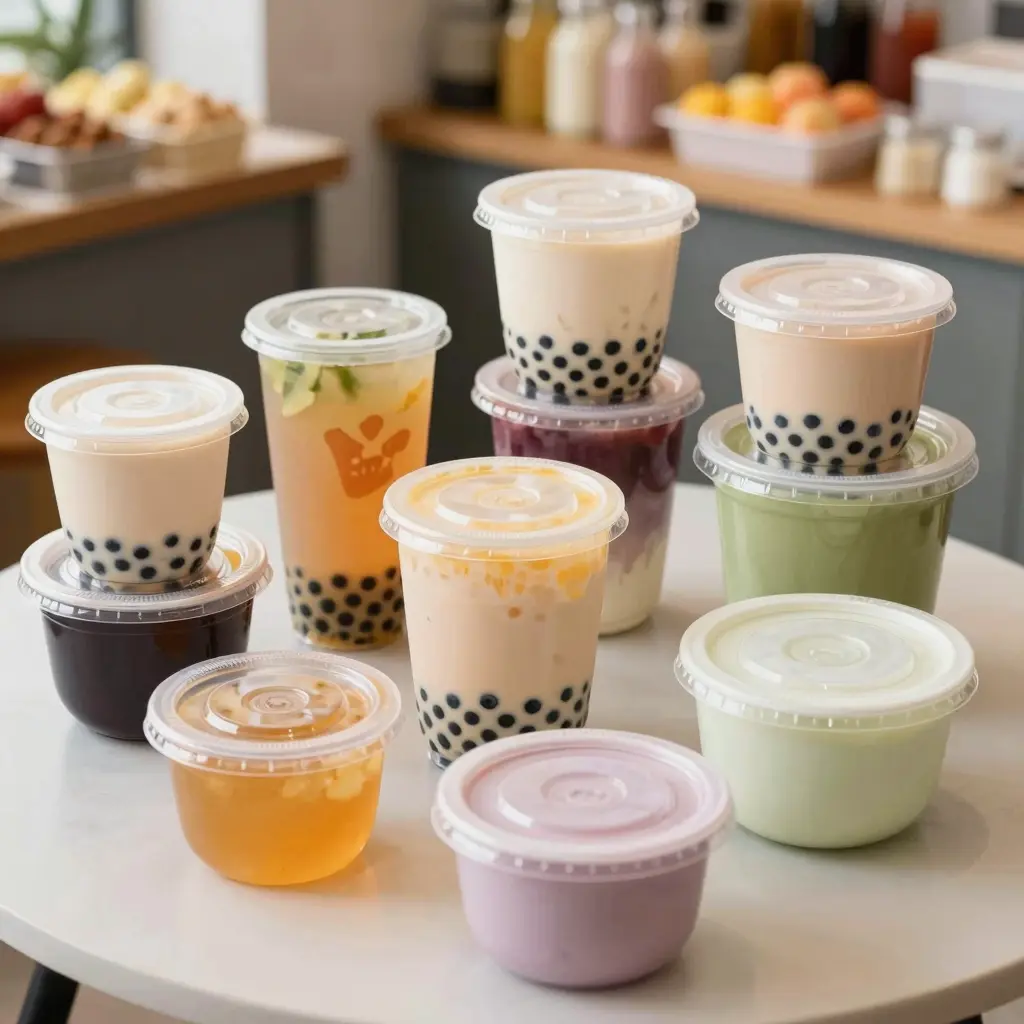
In the fast-paced world of food and beverages, cost-effective packaging solutions aren’t just a luxury; they are a necessity. For bubble tea shops, food trucks, restaurants, and catering services, packaging plays a pivotal role in both branding and operational efficiency. Imagine a bubble tea shop that not only serves delightful drinks but also showcases them in attractive, functional containers that enhance the customer experience. Similarly, food trucks and catering services can elevate their offerings with high-quality, affordable packaging that keeps food fresh and appealing while in transit. Moreover, the right packaging can significantly reduce waste and lower costs, making it an essential consideration for businesses of all sizes. By choosing affordable wholesale food containers that cater specifically to their needs, these businesses can ensure they are always at the forefront of their industry while also maintaining eco-friendly practices. Let’s delve deeper into how these cost-effective solutions can benefit your food business!
Types of Food Containers for Bubble Tea Shops and Catering
When it comes to choosing food containers for bubble tea shops and catering services, the options can be overwhelming. Understanding the strengths and weaknesses of each type can help guide your purchasing decisions. Here’s a breakdown of some of the most common types of cheap wholesale food containers available:
1. Plastic Containers
Strengths:
- Cost-Effective: Generally the cheapest option, making them ideal for high-volume businesses.
- Durability: Resistant to breaks and optimal for both solids and liquids.
- Versatility: Suitable for a variety of food types, including bubble tea, which often contains liquids.
Weaknesses:
- Environmental Concerns: Single-use plastic contributes to waste and pollution. While many plastics are recyclable, improper disposal often leads to landfill accumulation.
2. Biodegradable Containers
Strengths:
- Eco-Friendly: Made from materials such as cornstarch or other plant-based materials, these containers decompose over time, making them a sustainable choice.
- Consumer Appeal: Increasingly favored by customers who prioritize environmentally responsible practices.
Weaknesses:
- Cost: Generally more expensive than plastic options, which can affect profit margins.
- Durability: May be less sturdy in comparison to plastic, especially with liquids or heavy foods.
3. Paper Containers
Strengths:
- Recyclable: Paper containers can be recycled and are often made from renewable resources.
- Cost-Effective: Usually affordable, making them a solid choice for cost-conscious businesses
Weaknesses:
- Limited Durability: Not ideal for wet or greasy foods without a barrier or coating.
- Weight Limitations: May collapse under heavy weight, making them less suitable for certain catering uses.
4. Glass Containers
Strengths:
- Reusable: Environmentally friendly in the long run if used multiple times.
- High-Quality Appearance: Offers an upscale look, which can enhance the presentation of your food.
Weaknesses:
- Cost: More expensive than other alternatives, which can deter some buyers.
- Fragility: Susceptible to breaking if dropped, requiring careful handling and storage.
Conclusion
Choosing the right type of food container is critical for the operational efficiency and customer satisfaction in bubble tea shops and catering services. While plastic containers are typically the cheapest and most durable option, biodegradable alternatives are increasingly popular for their environmental benefits. Consider your specific needs and target audience when making your selection.
For a comprehensive view of wholesale packaging options, check this page.
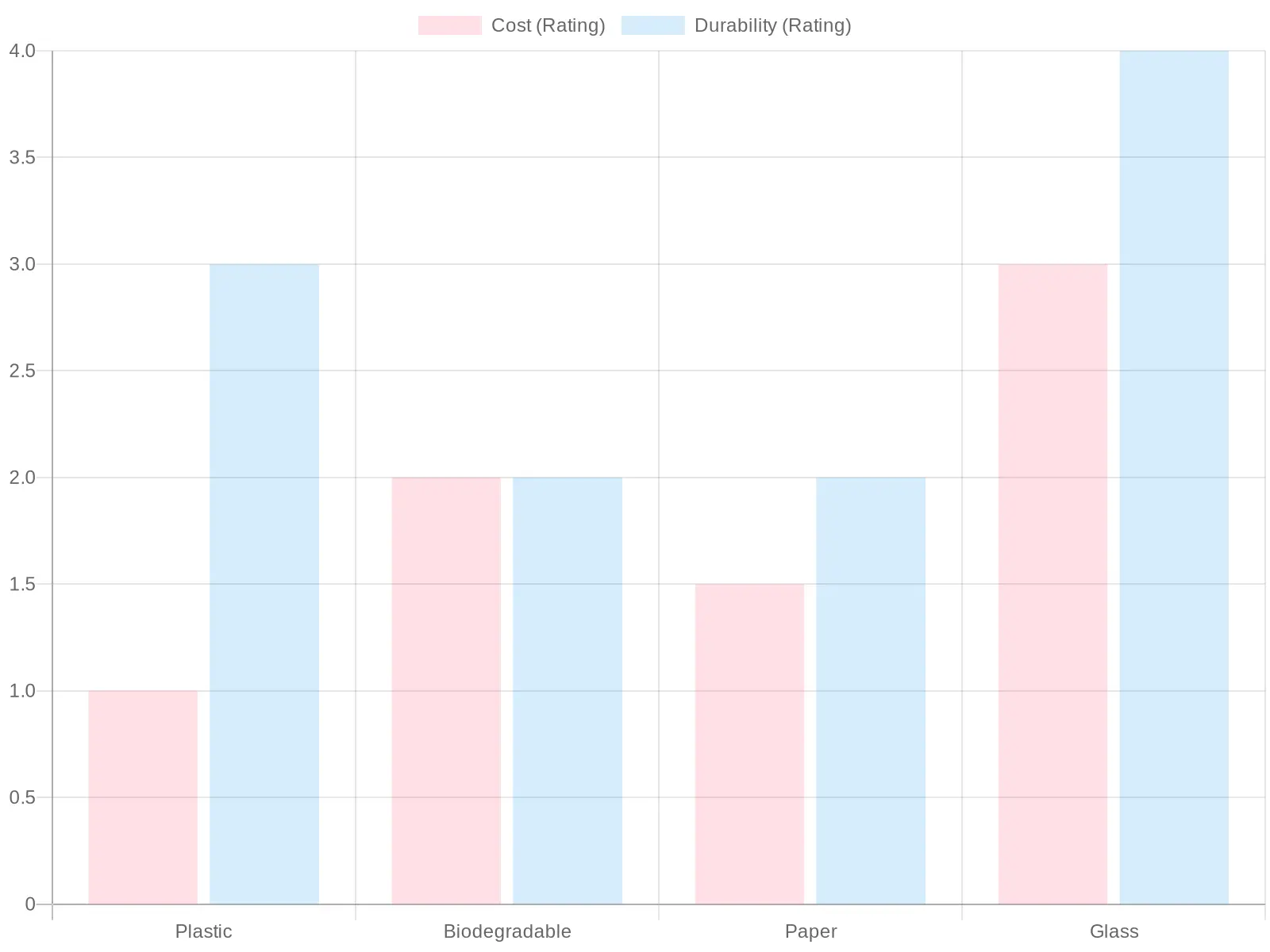
Comparison Chart of Food Container Types
| Container Type | Cost | Durability | Environmental Impact | Suitability for Food Types |
|---|---|---|---|---|
| Plastic | Low | High | High waste, not recyclable | Good for liquids and solid foods |
| Biodegradable | Moderate | Moderate | Eco-friendly, compostable | Suitable for most food types |
| Paper | Low to Moderate | Moderate | Recyclable, less durable | Good for dry foods, limited for liquids |
| Glass | High | Very High | Recyclable, energy-intensive | Excellent for hot and cold foods |
This comparison offers a visually engaging look to help food service operators make informed choices about their packaging options.
| Container Type | Features | Price Range (USD) | Benefits |
|---|---|---|---|
| Disposable Plastic | Lightweight, clear visibility, leak-resistant | $0.10 – $0.50 each | Cost-effective, ideal for cold beverages and quick service. |
| Disposable Paper | Eco-friendly, printed designs available | $0.05 – $0.30 each | Biodegradable, good for hot beverages like coffee or tea. |
| Aluminum Foil | Insulated, can be used in ovens/microwaves | $0.15 – $0.75 each | Keeps food warm, suitable for takeaway meals and catering. |
| Glass Containers | Reusable, elegant appearance | $1.00 – $3.00 each | Durable, safe for hot liquids, enhances presentation. |
| Eco-Friendly Containers | Made from renewable materials, compostable | $0.20 – $1.00 each | Environmentally responsible, good for sustainable branding. |
Benefits of Using Various Container Types
- Lightweight and Cost-effective: Disposable plastic containers are suitable for high-volume service environments like beverage shops.
- Environmental Concerns: Many businesses are shifting towards eco-friendly options such as biodegradable containers to align with sustainable practices.
- Versatility: Options like aluminum foil containers can adapt to various serving situations, from heating food to packaging takeout.
For more information on cost-effective packaging solutions, you can learn more about various packaging options or explore eco-friendly paper packaging.
Finding Reliable Suppliers for Cheap Wholesale Food Containers
When it comes to sourcing cheap wholesale food containers for your bubble tea shops or catering services, finding trustworthy suppliers is essential not only for cost-efficiency but also for maintaining quality and safety standards. Here are some insights and tips to help you navigate this crucial aspect of your business:
1. Check Safety Standards
Ensuring that your suppliers comply with safety regulations is essential. Look for suppliers who can provide documentation or certifications indicating that their products meet local and international safety standards. This can include food safety certifications like HACCP or ISO certifications. These standards ensure that the materials used are safe for food contact and help avoid potential health issues.
2. Evaluate Customer Support
Responsive and effective customer support can make a significant difference in your purchasing experience. Choose suppliers that are available to answer questions, provide product guidance, and assist with any issues that may arise. A reliable supplier should have a designated support team that can provide timely responses to your inquiries.
3. Verify Responsiveness
Before making a bulk order, communicate with potential suppliers to gauge their responsiveness. A reliable supplier should respond promptly to your emails or calls. This quick communication indicates their willingness to work with you and handle any issues that might arise post-purchase.
4. Review Supplier Ratings and Feedback
Take time to research reviews and testimonials from other clients. Platforms like BlueCart detail steps to find dependable wholesale food distributors, while Food Bomb emphasizes the importance of quality and reliability. Engaging with current customers will provide valuable insight into their experiences with the supplier.
5. Start Small
When trying out a new supplier, consider placing a smaller order first. This allows you to evaluate product quality and supplier reliability without making a significant upfront investment. Once satisfied, you can proceed with larger orders with confidence.
By following these tips and leveraging resources to find reliable bulk suppliers, you’ll enhance the operational efficiency of your beverage or food service business.
For more options on packaging and containers, explore our selection of disposable drinkware and paper packaging.
“We have been ordering our food containers from Cofe-Cup for over a year now, and I couldn’t be happier with the service! The quality of the containers is top-notch, and the prices are unbeatable. Our bubble tea shop has seen a significant improvement in customer satisfaction since we switched to their products. The team is friendly and always ready to help with our needs. I highly recommend Cofe-Cup to anyone in the food industry looking for reliable and affordable packaging solutions!”
- Jane Doe, Owner of Boba Haven
For high-quality food containers, check out our range here.
Eco-Friendly Packaging Options for Food Service Businesses
As the demand for sustainable practices continues to rise, eco-friendly disposable containers are becoming increasingly popular among food service businesses, including bubble tea shops, restaurants, food trucks, and catering services. These containers not only cater to environmentally-conscious customers but also offer significant benefits that enhance service and customer satisfaction.
Benefits of Eco-Friendly Disposable Containers
-
Biodegradability: Made from materials like bagasse, PLA (polylactic acid), and recycled paper, eco-friendly containers break down naturally, reducing waste in landfills.
-
Consumer Demand: A rising percentage of consumers prefer businesses that adopt sustainable practices. Studies show that the eco-friendly packaging market is poised for growth, influencing purchasing decisions.
-
Food Safety and Quality: Many eco-friendly options are designed to maintain food quality and freshness. For instance, bagasse containers can withstand high temperatures, making them suitable for hot food service.
-
Customization: Food service businesses can find customizable options to reinforce brand identity while showcasing commitment to sustainability. This personalization can enhance customer loyalty.
Types of Eco-Friendly Containers
- Bagasse Boxes: Made from sugarcane waste, these boxes are both sturdy and compostable. Perfect for takeout packaging.
- Check out some options here.
- PLA Containers: Derived from corn starch, these are transparent and great for cold foods or beverages.
- Recycled Paper Containers: These come in various forms, such as cups and bowls, and are fully recyclable.
- Explore paper options here.
Rising Trends and Statistics
According to the Outlook Business, eco-friendly packaging demand is driven by consumer preferences for sustainable options. The infographic below illustrates recent trends in consumer demand for eco-friendly packaging:
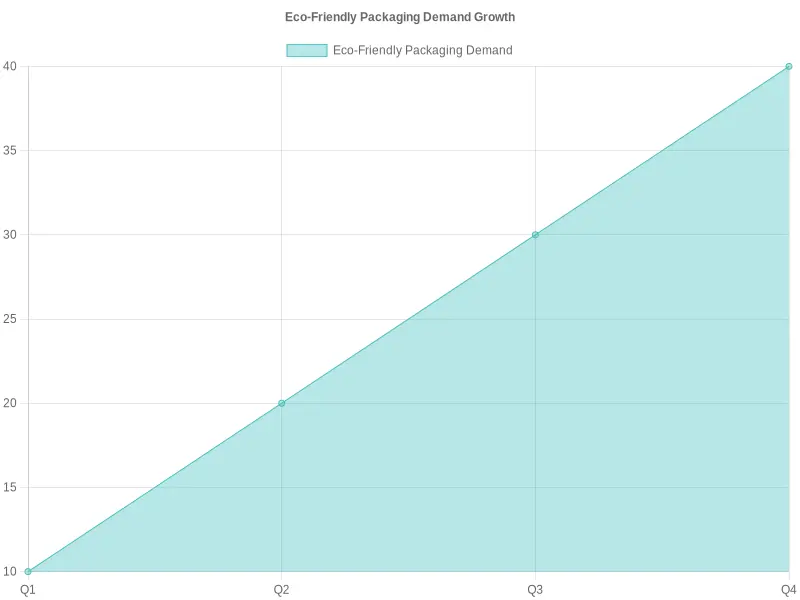
By integrating these eco-friendly disposable containers into your offerings, your business can not only contribute to a healthier environment but also align with the expectations of today’s sustainability-conscious consumer.
For more insight into various eco-friendly packaging solutions, you can check our offerings.
By opting for these sustainable alternatives, food service businesses can stay ahead of market trends while making a positive impact on the environment!
Essential Safety Standards for Food Containers
When it comes to food containers, meeting safety standards is crucial for ensuring food safety and compliance for food service operators. Here’s a concise list of essential safety standards that food containers must adhere to:
- Food-Grade Materials: Containers must be made from materials that are safe for food contact, such as specific plastics or metals that meet regulatory standards (e.g., FDA for the USA, EFSA for the EU). This ensures no harmful chemicals leach into food.
- Temperature Resistance: Containers should withstand temperature variations (hot and cold) without deforming or releasing harmful substances, adhering to standards such as ASTM D638 for plastics.
- Leak and Spill Prevention: Effective sealing mechanisms must be in place to prevent leaks and spills, which are essential for safe transportation and storage of food items.
- Chemical Resistance: Materials should resist various chemicals, ensuring long-term integrity while holding acidic or oily foods without degrading.
- Sustainability Standards: Increasingly, food containers are required to meet environmental regulations, promoting recyclability and reduced environmental impact (e.g., ISO 14001).
- Labeling Requirements: Accurate labeling that indicates the type of material used and safety instructions for handling and cleanup is vital for user awareness and compliance.
- Testing and Certification: Regular testing for compliance with food safety standards by recognized organizations (like NSF or ISO) is necessary to ensure products are safe and effective.
- Child Safety Standards: For products intended for young audiences, certain safety standards must be met to minimize choking hazards and toxic exposure (ASTM F963).
Following these standards helps maintain the safety and quality of food served, boosting customer trust and satisfaction. If you’re interested in exploring packaging options that meet these standards, check out our range of packing solutions here and here.
By ensuring that your food containers comply with these safety standards, you can safeguard your customers and your business operations.
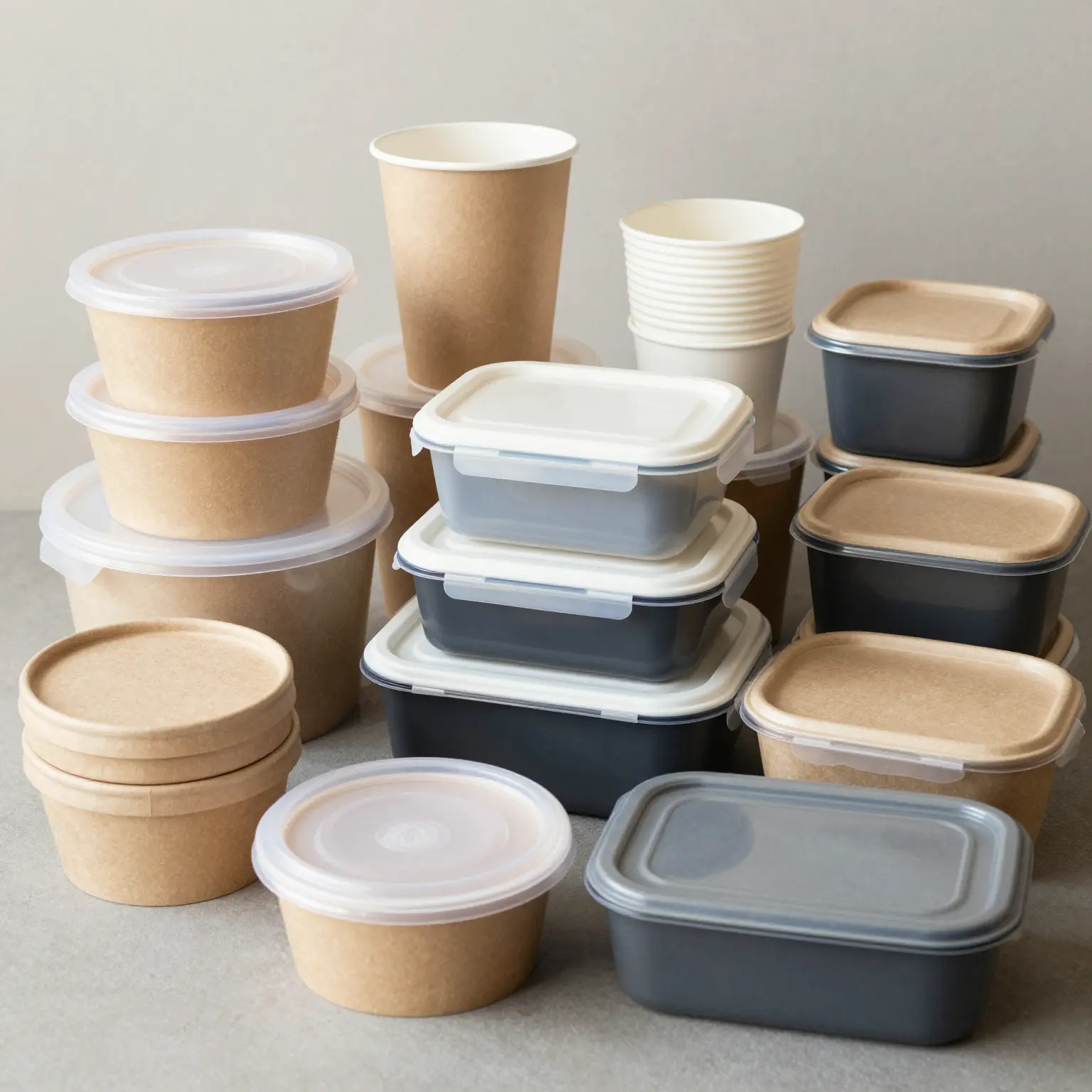
This image showcases a variety of wholesale food containers. You’ll find different styles and materials such as plastic, biodegradable, paper, and metal. This diverse range is ideal for bubble tea shops, beverage chains, restaurants, food trucks, catering services, and event planners looking for cost-effective packaging solutions. For more options, check out our collection of disposable tableware or explore our paper packaging.
Trends in Food Packaging
In the rapidly evolving food packaging landscape, staying updated with the latest trends is essential for businesses in the food and beverage sector, particularly for bubble tea shops, restaurants, food trucks, and catering services. Here are some key trends shaping the future of food packaging:
1. Sustainability Takes Center Stage
Sustainability has become a priority in food packaging. Consumers are increasingly aware of their environmental impact, prompting businesses to adopt eco-friendly materials. These include:
- Biodegradable Packaging: Made from natural substances that decompose within a short period, this type of packaging minimizes landfill contributions.
- Edible Packaging: Innovative solutions like packaging made from food-grade materials such as seaweed and potatoes are gaining popularity. This not only reduces waste but also enhances the overall consumer experience. For example, edible packaging allows consumers to enjoy their food without leaving behind plastic waste.
- Recyclable and Compostable Options: There is a growing trend toward using materials that can either be recycled or composted after their use. This marks a shift away from single-use plastics toward more responsible alternatives.
2. Innovative Designs Enhance User Experience
Design in food packaging goes beyond aesthetics; it significantly impacts usability and consumer satisfaction. Current innovations include:
- Convenience Features: Packaging designs that allow for easy opening or resealing enhance the user experience, making it easier for customers to enjoy their food on-the-go. For instance, containers designed for bubble tea often include features like built-in straws or easy flip caps that make enjoying the drink simple and mess-free.
- Smart Packaging: Implementing technology into packaging is a growing trend. Smart packaging can include QR codes or augmented reality features that offer consumers additional information about the product or even recipes, encouraging engagement and connection with the brand. This can be particularly beneficial for catering services and event planners looking to create memorable experiences.
3. Consumer Preferences Driving Change
The demand for transparent labeling and functional packaging has reshaped how food products present themselves. Today’s consumers want to know more about what they’re eating. Presidenting the ingredients, nutritional information, and sourcing details on packaging build trust and appeal.
Conclusion
As the trends in food packaging shift towards sustainability and innovation, food businesses must adapt to meet consumer demands and ecological responsibilities. By investing in sustainable materials and embracing innovative designs, businesses can not only reduce their environmental footprint but also enhance customer satisfaction and loyalty. For anyone involved in food service-whether it’s a restaurant, food truck, or catering company-keeping up with these trends is crucial for long-term success.
To explore a wide range of eco-friendly food packaging solutions, you can check out our packaging options and paper packaging products that align with these trends.
Conclusion
In today’s competitive food industry, selecting the right packaging is more crucial than ever. When businesses, whether bubble tea shops, restaurants, food trucks, or catering services, opt for high-quality, reliable food containers from Cofe Cup, they not only ensure the safety and longevity of their products but also enhance their brand image. High-quality containers protect food from contamination, preserve its freshness, and elevate presentation, which directly influences customer satisfaction and loyalty.
By partnering with us at Cofe Cup, your business will benefit from affordable wholesale pricing without compromising quality. Our diverse range of disposable bowls and cutlery guarantees you’ll find the perfect solution to meet your needs. We are dedicated to providing dependable products that contribute to your business’s success, ensuring that you can focus on what matters most-your culinary creations and customer service.
Consider choosing us for your packaging needs today, and take a step towards reliability, quality, and customer satisfaction in the food industry. Let’s work together to elevate your offerings with our premium food containers!