

Understanding who buys car parts is crucial for any business operating in the automotive industry, as it allows them to tailor their marketing strategies to better target potential customers. The buyer demographic encompasses a diverse range of consumers, including motorcycle owners, auto owners, auto parts distributors, and even auto repair shops and garages. Each segment has its unique interests and purchasing behaviors, which can significantly impact how businesses approach marketing and sales.
For instance, current trends reveal that motorcycle ownership demographics have shifted, with a growing number of younger riders entering the market, while the average age of motorcycle owners has increased, reflecting a demographic that is increasingly older yet more invested in quality parts [Motorcycle Demographics Statistics]. Similarly, auto owners display unique patterns based on income and lifestyle preferences, often influenced by global market trends such as the rising demand for eco-friendly vehicles [Car Ownership Statistics]. Understanding the intricacies of these buyer behaviors can empower businesses to develop more targeted and effective marketing strategies, enhancing customer satisfaction and ultimately driving sales.
By comprehensively analyzing the motivations and needs of these consumer segments, businesses can capitalize on emerging opportunities, ensuring they meet the demands of their clientele. Thus, organizations that invest time in grasping who buys car parts are likely to enjoy a competitive advantage in the automotive marketplace.
The Importance of Understanding Who Buys Car Parts
In the automotive sector, knowing who buys car parts is crucial for businesses aiming to thrive in a competitive market. Understanding the specific needs and trends of various buyers can help companies tailor their products effectively and enhance customer satisfaction. Whether you’re engaging with motorcycle owners, auto drivers, auto parts distributors, or repair shops, insights into buyer demographics and preferences can lead to improved sales strategies and targeted marketing efforts.
Engaging with your audience by learning about their buying behaviors not only boosts customer loyalty but also fosters relationships that can translate into repeat business. For instance, discovering trends in car maintenance skills or understanding the importance of specific components can help businesses supply the right parts at the right time.
Understanding Motorcycle Owners: Who Buys Car Parts
Motorcycle owners, akin to car owners, frequently find themselves seeking car parts for various reasons, all influenced by their unique needs and personal preferences. Understanding who buys car parts-in this case, motorcycle enthusiasts-reveals a lot about their buying habits, what they prioritize, and the types of parts they look for in the market.
Reasons for Purchasing Car Parts
Motorcycle owners often purchase car parts for several specific reasons:
- Maintenance and Repairs: Regular maintenance is crucial for optimal performance and safety. Motorcycle owners often buy parts like oil filters, brake pads, and lights to ensure their bikes remain in excellent condition. This is comparable to auto owners who regularly check their vehicles for wear and tear, emphasizing the importance of reliable components.
- Customization: Many motorcycle owners take pride in their bikes and enjoy customizing them to reflect their personal style. This often leads them to purchase aftermarket parts, including fenders, exhaust systems, and handlebars. A bike’s aesthetics matter just as much to many riders as functionality.
- Performance Enhancements: Motorcycle owners are also keen on enhancing their bike’s performance. Parts that improve speed, acceleration, and handling are sought after. Similar to how car enthusiasts upgrade engines and suspensions, bikers look for performance-oriented modifications to get the most out of their ride.
Buying Habits
Motorcycle owners share several buying habits that distinguish them from typical car owners:
- Online Shopping Preference: With the rise of e-commerce, many motorcycle owners prefer to purchase parts online. Websites like Partzilla and Wemoto provide vast selections of OEM and aftermarket parts tailored for specific motorcycle brands and models. Easy access to parts paired with competitive pricing influences their online purchasing behavior.
- Research Orientation: Before making a purchase, motorcycle owners tend to conduct thorough research. They often consult forums, reviews, and expert opinions on various motorcycle parts to ensure they buy the best components. This careful consideration shows a commitment to quality and reliability.
- Community Engagement: Many motorcycle owners are part of communities or groups where they share maintenance tips, review parts, and recommend brands. This engagement can lead to communal buying habits, where recommendations strongly influence individual purchases.
Commonly Sought Parts
The parts that motorcycle owners frequently seek include:
- Braking Systems: Brake pads and rotors are always on the shopping list, as they are essential for safety.
- Exhaust Systems: Upgrading to a performance exhaust not only enhances sound but also can improve horsepower.
- Tires: Quality tires are critical, with owners often seeking specific brands known for performance and safety.
In summary, understanding who buys car parts among motorcycle owners involves recognizing their maintenance needs, customization desires, and performance goals. As they immerse themselves in the process of selecting and upgrading their motorcycles, these owners prioritize quality parts, often leading them to reputable online platforms for their purchases. Whether for practical maintenance or passion-led enhancements, motorcycle owners exhibit unique buying behaviors that reflect their love for riding.
Understanding Auto Owners: Who Buys Car Parts?
The segment of auto owners is diverse, representing millions of individuals responsible for maintaining their vehicles. In seeking to answer who buys car parts, we delve into the habits and motivations behind their purchasing decisions.
Common Issues Faced by Vehicle Owners
Auto owners frequently encounter a range of issues that necessitate the purchase of car parts. According to various sources, the most prevalent problems include:
- Dead Batteries: Often identified as a leading culprit, dead batteries can strike at any time, particularly during extreme weather conditions.
- Tire Issues: Worn-out or flat tires are common among all vehicle categories, prompting replacements or repairs.
- Air Conditioning Failures: Especially in the summer months, malfunctioning AC units lead many to seek new compressor or condenser units.
- Engine Problems: From minor misfires to major leaks, engine-related issues can be both frequent and costly.
These common problems drive auto owners to their local auto parts stores or online marketplaces in search of specific replacements and upgrades.
Age and Condition of Vehicles
The age of cars on the road is an essential factor influencing car part purchases. As of 2023, the average age of cars in the U.S. has reached an all-time high of 12.8 years. This trend has been steadily increasing over the past decade, as indicated in the following table:
| Year | Average Age of Cars on U.S. Roads (Years) |
|---|---|
| 2010 | 10.6 |
| 2011 | 10.7 |
| 2012 | 10.8 |
| 2013 | 10.9 |
| 2014 | 11.0 |
| 2015 | 11.1 |
| 2016 | 11.5 |
| 2017 | 11.8 |
| 2018 | 12.0 |
| 2019 | 12.1 |
| 2020 | 12.2 |
| 2021 | 12.5 |
| 2022 | 12.6 |
| 2023 | 12.8 |
The growing age of vehicles contributes to increasing maintenance needs, driving owners to look for replacement parts, upgrades, and tools necessary for repairs. This shift indicates a market more focused on sustaining older vehicles rather than acquiring new car parts for modern models.
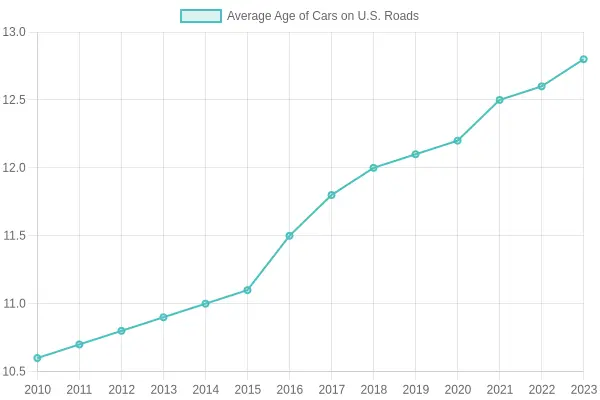
Average Age of Cars on U.S. Roads Over Time
Types of Parts Commonly Bought
In response to these issues, auto owners commonly seek the following parts:
- Batteries: Essential for vehicle operability, particularly as cars age.
- Tires: Multiple purchases often occur throughout a vehicle’s lifespan, highlighting tire maintenance’s importance.
- Brakes: Worn brakes are a frequent concern necessitating replacements, which can improve safety.
- Filters: Oil, air, and fuel filters are regularly replaced to ensure optimal engine performance, especially in older vehicles.
Auto owners play a significant role in the automotive industry by directly influencing demand for car parts. Their purchasing habits are affected by the problems they encounter, the age of their vehicles, and the common types of parts needed for maintenance and repairs. To enhance the lifespan and performance of their vehicles, many owners embrace DIY repair techniques and regularly stock up on essential parts. For more insights into vehicle maintenance, visit our car maintenance skills blog.
This awareness not only facilitates individual vehicle reliability but supports a larger ecosystem of auto parts distributors and repair shops.
Comparison of Auto Parts Needs
The automotive and motorcycle parts market serves a diverse clientele ranging from individual motorcycle and car owners to distributors and garages. Understanding their unique needs and purchasing behaviors can provide invaluable insight into the market. Below is a table that outlines the varying needs of these stakeholders regarding auto part purchases:
| Category | Types of Parts | Frequency of Purchase | Average Spending (per year) |
|---|---|---|---|
| Motorcycle Owners | Tires, Oil filters, Brake pads | 2-3 times | $150 – $500 |
| Auto Owners | Brakes, Batteries, Oil filters | 1-2 times | $300 – $800 |
| Distributors | Bulk parts (tires, batteries) | Monthly | $10,000 – $50,000 |
| Garages | Replacement parts, Tools | Weekly | $1,000 – $5,000 |
Insights
- Motorcycle Owners typically purchase parts less frequently but often focus on essential components like tires and filters, leading to a mid-range annual spending.
- Auto Owners have a higher frequency for essential maintenance parts, impacting their spending closer to the lower end of the yearly average.
- Distributors, focusing on bulk purchase, experience significantly higher spending due to volume transactions.
- Garages represent a unique ecosystem, with regular needs for parts and tools to service cars, resulting in a substantial annual budget.
The Role of Auto Parts Distributors & Wholesalers
Auto parts distributors and wholesalers play a critical role in the automotive marketplace, acting as the vital link between manufacturers and end-users, such as auto repair shops and consumers. Their motivations and operational dynamics shape not only their businesses but also the larger car parts market.
Motivations of Distributors and Wholesalers
Understanding who buys car parts isn’t just confined to individual consumers; it extends to a network of distributors and wholesalers. These entities are typically motivated by several key factors:
- Profit Margins: Distributors seek to purchase auto parts at lower prices to ensure a profit margin when reselling to retailers and repair shops.
- Availability and Reliability: Wholesalers often prioritize suppliers who can guarantee consistent and timely delivery of high-quality parts. This reliability is essential to maintain their business relationships and customer satisfaction.
- Adaptability to Market Trends: With the evolving automotive landscape, including the rise of electric vehicles and new technologies, distributors are inclined to stock parts that align with current trends.
- Diverse Inventory: Distributors prefer suppliers who offer a wide range of products to satisfy various market segments, thereby minimizing the risks associated with holding only a narrow inventory.
For example, distributors are increasingly turning to platforms that facilitate quick access to real-time parts availability, helping them manage stock efficiently while meeting customer demands (Worldpac).
Profiles of Auto Parts Distributors
Auto parts distributors vary in profile, encompassing a mix of large-scale entities and smaller specialized ones. Key profiles include:
- Warehouse Distributors: These operate large facilities and handle significant volumes, often focusing on bulk purchasing agreements with manufacturers.
- Jobbers: Smaller players who cater to local markets, jobbers often buy from warehouse distributors and sell to independent repair shops and retailers.
- Retail Networks: Some wholesalers are part of larger retail chains, allowing for direct consumer engagement while maintaining bulk purchase capabilities.
Contribution to the Car Parts Market
Distributors and wholesalers contribute significantly to the car parts market by:
- Enhancing Accessibility: They ensure that various auto parts are readily available to repair shops and consumers, which is crucial for timely vehicle maintenance and repairs. As noted in an auto parts distribution report, their logistics capabilities make parts accessible to those who need them most.
- Driving Innovations: By keeping an eye on emerging trends, distributors can introduce new products that reflect the latest technological advancements in the automotive industry.
- Facilitating Cost Efficiency: Wholesale purchasing allows repair shops to access parts at lower costs, enabling them to offer competitive pricing to customers, thus stimulating demand.
What Distributors Seek When Purchasing Car Parts
When purchasing car parts, distributors typically look for:
- Quality and Certification: Genuine OEM parts or high-quality aftermarket products that meet industry standards.
- Reliable Suppliers: Trustworthy suppliers that fulfill orders accurately and punctually, critical for maintaining their business operations.
- Competitive Pricing and Terms: Favorable wholesale prices, payment terms, and return policies that reduce financial risks.
The auto parts distribution network is an integral component of the automotive industry, directly affecting how easily consumers can access car parts and components. For a deeper dive into car maintenance skills that help both consumers and businesses succeed, consider checking essential car maintenance skills.
Understanding these dynamics helps clarify who buys car parts, providing insights into the larger market mechanisms at play.
Understanding Car Parts Buyers
In the automotive industry, comprehending the needs and behaviors of car parts buyers is crucial for both manufacturers and retailers. An expert in the field once noted:
“Understanding the customer is paramount in the parts business; it isn’t just about selling parts, but fulfilling a need and building trust.”
- Anonymous Industry Expert
This insight underscores the complexity of buyer motivations and emphasizes the necessity of aligning product offerings with customer expectations. In a market that is increasingly influenced by technology, knowing what drives consumer decisions is key to staying competitive.
Why Knowing Your Buyers Matters
- Informed Marketing: Targeted strategies can better resonate with customers’ specific needs-be it price sensitivity, ecological concerns, or product reliability.
- Better Inventory Management: Understanding buyer trends allows for smarter inventory purchases.
- Enhanced Customer Engagement: Tailored communication strategies can foster loyalty and repeat business.
Key Considerations for Auto Parts Distributors
- Diverse Demographics: Buyers range from casual vehicle owners to professional mechanics, each with unique needs.
- Evolving Preferences: Today’s consumers prioritize factors such as sustainability and advanced technology more than ever before. Market research can be beneficial in adapting to these trends.
- Importance of Data: Utilizing analytics to track consumer behavior can lead to better service and product offerings.
To gain a deeper understanding of consumer preferences and market trends, consider exploring related market research insights and modern buying trends.
Auto Repair Shops and Garages in the Car Parts Buying Market
Auto repair shops and garages play a critical role in the car parts buying market, serving as intermediaries who purchase components not only for repairs but often for resale. Understanding who buys car parts includes recognizing the distinct purchasing behaviors of these businesses compared to individual buyers.
Purchasing Patterns of Auto Repair Shops vs. Individual Buyers
Unlike individual buyers who generally purchase parts for personal use, auto repair shops buy parts in bulk or wholesale to meet the needs of their customers. This fundamental difference in purchasing intent leads to several unique patterns:
- Bulk Purchasing: Auto repair businesses frequently buy larger quantities of car parts to benefit from discounts and improve inventory levels, which contrasts sharply with individual buyers who might only require one part.
- Supplier Relationships: Repair shops often establish long-term relationships with specific suppliers who provide both quality assurance and better pricing, as opposed to casual shoppers who might choose retailers based on the low upfront pricing.
- Focus on Quality and Longevity: While individuals may be swayed by current promotions, garages prioritize the durability and reliability of parts, influencing their choice of suppliers to those known for dependable quality. This is crucial for maintaining their reputation in servicing vehicles effectively.
For instance, as highlighted by Osum, factors like skilled technicians and reliable parts significantly influence purchasing choices in auto repair shops. Trusted sources and positive supplier reviews are critical, as they directly impact the type of parts a shop might choose to buy.
Influences on Auto Repair Shops’ Purchasing Decisions
Several factors influence the purchasing decisions of auto repair shops:
- Cost of Parts and Availability: Competitive pricing and supply stock play a major role in decision-making. If parts are scarce or too expensive, shops may look for alternative suppliers or substitute products.
- Customer Demand: Repair shops must respond to trends in vehicle maintenance and repair requests. If certain car components are frequently requested, shops are more likely to stock them up.
- Technological Advances: With the automotive industry evolving rapidly, shops often look for parts that incorporate new technologies for better performance-prompting them to source more modern parts rather than outdated inventory.
- Reviews and Reputation: According to Automotive Quest, a positive reputation can directly influence purchasing decisions. Shops are more inclined to purchase from suppliers who are well-reviewed and trusted within the industry.
In summary, auto repair shops and garages differ significantly from individual buyers in their purchasing habits, focusing more on quality, supplier reliability, and bulk procurement strategies. This necessitates not just a keen eye for cost but also a robust understanding of market demands and supplier capabilities to successfully navigate the car parts buying market.
Conclusion and Call to Action
In summary, understanding who buys car parts is essential for anyone involved in the automotive and motorcycle sectors, whether you’re an auto repair shop, a parts distributor, or a dedicated vehicle owner. From statistics indicating a diverse range of consumers from casual drivers to performance enthusiasts, to the evolving landscape of online purchasing, it’s clear that the market is constantly changing. Reports show that more than half of automotive consumers now begin their search for parts online, underlining the importance of a robust digital presence in reaching potential clients. Additionally, as motorcycle enthusiasts increasingly seek to customize and enhance their rides, there lies an immense opportunity for businesses ready to engage with this enthusiastic demographic.
To elevate your ride and tap into the latest trends in automotive parts, consider how Summit Fairings can meet your needs. Whether you’re looking for performance parts, aesthetic upgrades, or essential maintenance components, investing in high-quality parts can lead to better vehicle performance and longevity. Explore more about essential engine upgrades for performance or discover vital car maintenance skills to keep your vehicle in top condition.
Your next journey starts with the right parts-don’t compromise on quality. Choose Summit Fairings and enhance your driving experience today!