
Introduction
In the ever-evolving world of automotive and motorcycle ownership, knowing where to buy car parts is essential for ensuring your vehicle remains in prime condition. Whether you are a passionate bike rider, an auto enthusiast, or a dedicated professional operating an auto repair shop, making informed decisions about sourcing parts can significantly impact performance, safety, and budget. The landscape of car parts purchasing has grown increasingly diverse; it now serves not just avid motorcycle and auto owners, but also auto parts distributors and wholesalers eager to meet the demands of a flourishing market. With the right knowledge, you can navigate the plethora of options available including local shops, online marketplaces, and specialized suppliers catering to various needs. Understanding the best resources for car parts not only empowers you as an owner or professional but also fosters a sense of community and support among vehicle aficionados. Let’s explore the key places to procure car parts, ensuring your ride remains as reliable as it is thrilling!
For a deeper look at how proper maintenance can enhance your vehicle’s longevity, learn more about car maintenance skills.
Different Types of Car Parts Vendors
When it comes to purchasing car parts, various types of vendors cater to different needs, whether you are a DIY enthusiast, a professional mechanic, or a business involved in auto parts distribution. Understanding the different vendors can help you choose the best option for your specific requirements.
1. Online Retailers
Online auto parts shopping has revolutionized the way consumers buy components for their vehicles. Here are some key benefits and characteristics:
- Extensive Selection: Online platforms typically offer a vast range of auto parts, including rare and hard-to-find components not available in local stores.
- Cost-Effective Options: Prices are often lower on e-commerce sites due to reduced overhead costs. Promotions, discounts, and price comparison tools further enhance affordability.
- Convenience: Shopping can be done anytime and anywhere, with features like vehicle-specific compatibility checks, customer reviews, and detailed product specifications that aid in making informed decisions.
- Trusted Platforms: Reputable online retailers ensure customer safety by providing verified products and warranties, efficiently handling returns, and offering customer support.
For more on the advantages of buying car parts online, check out The Benefits of Buying Car Parts Online vs In-Store.
2. Local Auto Parts Stores
Local auto parts stores remain a popular option for purchasing car parts due to their immediate availability and personal service. Their key characteristics include:
- Immediate Access: Local stores allow instant procurement, especially for urgent repairs, enabling customers to get the parts they need without waiting for shipping.
- Expert Advice: Store staff often have specialized knowledge and can provide important insights about compatibility, installation, and maintenance.
- Support Local Economy: Purchasing from local businesses contributes to community growth and supports local jobs.
You might want to read about Essential Car Maintenance Skills to complement your parts purchasing experience.
3. Wholesale Distributors
Wholesale distributors play a crucial role in the automotive parts supply chain. They typically cater to businesses rather than individual consumers and include:
- Bulk Purchasing: Wholesale distributors offer parts in larger quantities, which can be beneficial for auto repair shops and garages looking to stock up on inventory.
- Pricing Advantages: Buying in bulk from wholesalers typically results in significant savings per unit, helping businesses maintain profitability.
- Established Relationships: Many wholesalers maintain direct relationships with manufacturers, ensuring quality and authenticity in the parts they supply.
- Custom Solutions: Some distributors offer tailored inventory solutions to meet the specific needs of their clients, optimizing supply chain logistics.
For an in-depth understanding of the auto parts distribution landscape, read Auto Parts Distributors – Vertical IQ.
Conclusion
Each vendor type serves unique needs within the automotive industry. Whether you prefer the convenience of online shopping, the immediate access provided by local stores, or the cost-effectiveness of wholesale distributors, being informed about each option will allow you to make better purchasing decisions for your automotive needs.
Comparison of Online Vendors for Purchasing Car Parts
When it comes to buying car parts online, various vendors offer unique features, pricing, and policies. Here’s a comparison of some prominent online car part vendors based on price, shipping options, and return policies:
| Vendor | Price | Shipping Options | Return Policy |
|---|---|---|---|
| eBay | Competitive prices; often lower than retail | Standard shipping (3-5 days); express options available | 30-day return policy, items must be in original condition |
| Amazon | Prices vary widely; often competitive | Free shipping on Prime; options for same-day delivery | 30-day return policy, exceptions for some items |
| RockAuto | Generally lower prices than most retailers | Standard shipping (3-7 days); express available | 30-day return policy, parts must be unopened |
| AutoZone | Price match guarantee; generally retail prices | In-store pickup; standard shipping (2-5 days) | 90-day return policy; must have receipt |
| Advance Auto Parts | Competitive prices; regular discounts and promotions | Standard shipping (1-5 days); free in-store pickup | 30-day return policy; must have receipt |
| NAPA | Slightly higher prices for quality; discounts available | Standard shipping (3-6 days) | 1-year return policy; parts must be in original packaging |
| PartsGeek | Low prices compared to competitors | Standard shipping; typically 3-8 days | 30-day return policy; restocking fees may apply |
Key Takeaways
- eBay and Amazon provide vast selections and competitive pricing but check for shipping terms.
- RockAuto is ideal for those seeking lower prices on vehicle parts, while AutoZone and Advance Auto Parts offer solid retail options with the convenience of in-store pickups.
- Remember to verify return policies to avoid potential issues if the part does not fit or meet expectations.
For more on the importance of choosing the right parts for your vehicle, learn more about car maintenance skills.
Tips for Buying Car Parts Effectively
When it comes to buying car parts, whether you are a motorcycle owner or an auto enthusiast, making informed decisions is crucial for ensuring safety and performance. Here are some essential tips to guide you through the process:
- Understand Your Vehicle’s Needs
- Start by knowing the exact part number required for your vehicle. You can typically find this information in your owner’s manual or by checking with a trusted mechanic.
- Make sure to specify your vehicle’s make, model, and year to ensure compatibility.
- Research the Part
- Check if original equipment manufacturer (OEM) parts are necessary or if aftermarket options will suffice. OEM parts are often more reliable, but quality aftermarket parts can also perform well if verified.
- Consider the material and brand reputation; brands like Bosch and Denso often receive high marks for reliability.
- Check Reviews and Seller Ratings
- Utilize resources such as Consumer Reports to gain insight into the credibility of sellers and their products.
- When considering online purchases, read through customer reviews and ratings. Sellers with positive feedback about their products and service tend to be more reliable.
- Verify Seller Credibility
- Look for sellers with verified badges and solid reputations on platforms like eBay or Amazon. According to a 2023 report by the AutoParts Insights Journal, verified sellers tend to have significantly higher conversion rates compared to non-verified dealers.
- Ensure that the seller provides a physical address and a customer service contact number. Avoid sellers who only list a P.O. Box.
- Evaluate Return Policies and Warranties
- Always verify the terms of the warranty offered with the parts. Quality parts often come with robust warranty options, such as 90-day guarantees on remanufactured components.
- A transparent return policy is a good indicator of trust. Sellers lacking this may indicate potential issues with their products.
- Compare Prices
- Use multiple sources to compare prices for the same part. You may find significant price differences between various sellers, but ensure you are not sacrificing quality for cost.
- If you are considering used parts, verify their condition and ask for documentation proving they come from non-damaged vehicles.
- Seek Expert Guidance
- If you’re unsure about the type or quality of parts you need, don’t hesitate to consult with professionals such as trusted mechanics or auto parts distributors. Their experience can provide valuable insights and potentially save you money and hassle in the long run.
- Be Wary of Red Flags
- Avoid sellers that lack proper certifications or those who use vague descriptions like “fits most models.” This can lead to compatibility issues, increasing the risk of having to return the part.
- Look out for sellers that do not display detailed product specifications or compatibility charts as advised in the AAA AutoCare Blog.
By following these tips, you can enhance your chances of securing the right auto parts efficiently and safely. Making informed decisions will not only improve your vehicle’s performance but also contribute to your overall experience as a car owner.
Benefits of Purchasing Car Parts from Wholesalers
Buying car parts from wholesalers offers numerous advantages for auto repair shops and garages, making it an ideal choice for those considering where to buy car parts. Here are some key benefits:
1. Cost Savings
One of the most significant benefits of purchasing from wholesalers is the reduced cost per unit. Wholesalers typically buy in bulk and have negotiated prices which they can pass on to customers. This allows auto repair shops to acquire high-quality parts at lower prices, thus increasing their profit margins. For instance, many wholesalers give substantial discounts based on volume purchases which can greatly contribute to operational savings.
2. Greater Variety and Availability
Wholesalers often have an extensive inventory that includes a wide range of vehicle parts, accommodating various makes and models. This one-stop-shop approach reduces the need for auto repair shops to source parts from multiple vendors, saving them time and ensuring they have immediate access to the parts they need. Such convenience greatly enhances operational efficiency and customer satisfaction.
3. Quality Assurance
When sourcing parts from reputable wholesalers, auto repair shops can be assured of the product quality. Many wholesalers adhere to strict quality control measures, ensuring that all parts meet safety and performance standards. This can protect auto repair facilities from the risks associated with using inferior or substandard parts, and ultimately boosts customer trust.
4. Flexible Supply Options
Wholesalers often provide a flexible supply chain, allowing auto repair shops to place small orders or request emergency supplies as needed. This adaptability is crucial for meeting sudden demands, ensuring that a shop can respond promptly to repair needs without inflating costs due to emergencies or stocking inefficiently.
5. Technical Support and Consultation
Many wholesalers offer additional services, such as technical support and consultation, which can be extremely valuable for auto repair shops. For instance, if a shop encounters a problem with installation, the wholesaler can often provide guidance and solutions. This support can lead to smoother operations and a reduction in errors that can arise from improper part installations.
Conclusion
For auto repair shops looking to increase their efficiency and profitability, purchasing car parts from wholesalers presents a compelling option that balances cost savings, quality assurance, and a broad selection of parts. This strategy not only streamlines procurement processes but also enhances service quality, leading to satisfied customers and repeat business.
Price Comparison of Car Parts
Choosing the right car parts is crucial for both performance and budget. Below is a comparison of prices for various car parts, showcasing the differences between Original Equipment Manufacturer (OEM) products and aftermarket alternatives.
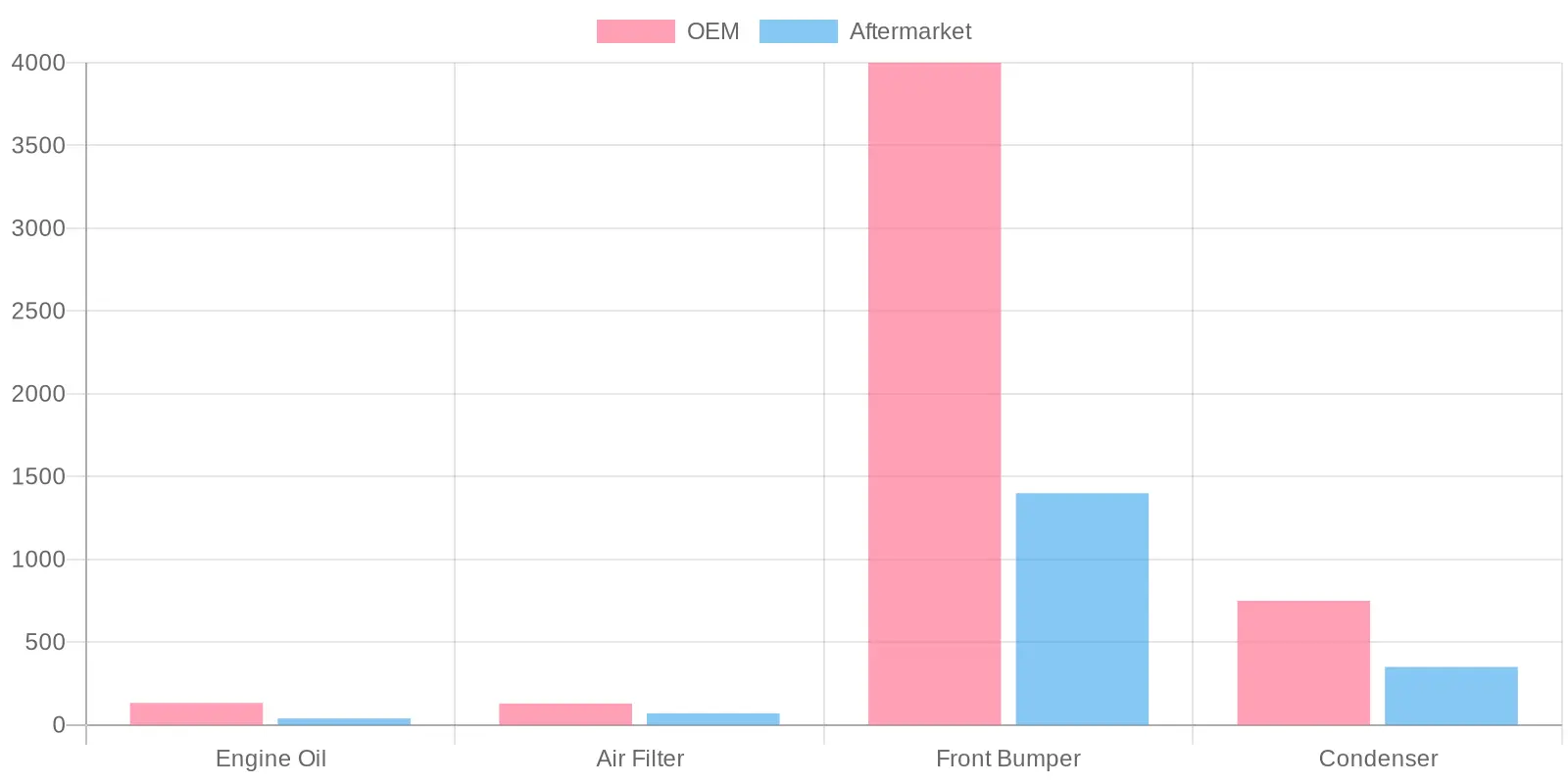
Here’s a summarized table of the price ranges:
| Car Part | Vendor Type | Price Range (CNY) |
|---|---|---|
| Engine Oil | OEM | 133 |
| Engine Oil | Aftermarket | 39 |
| Air Filter | OEM | 129 |
| Air Filter | Aftermarket | 70 |
| Front Bumper | OEM | 3,000 – 5,000 |
| Front Bumper | Aftermarket | 800 – 2,000 |
| Condenser | OEM | 500 – 1,000 |
| Condenser | Aftermarket | 200 – 500 |
This chart and table will enable motorcycle owners, auto owners, auto parts distributors, and repair shops to make informed purchasing decisions based on price differences between OEM and aftermarket parts. For more insights on maintenance skills, you can also learn more about essential car maintenance skills here.
“I purchased a custom suspension system from Summit Racing, and I couldn’t be happier with the results. The performance enhancement has been significant, and their customer service was outstanding. They helped me find precisely what I needed, and my order arrived on time without any hitches. It’s reassuring to know that I can rely on Summit for high-quality parts and service!”
- Happy Customer, Texas
This testimonial highlights the quality of products and the exceptional service that Summit Racing provides, making them a go-to source for vehicle parts.
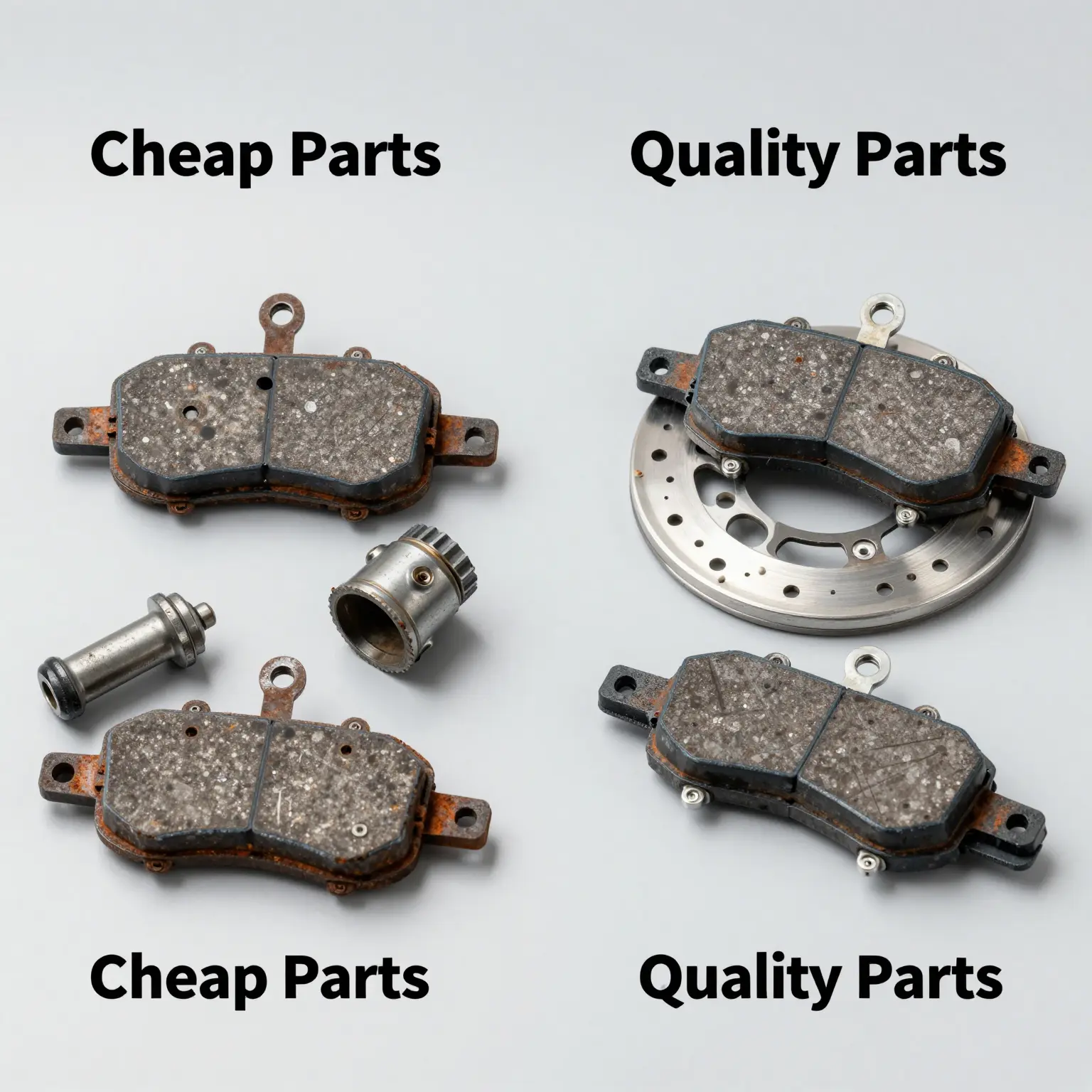
The Impact of Purchasing Cheap vs. Quality Parts
When it comes to maintaining vehicles-whether a motorcycle or an automobile-owners often face a critical decision: should they purchase cheap parts or invest in quality alternatives? While the allure of low upfront costs is tempting, especially in tight economic times, the long-term consequences of choosing subpar components can be significant.
Durability: A Key Consideration
Durability is a critical factor that differentiates cheap parts from quality components. A Consumer Reports study revealed that cheap aftermarket parts are 2.8 times more likely to fail within the first year compared to original equipment manufacturer (OEM) or high-quality aftermarket parts. This is crucial information for motorcycle owners as well; a report from Motorcycle.com notes that low-cost brake pads typically wear out much faster and generate excessive heat, risking safety and performance during rides.
| Type of Part | Average Lifespan | Failure Rate Within 12 Months |
|---|---|---|
| Cheap Parts | 3,000 miles | 40% |
| Quality Parts | Over 10,000 miles | 6% |
This data underscores the importance of investing in durable, quality parts to avoid the frequent replacements and maintenance costs associated with cheaper alternatives. Quality parts, often made from advanced materials like forged aluminum and aerospace-grade steel, offer better fatigue resistance, thermal stability, and longevity-essential for both motorcycles and automobiles.
Performance and Safety
Performance is another area where quality parts shine. Cheaper components may temporarily save money but often lead to subpar performance. For example, budget brake components can lead to inconsistent stopping power, increasing the risk of accidents. Additionally, using low-cost parts can void manufacturer warranties, compounding the risk of significant financial loss in case of part failure. An NHTSA report highlighted that 29% of safety-related failures stemmed from low-cost parts, significantly increasing the likelihood of preventable accidents.
Long-Term Costs
A common misconception is that cheap parts lead to overall savings. In reality, the initial cost is just part of the equation. According to a J.D. Power study, vehicle owners who opted for cheaper parts reported significantly higher long-term repair costs-averaging $1,240 over three years for those using low-cost parts, compared to $760 for those who chose quality options. This 63% increase in expenses indicates that investing in quality from the start can lead to significant savings down the line.
Conclusion
Overall, choosing between cheap and quality parts is not merely a financial decision; it’s a commitment to safety, performance, and reliability. Motorcyclists and auto owners alike must weigh the initial cost against potential long-term consequences, including increased maintenance costs, performance shortcomings, and higher risks to personal safety. Opting for quality parts may incur a higher upfront cost, but it significantly enhances the longevity and performance of your vehicle, making it a smart choice in the long run.
Conclusion
In conclusion, purchasing car parts is not merely a transaction but a carefully considered decision that can significantly impact your vehicle’s safety, performance, and longevity. As we discussed, the risks of using inferior or mismatched parts-especially for critical systems like brakes and steering-cannot be overstated. Studies from trusted sources like Car and Driver highlight that opting for original equipment manufacturer (OEM) parts rather than low-quality aftermarket alternatives is essential for maintaining the integrity of your vehicle. Vehicle compatibility plays a crucial role, as improper fit can lead to mechanical failure and safety hazards, as noted by the NHTSA.
For motorcycle owners and auto enthusiasts alike, it’s vital to ensure that the parts you select not only fit perfectly but also comply with industry standards for quality and safety. This commitment to quality directly contributes to a more reliable and enjoyable driving experience.
When it comes to car parts, look no further than Summit Fairings. Offering a wide selection of motorcycle fairing kits, Summit Fairings combines style and functionality, with features designed to enhance the aerodynamics and performance of your ride. Their products utilize durable materials like impact-resistant ABS plastic, ensuring longevity and resilience against the elements. By choosing Summit Fairings, you not only invest in top-quality parts but also enhance your overall riding experience.
Don’t leave safety and performance to chance. Visit Summit Fairings today and discover the optimal parts for your motorcycle!