

Introduction to Sleeve Tattoos in the Professional World
In recent years, the tattoo culture has seen significant growth, particularly among individuals in thriving communities like motorcyclists. Sleeve tattoos, once considered taboo and unprofessional, are now being embraced by many as forms of personal expression, artistry, and identity. This shift in perception raises an interesting question: will a sleeve tattoo affect your career? As more companies diversify and embrace a more modern view of personal appearances, the potential impact of visible tattoos in the workplace is worth discussing. In this article, we will delve into the complexities surrounding sleeve tattoos, and how factors like industry norms, company culture, and personal branding come into play. For many motorcycle enthusiasts, tattoos are a badge of honor reflective of their passion and lifestyle; however, the balance between personal expression and professional image is a critical consideration for today’s motorcyclist professionals. Join us as we explore the intersection of tattoo art and career opportunities in more depth.
The Shift in Professional Settings
Tattoos have long been subjects of scrutiny in professional environments, often seen as unprofessional or inappropriate. However, recent trends indicate a significant shift in this perception. According to a 2023 survey conducted by Forbes, over 75% of companies in the tech and creative sectors embrace tattoos as a form of personal expression. Conversely, traditional industries like finance and law still display notable resistance, with about 40% requiring employees to cover visible tattoos, particularly in roles involving client interaction.
Despite these disparities, a growing number of employers argue that professionalism is more about a person’s skills and demeanor than their appearance. The American Academy of Dermatology reports that 68% of adults wouldn’t dismiss a candidate for having tattoos, showcasing a gradual acceptance in broader society. However, the advent of more conservative workplaces that maintain strict policies still prompts tattoo removal among individuals seeking advancement in these fields.
Acceptance in Automotive and Motorcycle Cultures
Within the realms of motorcycle and automotive cultures, tattoos have carved out a distinctive niche, signifying individuality, craftsmanship, and a connection to lifestyle. A 2023 survey by the Motorcycle Lifestyle Journal revealed that over 78% of motorcycle enthusiasts bear tattoos, often serving as personal stories or representations of freedom and rebellion. Events such as the Born Free Motorcycle Show 2023, have celebrated this connection, showcasing custom motorcycles intertwining with tattoo-inspired art.
In these communities, tattoos are not perceived as merely body art but rather as badges that symbolize identity, storytelling, and a shared ethos rooted in authenticity. This cultural acceptance is mirrored in the automotive subculture, where tattoos are embraced as expressions of personal history and craftsmanship.
Conclusion
The cultural perception of tattoos is in a state of flux. While professional environments vary in their acceptance based on industry norms, the motorcycle and automotive worlds distinctly celebrate body art as integral to personal identity. For enthusiasts and professionals alike, understanding these evolving perceptions can shape how they present themselves and navigate their careers, particularly in culturally rich fields. For insights on maintaining your vehicle and ensuring peak performance, check out our essential car maintenance skills.
Changing Attitudes Towards Tattoos in the Workplace
The perception of tattoos in professional environments has been evolving, as highlighted in recent studies. According to a quote from a human resources executive in a Harvard Business Review publication, “We are not discriminating against people with tattoos, but we must consider client perception-especially in client-facing roles, where we worry that some clients may develop trust issues”. This reflects the ongoing tension between personal expression and professional expectations in certain industries.
While creativity-focused sectors may embrace tattoos as symbols of individuality, traditional fields such as finance and legal sectors still reflect reservations. A study published in the Journal of Business and Psychology found that candidates with visible tattoos face an average hiring disadvantage of about 23% in conservative industries, as tattoos can be perceived as challenging professional authority, regardless of actual job performance.
In conclusion, changing attitudes towards tattoos are reshaping professional landscapes, emphasizing the importance of context in how tattoos are viewed. To learn more about the evolving views of tattoos in the workplace, check out our article on car maintenance skills.
Comparison of Tattoo Acceptance Across Industries
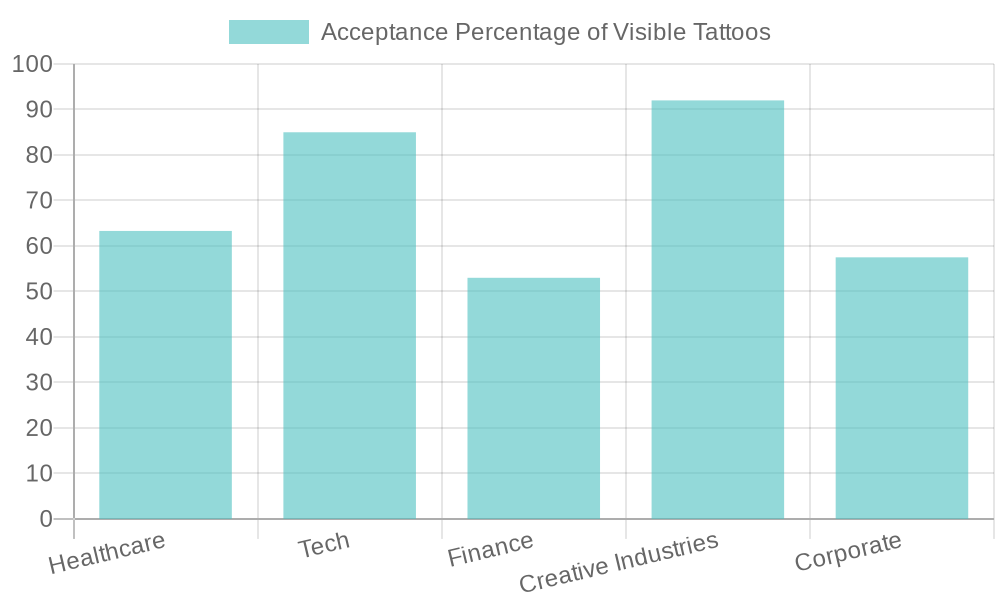
Understanding how different industries view tattoos can help individuals make informed decisions about their body art. Below is a table that compares various sectors regarding their acceptance of visible tattoos:
| Industry | Acceptance Percentage (%) | Notable Findings / Quotes |
|---|---|---|
| Healthcare | 63.3% | “Visible tattoos were least accepted among healthcare professionals, with clinical psychologists showing the lowest acceptance rate at 63.3%.” |
| Tech | 81-89% | “Tattoos are often seen as a sign of creativity-common in tech environments where personal expression is encouraged.” |
| Finance | 45-55% | “Many financial institutions still uphold conservative dress codes; visible tattoos are often viewed as unprofessional.” |
| Creative Industries | 85-92% | “In creative fields, tattoos are frequently celebrated as part of an artist’s identity.” |
| Corporate | 50-60% | “While policies are softening, many corporate HR departments still recommend minimizing visible tattoos.” |
This data demonstrates significant differences in acceptance levels, reflecting the cultural and professional norms of each industry. For individuals considering how their tattoos might impact their career, it is crucial to understand the prevailing attitudes in their specific field.
For more insights on body art in professional settings, learn more about the cultural shifts in workplaces.
Will a Sleeve Tattoo Affect My Career?
As societal attitudes towards tattoos evolve, particularly within industries like motorcycle repair and auto servicing, the impact of sleeve tattoos on hiring decisions is becoming increasingly relevant. In 2023, a series of studies and surveys revealed nuanced insights into how visible body art influences employment prospects.
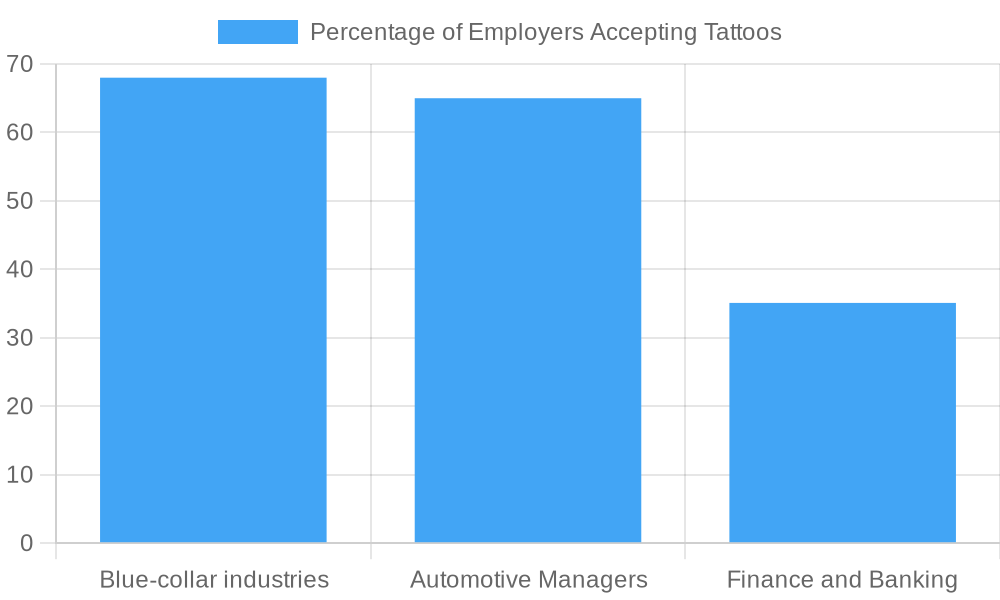
According to a Pew Research Center study, 32% of American adults have at least one tattoo, and this number is steadily increasing. However, visible tattoos can still negatively affect job opportunities in more conservative sectors. For instance, in finance and banking, candidates with visible tattoos faced a 35.1% decrease in interview chances.
Conversely, in blue-collar industries like motorcycle repair and auto servicing, acceptance rates are markedly higher. A study published in the Journal of Occupational Health Psychology in August 2023 found that 68% of employers in blue-collar sectors accept tattoos, provided they are not overly distracting or compromise safety. Among automotive repair managers, 65% indicated they do not see tattoos as a hindrance to hiring. This trend highlights a cultural shift, where practical skills and experience take precedence over appearance.
The National Institute for Automotive Service Excellence (ASE) conducted a survey across more than 500 auto repair shops, revealing that 72% of managers would hire candidates with tattoos. Notably, those with tattoos reportedly had 11% longer tenures compared to their non-tattooed counterparts, indicating that tattoos do not adversely affect workplace dynamics or performance.
In customer-facing roles, however, perceptions can be more varied. A report from Motorcycle Industry Association (MIA) revealed that although 68% of motorcycle repair shops do not prohibit sleeve tattoos, some more mainstream franchises still enforce strict appearance guidelines, particularly in front-facing positions.
Summary of Tattoo Acceptance in Industries
| Industry Category | Percentage of Employers Accepting Tattoos | Additional Notes |
|---|---|---|
| Blue-Collar Industries (General) | 68% | Compatible with work culture, seen more favorably due to practical skills focus. |
| Automotive Repair Managers | 65% | Higher tolerance for tattoos due to cultural ties with motor sports and mechanics. |
| Finance and Banking (White-Collar) | 35.1% | Strong bias against visible tattoos, correlating with conservative workplace expectations. |
The growing acceptance of tattoos in specific industries reflects not only changing cultural norms but also a recognition of the importance of skills over appearance. As motorcycle enthusiasts and professionals navigate their careers, the conversation around visible body art continues to evolve, allowing for a more inclusive workplace environment.
Personal Branding Through Sleeve Tattoos
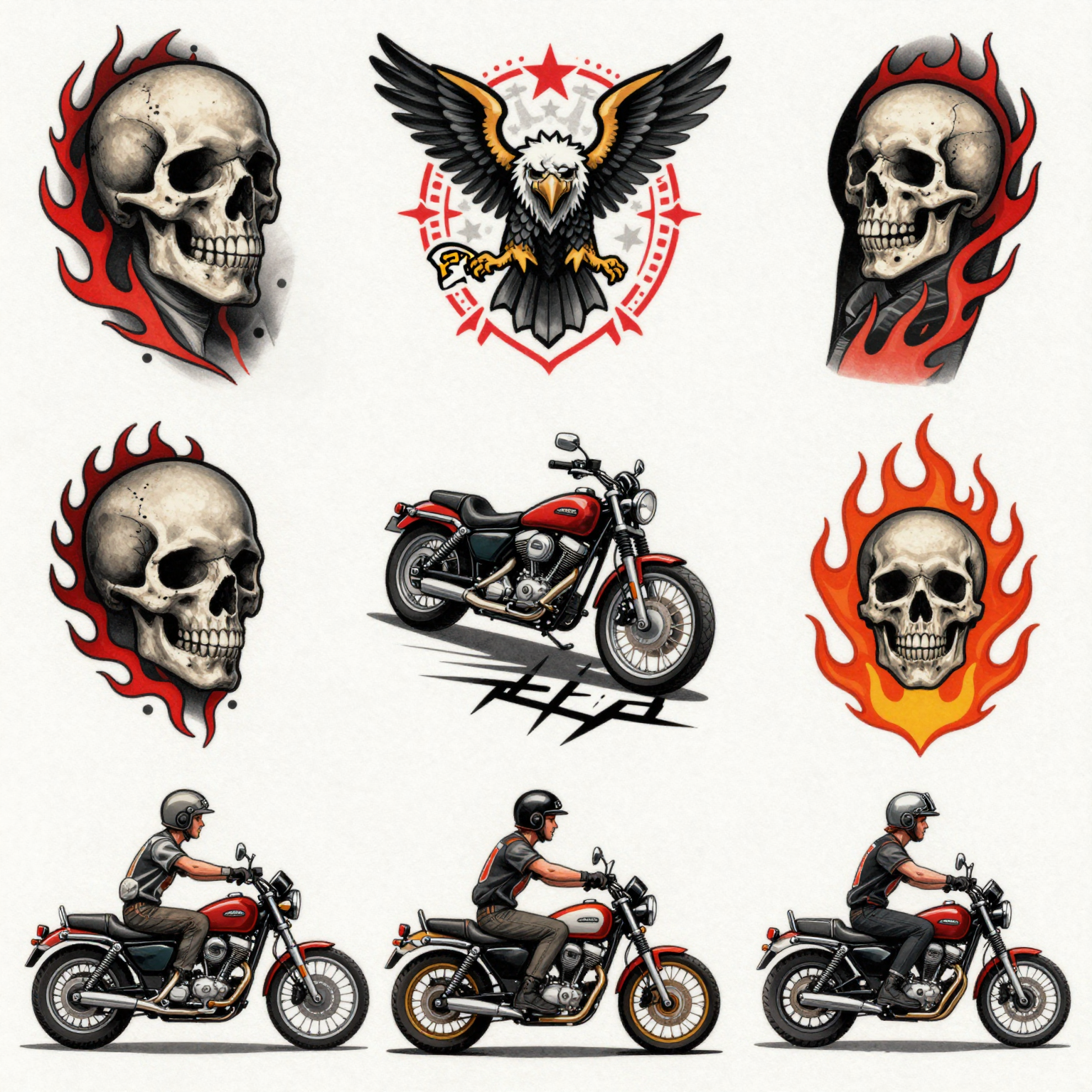
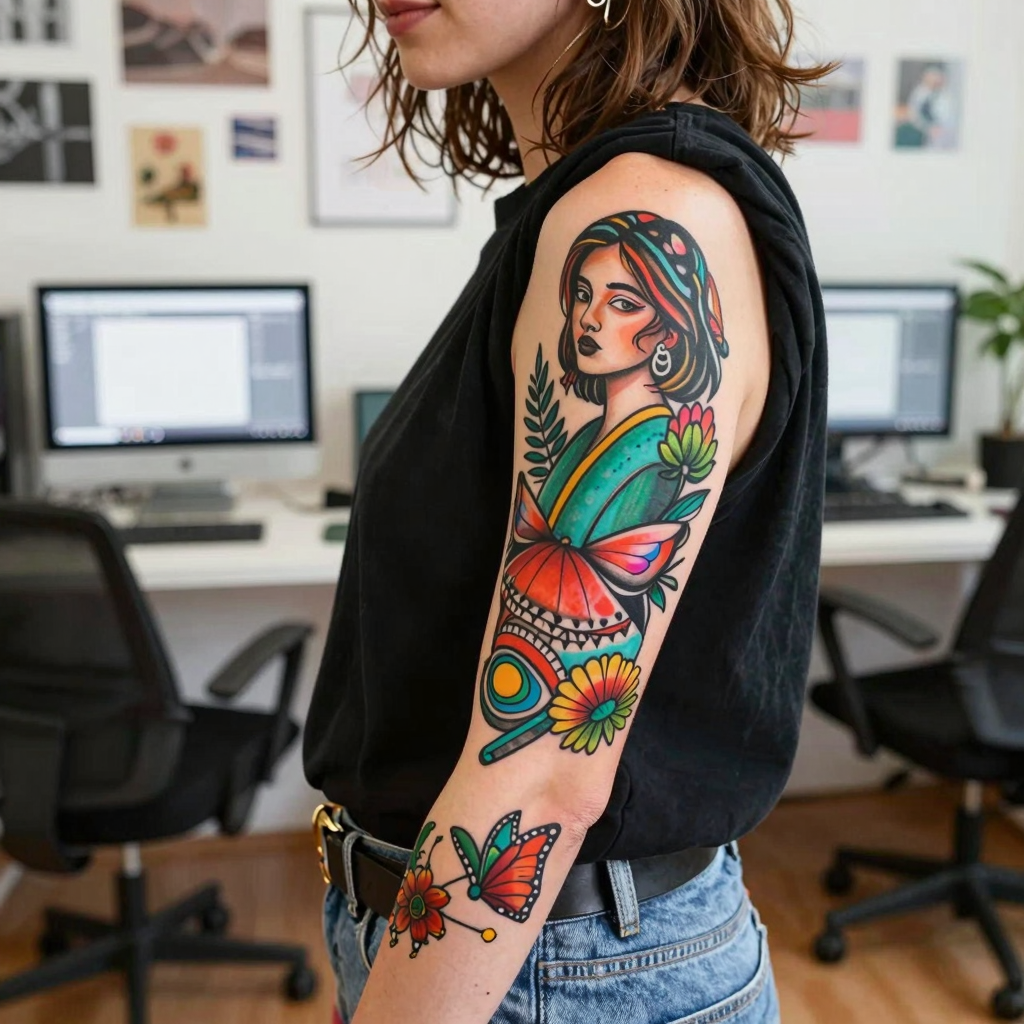
In the modern creative landscape, sleeve tattoos are increasingly recognized as a compelling form of personal branding. These intricate designs can articulate one’s individuality, beliefs, and artistic sensibilities, especially in creative or informal industries. For motorcycle owners and auto enthusiasts, who often value personal expression and authenticity, sleeve tattoos can act as a visual narrative that enhances their brand identity in both personal and professional contexts.
The Intersection of Individual Expression and Professional Expectations
For many individuals, particularly in creative fields such as design, advertising, and media, sleeve tattoos serve as a badge of honor and a testament to their unique perspective. According to a 2024 study, professionals with visible tattoos often foster a deeper connection with their audience, as these body art forms resonate with themes of authenticity and artistry. However, while some industries embrace these expressions as part of a vibrant professional identity, others remain more conservative in their dress codes and cultural acceptability.
A survey from Corporette.com highlights that in more conservative sectors such as finance and healthcare, visible tattoos can still garner negative biases, leading to perceived immaturity or a lack of professionalism. This dichotomy signifies the need for individuals to balance their personal expression with the nuanced expectations of their specific industry.
Strategies for Balancing Expression and Professionalism
Here are a few strategies individuals can apply to navigate the complexities of personal branding with sleeve tattoos in professional settings:
-
Research Company Culture: Before entering a new workplace, conduct thorough research into its culture regarding personal appearance and tattoos. Understanding the company’s stance can help you decide whether to showcase your tattoos or keep them covered.
-
Align Your Brand: Ensure that your tattoos align with your overall personal brand. For example, if you are a designer or a creative professional, highlighting artistic tattoos that reflect your work can enhance your credibility and appeal in the industry.
-
Communicate Your Story: Use the opportunity to explain your tattoos if asked. Sharing the meaning behind your sleeve can transform perceptions and create connection points with colleagues or clients. As noted in a 2026 thesis from the University of the Arts London, individuals who can articulate their personal stories intertwined with their tattoos often experience stronger engagement and trust from their audience.
-
Consider the Context: Dressing appropriately for meetings or formal occasions might mean covering your tattoos. Choosing when to display your body art can show a willingness to respect professional norms without entirely stifling your self-expression.
Conclusion
In conclusion, sleeve tattoos can serve not only as a canvas for personal expression but also as a strategic tool for personal branding, especially within industries that celebrate creativity over conformity. For professionals navigating these waters, awareness, communication, and a willingness to adapt become essential in balancing individuality with the professional expectations of their respective fields. Those who diligently curate their brand narrative can leverage their tattoos to enhance their marketability while expressing their true selves.
Workplace Tattoo Policies by Industry
| Industry Sector | Percentage Accepting Sleeve Tattoos | Percentage with Strict Policies Against Visible Tattoos | Source |
|---|---|---|---|
| Creative Industries | 78% | 12% | UK Workplace Survey 2024 – Creative Industries Report |
| Technology & Startups | 65% | 18% | Tech Talent UK: Workplace Culture Trends 2024 |
| Financial Services | 32% | 51% | UK Financial Conduct Authority – Employee Appearance Guidelines 2024 |
| Healthcare | 54% | 29% | NHS England – Workforce Diversity & Appearance Policy Review 2024 |
| Education | 41% | 45% | UK Department for Education – Staff Appearance Guidelines 2024 |
| Retail & Hospitality | 68% | 17% | UK Retail & Hospitality Workforce Survey 2024 |
Note: Data based on 2024 workplace surveys across the UK; percentages may vary slightly by region and company size.
Overall, sleeve tattoos can play a vital role in helping individuals communicate their personal brand in a saturated employment landscape, especially among motorcycle and auto enthusiasts. Embracing this unique form of expression can lead to a more authentic representation of self, as long as the individual is attuned to the professional context they are navigating.
Tattoo Popularity Across Age Demographics
The acceptance of tattoos has been on the rise, particularly among younger generations. A recent survey highlighted the tattoo prevalence among different age groups, showing how tattoos are becoming increasingly popular, especially within subcultures like motorcycling. Below is a chart depicting these statistics:
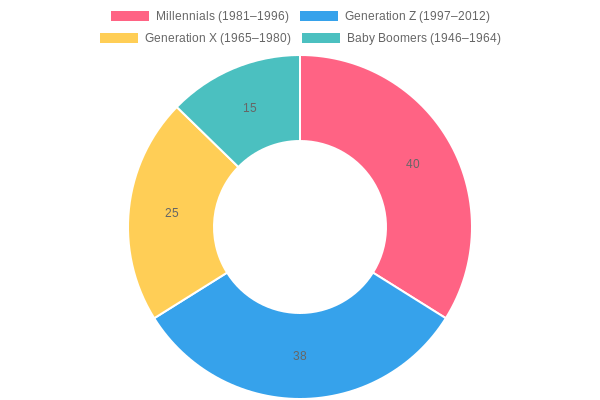
| Age Group | Percentage with at Least One Tattoo |
|---|---|
| Millennials (1981-1996) | 40% |
| Generation Z (1997-2012) | 38% |
| Generation X (1965-1980) | 25% |
| Baby Boomers (1946-1964) | 15% |
Sources:
- Statista: “People with at least one tattoo by generation” (2025)
- Pew Research Center: “Tattoo Trends Across Generations” (2024)
- National Survey on Body Art and Identity (2025)
Note: While the data reflects general tattoo prevalence, it is important to note that tattoos have seen a significant cultural shift in acceptance-particularly among younger generations. In contexts like motorcycle culture, tattoos are no longer solely associated with subcultures but have evolved into symbols of personal identity, artistic expression, and belonging. This normalization is especially evident among Millennials and Gen Z, who view tattoos as meaningful, permanent markers of self-expression.
Do’s and Don’ts for Discussing Sleeve Tattoos in Interviews
Discussing your sleeve tattoos during job interviews can be both a challenge and an opportunity. Here’s a concise guide on how to navigate this subject effectively, ensuring that your body art enhances rather than detracts from your professional image.
Do’s
- Be Prepared: Anticipate inquiries about your tattoos. Prepare concise and positive responses that connect your tattoos to your personal journey or creativity.
- Highlight Relevance: If the job values individuality, emphasize how your tattoos reflect your uniqueness and personal branding, particularly in industries like creative arts or tech. Learn more about creative careers.
- Dress Appropriately: Consider covering your tattoos with professional attire if you’re interviewing in conservative fields such as finance or law, where visible tattoos may be viewed negatively.
- Stay Professional: Keep the conversation focused on your qualifications and how you can contribute to the company. Avoid discussing tattoo meanings unless prompted and relevant.
- Show Confidence: Simply be confident about your tattoos. If they are part of who you are, show that you embrace them positively.
Don’ts
- Don’t Assume Acceptance: Don’t presume that your sleeve tattoos will be accepted in all environments. Research the company culture beforehand to gauge their stance on visible tattoos.
- Avoid Over-Explaining: When asked about your tattoos, don’t delve into overly detailed stories or personal meanings unless it adds to the discussion positively.
- Don’t Neglect to Cover: If the company has a more conservative culture, be sure to cover your tattoos unless you are confident they won’t mind.
- Don’t Get Defensive: If the topic comes up and is met with skepticism, respond calmly rather than defensively. Politely redirect the conversation back to your qualifications and fit for the role.
- Don’t Make It the Focus: Remember, the interview is about your skills and fit for the job. Don’t let your tattoos become the central theme of the discussion.
Conclusion
Navigating the discussion around sleeve tattoos during a job interview requires tact and strategy. By being prepared and understanding the context of the workplace culture, you can present your tattoos as a facet of your identity that enhances your candidacy. The evolving views on tattoos in professional settings indicate a more accepting atmosphere; however, being discerning about the situation remains key.
Conclusion
In conclusion, sleeve tattoos are increasingly becoming more acceptable in the workplace, especially in industries that prioritize creativity and individuality. Studies show that over 60% of working adults in the U.S. have tattoos, with a significant portion displaying them at work. As highlighted by recent findings from Gallup, many employers now recognize that tattoos do not negatively influence professionalism. In fact, they can enhance personal branding and convey a sense of authenticity, particularly among younger generations who are eager to express themselves creatively.
Understanding employer attitudes is essential, with variations across sectors; creative fields like technology and the arts are more lenient than those like finance and law. By approaching the tattoo conversation openly, individuals can demonstrate professionalism while embracing their unique identities. As you navigate your own path, consider the importance of context and appropriateness regarding sleeve tattoos in your career.
To enhance your motorcycle experience while standing out, don’t forget to explore custom-fit fairings at Summit Fairings! Not only will these improve your bike’s performance and aesthetics, but they also allow you to express your individuality on the road. Feel free to visit our site to find the perfect match for your ride!