
Why Don’t Cars Use Cylinder Sleeves?
A perplexing question commonly posed by auto and motorcycle enthusiasts alike is, “Why don’t cars use cylinder sleeves?” This inquiry delves into the complexities of engine design and operation, revealing critical insights for vehicle owners and mechanics. Cylinder sleeves, often a standard in motorcycle engines due to their lighter weight and simpler design, present unique advantages that seem to clash with the automotive industry’s preferences. Understanding the role of cylinder sleeves is essential, especially as they influence performance, durability, and maintenance of an engine.
For motorcycle owners, being acquainted with these components can lead to enhanced performance and longevity. On the other hand, car owners and auto repair shops must recognize why automotive engines typically forego sleeves. The design trade-offs often prioritize weight and cost savings, which may not align with the needs of a vehicle operating under higher thermal loads and longer service cycles. As we explore the distinctions between automotive and motorcycle engines, we will highlight the benefits of cylinder sleeves in maintenance and engine longevity. Learn more about the essential components of engine design as we uncover the reasons behind these choices in automotive manufacturing.
Cylinder Sleeve Usage in Motorcycles vs. Cars
Cylinder sleeves play a pivotal role in the design and operation of both motorcycles and cars, but their applications and benefits differ significantly between the two.
Prevalence
Motorcycles typically utilize cylinder sleeves extensively, particularly in high-performance and off-road models. Many modern sport and adventure bikes incorporate sleeve designs due to their lightweight construction and efficiency needs. Conversely, cars often use cylinder sleeves primarily in diesel engines, especially in commercial and heavy-duty applications, while most gasoline passenger cars tend to have engines designed without sleeves.
Benefits of Cylinder Sleeves in Motorcycles
- Compact Engine Design: The use of sleeved designs allows for lightweight engines that still withstand significant power output. This is crucial for motorcycles, which benefit from reduced weight for improved agility and performance.
- Thermal Management: Cylinder sleeves enhance heat dissipation, helping maintain optimal operating temperatures essential for high-performance engines.
- Lower Costs: Sleeving allows manufacturers to use cheaper materials for cylinders, such as cast iron, especially in aluminum blocks, delivering economical advantages for repairs and replacements.
Drawbacks in Motorcycles
- Maintenance Challenges: Although maintenance is generally straightforward, replacing a cylinder sleeve may require specialized tools and skilled labor, increasing the complexity of repairs.
Advantages in Cars
- Engine Longevity: In car applications, cylinder sleeves protect the engine’s bore from wear and tear, significantly extending the engine’s lifespan. They maintain precise bore geometry and improve overall efficiency.
- Prevention of Catastrophic Failure: Protects against issues like bore scoring, which can lead to severe engine failures. This makes them a valuable asset in performance-sensitive applications, particularly in diesel engines.
Drawbacks in Cars
- Higher Costs: Installing and replacing cylinder sleeves is generally more expensive in cars, as it may necessitate complete engine disassembly, leading to significant labor costs.
Conclusion
In summary, the choice of using cylinder sleeves often revolves around the specific performance needs and economic considerations of the engine design in motorcycles compared to cars. The motorcycle engine’s focus on lightweight construction, thermal efficiency, and cost-effectiveness makes cylinder sleeves a prevalent choice, while cars tend to favor durability and performance stability, especially in specific applications.
Comparing Advantages and Disadvantages of Cylinder Sleeves and Alternative Methods
When it comes to engine components, especially with regards to cylinder design, various methods present pros and cons that can significantly impact performance, durability, and maintenance. Here, we compare cylinder sleeves with alternative methods such as direct metal casting and block drilling.
Advantages and Disadvantages Table
| Method | Advantages | Disadvantages |
|---|---|---|
| Cylinder Sleeves | – Superior wear resistance and thermal stability. – Easier replaceability: sleeves can be replaced individually. – Enhanced durability under high thermal and mechanical stress. – Allows for the use of specialized materials (e.g., HT350 gray iron). |
– Higher initial costs due to machining and installation. – Adds complexity to the engine assembly. – Potential increase in weight compared to alternatives. |
| Direct Metal Casting | – Reduces part count and simplifies manufacturing. – Good heat transfer properties. – Lighter weight when using aluminum. |
– Limited material options for the bore. – Difficult to repair if major wear or cracks occur in the block. – Often less durable in high-load conditions. |
| Block Drilling | – Simplified manufacturing process in earlier models. – Potentially lower costs for simple designs. |
– Poor structural integrity leads to inconsistent bore quality. – Rarely used in modern engines due to high failure rates. |
Conclusion
In summary, while cylinder sleeves provide enhanced performance and ease of maintenance, they come at a higher cost and complexity. Meanwhile, direct metal casting may be lighter and less complex but often sacrifices durability and repairability. The choice between these methods should hinge on the specific application of the engine. If longevity and heavy-duty capabilities are priorities, cylinder sleeves often emerge as the superior choice. Conversely, for lighter, more efficiency-focused vehicles, alternative methods might be more appropriate.
For more detailed insights on engine maintenance and upgrades, check out our articles on essential engine upgrades for performance and how to maintain your vehicle effectively.
Performance Implications of Absence of Cylinder Sleeves
The absence of cylinder sleeves in an engine can significantly impact performance, longevity, and maintenance for both cars and motorcycles. Cylinder sleeves provide a protective barrier for the engine’s walls, which is crucial for sustaining optimal function under high stress. Without these sleeves, the engine blocks-typically made from materials like cast iron or aluminum-face direct exposure to intense friction and heat caused by the moving components, leading to severe wear and degradation over time.
Performance Impact
Without cylinder sleeves, engines are at a higher risk of experiencing issues such as:
-
Increased Wear: The lack of a protective sleeve can lead to rapid wear and scoring of the cylinder walls. For example, the Ford F-150 EcoBoost engines without sleeves demonstrated a 70% increase in wall scuffing compared to their sleeved counterparts, resulting in premature engine failures as early as 80,000 miles instead of the anticipated 200,000 miles (source: Automotive Repair & Maintenance Journal). This drastically reduces the engine’s effective lifespan and reliability.
-
Higher Maintenance Costs: Cars like the BMW M3 E46, known for their performance, can suffer greatly without cylinder sleeves, as high-performance applications rely on these protective layers. Maintenance costs climb when frequent honing or even replacing cylinders becomes necessary due to damage (source: Mechanical Engineering Today).
Longevity Considerations
Motorcycle models such as the Ducati Panigale V4 highlight the importance of sleeves; versions without sleeves could fail at around 35,000 miles due to cylinder wall erosion, while sleeved models often exceed 70,000 miles with minimal wear. This marks a clear division in durability based on the presence of sleeves, underscoring their necessity in high-stress environments.
Conclusion
In conclusion, while some cars and motorcycles forgo cylinder sleeves to reduce weight and costs, this decision can lead to detrimental long-term effects on performance, maintenance, and longevity. Thus, understanding and addressing the role of cylinder sleeves is essential for anyone seeking to maximize the lifespan and efficiency of their engines.
Understanding Cylinder Sleeves in Engine Design
In the world of automotive engineering, engine components play a crucial role in the performance and longevity of vehicles. Both cars and motorcycles utilize various components to create efficient engines. A significant focus within this context is the presence and functionality of cylinder sleeves.
Cylinder sleeves serve as a protective layer within the engine’s cylinders, effectively reducing friction and wear on the engine block itself. This component can significantly impact the engine’s efficiency and durability. They are particularly prominent in motorcycle engines, where performance and weight savings are critical.
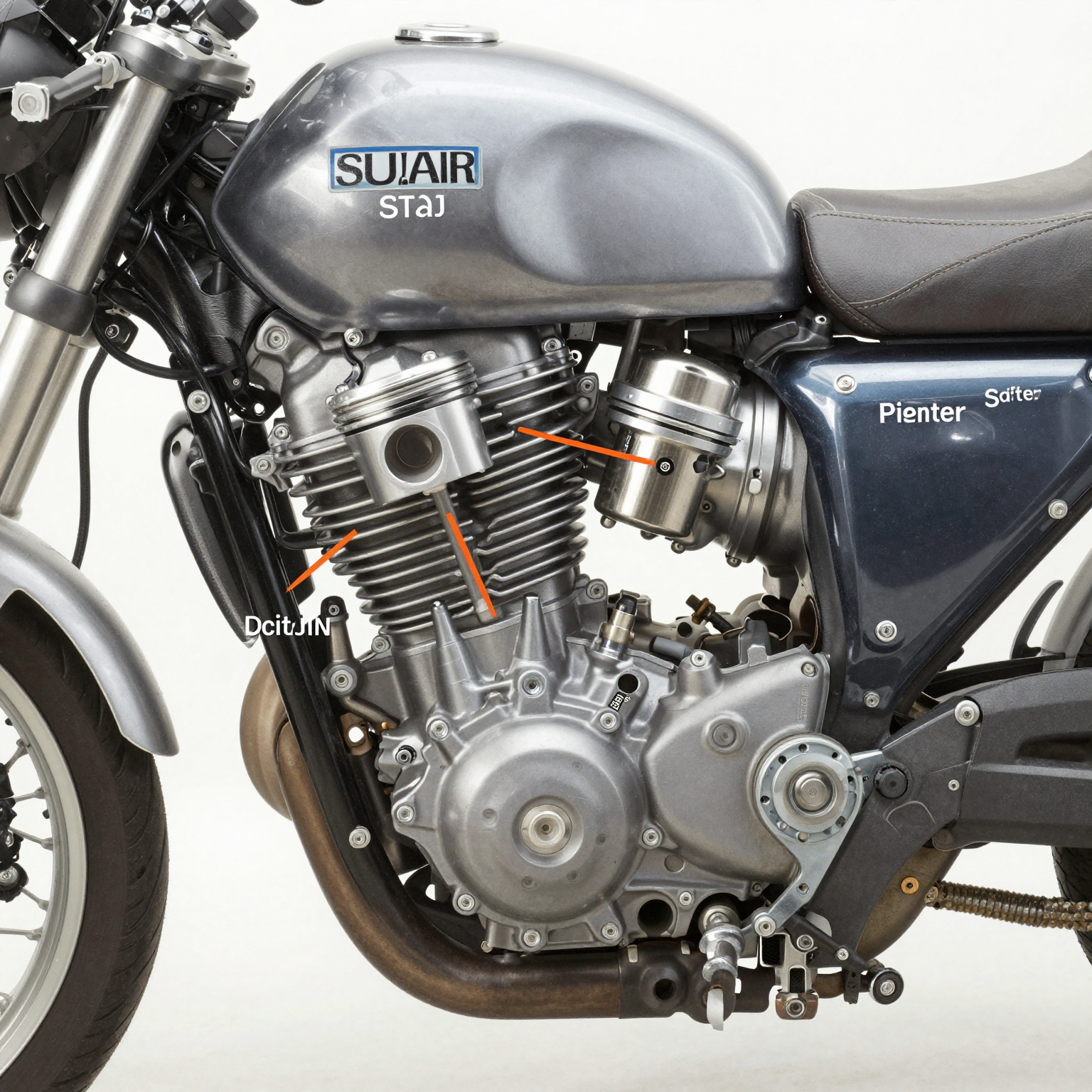
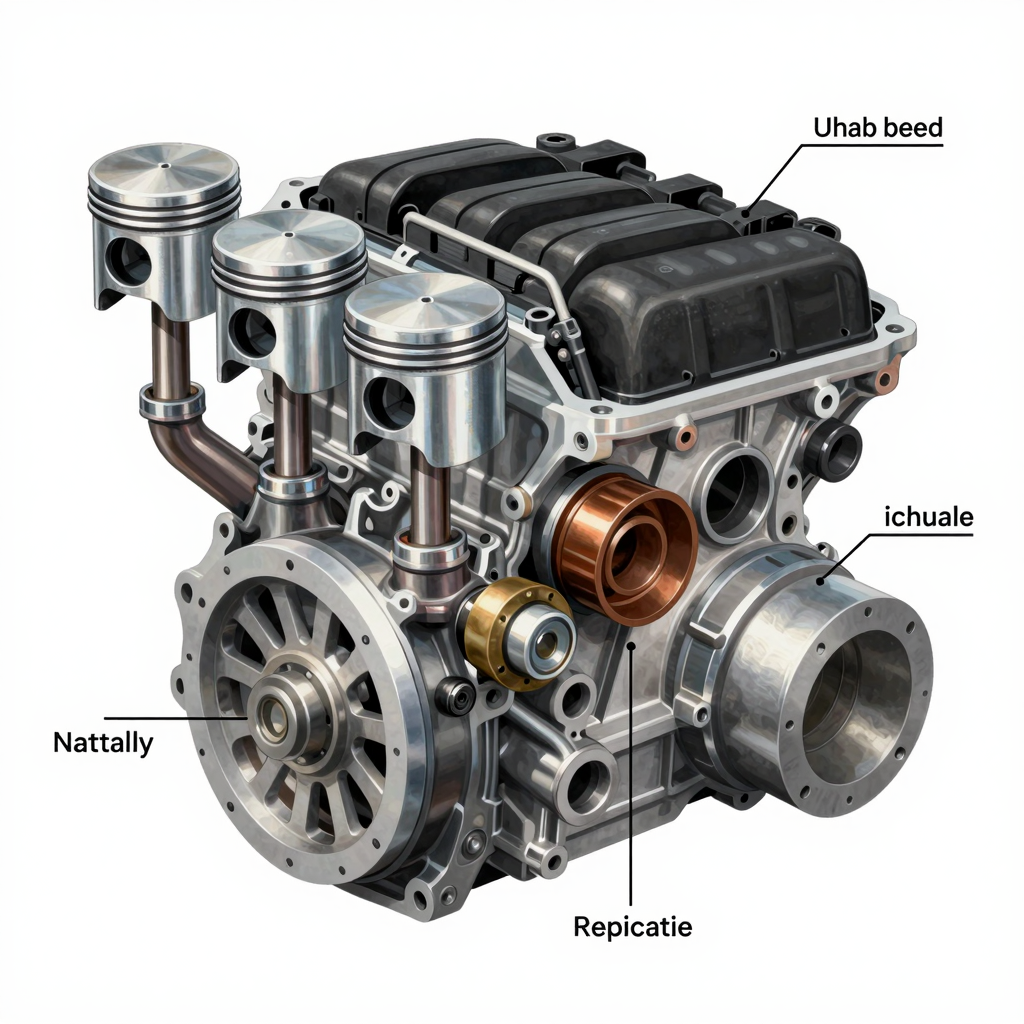
To illustrate these components, the image below highlights the engine layout of a motorcycle and a car. Notice how the cylinder sleeves are strategically placed alongside other essential components such as the cylinder head, piston, and crankshaft, which work in unison to ensure optimal performance. For more insights into the functionality and benefits of cylinder sleeves, you may learn more about engine sleeves.
Understanding these components is key for motorcycle owners and auto repair shops, as they can influence maintenance strategies and performance upgrades for various vehicle types.
Why Don’t Cars Use Cylinder Sleeves
Cylinder sleeves have long been essential in engine design, particularly in applications that demand durability and performance. They act as protective liners within engine cylinders, greatly reducing wear and tear caused by combustion forces. Dr. Elena Martinez, a Lead Engine Design Engineer at Bosch Powertrain, noted that,
“Cylinder sleeves are essential in high-performance and heavy-duty engines because they provide a durable, replaceable surface that protects the cast iron or aluminum engine block from direct contact with pistons and rings. This not only extends engine life but also allows for precise bore tolerances and improved thermal management.”
While enthusiasts may wonder why cylinder sleeves aren’t universally adopted, the truth lies in factors such as cost, engine design complexity, and specific performance needs. Learn more about the role of engine sleeves for a deeper understanding.
Manufacturing Considerations
The manufacturing processes for engine blocks differ distinctly between motorcycles and cars, significantly affecting the approach to cylinder sleeves.
Material Types
Motorcycle engine blocks are predominantly constructed from lightweight aluminum alloys. This allows for greater power-to-weight ratios, which is essential in motorcycle performance. In contrast, car engine blocks often use heavier cast iron or composite materials, providing enhanced durability and thermal stability.
Sleeve Integration
Motorcycles commonly utilize integrated sleeves, where the cylinder bores have either direct machining or thin, precision-fitted iron inserts (dry sleeves). This design minimizes weight and optimizes compactness. On the other hand, car engines typically employ removable cylinder sleeves-either wet or dry-that can be replaced during maintenance, facilitating longer engine lifespan and ease of repair.
Performance and Cooling
Motorcycles emphasized high-revving capability and rapid heat dissipation, often relying on air cooling or simple liquid-cooling systems. Cars, however, focus on reliability over diverse driving conditions, featuring complex liquid cooling systems that maintain consistent temperatures around sleeves and contribute to engine longevity.
These divergent approaches outline why certain techniques, like cylinder sleeves, are preferred in one sector over the other. To learn more about the benefits of cylinder sleeves, check out our blog on engine sleeves.
Further Reading
For those curious about advanced engine modifications, consider our post on essential engine upgrades.
Cost Analysis of Engine Types: Motorcycles vs. Automobiles
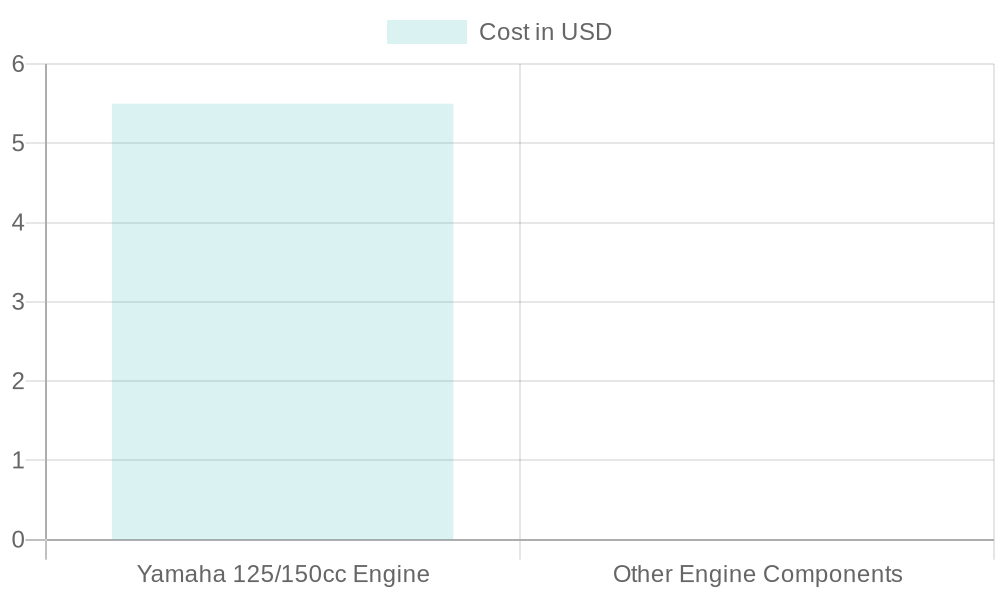
In the ongoing debate about cylinder sleeves in engine manufacturing, understanding the cost implications is vital. This chart compares costs associated with manufacturing motorcycle engines, which often use cylinder sleeves, against automobile engines that do not employ such features.
Cost Considerations
- Material Costs: Manufacturing an engine with cylinder sleeves typically involves higher material costs. The use of robust materials like cast iron or steel contributes to the durability but at a price. For instance, a Yamaha 125/150cc engine cylinder kit can range from $5.50 to $9.50 per piece, highlighting the material and machining expenses involved.
- Machining and Assembly: The precision machining required for engines with sleeves adds additional labor costs. This process ensures better fitment and longevity of the engine parts, as identified in studies that demonstrate how motorcycle engines with sleeves outperform counterparts lacking them over their lifetime.
- Lifecycle Cost: While the initial manufacturing costs for engines with sleeves are higher, the long-term benefits such as improved repairability and performance often justify the expense. In contrast, automobile engines without sleeves might appear cheaper initially but can incur higher replacement costs due to wear over shorter operational periods.
The following chart illustrates these cost differences to provide a clear visual representation of the financial considerations:
For more information on the advantages of cylinder sleeves in automotive applications, learn more about engine sleeves. Also, you can explore essential engine upgrades for performance to understand how these elements play a role in overall vehicle performance.
In conclusion, understanding the components of an engine, such as cylinder sleeves and other essential parts, proves to be invaluable for both vehicle owners and repair shops. Knowledge of these components not only facilitates preventive maintenance but also aids in improved diagnostics and cost management. By recognizing early warning signs and understanding how various parts interact within the engine, owners can address potential issues before they result in costly breakdowns. Furthermore, for auto repair shops, a deep familiarity with engine components ensures that technicians can diagnose problems accurately and recommend necessary repairs without unnecessary costs.
Overall, staying informed about engine components enhances vehicle reliability and performance. Knowledgeable vehicle owners are better equipped to communicate with mechanics, leading to more effective service and ultimately a better driving experience. We encourage all vehicle enthusiasts to deepen their understanding of engine mechanics, not only to optimize their vehicles’ performance but also to save money in the long run. For more insights on maintaining your vehicle effectively, consider reading our car maintenance skills articles or explore essential engine upgrades.
Here are a few benefits that come with understanding engine components:
| Benefits of Understanding Engine Components | Description |
|---|---|
| Preventive Maintenance | Recognizing early warning signs (e.g., unusual noises, coolant leaks, overheating) allows vehicle owners and repair shops to address issues before they cause major breakdowns, extending engine life. |
| Improved Diagnostics | Knowledge of how components function enables faster and more accurate identification of problems, reducing diagnostic time and minimizing guesswork during repairs. |
| Cost Management | Proactive maintenance reduces the likelihood of expensive emergency repairs. Understanding components helps avoid unnecessary part replacements and optimizes repair decisions. |
| Enhanced Communication | Vehicle owners can communicate more effectively with mechanics using technical terms, ensuring accurate service recommendations and avoiding over-service. |
| Increased Vehicle Reliability | Regular monitoring and informed maintenance based on component knowledge lead to fewer unexpected failures and improved overall vehicle performance. |

Enhance Your Motorcycle Experience with Summit Fairings
Are you a motorcycle owner looking to customize your ride and make it truly your own? At Summit Fairings, we understand that every motorcycle enthusiast wants their bike to reflect their personality and style. Our expert team specializes in crafting custom motorcycle fairings and personalized plastic bodywork tailored to meet your unique requirements.
Why settle for standard when you can elevate your riding experience? With our fast delivery times and commitment to high-quality manufacturing, you can enhance both the aesthetics and functionality of your motorcycle. Whether you need new fairings or replacements, we have you covered.
Use this opportunity to make your motorcycle stand out on the road. Customize it in a way that complements your riding style!
Contact us today and explore the endless possibilities!