
Introduction
Selling a car for parts is not just a practical solution for the vehicle owner but an integral component of the automotive ecosystem. For motorcycle owners and auto enthusiasts, purchasing used parts can keep their rides running efficiently without breaking the bank. Auto owners savvily turning their cars into a parts treasure chest can unlock financial benefits and contribute to an environmentally friendly cycle by reducing waste. Likewise, auto parts distributors thrive on the availability of quality used components, creating a cost-effective inventory that meets market demands. Repair shops and garages, too, stand to gain from acquiring reliable parts directly from cars that have reached the end of their roadworthy life. Each stakeholder in this system plays a vital role, enhancing accessibility and longevity for vehicles while promoting sustainability within the community. Embracing the practice of selling cars for parts not only benefits individual owners but strengthens the fabric of the automotive repair and parts supply chain, making it a win-win for all involved.
learn more about car maintenance skills and have a look at essential engine upgrades to maximize the value of your vehicle.
Reasons to Sell a Car for Parts
-
Cost of Repairs: Repairing a damaged vehicle can often exceed its market value, making it more economical to sell for parts.
-
Age and Condition: Older cars may have obsolete parts, while others might be in poor condition, making them unsuitable for resale as a whole car.
-
Market Demand: Certain parts may be in high demand, generating a higher return than selling the car itself.
-
Environmental Concerns: Selling for parts promotes recycling and can contribute to reducing waste, appealing to eco-conscious owners.
-
Time and Effort: Selling a complete car can require more time and effort, while parts can be sold individually for quick cash.
For tips on maintaining your vehicle before selling, check out essential car maintenance skills.
Step-by-Step Guide to Assessing Car Parts Value Before Selling
Selling car parts can be a rewarding venture, but to maximize your profit, you must accurately assess their value. Here’s a step-by-step guide to help car owners evaluate their car parts effectively before selling.
1. Identify the Parts
Begin by listing the car parts you intend to sell. Whether it’s a pristine engine, working transmission, or used tires, having a clear inventory helps you understand what you’re dealing with. Vehicle inventory logs or maintenance records can assist in this process.
2. Research Market Values
Once you have identified your parts, research the market values for similar components. Popular websites like Kelley Blue Book and Edmunds provide a wealth of information on pricing. Utilize platforms like Craigslist and eBay to see what similar parts are selling for, and adjust your expectations based on that data.
3. Condition Assessment
Evaluate the physical condition of each part you plan to sell. Inspect for any wear and tear, rust, or damage that could affect the part’s value. Utilize visual inspection tools if available, and refer to your maintenance records to highlight any repairs or replacements made over the years. Condition plays a crucial role in determining how much you can ask for each component.
4. Gather Documentation
Having the right documentation can bolster your selling position. Collect any relevant documents, like receipts for parts you’ve purchased or service history that demonstrates regular maintenance. This documentation can provide potential buyers with reassurance regarding the part’s quality and its background.
5. Develop a Pricing Strategy
Based on your research and the condition assessment, create a pricing strategy. Consider the market rates and your part’s condition to set a fair price. Utilize online pricing calculators or seek quotes from local garages to fine-tune your pricing approach. Remember, your goal is to be competitive but also reflective of the part’s worth.
6. Prepare for Sale
Clean and present your parts attractively for sale. Remove any dirt, grease, or rust, as a well-presented part can attract higher bids or better offers. Use cleaning supplies and photography tools to take high-quality images if you’re selling online. Great visuals can significantly boost interest in your products.
7. Choose the Right Selling Platform
Select the best platform for selling your parts. Online platforms like eBay or Facebook Marketplace can reach a wider audience, while local classifieds may attract buyers looking for immediate deals. Each platform comes with its pros and cons, and understanding your target market helps in making an informed choice.
8. Finalize the Sale
Once you’ve found a buyer, ensure to complete the transaction correctly. Use a sales agreement to outline the terms, and confirm the payment method to avoid scams. Provide the buyer any necessary documentation and assist with the final transfer of ownership of the parts.
Conclusion
Assessing the value of car parts before selling them requires diligence and research. By following these steps, you can determine accurate pricing for your parts, ensuring that you receive the best possible return on your investment. For more tips on vehicle maintenance and selling, check out our essential car maintenance skills.
Resources Required for Selling Car Parts
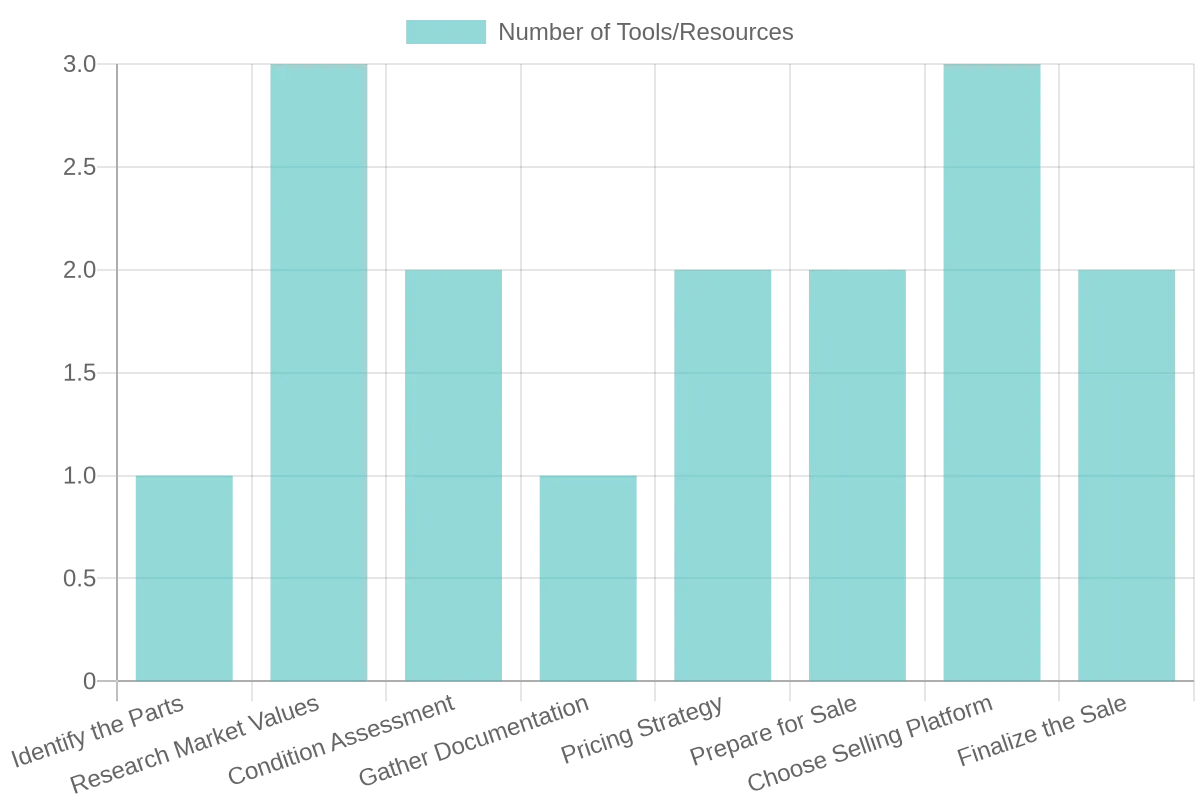
This chart summarizes the resources and tools needed for each step in the selling process, helping you stay organized and effective in your car parts endeavor!
Demand and Average Prices for Common Car Parts
The following table illustrates the demand and average prices for various common car parts across different vehicle types. This comparison provides valuable insights essential for sellers and automotive enthusiasts alike.
| Car Part | Sedan Average Price | SUV Average Price | Truck Average Price | Motorcycle Average Price | Demand Level |
|---|---|---|---|---|---|
| Brakes | $150 | $200 | $250 | $100 | High |
| Battery | $120 | $150 | $180 | $80 | Medium |
| Alternator | $200 | $220 | $300 | $150 | High |
| Oil Filter | $10 | $15 | $20 | $8 | Low |
| Headlight | $50 | $60 | $70 | $40 | Medium |
Visual Representation

These data emphasize the various pricing tiers in the market and the demand for essential parts. For more insights into auto parts demand trends and their average costs, explore different sources.
Legal Considerations When Selling a Car for Parts
Selling a car for parts can be a financially advantageous decision, but it is crucial to adhere to legal requirements to avoid potential pitfalls. Each state has its set of regulations governing the sale of vehicles, especially those deemed non-operational or dangerous for public use. Below are some key legal considerations and necessary documentation to keep in mind when selling a car for parts.
1. Title Considerations
A car’s title is vital to the sale process. Many states require you to have the title when selling a vehicle, even if it is not in working condition. If you do not have a title, you may still sell the car, but you may need to take additional steps, such as applying for a duplicate title or obtaining a Certificate of Authority from your state’s DMV. Learn more about selling vehicles without a title here.
2. Salvage Title Requirements
If your car has been deemed a total loss due to significant damage, it will need to have a salvage title. A salvage title is issued when the vehicle’s insurance company declares it a total loss. You cannot sell it as parts without this title, as it outlines the vehicle’s condition and protects buyers by disclosing its history. Be sure to disclose this title status during the sale process to avoid legal issues later on. For more on the process, check out this guide to selling salvage vehicles.
3. Documentation and Transfer Process
The sale of a car for parts typically involves a bill of sale, which outlines the terms and conditions of the sale. Include detailed descriptions of the car’s condition and the specific parts being sold. Ensure that both parties sign the document to protect their interests legally. It’s advisable to keep a copy for your records too.
4. Local Regulations
Local regulations can significantly impact the sale of car parts. Some areas have specific laws regarding the sale and disposal of vehicle parts, particularly concerning environmental concerns. Always consult your local regulations and possibly get in touch with the local DMV or a legal advisor for clear guidance.
By understanding legal obligations and ensuring all necessary documentation is in order, you can protect yourself and facilitate a smoother transaction when selling a car for parts.
When it comes to selling car parts, choosing the right platform can significantly influence your success. Whether you’re a motorcycle or auto owner, a distributor, or a repair shop, here’s a look at three effective platforms to consider, along with their pros and cons.
1. eBay
Pros:
- Large Customer Base: eBay offers access to millions of potential buyers, making it easier to sell specialized or rare parts.
- Auction and Fixed Price Options: Sellers can choose to auction their items or set a fixed price, providing flexibility in sales strategy.
Cons:
- Seller Fees: eBay charges listing fees and takes a percentage of sales, which can eat into profits.
- Management Overhead: Sellers need to manage listings, respond to customer questions, and handle shipping.
Target Audience Insight:
eBay is particularly popular among DIY enthusiasts and auto repair shops looking for specific parts at competitive prices. Its wide reach can also attract casual buyers looking for deals on automotive components. To get tips on effectively reaching these audiences, learn more about effective marketing strategies.
2. Amazon
Pros:
- Established Marketplace: Amazon is one of the largest online marketplaces. Sellers benefit from vast traffic and the trust associated with the platform.
- Fulfillment Services: Using Amazon’s FBA (Fulfillment by Amazon) can simplify shipping and inventory management for sellers.
Cons:
- Intense Competition: The large number of sellers means stiff competition, requiring unique strategies to stand out.
- Strict Regulations: Selling on Amazon comes with stringent guidelines that can be challenging to navigate for new sellers.
Target Audience Insight:
Amazon caters to a broad range of customers, from everyday consumers looking for affordable parts to professional garages seeking reliable products. For general car selling tips, check out this guide on essential maintenance skills important for maintaining quality parts.
3. AutoTrader
Pros:
- Automotive Focus: This platform emphasizes vehicles and auto parts, making it easier for sellers to reach a targeted audience.
- User-Friendly Interface: AutoTrader offers a clean interface that enhances the user experience, making it easy for buyers and sellers to connect.
Cons:
- Limited Geographic Reach: Primarily serving specific regions, AutoTrader may not be as effective for sellers outside its operational areas.
- Higher Listing Costs: Compared to peer-to-peer platforms, AutoTrader’s fees may be higher, which can deter smaller sellers.
Target Audience Insight:
AutoTrader is ideal for professional sellers and enthusiasts looking to connect with buyers interested specifically in automotive parts. The platform draws serious buyers and can lead to quicker sales.
Conclusion
Choosing the right platform for selling car parts depends on your target audience and what you aim to achieve. eBay and Amazon are excellent for broader reach, while AutoTrader serves niche markets within automotive circles. Each platform has distinct advantages and drawbacks that should align with your sales strategy. By considering these factors, sellers can maximize their chances of making successful sales.
For more tips on the importance of choosing the right parts, visit our blog on car maintenance skills.
Here’s a relevant blockquote from an expert that emphasizes the importance of selling car parts.
“Selling car parts can provide a significant revenue stream for car owners. Not only does it allow you to recover some costs, but it also helps the environment by promoting recycling and reducing waste.” – Expert in automotive recycling
This quote underscores the value that individuals can derive from selling car parts, benefiting both their finances and the environment, which is crucial for your target audience of motorcycle and auto owners, auto parts distributors, and garages.
For additional insights on maintaining your vehicle and understanding car parts, you might want to explore our article on car maintenance skills.
Common Pitfalls in Selling Car Parts
When it comes to selling car parts, many sellers, both new and experienced, can fall into common traps that hinder their success. Here’s a list of potential pitfalls to avoid:
-
Mispricing Parts: One of the biggest mistakes is not adequately researching the market value of parts. Overpricing can deter potential buyers, while underpricing can lead to financial losses. Always perform thorough market analysis to set competitive prices.
-
Inadequate Descriptions: Failing to provide detailed, clear descriptions and images of the parts can frustrate buyers and reduce trust. Transparent listings are crucial; include specifications, part numbers, and any defects present.
-
Ignoring Target Audience: Not understanding who the potential buyers are can lead to ineffective marketing. Tailor your listings to attract specific demographics, such as motorcycle enthusiasts, auto owners, or repair shops.
-
Neglecting Customer Service: Poor customer service can lead to negative reviews and lost sales. Respond promptly to inquiries and resolve issues amicably to maintain a good reputation.
-
Not Utilizing Multiple Platforms: Relying solely on one selling platform can limit your reach. Explore various avenues, including eBay, Amazon, and specialized auto parts websites, as well as social media marketplaces.
-
Failing to Manage Inventory: Keeping track of inventory is essential. Running out of popular parts could result in missed sales opportunities, while overstocking less desirable items may increase costs.
-
Skipping Research on Shipping Options: Choosing inappropriate shipping methods can increase costs or lead to delays. Research and offer various shipping options to cater to buyer needs.
-
Overlooking Documentation: Keep accurate records of your transactions and inventory. Missing documentation can lead to complications during sales or tax reporting.
-
Ignoring Legal Compliance: Ensure compliance with all legal requirements related to selling car parts, including safety standards and regulations to avoid legal issues.
For more insights on related topics, check out this article on essential car maintenance skills.
Conclusion
In summary, motorcycle fairings are crucial components that not only enhance the aesthetics of your bike but also significantly improve its performance and safety. They play a vital role in aerodynamics, helping to reduce wind resistance and drag during rides, which can lead to better fuel efficiency and stability while riding at high speeds. Additionally, quality motorcycle fairings contribute to the overall durability of your bike, offering protection against environmental elements and minor impacts.
For motorcycle owners looking to invest in durable and stylish fairings, Summit Fairings offers a range of high-quality options tailored to meet diverse needs and preferences. Explore their selection today to elevate your riding experience and ensure your motorcycle is outfitted with fairings designed for performance and aesthetics alike. By choosing Summit Fairings, you are not just enhancing the look of your motorcycle, but also making a wise investment into its longevity and value, ensuring that your ride remains in top-notch condition for years to come.
Take the next step towards upgrading your motorcycle’s performance – check out Summit Fairings’ offerings now!