
When it comes to maintaining and enhancing your vehicle’s performance, the term “OEM” stands at the forefront of discussions among motorcycle and auto owners alike. OEM, or Original Equipment Manufacturer, signifies parts that are made by the same company that manufactured your vehicle’s original components. This distinction is crucial, as OEM parts ensure a precise fit and reliable quality, matching the standards set by the vehicle’s manufacturer. Whether it’s for a routine repair or a significant upgrade, using OEM parts guarantees that your vehicle maintains its performance and safety. In a world filled with aftermarket alternatives, understanding what OEM truly means can be the key to making informed choices that keep your ride in top shape. For those eager to learn more about effective car maintenance skills, explore our detailed guide that covers essential tips and insights.
What OEM Means
OEM stands for Original Equipment Manufacturer. This term is widely used in the automotive and motorcycle industries to refer to companies that manufacture components or parts that are sold to another company. This other company then uses these parts in the production of a finished product or sells them directly to consumers as part of their vehicles. The essence of OEM is critical in ensuring that parts are of high quality and fit precisely as intended in the assembly of vehicles, making it essential for the overall performance and reliability of automobiles and motorcycles.
Origins of the Term
The term OEM originated in the manufacturing sector and has evolved to take on significant importance in the automotive world. Historically, vehicles were often assembled using parts sourced from multiple suppliers. Each of these suppliers played a role in providing specialized components tailored specifically for vehicle production. As the industry matured, the need for standardization and assurance of quality led to the establishment of OEMs, who would supply the actual parts that would meet the specifications set by the car manufacturers.
The Role of OEMs
OEMs produce parts that are identical to those used during the initial vehicle assembly. This means that any part labeled as ‘OEM’ will offer the same performance, quality, and warranty as the original parts installed in the vehicle. For instance, when motorcycle owners seek OEM parts for maintenance or repairs, they can be confident that they are getting components designed to integrate seamlessly with their vehicles.
In contrast, aftermarket parts are created by companies not involved in the original manufacturing process. These parts might differ in quality and fitting, which could affect vehicle performance.
For more insight into the importance of quality parts in vehicle maintenance, you can learn more here. Understanding OEM can help you make better purchasing decisions for your vehicles, ensuring you invest in parts that maintain their integrity and value.
Market Share of OEM vs Aftermarket Parts
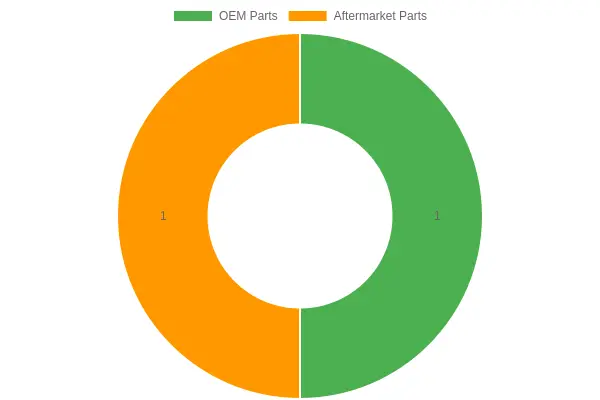
In 2023, the automotive parts market saw a notable division between Original Equipment Manufacturer (OEM) parts and aftermarket parts. Statistics indicate that OEM parts hold approximately 52% of the total market share, while aftermarket parts account for about 48%. This slight edge in favor of OEMs demonstrates a consistent preference for parts made by original manufacturers among consumers. However, trends over recent years have shown a growing inclination towards aftermarket parts, especially as vehicle maintenance costs rise.
Key Statistics and Trends:
- The aftermarket industry size reached $472.9 billion in 2023, reflecting a steady growth trajectory despite global supply chain challenges.
- Approximately 72% of motorists deferred maintenance due to costs, highlighting the increasing demand for more affordable aftermarket options.
- Over the next several years (2024-2030), the aftermarket segment is projected to grow at an annual rate of 3%, while OEM parts are expected to see a modest increase of 2% annually.
Conclusion
For auto owners and repair shops, these trends underline the viability of aftermarket parts not just as an alternative but potentially as a more cost-effective solution. Interested in learning about specific automotive maintenance? Check out our article on car maintenance skills.

Benefits of OEM Parts
When it comes to automotive repairs, choosing the correct parts can make all the difference in your vehicle’s performance and safety. Original Equipment Manufacturer (OEM) parts are designed specifically for your make and model, ensuring reliability and durability. Here are some key benefits of using OEM parts for repairs:
Reliability
OEM parts offer a level of reliability that aftermarket parts often cannot match. These components are manufactured to the same specifications as the original parts used in your vehicle, which means they will fit perfectly and perform at optimal capacity. By using OEM parts, you are significantly reducing the risk of failure that can come with using inferior, generic alternatives.
Warranty Considerations
One of the major advantages of using OEM parts is the warranty coverage that accompanies them. Typically, manufacturers provide warranties on OEM parts, which can cover defects and performance issues. If you choose aftermarket parts, you might not receive the same level of protection, leaving you vulnerable to expenses from potential replacements or repairs that may arise later. Investing in OEM parts often comes with peace of mind and financial security.
Quality Assurance
OEM parts are synonymous with quality. These parts undergo stringent quality checks and are produced to meet the exacting standards set by the vehicle manufacturer. This means you can trust that your vehicle will maintain its integrity and functionality over time.
For more on maintaining your vehicle, learn more about important car maintenance skills.
In conclusion, opting for OEM parts not only enhances your vehicle’s performance but also safeguards your investment in the long run.
| Feature | OEM Parts | Aftermarket Parts |
|---|---|---|
| Durability | Generally high durability, tested to OEM standards | Varies significantly; some may offer lower durability |
| Cost | Typically more expensive; can be 40-60% pricier than aftermarket | Often cheaper; cost-effective options available |
| Availability | Usually available through dealerships | Readily available from various sources |
| Warranty | Often comes with a longer warranty period | Warranty can vary; shorter compared to OEM |
| Fitment | Designed for perfect compatibility with specific make/model | May not fit as precisely; compatibility can vary by manufacturer |
| Quality Assurance | Undergoes stringent quality testing | Quality can differ widely; relies on manufacturer |
When to Choose OEM Parts
Choosing between OEM (Original Equipment Manufacturer) parts and aftermarket alternatives is a crucial decision for motorcycle owners and auto repair shops. OEM parts are designed and manufactured by the original brand, ensuring compatibility and quality, which makes them an essential choice in certain scenarios.
Scenarios to Choose OEM Parts
-
Quality Assurance: OEM parts are made with high-quality materials and to the exact specifications of the manufacturer. This ensures that they perform reliably over the long term. In contrast, aftermarket parts can vary greatly in quality, and some may not meet the same standards, leading to potential safety issues or performance problems.
-
Warranty Protection: If your motorcycle is still under warranty, using OEM parts is often a requirement to maintain that warranty. Many manufacturers stipulate the use of OEM parts for repairs and replacements to ensure warranty coverage. Aftermarket parts may void your warranty, as they may not be recognized as legitimate replacements by the manufacturer.
-
Perfect Fitment: Since OEM parts are specifically designed for a particular make and model, they tend to fit perfectly with no modifications needed. This not only saves time during installation but also reduces the chance of introducing mechanical issues caused by poor fit. Aftermarket parts may require adjustments which can complicate repairs.
-
Critical Repairs: For vital components such as brakes, suspension parts, and engines, opting for OEM is often the safest choice. These parts directly impact your safety and the performance of your motorcycle. For example, the use of OEM brake pads can ensure optimal braking performance, crucial for rider safety. Aftermarket parts can sometimes present unknowns in performance.
-
Long-Term Value: While OEM parts tend to be more expensive initially, they can offer better value over time. Their durability means fewer replacements and repairs are needed, which can ultimately save money in the long run. Plus, the resale value of the motorcycle may be higher if it is maintained with OEM parts.
Conclusion
For motorcycle owners and repair shops, OEM parts are essential in specific scenarios. From ensuring compatibility and reliability to preserving warranty coverage and enhancing the lifespan of the vehicle, there are solid reasons to choose OEM over aftermarket options. For further insights on motorcycle maintenance and repair, check out our article on essential maintenance skills.
Conclusion: Making Informed Choices on OEM Parts
In summary, understanding the meaning and benefits of Original Equipment Manufacturer (OEM) parts is crucial for maintaining the longevity and performance of your vehicle. OEM parts are designed specifically for your vehicle’s model, ensuring optimal fit and performance, which can significantly impact your vehicle’s reliability and safety. By choosing OEM parts over their aftermarket counterparts, you’re not only investing in quality but also protecting the integrity of your vehicle in the long run.
As motorcycle and auto owners, it’s essential to weigh your options carefully when selecting parts for repairs or upgrades. While aftermarket parts might seem appealing due to their potentially lower costs, they can compromise the quality and reliability that OEM parts provide. It’s crucial to consider your vehicle’s specific needs to ensure you make the right choice, whether for a simple replacement or a more complex upgrade.
If you’re looking for high-quality OEM parts, explore the offerings at Summit Fairings. They provide the assurance of reliability that your vehicle deserves, reinforcing the importance of choosing wisely.
FAQs about OEM Parts
Understanding OEM parts can be essential for motorcycle and auto owners, parts distributors, and repair shops alike. Below are some frequently asked questions that clarify what OEM parts are and their significance in the automotive industry:
-
Are OEM parts always more expensive?
While OEM parts are often pricier than aftermarket alternatives, they can be worth the investment due to their guaranteed quality and compatibility. The initial higher cost may lead to fewer repairs needed over time. -
How can I tell if a part is OEM?
OEM parts typically have the original manufacturer’s branding or part number on them. When purchasing, verify by comparing the part number with the manufacturer’s specifications or consult with a professional. -
What are the benefits of using OEM parts?
OEM parts ensure a perfect fit, meet safety standards, and often come with warranties. Using OEM parts can also help maintain resale value. -
Can I mix OEM and aftermarket parts?
While it is possible, combining the two can sometimes void warranties or lead to compatibility issues. It’s best to consult with a mechanic to avoid complications.
These insights are critical for ensuring proper maintenance and optimal performance of your vehicles. For more detailed information on DIY car care, you may learn more about car maintenance skills.
Expert Insight on OEM Parts
“Using OEM parts is crucial for maintaining the integrity and performance of your vehicle. They are manufactured to meet strict specifications and provide an exact fit, which is essential for safety and functionality.” – Team Toyota of Glen Mills