
Introduction
Selling a car for parts is not just a wise choice for those looking to declutter their property; it’s a strategic decision that can yield significant benefits for motorcycle owners and auto enthusiasts alike. When you decide to sell my car for parts, you’re not merely parting ways with an old vehicle; you’re unlocking a treasure trove of valuable components that can breathe new life into other rides. From hard-to-find engine parts to quality tires, the potential to preserve and extend the lifespan of other vehicles is immense. Moreover, this process can be an eco-friendly solution, facilitating recycling and reducing waste by ensuring that usable parts don’t contribute to landfills. Not only does selling your vehicle this way provide a potential financial return, but it also supports fellow auto enthusiasts and repair shops in their quest for quality parts. This guide will delve into the various aspects you need to know when considering how to effectively sell your car for parts while reaping all these benefits.
Whether you’re an avid motorcyclist looking to upgrade your ride, or a distributor searching for reliable components, understanding the ins and outs of parts selling can set you on the path to success. Learn more about essential car maintenance skills here to ensure your vehicle stays in top shape during the process!
Reasons to Sell Your Car for Parts
-
Financial Gain: Selling a car for parts often yields more money than selling it whole, especially if the vehicle is old or damaged. Individual components like engines, transmissions, and tires can be sold separately at competitive prices.
-
Environmentally Responsible Disposal: Parts recycling reduces waste by keeping usable components out of landfills, lessening the environmental footprint associated with vehicle disposal. This is a smart way for motorcycle owners and auto shops to support sustainability.
-
Simplified Disposal Process: Selling a car for parts can be easier than selling a functioning vehicle because there’s no requirement for it to be operational or roadworthy.
-
Benefits for Motorcycle Owners: Motorcycle repair shops and owners benefit from affordable, quality parts salvaged from cars, helping maintain or upgrade motorcycles with compatible or universal components.
-
Support for Auto Repair Shops: Repair shops rely on used parts to offer cost-effective repairs and quick turnarounds, making the sale of car parts vital to their business operations.
-
Inventory for Parts Distributors: Wholesalers depend on dismantled car parts for their stock, enabling them to meet diverse customer needs efficiently.
-
Greater Demand for Rare or High-Value Components: Certain parts like engine sleeves, custom brakes, or upgraded tires can be particularly valuable, which adds to potential profit.
-
Reduces Environmental Impact of Manufacturing: Reusing parts cuts down the demand for new manufacturing, saving energy and raw materials.
-
Convenient for Non-Running Vehicles: Cars that no longer run or are unsafe to drive can still generate value through part sales.
For those interested in maintaining and upgrading their vehicles, understanding car maintenance skills related to air filters and essential tire care can complement the benefits of sourcing parts from dismantled cars. Explore more practical tips in car maintenance skills and essential tire maintenance skills.
Assessing Car Value for Parts: A Detailed Guide
When it comes to selling your car for parts, assessing its value accurately is crucial. Here’s a comprehensive guide to understanding what factors to consider when determining the worth of your vehicle for parts resale.
Key Factors to Consider
- Condition of the Car
- Overall Condition: The more parts that are still functional and in good shape, the higher the value. Inspect parts such as the engine, transmission, and bodywork for damage.
- Interior and Electronics: Don’t forget to evaluate the interior components and electronic systems, as well-maintained interiors can also boost the car’s overall value.
- Age of the Vehicle
- Older cars typically have less value unless they possess a classic appeal or rare parts that collectors need. For example, parts from vintage models might be more sought after despite the car’s overall condition.
- Market Demand for Parts
- Certain make and model parts may be in high demand due to popularity in the aftermarket and repair markets. Research specific components that are currently sought after, which can significantly influence your car’s valuation.
- According to a recent article by Peddle, the rarity of the parts can impact their demands, with vintage vehicles often fetching higher prices for rare components.
- Mileage Matters
- Generally, lower mileage means better condition and may enhance value, especially for engine and transmission components that can wear out over time.
- Availability of Replacement Parts
- If similar replacement parts are readily available in the market, the value of your car might decrease. Conversely, if parts are hard to find, you may be able to sell them at a premium.
- The U.S. Bureau of Labor Statistics indicates that the price index for motor vehicle parts has risen, reflecting the increasing demand for various components.
Actionable Insights
- Research Online: Use online valuation tools to compare prices of similar parts being sold and understand the market landscape.
- Take Quality Photos: High-quality images of both the car and individual parts can enhance your listings and help potential buyers evaluate their conditions visually.
- Be Honest and Accurate: Provide detailed descriptions and transparency in terms of the car’s history, any repairs done, and the current condition of each part.
By thoroughly considering these factors, you will be better positioned to assess the value of your car for parts and achieve a successful sale. For more practical guidance on maintaining your vehicle, check out our tips on car maintenance skills that can help extend the life of your vehicle’s components before considering selling for parts.
| Method | Pros | Cons | Average Payouts (USD) | Ease of Process |
|---|---|---|---|---|
| Online Sales | – Wide audience | – Requires effort in listing and management | $300 – $2,500 | Moderate |
| – Potential for high profit | – Time-consuming | |||
| – Flexible pricing | – Unsure of buyer reliability | |||
| Junkyards | – Quick cash | – Low payouts | $100 – $1,000 | Easy |
| – No hassle in parting out | – Limited negotiation options | |||
| – Instant sale | – Might not take certain parts | |||
| Direct Sales to Distributors | – Higher payouts on bulk sales | – Need to establish connections | $1,500 – $4,000 | Moderate to Difficult |
| – Less competition | – Requires knowledge of value | |||
| – Efficiency for larger quantities | – May need to wait for payment |
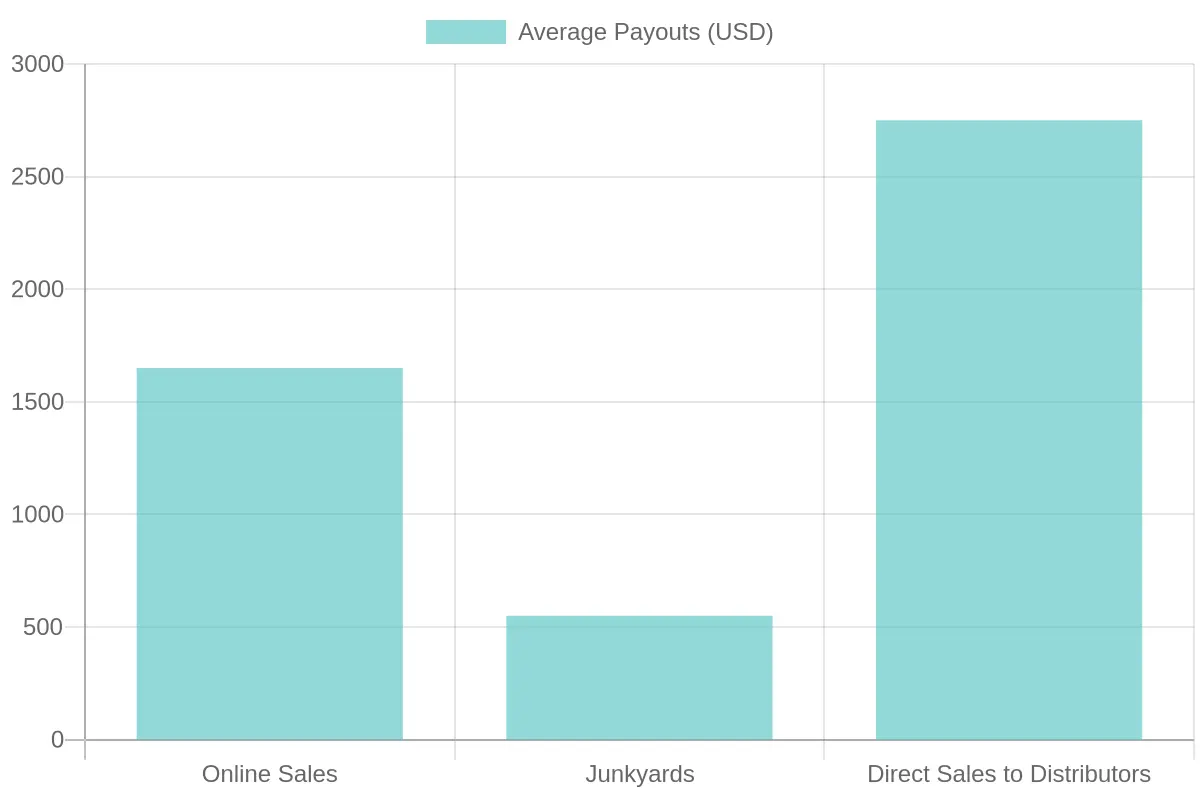
The table above compares the various methods to sell a car for parts considering pros, cons, average payouts, and ease of process. For motorcycle owners, auto owners, and repair shops, understanding these options can optimize the decision-making process when dismantling their vehicles for parts.
Finding Buyers for Car Parts
Identifying and reaching potential buyers for car parts can be a daunting task, but employing effective strategies can significantly ease the process. Here’s a breakdown of practical approaches to attract buyers in today’s competitive marketplace:
1. Advertising Online
- Leverage platforms like eBay and Facebook Marketplace to reach a broad audience. eBay offers a user-friendly platform for selling new or used car parts, allowing sellers to connect with a vast number of potential buyers globally. Similarly, Facebook Marketplace provides local selling options, making it easier to sell parts quickly to nearby buyers. For more, visit eBay’s selling guide.
- Utilize targeted digital advertising through social media and search engines. Tailored ads can help you reach specific demographics based on factors like location, interests, and vehicle ownership.
2. Social Media Engagement
- Create a strong presence on platforms such as Instagram, Facebook, and Twitter. Showcasing high-quality images of your car parts engages potential buyers and raises awareness of your offerings.
- Consider collaborating with influencers in the automotive space. Partnering with them can amplify your reach and credibility, leading to increased sales. For strategic insights, check out 17 Powerful Automotive Advertising Ideas.
3. Partnerships with Auto Repair Shops
- Collaborate with local auto repair shops and garages. Offering discounts or bundling services can incentivize repair shops to recommend your parts to their clients. These partnerships can create a steady stream of referrals and establish your reputation in the local market.
- Regularly visit repair shops to showcase new inventory and discuss their specific needs, thereby creating rapport and trust with prospective buyers.
Tips for Reaching Your Target Audience Effectively
- Understand Your Audience: Research who needs your parts-whether it’s individual car owners, motorcycle enthusiasts, or auto repair professionals. Tailoring your marketing strategies to align with their specific needs is crucial.
- Engage with Community Events: Attend local car shows or automotive events. This direct engagement not only fosters relationships but also allows potential buyers to see and feel the parts you have to offer.
- Utilize Content Marketing: Create informative content related to car maintenance and repairs. For instance, linking to valuable resources such as car maintenance skills can attract DIY enthusiast buyers and improve your brand’s credibility.
Employing these strategies can enhance your visibility in the market for car parts, allowing you to connect with a broader audience and convert leads into sales.
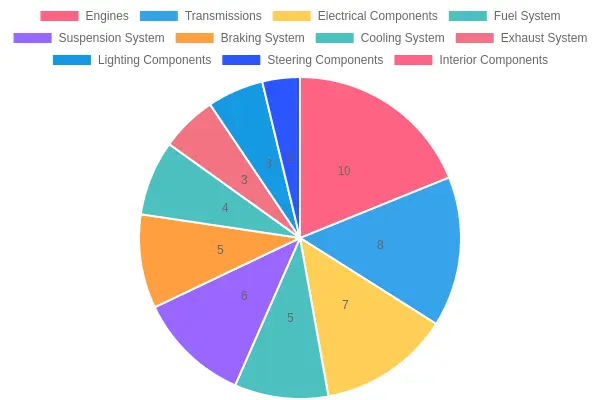
This image illustrates the distribution of various car parts, showcasing categories such as Engines, Transmissions, Electrical Components, and more. Understanding these parts is crucial when considering selling a car for parts.
Key Car Parts Categories:
| Car Part Category | Examples |
|---|---|
| Engines | Engine assemblies, cylinder block, pistons, crankshaft, camshaft |
| Transmissions | Automatic transmission, manual transmission, gearbox components |
| Electrical Components | Alternators, starters, batteries, ignition coils, engine control modules |
| Fuel System | Fuel injectors, fuel pumps, fuel filters |
| Suspension System | Shock absorbers, control arms, ball joints, tie rods |
| Braking System | Brake pads, discs, calipers, master cylinder |
| Cooling System | Radiators, water pumps, hoses, thermostat |
| Exhaust System | Mufflers, catalytic converters, exhaust pipes |
| Lighting Components | Headlights, tail lights, turn signal lights, fog lights |
| Steering Components | Steering rack, steering wheel, power steering pump |
| Interior Components | Dashboard, seats, seat belts, trim pieces |
For more detailed insights into car parts and maintenance skills, you can learn more about essential engine upgrades and car maintenance skills.
Legal Considerations When Selling a Car for Parts
Selling a car for parts can be a practical way to get value from a vehicle that is no longer roadworthy. However, it comes with specific legal considerations that need to be addressed to ensure compliance and protect yourself legally.
Title Transfer
One of the most critical legal aspects is the transfer of the vehicle title. Many states require that the title be transferred to the new owner when a vehicle is sold for parts. Generally, this involves:
- Completing the Title Transfer: You need to fill out the necessary sections of the title, which may include details about the sale and the condition of the vehicle. It is crucial to follow your state’s requirements closely.
- Notifying the DMV: After the sale, sellers often must notify the Department of Motor Vehicles (DMV) in their state. This step is important as it releases you from any future liabilities related to that vehicle.
- Junk Title Regulations: Some states have provisions for a ‘junk title,’ which may simplify the process of selling for parts. This means the vehicle is declared as non-operational, and specific processes are in place for selling such vehicles. Learn more about title transfer processes.
Recycling Regulations
In addition to title transfer, recycling regulations play a significant role in the legality of selling car parts. These regulations vary by state and can include:
- Environmental Regulations: Sellers must ensure that they dismantle vehicles in accordance with state environmental laws. Improper disposal of parts can lead to hefty fines and potential legal trouble.
- Hazardous Material Handling: Certain car components, such as batteries and fluids, are classified as hazardous. There are strict guidelines on how to handle and dispose of such materials to prevent environmental contamination.
Auto Parts Sales Laws
When dealing with auto parts, it’s essential to understand that laws can differ by vehicle type-motorcycles versus cars, for instance. Key points include:
- Inventory and Tracking: Sellers may be required to keep detailed inventories of parts sold, especially in commercial settings. This is to prevent the distribution of stolen or unrecyclable parts.
- Specific Motorcycle Regulations: Motorcycles may have additional regulations, given their distinct nature and components compared to automobiles. Checking local regulations regarding titles and parts sales for motorcycles is crucial to avoid legal complications.
In summary, complying with title transfer requirements and knowing the recycling regulations are essential when selling a car for parts. It’s always recommended to check with local DMV offices and state laws to ensure you meet all legal obligations. By understanding these legal considerations, you can navigate the process smoothly and protect yourself from potential issues in the future.
If you’re looking for tips on maintaining vehicles, check out our car maintenance skills guide.
Word Count: 547
Importance of Expertise in Selling Car Parts
When it comes to selling car parts, having a thorough understanding of your products along with great customer service is essential. As one expert states:
“Understanding your product and providing excellent customer service is essential in the automotive parts industry. Customers appreciate expertise and a personal touch.” – Anonymous Expert
This highlights a fundamental aspect that not only aids the sale but also builds trust and loyalty among clients. For those interested in more related skills, consider reading about essential car maintenance skills that can support your sales narrative.
By mastering product knowledge and effective communication, you set a solid groundwork for a successful venture in selling car parts.
In conclusion, selling a car for parts presents a unique opportunity for vehicle owners to recover a significant portion of their investment. Not only does it allow for financial recovery by capitalizing on individual components that may hold considerable value, but it also promotes environmental benefits through recycling and waste reduction. Additionally, the demand for specific parts can make this a lucrative endeavor, especially for classic or unique vehicles. It’s important to remember that selling a car for parts can often be a more streamlined process compared to traditional sales methods, which can be time-consuming and require additional repairs.
As a community of auto owners, enthusiasts, and businesses, exploring the option to sell your car for parts can be both a practical and beneficial decision. If you’re considering this route, take the time to evaluate the components of your vehicle and connect with local auto parts distributors or recycling centers. Discover more about vehicle maintenance or learn effective tips for car repairs to maximize your profits. Don’t overlook the potential value your vehicle can offer beyond just being a car – it might be the key to unlocking cash and helping the environment at the same time!
Potential Earnings from Selling Car Parts
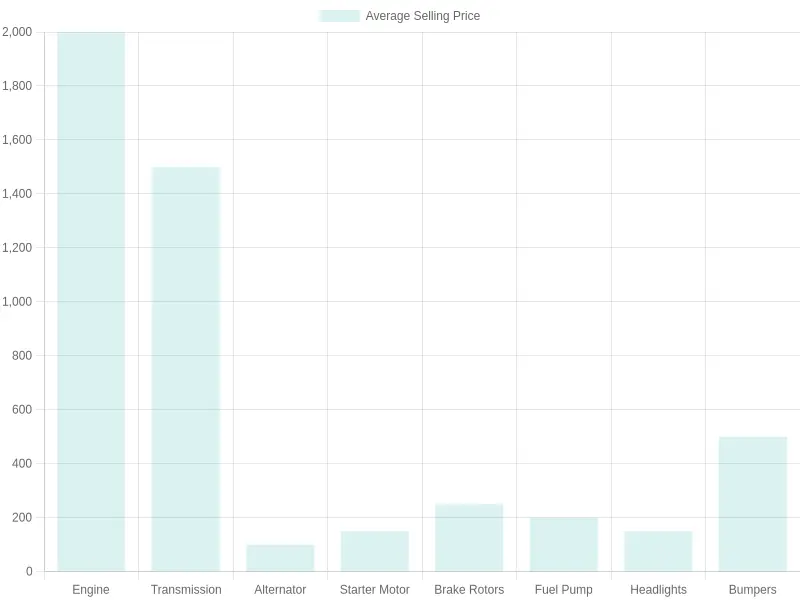
When considering selling a vehicle for parts, it’s crucial to understand the potential earnings from various components. Below is a chart depicting the average selling prices of some common car parts:
| Component | Average Selling Price |
|---|---|
| Engine | $2,000 |
| Transmission | $1,500 |
| Alternator | $100 |
| Starter Motor | $150 |
| Brake Rotors | $250 |
| Fuel Pump | $200 |
| Headlights | $150 |
| Bumpers | $500 |
Understanding these prices helps in making informed decisions about parting out a vehicle. Factors affecting these prices include condition, model, and market demand. For more information on vehicle maintenance and performance upgrades, you can learn more about essential engine upgrades.
Additionally, if you’re exploring car maintenance skills that can increase your value when selling parts, consider visiting our blog on car maintenance skills.