
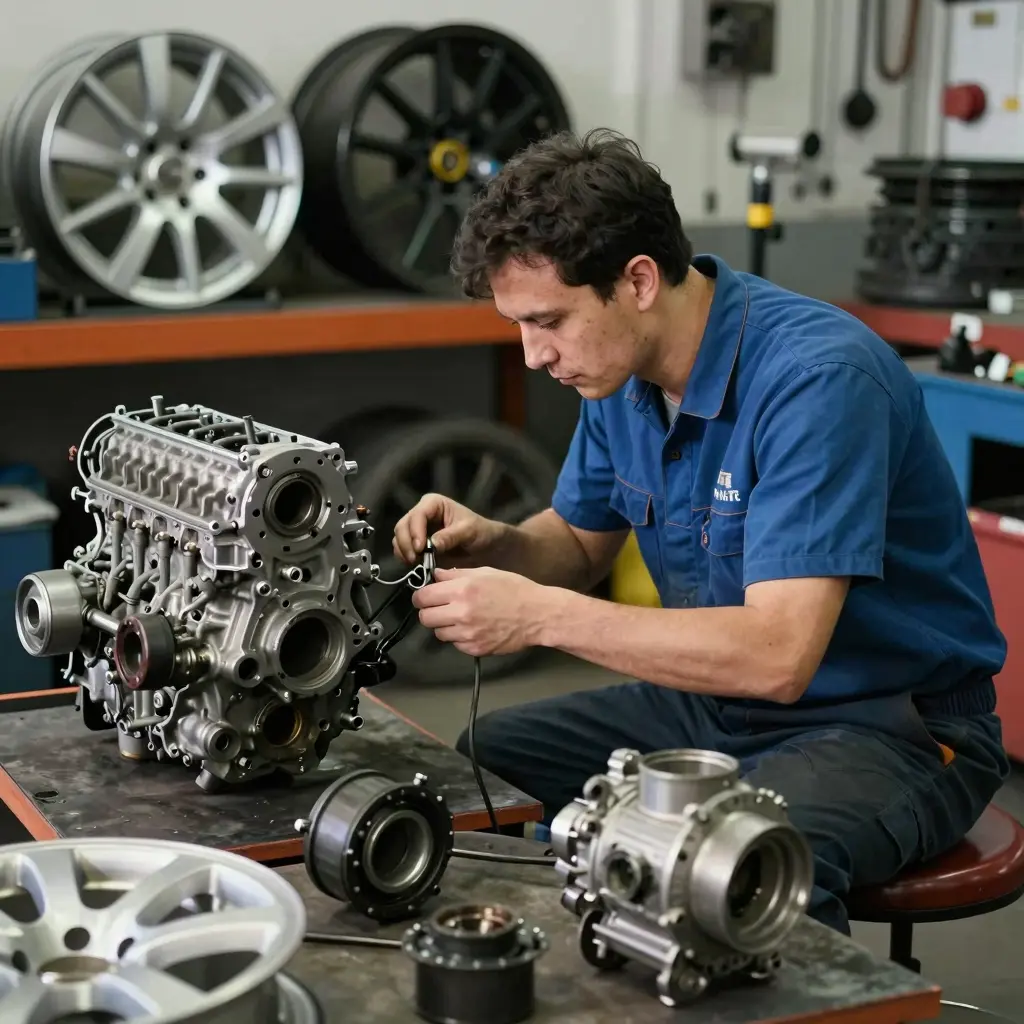
Finding quality used car parts is a critical aspect for motorcycle and auto owners alike. With the rising costs of new parts, many individuals are turning to the used market to save money while ensuring their vehicles remain in top-notch condition. Knowing where to buy used car parts not only helps motorists save significantly but also emphasizes the importance of making smart purchasing decisions. Quality used parts can enhance vehicle performance, prolong longevity, and provide the reliability that every driver desires. For auto parts distributors and repair shops, investing in used components offers the chance to reduce overhead costs while passing savings onto customers. This win-win scenario means better service, increased customer loyalty, and a greener approach to automotive maintenance. In a world where sustainable practices are becoming essential, finding the right sources for used parts can have a significant positive impact. Whether you’re a motorcycle owner or run a repair garage, understanding the value of quality used auto parts is vital to keeping vehicles running smoothly. Learn more about car maintenance skills.
Benefits of Buying Used Car Parts
Purchasing used car parts has gained popularity among automotive enthusiasts and professionals alike. Here are three key benefits of opting for used parts:
1. Cost Savings
One of the most compelling reasons to buy used car parts is the significant cost savings. Used parts can be priced at 50-80% less than new Original Equipment Manufacturer (OEM) parts. For example, if you are replacing a transmission, the savings could amount to thousands of dollars without sacrificing quality. Many shops and distributors recognize that affordability is crucial for customers, especially for older vehicles where new parts may not be necessary.
2. Environmental Benefits
Choosing used parts contributes positively to the environment. Every used part purchased reduces the need for new manufacturing, leading to lower resource consumption and decreased waste. For instance, using a second-hand engine not only saves money but also minimizes the carbon footprint associated with the production of new parts. This commitment to sustainability aligns with trends where consumers are increasingly recognizing their purchasing power in promoting a healthier planet.
3. Availability of Rare Parts
The market for used parts provides invaluable access to components that are hard to find. Many older and discontinued cars may require specific parts that are no longer produced. Enthusiasts restoring classic cars often rely on used parts to maintain authenticity. For example, vintage muscle car enthusiasts frequently scour scrapyards and online marketplaces to find original components that hold both functional and sentimental value.
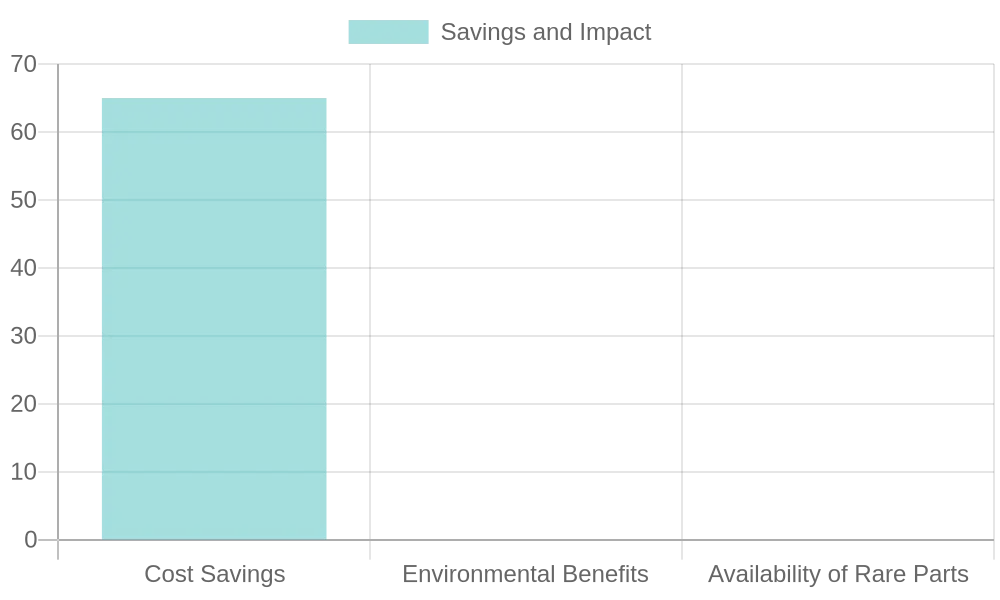
By choosing used car parts, individuals and businesses not only save money but also contribute to environmental sustainability and enjoy the advantage of accessing rare components.
Comparison of Online vs Local Used Auto Parts Sources
When considering where to buy used auto parts, both online and local sources offer distinct advantages and disadvantages. Here’s a comprehensive comparison of the two:
| Aspect | Online Sources | Local Sources |
|---|---|---|
| Pricing | Often lower prices due to competitive markets and lower overhead costs. Examples include LKQOnline and RockAuto. | May be higher due to local operating costs. Potential for negotiation on price with local dealers. |
| Availability | Larger variety of parts readily available; users can access extensive catalogs (e.g., CarParts.com). | Limited to stock on hand; may require waiting time for ordering specific parts. |
| Warranty Options | Many online retailers provide robust warranty options and return policies. | Warranties may vary; often direct from manufacturers, making verification easier. |
| Dealer Relationships | Interaction limited to online platforms; less personalized service. | Local stores offer personal interaction with knowledgeable staff who can provide immediate assistance and advice. |
| Inspection | Unable to physically inspect parts before purchase. | Physical inspection allows customers to check conditions before buying. |
| Delivery Time | Usually requires shipping time; may cause inconvenience. | Immediate access; parts can be obtained instantly. |
| Convenience | Can shop at any time from the comfort of home; great for those with busy schedules. | Requires a visit to the store; however, can be quicker for urgent needs. |
This comparison can help auto owners, parts distributors, repair shops, and garages determine the best source based on their specific needs. For additional insights into maintaining and upgrading vehicles, consider essential engine upgrades for performance or check out our car maintenance skills guides.
Top Online Platforms for Purchasing Used Auto Parts
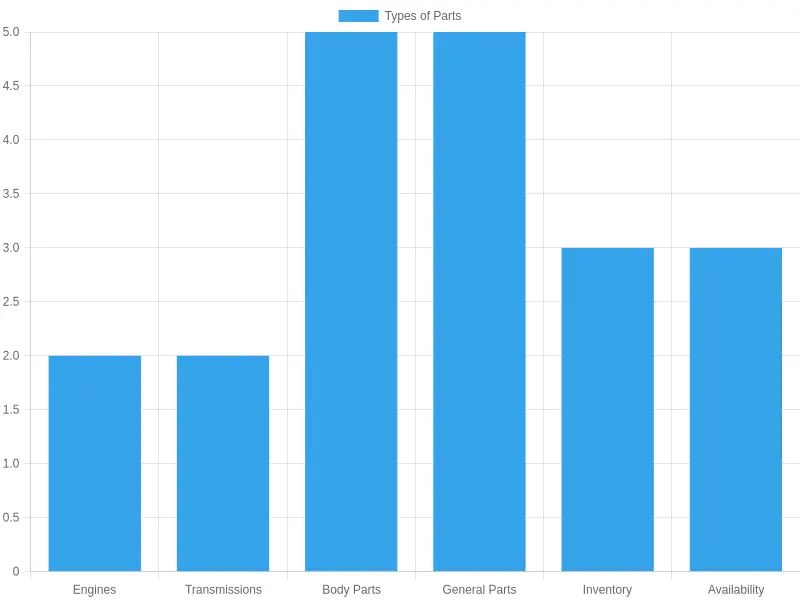
When looking to purchase used car parts, many online platforms offer extensive inventories, user-friendly interfaces, and competitive prices. Here are some of the top options available:
-
RockAuto
RockAuto is a comprehensive online retailer that provides a vast selection of auto parts for multiple vehicle makes and models at affordable prices. With an organized online catalog, users can conveniently find the required parts for DIY repairs. The website’s user interface streamlines the search process, making it easy to compare parts and prices. Many users appreciate RockAuto’s detailed specifications and parts photos, ensuring they purchase the right components. -
Pull-A-Part
Pull-A-Part offers a unique approach by combining used auto parts sales with junk car buying. With locations across the U.S., they provide quality used parts at competitive rates. Customers can walk through yards to find specific parts themselves, enhancing the experience and allowing for immediate purchases. This hands-on approach can lead to significant savings, as shoppers can select exactly what they need without additional labor costs. -
LKQOnline
LKQOnline is reputable for specializing in used auto parts, emphasizing fast shipping and a robust warranty on products sold. Their intuitive website design makes finding parts straightforward. Customers often commend LKQ for their customer service and the quality of the parts received, which come with a guarantee against defects. -
Used Part
This marketplace connects users directly with local salvage yards, featuring an extensive database of genuine recycled OEM parts for a variety of auto repairs. Many users find the platform valuable for comparing prices from different salvage yards, allowing for better decision-making. The user-friendly interface contributes to a smooth shopping experience.
Market Trends
According to data from Gitnux, the growth rate for used car parts sales stood at approximately 11% in 2023, significantly driven by DIY repairs. Such statistics underline the increasing reliance on online platforms for sourcing affordable auto parts.
“I recently purchased used parts for my car from ITW Auto Sleeve and was completely satisfied! The quality was exceptional and the staff were very helpful in assisting me with my purchase.”
- John D., Auto Enthusiast
“Buying used auto parts can be risky, but I found the experience with ITW Auto Sleeve to be very reassuring. The parts were in excellent condition and were a fraction of the cost of new. I will definitely return!”
- Sandra L., Mechanic
These testimonials highlight the trust and positive experiences customers have had with purchasing used auto parts, emphasizing quality and excellent service. If you’re considering where to buy used car parts, learn more about what sets us apart.
Quality auto parts are essential for ensuring your vehicle runs smoothly and efficiently.
Tips for Evaluating the Condition of Used Car Parts
Evaluating the condition of used car parts is crucial for ensuring reliable performance and safety. Here are key tips to consider when assessing the quality of used auto parts:
1. Visual Inspection
- Check for Visible Damage: Look for cracks, rust, or corrosion, which can indicate that the part may not be reliable. Visible signs of wear and tear can help you judge if the part is still functional.
- Compatibility Check: Make sure the part is compatible with your vehicle model. Refer to the car’s manual or consult online resources to avoid mismatches.
2. Functional Tests
- Test Before Purchase: If possible, request to see the part in action. For mechanical components like engines and transmissions, a test can confirm their operational condition.
- Listen for Unusual Noises: When inspecting mechanical parts, listen for anything unusual, such as grinding or rattling sounds, which could be a sign of internal issues.
3. Ask for History
- Previous Usage: Inquire about how the part was used and how long it was in service. Understanding its history can provide insights into its remaining life.
- Maintenance Records: If available, ask for maintenance records. Regular maintenance can imply a greater chance that the part is still in good condition.
4. Warranty Consideration
- Check for Warranties: Ask if the seller provides any warranties or guarantees on used parts. A warranty can offer peace of mind regarding the part’s quality.
Conclusion
By following these tips, you can more effectively assess the quality of used car parts, ensuring that you make reliable purchases that won’t lead to additional costs. For additional insights into maintaining your vehicle, check out our article on car maintenance skills.
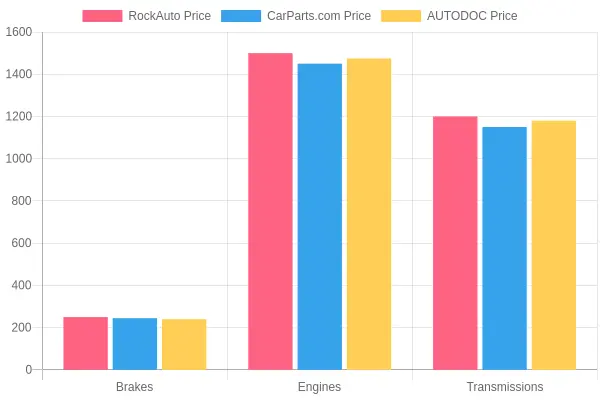
Average Prices of Common Used Car Parts
The following chart illustrates the average prices of essential used car parts across different sellers, providing a benchmark for pricing comparisons:
| Car Part | RockAuto Price | CarParts.com Price | AUTODOC Price |
|---|---|---|---|
| Brakes | $250 | $245 | $240 |
| Engines | $1,500 | $1,450 | $1,475 |
| Transmissions | $1,200 | $1,150 | $1,180 |
Key Insights:
- The prices for brakes are fairly consistent across all three sellers, averaging around $245.
- Engines are the most expensive components, with prices ranging from $1,450 to $1,500.
- Transmission prices vary slightly, with RockAuto offering the highest at $1,200.
Understanding these prices can help motorcycle and auto owners, as well as auto parts distributors, make more informed purchasing decisions. For more tips on car maintenance, check out our brake maintenance tips and skills for proper upkeep of your vehicle.
In conclusion, purchasing used car parts offers a multitude of benefits for auto owners, motorcycle enthusiasts, and auto repair shops alike. By opting for used parts, you not only save significantly on costs, but you also contribute to sustainability efforts by reducing landfill waste and fostering environmental conservation. Quality used parts are often available from reputable dealers, ensuring that you can find reliable components without breaking the bank. Moreover, buying used car parts supports the economy by promoting recycling and reducing the demand for new manufacturing, which can be resource-intensive.
Navigating the market for used car parts can be straightforward with the right tips, such as verifying the condition of parts before purchase and researching trusted sellers. For those looking to enhance performance, used parts can provide optimal solutions. This approach not only preserves your vehicle’s functionality but also helps you make smart financial decisions.
Don’t wait to explore your options! Empower yourself with the knowledge and tools to enhance your vehicle confidently. Click, customize, and ride with confidence by visiting ITW Auto Sleeve for more tips on car maintenance and used parts.
Frequently Asked Questions (FAQs) about Buying Used Car Parts
-
What is the warranty policy for used car parts?
The warranty conditions for used car parts can vary significantly by provider. For instance, some retailers, like CarParts.com, offer a 1-year warranty or longer on select new parts, while used parts are typically sold as-is without a warranty. Always check with the specific supplier for detailed warranty information. -
What is the return policy for used auto parts?
Generally, the return policy is around 30 to 90 days depending on the retailer. For example, providers like Advance Auto Parts allow returns within 60 days for most items. Ensure that the parts are unused and in original packaging to qualify for a return. -
How do I troubleshoot common issues with used car parts?
If you encounter issues such as misaligned pickup tines or engine knocking, check oil levels, realign components, or replace malfunctioning parts. Refer to this chart for common problems and their troubleshooting methods. -
Are there specific signs to look for when selecting used car parts?
Yes, look for visible defects, rust, or excessive wear. It’s also essential to consult with mechanics or use reputable sources for buying used parts, like RockAuto, which provides extensive parts options and specifications. -
Can I get technical support for used parts?
Many suppliers like AutoZone offer customer support for technical issues, including installation tips and troubleshooting guidance. -
What are the most common issues with used car parts?
Frequent problems include electrical shorts, brake valve leaks, and misaligned components. Being informed helps in making better purchasing decisions. -
Is it safe to install used auto parts myself?
While many experienced DIY enthusiasts can install used parts safely, it’s crucial to follow proper guidelines and ensure compatibility. If unsure, consider consulting a professional mechanic.
Visual Resources

Chart showing common issues with used car parts and suggested troubleshooting methods.
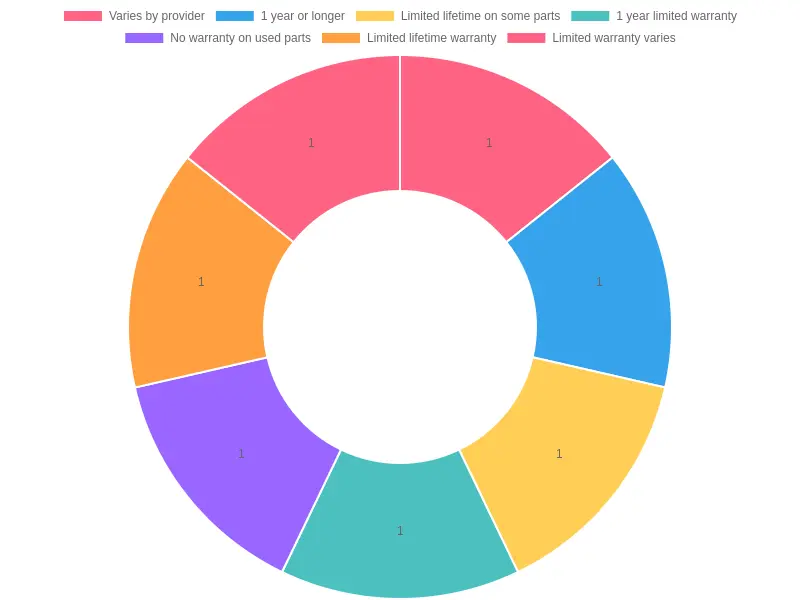
Chart displaying warranty conditions for used auto parts.
This FAQ section is designed to guide you through the essential considerations when purchasing used car parts, ensuring a smoother buying experience!