
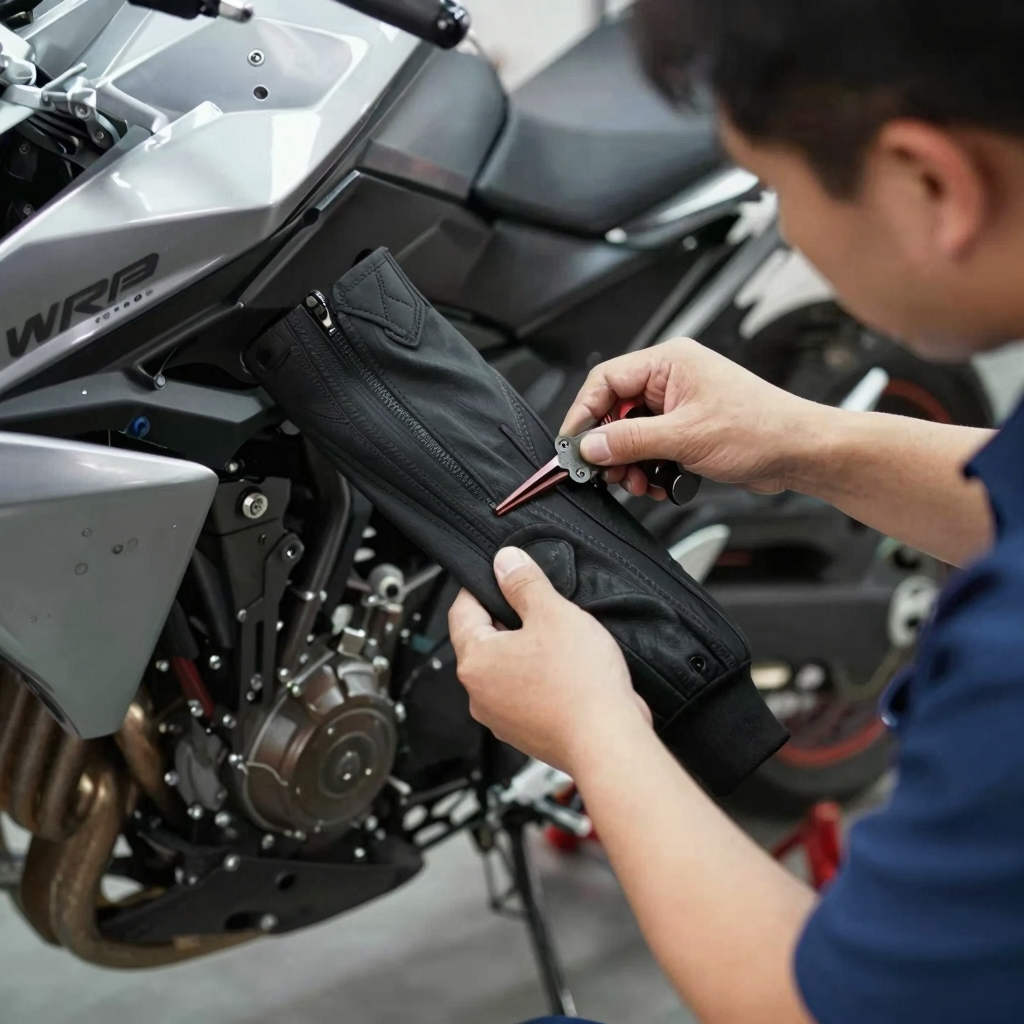
Introduction: Caring for Your Sleeve After WRP Removal
For motorcycle owners and repair specialists, every component matters-especially when it comes to the sleeve after removing the Wet Removal Process (WRP). Strong, durable, and essential for optimal engine performance, the sleeve is not just a piece of hardware; it is a lifeline for your motorcycle’s mechanical health. If you’ve recently undertaken a sleeve removal, the work is far from over. Proper maintenance is crucial, not only to ensure reliability but also to prevent costly repairs down the road. Think of it this way: just as regular oil changes and tire rotations are vital for your bike’s performance, so too is caring for your sleeve post-WRP. Ignoring this critical step can lead to diminished efficiency and engine wear, threatening to disrupt your ride. Dive in with us as we explore essential tips and techniques to keep your sleeve in prime condition, ensuring your motorcycle operates at its best for years to come.
Importance of Sleeve Maintenance After Removing WRP
Taking care of a sleeve after removing a WRP (Wet Repair Process) is critical to maintaining engine performance and longevity. Neglecting sleeve maintenance can lead to various issues, including decreased engine efficiency, increased fuel consumption, and even catastrophic engine failure. Engine sleeves play a vital role in the overall functioning of the motor by providing a secure fit for the piston and preventing wear and tear. Without proper maintenance, these sleeves can wear out prematurely, leading to significant repair costs.
Moreover, an overlooked sleeve may develop leaks or cracks that could compromise the integrity of the entire engine. This not only affects performance but also leads to more hazardous situations, such as overheating or a complete engine shutdown.
Engines with poorly maintained sleeves might exhibit symptoms such as unusual noises, loss of power, and increased emissions. If addressed promptly, many of these issues can be mitigated through regular cleaning and inspection of the sleeves.
For motorcycle and auto owners, understanding the importance of sleeve maintenance is essential. Following best practices can significantly enhance the lifespan of the vehicle. To get more insights into proactive maintenance strategies, learn more about essential car maintenance skills to keep your engine in optimal condition.
Comparison of Sleeve Care Products
To help motorcycle and auto owners select the best sleeve care solution, we’ve compiled a comparison of various products available in the market. These products mainly focus on maintenance, preservation, and improvement of sleeve performance. Below is a comparative table detailing their benefits, usage instructions, and price ranges.
| Sleeve Care Product | Key Benefits | Usage Instructions | Price Range (USD) |
|---|---|---|---|
| Ultra Pro Sleeve Care Kit | Cleanses and preserves card sleeves; prevents yellowing, warping, and adhesive degradation. Ideal for TCG players. | Apply a small amount to a microfiber cloth, gently wipe the inside and outside of sleeves. Allow to air dry completely before storing. | $12 – $18 |
| Mayday Games Sleeve Cleaner | Acid-free formula; safe for polypropylene and PVC sleeves. Prevents residue buildup and maintains clarity. | Use a damp cloth with a drop of cleaner. Wipe gently. Do not soak sleeves. Air dry away from direct sunlight. | $8 – $12 |
| G-Form Card Sleeve Protector (Spray) | Water-repellent coating; adds durability and resists fingerprints and smudges. Enhances protection during gameplay. | Spray lightly onto sleeve surface from 6-8 inches away. Let dry 30 seconds. Reapply every 2-3 weeks or after heavy use. | $10 – $15 |
| CardSaver Premium Sleeve Polish | Restores shine and removes minor scratches on sleeves. Helps maintain professional appearance. | Apply a small amount to a soft cloth. Buff gently in circular motions. Use sparingly to avoid residue. | $7 – $10 |
| Zilch Sleeve Maintenance Kit (DIY) | Eco-friendly, biodegradable cleaning solution with reusable microfiber cloths. Sustainable option for frequent users. | Mix 1 part cleaner with 4 parts water. Dampen cloth and clean sleeves. Rinse cloth after use; re-use indefinitely. | $9 – $14 |
Sources:
- Ultra Pro Official Website – Sleeve Care Products
- Mayday Games Product Page – Sleeve Cleaner
- G-Form Gaming Accessories – Spray Protector
- CardSaver Store – Premium Polish
- Zilch Sustainable Gaming – DIY Kit
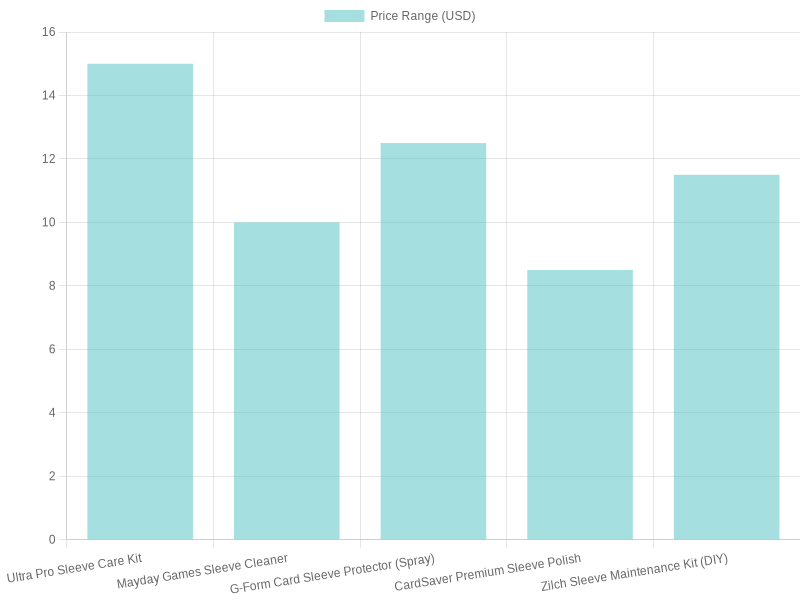
Moreover, check out the following chart for a visual representation of the price ranges of these sleeve care products:
Motorcycle Sleeve Maintenance Checklist After Removing WRP
Ensuring proper maintenance after sleeve removal is crucial for engine performance. Here’s a concise checklist for motorcycle owners and garages:
-
Inspect Cylinder Bore
Check for scoring or wear after sleeve removal. -
Clean Piston and Cylinder Area
Thoroughly remove debris and contaminants. -
Check Piston Rings
Look for damage or excessive wear on the rings. -
Verify Piston-to-Cylinder Clearance
Ensure correct spacing to avoid engine issues. -
Inspect Crankshaft and Rod Bearings
Check for wear and proper seating. -
Recheck Torque Specs
Confirm all fasteners are tightened to manufacturer specifications. -
Use New Gaskets
Always replace old gaskets to prevent leaks.
Following this checklist will enhance the engine’s longevity and performance. For further insights, read our guide on essential engine maintenance.
Common Mistakes in Caring for Sleeves After WRP Removal
Caring for an engine sleeve after the removal of a Wear Resistant Plating (WRP) can be a meticulous process. However, there are common mistakes made that can have significant consequences. Here are the key pitfalls to avoid:
-
Inadequate Cleaning: Failing to adequately clean the cylinder bore can lead to contamination. Debris and residue left in the bore can cause premature sleeve wear and engine malfunction.
-
Neglecting Inspection: Skipping the inspection for micro-cracks or surface deformation compromises the integrity of the sleeve. This oversight can lead to failure under operational stresses.
-
Using Improper Tools: Using incorrect tools during the reinstallation process can damage the precision fit of the sleeve. This may affect oil retention and alignment, leading to increased friction and wear.
-
Ignoring Lubrication: Not applying engine oil or a protective coating before the initial startup is a common oversight. This can cause metal-on-metal contact, resulting in catastrophic engine failure due to inadequate lubrication.
To ensure optimal performance, mechanics should follow best practices like thorough cleaning, proper inspection, and correct tooling. For further insights into maintaining your engine, check essential car maintenance skills or explore tips on engine upgrade.
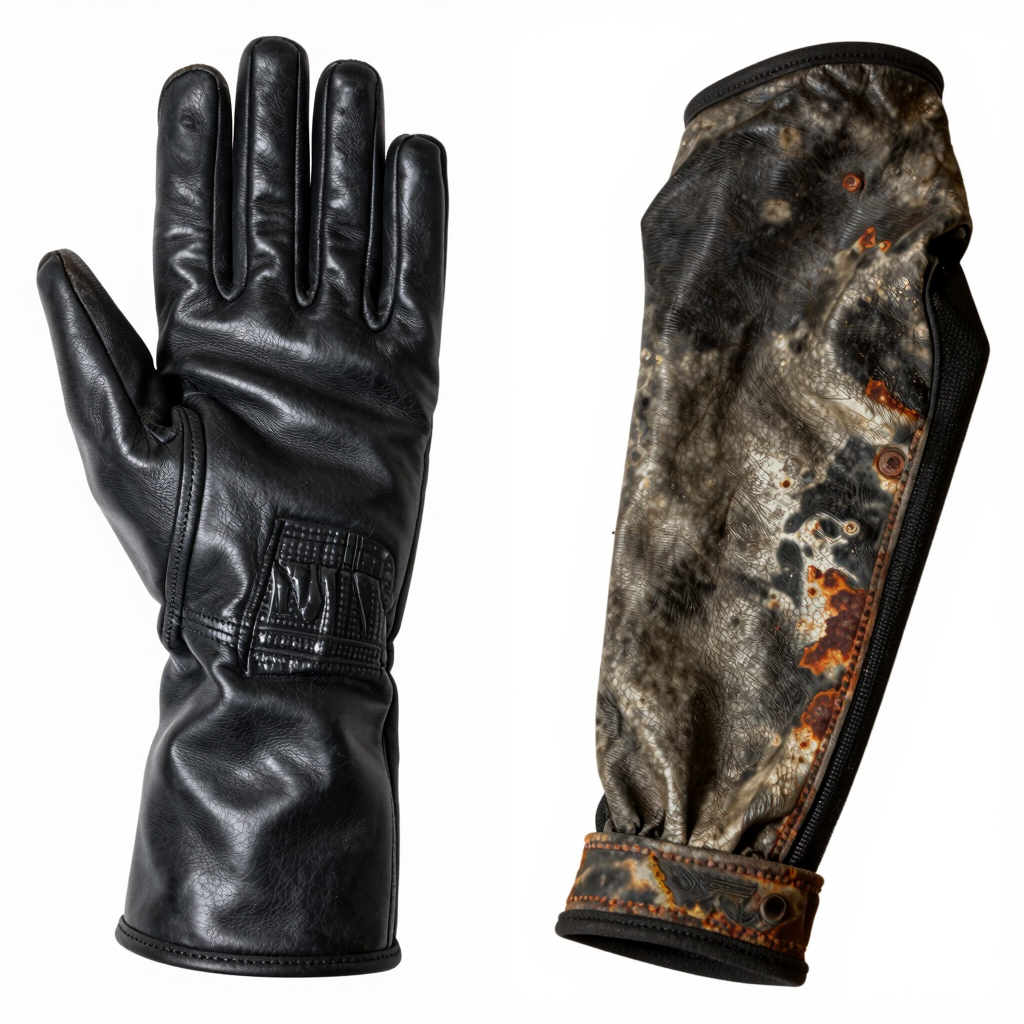
“After removing the WRP, I was anxious about the maintenance of my sleeve. But thanks to the guidance I found at ITW-AutoSleeve, I’ve been able to keep everything in top shape! The performance has been phenomenal, and I couldn’t be happier with the results!”
- Satisfied Customer
Detailed Steps for Caring for an Engine Sleeve Post-WRP Removal
Maintaining the integrity of an engine sleeve after WRP removal is essential for the performance and longevity of your vehicle. Follow these detailed, step-by-step guidelines to ensure proper care:
1. Preparation Tools
Ensure you have the following tools and materials ready:
- Degreaser or aerosol cleaner
- Lint-free cloths
- Torque wrench
- Micrometer and bore gauge
- Soft brush or non-abrasive scrub pad
- Clean gloves to avoid oil contamination
2. Cleaning the Sleeve
- Use a degreaser: Apply a degreaser to the inner surface of the sleeve to remove any oil residue or contaminants.
- Scrub gently: Use a soft brush or non-abrasive scrub pad to clean the sleeve without scratching it.
3. Inspect for Damage
- Examine visually: Check the sleeve for any signs of scratches, cracks, or warping by using a straight edge.
- Measure with tools: Utilize a micrometer and bore gauge to assess the interior diameter of the sleeve for wear or deformation against factory specifications.
4. Storage
- Store properly: Keep the cleaned sleeve in a protective plastic sleeve or sealed container, in a temperature-controlled environment, away from moisture and dust.
- Avoid contamination: Never touch the inner surface with bare hands.
5. Long-term Care
- Check regularly: Implement a routine inspection regime every 5000 miles or as needed, looking for signs of corrosion or wear.
- Consider anti-rust compounds: For long-term storage, apply a light oil or anti-rust compound to protect against moisture.
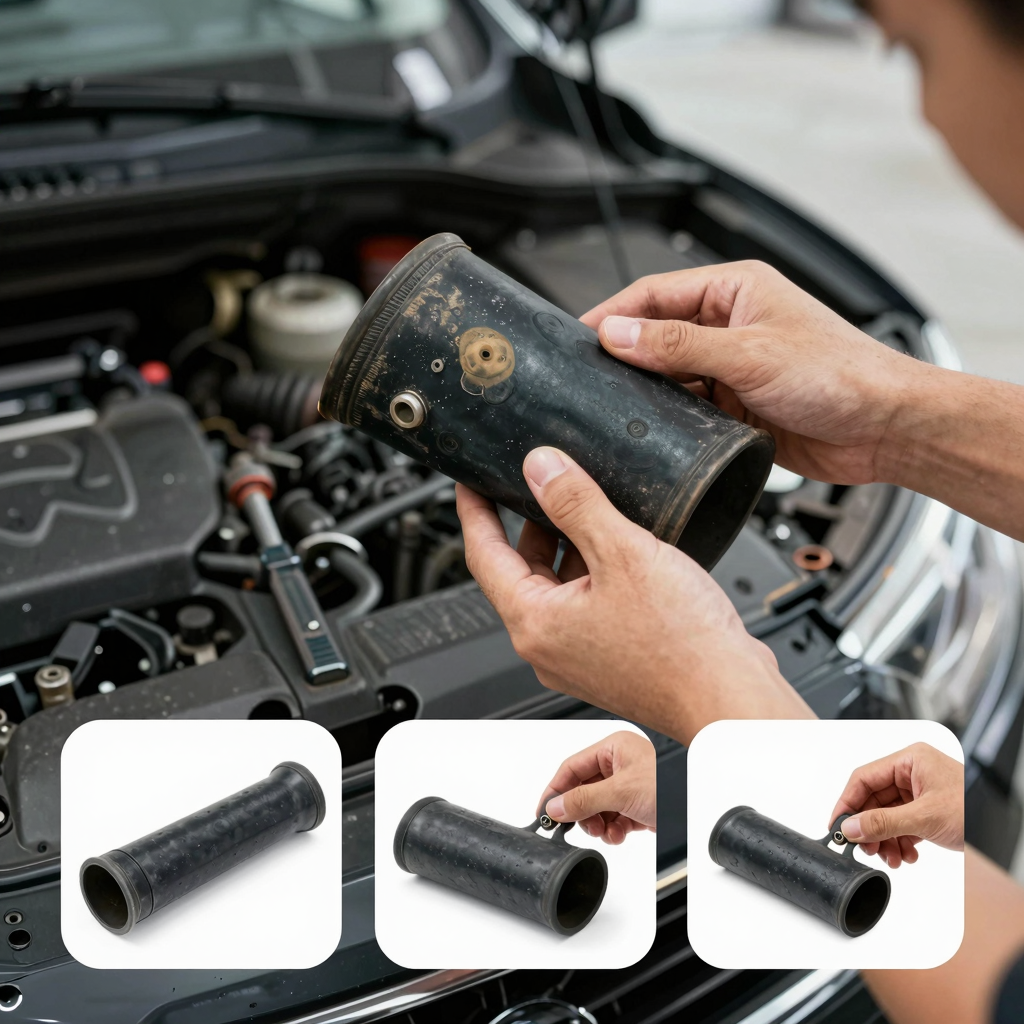
Visual Aid: Below is a step-by-step visual guide to illustrate these care steps:
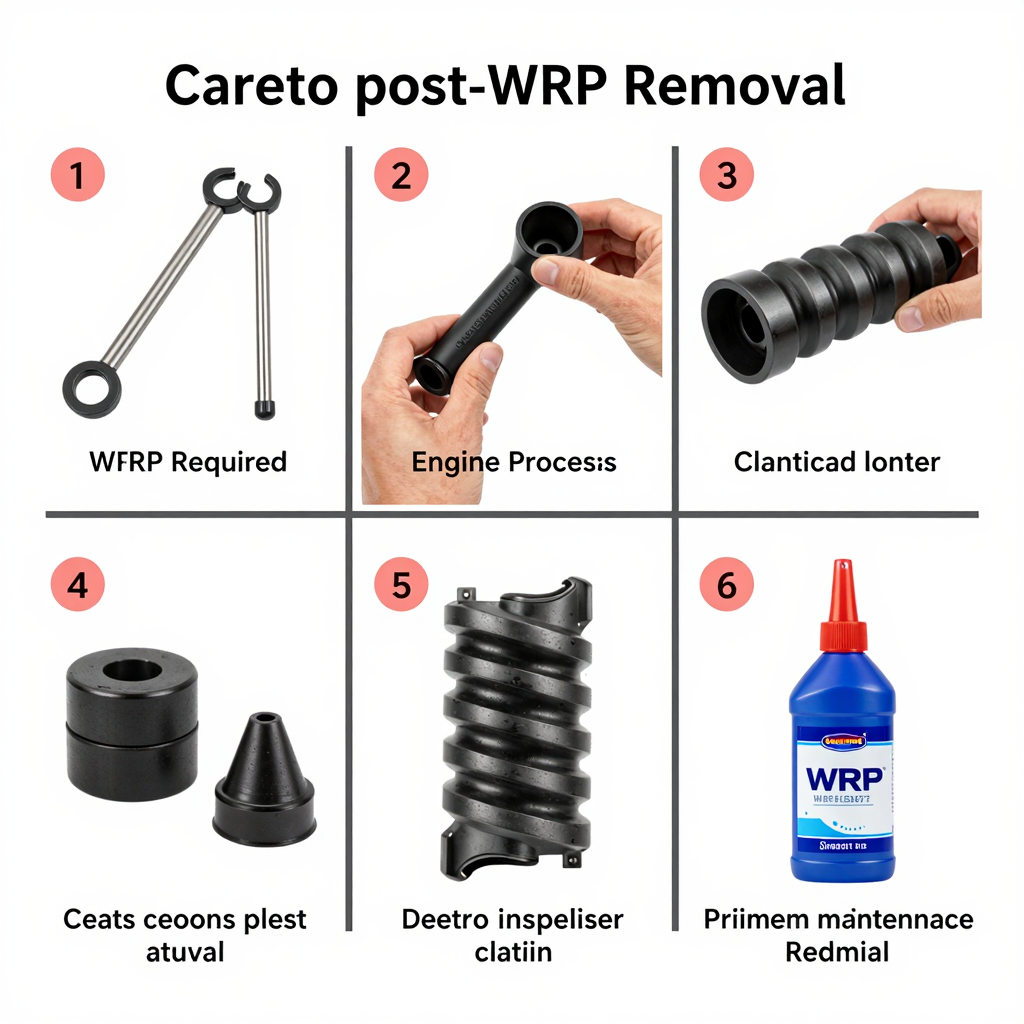
Following these steps not only assures the longevity of the engine sleeve but also enhances overall engine performance. For further guidance on engine maintenance, check our essential car maintenance skills.
The Importance of Proper Sleeve Maintenance
Maintaining the sleeves in your vehicle is crucial for enhancing performance and extending longevity. Various studies illustrate the significant impact that proper sleeve maintenance can have on vehicles:
-
According to a report by Grand View Research, high-quality engine sleeves can enhance engine efficiency by as much as 15% and increase lifespan by 20% when compared to engines with unoptimized sleeves. This improvement is particularly vital for vehicles subjected to high loads or frequent stop-and-start conditions.
-
Research from the American Automobile Association (AAA) reveals that vehicles with consistent sleeve inspections exhibit a 30% lower rate of major engine failures. These well-maintained vehicles also enjoy an average of 25,000 additional miles on their drivetrain before major repairs are needed.
-
Furthermore, a Bentley Motors Technical Report highlights that effective maintenance, including sleeve checks, provides a 12-18% improvement in engine efficiency and a 35% longer service life before major overhauls are necessary.
Performance Improvement Metrics
| Performance Metric | Improvement with Proper Sleeve Maintenance |
|---|---|
| Major Engine Failures | 30% lower rate |
| Drivetrain Life | +25,000 miles |
| Engine Efficiency | 12-18% improvement |
| Downtime | 22% reduction |
| Service Life Before Overhaul | 35% longer |
These statistics underscore the importance of timely and regular sleeve maintenance to safeguard vehicle performance and longevity.
Conclusion
In summary, proper sleeve care significantly impacts the performance and longevity of both motorcycles and automotive engines. After removing a sleeve, it’s crucial to follow best practices for maintenance, such as cleaning and inspecting for damage. This not only ensures optimal engine functionality but also extends the life of your components, ultimately saving you time and money in the long run.
Small oversights in care can lead to detrimental results, as neglecting to maintain your sleeve can compromise your engine’s efficiency, leading to expensive repairs or even complete replacements. Remember, a well-maintained engine sleeve contributes to overall vehicle performance and safety.
At Summit Fairings, we understand the importance of top-quality components that meet the rigorous demands of your engine. Explore our extensive range of products tailored to ensure your sleeve care is both effective and hassle-free. Learn more about our offerings today and empower your engine’s performance with the best maintenance solutions available.