
Introduction
Knowing where to sell car parts is crucial for anyone involved in the automotive industry, whether you’re a motorcycle owner, an auto parts distributor, or a garage operator. The right marketplace can significantly impact your bottom line, helping to maximize profits and reach the targeted audience that needs your products. With the proliferation of online platforms and local sales venues, choosing the optimal selling strategy can lead to greater visibility and higher sales. Potential buyers, ranging from casual car enthusiasts to professional mechanics, are always on the lookout for quality parts at competitive prices. Selling your car parts in the right channel doesn’t just facilitate quicker sales; it also builds credibility and relationships within automotive communities. Explore this guide to discover various strategies and platforms that can elevate your selling game and connect you with customers who value quality and expertise in car parts distribution.
Popular Online Platforms for Selling Car Parts
When considering where to sell car parts, there are several well-established online platforms that cater specifically to automotive needs, making it easier for auto owners and distributors to reach potential customers. Here’s a list of popular platforms:
-
京东汽车 (JD Auto)
JD Auto focuses on automotive parts and accessories, providing a platform for auto owners to purchase reliable products. They emphasize quality with authentic self-operated products, and the site offers fast delivery options. Ideal for those looking for high-frequency consumables like oils and filters, it also has a robust after-sales service. -
途虎养车 (Tuhu)
Tuhu merges online and offline automotive services, offering a wide range of components from tires to essential parts. Their platform is trusted for stringent supplier qualifications and a rich selection of authentic brand products. This is an excellent choice for both individual car owners and professional repair shops looking to buy parts and get them installed conveniently. -
巴图鲁汽配交易平台 (BatuLu)
BatuLu specializes in B2B transactions for automotive parts, compiling a vast array of resources for suppliers and dealerships. They support precise searches by vehicle models and ensure secure transactions, catering especially to repair shops and bulk buyers seeking cost-effective parts sourcing. -
阿里巴巴国际站 (Alibaba)
Alibaba serves as a global B2B marketplace, making it a popular choice for those looking to engage in cross-border automotive part sales. With extensive product coverage and competitive pricing, it’s suitable for both personal and commercial needs, playing a crucial role in expanding international reach. -
AutoZone
A major player in the U.S. aftermarket, AutoZone provides a comprehensive array of parts and maintenance products. Their online platform allows for smart part matching based on vehicle details, facilitating easy purchases and pick-ups, ideal for North American car owners who prefer a reliable shopping experience.
These platforms each have unique features that cater to specific automotive needs, making them suitable choices based on customer requirement. For more tips on maintaining these vehicles and understanding parts better, check out our article on car maintenance skills.
Local Selling Options for Car Parts
Selling car parts locally can be an effective way to declutter your garage or capitalize on surplus inventory, whether you are an individual seller or an auto parts distributor. There are various avenues you can explore, each with its unique benefits and potential challenges.
Garage Sales
Garage sales are a classic method for selling car parts. These community-driven events allow you to clear out old or unused parts that are simply taking up space. Here’s why garage sales can be beneficial:
- Low Cost: You incur minimal expenses-typically just the cost of advertising your sale (if any).
- Community Engagement: These sales often draw in local buyers who are actively looking for deals.
- Cash Sales: Transactions are usually cash-based, making them simple and fast.
However, be aware of some challenges:
- Variable Traffic: Depending on the time and day, foot traffic may vary significantly, affecting sales.
- Pricing Pressure: Buyers may expect steep discounts that could limit your profitability.
Local Marketplaces
Online platforms such as Craigslist, Facebook Marketplace, and OfferUp have revolutionized local selling. These sites allow you to list your items, set prices, and reach a broader audience without needing to hold a physical sale. Benefits include:
- Wider Reach: You can reach potential buyers beyond your immediate neighborhood.
- Flexible Pricing: Set your own prices and negotiate with buyers.
- User Feedback: Many platforms allow you to build a reputation based on reviews, which can enhance trust with future buyers.
Nevertheless, keep an eye on challenges such as:
- Scams: Ensure you take precautions against potential scam attempts.
- Logistics: Selling online means coordinating pick-up times, which can complicate sales.
Auto Repair Shops and Distributors
Another option is connecting with local auto repair shops or auto parts distributors. These businesses often look for high-quality used parts to sell at a lower price. The advantages here include:
- Consistent Demand: Many shops frequently need replacement parts and are eager to buy from reliable sources.
- Bulk Sales: If you have a significant number of parts, these shops might be willing to buy in bulk, providing immediate sales.
However, challenges can arise:
- Competition: The market for used parts can be quite competitive, driving prices down.
- Quality Control: Ensuring that parts sold meet safety and performance standards is crucial and sometimes challenging.
By considering a mix of these local selling options, individuals and businesses can effectively manage inventory and make additional income. Remember to conduct thorough research and be prepared to negotiate, whether you’re selling at a garage sale or dealing with auto repair shops. For more insights into maintaining your vehicle, check out essential car maintenance skills.
Selling car parts locally presents opportunities to improve both your income and your community’s access to needed automotive supplies, while also engaging with fellow vehicle enthusiasts.
Comparing Selling Platforms for Car Parts
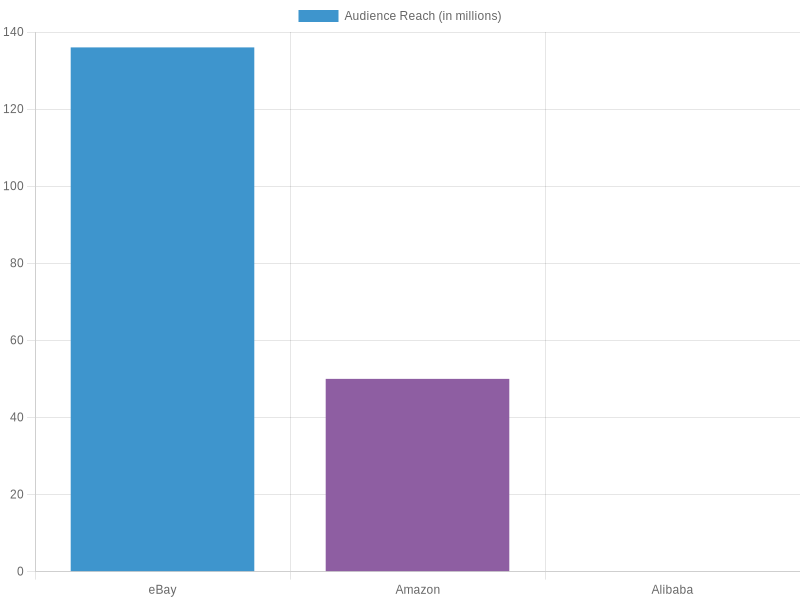
For anyone looking to sell car parts, choosing the right platform can drastically affect your sales potential. Below is a comparison of some of the most popular selling platforms for car parts, including their fees, audience reach, and ideal products to sell.
| Platform | Fees | Audience Reach | Best Types of Parts to Sell |
|---|---|---|---|
| eBay | Insertion fee: Free for up to 250 listings/month; $0.35 per listing thereafter. Final value fee: 2.5% to 15.3% depending on category, plus a $0.30-$0.40 per order fee. For auto parts & accessories: 12.7% on sale amount up to $2,500, plus 2.35% on the portion over $2,500. Store subscriptions offer reduced fees. |
Global reach across 190+ markets with over 136 million active buyers. Strong demand for salvage, used, and hard-to-find auto parts. | Salvage and used auto parts, rare or vintage components, performance and racing parts, OEM replacement parts, aftermarket accessories, vehicle-specific parts (e.g., motorcycle, RV, off-road). |
| Amazon | Selling on Amazon requires an individual or professional selling plan. Professional Sellers pay $39.99/month + referral fees based on product category. Referral fees for automotive parts typically range from 8% to 15%, depending on the item. Additional fees may apply for Fulfillment by Amazon (FBA), including storage and fulfillment costs. |
Massive audience within the U.S. and expanding global presence. High buyer trust and fast shipping options. | New, branded, or OEM auto parts, popular accessories (e.g., car chargers, GPS devices), tool kits, maintenance supplies, standardized parts (e.g., filters, bulbs, batteries). |
| Alibaba | No fixed listing fees. Transaction fees are negotiated directly with suppliers. Costs vary significantly based on supplier and order volume. Primarily serves B2B transactions. |
Global B2B network with access to manufacturers and distributors. Strongest in bulk orders. | Bulk orders of new auto parts, wholesale inventory (e.g., tires, batteries), custom parts, and parts for commercial fleets. |
Audience Reach of Auto Parts Selling Platforms
Sources:
- eBay Seller Fees: https://www.ebay.com/sellercenter/fees
- Amazon Autos Dealer Requirements: https://sellercentral.amazon.com/gp/help/200548220
- Alibaba Auto Parts Marketplace: https://auto-parts.alibaba.com
The Growing Trend of Online Car Parts Sales
In recent years, the automotive industry has seen a significant shift toward online sales, especially in the aftermarket sector. The global online car parts market is projected to grow rapidly, reflecting a trend towards e-commerce in this space. Here’s a closer look at the industry statistics that highlight the importance of selling car parts online.
Market Growth and Forecasts
- Global Market Size: In 2023, the global automotive aftermarket e-commerce market was valued at approximately $251 billion and is expected to grow to $725 billion by 2032. This represents a compound annual growth rate (CAGR) of around 15.4% from 2023 to 2032.
- Sales Projections: According to forecasts, sales of online car parts are expected to rise from $56 billion in 2020 to $140 billion by 2027, indicating nearly a threefold increase in just seven years. This growth reflects consumers’ increasing preference for online shopping, with eBay Motors reporting over $10 billion in annual transactions, showcasing the lucrative potential in this market.
Consumer Behavior Insights
- Younger Demographic Dominance: The millennial generation is leading the way in online car parts purchases. A recent study revealed that over 30% of eBay buyers opt for automotive parts, underscoring the importance of having a strong online presence to cater to this significant consumer base.
- Response to Market Trends: As vehicles evolve with technology, the demand for both original equipment manufacturer (OEM) and aftermarket parts is increasing, giving rise to new opportunities for both distributors and retailers in the online space.
Conclusion
With statistics indicating robust growth and evolving consumer behaviors, the online selling of car parts is not just beneficial; it’s becoming essential for businesses in this industry. Embracing e-commerce strategies can enhance market reach and cater to the growing demand from consumers.
For more insights on parts sales and automotive maintenance, learn more about essential engine upgrades.
Effective Marketing Strategies for Selling Car Parts
Selling car parts can be a lucrative business whether done online or locally. To capture more customers, implementing targeted marketing strategies is key. Here, we explore some effective approaches, including social media tactics, SEO optimization, and community engagement, all useful for auto repair shops and enthusiasts alike.
Social Media Tactics
Social media platforms provide a great opportunity to reach potential customers and build a community. Here are some tips:
- Engagement through Visual Content: Use high-quality images and videos to showcase your car parts. Create engaging short videos demonstrating installations or showcasing unique features.
- Targeted Advertising: Platforms like Facebook and Instagram allow businesses to run ads targeted to specific demographics. You can target auto repair shops, car enthusiasts, or geographic locations that are relevant.
- Community Groups: Participate in auto-related groups where you can engage with members. Share your expertise and provide helpful advice while subtly promoting your products.
Search Engine Optimization (SEO)
SEO is crucial for improving online visibility. Here are some strategies to implement:
- Keyword Research: Use relevant keywords that your target market is searching for, like “OEM brake pads for Toyota Camry 2018”. This enhances your chances of appearing in search results.
- Optimize Product Pages: Each product page should be optimized with keywords, high-quality images, and detailed descriptions. For example, highlight compatibility with different car models.
- Local SEO Tactics: Ensure your business is listed in local directories and that your Google My Business profile is up-to-date. This is essential for attracting local auto repair shops that may need your parts.
Community Engagement
Building strong relationships within your local automotive community can drive valuable referrals and repeat business:
- Sponsorships: Sponsor local automotive events or car shows. This helps in building brand visibility in the local community.
- Partnerships with Auto Repair Shops: Collaborate closely with local auto repair shops, offering them discounts or special promotions on bulk purchases. This mutual benefit creates a strong partnership.
- Customer Service Excellence: Providing exceptional service can lead to positive reviews and referrals. Foster a reputation as a reliable parts supplier within the community.
By implementing these marketing strategies, businesses can effectively increase their reach and sales both online and locally. Overall, focusing on community engagement and SEO can significantly enhance your chances of success in the auto parts industry. For more on optimizing engine performance, learn more about essential upgrades.
Quote from an Industry Expert
“The key to successful car parts sales lies not in price competition, but in demonstrating value and expertise. Customers don’t just buy a part-they buy confidence. A knowledgeable salesperson who can explain compatibility, quality differences between OEM and aftermarket parts, and long-term cost savings can turn a casual inquiry into a loyal customer.”
- Sarah Lin, Senior Automotive Consultant at AutoParts Pro Magazine
This statement underscores the importance of building relationships and trust in the auto parts market, a critical approach for motorcycle owners, auto owners, and professionals in the distribution sector. For further insights into optimizing sales strategies, you can check our blog on essential car maintenance skills.
This emphasis on credibility and expertise is vital for anyone looking to successfully navigate the car parts sales landscape.
Conclusion
In conclusion, understanding where to sell car parts is crucial for maximizing profit and efficiency in the automotive market. By identifying the right sales channels, such as online platforms and local repair shops, auto owners, and distributors can enhance their sales strategies and simplify their inventory turnover. Leveraging insights from recent market trends shows a high demand for quality parts, pointing to the viability of focused selling tactics that can lead to increased customer trust and repeat business.
Moreover, the advantages of enhancing sales channels include improved customer engagement and access to broader markets. As automotive professionals, now is the time to take action and streamline your sales process. Learn more about online selling strategies to turn your surplus parts into steady income. Take the first step today, and transform your car parts selling journey!
DIY Tips for Selling Car Parts
Selling car parts online can be a rewarding venture if approached correctly. Here are some essential DIY tips to help you optimize your selling process:
1. Pricing Your Parts
- Research Market Prices: Check comparable listings on platforms such as eBay and Craigslist. Understanding the average market price will help you set a competitive rate. High-quality original parts can often be priced at 70%-80% of the MSRP, while used parts may vary based on condition.
- Consider Demand and Condition: Parts that are in high demand or rare can command higher prices. Note any wear and tear in your listings to accurately reflect the item’s condition and justify your price.
- Incorporate Shipping Costs: Decide whether to include shipping in the price or charge separately. Offering free shipping may attract more buyers.
2. Photographing Your Items
- Clean the Parts: Thoroughly clean each item to remove dust and grease, ensuring it appears appealing to potential buyers.
- Use Natural Light: Early morning or late afternoon provides soft, even lighting. Shoot in a well-lit area or use softbox lights for indoor photos.
- Neutral Background: Photograph parts against a white or plain background to prevent distractions. This ensures the focus remains on the item itself.
- Capture Multiple Angles: Include various angles, such as side, front, and detailed shots to showcase the item effectively. Consider placing a ruler or coin for scale in smaller parts.
3. Writing Effective Listings
- Clear and Descriptive Title: Include important details such as make, model, and year, e.g., “2005 Honda Civic Front Bumper Assembly”.
- Detailed Description: Highlight the part’s condition, compatibility issues, and any defects. Be honest! Descriptions that build trust can lead to higher sales.
- Utilize SEO: Use relevant keywords that your target audience may search for, enhancing the visibility of your listing.
Additional Resources
To improve your selling processes further, check out essential engine upgrades or gain insights into common car maintenance skills.