
Understanding engine performance is critical for anyone who wants to keep their vehicle running smoothly and efficiently. Did you know that vehicles following manufacturer-recommended maintenance schedules can last over 200,000 miles, compared to just 150,000 miles for those that are poorly maintained? Regular oil changes can extend an engine’s life by 30 to 50 percent, while proper coolant maintenance can prevent 75 percent of overheating-related engine failures. In fact, research from AAA indicates that consistent maintenance can add two to three years to your vehicle’s operational lifespan. Engines that receive regular care maintain approximately 95 percent of their original compression after 100,000 miles, while those that do not can drop to 78 percent. With these statistics in mind, it becomes clear that investing in regular maintenance not only enhances performance but also ensures the longevity of your vehicle, providing significant savings on repairs and improving its resale value.
Get ready to explore the fundamentals of engine performance and learn practical tips to keep your car in top-notch condition.
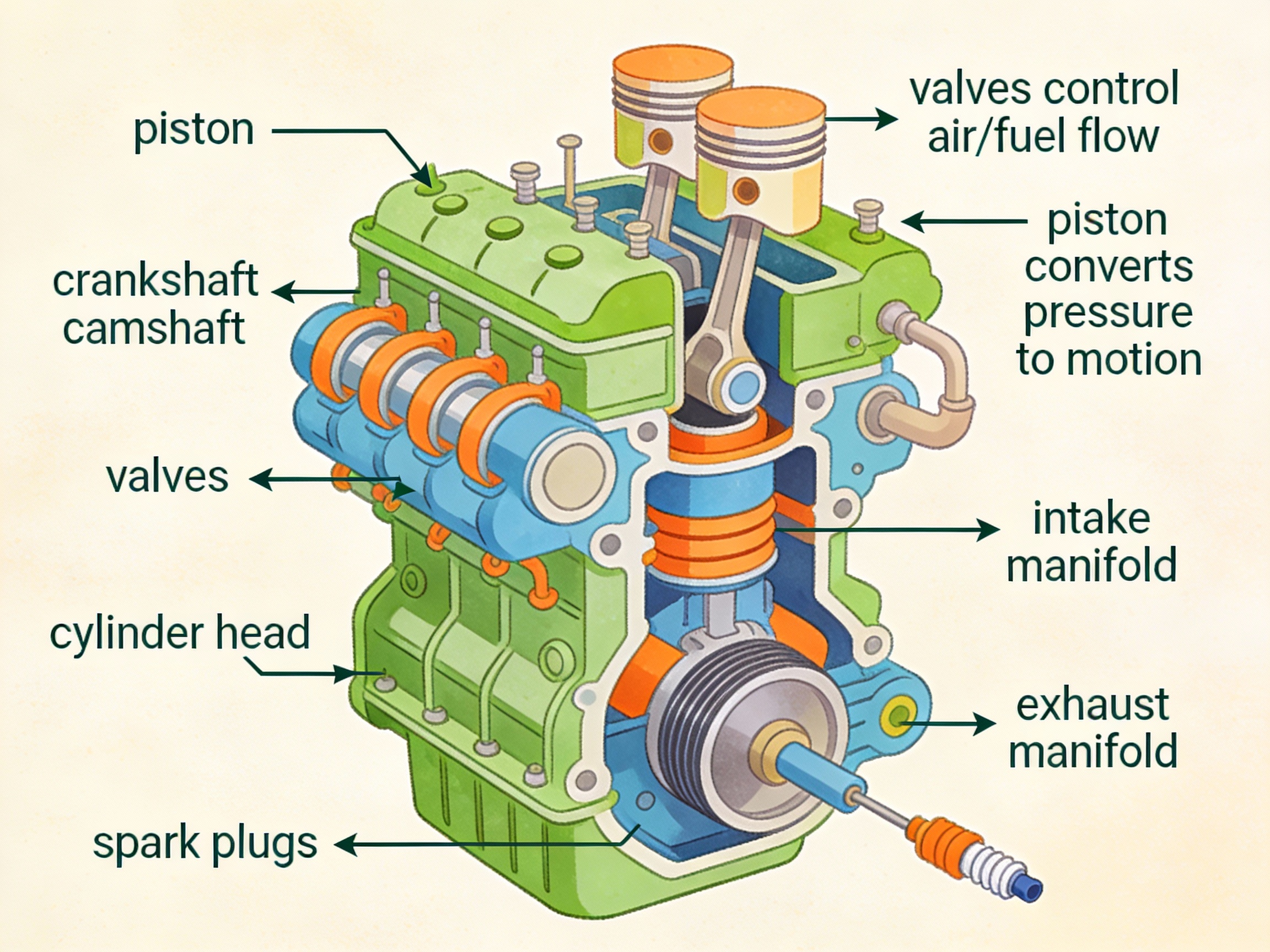
Key Engine Performance Terms
Understanding engine performance requires familiarity with a few key terms, including horsepower, torque, and compression ratio. Let’s break them down:
Horsepower
Horsepower is a measure of the engine’s power output. It represents how quickly work can be done. Essentially, the more horsepower an engine produces, the faster a vehicle can go.
For example, a typical small car might have around 150 horsepower, allowing it to accelerate adequately for city driving. In contrast, a sports car can have over 400 horsepower, providing much faster acceleration and higher top speeds.
Torque
Torque, on the other hand, relates to the engine’s rotational force. This term is crucial when considering how well a vehicle can move heavy loads or accelerate from a stop. Torque is measured in pound-feet (lb-ft).
For instance, a pickup truck designed for towing may produce 400 lb-ft of torque, ensuring it can pull heavy trailers or loads without straining.
Compression Ratio
The compression ratio signifies the efficiency of the engine’s combustion process. It is the ratio of the maximum to the minimum volume in the combustion chamber. A higher compression ratio indicates better fuel efficiency and more power, provided the engine type supports it.
For example, a compression ratio of 10:1 means the fuel and air mixture is compressed to one-tenth of its original volume before igniting. Many performance-oriented cars have compression ratios of up to 12:1 or more, contributing to their power and efficiency.
By understanding these terms, car enthusiasts and everyday drivers alike can better appreciate how their vehicles perform and what upgrades might be beneficial.
Industry Insights on Engine Performance Technology and DIY Maintenance
In recent years, several trends in engine performance technology have significant implications for DIY maintenance. These trends illustrate how advancements are making vehicle upkeep more accessible for home mechanics.
- Advanced Diagnostics: According to a recent article by Car and Driver, modern On-Board Diagnostics II (OBD-II) scanners and smartphone apps have made it easier for DIY enthusiasts to diagnose car issues. These devices provide real-time data and fault code explanations, bridging the gap between professional tools and home mechanics. This increased diagnostic transparency means that while engines may be more complex, the ability to troubleshoot has improved significantly.
- Lightweight Materials and Engine Efficiency: As highlighted by Popular Mechanics, there is a shift toward lightweight materials such as aluminum and composite components in modern engines. These materials improve fuel efficiency and reduce emissions. However, they also require specialized tools and knowledge for repair, presenting both opportunities and challenges for DIY mechanics. It is essential to identify which components lend themselves to DIY repairs versus those better left to professionals.
- Turbocharging and Direct Injection: The technology of turbocharging and direct fuel injection has become mainstream, as noted in an article by Engine Builder Magazine. While these advancements enhance engine performance, they complicate DIY maintenance due to high-pressure systems and complex electronic control unit (ECU) tuning. Understanding these systems is vital for enthusiasts looking to maintain their vehicles effectively. To learn more about how turbocharged engines require regular maintenance, refer to this guide on Turbos and Engine Care.
- AI and Machine Learning in Diagnostics: SAE International reports on AI-driven diagnostic tools that can predict engine failures before they occur. These technologies analyze patterns from thousands of engines and provide maintenance recommendations. Currently used predominantly by manufacturers, these advancements are expected to become available to DIY mechanics, revolutionizing preventative maintenance.
- Legislative Influences on DIY Maintenance: The ‘Right to Repair’ movement, discussed by Road & Track, emphasizes the need for manufacturers to provide independent mechanics with access to diagnostic tools and information. As this legislation becomes more widespread, home mechanics will gain better access to maintenance resources for newer, more efficient engines, ensuring that complex repairs become more manageable. For additional insights on the importance of DIY maintenance, check out this article on Essential DIY Engine Performance Tips.
In conclusion, while modern engine technology introduces complexities in repairs and maintenance, advancements in diagnostics, materials science, and legislative changes are making it easier for self-repairing car owners to keep their vehicles running smoothly. These trends suggest a promising future for DIY enthusiasts looking to maintain their vehicles affordably.
Transitioning to Upgrades
As we navigate through these industry insights, it’s essential to consider how they relate not only to maintaining vehicles but also to enhancing their performance. With tools and technologies becoming increasingly accessible, many enthusiasts are stepping into the world of engine upgrades. The journey toward upgrading one’s engine is often filled with excitement, but it also comes with its own set of challenges and rewards. These upgrades foster a deeper connection between the car and the owner, encapsulating both technical aspirations and personal achievements.
Expert Anecdotes on Upgrading Experiences
Car enthusiasts often share their journeys to upgrade their vehicles, illuminating the emotional landscape accompanying these decisions. For instance, one enthusiast in an article titled Why We Modify: Car Enthusiasts Share Their Stories expressed, “Upgrading my turbo wasn’t about numbers—it was about the feeling of unlocking potential I knew was hiding there. The late nights and skinned knuckles were worth every second when boost hit.”
Similarly, a first-hand account in My First Engine Swap: A Journey of Joy, Pain, and V8 Glory captures the euphoria of hearing an upgraded engine roar to life for the first time, illustrating the highs and lows of such projects. This blend of technical challenge and emotional fulfillment is what makes DIY engine upgrades a uniquely rewarding journey, one worth undertaking for any passionate car owner.
| Engine Upgrade | Features | Cost (Est.) | Benefits |
|---|---|---|---|
| Cold Air Intake | Improves airflow, enhances engine performance | $200 – $500 | Increased horsepower, better throttle response |
| Performance Exhaust System | Reduces back pressure, improves sound | $300 – $1,500 | Better horsepower, enhanced exhaust note |
| ECU Tune | Optimizes engine parameters | $300 – $700 | Increased power and efficiency, improved fuel economy |
| Turbocharger Installation | Boosts engine air intake | $1,000 – $3,000 | Significant horsepower gain, improved acceleration |
| High-Performance Camshaft | Increases valve duration and lift | $200 – $800 | Improves performance at high RPMs |
| Intercooler Upgrade | Cools down compressed air from turbo | $300 – $1,000 | Reduces engine temperatures, increases power |
| Nitrous Oxide System | Temporarily boosts engine power | $500 – $1,500 | Significant power increase for racing applications |
| Lightweight Flywheel | Reduces engine weight | $200 – $600 | Faster acceleration due to lower rotational mass |
| Upgraded Fuel Injectors | Allows more fuel delivery | $200 – $600 | Better power delivery, supports higher horsepower |
Essential Car Maintenance Skills Every Adult Should Know
- Oil Changes: Regularly changing your vehicle’s oil keeps the engine lubricated, reduces friction, and helps prevent overheating, thereby extending engine life.
- Battery Replacement: Knowing how to check your battery’s charge and replace it when it’s dead will ensure your car starts reliably.
- Tire Maintenance: Skills such as rotating, balancing, and checking the tire pressure can prevent premature tire wear and improve fuel efficiency.
- Brake Inspection: Learning to inspect brake pads and discs for wear can prevent brake failure, ensuring your safety on the road.
- Fluid Checks: Understanding how to check and top off essential fluids (engine oil, coolant, brake fluid, and transmission fluid) is crucial for optimal vehicle operation.
- Wiper Replacement: Changing windshield wipers is a simple task that improves visibility in rainy conditions, enhancing driving safety.
- Air Filter Replacement: Regularly replacing the air filter helps maintain engine performance and fuel efficiency by ensuring clean airflow into the engine.
- Checking Bulbs and Fuses: Being able to inspect and replace headlights, taillights, and fuses ensures your vehicle is safe and legal to drive.
- Spark Plug Replacement: Knowing how to replace spark plugs helps maintain engine performance and fuel efficiency, particularly in older vehicles.
- Jumpstarting a Car: Mastering the technique of jumpstarting a car ensures you can get back on the road in the event of a dead battery, saving time and money.
Familiarizing yourself with these skills not only empowers you to maintain your vehicle but also saves money on repairs and ensures your vehicle stays in optimal condition.
Evidence of DIY Benefits in Car Maintenance
Engaging in DIY car maintenance offers numerous benefits that not only enhance the longevity of your vehicle but also provide significant cost savings. Research from varied sources highlights the profound impact of self-maintenance on both economics and vehicle performance.
1. Cost Savings
A study analyzed by Consumer Reports reports that DIY car maintenance can save car owners between 30 to 50 percent compared to dealership prices. For instance, an oil change that costs $75 at a dealership can typically be done for just $25 to $30 if performed at home. Moreover, Edmunds highlights that basic maintenance tasks like oil changes, air filter replacements, and brake pad jobs can save owners $800 to $1,500 annually, depending on their vehicle’s needs. This direct savings underscores the financial benefits of knowing how to handle simple maintenance tasks.
2. Extended Vehicle Lifespan
Data from AutoMD indicates that regular DIY maintenance may extend the lifespan of vehicles by an average of 2.3 years compared to those relying solely on professional services. DIYers are also reported to be 40 percent more likely to address minor issues before they escalate into major problems, which could save up to 65 percent in potential repair costs throughout the vehicle’s lifetime.
3. Empowerment and Knowledge
Expert quotes reinforce how DIY maintenance fosters a deeper connection between car owners and their vehicles. Automotive expert John Ibbotson states, “Performing basic maintenance yourself not only saves money but creates a deeper understanding of your vehicle’s needs, potentially extending its lifespan through more attentive care.” Additionally, Master Technician Mike Allen notes, “The hands-on owner notices subtle changes – unusual noises, slight vibrations, or minor leaks – that often go unnoticed until they become serious issues. This early detection is priceless for vehicle longevity.”
4. A Personal Success Story
Let me share a story that illustrates the joy of DIY maintenance. A friend of mine, Alex, decided to tackle the task of replacing his car’s worn-out brake pads. With little experience under his belt, he watched a few tutorial videos, gathered the necessary tools—jack, lug wrench, and, of course, some trusty gloves—and got to work. The moment he pried off the tire, he realized he didn’t have a proper jack stand! After a quick trip to the auto parts store, he returned a little flustered but determined.
Once he got everything set up, Alex struggled for a while with the stubborn screws that just didn’t want to budge. He made jokes to himself, muttering, “Next time, I’ll just hire a mechanic!” But with persistence, he finally managed to replace the brake pads. After completing the job, he took a celebratory drive. Not only did he save money, but the thrill of successfully completing the repair was truly rewarding. Alex now shares his DIY experience with pride, even helping others who feel intimidated by basic car maintenance tasks.
5. Economic Impact
The Auto Care Association reports that DIY car maintenance saves American consumers approximately $64 billion annually. With 72 percent of vehicle owners performing some maintenance themselves, the average annual savings amounts to about $1,200 per vehicle. This trend not only contributes to household savings but also promotes sustainability by reducing the environmental impact of producing new vehicles.
In conclusion, the evidence clearly demonstrates that engaging in DIY car maintenance results in substantial cost savings, prolonged vehicle lifespans, and a rewarding sense of accomplishment. Embracing the skills of self-maintenance not only nurtures your vehicle but also enriches your knowledge and relationship with your automobile.
Conclusion
As we conclude this exploration into engine performance fundamentals, it is imperative to acknowledge that understanding and implementing these skills is vital for every vehicle owner. Possessing the knowledge to maintain and enhance your engine not only prolongs the life of your vehicle but also empowers you to take control of your driving experience. When you engage in regular maintenance and make educated upgrades, you are investing in your vehicle’s performance, safety, and reliability.
Embrace the power of DIY maintenance—it’s more than just saving money. It fosters a deeper connection with your vehicle, allowing you to appreciate the intricate mechanics that work behind the scenes. Every oil change, spark plug replacement, and diagnostic assessment brings you one step closer to becoming an informed car owner. With each skill you acquire, you are not just enhancing your car’s efficiency; you are also nurturing your confidence in tackling any automotive challenge that comes your way.
So, let this knowledge inspire you to take action. Visit your garage, gather your tools, and apply what you’ve learned. Whether it’s a simple oil change or a complex engine upgrade, your efforts will lead to satisfaction, savings, and a well-performing vehicle. Dive into the world of engine performance skills, and find the joy that comes with mastery. Your engine—and your bank account—will thank you for it!