

Introduction to Long Sleeve Cars
Long sleeve cars represent a fascinating niche within the broader automotive culture, characterized by their extended chassis and unique styling that caters specifically to biking enthusiasts and auto aficionados. These vehicles typically feature an extended structure that supports customization and performance upgrades, enabling motorcycle owners to achieve that perfect blend of style and functionality. For many, owning a long sleeve car is not just about transportation; it’s a way to express individuality and creativity.
The appeal of long sleeve cars lies significantly in the customization possibilities they offer. Enthusiasts take pride in modifying various components-from enhancing the engine to personalizing the body with unique paint jobs, decals, or aftermarket parts. This flexibility can transform a standard vehicle into a one-of-a-kind masterpiece that reflects the owner’s personality.
Moreover, companies like Summit Fairings play a crucial role in this scene, providing specialized parts that enhance performance while allowing for a tailored look. Motorcycles and their car counterparts can often share components or features that enhance their overall system’s efficiency. For those looking to delve deeper into upgrades and maintenance, a wealth of resources is available. For example, you can learn about essential engine upgrades for performance or discover practical car maintenance skills that can keep your vehicle running smoothly for years.
In a world where individuality is celebrated, long sleeve cars stand out as a testament to the artistry and innovation of their owners, bridging the gap between utility and creativity.
Understanding Long Sleeve Cars
Definition
Long sleeve cars typically utilize long sleeve engines, which incorporate longer cylinder sleeves within the engine block. These sleeves serve as a protective layer around the cylinders, allowing for better thermal management and enhanced engine longevity. This technology is a critical aspect in both motorcycle and automotive engineering, especially in high-performance applications.
Key Features
- Cylinder Sleeves: Long sleeve engines have extended sleeves that encase the cylinder walls, increasing surface area for cooling and heat dissipation.
- Material: These sleeves are often made from durable materials such as iron or alloy, providing structural integrity and resistance to wear.
- Increased Power: The design allows for a more significant displacement and thus can support higher power outputs, making these engines particularly popular in racing and high-performance vehicles.
- Improved Bolting: Extended sleeves often offer improved bolting options, which helps in maintaining structuural stability under varying thermal conditions.
Benefits in Motorcycle and Auto Maintenance
- Enhanced Durability: The presence of cylinder sleeves allows for easy replacement and repair of engine components, extending the engine’s life significantly.
- Better Heat Management: Effective thermal management leads to reduced overheating issues, which can be a vital factor in high-stress driving conditions often experienced by motorcycles and performance vehicles.
- Cost Efficiency: Although the initial investment might be higher, the long-term cost benefits from reduced maintenance and replacement needs can result in lower overall operating expenses.
- Performance Customization: Long sleeve engines can be modified easily for performance enhancements, allowing owners to tailor their vehicles according to specific needs or preferences, whether it’s for racing or daily driving.
By understanding the advantages of long sleeve engines, motorcycle and auto owners can make informed decisions about their vehicle maintenance practices, ensuring optimal performance and longevity.
For vehicle performance upgrades, you may want to learn more about essential engine upgrades and car maintenance skills to keep your vehicle running smoothly.
| Style Name | Features | Potential Price Range |
|---|---|---|
| Classic Cruiser | Retro design, comfortable fit, minimal padding | $100 – $200 |
| Sport-Touring | Aerodynamic design, protective padding, adjustable cuffs | $150 – $300 |
| Adventure Touring | Waterproof, breathable fabric, multiple pockets | $200 – $400 |
| Racing | Lightweight, high visibility, ergonomic fit | $250 – $500 |
Benefits of Using Long Sleeve Cars
Long sleeve engines have become increasingly popular in the automotive and motorcycle industries, and they offer numerous benefits for both motorcycle owners and auto repair shops. Here’s an in-depth look at those benefits:
For Motorcycle Owners
-
Enhanced Durability:
-
Long sleeve engines typically feature thick sleeves that protect the cylinder walls from wear and tear. This durability helps reduce the frequency of engine rebuilds and extends the overall life of the engine, making it a cost-effective choice for motorcycle enthusiasts.
-
Improved Performance:
-
Such engines can handle higher power outputs and are less prone to overheating. This means that motorcycle owners can enjoy enhanced performance without compromising engine integrity, allowing for better acceleration and top speeds.
-
Customization Options:
-
Long sleeve engines allow for easier modifications as they can accommodate larger bore sizes. Motorcycle owners can customize their engines to suit their performance needs, whether that’s for racing or cruising.
-
Easier Maintenance:
-
Maintenance becomes more straightforward with long sleeve engines. The design allows for easier access to components that need regular servicing or replacement, thus saving time and costs associated with repairs.
-
Reliability:
-
Because of the sturdy design, long sleeve engines provide more reliability, which is crucial for riders who depend on their motorcycles for transportation or recreational purposes.
For Auto Repair Shops
-
Increased Service Opportunities:
-
Auto repair shops can benefit from long sleeve engines by offering specialized services such as engine rebuilds and sleeve replacements, catering to a niche market of performance motorcycle owners looking for modifications.
-
Higher Profit Margins:
-
With the increased durability and performance capabilities that long sleeve engines offer, repair shops can charge higher prices for quality work and modifications, leading to increased profit margins.
-
Less Warranty Claims:
-
The durability and reliability of long sleeve engines may lead to fewer warranty issues or claims. This allows auto repair shops to build a strong reputation based on quality and dependable service.
-
Training and Expertise:
-
Repair shops that specialize in long sleeve engine work can train their staff and market their expertise, distinguishing themselves from competitors. This specialization can lead to a loyal customer base.
-
Customer Satisfaction:
-
Offering services related to long sleeve engines can enhance customer satisfaction due to quicker repairs, fewer issues in the long term, and the ability to meet specific performance demands, leading to repeat business.
Conclusion
Overall, long sleeve engines present significant advantages for both motorcycle owners and auto repair shops. The combination of durability, performance enhancements, and customization options not only maximizes the life cycle of motorcycles but also supports repair shops in providing specialized services. Motorcycle owners benefit from the reliability and customization potential, while auto shops can capitalize on the growing interest in high-performance modifications.
For further reading on engine upgrades, check out our blog on essential engine upgrades for performance.
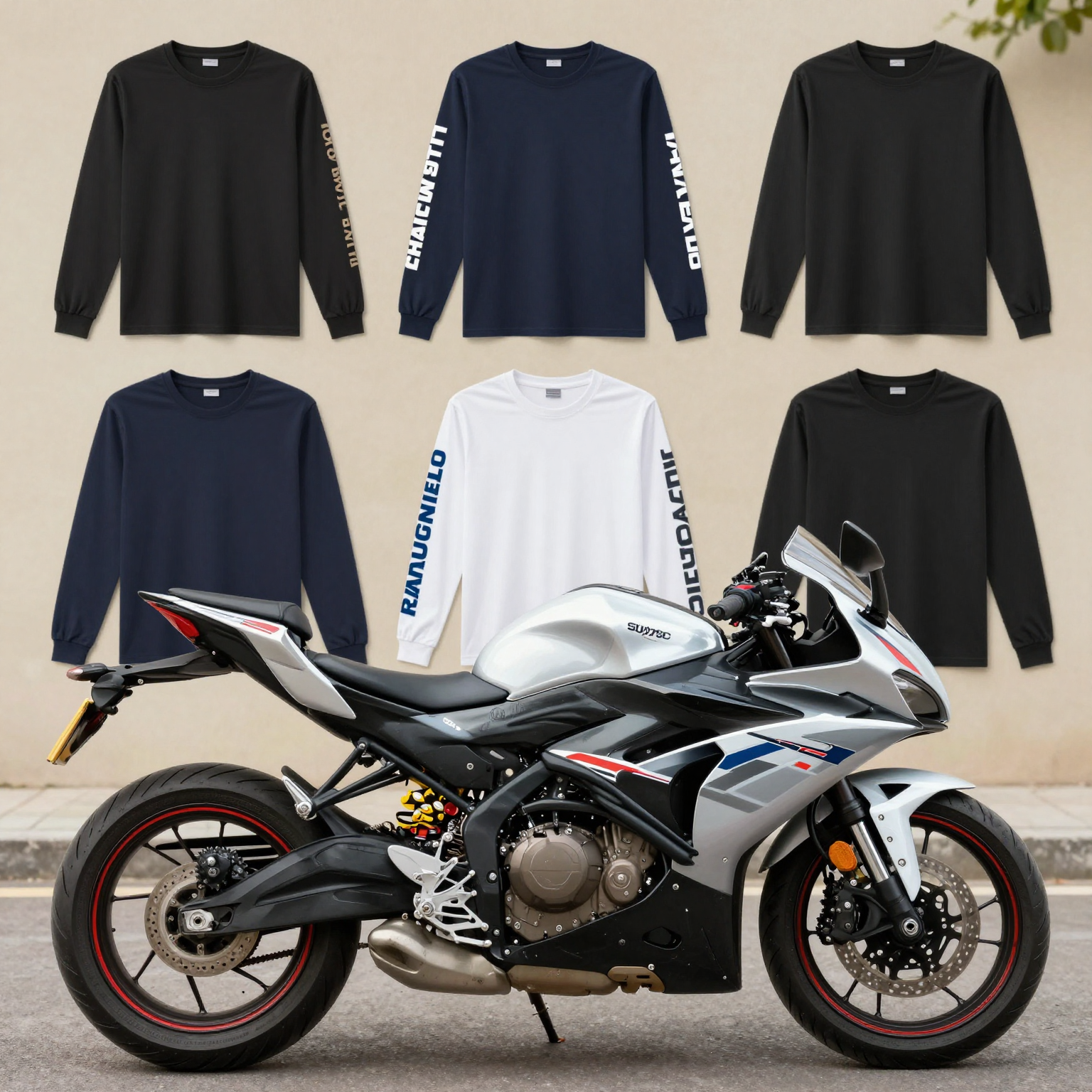
Common Materials Used in Long Sleeve Cars
Long sleeve cars, particularly those used for automotive applications, often utilize various materials in their engine sleeve construction. The major materials comprise:
1. Cast Iron
- Properties: Known for its excellent wear resistance and ability to retain shape under stress. Cast iron is robust and relatively cost-effective.
- Impact on Performance: It provides good thermal conductivity and reduces wear, enhancing engine longevity. However, it can be heavier, which might affect performance in high-speed applications.
2. Aluminum
- Properties: Aluminum is lightweight, offers good thermal conductivity, and has excellent corrosion resistance.
- Impact on Performance: Its lightweight nature contributes to reduced overall vehicle weight, improving fuel efficiency and acceleration. However, it may provide less wear resistance compared to cast iron.
3. Steel
- Properties: Offers a high strength-to-weight ratio and superior durability.
- Impact on Performance: Steel sleeves can withstand high pressure and temperature, making them suitable for performance engines. They are often used in high-performance applications due to their ability to handle stress effectively.
4. Nickel-based Alloys
- Properties: These alloys are known for their excellent resistance to high temperatures and corrosion.
- Impact on Performance: Particularly useful in racing and high-performance engines that operate under extreme conditions. They can enhance the durability and reliability of sleeves in demanding environments.
5. Composite Materials
- Properties: Combining materials such as polymers with fibers or other materials, composites can be tailored for specific performance characteristics.
- Impact on Performance: Offers lightweight solutions with high strength, leading to benefits in fuel efficiency and performance while also providing corrosion resistance.
Conclusion
The choice of material in long sleeve cars significantly affects the performance and longevity of the engine. Manufacturers often select materials based on their desired strength, weight, cost, and the specific performance characteristics needed for the application. Using advanced materials like nickel-based alloys can cater to high-performance needs, while traditional materials like cast iron and aluminum serve well in standard applications.
For a more in-depth understanding, you might learn more about engine sleeves and their role in automotive performance.
Sleeving engines is a common practice in the motorcycle industry to extend the lifespan of the engine and improve performance. Experts note that sleeved engines can withstand higher horsepower and torque, making them suitable for high-performance applications. The added benefit is that it facilitates easier repairs for worn-out cylinders, ultimately saving owners significant costs in the long run.
Installation Tips for Long Sleeve Cars
When it comes to enhancing the performance and longevity of motorcycle engines with long sleeve components, a correct installation is crucial. Below is a comprehensive guide with practical tips to help even beginner mechanics tackle this task successfully.
What You’ll Need
Before starting the installation, ensure you have the following tools and materials ready:
-
Tools
-
Torque wrench
-
Socket and ratchet set
-
Screwdrivers (Phillips and flathead)
-
Pliers
-
Gasket scraper
-
Engine hoist or stand (for heavy components)
-
Materials
-
Long sleeve engine components (make sure to purchase appropriate sleeves for your engine type)
-
Engine oil or assembly lubricant
-
Gasket (if required)
-
RTV sealant (if applicable)
Step-by-Step Installation Guide
Step 1: Preparing the Workspace
- Select a Clean Area: Ensure your working space is clean and organized. Remove any clutter that might affect your installation process.
- Gather Tools and Components: Have all tools and components within arms’ reach to avoid interruptions.
Step 2: Disassembling the Engine
- Remove Necessary Components: Depending on the motorcycle model, you may need to remove the fuel tank, carburetor, or other accessories to access the engine.
- Drain the Engine Oil: Remove the oil drain plug and allow the oil to fully drain into a suitable container.
- Take Note of Configuration: As you disassemble components, take photos or notes to remember the assembly configuration.
Step 3: Removing the Old Cylinder Sleeve (if applicable)
- Check for Damage: Inspect the old sleeve for cracks or wear. If it’s damaged, it must be replaced.
- Use a Sleeve Puller: If necessary, utilize a sleeve puller to gently remove the old sleeve without damaging surrounding components.
Step 4: Preparing the New Sleeve
- Clean the Surface: Use a gasket scraper to clean the mounting surfaces. Ensure there is no old gasket material remaining.
- Lubricate the Sleeve: Apply a thin layer of engine oil or assembly lubricant to the new sleeve for easier installation.
Step 5: Installing the New Sleeve
- Align Correctly: Position the new sleeve into the engine block, ensuring it’s aligned correctly.
- Press into Place: Gently tap the sleeve with a soft hammer or press it into place, being cautious not to deform it.
Step 6: Reassemble the Engine
- Reattach Components: Follow your notes or photos from Step 2 to reattach all engine components. Ensure to torque bolts as per the manufacturer’s specifications.
- Check Gaskets: Replace any gaskets involved in your assembly and ensure seals are secure, applying RTV sealant if required.
Step 7: Final Checks
- Inspect All Connections: Double-check all fluid levels (oil, coolant, etc.) and ensure there are no leaks.
- Start the Engine: Run the engine for a few minutes, listening carefully for any unusual sounds.
Step 8: Performance Testing
- After installation, test ride your motorcycle in a safe area to ensure everything is functioning correctly. Monitor performance and watch for any leaks.
Conclusion
Installing long sleeve components in a motorcycle engine can greatly extend its lifespan and enhance performance. By following these steps and adhering to safety precautions, even beginners can tackle this task with confidence. Remember, while DIY solutions can be rewarding, don’t hesitate to consult professionals if you run into any difficulties.
For more insights on maintaining your engine, check out car maintenance skills or explore essential upgrades for performance in our engine upgrades blog.
This guide provides a solid foundation for the installation of long sleeve components and is designed to be accessible for all motorcycle owners. Happy riding!
User Adoption in the Motorcycle Market: Trends and Insights
In recent years, the motorcycle market has been experiencing significant changes influenced by various factors, including technology, environmental awareness, and the evolving preferences of consumers. Here are some key insights regarding user adoption trends:
- Growing Interest in Electric Motorcycles:
- As awareness about environmental issues increases, there has been a notable rise in the adoption of electric motorcycles. Consumers are now more inclined to consider electric options, leading to a growth in this segment of the market.
- Major brands are investing in electric models, seeking to capture this emerging consumer base.
- Post-Pandemic Resurgence:
- The pandemic significantly impacted motorcycle sales, but recent data indicates a strong recovery, as more people are looking for alternatives to public transportation methods.
- Many new riders have entered the market, leading to a diverse demographic shift.
- Technology Integration:
- Advances in motorcycle technology, such as smart connectivity features, safety improvements, and enhanced performance metrics, are drawing in consumers who value innovation.
- Features like adaptive cruise control and integrated navigation systems are becoming more prevalent, appealing especially to younger riders.
- Customization Trends:
- There’s a growing trend towards customization, with riders wanting unique bikes tailored to their preferences. This is leading to an upswing in aftermarket parts and services.
- Companies that provide customizable options are seeing better adoption rates as consumers eagerly engage in personalizing their rides.
- Focus on Safety and Training:
- With safety being a primary concern for new riders, training programs and rider safety gear are increasingly becoming popular. This has fostered a community around safe riding practices and education, encouraging new riders to join in.
- Market Size and Projections:
- While the specific statistics for the long sleeve motorcycle sector couldn’t be retrieved, global motorcycle sales in general have been projected to grow, with a compound annual growth rate (CAGR) of around 6% from 2021 to 2028, facilitated by an increase in user adoption across various segments.
Despite the absence of specific data on long sleeve cars within the motorcycle market, these broader trends paint a picture of a dynamic and evolving landscape where user adoption is influenced by technological innovations, safety concerns, and changing consumer preferences.
For professionals in the automotive arena or enthusiasts looking to understand current market dynamics, these trends can guide strategic decisions regarding products, marketing, and outreach efforts.
For more detailed insights on vehicle maintenance, including how it applies to newer technologies, check out our articles on essential engine upgrades for performance and car maintenance skills.
Conclusion
In conclusion, long sleeve cars are not just a niche automotive choice but represent a pivotal evolution in engine technology. These engines, which utilize cylinder sleeves as a key component, offer enhanced durability and performance, making them a preferred option for many automotive enthusiasts and professionals. With their ability to withstand higher pressures and temperatures, long sleeve cars significantly reduce maintenance issues and prolong engine life, offering both reliability and efficiency.
For motorcycle and auto owners, choosing a long sleeve setup can translate into a more cost-effective and smoother driving experience over time. As you consider vehicle performance and maintenance strategies, it’s worth diving deeper into specific applications and modifications that could elevate your ride.
At Summit Fairings, we offer an extensive range of high-quality products tailored for motorcycle and auto enthusiasts alike. From fairings to specialized engine components, our offerings are designed with performance in mind. Don’t miss the chance to enhance your vehicle-join countless others who have already made their rides exceptional. Explore our product lineup today here and discover how we can help you achieve peak performance.