
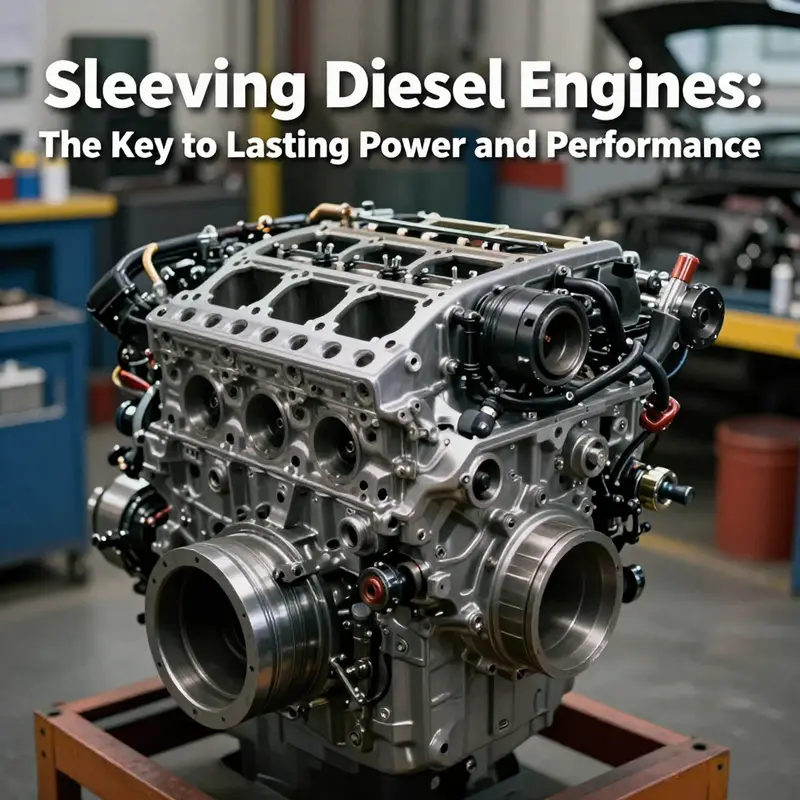
When it comes to diesel engines, enhancing durability and performance is paramount, especially in demanding environments. Sleeving these engines serves as a vital upgrade that ensures longevity and efficiency. This protective layer between the piston and cylinder wall allows diesel engines to withstand the high thermal and mechanical loads that characterize their operation. As we delve deeper into the mechanisms of sleeving, we will explore its importance in enhancing engine durability, optimizing thermal management, extending wear resistance, and improving cost-effectiveness. By the end of this exploration, motorcycle owners, auto owners, parts distributors, and repair shops will understand why sleeves are not just an option but a necessity for diesel engines.
Sleeves and Survival: How Cylinder Liners Preserve Diesel Engine Life
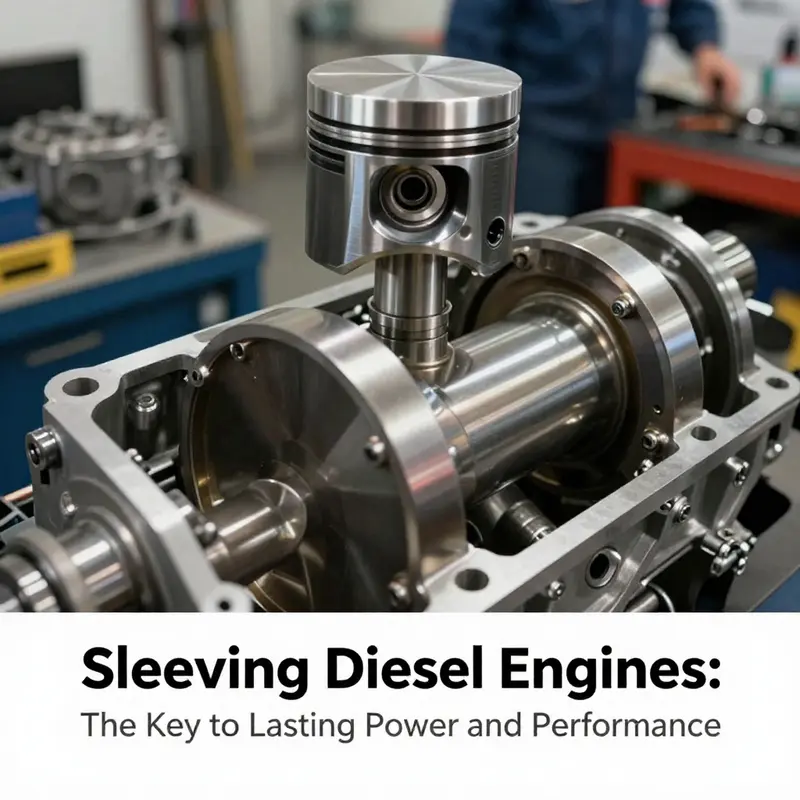
Why sleeving matters for diesel durability and serviceability
Diesel engines run hotter and under far higher pressures than gasoline units. That simple fact drives a long list of engineering choices, and one of the most consequential is the use of cylinder sleeves. Sleeves are not decorative. They are a purposeful, engineered layer between the piston rings and the block. They spare the block from direct wear, control bore dimensions, help move heat away from the combustion chamber, and make repairs practical. In heavy duty service, those roles translate directly into longer life and lower operating cost.
A diesel combustion event delivers intense heat and enormous cylinder pressure in a very small space. Cylinder rings press against the bore with significant force. Over time, the metal-on-metal contact and abrasive combustion byproducts wear a bore. If the block material is relatively soft aluminum, the problem is worse. Sleeves, usually forged or cast from stronger iron or steel alloys, give rings a hard, wear-resistant surface. The sleeve takes the abuse while the block remains structurally intact.
Beyond wear resistance, sleeves act as precision liners. Diesel powerplants require tighter control of bore diameter and roundness. Small deviations change ring sealing and compression, and they alter oil consumption. Machined aluminum bores can be finished precisely, but repeatable dimensional stability under heavy loads is harder to achieve. Installing sleeves lets manufacturers and rebuilders achieve exact tolerances in a consistent, replaceable surface. Instead of machining the block to accept a new piston size, you replace or re-bore sleeves, restoring factory geometry with less downtime.
Heat management is another critical reason for sleeves. Diesel combustion produces higher peak temperatures. A sleeve with good thermal conductivity evens out temperature gradients across the bore. That reduces localized hot spots that can distort the bore or break down oil films. In some designs, sleeves offer direct contact with coolant, improving heat transfer. Even when not actively cooled, iron or steel sleeves absorb and distribute heat more predictably than aluminum alone. The result is a more stable operating temperature at the ring face and a lower risk of thermal distortion.
Serviceability and repairability weigh heavily for fleets and industrial users. Replacing a sleeve is far cheaper and quicker than replacing an entire block. Sleeves enable targeted repairs. If a cylinder locks up, shows glazing, or sustains scoring, fitting a new sleeve puts that cylinder back into service with less scrap. For commercial trucking, construction equipment, and stationary engines, that economy of repair is vital. The cost-per-hour of operation falls when a damaged cylinder can be restored without long lead times or full engine replacement.
Not all sleeves are identical. Designers choose between wet sleeves, dry sleeves, flanged sleeves, and pressed-in liners based on function and service needs. Wet sleeves contact coolant directly and often make heat transfer easiest. They simplify cooling jacket design and allow tight control of cylinder wall temperature. The trade-off is a greater need for robust sealing at the head and block junctions, and careful attention to corrosion and galvanic differences between metals. Dry sleeves do not contact coolant and rely on the surrounding block for heat transfer. They fit tightly inside a bored block and can be easier to install in some aluminum blocks. Flanged or stepped sleeves resist vertical movement in the block and lower the risk of sleeve drop; manufacturers add these features when service conditions might otherwise loosen liners.
The method of installation matters. Sleeves can be pressed, rolled, or bonded into place. Interference fits create a mechanical lock between sleeve and block. When fitted correctly, the sleeve and block behave as a single unit. Heat treatment and shrink-fit techniques are common. Poor installation, however, leads to problems. A sleeve that moves under load can leak, distort, or allow coolant to intrude into the combustion chamber. That is why competent machining and precise tolerances are non-negotiable.
Materials selection is driven by wear resistance, thermal conductivity, and corrosion behavior. Cast iron and alloy steels are common for sleeves because they tolerate abrasive particles and maintain hardness at high temperatures. Some designs add surface treatments or coatings to sleeves. These coatings reduce friction, resist scuffing during cold starts, and extend ring life. Coating choices can make a significant difference in extreme duty cycles where contamination or poor lubrication is possible.
Sleeves also influence how an engine responds to upgrades. When operators increase power via turbocharging, fueling changes, or higher compression, cylinder loads increase. A sleeved bore provides a robust foundation to handle those stresses. It limits bore distortion and supports stronger ring sealing under boost. For engines expected to be modified or run hard for long periods, sleeves are a practical reinforcement that keeps the rest of the block from being overstressed.
There are trade-offs to consider. Wet sleeves must be sealed correctly. If sealing fails, coolant can leak into the combustion area or oil galleries. Mismatches in thermal expansion between sleeve and block can cause stress. Sleeves add complexity to block manufacturing and sometimes increase production cost. But the arithmetic for commercial operators often favors sleeves when long life, dependable repairs, and tight tolerances are priorities.
Another practical advantage is uniform wear patterns. A replaceable sleeve creates a predictable wear surface every time a rebuild occurs. Rebuilders can fit sleeves to known specifications. That reduces the need for custom machining and keeps replacement parts standardized. For large fleets, this reduces spare parts complexity. A fleet manager can swap in inventory sleeves instead of ordering bespoke re-boring work.
Cylinder sleeves are equally important during overhaul cycles. A worn engine block can be re-sleeved to restore original bores without the risk and cost of a full block replacement. For older diesel platforms, re-sleeving has kept models in service decades beyond their original life expectation. This reuse reduces waste and extends the value of heavy equipment assets.
Sleeves also play a role in reliability under contamination. Diesels sometimes ingest abrasive particles, particularly in harsh environments. A hardened sleeve resists scoring and maintains compression even with imperfect air filtration. That tolerance is one reason industrial and off-road diesel engines employ sleeves widely. The liners form a defensive barrier against contaminants that would otherwise quickly degrade softer block materials.
Finally, sleeves enable design flexibility. Aluminum blocks are lighter. When paired with a durable iron sleeve, manufacturers achieve a desirable balance of reduced weight and high wear resistance. This combination improves fuel efficiency without sacrificing longevity. It explains why many modern diesels use aluminum blocks with durable liners rather than an all-iron construction.
If you want a concise primer on what sleeves are and how they function, see this short guide on what are engine sleeves. For deeper reading on sleeve function and practical examples from the automotive media, consult this article: https://www.motortrend.com/cars/understanding-cylinder-sleeves-in-diesel-engines/.
Through wear resistance, precise tolerances, improved thermal control, and straightforward repairability, sleeves are an elegant engineering answer to diesel stresses. They protect the block, simplify maintenance, and provide the mechanical certainty fleets and industrial operators need. In short, sleeving is about survival: keeping a diesel engine reliable, serviceable, and ready for the hard work it was built to do.
Sleeves Under Fire: How Wet Cylinder Sleeves Elevate Diesel Engine Thermal Control and Longevity
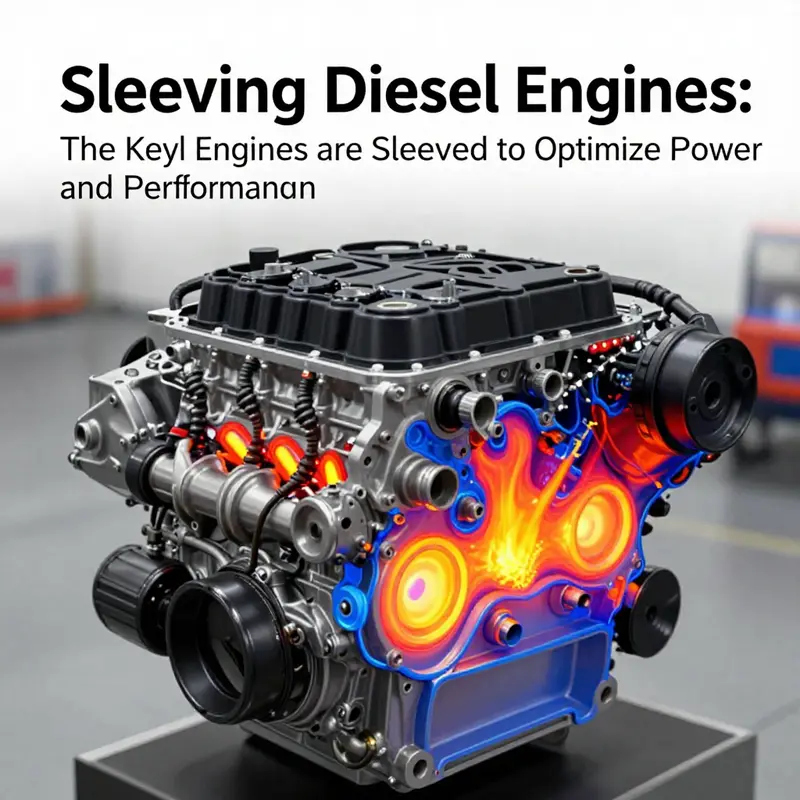
Diesel engines operate in a world of relentless demands. The combustion process in these machines generates high pressures and temperatures that exceed those seen in many other powerplants. The piston, the rings, and the cylinder wall are all exposed to thermal shocks, mechanical stress, and the need for precise tolerances that keep fuel efficiency high and emissions in check. In this demanding environment, the cylinder sleeve emerges as a seemingly modest component with outsized influence. Its role is not merely to provide a wall for the piston to slide against; it is a carefully engineered shield and conduit for heat, a barrier that shapes wear patterns, combustion behavior, and long-term reliability. When sleeves are designed and integrated with attention to thermal management, they unlock a balance between strength, heat removal, and durability that is essential for diesel engines enduring high compression, frequent duty cycles, and heavy loads over long service intervals. The core idea is simple in principle, yet profound in application: sleeves turn the cylinder into a controlled thermal and mechanical system, not a static channel for power generation. This chapter unpacks why sleeving, especially in the form of wet cylinder sleeves, is central to diesel performance and longevity, anchoring the discussion in the dual needs of heat rejection and structural integrity.
At the heart of the sleeved approach is the way heat moves away from the combustion chamber. In a traditional, solid-wall cylinder, heat must travel through metal and into the cooling system, a path that can struggle under the duress of peak combustion. Wet cylinder sleeves change that dynamic. When the sleeve is designed to be in direct contact with engine coolant, it becomes part of the coolant circulating loop. The coolant surrounding the sleeve absorbs heat directly from the hot cylinder surface, turning the sleeve itself into a highly effective heat-exchanger. This arrangement maximizes heat transfer because the sleeve’s inner surface lines up with the coolant channels, minimizing the resistance that heat faces as it leaves the combustion zone. The result is faster, more consistent cooling, a crucial factor when operating under high compression where temperatures can spike quickly and unevenly. In practical terms, this means the engine can sustain higher load and longer duty cycles without drifting into thermal distress that would otherwise degrade performance or shorten life.
A key advantage of wet sleeves is the uniform temperature distribution they promote inside the cylinder. Localized hot spots are a common adversary in high-pressure engines. They can cause uneven expansion, introduce thermal stresses, and lead to micro-warping of the cylinder bore. Wet sleeves, by maintaining a steady thermal environment through direct coolant contact, help diffuse heat more evenly along the cylinder wall. This uniformity reduces the risk of hotspots that accelerate wear of the bore surface and the piston rings. When the bore temperature remains within a predictable band, piston rings seal more reliably, ring wear becomes more predictable, and the engine maintains compression more consistently across cycles. That consistency translates into smoother operation, improved fuel atomization, and steadier combustion, all of which contribute to better overall efficiency and lower emissions over the engine’s life.
The protective dimension of sleeves extends beyond thermal considerations. The piston and rings ride in a harsh contact regime where metal-to-metal wear would otherwise erode the bore, alter clearances, and eventually compromise performance. A sleeve provides a dedicated wear surface that can be engineered separately from the engine block. In wet-sleeve configurations, the sleeve is often made of or lined with high-strength materials such as cast iron, chosen for their wear resistance, stiffness, and dimensional stability. The sleeve acts as a buffer, absorbing micro-movements and localized impacts, while the block continues to provide structural support. In heavy-duty applications where units endure prolonged periods of high load, this separation between the wall and the core block reduces the likelihood of bore distortion that would force costly rebuilds. The result is a robust engine platform that preserves tight tolerances over time, maintaining peak combustion efficiency and power output even as the engine ages.
This durability is not merely about resisting wear; it is about managing the thermal cycle that every diesel engine experiences. The combustion process in a diesel generates a longer, flatter heat input compared to many spark-ignited engines, and temperatures can swing dramatically between cold starts and peak load running. Wet sleeves help level those swings. By contributing to a more stable thermal environment, they slow the rate at which the cylinder heats up during a surge and cools down during a lull. This thermal inertia is beneficial for the piston, rings, and valve gear, which rely on predictable temperatures to maintain their clearances and lubrication quality. In practical terms, the engine can sustain higher torque for longer without the risk of boiling the oil film or causing excessive wear on the ring lands. The broader implication is that fuel efficiency benefits follow as the engine spends more time in an optimal operating window, rather than oscillating between extremes of thermal stress.
There is also a positive effect on combustion efficiency itself. Heat management shapes how fuel droplets atomize, vaporize, and mix with air. When cooling is effective, the combustion chamber pressure can be kept within a regime that supports more complete combustion. This reduces unburned hydrocarbons and soot formation, contributing to lower emissions and better fuel economy. Although many factors influence combustion chemistry, the thermal stability that wet sleeves support creates a more forgiving environment for precise fuel timing and spray patterns. In turn, the engine achieves a cleaner burn with less energy wasted as heat in the walls, sending more energy to productive work. The chain reaction from improved heat rejection to better atomization and tighter control of emissions is a compelling argument for sleeves in engines designed for demanding service life.
Material selection reinforces this thermal and wear logic. The combination of a sleeve and block made from high-strength cast iron, chosen for its stiffness and wear resistance, provides a reliable, dimensionally stable bore around which tolerances can be maintained across thousands of hours of operation. Cast iron offers favorable thermal conductivity characteristics and a predictable expansion profile, ensuring the sleeve remains concentric with the piston as temperatures rise and fall. This concentricity is vital because even small deviations can disrupt oil film integrity and increase wear. The sleeve thus serves as both a thermal conduit and a mechanical anchor, preserving the geometry that underpins efficient compression and combustion. In industrial and heavy-duty contexts, where engines face sustained high loads, the added durability of this material pairing reduces the frequency and cost of overhauls, a practical advantage for fleets and operators who depend on uptime.
Design trade-offs inevitably accompany any engineering choice, and sleeving is no exception. Wet sleeves demand coolant channels that must be routed through or around the sleeve, adding complexity to the block design and cooling system. The engineering challenge is to balance effective heat transfer with reliable sealing and long-term leakage resistance. The interfaces where the sleeve meets the head and the block must be precisely engineered to prevent coolant leaks, while still allowing for differential thermal expansion. Within this balance, the sleeve’s geometry—wall thickness, fit, and surface finish—directly influences heat transfer efficiency and wear resistance. When done well, the result is a system that tolerates thermal and mechanical duty without compromising serviceability or performance. Operators benefit from consistent power output, predictable maintenance intervals, and lower risk of catastrophic failures under peak loads.
In the broader narrative of engine design, sleeved cylinders reflect a philosophy that prioritizes thermal management as a governing constraint. Diesel engines will always face the tension between pushing for higher power density and preserving engine life. Sleeves provide a pragmatic solution by decoupling some of the most aggressive thermal and mechanical demands from the core block. This decoupling makes it feasible to push design margins in the combustion chamber while retaining a robust, serviceable bore in the sleeves. It also opens pathways for modular maintenance. If wear or damage occurs, sleeves can be replaced or refurbished with less invasive intervention than a full engine block overhaul. This modularity translates to lower lifecycle costs and shorter downtime, which matters greatly in industrial settings where every hour of downtime has a concrete economic impact.
The story of wet cylinder sleeves is not merely historical. It remains a central element in modern diesel technology, especially in engines designed for severe duty and long service intervals. The technical rationale is intuitive once the conditions are understood: harsh operating environments demand effective heat removal, wear resistance, and dimensional stability. Wet sleeves deliver all three by routing heat directly into the coolant, promoting uniform temperatures, and providing a durable boundary that preserves tolerances. They enable better combustion stability, cleaner emissions, and longer engine life under the pressures of high compression and high-temperature cycles. For engineers, the sleeve is a practical embodiment of the principle that performance is inseparable from thermal management. For operators, it is the quiet assurance that a powerful industrial workhorse can maintain reliability and efficiency across many seasons of demanding service.
In textual explorations of this topic, it helps to connect the theory to broader technical discussions. For a detailed technical perspective on the structure and benefits of cylinder sleeves, including comparative insights into different sleeve types, one can consult dedicated literature that examines sleeve architectures and their implications for engine block design. The discussion in this chapter aligns with those explorations by highlighting the core thermal and wear-related advantages of wet sleeves and illustrating how these advantages translate into real-world gains in durability and efficiency. The takeaway is not merely that sleeves exist, but that they are a deliberate solution to the thermal and mechanical realities of diesel operation. When integrated thoughtfully, wet sleeves become a central pillar of engine reliability, enabling longer life, steadier performance, and cleaner operation in service of both power and efficiency.
To deepen understanding of the specific mechanisms behind wet sleeves and their thermal management, see the accompanying resource on wet sleeve technology and its impact on engine cooling and wear characteristics: wet sleeve engine thermal management.
For broader technical reading on cylinder sleeve concepts and their material and structural considerations, external readers may explore foundational discussions at the following resource: https://www.engineer.com/article/nissan-td27-cylinder-sleeves. This external reference offers technical context on sleeve grades, structure, and application benefits that complement the practical, operational perspective provided here. The convergence of workflow realities, material science, and thermal engineering in sleeve design underlines why sleeving remains a crucial strategy in modern diesel engineering, especially where endurance and efficiency are non-negotiable.
Sleeved Cylinders: How Liners Fight Wear and Buy Years of Life for Diesel Engines
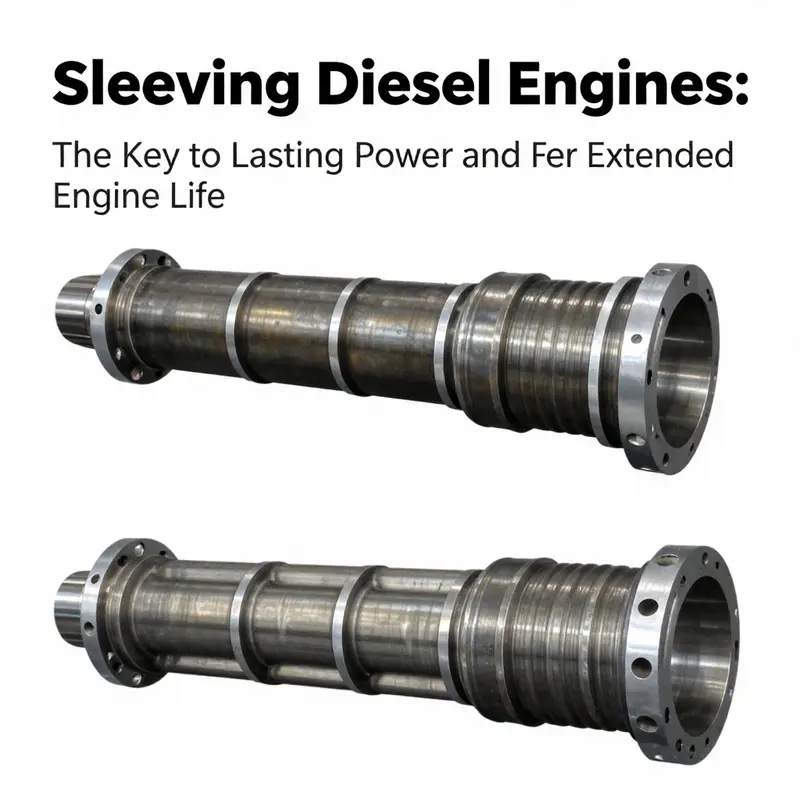
Sleeved Cylinders: How Liners Fight Wear and Buy Years of Life for Diesel Engines
Diesel combustion is a harsh environment. High compression ratios generate peak pressures and temperatures that routinely exceed those found in gasoline engines. Those extremes concentrate stress on the cylinder bore where piston rings slide and seal. Over time, even well-machined cast iron or aluminum blocks can suffer from scuffing, scoring, corrosion, and thermal fatigue. Sleeving—the practice of inserting a dedicated cylinder liner into the block—addresses these failure modes directly. The sleeve becomes the sacrificial, engineered interface that takes wear so the block itself does not.
A sleeve serves several crucial functions at once. First, it provides a controlled, hard-wearing surface for piston rings to run against. Manufacturers choose sleeve materials and surface finishes to resist abrasive wear, galling, and micro-pitting. Cast iron sleeves, for example, combine a compatible modulus with good oil-retention microstructure. Specialized alloys and plated finishes, such as molybdenum-rich overlays or chromium layers, further reduce friction and curb scuffing under boundary-lubrication conditions. Second, the sleeve preserves dimensional stability. When a sleeve wears, it can be replaced; the engine block need not be bored beyond repair or scrapped. That replaceability is one of the most compelling economic arguments for sleeving engines designed for long service lives.
Heat management is another major benefit. Sleeves can be engineered to conduct heat away from the combustion surface more effectively than the base block would. In wet-sleeve designs, coolant flows around the outside of the liner, ensuring direct heat transfer from the combustion zone. Even in dry-sleeve arrangements, sleeve metallurgy and wall thickness are optimized for heat conduction and to limit thermal distortion. Reduced thermal cycling of the block lowers the chance of cracks and improves seal longevity between the sleeve and block. Better heat control also keeps oil temperatures and viscosity within preferred ranges, preserving lubrication film strength and reducing ring and skirt wear.
Precision engineering defines how well a sleeved system performs. Tolerances between piston skirts, rings, and sleeve walls are tight. In large marine diesels, for instance, fits can be specified to within a few hundredths of a millimeter. That precision preserves ring sealing and compression over millions of combustion cycles. It also ensures even load distribution around the ring land, which reduces localized overheating and pitting. Where manufacturing allows, manufacturers introduce surface texturing or hone patterns that promote oil retention in the contact zone. Those patterns reduce boundary friction during cold starts and sustain an oil film at high loads. Surface engineering, therefore, is as important as base material selection when designing for longevity.
Sleeves also serve as a line of defense against corrosive combustion byproducts. Diesel fuels and combustion can create acidic compounds and soot that, when mixed with water, attack bore surfaces. Sleeves made of corrosion-resistant materials or treated with protective coatings resist pitting and surface breakdown. In applications that endure heavy fouling, like marine engines or stationary power units, that resistance can translate into dramatically longer overhaul intervals. Some heavy-duty engine families report overhaul extensions of up to fifty percent after adopting optimized sleeved designs, because the liner preserves combustion geometry and sealing long after the original service interval would have passed.
The economics of maintenance favor sleeves as well. When cylinder wear reaches unacceptable limits, a sleeved engine can be restored by installing new liners and honing to spec. That procedure is far cheaper than machining or replacing an entire block. For fleets and industrial plants that rely on availability, the ability to perform field repairs quickly is invaluable. Downtime and capital costs shrink when only the liners need attention. For this reason, many marine and power-generation diesel engines are built around removable, replaceable liners from the outset.
Sleeves influence lubrication behavior too. The contact between ring and sleeve is the engine’s most heavily loaded tribological interface. By selecting sleeve materials that cooperate with ring metallurgy and oil chemistry, engineers reduce frictional losses and wear. Good sleeve surfaces retain a thin, stable oil film even under high pressures. That film prevents metal-to-metal contact and minimizes abrasive action from soot particles. Where oil control must be precise, the sleeve’s finish and roundness help maintain ring sealing and prevent blow-by, which otherwise accelerates contamination and abrasive wear.
While sleeves offer many benefits, their design must manage several risks. Poor bonding or an imprecise fit between sleeve and block can lead to fretting and micro-movement. That motion causes localized wear at the sleeve face and can create leak paths for coolant or combustion gases. In dry sleeves, thermal mismatch between sleeve and block can produce stress concentrations. In wet sleeves, corrosion at the sleeve interface or coolant leakage into the combustion area is a hazard. Engineers minimize these risks through accurate machining, appropriate interference fits, and surface treatments. They also specify compatible materials so that expansion rates under heat do not produce undue stress.
Failure modes that commonly initiate in the sleeve give insight into maintenance priorities. Scoring from foreign particles indicates filtration or oil contamination problems. Scuffing under high load suggests lubrication breakdown or transient boundary-lubrication events. Pinpoint pitting often signals corrosive attack from combustion byproducts or coolant contamination. Detecting these signs early, during inspections or cylinder borescope checks, allows targeted repairs. Replacing or re-machining liners before damage propagates preserves block integrity and avoids more extensive interventions.
The practical advantages of sleeves appear strongly in specialized engines. Large RTA-class marine diesels, for instance, depend on highly precise sleeve-to-piston relationships to maintain efficiency over tens of thousands of hours. Their sleeve designs account for piston skirt interactions, ring tension, and thermal expansion across extreme cycles. Similarly, certain modern diesel engine families extend overhaul intervals through improved sleeve metallurgy and fitment processes. Those engines demonstrate that when sleeve design and manufacturing are optimized, the net operating life and reliability of diesel powerplants increase significantly.
For engine builders and maintenance teams, understanding sleeve behavior changes how they plan service. Inspection intervals focus on bore condition, ring wear patterns, and oil analysis to detect increased wear rates. When a sleeve begins to show signs of irreversible wear, replacement restores original tolerances without disturbing the larger block. That predictability simplifies lifecycle planning and total-cost-of-ownership calculations. It also supports retrofit work: older blocks can often be revitalized with new liners that bring them back to modern tolerances and performance standards.
Sleeves are not a one-size-fits-all solution. Designers choose between wet and dry sleeves, cast-in liners, and removable inserts based on application, cooling strategy, and expected duty cycle. Each choice trades off ease of replacement, thermal transfer, and structural integrity. Still, the common thread is the same: sleeves isolate the most aggressive interface from the block. They concentrate wear where it is manageable. As a result, sleeved diesel engines maintain compression geometry, reduce catastrophic block failures, and deliver predictable service lives that owners can plan around.
When durability and long service life matter, sleeving is an engineering choice that pays dividends. It channels wear into a replaceable part, improves heat and oil management, and allows the use of optimized surface treatments. For diesel applications that run hot and hard, that combination of benefits preserves efficiency and cuts life-cycle costs. For an introduction to the components and basic types of liners, see this primer on what are engine sleeves.
External reference: https://www.engineeringtoolbox.com/diesel-engine-cylinder-liners-d-1987.html
Sleeves and Savings: How Cylinder Sleeving Lowers Lifecycle Costs and Boosts Diesel Performance
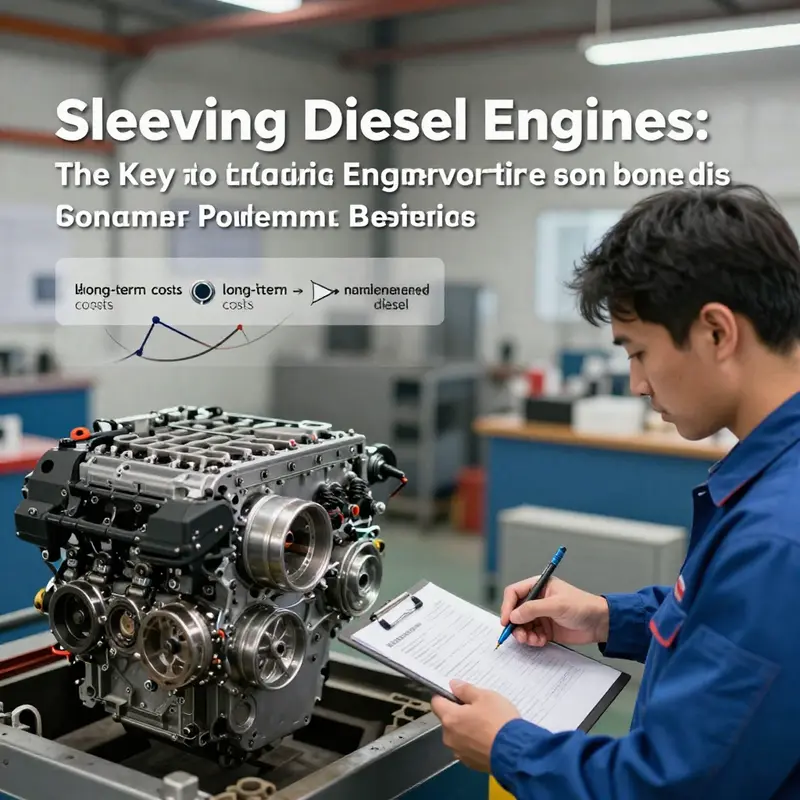
Sleeves and Savings: How Cylinder Sleeving Lowers Lifecycle Costs and Boosts Diesel Performance
Diesel engines face harsh conditions that make cost and durability central to their design. Sleeving cylinders is a practical response to those conditions. It reduces wear, simplifies repairs, and protects core components. When analyzed through a lifecycle lens, sleeves often tip the balance in favor of diesel for fleets, heavy equipment, and high-mileage vehicles.
At its simplest, a sleeve is a replaceable metal liner fitted inside the cylinder bore. It forms the running surface for pistons and rings. That running surface must resist abrasion, sustain high combustion pressures, and manage intense heat cycles. Diesel combustion delivers more energy per stroke than gasoline. That energy demands tougher materials and more robust thermal control. A sleeve handles those demands more predictably than casting alone. Predictable behavior reduces unscheduled downtime, which in turn reduces operating costs.
The immediate economic argument for sleeving is repairability. When a cylinder walls out of tolerance from wear, a sleeved block can be restored by replacing the liners. This is far cheaper than machining the block to an oversize bore or replacing the entire casting. For heavy-duty and industrial diesels, where blocks are large and expensive, sleeves make rebuilds practical. The cost to re-sleeve a cylinder is typically a fraction of the cost of a new block or a full replacement engine. This is especially relevant for older engines used in service vehicles and machinery, where capital budgets favor refurbishment over replacement.
Beyond repairability, sleeves contribute to more consistent maintenance cycles. A replaceable sleeve restores original bore dimensions and surface finish. That reinstates compression ratios, ring sealing, and oil control to near-new performance. Restored sealing preserves fuel efficiency and reduces oil consumption. Because diesel engines benefit strongly from precise compression, even small gains in sealing translate to fuel savings over thousands of operating hours. Fleets with high annual mileage see this add up quickly.
Sleeves also allow manufacturers and rebuilders to choose optimized materials. Cast iron liners in an aluminum block combine the thermal conductivity of aluminum with the wear resistance of iron. The iron sleeve tolerates the abrasive effects of rings and combustion deposits better than an aluminum bore would. That material pairing can extend engine life without adding excessive casting mass. For heavy-duty cast iron blocks, replacing existing sleeves with upgraded alloys can improve longevity and thermal resilience. These incremental gains affect total cost of ownership, because they delay expensive overhauls.
Thermal management is another major economic consideration. Diesel cycles run hotter and at higher mean effective pressures. Sleeves help manage heat flow between the combustion chamber and coolant passages, especially when designed as wet sleeves. Wet sleeves sit directly against coolant passages and can improve heat transfer. Better cooling reduces local hotspots, which in turn reduces thermal distortion and uneven wear. Less distortion keeps sealing consistent and reduces the risk of head gasket failures. Those failures are costly in both parts and labor. Preventing them through improved thermal control saves money indirectly, by avoiding complex repairs and downtime.
Performance gains from sleeving are closely tied to durability. Diesel engines deliver strong low-end torque. To maintain that characteristic under load, combustion must remain efficient and predictable across cylinder walls. A worn cylinder increases blow-by and reduces effective compression. That lowers torque and increases fuel consumption. Returning bores to specification with sleeves restores torque characteristics and keeps performance stable under heavy loads. For applications like towing, hauling, or continuous industrial duty, the ability to hold torque over time has a direct economic benefit. It reduces the need for oversized engines, lowers fuel use, and maintains operational schedules.
There is also a strategic economic case for sleeving when upgrading engines. Increasing displacement, changing bore size, or adapting an older block to a modern piston design can be achieved with sleeves. Sleeves allow controlled, uniform increases in bore diameter without sacrificing wall integrity. This flexibility lets rebuilders extract more value from an existing engine platform. Instead of sourcing a new block, a shop can sleeve and rebore to a new specification. The capital saved can be redirected into better fuel management systems or emissions controls, which often yield further lifecycle savings.
Operational costs include more than fuel and parts. Labor and downtime dominate total cost in many commercial contexts. Sleeving reduces labor-intensive machining steps in some rebuilds. For example, installing standardized sleeves can eliminate extensive line-boring or block welding. Standard sleeves streamline rebuild processes and reduce turnaround time. Rapid repairs return equipment to service sooner. Faster returns reduce the need for spare units or rental replacements, both of which add hidden costs.
On the fuel side, diesel engines already hold an efficiency edge. Sleeves help preserve that edge. By maintaining tight tolerances and a stable running surface, sleeves reduce parasitic losses and fuel-wasting blow-by. Over a fleet’s lifespan, these small per-engine gains aggregate into significant fuel savings. This is particularly important where fuel budgets are a major part of operating expenses. Even modest fuel economy improvements multiply across many vehicles and years.
Environmental regulations and fuel treatment systems factor into the economic picture. Modern diesels often must carry exhaust after-treatment equipment and additional fluids. These systems add operating costs, but they also make diesel power cleaner and compliant. Sleeving complements these investments by minimizing engine wear and maintaining combustion stability. A well-sealed, properly cooled cylinder helps after-treatment systems work predictably. Predictability reduces the frequency of diagnostic interventions and repairs related to incomplete combustion or excessive soot. That means fewer shop visits and lower lifetime compliance costs.
Deciding whether to sleeve involves an honest assessment of alternatives. One option is to invest in more frequent light repairs and accept shorter engine lifespans. Another choice is to buy larger numbers of replacement engines or units. Sheltering capital in replacement units can be tempting, but it often proves less efficient than targeted sleeving and rebuild strategies, particularly where downtime matters. A cost-benefit analysis typically compares sleeve and labor costs against the replacement capital and projected lost revenue from downtime. For many heavy-use scenarios, sleeves are the financially smarter choice.
There are trade-offs. Sleeving requires precise fitment and material compatibility. Poorly installed liners can leak, distort, or come loose. That causes expensive failures. Proper engineering and skilled installation are therefore crucial. When executed correctly, sleeving reduces lifetime costs and extends service intervals. When done poorly, it creates expensive rework and reduces confidence in the engine platform.
The long-term advantage of sleeving also depends on parts availability and rebuild infrastructure. Regions with established remanufacturing networks see greater value from sleeving. Economies of scale in parts production and rebuild labor drive down per-unit costs. Conversely, in markets without reliable repair networks, the upfront complexity of sleeving may not pay off. Decision-makers should therefore evaluate local service capabilities alongside raw cost estimates.
Finally, sleeving is a flexible tool in a broader cost-control toolkit. It complements preventive maintenance, fuel management strategies, and investment in diagnostic systems. Used together, these measures maximize diesel economics. A sleeve restores core engine geometry. Maintenance and diagnostics then preserve that restoration. The result is predictable performance, lower per-mile costs, and fewer catastrophic failures.
For readers who want a focused primer on sleeve types and basic mechanics, a helpful internal resource explains what engine sleeves are and how they work. That primer clarifies differences like wet versus dry sleeves, and common installation methods. It also outlines situations where sleeving is the most cost-effective repair choice: https://itw-autosleeve.com/blog/what-are-engine-sleeves/
For further context on diesel fuel efficiency and lifecycle advantages, see this external comparison of diesel and gasoline engines: https://www.autocar.co.uk/car-news/industry/diesel-vs-gasoline-fuel-efficiency
Final thoughts
The integration of sleeves into diesel engines stands as a testament to engineering advancements aimed at enhancing performance and durability under extreme conditions. For motorcycle owners, auto enthusiasts, and professionals alike, understanding the critical role that sleeves play can lead to significantly better engine efficiency and longevity. In a world where dependability is paramount, opting for sleeved diesel engines is not merely an upgrade; it is a commitment to excellence and long-lasting performance.