

Recovery from sleeve gastrectomy is crucial for your health, and understanding when you can resume traveling by car is key. The journey towards regaining mobility requires careful attention to your body’s recovery process. This article will guide you through the timeline for resuming car travel post-surgery, examining general guidelines, the factors that influence your ability to travel, the safety considerations you must keep in mind, and the recommendations from health professionals. Each chapter offers a deeper insight into ensuring your comfort and safety as you transition back on the road.
Cautious Journeys: A Comprehensive Guide to Car Travel Post-Sleeve Gastrectomy
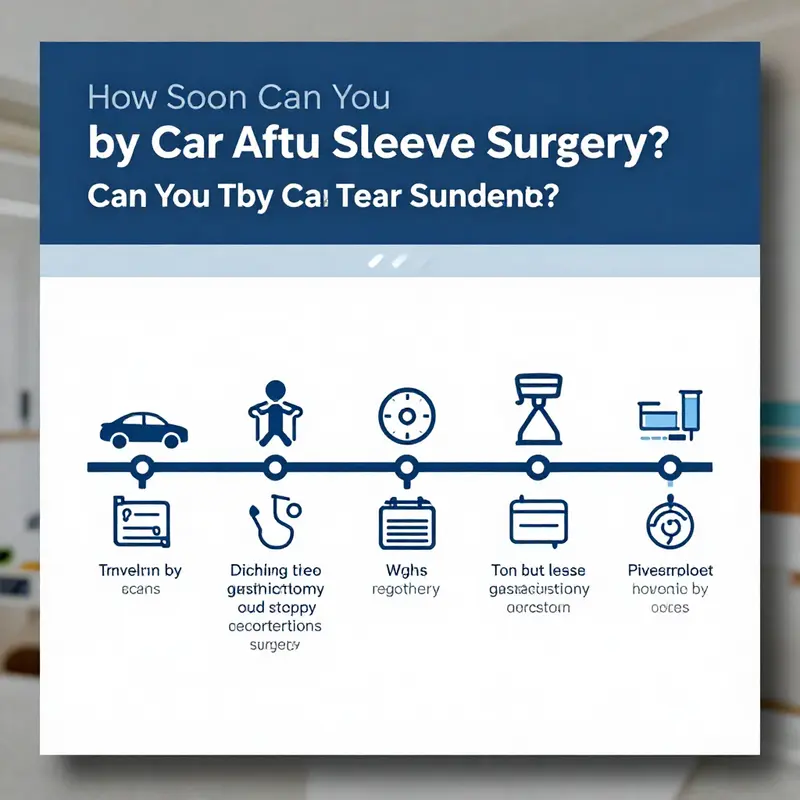
After sleeve gastrectomy, your body embarks on a gentle and critical journey toward healing and readjustment. The period immediately following surgery is delicate, and every movement, including car travel, must be approached with mindfulness and careful planning. In this chapter, we explore the timeline, guidelines, and practical tips for safely resuming car travel after your procedure, ensuring that your physical recovery and personal safety remain the top priorities.
The early recovery period is one of caution and gradual progress. Many patients find that the first few weeks after surgery are marked by fatigue, discomfort, and limited mobility. Even though many can manage basic movements at home, driving or sitting in a car for extended periods may place additional strain on the healing tissues. Medical professionals generally recommend waiting at least two to four weeks before considering short car trips, with longer journeys ideally postponed until four to six weeks have passed. This period allows the body to focus on wound healing, reduction of inflammation, and the initial adjustment to changes in digestion and overall metabolism. Listening to your body during this phase is crucial, as premature travel may disrupt healing or lead to complications.
Once you have reached the two to three week mark, many patients notice a significant reduction in pain and an incremental improvement in mobility. At this juncture, if you are not reliant on strong pain medications that could impair your reactions or judgment, short drives may be permissible. However, even if you feel ready, it is important to avoid long stints behind the wheel during these early weeks. Prolonged sitting can not only be uncomfortable but may also increase the risk of deep vein thrombosis (DVT), a condition in which blood clots form in the legs. To mitigate these risks, if you decide to drive, taking frequent breaks every one to two hours is essential. Stand up, stretch, and walk a short distance to help blood circulate properly and to give your body a chance to recalibrate from the motion of driving.
The guidelines for post-surgical travel are not rigid; they must be tailored to your personal recovery journey. Some patients, due to quicker or less complicated recoveries, might find themselves comfortable with brief trips soon after the recommended minimum period. For many, however, planning a longer journey is best saved for a time when healing is more robust, generally after four weeks or more post-surgery. When contemplating longer travel, it is advisable to discuss your plans with your bariatric surgeon or healthcare provider. They can provide insights specific to your health condition and the details of your surgery, such as the extent of your incisions and the overall progress of your recovery.
During the recovery phase, certain precautions can be beneficial if you must drive. Ensuring your seating position is optimized to minimize discomfort becomes paramount. Adjust your seat for adequate back support and to allow a comfortable reach of the pedals and steering wheel. Avoid abrupt movements or high-speed driving as the vibrations and sudden stops may stress your healing body. The smooth operation of your vehicle also plays a role in ensuring a pleasant and safer driving experience. If your travel involves long hours on the road, it might even be worthwhile to check out some basic guidance on essential car maintenance skills, ensuring your vehicle operates reliably, thereby reducing anxiety over potential road issues.
Nutrition and hydration remain constant companions in your recovery. After surgery, eating small portions of approved foods and drinking ample water are key to avoiding post-operative discomfort. Car journeys, even if they are not very long, offer limited opportunities for proper nutrition. Carrying snacks that align with your dietary restrictions might help maintain your energy levels during a drive. Similarly, ensuring you have plenty of water on hand contributes to staying hydrated, especially because the body’s healing process requires optimal fluid balance. Both nutrition and hydration support your overall recovery while minimizing the risk of post-operative side effects such as dizziness or fatigue that can be exacerbated during travel.
Beyond the physical aspects of healing, there is a psychological adjustment that accompanies your return to normal activities. The desire to resume familiar routines like driving is understandable, and regaining independence is an important part of post-surgical optimism. However, couples of caution and realistic expectations are essential. Rather than rushing back into long-distance travel or extended driving sessions, gradually building up your confidence behind the wheel can help ease anxieties and promote safer experiences. If the drive feels more like a burden than a pleasure, listen to your inner signals. The body has its own way of communicating readiness, and ignoring these signals can lead to setbacks. Adopt a mindset that values recovery over immediacy; a well-healed patient is much better positioned to enjoy the freedom of travel once the recovery phase is fully under control.
Many patients notice that the concept of travel transforms in the weeks after surgery. Instead of focusing on reaching a destination quickly, the attention shifts toward creating opportunities for gentle exploration and rest along the way. The journey itself becomes part of the healing process when breaks are taken to stretch, explore a small town on a rest stop, or simply enjoy a breath of fresh air at a scenic outlook. In this phase, being prepared for unplanned stops is a positive adaptation rather than an inconvenience. Every break is an opportunity to check in with your body and reassess how you are feeling after the drive. These pauses not only serve as preventive measures against complications such as DVT but also contribute to a sense of accomplishment as you steadily rebuild your strength.
As you progress further into your recovery, the awareness of your physical limitations might gradually diminish. However, the residual effects of surgery, such as mild discomfort or the need for periodic rest, linger longer than one might expect. With increased physical strength comes the temptation to resume pre-surgical travel habits too quickly. It is crucial to continue following conservative guidelines even as you feel better. The timeline established by your healthcare provider is based on a balance between healing and the risks associated with movement. For long-distance journeys, the recommendation of waiting at least four weeks is not arbitrary; it is the product of research and clinical experience that aims to minimize the risk of unexpected complications.
Occasionally, patients face the scenario where a necessary journey cannot be postponed. For instance, a family event or an urgent commitment may require travel sooner than ideal. In these cases, extra caution is warranted. Consider reducing the distance of each leg of the journey or even exploring alternative modes of transportation like having a friend or a family member drive you. The idea is to keep the travel experience as stress-free as possible while giving your body every chance to remain undisturbed in its healing process. Not every situation demands a direct drive; sometimes, the alternative reduces risk significantly while still allowing you to fulfill personal obligations.
In addition to planning for physical well-being, attention to the vehicle and travel environment can further enhance safety. Modern cars offer conveniences such as seat heaters, adjustable lumbar supports, and ergonomically designed interiors that can help reduce discomfort during long drives. Even minor adjustments, such as the position of the headrest or the angle of the seat cushion, can have meaningful impacts on your experience. Considering these details can transform a potentially strenuous drive into a more manageable and even enjoyable excursion. If you are curious about how to ensure your car remains in optimal condition during frequent travel, you might consider exploring more detailed advice in other resources that discuss maintenance skills, such as checking fluid levels or tire pressures, to add an extra layer of reassurance to your journey.
While the physical act of driving is at the forefront of your concerns, it is equally important to address other travel variables that can affect your postoperative experience. Climate and road conditions must be factored into your planning. For individuals who have undergone sleeve gastrectomy, extreme changes in temperature or road conditions that require sudden maneuvers may prove challenging. Travel during milder weather or on days when traffic is less congested might help ensure a smoother ride. The unpredictability of weather or a bumpy road should not be underestimated, as these conditions might inadvertently increase the risk of jostling, which can be detrimental during the initial healing stages.
It is natural to want to reconnect with an active lifestyle and the freedom of the open road. However, the balance between reclaiming independence and acknowledging the need for safety is pivotal. The decision-making process about when to embark on a car journey involves a combination of medical advice and self-assessment. Trust in the guidance of your healthcare team and take their recommendations seriously even if you feel ready to return to your routine earlier than advised. A well-healed and fully recovered body will not only handle a long journey better but will preserve the long-term benefits of your surgery by reducing the occurrence of complications or setbacks.
In the weeks following your surgery, gradual exposure to driving can be as simple as taking a short drive around your neighborhood before planning any longer trips. This incremental approach enables your body to acclimate to post-operative conditions and helps build confidence behind the wheel without overwhelming your system. Moreover, these shorter drives provide an excellent opportunity for reflective assessment: did you experience any pain or discomfort after sitting for longer than usual, or do you notice any stiffness that might hint at underlying issues? Maintaining an open dialogue with yourself and your doctor about these experiences ensures that adjustments can be made to your travel plans if necessary.
The integration of physical recovery into everyday activities, such as car travel, is a gradual process that benefits greatly from being tailored to individual circumstances. Each patient’s journey is unique, and while general guidelines offer a framework, they must be adjusted to suit personal healing rates and overall well-being. Factors such as age, pre-surgery fitness, and even psychological readiness play critical roles in determining when it is safe to resume driving. If you experience persistent discomfort or notice any unusual symptoms, it is imperative to seek medical advice before planning any substantial long-distance trips.
As you contemplate a return to the comforts of car travel, it is also a good moment to reflect on the broader purpose behind your decision. The essence of travel after sleeve gastrectomy is not merely the act of moving from one location to another but a symbolic reclaiming of independence and personal control that surgery has set into motion. Every reassuring mile traveled reinforces the commitment you made to recovery and highlights the gradual return to a more active life. Ensuring that your journey is marked by caution, preparation, and self-compassion enhances both your safety and your overall satisfaction.
While the guidelines provided here are based on a general consensus from the bariatric community, they carry an important caveat: no two patients recover in exactly the same way. Personalization of the recommendations is key. The research and expert opinions, such as those provided by the American Society for Metabolic and Bariatric Surgery, stress that each patient’s timeline should be individually assessed. In many cases, your surgeon will monitor your progress through follow-up visits, during which they can advise on whether you are physically ready for longer drives or if further recovery time is needed. This personalized approach not only tailors the recovery process to your unique needs but also reinforces the importance of medical oversight during this critical period. For further reading and authoritative guidance, please visit the American Society for Metabolic and Bariatric Surgery (ASMBS).
The journey of recovery is as complex as it is personal. Each phase, from the tentativeness of early mobility to the cautious extension into longer trips, underscores the importance of patience and the gradual reintroduction of daily activities. Traveling by car, an activity once taken for granted, now becomes a measured and deliberate decision that honors both the physical limits imposed by surgery and the inner drive to reclaim a life of normalcy. This transformation is emblematic of the overall healing process—a blend of restored physical strength and the cultivated wisdom gained from respecting one’s body during its most vulnerable moments.
In summation, planning car travel after sleeve gastrectomy involves recognizing and respecting the delicate timeline of recovery. It is a process that demands preparedness, self-awareness, and adherence to medical advice. By gradually building up your ability to handle longer distances, taking frequent breaks, adjusting your seating properly, and maintaining vigilant care of your nutritional and hydration needs, you can transform what might seem like a daunting challenge into a manageable and even rewarding part of your post-operative journey. With each carefully planned trip, you reassert your independence and step confidently into a future where recovery and everyday responsibilities harmoniously coexist.
Every journey—a short drive around the block or a longer road trip—serves as a milestone in your recovery. It is a testament to the resilience of the human body and the spirit of renewal that characterizes life after surgery. As you gradually return to the activities that once defined your daily routine, always remember that safety and well-being are the irreplaceable foundations of progress. Allow yourself the time you need, heed the insights provided by your medical team, and celebrate each milestone with the knowledge that every mile traveled is a step closer to a full, vibrant life.
By understanding the careful balance between rest, recovery, and gradual reintegration into your regular schedule, you equip yourself with the tools necessary for a safe and successful journey. This chapter is a reminder that while the road to recovery may require patience and disciplined caution, it is also paved with the promise of renewed independence and the gradual return to the joys of everyday life. In embracing a cautious yet optimistic approach, you chart a course that not only honors the demands of your healing process but also celebrates the strength that emerges from overcoming the challenges of surgery.
Remember that the guidelines presented here are flexible and need to be personalized. The combination of responsible self-assessment, professional medical advice, and common-sense adjustments to your driving habits creates a robust framework for ensuring that every journey by car is a safe step forward in your recovery process. As you continue on this path, let each drive be a deliberate act of self-care, a measured progress mark, and an affirmation that you are actively investing in a healthier, more resilient future.
Navigating Recovery: A Comprehensive Guide to Safe Car Travel After Sleeve Gastrectomy
After undergoing sleeve gastrectomy, many patients look forward to returning to their daily routines, including driving and traveling by car. However, each patient’s road to recovery and readiness for travel is unique. It is essential to consider numerous factors before setting off on any journey. The period immediately following surgery is a delicate time in which healing, careful management of pain, and cautious physical movement should be prioritized over convenience. In this chapter, we explore the many facets of recovery that impact when it is truly safe to resume car travel after sleeve surgery.
At the heart of the discussion is the reality that there is no one-size-fits-all answer. Instead, the decision to travel by car depends on how well an individual has healed, how they manage pain, and how stable their circulation and energy levels have become. Typically, many patients find themselves cleared to make short car trips in the window of two to three weeks after their surgery. However, for longer journeys, waiting for four to six weeks is often the safer practice. Understanding why these timeframes exist requires a look into several interrelated aspects of the recovery process.
One of the primary factors influencing safe car travel is the surgical recovery phase itself. In the first few weeks after the procedure, the body is busy mending incisions and adapting to a new digestive system. Activity restrictions are pivotal during these initial weeks in order to prevent complications that can arise from premature exertion. This period is marked by a natural vulnerability where movement can provoke pain, nausea, or even dizziness. These symptoms are not only uncomfortable, they can also become dangerous if they occur while driving. On this note, patients are encouraged to treat their recovery as a sensitive negotiation between returning to normality and allowing the body the necessary time to heal properly.
Pain management plays a central role in determining when it is safe to travel by car. After sleeve gastrectomy, the upper abdominal area is an area of heightened sensitivity. The pressure on this delicate area can lead to significant discomfort after even minor movements. Since driving often involves sitting in a fixed position for extended periods, it is wise to wait until the pain subsides. Effective pain management, however, is not merely about masking discomfort with medication; it also centers on bodily awareness. Many patients notice that if pain occurs during or after a short drive, it is a strong indication that their body is not yet ready to handle longer trips.
Another important consideration is the impact of medications. In the weeks following surgery, many patients will be prescribed painkillers and other medications. These medications, while essential for managing postoperative pain, can also cause side effects such as drowsiness, blurred vision, and sluggish reflexes. Such effects are not conducive to safe driving. Ideally, a patient should have ceased using these strong medications to ensure alertness behind the wheel. The staggering of dosing schedules and the subsequent lingering effects can extend into the recovery days, making it imperative that patients only resume driving once they have fully cleared the influence of these drugs.
Beyond pain and medication, a significant concern during recovery is the risk of developing blood clots. Immobility, even when it is a temporary state due to recovery constraints, increases the risk of deep vein thrombosis (DVT). Long periods spent in one position, like sitting during a car ride, can exacerbate this risk. This is particularly critical after sleeve gastrectomy because the body is already in a state of healing and is sometimes less capable of handling sudden physical strains. Therefore, patients are advised to take frequent breaks during any car journey. Ideally, every one to two hours on the road should be marked by a stop to stretch, walk around, and stimulate circulation. Such measures not only promote safety but also help in overall recovery.
Equally important in determining travel readiness is the physical condition required to manage the bodily demands of long drives. Recovering patients need to ensure that their mobility has returned to a level where sitting for extended periods does not trigger pain or discomfort. In many cases, supportive measures like using cushions or ergonomic seating can provide temporary relief. However, these aids are no substitute for a healing body that is genuinely ready to endure prolonged sitting. As the body heals, range of motion improves and energy levels gradually return. It is only at that point when the risk of experiencing pain or sudden fatigue diminishes, making longer trips a safer possibility.
A further point of emphasis is the necessity of doctor’s clearance. No amount of self-evaluation can replace the seasoned judgment of a health care professional who understands the specifics of the surgery, the patient’s overall health profile, and the intricacies of postoperative healing. Regular follow-up appointments after the surgery are not merely cursory check-ins; they are opportunities to assess the patient’s readiness to resume activities such as driving. During these visits, the surgeon evaluates incisions, checks for signs of complications, and confirms the patient’s capacity for physical exertion. Only after receiving explicit medical advice should one consider the demands of any car travel, whether it is a short drive around town or a long-distance journey.
The concept of waiting for at least four to six weeks before engaging in extended travel is not arbitrary. It serves as a protective buffer that reduces the likelihood of encountering complications like excessive fatigue or even unforeseen medical emergencies that could be exacerbated by driving. In the early weeks following sleeve surgery, the energy levels and alertness required for safe driving may simply not be present. Although some patients might feel eager to return to their normal lives quickly, this eagerness should be balanced with a cautious and realistic appraisal of what the body is capable of handling at this stage.
There is also a psychological component involved in the decision to resume driving. After a significant surgical procedure, many patients experience anxiety about their physical limitations. This anxiety can sometimes translate into decreased confidence behind the wheel. Being mindful of one’s comfort level is as crucial as any physical measure. When hesitation or worry arises during even a short drive, it is a clear signal from the body and mind that more recovery time may be needed. A positive mindset, built on careful judgment and professional advice, is fundamental to safely returning to travel.
It should be noted that short trips, such as driving to the local grocery store or visiting a nearby friend, might seem innocuous. Yet, even these shorter journeys can place unexpected demands on the body if undertaken too soon. In these early weeks, any form of continuous sitting might increase discomfort, contribute to stiffness, or aggravate the surgical site. Many patients have reported feelings of unease even during brief drives when their body is still in the sensitized state of early recovery. Thus, even if the distance is minimal, the duration and conditions of the drive should be carefully considered.
An integral aspect of post-surgery travel is the planning process. Patients are advised to plan their trips in a way that minimizes stress on the body. Consider packing lightly and ensuring that all necessities are within easy reach so that there is no need to shift positions excessively during the drive. Adequate hydration is crucial, as is the availability of small, approved snacks to help maintain energy levels. A well-planned journey allows for multiple breaks, giving time to stretch, walk, and check in with how the body is feeling over the course of the trip.
In addition to these personal health considerations, patients should also assess their vehicle’s environment. The comfort and ergonomics of the car can have a significant impact on one’s recovery. The right seating position, good support for the lower and upper back, and the ability to adjust settings such as the lumbar cushion are all factors that can help reduce discomfort. If needed, enhancements like custom seat cushions can be considered. In fact, discussions about safe travel can sometimes intersect with general car care practices. For those interested in maintaining various aspects of vehicle performance during recovery, resources on essential car maintenance skills might provide helpful insights for ensuring that the vehicle is as comfortable and safe as possible during long journeys.
As recovery continues, the cumulative effect of healing, reduction in pain, and the return of normal energy levels contributes to a patient’s ability to engage in longer trips without fear of sudden discomfort. This gradual process is mirrored in the increasing duration of safe travel times. Initially, a patient might be cleared only for drives lasting up to an hour. As weeks pass and the body adapts to the post-surgical state, longer trips become feasible. The gradual progression underscores the need for patience and the importance of listening to one’s body.
A further dimension to consider is the variability in recovery that exists from one patient to another. Factors such as age, general health, existing medical conditions, and even the specific methods used during surgery can influence recovery speeds. For instance, younger patients who are in good health may find that they experience milder side effects and a quicker return of mobility compared to older patients or those with underlying health concerns. This individual variation means that while some may be ready for a brief drive at two weeks, others might still be experiencing the after-effects of surgery even at the four-week mark. This variance serves as a reminder that self-monitoring and professional advice go hand in hand. No generalized guideline can replace personalized recommendations provided by the care team.
Equally important is the consideration of long-distance travel after sleeve surgery. Long journeys introduce additional challenges. Extended sitting not only increases the chance of developing DVT but can also lead to cumulative strain on the healing surgical site. Fatigue becomes more pronounced during long drives, and the mental focus required to operate a vehicle safely may wane over time. As such, even if a patient feels relatively comfortable after a short drive, embarking on a long-distance road trip should be a step taken only after receiving a thorough evaluation from a doctor. In many cases, waiting until six weeks post-surgery before attempting longer trips is the best course of action to protect the healing process.
Careful planning for long trips should include well-established stops along the journey. Frequent breaks for stretching and walking help stimulate blood flow and reduce the risk of clot formation. By breaking the journey into manageable segments, the physical demands of travel are lessened. Additionally, such breaks offer patients the opportunity to gauge how their body is responding to the drive. A gradual increase in the duration of each leg of the journey may be the safest way to build confidence while ensuring the body is not overstretched.
Moreover, recovery from sleeve surgery does not occur in isolation from other aspects of a patient’s lifestyle. Daily routines, work responsibilities, and personal relationships all influence the decision to return to driving. For many, the pace of life demands a balance between the need for mobility and the imperatives of healing. It is important in these circumstances to reassess priorities; short-term sacrifices in mobility can contribute to long-term gains in health and safety. Whether it is by accepting a slower return to normal activities or waiting just a little longer before making that first long drive, the patient must put health above immediate convenience.
The emotional weight of recovery can also play a significant role in driving readiness. Post-surgery recovery is often accompanied by concerns about weight loss, lifestyle adjustments, and the overall impact of the operation. These emotional factors can sometimes lead to a hesitancy to resume driving at the earliest opportunity. When anxiety over pain or discomfort sets in, it can undermine confidence behind the wheel. Recognizing and addressing these feelings is critical. Patients should not hesitate to discuss their concerns with a surgeon or a mental health professional if the fear of driving causes significant stress. In time, assurances from medical professionals and slowly building confidence on short trips can pave the way for more extended travel experiences.
Many patients have found that structured guidance and clear milestones assist in the gradual return to full mobility. Keeping a recovery diary that logs symptoms, pain levels, medication usage, and overall physical state can provide an invaluable record. Over time, patterns can emerge that help both the patient and their healthcare provider decide when it is truly safe to increase travel durations. This record not only offers reassurance through tangible evidence of progress but also serves as a reference during follow-up visits. The empowerment that comes from knowing one’s personal recovery trajectory is a vital step in returning confidently to the driver’s seat.
Rare complications may occur during the recovery process, further emphasizing the need for cautious planning. Infection at the incision site, unexpected bouts of nausea, or changes in blood pressure can all signal that the body is not yet ready for the rigors of extended driving. In these cases, it is essential to postpone travel plans until these issues have been resolved. The interplay between physical symptoms and the body’s healing process can sometimes be unpredictable, stressing the importance of erring on the side of caution even when it might seem that one is ready. Listening to the body and seeking timely medical advice are indispensable practices during this transitional period.
In conclusion, returning to car travel after sleeve gastrectomy is a multifaceted process. The timeframe for safe driving is influenced by the natural progression of healing, effective pain management, cessation of medication with sedative effects, and the individual’s overall physical state. A patient must consider the risks of developing complications such as deep vein thrombosis, as well as the emotional and psychological readiness to handle the responsibilities of driving. With careful attention to advice from healthcare providers and by implementing practical measures like frequent breaks and proper vehicle seating adjustments, patients can gradually restore their mobility and confidence for safe travel.
Ultimately, the journey back to independence on the road is one rooted in patience and self-care. The gradual return to travel is not just a sign of physical recovery but also an emblem of resilience and determination. As you work through your recovery, remember that each stage of healing brings you closer to regaining the full spectrum of your mobility and independence. Safeguard your progress by listening to your body, following your doctor’s advice, and taking every precaution to ensure that your journey remains safe and comfortable. For additional insights on preparing your vehicle for a safer travel experience during recovery, you might explore resources on essential car maintenance skills.
For more detailed external information on managing post-surgical recovery and safe travel tips, you can also refer to the guidance provided by trusted medical resources available at the Mayo Clinic website: https://www.mayoclinic.org/tests-procedures/gastric-sleeve-surgery/in-depth/gastric-sleeve-surgery/art-20384871.
By acknowledging the many factors at play—from the physical demands of healing to the psychological fortitude required for safe driving—this comprehensive overview aims to empower patients to make informed, safe decisions. Your commitment to a measured recovery process will ultimately lead to a safer, more confident return to the driver’s seat and the open road.
Navigating the Road to Recovery: A Thoughtful Guide to Car Travel After Sleeve Surgery
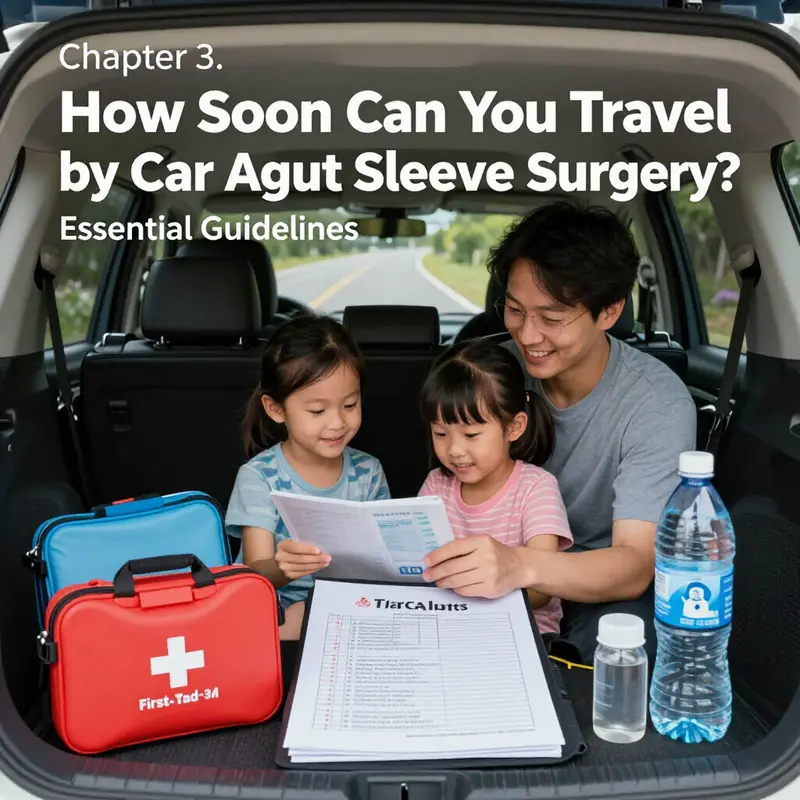
After undergoing sleeve gastrectomy, the desire to resume normal activities is strong, yet it is essential to approach travel with thoughtful planning and a respect for your body’s healing process. In the early days and weeks after surgery, your body is focused on repairing tissue, adjusting to new dietary habits, and overcoming both the physical and emotional challenges of the procedure. As you build confidence in your recovery, the idea of returning to the driver’s seat may become appealing. However, embracing a cautious timeline when it comes to car travel is crucial for your overall safety and well-being.
In the immediate aftermath of surgery, the body requires a period of rest, healing, and adjustment. The initial recovery phase, typically spanning the first two to four weeks, is a time when your body has to redirect energy toward healing incisions, reducing internal inflammation, and establishing a new level of functionality following the altered stomach size. During this period, many patients experience discomfort, fatigue, and limited mobility, factors that underscore why long periods of sitting in a car might not be the best idea. Extended time in a seated position, particularly soon after surgery, can lead to complications such as deep vein thrombosis (DVT) due to reduced circulation, and can put undue pressure on the abdomen—an area that is still in the process of healing. If you do feel well enough within this period to consider a short, local drive, it should only be with the approval of your surgeon and under conditions where you are not experiencing significant pain or undue discomfort.
The physical recovery involves a complex interplay of factors. One of the most critical is the discontinuation of potent pain medications, particularly narcotics, which can impair your reaction time and diminish your overall alertness. When you are on such medications, even the simple task of driving can become dangerous. Pain and medications can both compromise your ability to control the vehicle, meaning that resuming driving too early may create risks not only for you but also for other road users. For many patients, this phase means experiencing some degree of discomfort or fatigue when sitting for prolonged periods, all of which signals that the healing process is still underway. Therefore, many surgeons advise waiting at least two weeks before even considering short car trips, and even then, only if you are confident that you can sit comfortably, move without significant pain, and respond promptly should any emergency arise.
As you progress in your recovery, typically beyond the initial four-week period, your body is likely to have gained more strength and stability. Around the four to six-week mark, if all signs point to improved healing, many patients receive the green light to gradually return to driving. At this intersection of recovery and readiness, it becomes important to evaluate not just your physical comfort but also your overall alertness and stamina. The transition from being primarily stationary to being behind the wheel again should be made gradually. This means opting for short drives on low-traffic roads initially, testing your comfort level over distances that do not tax your endurance. It is at this juncture that the advice of your surgeon is vital, as personalized recommendations, taking into account your progress and any postoperative complications, are indispensable.
It is important to understand that driving after sleeve surgery is not solely about the mechanics of operating a vehicle—it is also about tuning into your body’s signals. Your body may signal that it is not yet ready to handle the sustained demands of driving, especially if you are still experiencing discomfort or using pain medications. By contrast, if you have passed the two to four-week window and feel alert, refreshed, and pain-free, a quick drive around town might serve as a positive milestone on your recovery journey. However, the threshold must be even higher when it comes to long-distance travel. Longer trips push your body to endure extended periods of sitting without change in posture or adequate breaks, possibly leading to complications such as circulatory issues and the strain on your healing abdominal muscles. For these reasons, waiting until at least six weeks after surgery is generally recommended if you’re planning on a long road trip.
When the time comes to consider long-distance driving, planning becomes the cornerstone of safety. No matter how strong your recovery appears, well-timed breaks are essential. It is advisable to schedule stops every one to two hours, not only to stretch and promote blood circulation but also to reassess how your body is handling the journey. During these breaks, take time to walk around, do simple stretches, and maintain hydration by drinking water. A few small, approved snacks can also help maintain your energy levels and keep you alert. It is key to remember that the decision to travel should always be a reflection of your own condition on that day, combined with the guidance provided by your medical team.
In addition to monitoring your personal readiness, paying attention to the ergonomics of your driving environment can make a significant difference in your comfort. Adjusting your seat so that it supports good posture can reduce pressure on your abdomen and promote better blood flow. Consider using a lumbar support pillow if you find that the typical car seat design exacerbates any discomfort. Small adjustments—like ensuring that your seat belt fits comfortably without pressing too tightly on your recently operated area—can contribute greatly to your overall driving safety. Furthermore, if you need to take prescribed pain medication, it is important to follow your surgeon’s timing advice carefully, as taking it immediately before a drive could dull your senses. Instead, manage pain in a controlled way and plan your medication schedule around travel times so that you remain alert behind the wheel.
Another consideration comes from the psychological aspect of returning to car travel after surgery. The anxiety of re-engaging with everyday routines, especially those that involve a level of risk like driving, can be significant. The journey to recovery is as much a mental endeavor as it is a physical one. Trusting your instincts, listening to your body, and being prepared to postpone a drive if any doubts arise can help maintain both your physical safety and mental well-being. Some patients find that short trips initially reinstate confidence, while others may appreciate the support of a companion during the first drives. Having someone with you does not just add a measure of assistance in case of an emergency—it can also provide reassurance, encouraging you to gradually build your driving stamina in a safer environment.
Vehicle safety, surprisingly, also plays a role in ensuring a successful road journey post-surgery. Prior to embarking on any travel, especially longer trips, it is beneficial to ensure that your car is in optimal condition. Although the focus is naturally on your physical recovery, the reliability of your vehicle cannot be overlooked. Regular car check-ups can help prevent unexpected breakdowns or issues that could increase stress and potentially disrupt your recuperative state. For those interested in keeping their vehicles safe and well-maintained, checking out detailed advice in an article on comprehensive car maintenance tips could serve as a useful resource. A well-maintained car means fewer distractions on the road and a reduced chance of encountering delays that might force you into prolonged periods of sitting.
Ultimately, the decision of when to begin driving after sleeve surgery is deeply personal and should be informed by multiple factors including your physical recovery, comfort levels, and adherence to your surgeon’s recommendations. Many patients experience a steady improvement in mobility and a decrease in pain as the weeks progress, allowing for a gradual reintroduction to normal activities. However, it must be emphasized that there is no one-size-fits-all timeline. While some might find that short local drives are manageable by the second week, others may require a longer period for recovery, particularly if any complications or persistent discomfort are present. In any case, frequent consultations with your surgeon are invaluable. The surgeon’s tailored advice, based on your unique surgical experience and postoperative progress, should always be the guiding force behind your decision-making process.
In the broader context of recovery, it is helpful to view the gradual return to car travel as part of a continuum that integrates physical healing with confidence-building steps. Each phase of recovery—from initial limited mobility to eventual full restoration of driving capability—offers its own set of challenges and rewards. The early steps, taken with care and attention to detail, lay the groundwork for a safer and more assured transition back to everyday responsibilities. Moreover, during this period, monitoring your body’s response to being seated for extended periods is vital. If you notice swelling, increased pain, or feelings of light-headedness during a drive, these are clear signs that the journey might be too strenuous at this stage. Such feedback from your body should be acknowledged and respected by halting or shortening the drive until you have had further time to recover.
Throughout this cautious journey, the importance of self-advocacy cannot be overstated. Clearly communicating with your healthcare team about how you feel before, during, and after short trips can empower them to adjust your recovery timeline appropriately. Your surgeon is best positioned to interpret the signals your body sends and can offer advice on incremental progress. These consultations ensure that your return to driving is not rushed but is instead a natural progression of your overall rehabilitation process. It is through this personalized dialogue that safety remains at the forefront, and the risk of complications such as the development of blood clots or undue stress on healing tissues is minimized.
As you prepare for your eventual return to regular car travel, consider the balance between ambition and prudence. While the allure of regaining full freedom behind the wheel is strong, each additional week of careful recovery adds layers of safety. Embracing this balanced approach can prevent setbacks and ensure that when you are driving, you are doing so with assurance and competence. In many ways, the process of recovering from sleeve surgery and returning to activities like driving is emblematic of a broader healing process. It is not merely a physical change, but a transformation that touches on self-discipline, patience, and an awareness of one’s own limitations. At every step, your journey is a testament to resilience, and the careful decisions you make now pave the way for a healthier, more secure future.
In summary, the timeline for safely returning to car travel following sleeve surgery should be viewed as a flexible guideline rather than a strict rule. Within the first two to four weeks, most patients are advised to avoid long drives due to the risk of complications arising from the healing process. As recovery progresses, and if you are free from the influence of strong pain medications, have good mobility, and feel comfortable for short bursts of driving, you may gradually increase the duration of your trips. Nevertheless, longer journeys are best reserved for a period well beyond the one-month mark—often around six weeks or more—when you can be reasonably assured that your body has adequately healed and that you are equipped physically and mentally to handle prolonged periods behind the wheel.
This thoughtful, measured approach embodies the essence of balancing your recovery with daily responsibilities such as travel. The objective is not merely to resume driving, but to do so in a manner that safeguards your recovery while still allowing you to reclaim independence and mobility. Every journey you undertake after surgery should be a calculated step designed to support ongoing healing, minimize risks, and build confidence gradually. Your health and safety remain the top priorities, and by adhering to these guidelines, you are setting the stage for long-term recovery success.
For those seeking additional information on the precautions necessary for post-surgery travel, consulting reputable resources such as the American Society for Metabolic and Bariatric Surgery can provide further insights. Their guidance reinforces the importance of waiting until sufficient healing has taken place before venturing on extended trips. More information can be accessed directly at https://www.asmbs.org.
Ultimately, the journey back to normalcy after sleeve surgery is paved with careful choices, informed medical advice, and a respect for your body’s need to recover. By gradually reintroducing activities like car travel, you honor the healing process and secure a safer path toward regaining full independence. Every mile driven with due care becomes a step forward, a reaffirmation of your commitment to health, and an empowering milestone in your ongoing recovery journey.
Navigating Roadways After Sleeve Surgery: A Gradual, Informed Approach to Safe Car Travel
Sleeve gastrectomy is not only a transformative procedure for weight loss but also a milestone that requires careful planning when it comes to resuming everyday activities such as driving. In the weeks following surgery, patients face uncertainty about when they can safely embark on car journeys. The recovery process demands patience, adherence to guidelines, and an understanding of how one’s physical state can impact driving safety. Health professionals generally recommend waiting at least 2 to 4 weeks before considering any car travel. This timeline gives the body time to heal from surgical trauma, manage postoperative pain, and reduce the risk of complications that may arise from prolonged sitting or sudden movements behind the wheel. While some patients may feel capable of handling short trips early in that period, major, long-distance trips should be approached with caution until a more complete recovery is evident.
During the initial recovery phase, the body is still adjusting to major changes. Patients are often advised to limit physical exertion and avoid extended periods of sitting, which can be particularly challenging in the context of a car journey. The importance of adhering to specific timelines cannot be understated. Even if a patient feels relatively well two weeks after surgery, it is essential to avoid the temptation to rush into longer trips. The healing process involves not only the closure of incisions and the settling of internal tissues but also the stabilization of energy levels and pain management. Without this cautious approach, there is the potential for complications such as wound stress or the formation of blood clots, especially because the changes in body mass and posture after surgery may alter the way the body reacts to prolonged immobility. Each day post-surgery represents incremental healing, and respectful patience during this period lays the groundwork for safe travel in the future.
When considering travel by car after sleeve surgery, both the duration of the journey and the quality of the patient’s recovery are paramount. Shorter trips of under one hour can be feasible in certain scenarios as early as two weeks post-surgery, provided the patient has received clearance from their healthcare provider. However, these short journeys should never replace the need for proper rest and recuperation. Short trips still require careful planning to ensure that the patient does not experience discomfort or fatigue, and that they remain alert enough to handle unexpected road conditions. In contrast, longer trips, especially those that extend for multiple hours without ample opportunity to stretch or rest, necessitate a wait of at least 4 weeks post-surgery. This extended period allows the body to regain strength, mitigate the risk of deep vein thrombosis, and ensure that the surgical site is not unduly strained by the physical demands of prolonged sitting and travel.
An essential aspect of post-surgery recovery is the way pain is managed and how mobility is regained. Following a sleeve gastrectomy, many patients depend on a regimen of pain medications to manage discomfort during the early days. However, these medications can impair alertness and reaction times, which is a clear contraindication for operating a vehicle. As such, one of the key indicators that a patient is ready to consider car travel again is the ability to manage pain without resorting to strong medications. When a patient no longer needs heavy pain relief and can move and sit comfortably for extended periods, it is a positive sign that the body is healing adequately. This stage of recovery is not only about reducing physical pain but also about building confidence in one’s ability to undertake a journey without risking further injury. The gradual return of mobility, combined with the tapering of medication, reinforces the patient’s readiness to drive safely and responsibly.
A critical component of safe car travel after sleeve surgery lies in the practical adjustments one makes before and during the journey. It is not enough to simply wait for the recommended period; the conditions inside the vehicle must also be optimized for comfort and health. Patients are advised to use a supportive seat with proper lumbar support and to consider the addition of a small cushion to reduce pressure on the abdomen. During the journey, breaks should be scheduled at least every 1 to 2 hours to allow for stretching, walking, and rehydration. Such breaks are essential for preventing stiffness and reducing the risk of developing circulation problems. Carrying light, protein-rich snacks and water can help maintain energy levels without overburdening the digestive system, which is particularly sensitive in the weeks after surgery. In addition to these individual health measures, ensuring that the vehicle is in optimal condition can enhance the comfort and safety of the journey. For those who wish to tune up their vehicle’s readiness for such travel, a review of some essential car maintenance skills can be instrumental in providing peace of mind on the road.
Although the focus after sleeve surgery is primarily on the healing process, the act of traveling by car introduces additional factors that can influence recovery. One such factor is the need for a travel companion. Having someone accompany you not only provides moral support but also ensures that help is immediately available in case of sudden discomfort or emergency. This companion can also assist with navigation and keep an eye out for signs of postoperative issues such as dizziness, fatigue, or persistent pain. As the body gradually recovers, it becomes more important to listen to its cues—if a short drive results in discomfort or if a patient experiences unexplained symptoms such as increased abdominal pain, the journey should be paused. In these circumstances, it is always better to err on the side of caution and reschedule the trip rather than risk complications that could worsen with physical strain.
In preparation for long-distance travel, proactive measures become even more critical. The increased duration on the road not only places higher demands on the body’s healing capacity but also introduces uncertainties like varied road conditions and potential delays. During such trips, the risk of deep vein thrombosis can increase if the patient remains seated for too long without moving. To offset this risk, scheduled stops for stretching and short walks are not optional—they are a necessary component of every travel plan. Hydration should be maintained scrupulously during these breaks, and the use of light, frequent snacking can keep energy levels stable. Beyond personal comfort, being well-prepared includes carrying medical records, a comprehensive list of medications, and clear contact information for the surgeon. This level of preparedness is a critical part of ensuring that even if an issue arises during a long trip, appropriate medical help can be sought quickly. Every element of the journey, from the duration of the car ride to the arrangements made for sudden stops, must prioritize the patient’s long-term health and safety.
While many patients may be eager to regain a sense of normalcy by returning to their everyday routines, it is crucial to heed the signs that suggest a need to delay travel. Symptoms such as persistent abdominal pain, bloating, dizziness, and fatigue are signals that the body is still in the midst of the recovery process. Even seemingly minor discomfort can be an indication that more healing time is required. In addition, visible signs of complications such as redness, swelling at the incision site, or fever are important indicators that traveling might not be the best choice at the moment. These signs should prompt an immediate discussion with a healthcare provider, as continuing with travel plans under such conditions not only endangers the individual but also complicates long-term recovery. The commitment to a gradual, informed approach when planning car travel is not merely precautionary—it’s a fundamental requirement for avoiding setbacks and ensuring a smooth recovery phase.
Planning ahead and actively engaging with one’s healthcare team is one of the most empowering steps a patient can take toward a safe return to driving post-surgery. Surgeons and medical professionals tailor recovery timelines based on the specific surgical technique used, the individual’s prior health conditions, and any complications that may have arisen during the postoperative period. Regular follow-up visits enable adjustments to the recovery plan, ensuring that each decision—such as when to begin short trips or when to attempt longer journeys—is backed by professional insight. This level of personalized care is essential because recovery does not occur in a vacuum; it is influenced by physical, psychological, and situational factors that differ from patient to patient. The shared goal between the patient and their medical team is to facilitate a smooth transition back to regular activities with minimal risk and maximum safety. In this context, the notion of “ready to drive” is not solely defined by the passage of a set number of weeks but by an overall improvement in health and confidence in one’s ability to handle the demands of car travel.
As patients inch closer to the eventual resumption of long-distance driving, the focus must remain on a balanced approach that integrates caution, planning, and self-awareness. Maintaining open communication with the surgeon is critical whenever there is any uncertainty about the body’s readiness. Being honest about how the body reacts during short trips can inform better planning for future journeys. It is also helpful for patients to set incremental goals that gradually increase the duration and complexity of travel. For example, a patient might begin with a short drive around the neighborhood, then progress to a round trip to a nearby town, and, only when these trips feel completely comfortable and free of undue stress, move on to planning a longer, multi-hour journey. These gradual steps not only build confidence but also provide measurable benchmarks for recovery, allowing both the patient and the medical team to assess progress accurately.
Ultimately, recovering from sleeve gastrectomy and resuming car travel is a multifaceted journey that requires both physical and mental resilience. The significance of adhering to the recommended waiting periods cannot be overstated—it ensures that the body is afforded enough time to heal, that the risk of complications such as blood clots is minimized, and that the adventures on the road become part of a long and healthy future rather than a setback in the recovery process. This period of convalescence is not solely about the passage of time, but rather a phase in which careful planning, self-monitoring, and regular consultation with health professionals come together to create a safe environment for renewed mobility. Whether it is a quick drive to the local store or a cross-country expedition, each journey must be planned with an understanding of the body’s current state. Only by melding these factors can patients truly enjoy the freedom of the road without compromising the progress they have made in their recovery.
For anyone recovering from sleeve gastrectomy, the pathway to getting back behind the wheel is paved with careful planning and a commitment to one’s health. The advice provided by health professionals is consistent: while short trips may be achievable by the two-week mark, the gold standard for safety in extended travel is waiting until at least 4 weeks post-surgery, with many experts recommending an even longer period when possible. This conservative approach is designed to protect the integrity of the healing process. Of course, the journey to full recovery is deeply personal. Listening to your body and consulting with your surgeon are key. The return to driving is not merely about logistics—it is a critical step that blends the reassurance of improved physical capability with the practicalities of safe travel. As patients look toward a future where road trips and new destinations become part of their lifestyle, they can take comfort in knowing that each step of the process has been guided by comprehensive medical expertise and a thorough focus on long-term well-being.
For those interested in learning more about the detailed guidelines and recommendations from professionals in the field, refer to the ASMBS guidelines for further insights. Embracing a gradual, well-informed approach not only safeguards one’s recovery but also ensures that every journey undertaken behind the wheel becomes a celebration of renewed health and responsible living.
Final thoughts
Understanding when you can safely travel by car post-sleeve surgery is integral to your recovery. The guidelines, factors influencing your travel capability, safety considerations, and professional advice discussed in this article aim to enhance your travel experience after surgery. Ultimately, always prioritize your health and consult with your healthcare provider to tailor these recommendations to your unique recovery journey.