
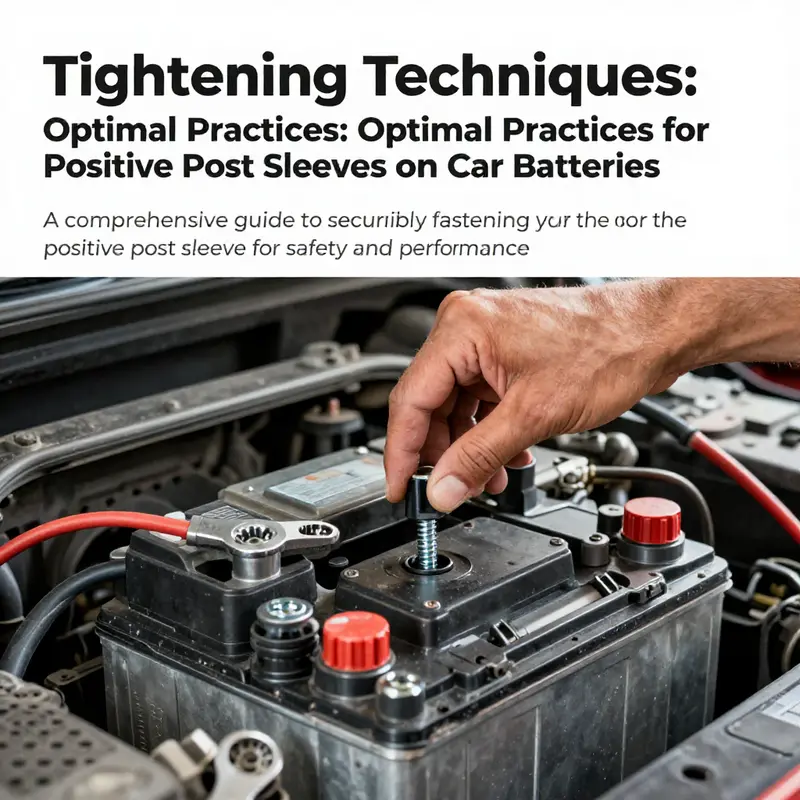
Properly tightening the screw-in positive post sleeve on car batteries is crucial for ensuring effective electrical connections and prolonging battery life. Whether you’re a motorcycle owner, an auto enthusiast, a distributor, or a garage technician, understanding the right techniques for achieving the correct tightness is essential. This guide will delve into proper techniques, safety precautions, the impact of correct tightness on battery performance, and common mistakes to avoid, empowering you with the knowledge to maintain optimal car battery health.
Achieving the Perfect Torque: Mastering the Art of Tightening Your Car Battery’s Positive Post Sleeve
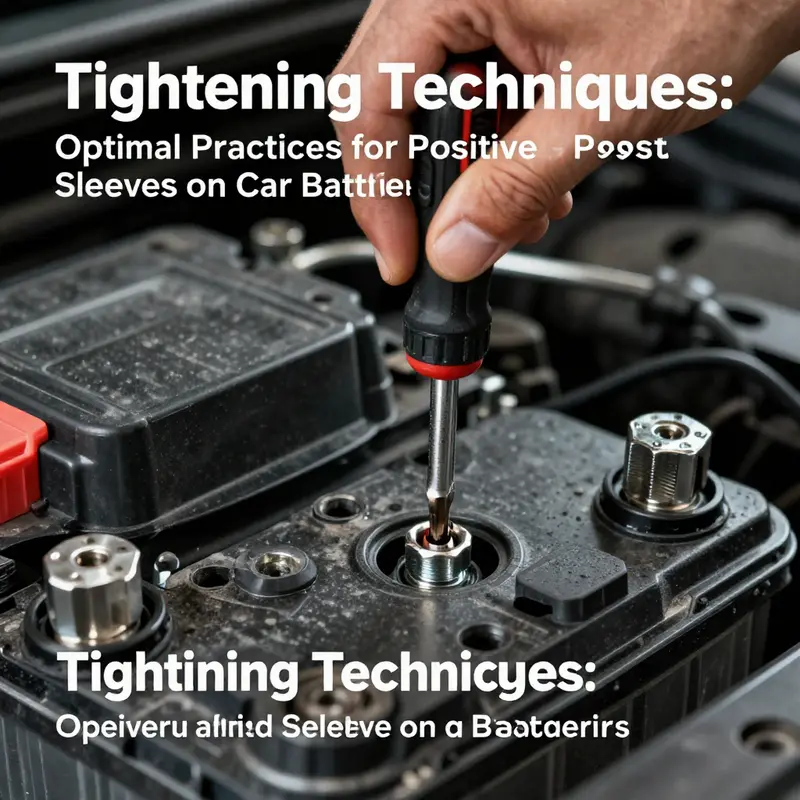
When it comes to maintaining your vehicle’s reliability and safety, every detail matters—especially when it involves the seemingly simple task of tightening the screw in the positive post sleeve of a car battery. This task, though small in scope, is critical for ensuring a reliable electrical connection and preventing potential damage that can lead to battery failure or even more severe mechanical issues. Through careful attention to detail, the proper selection and use of tools, and adherence to recommended torque specifications, one can master the process, ensuring that the battery terminal remains secure while avoiding the hazards of over-tightening.
Before delving into the specifics of the procedure, it is important to understand why precision matters. Car batteries are designed to provide a continuous and reliable flow of electrical current to power everything from engine starters to onboard electronics. An improperly secured battery cable not only compromises performance but also creates a situation ripe for corrosion, arcing, or even overheating. The screw-in positive post sleeve is engineered to make firm contact with the battery terminal, ensuring minimal electrical resistance and maximizing conductivity. When the screw is not tightened to the correct degree, the result can be a loose connection, which might eventually lead to issues such as intermittent power loss or a complete failure of the battery system.
This narrative is not solely about simply twisting a screw; it’s about understanding the principles of secure electrical connectivity and the respect that every component in a vehicle demands. First, one must consider the correct tools for the job. The importance of using the right tool cannot be overstated: a precision screwdriver or a torque wrench with the appropriate bit is required. A torque wrench is particularly useful because it measures the force you are applying, preventing you from using too much force that might inadvertently damage the battery post. When working with any battery system, safety is paramount. Prior to starting, ensure the engine is off and the key is removed to eliminate any possibility of accidental sparks or shorts that could lead to a hazardous situation.
Having the engine off is the first decisive measure in a chain of best practices. After disconnecting the power, a thorough inspection of the battery becomes necessary. Over time, battery terminals accumulate corrosion—a buildup of oxidation that not only interferes with proper conductivity but also complicates the process of securing the cable. Using a wire brush or a solution based on baking soda and water, gently clean the battery terminal as well as the inside of the cable clamp. This cleaning process ensures that both surfaces are free of debris and oxidation, setting up an ideal environment for a secure electrical bond. Once the surfaces are clean and dry, the next step is to position the cable clamp precisely over the battery post. Misalignment even by a slight degree can lead to cross-threading, which can permanently damage the threads of the battery post.
Attention to detail is vital with each step. With the clamp correctly positioned, it is time to insert the screw. Here, the precise design of the screw and sleeve assembly comes into play. The screw must engage with the threads inside the battery post in a way that it tightens evenly and securely. When you begin to turn the screwdriver or torque wrench, do so slowly and deliberately. Rushing this process by using excessive force or power tools increases the risk of misalignment, resulting in a compromised connection. Instead, opt for a gradual approach as you apply force. The ideal scenario is one where the screw is tightened until the sleeve feels secure and snug, but it never reaches a point where excessive force is required to turn it further.
In many automotive systems, the recommended torque setting for battery terminals falls within a specific range. For most vehicles, this range is typically between 15 and 20 in-lbs (or approximately 1.7 to 2.3 Nm). Some battery terminals, depending on the manufacturer’s specifications, may call for a slightly higher range, reaching up to 25 lb-ft in certain cases. It is crucial to refer to the vehicle’s service manual or the battery manufacturer’s guidelines to determine the exact requirements for your specific model. In situations where a torque wrench is available, setting it to the recommended value allows you to precisely control the tightness of the screw while avoiding the common pitfall of over-tightening. This approach not only ensures the longevity of the battery terminal assembly but also helps in minimizing the possibility of internal damage that might occur if the screw is over-torqued.
One must also consider the role of the tool in achieving even, controlled torque. Precision tools, such as a deep-well socket in conjunction with a ratchet, provide stability and control during the tightening process. The use of adjustable wrenches should be avoided unless you are absolutely certain that they will not slip and damage the metal surface. The key is in using a tool that fits snugly onto the screw head, giving you maximum leverage and control over the winding process. It might also be beneficial to practice on a spare component or a mock-up if you are not intimately familiar with the procedure, thereby ensuring that your technique is both gentle and effective.
During the tightening process, it is important to remain vigilant for any signs that the screw is approaching the desired level of tightness. A properly tightened connection will feel uniformly secure, with resistance increasing gradually until no further movement is possible without significant additional force. At this stage, the connection should not be so tight that the battery post is deformed or the internal connections are compromised. Over-tightening is a common mistake that can have severe consequences, including stripping the threads, cracking the battery case, or even compromising the seal around the terminal. All these issues can lead to poor conductivity, which in turn reduces the overall efficiency of the battery contact and can result in costly repairs down the line.
It is also important to consider the effects of temperature and environmental conditions on the battery connection. Vibrations from the engine or changes in temperature can cause even a properly tightened screw to gradually loosen over time. Regular maintenance checks are recommended to ensure that the connection remains secure. This is particularly crucial for vehicles that are frequently used in harsh conditions, such as extreme cold or heat, where thermal expansion and contraction can affect metal components. A periodic inspection not only helps in identifying any potential issues early but also reinforces good maintenance habits that contribute to the overall health of the vehicle’s electrical system.
Many car enthusiasts and professional mechanics alike emphasize the importance of not just completing the task but understanding why every step in the process is performed. Having a comprehensive understanding of how the battery’s positive post sleeve operates as part of a larger electrical system reinforces the significance of using precise techniques. It is not merely a mechanical task but an exercise in preserving the integrity of one of the most critical components of the vehicle. It is also an opportunity to learn more about the principles of torque and how overdoing any process can lead to unexpected complications. This kind of insight serves to empower car owners with the knowledge to perform essential maintenance tasks successfully and safely.
In addition to the detailed procedural steps, it is wise to consider the broader context of regular automotive maintenance. A well-maintained battery is the cornerstone of a reliable vehicle, and this task fits in seamlessly with other practices such as monitoring fluid levels, inspection of electrical wiring, and ensuring that all connections are free of corrosion. For those interested in expanding their understanding of vehicle upkeep, exploring additional topics on comprehensive car maintenance can provide valuable insights. For instance, this article on comprehensive car maintenance skills offers a broader overview of how every component, intertwined with the battery setup, plays a part in overall vehicular performance (click here for some comprehensive car maintenance insights: https://itw-autosleeve.com/blog/car-maintenance-skills/).
Certain scenarios underscore the importance of following best practices meticulously. Consider a situation in which a battery, though appearing to be in good health externally, begins to show signs of intermittent performance issues. Often, the underlying cause can be traced back to a connection that is just a fraction too loose to provide consistent conductivity. In such cases, the severity of the issue might not be immediately apparent until under heavy load or rapid temperature fluctuations, where even minimal contact resistance can generate disproportionately high levels of heat. Such heat can accelerate corrosion and compromise the battery safety features, turning what seems like a minor oversight into an expensive repair job. By contrast, a well-tightened positive post sleeve acts as a reliable safeguard, maintaining optimal pressure and contact area throughout the lifespan of the battery.
The philosophy behind this approach to battery maintenance is founded on a blend of mechanical precision and preventive care. By deliberately applying a controlled level of force using the right tools and techniques, the risk of future downtimes is significantly reduced. This is important not only for the safety of the vehicle but also for the driver’s confidence during everyday travel. Knowing that the battery connection is secure allows one to focus on other aspects of vehicle performance without worrying about potential electrical failures. It reinforces a proactive stance towards maintenance rather than a reactive one, leading to improved longevity and effectiveness of every component.
It is also worth addressing the common misconceptions regarding the use of power tools in this context. While modern power tools have their place in automotive repairs, the nuances involved in tightening a battery terminal demand a level of finesse that only manual or low-power, precision tools can offer. The human touch, combined with a measured approach, ensures that adjustments can be made slowly and continuously monitored for any signs of stress on the battery assembly. This measured application of force is critical in avoiding the pitfalls of over-tightening, which can lead to irreversible damage. Even in professional workshops, mechanics often advise against the use of power tools for such delicate tasks, reaffirming that precision and patience are key.
Integrating all these elements—the selection of the proper tool, ensuring proper alignment, cleaning corrosion, and applying an even, controlled torque—culminates in a process that is both a technical routine and a testament to the principles of mechanical care. In practice, the process unfolds as a series of deliberate steps that, when executed correctly, yield a connection that is as secure as it is efficient. The analogy of assembling a finely tuned instrument can be apt; every twist of the wrench is a note in the symphony of a well-maintained engine. The correct tightening of a battery post is a critical chord in this composition, ensuring that the electrical signals flow unhindered, the device operates reliably, and the overall harmony in the vehicle’s operation is maintained.
Furthermore, attention to detail during component installation is a defining characteristic of professional workmanship. This approach transcends routine maintenance by fostering an environment in which every part is given due consideration. The battery, often hidden beneath the hood and taken for granted until failure, stands as one of the most vital elements in your vehicle’s design. By mastering the art of tightening the battery’s positive post sleeve, you are essentially committing to a standard of excellence that reflects a deep understanding of automotive engineering principles. This kind of commitment can have lasting benefits over time, not only by preventing component failure but also by building a strong foundation of trust between you and the machine you rely on daily.
Attention to the small details, such as the torque applied during the tightening process, is a practice that professionals have honed over years. This discipline is mirrored in industries beyond automotive maintenance, where precision directly correlates with safety and performance. The same principles that guide a mechanic’s hand as it tightens a battery screw can be observed in other fields, such as aerospace engineering or industrial manufacturing. The universality of these principles underscores the broader significance of attention to detail in all technical endeavors. For more technical insights on proper installation practices, external resources such as guidelines provided by SAE International offer a deep dive into the recommended practices and common pitfalls associated with battery cable installation.
In conclusion, the task of tightening the screw in the positive post sleeve of a car battery is a microcosm of automotive maintenance at its best—a blend of precision, methodical care, and keen awareness of the variables that influence mechanical performance. It begins with a clear understanding of the battery’s role in the vehicle’s ecosystem and extends into the diligent application of proper tools and techniques. Whether you are a seasoned mechanic or a car owner with a penchant for hands-on maintenance, mastering this task will not only improve the performance and longevity of your battery but will also enhance your overall understanding of how each component in your vehicle contributes to a harmonious operational system.
Every twist of the screwdriver or torque wrench is a reaffirmation of the principles of precision and care—a reminder that even the smallest component can have a profound impact on the whole. Mastery of such tasks builds a foundation of trust and reliability that extends across every facet of vehicle maintenance, ensuring that your car remains a safe and dependable machine for years to come.
The Art of Secure Connections: Essential Safety Measures When Tightening Your Car Battery’s Positive Post Sleeve
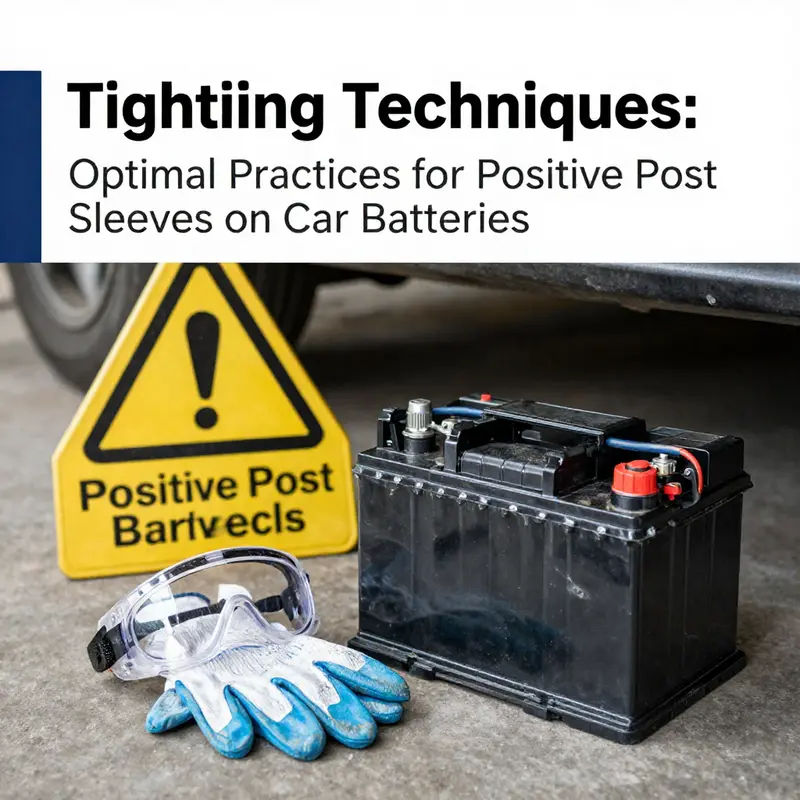
When working on your car battery, every detail matters. In this chapter, we explore the meticulous process of tightening the screw-in positive post sleeve, emphasizing not only a secure electrical connection but also the absolute safety of both the operator and the vehicle. One must consider that battery maintenance is a task that involves high stakes; a little mishandling can lead to hazardous outcomes. By following a thorough, safety-first approach, you can ensure that your battery remains reliable while you protect yourself from potential risks.
Understanding the function and critical design of the positive post sleeve is the cornerstone of safe battery maintenance. The positive post serves as the primary conduit for electrical power. It is connected to various components that rely on a robust electrical pathway, and any compromise in this connection might cause intermittent power delivery or, worse, damage to the system over time. Therefore, tightness is not merely about preventing loose connections – it is about ensuring that the intricate balance of pressures and electrical paths remains intact. The screw-in design is meant to offer an easily serviceable connection, but only if the screw is tightened within a carefully prescribed range, usually between 15 to 20 inch-pounds (1.7 to 2.3 Nm). This precise torque specification has been established after years of engineering refinement and testing. Tightening the screw beyond this recommended range risks stripping the threads, cracking the battery case, or even compromising the protective seal around the connector. Each of these issues could allow corrosive elements or battery acid to infiltrate, drastically reducing battery life and overall vehicle performance.
Before you begin the task, ensure that the vehicle is completely powered down. Removing the key from the ignition, and turning off the engine, is a primary step that cannot be overlooked. The battery, even when not in active use, stores a significant amount of energy, and any accidental discharge could result in a spark, or worse, an explosion if hydrogen gas is present. The risk might seem remote, but the consequences of a single oversight in this area are dire. In doing so, you protect not only the battery but also the sensitive electronics connected throughout your car. This simple act of deactivating the engine is the first line of defense against unwanted electrical incidents.
Safety protocols do not end with merely ensuring that the engine is off. The next essential step is the selection of the right tools for the job. Tools with insulated handles are critical when dealing with any electrical connections. Unlike standard metal tools, insulated tools help to prevent a direct path for electrical current, which may inadvertently pass through your hand or body. Commonly, a precision screwdriver or a torque wrench fitted with a small bit is recommended. Torque wrenches, in particular, offer the distinct advantage of allowing you to set an exact threshold – ensuring that you don’t exceed the 15 to 20 in-lbs requirement. When using any tool, remember that the integrity of your work is intimately tied to the proper application of force. Failing to use the correct tool not only endangers you with the risk of an electrical shock but can also cause damage to the battery terminal.
The protective equipment you choose to wear plays an equally critical role in the safety process. It is advisable to don safety glasses to safeguard your eyes from accidental sparks or any errant battery acid droplets that may be expelled during the tightening process. In addition to eye protection, gloves offer dual benefits – they protect your hands from corrosive substances and provide a better grip, minimizing the likelihood of tool slippage. Such personal protective equipment (PPE) is not optional; it is an integral component of a comprehensive safety plan. Failing to wear PPE can expose you to hazards that are both immediate and long-term. The small inconvenience of donning gloves and glasses is a modest price to pay compared to the risks of handling live electrical components without them.
In addition to insulation and PPE, personal conduct during the task should also be addressed. It is critical to remove any metal jewelry—such as rings, bracelets, or watches—before working on the battery. These items can inadvertently create a conductive path for electricity and might cause burns or electrical shocks if they contact the battery terminals. Metal jewelry is a seemingly innocuous accessory in everyday life but becomes a potential hazard in environments where electrical currents are involved. Maintaining a clear, uncluttered workspace not only helps in focusing on the task at hand but also avoids accidental contacts that could magnify the risks.
The environment in which you perform battery maintenance is another essential consideration. Car batteries emit hydrogen gas during charging and discharging. Although the gas is not harmful under normal conditions, it poses an explosion risk when allowed to accumulate, particularly in enclosed spaces. Working in an open or well-ventilated area dissipates any hydrogen buildup and minimizes the chance of triggering a hazardous reaction. If your battery work must be performed in a confined space, take extra steps to ensure that there is adequate ventilation in the area. Opening a window or door, or even using a fan to circulate air, can dramatically lower the risk profile of the task. These precautions, while sometimes overlooked, can make the difference between a safe battery maintenance session and a potentially disastrous incident.
Even once the engine is shut off, and the appropriate tools and protective gear are in place, one must be mindful of the actual process of tightening the screw in the positive post sleeve. The ideal approach is to secure the connection firmly, ensuring that the screw is snug enough to maintain a robust electrical pathway without resorting to brute force techniques. Over-tightening is a common pitfall; it is tempting, especially if you perceive the need for an unyielding connection, to apply more force than necessary. However, the battery’s components are engineered to withstand a certain degree of tension, and exceeding this tolerance can cause deformation or stress in the metal. When using a torque wrench, set it to the recommended range and tighten steadily until the wrench indicates that the target torque has been reached. Patience is key during this stage of the process. Rushing can lead to a situation where you inadvertently strip the threads, which not only compromises the current repair but may also result in costly damage to the battery assembly.
The intricacies of the tightening process extend beyond just the screw and the post sleeve. Attention must also be paid to any adjacent components, wiring, and the overall condition of the battery terminals. Any corrosion or deposits that have accumulated around the terminal must be cleaned away, as they could interfere with the establishment of a solid electrical connection. Using a battery cleaning solution or a mixture of baking soda and water can help neutralize corrosive substances. This cleaning process should be undertaken carefully; avoid excessive moisture near the battery, as water and electricity are a dangerous combination. Once the terminals are clean and dry, confirm that the screw-in sleeve is free from any debris that could impede its function. A simple inspection at this stage can save you from future complications.
Once the positive post sleeve is securely fastened, it is prudent to visually inspect the surrounding area. Look for any signs of damage, such as cracks in the battery case or deformations in the terminal. Such evidence could indicate that the piece has been over-tightened or that there may have been pre-existing wear. If any issues are detected, it is best to consult the vehicle’s service manual or seek guidance from a professional technician. Relying on proper documentation ensures that you are following the manufacturer’s guidelines and helps maintain the longevity of your battery assembly. In this context, the interplay between manual diligence and mechanical care cannot be overstated.
Another important consideration is the quality of the connection from an electrical perspective. A properly tightened screw in the positive post sleeve should result in a stable, low-resistance pathway. This is crucial for optimal battery performance. Any excessive looseness or overtightening can lead to intermittent electrical faults, which may disrupt the overall operation of your car’s systems. The balance of mechanical tightness and electrical conductivity is delicate and must be monitored closely. In many respects, battery maintenance is as much an art as it is a technical procedure—a discipline that requires continuous learning and adherence to safety protocols.
Equally important is understanding that safe battery maintenance extends beyond your immediate actions. It involves recognizing and mitigating long-term risks. Over time, repeated tightening or inadvertent errors could create an environment where corrosion becomes more prevalent, or where the structural integrity of the battery components is compromised. Regular checks and scheduled maintenance not only enhance battery longevity but also provide an opportunity to reassess your safety practices. Maintaining a maintenance log or checklist can be valuable. Such records serve as a reminder of past actions and inform you of any adjustments needed in your approach.
Many vehicle owners find that learning about car maintenance not only promotes safety but also empowers them with confidence in handling various tasks. For those interested in building a broader skill set, resources such as essential car maintenance skills offer additional insights into practices that safeguard both the vehicle’s performance and the mechanic’s safety. These skills, developed over time, are crucial in ensuring that every intervention you make on your car is both effective and secure.
The techniques for properly tightening the screw in the positive post sleeve are designed to be repeatable, yet every situation may introduce subtle differences. Even slight variations in battery design, environmental conditions, or the quality of tools employed can influence the outcome of the maintenance task. The recommended torque of 15 to 20 in-lbs is a general guideline that works for most automotive batteries, but always refer to your specific vehicle or battery manufacturer’s recommendations if they differ. These design specifics underscore the need for personalized care and caution. In situations where the battery or terminals display unusual wear or if you encounter resistance when tightening the screw, it is advisable to proceed with increased vigilance. Adjust your approach based on the visual and tactile feedback you receive, without compromising on safety. The interplay of exact tool calibration and the tactile feedback from the battery itself is a skill honed through experience and careful observation.
A deeper examination of the materials involved reveals further nuances. Battery posts and sleeves are generally made of metal alloys designed to balance conductivity with strength. However, these materials are not impervious to wear. Metal fatigue can occur if the screw is tightened repeatedly with excessive force, risking the gradual weakening of the battery terminal’s structural integrity. This degradation may not be immediately apparent, but over time it can result in a loose connection or even battery failure. As such, understanding the physical properties of the materials at hand is as critical as knowing the proper torque specifications. It reminds the operator that every mechanical engagement has a finite lifespan that is influenced by the frequency of maintenance interventions and the care taken during each process.
While the electrical and mechanical aspects of the tightening process are paramount, there is also an important psychological dimension to consider. Approaching battery maintenance with a mindset of caution and respect for the potential hazards is essential. This is not a task to be rushed or taken lightly. The calm, deliberate actions you take—whether it is wiping the battery terminals clean or slowly tightening the screw—reflect an understanding that safety is not an abstract principle, but a set of concrete behaviors that protect you and your vehicle. Cultivating this mindset means acknowledging the inherent risks and developing habits that minimize them. In time, these practices lead to a more intuitive and responsive approach to all aspects of automotive care.
At its core, the process of tightening a screw in the positive post sleeve is an exercise in balance. It demands the right amount of pressure, the right tools, and, most importantly, the right mental focus. Every step, from ensuring the engine is switched off to conducting a final visual inspection, is part of a comprehensive safety routine designed to prevent accidents and extend the lifespan of the battery system. The act of tightening this screw is symbolic of the broader responsibilities that come with vehicle ownership—it is a small but significant reminder that safe practices and attention to detail are the foundations of reliable performance.
Even when your work is complete, the lessons learned from each maintenance session remain valuable. Regularly revisiting safety protocols and updating your skills can help reinforce good habits. It might be beneficial to periodically review up-to-date guidelines, such as those provided by established external authorities. For further details on safety measures and proper procedures regarding battery maintenance, you can consult the Tesla Service guidelines available at Battery Pack Contactors – High Voltage – Positive (Removal and Replacement). These resources offer insights that, when combined with hands-on experience, ensure that each maintenance activity contributes positively to both vehicle performance and personal safety.
In summary, the process of tightening the screw in the positive post sleeve on your car battery encapsulates a wide range of technical and safety-oriented considerations. From ensuring the vehicle is completely off and using insulated tools to wearing appropriate protective gear and working in a well-ventilated area, every step is designed to safeguard both you and the vehicle’s performance. The task requires a delicate balance of mechanical skill, precision, and an unwavering commitment to safety. With proper attention to detail and adherence to established guidelines, you can master this essential maintenance procedure, ensuring reliable battery function and contributing to the overall longevity of your vehicle. This comprehensive approach to battery maintenance is a testament to the importance of combining technical expertise with rigorous safety protocols—a practice that will serve well across all aspects of automotive care.
Locking in Power: The Critical Impact of Proper Screw Tightness on Car Battery Lifespan and Performance
Ensuring an Unyielding Connection
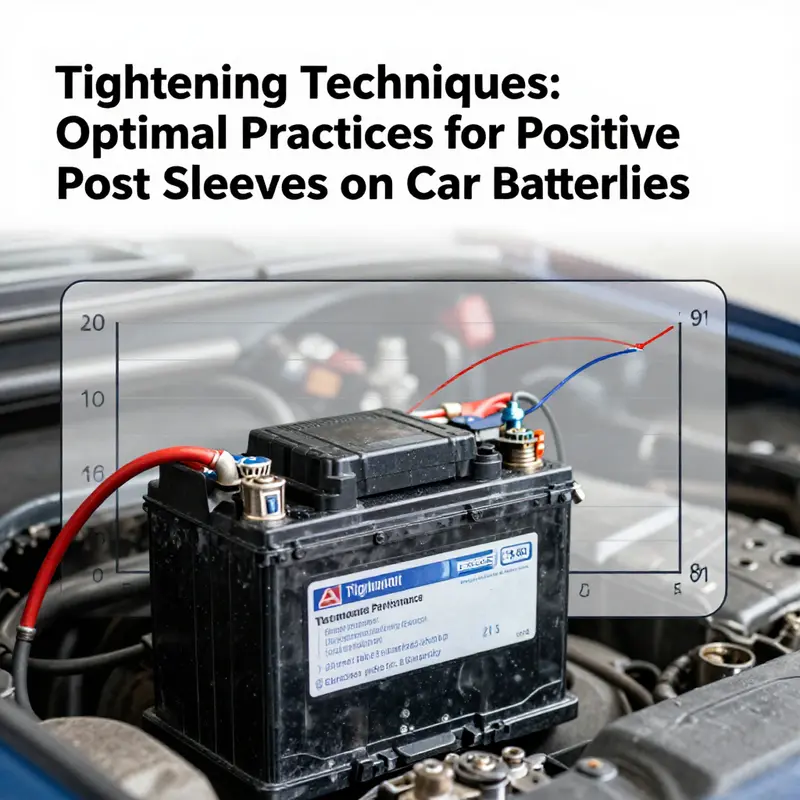
In the world of automotive maintenance, many factors contribute to a car’s performance and longevity, yet one often overlooked detail is the exact torque used when tightening the screw-in positive post sleeve on a car battery. It might seem a small detail, but ensuring that this screw is neither too loose nor over-tightened is crucial for sustaining an optimal electrical connection that underwrites the entire vehicle’s operation. In most cases, the recommended torque value falls between 15 to 20 in-lbs (1.7 to 2.3 Nm), a range that guarantees a secure fit while preventing damage to the battery terminal and the sleeve itself. Using the correct amount of force means achieving a connection that is both resilient under the vibrations and conditions of travel and flexible enough not to compromise the delicate balance between pressure and electrical conductivity. This not only preserves battery efficiency but also extends the battery’s overall lifespan. When technicians and car enthusiasts alike follow these guidelines, they help to reduce the risk of engine startup issues, erratic voltage delivery, and interference with sensitive onboard electronic systems.
Proper tightening serves as the bedrock for establishing a stable electrical link between the battery and every component it feeds power into. As a car’s electronic system becomes more sophisticated, even minimal interruptions in power can lead to substantial performance issues. Modern control units, sensors, and ignition systems depend on a clean, stable voltage to function correctly. A loose connection can cause intermittent contact and, consequently, fluctuating voltage levels, which may lead not only to difficulty starting the engine but also to long-term wear on these sensitive components. Furthermore, the disruption caused by an unstable connection might interfere with the fuel injection system and the engine management unit, potentially leading to erratic idling or unexpected shutdowns. When vibrations from the road amplify the instability, the risks increase exponentially, giving rise to concerns that can range from minor inconveniences to complete system failures in worst-case scenarios.
Balancing Act: Risks of Both Insufficient and Excessive Tightness
The fine line between an adequately secured battery terminal and one that is over-tightened is critical. If the screw remains too loose, the battery can move during travel, causing abrasion against other components or stressing the connections in a way that results in eventual wear out or detachment. Road vibrations, inherent in any driving condition, may gradually loosen the connection further, seeding conditions ripe for arcing and intermittent contact. Arcing, which occurs when the electrical current jumps across a small gap, can generate enough heat to damage the connector, melt insulation, or even ignite nearby flammable materials, posing serious fire hazards. This not only jeopardizes the safety of the vehicle but can also lead to sudden, unexpected power losses that leave drivers stranded in potentially dangerous circumstances.
On the flip side, over-tightening brings its unique set of complications. Applying force beyond the manufacturer-recommended torque can crack the battery’s casings, damage the plate separators, or even deform the metal components that make up the terminal. The battery is engineered to accommodate only a specific level of physical stress, and exceeding this threshold might lead to internal damage that compromises the battery’s ability to hold and deliver a charge. It is not merely the terminal that suffers; the complete battery structure suffers when bolts and screws are driven too tightly. Over-tightening can also result in a loss of the intended protective seal around the terminal, making it more vulnerable to corrosion and other environmental hazards. The damage, though initially subtle, can lead to a rapid decline in battery performance and accelerate the need for premature battery replacement.
A Closer Look at Electrical Efficiency and Safety
A car battery is no ordinary component – it serves as the essential nexus that delivers power where and when it is needed. A battery that is not securely connected can affect every facet of vehicle operation, from the electrical control units to the smaller circuits that govern comfort features and safety systems. When everyone working on a car, from mechanics to DIY enthusiasts, understands the importance of hitting the right torque mark, they are inherently investing in the longevity of the vehicle. With a secure connection in place, the electrical energy flows in a controlled and predictable manner, preventing detrimental voltage spikes or drops that can disrupt the operation of critical components. Moreover, a well-maintained battery terminal prevents symptoms such as dimming headlights, intermittent dashboard warnings, and the kind of electronic irregularities that can confuse even sophisticated diagnostic systems.
From a safety perspective, ensuring that battery terminals are properly tightened is an unequivocal priority. Improperly fastened connections could lead to a domino effect of safety issues. For instance, in the event of an accident or a simple jolt, a loosely attached battery might shift or even disconnect suddenly. Such a scenario not only affects the power delivery but might also trigger unexpected electrical surges, risking damage to vital vehicle systems. Additionally, loose connections are more prone to corrosion, which further exacerbates the problem by increasing electrical resistance. In harsh weather conditions, moisture ingress into a poorly sealed terminal can lead to electrochemical reactions that diminish contact quality even further. Hence, adopting a balanced approach to tightening the battery screw is as much about preserving performance as it is about safeguarding the vehicle and its occupants.
Precision Tools and Technical Excellence in Car Maintenance
Achieving the perfect torque on a battery terminal screw demands both precision and the right set of tools. Many technicians prefer a precision screwdriver or a torque wrench with a small bit that is specifically calibrated to deliver the recommended amount of torque. This not only ensures adherence to manufacturer guidelines but also minimizes the chance of human error during installation or maintenance. Task-specific tools empower the operator to feel for the exact moment when the connection becomes snug, signaling that the terminal is neither too tight to cause damage nor too loose to risk performance. The importance of using proper tools cannot be overstated – investing in the right equipment is a proactive step toward reducing maintenance costs and improving the overall reliability of the vehicle.
In practice, ensuring that the battery terminal is secure involves a careful, deliberate process that begins with making sure the engine is off and the key removed to prevent any accidental shorts or electrical shocks. Once the battery is safely isolated from the active electrical system, the technician removes any corrosion or debris that might have built up on the positive post sleeve. This cleaning process is crucial because even minor contaminants can interfere with the electrical connection. After preparation, the technician uses the appropriate tool to tighten the terminal screw slowly, checking continuously for the point of resistance. This measured approach helps in recognizing the subtle change in tension that indicates the connection is adequately secure.
Furthermore, the integration of technological aids, such as digital torque wrenches, has helped standardize the process. These tools enable precise measurement of the force applied, which in turn ensures consistent adherence to the recommended 15 to 20 in-lbs range. The digital readouts provide immediate feedback, which is particularly useful in workshop environments where multiple technicians may work on the same vehicle or different vehicles with varying specifications. When every connection is made with the same degree of confidence, it reinforces the reliability of the battery connection as a whole and ensures that the cumulative impact on vehicle performance is positive. For those aspiring to hone their automotive repair and maintenance expertise, mastering the use of such tools and understanding their correlation with battery performance is a valuable skill. For more nuanced ideas on this subject, consider exploring our article on essential car maintenance skills, which delves into similar themes with an emphasis on precision and care.
Long-Term Benefits of Adhering to Best Practices
When considering the longevity of a car battery beyond its immediate function, the considerations extend into the realm of preventive care and long-term performance stability. A battery fitted with a properly tightened screw terminal not only functions efficiently on a day-to-day basis but also demonstrates resilience over years of use. Preventive maintenance, such as regular checks on the battery terminal tightness, is a vital habit that can dramatically reduce the likelihood of unforeseen power failures. Given the centrality of the battery in every electrical aspect of a modern vehicle, even a minor lapse in maintenance can lead to cascading issues that may be expensive to repair. The cumulative stress on battery components due to a loose or overly tightened connection may not be immediately noticeable; however, over time it contributes significantly to the degradation process.
One of the often-overlooked advantages of applying the correct torque is the preservation of the battery’s internal architecture. When the terminal remains securely in place, it minimizes the mechanical stresses that might otherwise compromise delicate internal components such as the battery plates and separators. Keeping these elements intact and free from stress-induced damage is essential for maintaining the battery’s efficiency and the overall health of its chemical reactions. The proper sealing of the connection also prevents moisture ingress and the subsequent risk of corrosion, both of which are major culprits behind the deterioration of battery terminals. Corrosion not only interferes with the electrical connection but also accelerates wear and tear, making regular maintenance an indispensable part of long-term vehicle care.
The benefits extend beyond just preventing physical damage. A secure and well-maintained terminal supports a stable and efficient energy transfer, reducing the likelihood of voltage drops that can stress the electronic systems in the car. When every circuit receives the power it needs without interruption, the battery operates within its optimal performance parameters, ensuring that both the engine and auxiliary systems, such as infotainment and climate control, function without hiccups. Moreover, when technicians adhere to manufacturer specifications, they significantly diminish the risk of warranty issues or the need for costly repairs later on. This proactive approach fosters an environment where safety, efficiency, and reliability are at the forefront of automotive maintenance practices.
Integrating Best Practices into Everyday Car Care
The implications of proper battery terminal tightness are far-reaching and underscore a vital principle of car care: attention to detail matters. The process of maintaining the screw-in positive post sleeve is more than a simple maintenance task; it is an essential practice that underscores the broader philosophy of preventive automotive care. By following established guidelines—ensuring that the torque is set precisely between 15 and 20 in-lbs—a technician not only secures the immediate electrical connection but also protects the vehicle from the potentially serious consequences of power irregularities and mechanical wear. This care ultimately contributes to the long-term reliability of the battery and, by extension, the overall vehicle.
The art of car maintenance is built on a foundation of precision, consistency, and vigilance. When every connection, no matter how small, is given the appropriate attention, the benefits extend far beyond enhanced performance metrics. They build trust in the vehicle’s ability to perform reliably under varied conditions, from cold winter mornings that test starting strength to long summer days when every component must work in harmony. Maintaining a proper battery terminal connection is emblematic of a broader commitment to meticulous care and technical excellence in automotive service, ensuring that each journey is as safe and reliable as the last.
For technicians and car owners alike, understanding the fundamentals of proper screw tightness is a key component in the broader landscape of vehicle maintenance. The process is deceptively simple yet technologically nuanced, requiring a harmonious balance between mechanical force and the requirements of modern electronics. Adhering to manufacturer guidelines and leveraging the right tools are steps that can make a dramatic difference in the long-term outcome of adhesive, electrical, and mechanical stability. Each time the terminal is checked and tightened with the recommended precision, the potential for future complications diminishes, paving the way for a smoother, more reliable driving experience.
In this way, the act of tightening a battery terminal transcends its immediate practical function and becomes a symbol of the detailed care that underpins successful vehicle maintenance. It is a preventative measure that protects against a host of issues ranging from engine startup failures to dangerous electrical hazards. Over time, the cumulative benefits of ensuring the correct tightness become clear: a battery that sits securely supports consistent power delivery, minimizes wear on internal components, and ultimately extends the functional lifespan of a vital automotive asset. As drivers and mechanics embrace these best practices, they contribute to a broader culture of accountability and technical precision that safeguards both performance and safety.
For those interested in expanding their knowledge on related topics, understanding the specific technical details of battery maintenance is an investment that pays dividends in reliability and safety. Every step taken to achieve the correct terminal tightness is one step closer to preventing unexpected failures and costly repairs, and promoting a smoother, more dependable ride. For further technical details and in-depth guidelines on how to properly secure your battery terminals, please refer to the comprehensive article available from AutoZone: How to Properly Tighten a Car Battery Terminal – AutoZone.
Mastering the Art of Secure Battery Connections: Avoiding Critical Pitfalls in Tightening the Positive Post Sleeve
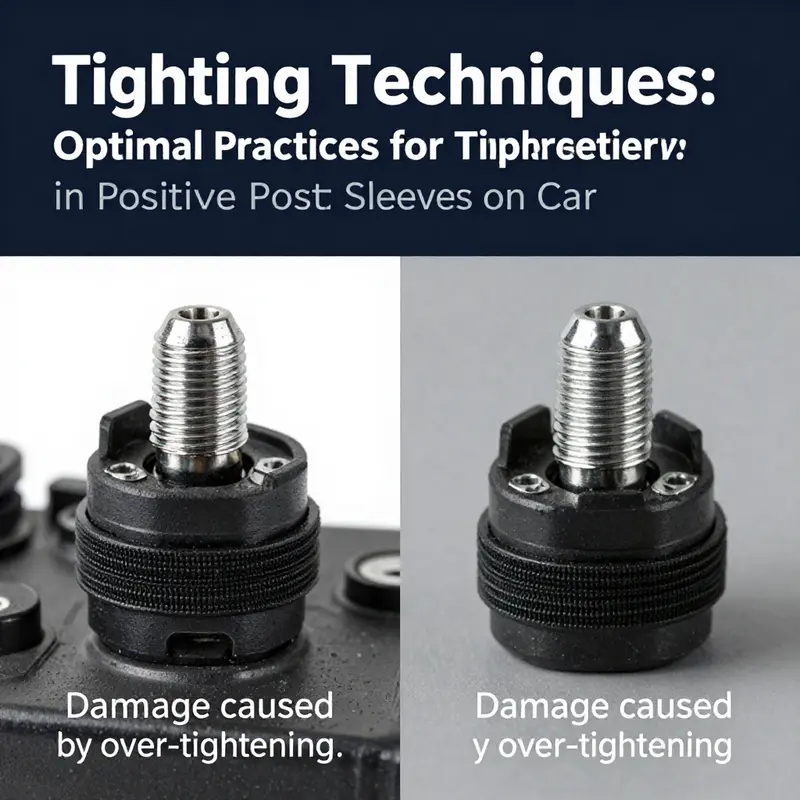
When working on a car battery, every small action can have a profound impact on the overall safety and functionality of your vehicle. It may seem trivial, yet tightening the screw on the positive post sleeve is an art that requires a careful balance between sufficient firmness and the avoidance of over-application of force. In this chapter, we delve into the intricate factors that contribute to common mistakes in this process, examining the precise techniques recommended by experts. Whether you are an experienced technician or a DIY enthusiast, understanding these pitfalls is essential for ensuring reliable electrical connections, preventing potential damage, and extending the longevity of your battery.
One of the gravest errors involves not following the proper sequence during installation. The importance of connecting the positive terminal before the negative cannot be overstated. The reason for this order is safety and functionality alike. Connecting the negative terminal first can lead to unintended contact between your tool and other grounded parts of the vehicle, thereby increasing the risk of a short circuit. A short circuit can produce sparks, which are particularly hazardous when flammable vapors are present in the engine bay. As such, regardless of whether you are connecting or disconnecting the battery, vigilance in following the proper sequence can significantly reduce the odds of an accident. This fundamental step parallels the broader principle of meticulous car maintenance, where each action is executed in the correct order to ensure that no inadvertent complications arise. For more on maintaining a robust battery system, you might explore some of the insights shared in essential car maintenance practices.
Equally crucial is the balance between over-tightening and under-tightening the positive post sleeve. Under-tightening a screw may result in poor electrical contact, and the ensuing high resistance can have a cascading effect on the entire electrical system. High resistance not only causes voltage drops, but it can also lead to the build-up of heat at the connection point. In severe cases, excessive heat generation can cause a failure to start the vehicle—an occurrence that could leave you stranded in inconvenient circumstances. Conversely, over-tightening poses its own set of hazards. When the screw is tightened past the recommended torque, it can cause deformation of the metal components, strip the threads on the battery post, or even crack the entire assembly. It is critical to follow the manufacturer’s guidelines for tightening, which for many automotive battery terminals is typically recommended within a modest range of torque—often around 15 to 20 in-lbs or 1.7 to 2.3 Nm. Precision in application, often ensured through the use of dedicated tools such as a torque wrench or a precision screwdriver, is the keystone to achieving a secure yet gentle connection.
In addition to sequence and torque control, surface preparation is a factor that is commonly overlooked but is absolutely vital. A connection that appears tight at first glance can be nothing short of deceptive if contaminants are present on the battery post or inside the terminal. Dirt, rust, oxidation, oil, or grease can form a barrier between the metal surfaces that ultimately undermines the quality of the electrical connection. In many cases, even when the screw is firmly tightened, these impurities create an insulating layer that can block or significantly reduce the flow of electrical current. This phenomenon, sometimes referred to as the “fake tight” trap, is particularly pernicious because it offers a false sense of security. Regular cleaning of the battery post and the corresponding terminal area with a wire brush until a pristine metallic surface is revealed is essential. Furthermore, applying a thin layer of conductive grease or a battery terminal protector can help seal the connection from future exposure to moisture and air, thereby preventing premature corrosion.
The use of proper tools cannot be stressed enough in the discussion of battery terminal maintenance. Often, professionals and amateurs alike are tempted to use makeshift tools such as adjustable wrenches or pliers in place of calibrated instruments. Such tools seldom provide the degree of control necessary for a secure and reliable connection. In one notable instance, a technician mistakenly used standard open-end wrenches, achieving only a fraction of the required torque despite believing the connection was sufficiently secure. This so-called “false tightness” situation not only jeopardizes the efficacy of the connection but can also hide latent weaknesses that may manifest later as mechanical failures. Reliance on calibrated tools like torque wrenches, which are designed to measure and control the rotational force applied, ensures that every fastening meets the exact standards specified by the manufacturer. This attention to precision plays an integral part in ensuring that the battery remains both safe to handle and effective in its role as a reliable power source.
Technical discipline and adherence to guidelines extend beyond the initial connection process. Maintenance does not end after the screw has been tightened; rather, it is an ongoing commitment to quality and safety. Over time, oxidation is bound to set in as the result of exposure to the environment. Without proactive measures to counter this, even the most impeccably tightened connection can degrade. Applying an anti-oxidation compound helps counter the natural processes of corrosion. This preventive measure is a testament to the mindset of prevention over repair. By investing a little extra time during the initial installation—not only in cleaning but also in protecting the cleaned surfaces—a technician can significantly extend the period between maintenance cycles. This comprehensive approach to battery care, which combines precise technique with thoughtful aftercare, is emblematic of robust vehicle maintenance procedures.
A common theme throughout these discussions is the need for measured precision. Each stage of work on the battery terminal, from the initial disconnection to cleaning, applying protective compounds, and finally re-tightening, requires full attention to both detail and sequence. The high stakes inherent in working around car batteries require that every step be executed without error. Even a slight deviation may have unforeseen consequences, ranging from inefficient power distribution to catastrophic circuit failures. This is why training and experience are so highly prized in the realm of automotive maintenance; the consequences of error can be both costly and dangerous. For any car owner, understanding these technical nuances is key to preserving both safety and performance. The intersection of proper sequence, accurate torque application, diligent cleaning, and subsequent protection forms a process that is as methodical as it is simple—true mastery comes in the ability to execute these steps without deviation.
A vivid example of the critical nature of these processes can be found in routine service checks and unexpected breakdowns. Consider a scenario where the battery’s positive post sleeve was not adequately tightened. The consequence might be a gradual buildup in resistance, leading to intermittent electrical failures, faltering engine starts during cold fields, and even unexplained warning lights on the instrument panel. Such elusive symptoms often baffle even seasoned mechanics, as the underlying root cause may be as subtle as a few degrees of misalignment or a barely perceptible gap in the contact surface. In contrast, a properly tightened connection—achieved through the correct use of tools and methodical procedures—avoids these pitfalls, ensuring that every pulse of current is transmitted with maximum efficiency. This example underscores the importance of precision, preventive maintenance, and a healthy skepticism of shortcuts. Each step must be followed with care, and each potential hazard must be addressed before it manifests in the form of a larger, more problematic failure.
Beyond the technical aspects, a responsible attitude towards battery maintenance requires a holistic view of vehicle care. Car batteries are among the most critical and sensitive components in your vehicle’s electrical system, and any compromise in their performance can have a cascading effect on the entire system. A holistic approach involves not only the application of proper mechanical techniques but also the implementation of routine checks and balances. Before any work is performed, ensuring that the vehicle is completely powered down and that the keys are removed eliminates the risk of accidental short circuits. Following the sequence of cleaning, inspecting, applying protective compounds, and then tightening ensures that every operation is conducted within a framework of safety and efficiency. Such an approach reflects a broader philosophy of car care where the interplay between precision, routine, and precaution defines effective maintenance practices.
In summary, the process of tightening the screw in the positive post sleeve on a car battery is much more than a routine task—it is a delicate balance of science, safety, and disciplined technique. From the critical importance of connecting the positive terminal before the negative, to the dangers posed by both under-tightening and over-tightening, the details of every step matter immensely. A proper cleaning routine followed by the careful application of anti-oxidation measures further ensures that a connection remains both strong and reliable over time. The use of proper, calibrated tools like a torque wrench instead of makeshift alternatives serves not only to secure a connection but also to safeguard the entire electrical system of the vehicle. Each of these steps, when performed with conscientious attention, contributes to the overall reliability and performance of the car battery.
For those who are invested in the integrity of their vehicle’s power system, these practices are a reminder of the importance of routine maintenance and precise execution. Every time you approach a car battery, you are reminded that this small but essential component holds within it the balance between power and safety. Challenges such as corrosion, improper torque application, and the use of unsuitable tools are not insurmountable obstacles; they are reminders of the necessity for diligence and care in every mechanical task. Maintaining proper procedures not only prolongs the life of the battery but also ensures that your vehicle is less prone to unexpected failures that could otherwise lead to hazardous situations on the road.
In closing, it is clear that the art of tightening the screw in the positive post sleeve on a car battery demands respect, careful technique, and an ongoing commitment to safety. Whether you are performing a routine check or addressing an unexpected issue, adherence to the correct sequence and torque recommendations will pay dividends in terms of reliability and performance. This process, with all its nuances—from meticulously cleaning contact surfaces to applying protective measures and using the right tools—is emblematic of the level of detail that modern automotive maintenance commands. For further insights into comprehensive vehicle upkeep and the importance of precision in every repair, you may wish to read more about essential car maintenance practices.
For additional external guidance on ensuring optimal battery terminal connections, consider reviewing the detailed recommendations found in the AutoZone battery terminal guide (https://www.autozone.com/battery-and-charging/battery-terminal-connections/repair-guide).
Final thoughts
In conclusion, mastering the techniques for tightening the screw-in positive post sleeve on your car battery is vital for ensuring safety, performance, and battery longevity. By adhering to recommended practices and being aware of common errors, you can maintain a secure electrical connection that supports your vehicle’s operational needs. Remember to always prioritize safety and consult your vehicle’s service manual when in doubt. With these insights, you’ll enhance not only the efficacy of your battery but also your proficiency as a vehicle owner.