
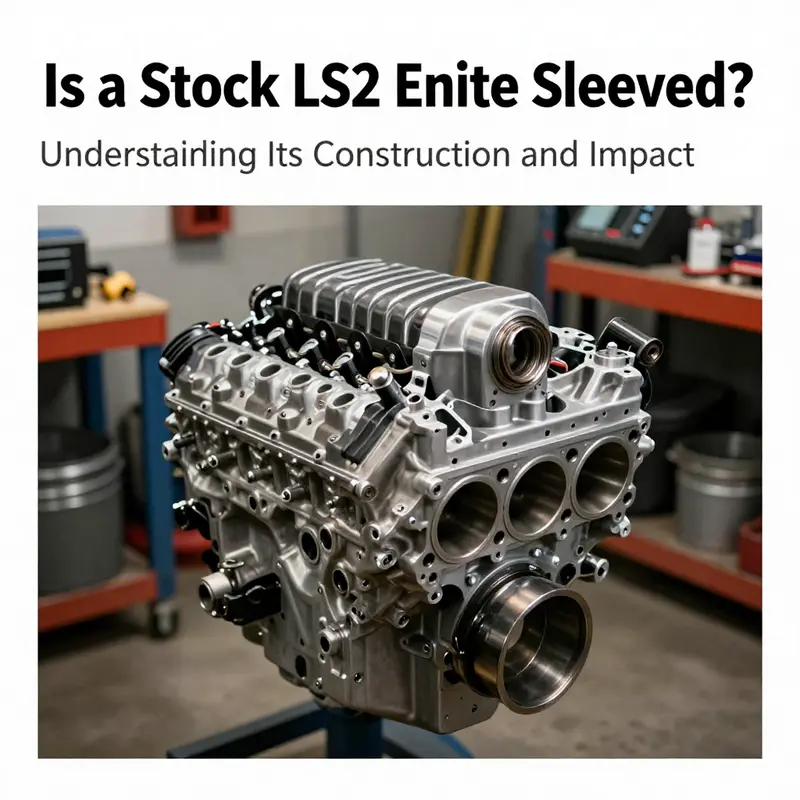
The LS2 engine, a standout in General Motors’ LS series of small-block V8s, often sparks conversations around whether it is ‘sleeved.’ For motorcycle owners, auto enthusiasts, distributors, and repair professionals, understanding this detail is more than just trivia—it directly affects performance tuning, repair strategies, and buying decisions. While the LS2 uses cast iron cylinder liners integrated into its aluminum block, these are not the removable sleeves commonly associated with aftermarket modification. The upcoming chapters explain the LS2’s construction in technical-yet-accessible terms, clarify factory vs aftermarket sleeve definitions, and assess how this design choice influences durability, performance, and service practices.
Inside the LS2: How Its Cylinder Walls Are Built and Why It’s Not a ‘Sleeved’ Engine
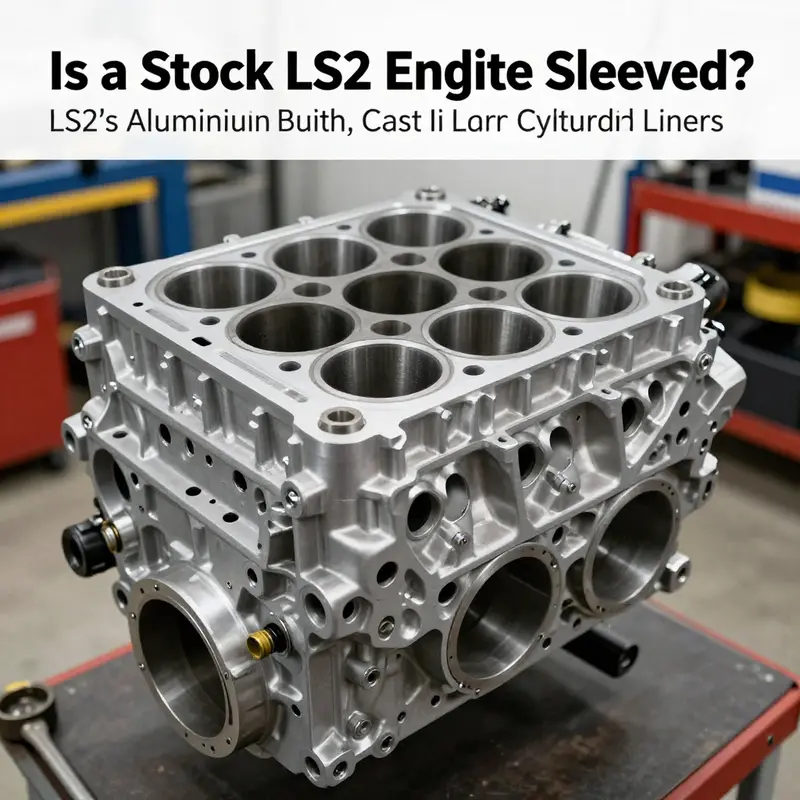
Understanding what it means for an engine to be “sleeved” requires a clear look at materials and manufacturing methods. The LS2 is often the subject of this question because its construction mixes aluminum and iron in ways that can be confusing. At a glance, you might hear that the LS2 has “liners” or “sleeves,” and the terms can be used loosely. This chapter clarifies how the LS2’s cylinder walls are formed, why that differs from aftermarket sleeving, and what the distinction means for durability, repairs, and performance.
The core of the issue is simple: there are two concepts people often call “sleeves.” One is an engineered cylinder liner that is machined or inserted into a block after casting—an aftermarket steel sleeve or a removable wet sleeve. The other is a factory method where the bore surface is provided by a cast or pressed-in iron liner during the block’s manufacture. The latter appears similar to a sleeve in some descriptions, but it is structurally and functionally different from a serviceable or replaceable sleeve installed later. The LS2 falls into the latter category—its cylinder bores are not formed from a one-piece steel tube you can easily extract and replace like some aftermarket or marine engines. Instead, the bore surfaces are created as part of the block’s casting and finishing process.
What matters most to owners and builders is how the cylinder walls resist wear and heat. Aluminum blocks save weight and help engines respond quickly, but aluminum on its own cannot withstand repeated piston travel and high combustion pressures without a hardened surface. To solve this, manufacturers commonly combine an aluminum block with harder bore material. In many small-block engines of modern construction, that hard surface comes from cast iron liners that are integrated into the aluminum structure. These liners provide the required wear resistance and help control thermal expansion differences between the block and the piston assembly.
In practice, there are a few ways this is achieved. A cast-in liner is produced as part of the casting process; the cylinder liner material becomes bonded or captured within the aluminum during casting. A pressed-in or inserted iron sleeve is mechanically installed into the finished aluminum block. Wet sleeves are entirely removable and seal against coolant, while dry sleeves do not contact coolant directly and rely on the block for heat transfer. Each approach has distinct thermal and service characteristics. The LS2’s production method places it among engines where the bore material is part of the block’s finished assembly rather than an aftermarket add-on.
This distinction has implications for performance modifications and long-term maintenance. When someone proposes boring the block to oversize pistons or repairing a damaged cylinder, the method and feasibility depend on whether the block holds removable sleeves or integral liners. An aluminum block with non-removable cast liners can be machined and honed by a knowledgeable machinist, but it is not meant to have sleeves pressed out and replaced as a standard repair. Conversely, engines designed with removable sleeves or a wet-sleeve architecture allow cylinder replacement or direct cylinder service that can simplify major rebuilds.
For the LS2 specifically, the factory approach was designed to strike a balance between lightness and robustness. The aluminum structure reduces mass, which benefits handling and acceleration. The bore surfaces, made from a durable iron-based material, handle wear and contribute to longevity under normal and high-performance use. Because these liners or bore materials are part of the block assembly from the factory, the engine is not considered “sleeved” in the aftermarket sense where sleeves are installed as a modification to strengthen or restore the block.
That nuance matters when answering questions about durability or modification limits. If your goal is a high-horsepower build that will dramatically raise cylinder pressures and temperatures, knowing whether the block accepts aftermarket sleeves affects your options. Some builders choose to machine and install hardened sleeves to allow for extreme overbore and repeated rebuild cycles. Others work within the factory design, reboring and matching oversized pistons and rings to the integrated liner material. Either path is viable, but they require different skills and expectations. The factory-integrated liners in the LS2 are durable and appropriate for many performance builds, but they are not the same as a block engineered for frequent sleeve swaps.
Practical consequences for maintenance and repair are equally important. When a cylinder wall in an LS2 requires attention due to wear, scoring, or distortion, a machine shop will typically assess whether the liner material can be honed or rebored to a standard oversize. If the damage is beyond the practical limit for rebore, options may include block replacement or specialized repair techniques. Removable sleeves are rarely part of the typical LS2 service picture, so many repairs revolve around machining the existing bore material rather than replacing a removable insert. That reality shapes the availability and cost of rebuilds for owners.
Thermal behavior is another area where construction details matter. Aluminum blocks have higher thermal conductivity than cast iron and different coefficients of thermal expansion. The chosen liner method must accommodate those differences while maintaining precise piston-to-wall clearances as the engine warms and cools. Factory-engineered liners in aluminum blocks are matched to the block’s cooling system and operating environment. They are installed and finished to stringent tolerances so that the engine runs reliably across the temperature range for which it was designed. Aftermarket sleeving can change those dynamics if not engineered correctly.
In discussions about “is a stock LS2 engine sleeved?” it’s useful to separate marketing shorthand from engineering specificity. Some descriptions will call any iron-lined aluminum block “sleeved” in a casual way. That usage is imprecise but understandable—an iron surface has been included to protect the aluminum. However, when the term is used to imply aftermarket-style removable steel sleeves or a wet-sleeve layout, that is not accurate for a factory LS2. The distinction is important for anyone contemplating heavy modification or planning long-term maintenance.
Another practical angle is cylinder distortion and head gasket sealing. Blocks with removable sleeves can offer easier restoration of cylinder concentricity after repeated rebuilds. Integrated liners must be machined to preserve concentricity and ensure consistent head gasket sealing. The LS2’s design and manufacturing tolerances aim to minimize distortion over the engine’s life, but extreme modifications or thermal cycles can challenge those limits. Professional builders who push the envelope typically evaluate block condition and consider methods like align-honing, deck surfacing, and precision bore work to ensure reliability.
For many users, the takeaway is reassuring: the LS2’s bore surfaces are engineered to be durable and serviceable in the context of typical and many high-performance uses. The block’s construction does not require sleeve-based repairs under normal service conditions. When more radical modifications are planned, the builder must account for the integrated nature of the liners and select an appropriate repair or reinforcement strategy if necessary. Whether that means careful reboring, filling and sleeving, or replacing the block altogether depends on the scope of the build and budget considerations.
If your curiosity extends to the variety of sleeve technologies, there are ample resources that explain the differences between wet sleeves, dry sleeves, cast-in liners, and pressed-in liners. Those resources can help you decide whether to accept the factory method or pursue aftermarket changes for a specific goal. For a general primer on what engine sleeves are and how they vary, see this guide on what engine sleeves are for a clear overview.
Finally, authoritative documentation helps resolve ambiguity. Factory service manuals and engineering overviews outline materials and manufacturing practices for a specific engine. When in doubt about repair limits or the exact liner construction for a particular casting variant, consult the technical documentation or a reputable machine shop with experience on these blocks. For further reading on LS-series engine materials and manufacturing, a comprehensive technical overview from a recognized automotive engineering resource provides relevant detail and context.
External reference: https://www.gmperformance.com/ls-engine-overview
Sleeved Realities: Factory Cylinder Walls in the LS2 and the Meaning of Sleeves in Factory vs Aftermarket Contexts
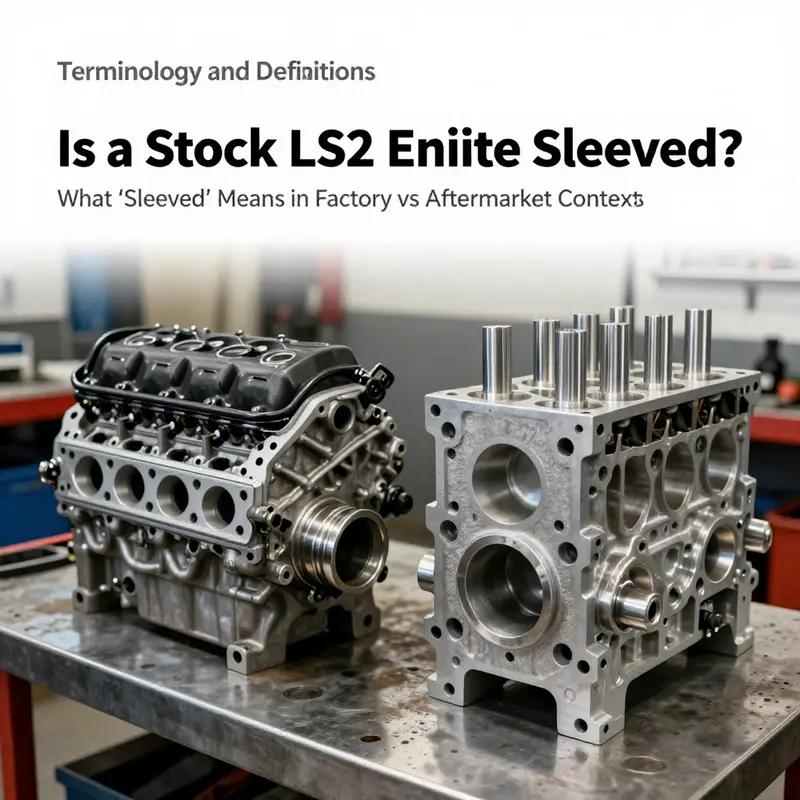
Understanding whether a stock LS2 is sleeved starts by separating two threads at once: the technical meaning of sleeves on cylinder walls and the way OEM design choices translate into what people mean by sleeved in practice. In engine talk, sleeve often conjures a simple image of a metal tube dropped into a cylinder to carry pistons and rings. But for modern GM small block engines like the LS2, the reality is more nuanced. The term sleeve has several related meanings across communities, and those meanings shift depending on whether the discussion is about factory construction or aftermarket modification. This chapter aims to clarify that distinction by tracing how the LS2 block is formed, what the cylinder walls consist of, and how this affects the everyday use of the word sleeved among builders, restorers, and performance enthusiasts. The goal is not to chase terminology for its own sake but to provide a sound framework for evaluating upgrades, rebuilds, or swaps that involve cylinder walls, bore geometry, and the path from stock to upgraded capability. The story begins with the factory’s approach to the cylinder walls and then moves to how sleeving appears—or does not appear—in the aftermarket realm.
In practical terms, the LS2 is not a sleeve engine in the classic sense of a postmanufacture insertable component. The factory design centers on a block that achieves precise cylinder bore geometry through a combination of material choices and machining processes. Historically, engines used removable cylinder sleeves to reinforce worn bores or to enable oversizing during rebuilds. In these configurations a sleeve is a dedicated part that can be pressed into the bore and later removed or replaced. The LS2, by contrast, relies on a block architecture where the cylinder walls are formed as an integral part of the block casting and then finished with machining steps that establish the final bore dimensions. Whether you refer to the walls as iron liners integrated into a block or as dry bores, the essential fact remains: there is no separate, serviceable sleeve installed after the fact in the stock configuration. The factory bore is defined by a fixed, integral material relationship between the bore surface and the surrounding block geometry, and the crank of the engine life is governed by how those bores are machined and then maintained over time.
This distinction matters because it frames the entire discussion about what counts as a sleeve in the LS2. Some sources describe the iron walls as liners that are cast into an aluminum or alloy block, which can lead to the colloquial impression that the engine is sleeved. Yet in practical OEM terms the LS2 is better described as having a dry bore. The dryness refers to the absence of a removable sleeve that could be pressed in or out during a rebuild. If you measure the bore and find it within spec and the rings seal properly under load, you are operating within the design intent of the factory assembly. If, however, you encounter a block that has undergone a sleeve installation after purchase, you then enter the aftermarket realm where a sleeve becomes a deliberate modification meant to alter bore geometry, strengthen the walls under higher pressure, or enable oversizing beyond the stock four inch bore. This is not a semantic debate so much as a practical one: the way the bore is constructed determines how it should be machined, repaired, and upgraded later, and it also dictates the kinds of limits you should expect when you push the engine into higher power territory.
To ground this discussion in the physical details, consider the material and geometry at play. The LS2 bore is built around a fixed diameter, typically cited near a four inch measure, with an iron liner contributing to wear resistance and longevity under high load. The exact interplay of alloy, iron, and the surrounding block material results in a bore that can deliver robust sealing and stable ring dynamics at factory power levels. The core idea is that the bore is not simply an empty cavity with a hard surface; it is a carefully engineered interface where the piston rings seal, the cooling system maintains temperature, and the lubrication system keeps friction low. In a stock LS2 you do not have a traditional insert that can be swapped out; you have a bore that is the product of a high precision casting and subsequent finishing steps. In this sense, sleeves as serviceable components do not exist in the stock configuration; the iron liner is integrated, and the block is designed around that integration. Any deviation from this arrangement—such as the introduction of a sleeve later in life—would be an aftermarket modification that changes the block’s boundary conditions, heat transfer characteristics, and the ways in which maintenance tasks are approached.
The terminology around sleeves and bore construction is a frequent source of confusion because the same language can be used in different ways by different communities. Factory terminology often emphasizes stability, tolerances, and longevity under the intended operating envelope. If the engine is designed with an integral bore that uses an iron liner embedded in the block, that is a dry bore approach, and it typically implies a certain predictability in terms of wear and service life when the engine is operated within the manufacturer’s recommendations. On the other hand, when enthusiasts discuss sleeving in a stock LS2 context, they may be referring to potential future modifications or to conceptions about what the bore could tolerate under extreme conditions. The point is not to force a label but to understand whether a sleeve exists as part of the original build or as part of a later upgrade.
The aftermarket path is where sleeves most clearly define the potential for expansion of the block’s life under stress. In a scenario where a builder expects to run significant boost, nitrous, or sustained high rpm operation, sleeves can be used to reinforce the cylinder walls beyond what the factory dry bore is designed to handle. There are two broad sleeve categories that commonly appear in discussions: wet sleeves and dry sleeves. Wet sleeves operate as a separate iron or steel tube that is cooled by the engine’s coolant and shares some fluid interfaces with the block. Dry sleeves, by contrast, are sleeves that are installed in a way that does not involve direct coolant contact along their outer surface, relying on block walls and an appropriate sealing arrangement to contain the coolant around the bore. In LS2 builds, the choice to sleeve would be an aftermarket decision, one that changes the block from its factory dry bore configuration to a bore that is reinforced by added material. Such a decision is typically accompanied by careful planning around piston diameter, ring design, and head gasket compatibility to ensure that the entire combustion and cooling system remains in harmonious balance.
The existence of sleeves in aftermarket builds also informs the decision around bore oversizing. When sleeves are added, they offer a reliable path to increase the bore diameter beyond the factory wall. That oversizing can support more displacement and more breathing room for the engine to grow in power, but it also introduces new tolerances that must be controlled. The installer must verify that the sleeve material and the bore dimensions align with the piston diameter and ring pack, and that the block’s deck, main caps, and cam geometry do not experience unwanted shifts in the process. In practice, this is more than a simple machining job; it is a system engineering exercise. The sleeves must align with coolant passages and oil galleries to maintain proper cooling and lubrication. If the sleeve is not perfectly aligned or if the bore is not finished to the exact tolerances, the risk of scuffing, ring land damage, or loss of compression increases. All of this underscores why the stock LS2 design is so efficient for typical power levels: it controls bore geometry through integrated design rather than relying on later inserts that can be sources of variation or misalignment.
For readers new to this topic, it helps to review the core concept of sleeves in engine blocks. What are engine sleeves? The linked primer explains that sleeves are removable or insertable walls that reinforce the cylinder bore. This resource is useful for understanding the mechanics of sleeves and how they interact with piston rings, cooling flows, and bore integrity. The specific LS2 case reveals that the stock configuration does not use a separate sleeve that you would remove in a rebuild. In the aftermarket world, a sleeved LS2 would be described as having a different boundary condition than the original dry bore, with sleeves serving as a reinforcing structure rather than a purely integral part of the block. This distinction matters for service considerations, as bore honing, deck integrity, and crankcase breathing can be influenced by whether the bore relies on an integral liner or a separate insert. For a concise primer on the sleeve concept you can visit the resource linked above, which clarifies how sleeves work in the block and what they do for durability and bore control. To ground this discussion in a concrete sense, the automatic takeaway is that stock LS2 blocks are not sleeves in the aftermarket sense; their walls are formed and finished as an integrated part of the block that creates a dry bore. In practice this means that when the engine leaves the factory line, the bore is ready for service with its own unique blend of material properties and tolerances, and the path to performance upgrades must respect those characteristics rather than introducing a sleeve as a quick fix.
From an engineering perspective, the stock LS2 design marries robust materials with precise machining to achieve a level of performance well suited to its intended application. The cylinder walls, whether described as integrally cast iron liners or dry bores, are engineered to provide the necessary strength and wear resistance under the engine’s normal operating conditions. The bore remains a stable, well-controlled environment for the piston and rings, helping to maintain compression and minimize leakage. This architecture supports the reliability that the stock configuration is known for in many everyday or semi sporty driving scenarios. When the discussion shifts toward aftermarket goals, sleeves become a tool used to push past factory limits, offering a dedicated path for high boost, forced induction, or extreme endurance applications. The choice is not simply a swap of parts but a recalibration of how the engine’s internals harmonize with each other under stress. That recalibration often starts with a careful assessment of the bore and sleeves and how the chosen approach will affect the engine’s overall behavior, including heat transfer, oil control, and sealing efficiency.
It is also helpful to acknowledge that the LS engine family includes variants whose cylinders incorporate sleeves as part of the original design in certain configurations, but these examples are not standard stock LS2 cylinders. Some LS based blocks and certain market variants may include sleeves as part of their architecture, and many aftermarket blocks marketed under the LS umbrella adopt sleeves to meet higher power targets. The key takeaway remains that sleeve terminology is highly contextual. In factory labeling, non sleeved or dry bore LS2 configurations are common, and in the aftermarket space sleeves appear as deliberate modifications to alter bore geometry and wall strength. Understanding this distinction helps you interpret rebuild plans, determine the feasibility of oversizing, and evaluate the necessary compatibility of pistons, rings, and bearings when planning to push the engine toward higher performance targets. The practical consequence is that a stock LS2 is not sleeved in the aftermarket sense, while a sleeved LS2 in a rebuild or swap represents a technical and logistical shift that must be managed with care.
To connect this discussion with practical steps you can take in a shop, consider how the bore is measured and how the cylinder walls are inspected during a rebuild or a performance upgrade. The process begins with precise bore measurement to confirm roundness, taper, and diameter across the entire stroke. If a decision is made to sleeve, the bore is often opened slightly to accommodate the sleeve, then honed to the final size so the piston rings can seat correctly. In a stock dry bore scenario, the honing step is still essential, but the goal remains to optimize ring sealing and oil control within the factory design. The machinist will evaluate whether the bore’s surface finish, the electrical and coolant pathways, and the deck alignment remain within the design tolerances. Each step in this decision tree—whether to sleeve or to stay with the stock dry bore—carries implications for the engine’s reliability, performance margin, and service intervals. The depth of understanding you bring to the conversation with a machinist can determine whether a particular build will deliver a reliable baseline or an ambitious performance outcome with added risk.
In sum, the phrase sleeved in relation to the LS2 carries different meanings depending on whether you are talking about the factory block or an aftermarket project. The stock LS2 is best described as not sleeved in the traditional aftermarket sense, possessing an iron liner that is integral to a dry bore in the block. If sleeves are introduced later, the engine transitions into an aftermarket category where the sleeve becomes the central instrument for increasing bore size, strengthening walls, or enabling operation under conditions beyond the original design. The line between factory and aftermarket is not merely about a single component; it encompasses materials, tolerances, cooling and lubrication pathways, and the alignment of the entire engine system under load. Understanding this line helps you evaluate rebuild options, plan for performance upgrades, and communicate clearly with machinists and tuners about what you want the engine to endure and how you expect it to behave under various driving conditions. As you consider your own LS2 or a swapped platform, the vocabulary you use should reflect the engineering reality of the block and the practical realities of the build you pursue.
For authoritative confirmation on LS2 construction and bore design, see the official GM LS engine series overview. External resource: https://www.gm.com/engines/ls-series.html
LS2 Cylinder Walls: Iron Liners in an Aluminum Block and the Sleeving Question
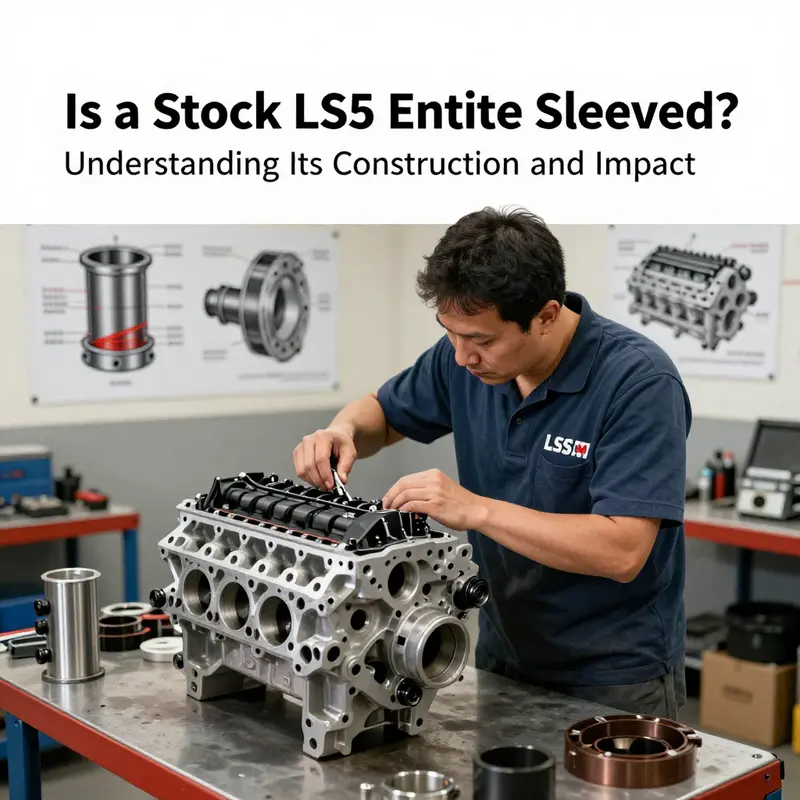
The LS2 uses an aluminum engine block with cast iron cylinder liners that are integral to the block rather than removable sleeves installed after manufacture. In everyday terms, this means the bore wall you see in many LS2 discussions is a sleeve like boundary, but it is not a separate aftermarket sleeve; it is part of the original casting and machining. This design balances weight and wear resistance: aluminum keeps the engine light and thermally efficient, while the iron liner provides a hard, wear resistant surface for piston rings and oil films. Because of this, the LS2 is not considered sleeved in the aftermarket sense, though it does contain bore walls that resemble sleeves. The practical implications include heat transfer paths that are slightly different from a pure iron block; the iron liner handles wear and bore stability under load, while the surrounding aluminum helps with weight and heat dissipation. For typical driving and moderate performance, the factory arrangement is reliable and well suited to track days and spirited driving. If performance ambitions push beyond stock, sleeves or bore reinforcement can become a topic of discussion, especially when overbores, high boost, or aggressive cylinder pressures are involved. A true sleeving project is a precision refurbishment that examines bore diameter, block rigidity, gasket sealing surfaces, and the concentricity between bore, liner, and crank axis. It is not a casual bolt on upgrade and requires careful planning, specialized machining, and strict quality checks to preserve oil control, ring seating, and gasket sealing. In practice, many LS2 blocks remain serviceable with standard maintenance, but in damaged bores or aggressively tuned builds, an aftermarket sleeve or a top hat style reinforcement can restore bore integrity and allow controlled oversizes if the engine will endure sustained high stress. The bottom line: the LS2 architecture favors a blend of lightweight aluminum and hard iron wear resistance, and sleeves are a potential option only in scenarios that justify the precision machining and added cost. If you are considering sleeving after a bore issue or as part of a high performance strategy, consult a machine shop with aluminum block experience to evaluate bore condition, block rigidity, and the best sleeve approach for your goals.
Final thoughts
The LS2’s use of an aluminum block with integrated cast iron cylinder liners means it is not sleeved in the traditional aftermarket sense, though it does benefit from the hardness and wear resistance of iron. For vehicle owners, repair shops, and parts distributors, this construction choice simplifies factory durability while limiting certain high-performance sleeving options without specialized machining. Understanding this distinction helps in making informed maintenance, upgrade, and procurement decisions—ensuring that the LS2 continues to deliver reliable power whether in a street car, a performance build, or a swapped motorcycle application.