
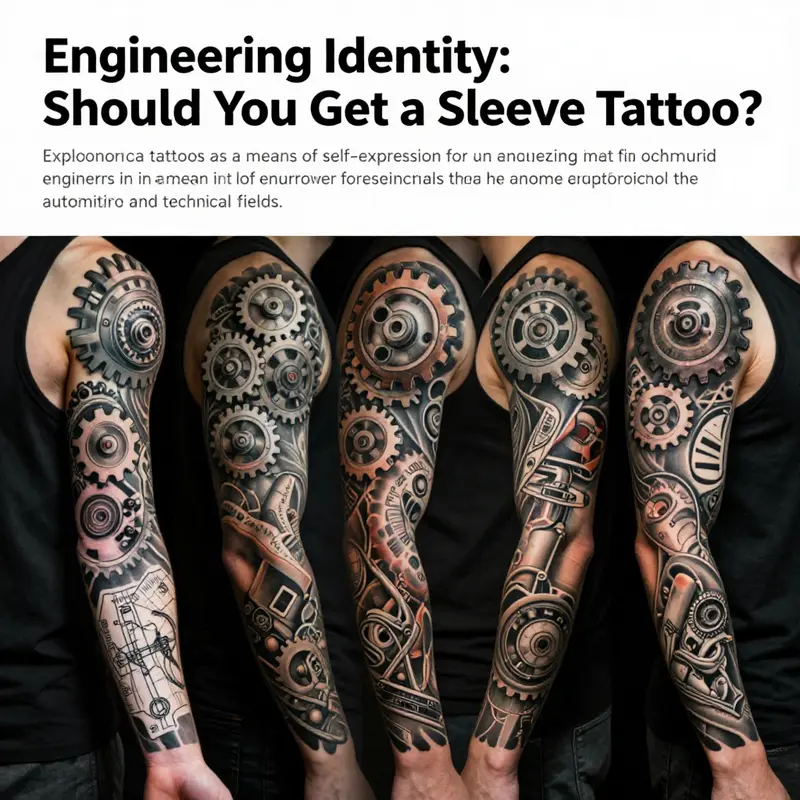
The intersection of personal expression and professional identity has become more pronounced, especially in fields like engineering. For those entrenched in the machinations of mechanics, like motorcycle and auto enthusiasts, the allure of a sleeve tattoo representing passion can be enticing. However, certain factors come into play, including workplace culture, the individuality of self-expression, and the professional image one wishes to portray. This exploration will provide insights into whether getting a sleeve tattoo aligns with the ethos of being an engineer, particularly within the automotive sector, and how to approach this decision thoughtfully.
Culture as a Gauge: Sleeve Tattoos in Engineering Careers
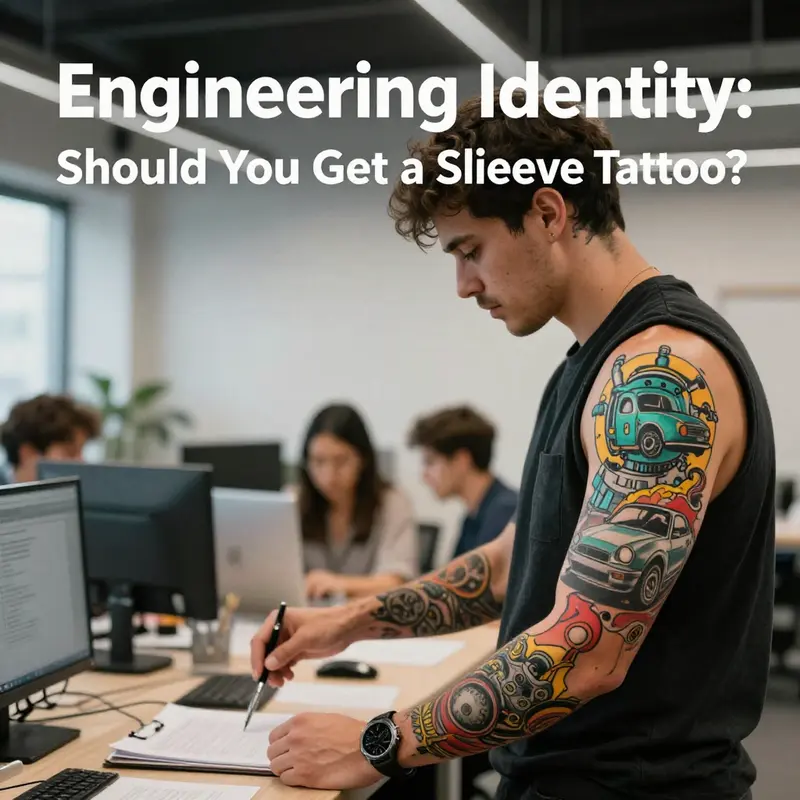
Choosing to get a sleeve tattoo intersects personal identity with professional perception in engineering. In firms that prize precision and risk management, visible art can introduce a conversation about boundaries, client expectations, and branding. In more creative environments, a thoughtfully designed sleeve can signal commitment to problem solving and design thinking. The key is to align personal expression with the standards of your role and the culture of your team. Practical navigation includes understanding policies, choosing motifs with engineering relevance, and planning visibility across different projects. A modular approach—starting with smaller pieces that can be concealed—offers flexibility as your career evolves.
Self-Expression and Professional Identity: Navigating Sleeve Tattoos in Engineering Careers
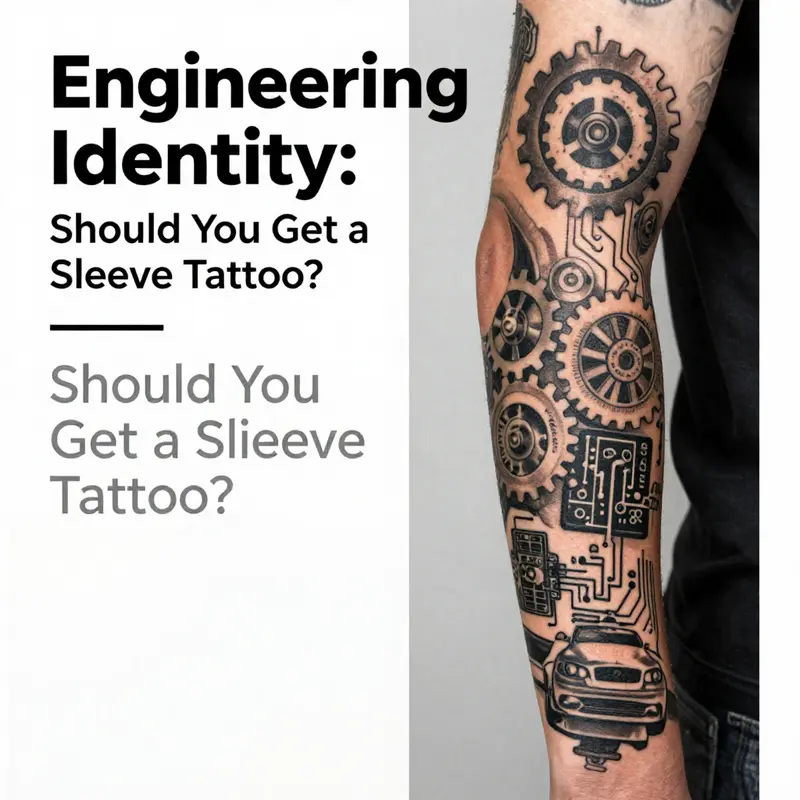
Tattoos have moved from the edges of professional perception toward a more nuanced place in many workplaces. For engineers who spend their days translating equations into tangible solutions, a sleeve tattoo can feel like a vessel for their technical curiosity, a visual diary of milestones, or a quiet tribute to mentors who fueled their problem-solving instincts. The central question—should I get a sleeve tattoo as an engineer?—is less about a universal rule and more about alignment. It hinges on how you want to balance your inner drive for self-expression with the expectations of your field, your lifestyle, and the image you project in the rooms where decisions get made. In this sense, a sleeve is not merely body art; it is an extension of identity that, if planned with care, can harmonize authenticity with professionalism instead of opposing them. The conversation around sleeves in engineering is evolving, and the best answer emerges from a thoughtful, context-aware approach rather than a knee-jerk declaration of “yes” or “no.”
To understand the potential harmony, it helps to anchor the discussion in how engineers think and communicate. Engineering is, at its core, a discipline of systems thinking. A sleeve, when designed with intention, can function like a visual map of a professional journey. Motifs such as circuit boards, gears, blueprints, or mathematical symbols can become a wearable narrative that reflects not only skill but the values that drive a project—from precision and reliability to curiosity and resilience. The idea of translating a person’s technical passion into art resonates with many engineers who want their identity to be legible in both code and craft. A well-considered sleeve can serve as a subtle conversation starter, an emblem of dedication, and a reminder of milestones—each segment representing a project, a breakthrough, or a mentor’s guidance that shaped the way they think about design and fabrication.
Yet the decision cannot ignore context. Workplace culture matters a great deal. In some sectors—where client-facing interactions are frequent or where conservative norms persist—an overt sleeve might demand more strategic placement or a design with broad, timeless appeal. In other settings—especially in startups, design-forward firms, or teams that prize innovation—the same sleeve could be embraced as a sign of confidence, creativity, and a willingness to bring one’s whole self to the work. One practical approach is to imagine the sleeve as a portfolio rather than a mural. Early on, you might choose a composition that centers around core motifs—fundamental symbols that echo your engineering roots—and then allow future layers to build on that foundation as your career evolves. That does not require sacrificing professionalism; it invites a thoughtful layering of meaning that can coexist with rigorous standards.
Integrating motifs is where many engineers find personal resonance. A sleeve that weaves together circuit patterns with mechanical textures can mirror the integration of software and hardware in modern systems. Blueprints can symbolize planning, iteration, and the disciplined method that underpins sound engineering practice. Geometric tessellations and fractal-inspired motifs can evoke the elegance of problem-solving processes. Even imagery drawn from nature—dragonflies to koi, or mountains and rivers—can express a philosophy of balance, patience, and resilience, which are as valuable in debugging a complex system as they are in designing a reliable component. What matters is coherence. A sleeve should tell a story with a clear through-line, so each panel, arc, or shading choice reinforces the overarching message of who you are as an engineer and what you stand for as a professional.
The personal narratives that people bring to their sleeves often imbue the designs with deeper significance. Some wear symbolic echoes of key projects: a miniature representation of a turbine blade, a scaffolding of gears, or a waveform that marks a breakthrough moment when a difficult problem finally clicked. Others honor mentors who illuminated the path—from a professor whose lectures reframed a stubborn problem to a senior engineer whose patient guidance kept a project from veering off course. In these stories, the sleeve becomes a living document, a reminder that engineering is as much about people and processes as it is about equations. Even when the imagery leans toward the mechanical, the underlying values—rigor, curiosity, integrity—shine through. This fusion of craft and character can help bridge the gap between artistry and professionalism, reinforcing that self-expression does not have to come at the expense of credibility.
There is also a broader cultural shift to consider. Indeed, studies and workplace anecdotes increasingly show that tattoos do not inherently predict job performance. Employers in many modern environments recognize that tattoos can signal confidence, individuality, and a willingness to take ownership of one’s identity. The takeaway is not reckless self-display but a deliberate, respectful approach to visibility. If you decide to pursue a sleeve, you can plan for environments where exposure may vary—client meetings, site visits, or formal reviews—by designing a sleeve that can be presented or concealed as appropriate. A two-arm approach—one sleeve with more conservative elements and the other with more expressive motifs—could become a practical compromise for those navigating diverse work settings. The aim is not to “cover up” who you are but to calibrate what you reveal in different moments while staying true to your professional standards.
That calibration also extends to the practicalities of design and care. A sleeve is a long-term commitment that benefits from a staged approach. Start with a cohesive central motif that can anchor the rest of the design. Consider color schemes and shading that age well and remain legible as skin changes over time. For many engineers, black-and-gray palettes offer a timeless quality that reads clearly under various lighting conditions and in professional snapshots. Color, when used, should be purposeful rather than decorative—perhaps highlighting a key component of a circuit or emphasizing a distinctive gear train, while ensuring the overall composition remains coherent as it heals and evolves.
Planning matters as much as aesthetics. A sleeve is essentially a project with milestones, constraints, and dependencies. Before committing, solicit candid input from trusted mentors or colleagues who understand both the engineering culture and your career trajectory. A mentor can help you evaluate whether a design aligns with your long-term goals, whether it would be perceived as a distraction during important client-facing moments, or whether it could become a source of pride that enhances your ability to explain complex concepts through visuals. The process of collaboration itself mirrors the way engineers approach big programs: you gather requirements, assess risks, prototype, and iterate until you have a design that satisfies both technical and professional criteria. In this sense, the sleeve is not a standalone artwork but a project-long, evolving statement about your practice as an engineer.
A practical path to decision-making includes considering where you work now and where you want to be in five or ten years. If your current role sits within a highly traditional firm or a project with strict dress codes, you may start with visible elements that can be easily concealed using sleeves designed to appear as standard banding or unintrusive patterns when necessary. The same sleeve can be expanded later with additional layers when the professional context becomes more permissive, or when you transition into a different team or organization with a more flexible culture. In many cases, engineers end up moving through a spectrum of environments—from startups and design studios to large, traditional corporations. A mindful approach respects the range of settings you may encounter while preserving your core identity. Layering not only the art but the meaning behind it gives you flexibility and preserves your agency over how you present yourself.
The decision to pursue a sleeve should also consider health, safety, and practicality in engineering work environments. While many industries accommodate body art, some settings demand close attention to hygiene and protective gear. PPE, solvents, or high-heat environments can influence design choices, not because the art loses value but because you may want to avoid delicate, intricate lines that could blur or heal unevenly under certain conditions. The sleeve can be planned so that individual panels are replaceable or adjustable, allowing you to refresh or refine sections over time without erasing the entire concept. Such a strategy mirrors engineering practice: you iterate, test, and enhance while preserving the core system you built from the start. In the end, the sleeve becomes a dynamic artifact, reflecting both your evolving technical capabilities and your growing sense of professional self.
As you weigh the decision, you may also reflect on the ways self-expression interacts with leadership and mentorship within engineering cultures. A sleeve can convey leadership through the crafted discipline of its design—the way lines align, the balance between elements, and the depth of texture. It can be a shared vocabulary with peers who recognize the craft and the care behind the imagery. In some teams, the tattoo’s symbolism may even become a shorthand for values like collaboration, systems thinking, and perseverance under constraint. Yet this potential comes with responsibility: ensure your art remains respectful and considerate of diverse audiences, especially in contexts involving clients, partners, or on-site visits with regulatory oversight. Thoughtful, well-executed design can signal maturity and confidence rather than rebellion or disregard. The aim is to cultivate a visual story that complements your technical reputation rather than competing with it.
When you finally decide to proceed, it helps to look at sleeves as a form of storytelling that is both personal and professional. The most enduring sleeves often reflect a layered narrative—pieces that can stand alone yet interlock to form a larger scheme. The best designs avoid cliches and strive for symbolism with clarity and nuance. A motif can be abstract enough to avoid misinterpretation in a professional setting while still carrying precise meaning to you. This balance—between specificity and universality—often distinguishes work that remains meaningful over time from mere novelty. In practice, this means selecting motifs that connect to your engineering identity: a waveform or a sine curve that hints at signal processing, a tessellated structure that nods to computational geometry, or an engraved blueprint-style motif that pays homage to the discipline of planning and documentation.
To close the circle, imagine your sleeve as a dialogue with your future self. The first chapter of the tattoo story might chronicle a formative internship, a difficult design review, or a breakthrough moment when a stubborn problem finally yielded. Subsequent chapters could celebrate collaborations, breakthroughs, and the quiet confidence that comes from steady, methodical work. A sleeve is not a hollow display of skill; it is a chronicle of how you think, how you persevere, and how you translate abstract ideas into practical outcomes. If you approach the process with intention, your sleeve can earn its place not only on your skin but in the memory of colleagues who come to know you as someone who blends craft with clarity, aesthetics with accountability, and ambition with humility.
For readers who want to explore the conceptual side of “sleeve” as a motif, consider how the term links to the broader language of engineering—where sleeves can denote protective shells, layers of technology, or stages in a process. The metaphor can extend into mentoring conversations, design reviews, and even how you frame your own professional narrative. If you’re curious about the parallel concepts in a different technical domain, you can explore deeper explanations of engine sleeves and how they function as a reminder of the layered, protective, and constructive nature of engineering work. Sleeve an Engine explained.
Ultimately, the choice to pursue a sleeve tattoo as an engineer rests on thoughtful alignment with your career goals, your workplace culture, and your own sense of authenticity. It is not a universal endorsement of self-expression or a blanket rejection of professional standards; rather, it is a careful negotiation of what you want your external presence to communicate while you stay true to the rigorous, problem-solving mind that drew you to engineering in the first place. And as workplaces continue to evolve toward embracing individuality, sleeves can become a natural extension of a practitioner’s identity—an honest, vivid reflection of mind, craft, and story threaded through time and technique.
For broader context on how tattoos are perceived in professional settings, see this external resource on workplace tattoo norms and their implications for career trajectories: https://www.indeed.com/career-advice/working-with-tattoos
Engineered Impressions: Navigating Sleeve Tattoos in Professional Engineering Practice
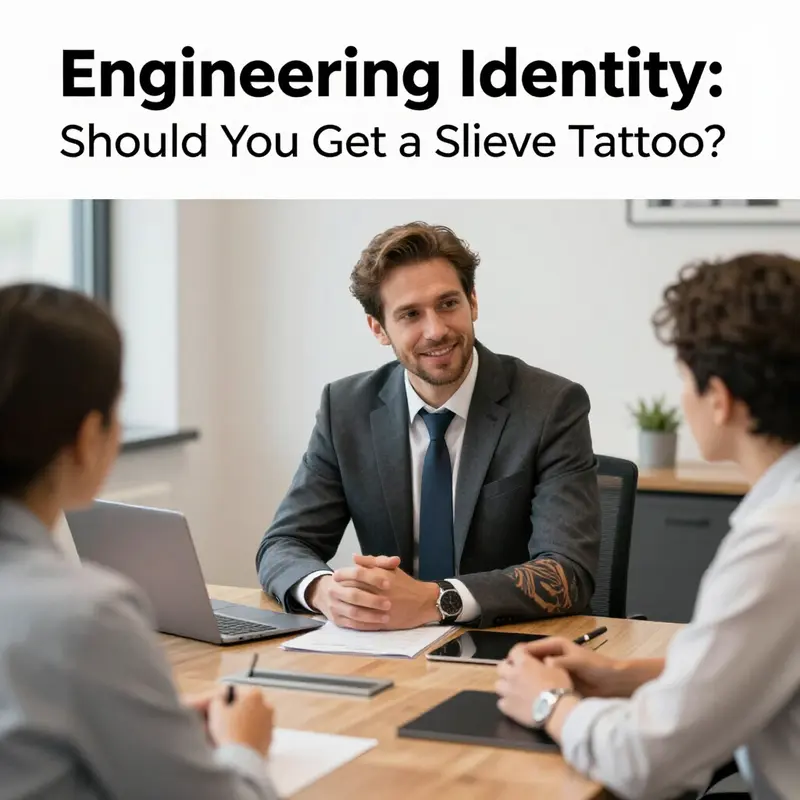
A sleeve tattoo can feel like a bold, external project—one that follows you from the first handshake to the last client meeting of a long quarter. For engineers, that personal project not only expresses taste and values but also interacts with the social systems that define credibility, trust, and professional competence. The question of whether to get a sleeve tattoo—particularly for someone who builds systems, designs components, or audits safety—cannot be answered by aesthetics alone. It requires a careful weighing of identity against circumstance, ambition against culture, and the visible fabric of body art against the invisible expectations of precision, accountability, and reliability that characterize engineering work. When you stand at that crossroads, you are really negotiating with the broader question: how will your self-expression align with your professional trajectory, and how flexible is the workplace in embracing individuality without compromising standards of technical due diligence and client confidence?
To start, it helps to recognize the spectrum of professional environments engineers move through. In some firms—especially in high-velocity startups or creative engineering labs—the culture may prize originality and signaling of a hands-on, unapologetic passion for the field. A sleeve that features precise patterns like circuit traces, interlocking gears, or mathematical motifs can read as a personal manifesto of craft and rigor. It can spark conversations, reveal a commitment to the craft, and even serve as mnemonic cues during problem-solving discussions. In other contexts—such as conventional manufacturing operations, large government programs, or client-facing engagements—the same sleeve might trigger cautious questions about fit, focus, or risk management. The way colleagues perceive a tattoo can influence early impressions, which over time can subtly shape assignments, visibility in formal settings, or opportunities with risk-averse clients. Yet professional image is not a single fixed signal; it is a composite, built from how you communicate, how you dress, how you present your work, and how consistently you apply the standards that define good engineering practice.
Engineers are trained to read and interpret signs of credibility. A sleeve tattoo, if designed with intention, can reflect those same qualities that engineers value in a well- constructed plan: coherence, symmetry, and a clear throughline. The most successful sleeve designs often resemble a well-phase-tested system: it begins with a kernel idea, then expands in a controlled, modular way, with motifs that reinforce a central narrative rather than competing with one another. When a sleeve tells a story—perhaps about a career milestone, a family tradition, a breakthrough in a project, or a fusion of science and art—it can function similarly to a commemorative plaque on a well-made device. But that storytelling power only lands if the presentation is careful, the details are precise, and the message remains legible even when the sleeves are rolled up or covered by long sleeves in formal settings. This is not about masking fear of judgment; it is about aligning a personal statement with the values of meticulous workmanship that define engineering work.
The decisive factor, then, becomes context. In client meetings, for instance, judgment can hinge on appearance, but it hinges more on the substance of performance: the clarity of the proposal, the robustness of the calculations, the traceability of decisions, and the consistency of communication. A well-suited sleeve that integrates elements of engineering in a restrained, professional palette can mirror those same virtues. Subtlety tends to read as maturity; overt display can signal confidence and individuality, but only if it does not distract from the core task: solving problems, explaining trade-offs, and delivering dependable results. For many engineers who anticipate long careers that cross between private firms and public roles, the safest path is to cultivate a professional image that respects conventions while preserving room for personal expression. This does not require compromising identity; it invites a strategic approach to how, where, and when the ink is visible, and how those choices map onto professional goals.
A core strategic move is to design the sleeve with intention and restraint. In practice this means selecting motifs that echo engineering principles rather than random illustrations. Circuit lines, schematic grids, or geometric tessellations can align with a mindset of precision and modular thinking. Remember how a good schematic or blueprint uses consistent line weights, clear labeling, and scalable elements? A sleeve can echo that discipline. The visual coherence matters as much as the content of any technical report. A chaotic collage of symbols, while visually striking, may read as scattered thinking rather than systematized craft. The most persuasive sleeves subtly reveal technique: the way the lines connect at joints, the rhythm of repeating motifs, the balance between negative space and ink, all of which evoke the same discipline engineers apply when they optimize a mechanism or validate a tolerance stack. Even color choice can be part of the design language. Monochrome or restrained grayscale palettes often convey restraint and precision; bolder color blocks can signal creativity when used sparingly and purposefully. The key is thematic unity rather than a collector’s gallery of unrelated images.
Those choices intersect with practical realities. The workplace still frames professional appearance through its own norms and policies, which can shift with leadership, client mix, and the regulatory environment. A sleeve tattoo’s visibility can be managed by wardrobe decisions, but its presence in meetings, presentations, and fieldwork is less predictable. In many regulated contexts, there is a premium on not introducing ambiguity into risk discussions. Engineers who work in clinical settings, aerospace, or civil projects where safety and reliability are paramount may find that certain forms of body art are subject to additional scrutiny because they become part of the shared professional environment in which critical judgments are made. The prudent path, then, is to consider how the tattoo sits with colleagues, supervisors, and clients over the long arc of a career. A sleeve that can be covered during formal reviews or client pitches while still being a personal canvas for private moments is a form of adaptable self-branding. This flexibility can be essential when building trust across diverse workplaces and when planning for advancement, cross-functional roles, or leadership positions that demand a consistently professional presence.
Even the negotiation with workplace culture benefits from a proactive, reflective stance. Instead of waiting for a response to a visible tattoo, engineers can prepare to discuss the idea in terms of values rather than appearance. The conversation might focus on how the tattoo motivates ongoing learning, how it honors mentors or milestones in the designer’s journey, or how it symbolizes a commitment to precision and ethics—qualities that translate directly to credible, responsible engineering practice. Even a sleeve that remains mostly hidden in daily work can be a private source of motivation that informs decision-making, a reminder of the craft’s demands, and a signal to self that one intends to stay aligned with professional standards. As with any career-defining decision, the timing matters. Early-career engineers may face different expectations than senior engineers who mentor teams, lead client relationships, or manage compliance risk. The risk tolerance required to wear a sleeve publicly may grow with experience and with a track record of consistent performance.
For some, the decision is guided by personal milestones. The ink becomes a narrative of perseverance: the long hours bent over a drawing board, the late-night debugging of a system, the patient iteration of a prototype, the calm focus during a safety inspection. If these personal stories can be harmonized with organizational values, the sleeve can function as a wearable portfolio, a daily reminder of the standards one aims to uphold. The appearance then becomes a frame for the work: it does not replace credibility, but it can illuminate the ethos behind it. As with any professional skill, credibility grows from demonstrated competence, clear communication, and a consistent track record. The ink augments but does not substitute for reliable engineering practice.
One practical tactic is to anticipate contexts that might require covering. In formal presentations, jury-style reviews, or audits, visibility may be moderated by dress code or camera presence in virtual meetings. Planning ahead—having a short-sleeve option, or wearing arm coverings that you can remove discreetly—can reduce friction while preserving the underlying personal choice. And when you’re in spaces that prize openness and creativity, a well-curated sleeve can be a bridge to collaboration, helping colleagues see you as both a serious engineer and a person with a strong sense of identity. The design choices should feel like a natural extension of one’s professional persona, not a separate banner that competes with the work you do.
To bring this into a practical frame, consider the following: the sleeve should harmonize with your field, your role, and your long-term trajectory. If your ambition involves moving into leadership, teaching, or client-facing technical leadership, the question becomes not whether to hide or reveal, but how to present a coherent, intentional image that echoes your values. In conservative institutions, you may prioritize a design that conveys sophistication and restraint, while in more open, design-oriented firms you might lean into more elaborate symbolism and tighter integration of motifs. Either way, the sleeves you choose should be legible across scales—readable up close and readable at a glance—just as good schematics are legible to both domain experts and lay reviewers. In design terms, your sleeve is an installed system; it must be robust, maintainable, and interpretable by the people who will interact with you.
An important part of this dynamic is the growing recognition that professional contexts evolve. The cultural acceptance of visible tattoos has expanded in many tech and design-focused organizations. Yet it remains uneven, and the stakes of misalignment can be higher in fields that interact closely with clients, regulators, or safety-critical processes. The best approach blends self-expression with a clear professional plan. It invites ongoing reflection: Are you comfortable with visibility in your current role? Do you anticipate a shift in your career that will necessitate broader acceptance? Do you have a network or mentor who can provide feedback on fit and timing? These questions aren’t about suppressing identity; they are about stewarding it within a framework that respects the responsibilities of engineering work. In practice, engineers who want a sleeve often adopt a phased strategy: start with a smaller, more contained motif, observe how it is perceived in a few key contexts, and adjust before expanding the sleeve. This measured approach mirrors how engineers validate new designs—through small tests, feedback loops, and incremental improvements.
For those intrigued by the technical artistry behind sleeves, there is a closer parallel to engineering thinking than it might first appear. A sleeve that expresses disciplined patterning, alignment, and balance can resemble the way a well-specified system is laid out on a blueprint. The wrists, elbows, and upper arm become anchor points around which a narrative is organized. A design that respects scale, proportion, and legibility translates to ongoing professional strength: you are remembered not just for your accomplishments, but for how clearly you communicate them through your presence, your work, and your readiness to explain the choices you make. In this sense, a sleeve can be a personal map of your values as an engineer—curated, coherent, and consistent with the standards you uphold in every calculation, inspection, and presentation.
For readers who want to explore the conceptual side of engineering sleeves beyond personal choice, a practical reference can illuminate how a sleeve relates to core engineering concepts. What are engine sleeves offers a window into the precise, engineered nature of sleeves as components in a larger mechanical system. Understanding sleeves in that literal sense can deepen appreciation for why a tattoo designed with similar care—clear lines, purposeful joints, and a repeating, scalable motif—feels less like decoration and more like a wearable extension of a professional mindset. It is not merely art on skin; it is art organized with the same care engineers apply to parts, tolerances, and interfaces. This perspective helps translate the ink into a vocabulary that colleagues who value technical rigor can recognize and respect.
In the end, the decision to pursue a sleeve tattoo as an engineer is not a universal yes or no. It is a thoughtfully calibrated choice that should harmonize personal meaning with professional responsibility. It asks you to articulate your career story in ink while maintaining the credibility that your colleagues rely on when they place their trust in your work. It invites you to map out how you present yourself in different venues—from casual lab benches to formal client conferences—so that your appearance reinforces your competence without overshadowing it. And it asks you to stay attentive to workplace culture, personal growth, and the evolving norms of your industry. If you can design and present a sleeve that reflects discipline, coherence, and intention, then the ink can become a durable symbol of a career built on method, curiosity, and care for the details that actually matter in engineering practice.
External resources can ground this balanced stance in professional ethics and standards. For engineers who want a robust framework beyond personal taste, guidelines from professional bodies emphasize professional appearance in the context of appropriate conduct and client interactions. These references remind us that professional identity is a living conversation, not a fixed badge. They also reinforce the idea that self-expression can coexist with accountability, as long as it is navigated with clarity, respect, and a commitment to the safety, quality, and reliability that define engineering work.
In short, a sleeve tattoo can be a meaningful extension of an engineer’s identity when approached with prudence and purpose. It becomes less about rebellion and more about storytelling through craft. It can signal a readiness to engage with complex problems, a passion for the design sense that underpins every successful project, and a willingness to grow with the profession. The sleeves you choose, the way you wear them, and the conversations they spark will shape, and be shaped by, the career you build in engineering. The heart of the decision lies in alignment: with your values, with your long-term goals, and with the culture of the places where you will contribute your skills. If you can maintain that alignment, a sleeve tattoo is not a distraction but a differentiated mark of a professional who has thought deeply about how personal identity and public responsibility intersect in engineering practice.
External resource: For a broader lens on professional ethics and presentation, see the ethics and professionalism guidelines from a leading engineering society. https://www.asme.org/about-asme/ethics-and-professionalism
Final thoughts
Ultimately, the decision to get a sleeve tattoo as an engineer is layered and requires careful contemplation. It’s essential to align personal expression with workplace expectations while considering long-term career aspirations. A sleeve tattoo can be a beautiful representation of one’s passion and identity, especially in the automotive and engineering fields, but it must also fit within the cultural and professional contexts of your environment. By approaching this choice holistically, engineers can harmoniously integrate their artistic expressions with their professional identities, paving the way for a more holistic view of who they are in the workplace.