
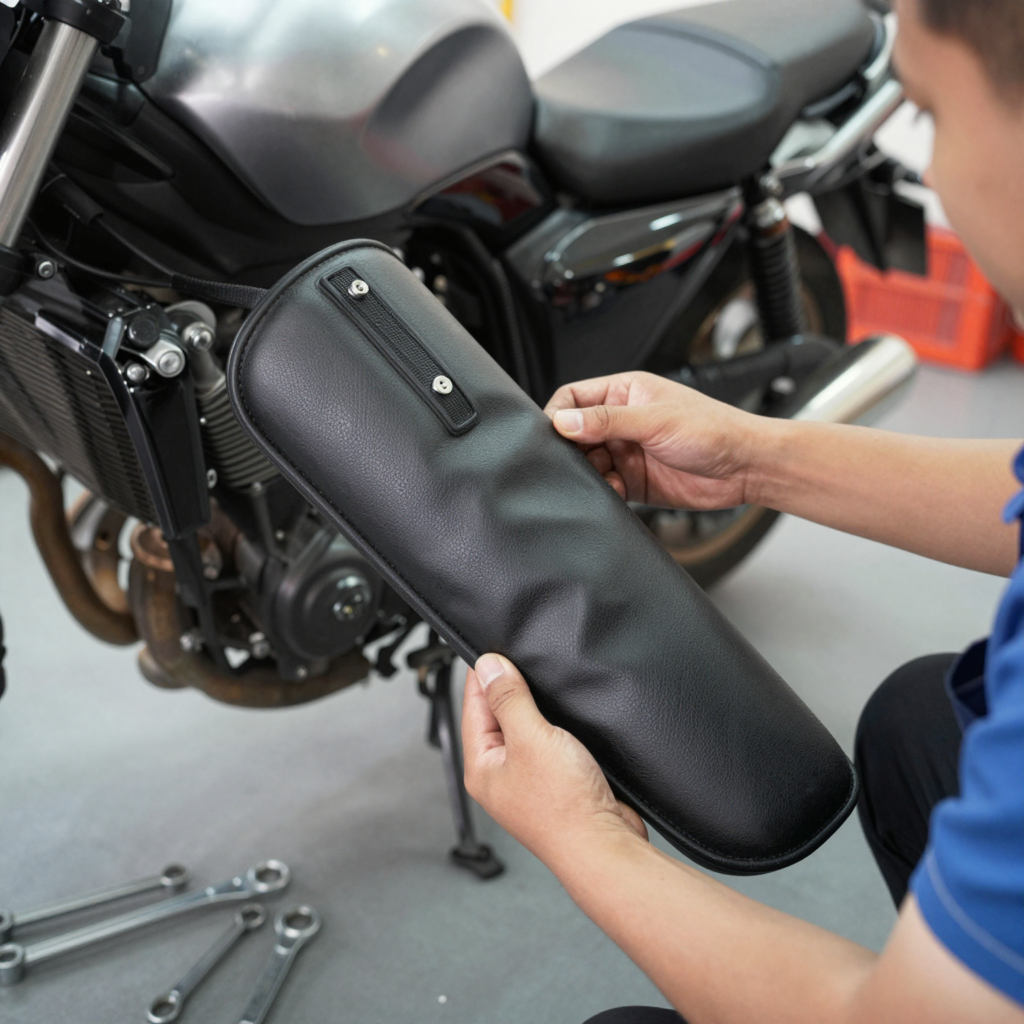
Motorcycle enthusiasts and auto repair professionals understand that the longevity and performance of any engine can significantly depend on the care and maintenance of its components. One crucial element in this equation is the motorcycle sleeve, which plays an essential role in maintaining the engine’s efficiency and power. Proper care for new motorcycle sleeves is not just a routine task; it can substantially enhance the lifespan of the engine and improve overall performance on the road. As motorcycle owners, you’ll benefit from understanding best practices for maintaining these components to prevent costly repairs and ensure a smoother riding experience. For auto repair shops, instilling good practices in your customers can help cultivate loyalty, as they will appreciate your expertise in vehicle maintenance. In this article, we will dive deep into effective strategies for taking care of new sleeves, ensuring that both motorcycle owners and repair professionals can optimize the value of their engines. Learn more about essential engine upgrades for performance and explore car maintenance skills that can complement the care of your motorcycle.
Common Issues with Motorcycle Sleeve Maintenance
Maintaining motorcycle sleeves is crucial to ensure their longevity and performance. Here are some common issues that can occur if motorcycle sleeves are not properly maintained:
- Cracking and Degradation: Exposure to UV rays and harsh weather can cause materials to crack or degrade, impacting functionality.
- Moisture Accumulation: In humid conditions, moisture can build up inside the sleeves, leading to corrosion and mold on metal parts.
- Loose Fasteners: Vibration during rides can loosen screws and bolts, potentially causing the sleeves to detach or malfunction.
- Rattling Sounds: Loose components can create rattling noises, indicating improper installation or wear.
- Deformation: Incorrect mounting can cause sleeves to warp or deform under stress, affecting their fit and effectiveness.
Regular inspections and maintenance are key to avoiding these issues. For more in-depth tips on motorcycle care, you can learn about essential engine upgrades for performance and get acquainted with maintenance skills.
Proper Washing Techniques for New Motorcycle Sleeves
Washing your new motorcycle sleeves is essential for maintaining their integrity and functionality. Here are detailed steps on how to wash them effectively, using recommended products and techniques that align with best practices in motorcycle care.
Recommended Products
To achieve optimal results while washing motorcycle sleeves, utilizing the right products is key. Here’s a list of some highly recommended cleaning solutions and equipment:
- Motul Wash – A specialized detergent designed specifically for motorcycle cleaning. It effectively removes dirt, grime, and grease without harming the material of your sleeves.
- TUNE High Pressure Washer – This powerful equipment can help remove stubborn residues, ensuring a deep clean while being gentle on the surfaces.
- Protective Equipment – Soft brushes and microfiber cloths are essential to avoid scratches during the washing process. Ensure that high-pressure water does not directly hit sensitive parts of the sleeves.
Step-by-Step Washing Instructions
Follow these steps for a thorough cleaning process:
-
Preparation: Begin by gathering all necessary materials, including your selected cleaning products, a bucket, and soft brushes. Position your motorcycle in a shaded area to avoid quicker drying from sunlight.
-
Rinse: Using a soft hose or a pressure washer set to a low setting, rinse the sleeves to remove loose dirt and debris.
-
Apply Cleaner: Dilute the Motul Wash according to the instructions on the bottle. Apply the solution generously over the sleeves using a spray bottle or sponge.
-
Scrub: With a soft brush, gently scrub the sleeves, paying extra attention to areas with stubborn dirt. Use circular motions to lift the grime without damaging the fabric.
-
Rinse Again: Thoroughly rinse the sleeves with clean water to ensure all soap residue is removed. It’s vital to avoid any soap left behind, as it can attract dust and dirt.
-
Dry: Hang the sleeves in a well-ventilated area, away from direct sunlight. This prevents fading and ensures they dry thoroughly, preventing mold and mildew buildup.
-
Inspect: Once dried, inspect the sleeves for any wear or damage, and apply a protective treatment if recommended by the manufacturer to enhance durability.
Conclusion
Implementing these washing techniques will ensure that your motorcycle sleeves remain in excellent condition, extending their lifespan and maintaining performance. For comprehensive routines on vehicle maintenance and how to protect your motorcycle investment, consider learning more about essential car maintenance skills.
Visual Aid
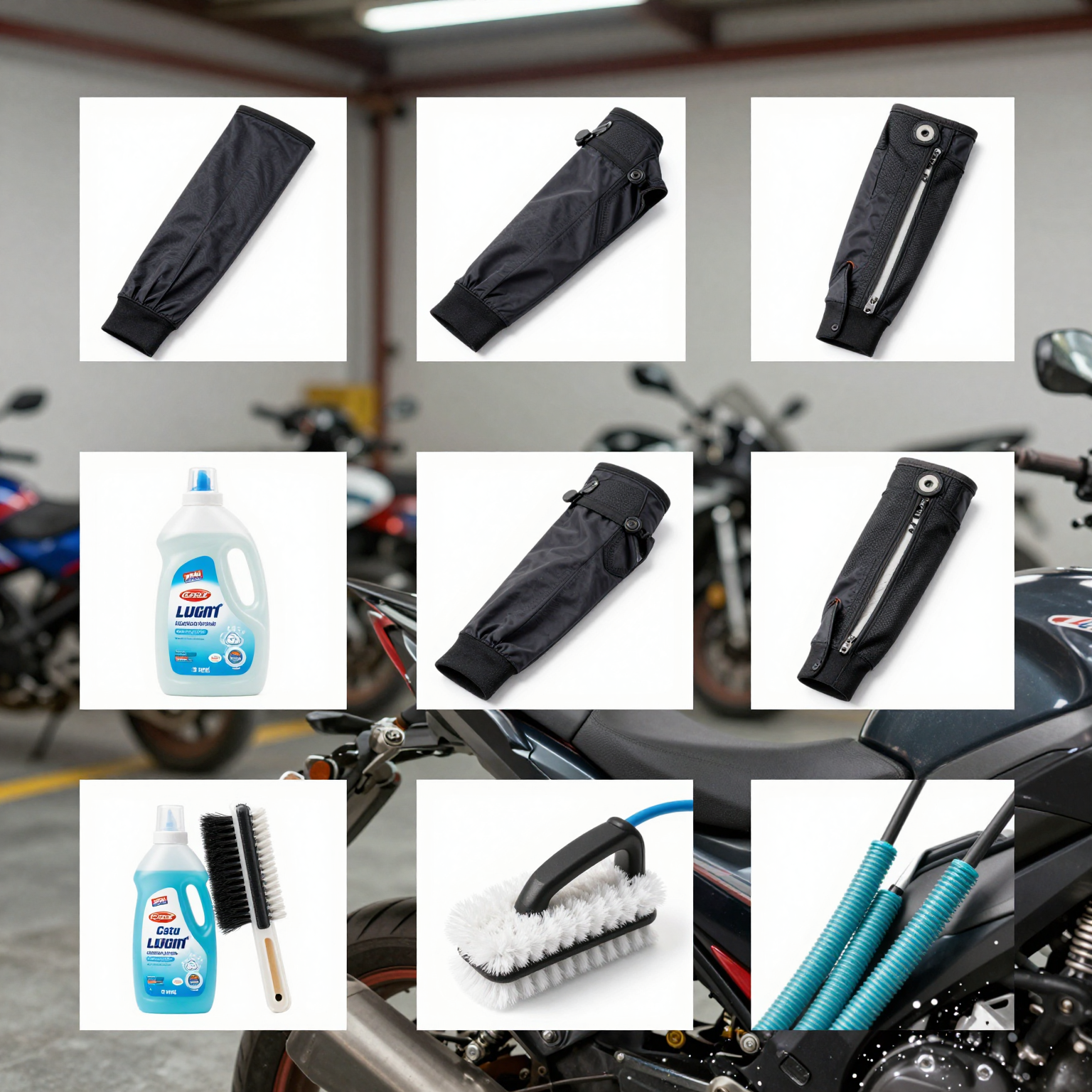
This image illustrates the proper washing techniques for motorcycle sleeves we discussed.

A chart illustrating the effectiveness of various products recommended for washing motorcycle sleeves.
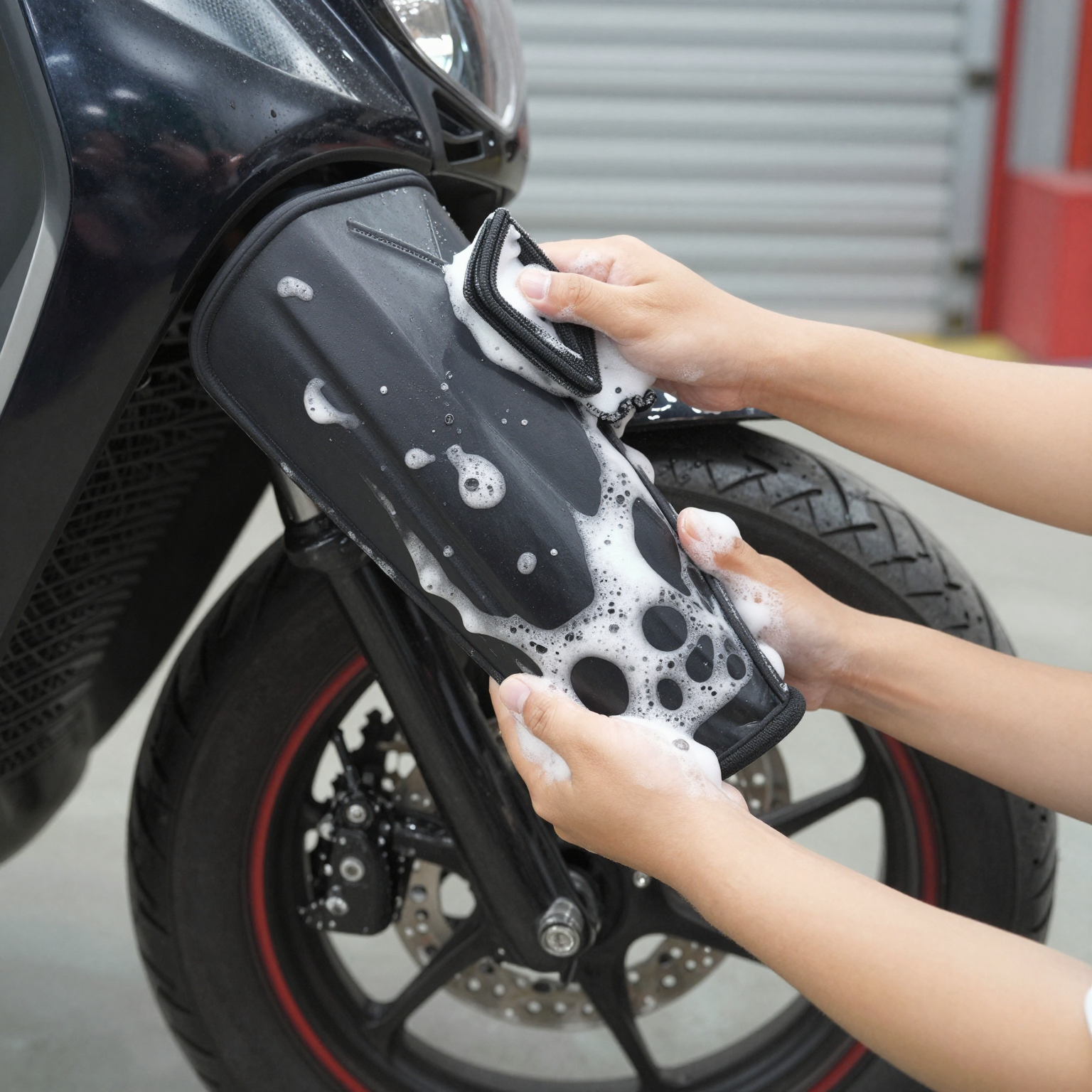
Waxing your motorcycle’s sleeve is an essential preventive measure that enhances durability and protects against environmental elements. Applying a good quality wax not only enhances the aesthetic appeal but also creates a protective barrier against moisture, dirt, and UV rays. There are three primary types of wax you can consider:
-
Paraffin Wax: This is an affordable option that is easily accessible. It provides basic protection against moisture and minor scratches, making it a good choice for riders looking for a quick and easy solution. However, it may need to be reapplied frequently to maintain its effectiveness.
-
Carnauba Wax: Known for its deep shine and high gloss, carnauba wax is sourced from palm leaves. It offers excellent resistance to water and UV rays, providing durable protection that lasts between two to four weeks. This type is favored by enthusiasts who desire both protection and appearance.
-
Synthetic Wax: Made from advanced polymers, synthetic wax provides superior durability compared to natural waxes. It resists environmental contaminants better and can last up to six to eight weeks. Synthetic options are easier to maintain and offer a longer-lasting shine, making them a standout choice for serious motorcycle owners.
For best results, clean the surface thoroughly before applying wax. Use a soft cloth and apply the wax in circular motions, allowing it to cure as per the product instructions. For more information on motorcycle maintenance, be sure to check out our guide on car maintenance skills.
 [Caption: A visual comparison of the benefits of different wax types for motorcycle sleeves]
Motorcycle sleeves are essential gear for riders, providing protection, comfort, and varying levels of durability depending on the material used. User experiences reveal a range of preferences and insights, influenced by safety, environmental conditions, and personal comfort.
Common Materials and User Insights
- Kevlar®
- Abrasion Resistance: Many riders praise Kevlar-reinforced sleeves for their superior abrasion resistance. In low-speed crashes, they report minimal skin exposure, which significantly enhances protection. Riders appreciate the material’s durability, though some mention that Kevlar sleeves can be less flexible compared to other options.
- Comfort: Users also prefer sleeves that feature Kevlar with moisture-wicking linings. Studies indicate that these materials improve comfort during long rides, especially in varying temperatures. One analysis noted a reduction in abrasion injuries by up to 68% compared to traditional fabrics like cotton.
- Cordura® Nylon
- Strength and Flexibility: This material strikes a balance between strength and flexibility, making it a popular choice among riders. Users often highlight its toughness and potential for longevity in diverse riding conditions.
- Comfort Level: Riders appreciate Cordura’s ability to maintain comfort, particularly when blended with breathable linings. Many highlighted that jackets with replaceable armor insert options further enhance safety without compromising comfort.
- Leather
- Durability and Appeal: Leather sleeves are regarded for their classic look and excellent durability. Riders tend to favor them for their comfort and premium feel, although some users mention that leather requires significant maintenance and can be heavy and less breathable than alternatives.
- Flexibility Issues: Feedback also notes that pure leather sleeves may feel stiff and uncomfortable during extended use unless properly broken in.
- Mesh Materials
- Breathability: Users in warmer climates advocate for mesh sleeved jackets, valuing their cooling properties and comfortability during hot weather. However, there is a consensus that these sleeves do not provide adequate protection during high-impact scenarios.
- Overheating Concerns: Some riders express concerns about overheating, especially when wearing lightweight fabrics during summer, which can affect their riding comfort.
- Hybrid Materials
- Best of Both Worlds: Increasingly, users are favoring hybrid materials that combine the protective qualities of Kevlar with the breathability of mesh. Such combinations reportedly offer superior performance by balancing protection, airflow, and comfort.
Conclusion
The choice of motorcycle sleeve materials can directly impact a rider’s safety and comfort. Users commonly prefer Kevlar and Cordura for their protective properties, while leather offers aesthetic appeal. Mesh is favored for summer riding but raises concerns over safety. Riders are increasingly seeking sleeves that blend various materials to maximize both protection and comfort.
For those interested in learning more about maintaining your vehicle, consider exploring essential car maintenance skills. Additionally, if you’re curious about how different materials impact performance, check out more on motorcycle safety materials.
Comparison of Sleeve Materials for Motorcycles
When considering what materials to use for motorcycle sleeves, it’s essential to weigh the pros and cons of each option. Below is a comparison table highlighting the characteristics of commonly used materials like ABS plastic and fiberglass:
| Material | Durability | Weight | Cost | Pros | Cons |
|---|---|---|---|---|---|
| ABS Plastic | Good impact resistance | Lightweight | Low | – Cost-effective – Resistant to chemicals and weathering – Good balance of rigidity |
– Can become brittle over time – May crack under high impact |
| Fiberglass | Strong and flexible | Heavier | Moderate to High | – Superior toughness – Better crash resistance – Molds well into complex shapes |
– Heavier than ABS – More expensive to produce and repair – Prone to delamination if not maintained properly |
Summary
Choosing the right sleeve material can significantly impact the performance and longevity of your motorcycle. ABS plastic is a popular choice due to its cost-effectiveness and reliability, while fiberglass offers greater strength and flexibility at a higher price point. For more in-depth maintenance tips, check our guide on essential car maintenance skills.
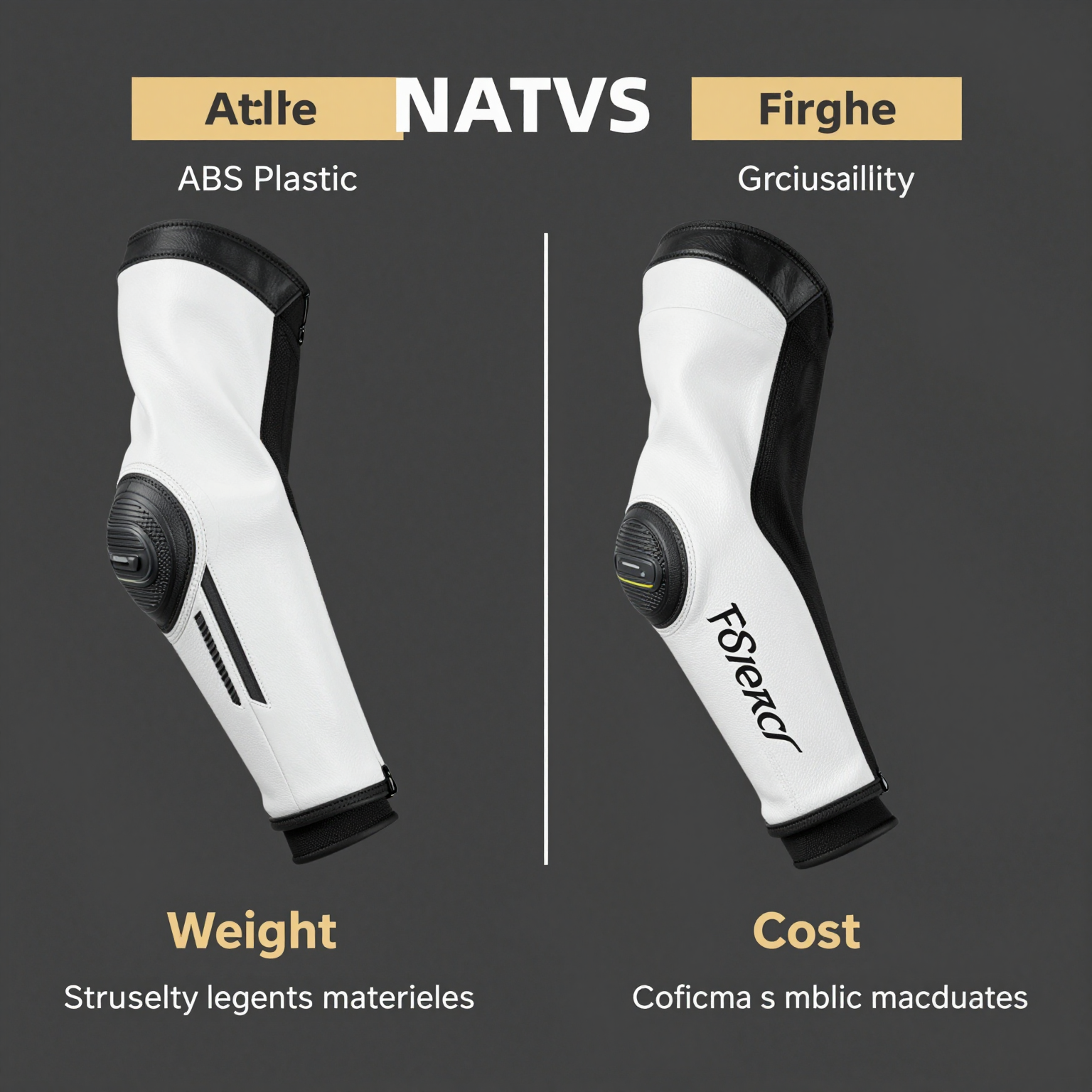
Image illustrating the advantages and disadvantages of different sleeve materials.
In conclusion, understanding the materials used for motorcycle sleeves helps in making informed choices regarding maintenance and performance upgrades. For more insights, read about essential engine upgrades for performance to further enhance your motorcycle’s capabilities.
Regular Inspections and Maintenance Tips for Motorcycle Sleeves
Maintaining the integrity of motorcycle sleeves, often referred to as engine cylinders or liners, is crucial to ensure optimal engine performance and longevity. Regular inspections help detect potential issues before they escalate, thus saving time and money on extensive repairs. Here’s how to effectively inspect and maintain your motorcycle sleeves:
Importance of Regular Inspections
- Early Detection of Issues: Regular checks can help identify early signs of wear such as scoring, cracks, or excessive wear before they lead to catastrophic engine failure.
- Performance Maintenance: Poorly maintained sleeves can result in higher oil consumption, poor compression, and can even lead to engine overheating-all of which affect your motorcycle’s performance.
What to Look For
- Visual Inspection:
- Remove the spark plug and use a borescope camera to look inside the cylinder for scratches, pitting, or uneven wear.
- Check for signs of metal debris in the combustion chamber, which can indicate severe wear.
- Signs of Oil Consumption:
- Increased oil levels or burning oil during operation can signal sleeve damage.
- Monitor for blue smoke from the exhaust-this could be a sign of oil passing through the piston rings into the combustion chamber.
- Performance Indicators:
- Reduced acceleration or misfiring can suggest problems with the sleeve or related components.
When to Take Action
- Routine Checks: Inspect motorcycle sleeves every 5,000 miles or as recommended in the owner’s manual. Additionally, check for oil quality and levels every 500-1,000 miles.
- Maintenance Schedule: If you notice any alarming symptoms like increased smoke or performance issues, have a professional inspect your sleeves immediately. If visible wear exceeds manufacturer’s tolerance, repairs may be necessary.
For comprehensive maintenance, consider engaging with professionals or referring to detailed guidelines, such as those covered in this motorcycle engine maintenance article and employing preventative measures to extend sleeve lifespan. Catching issues early can protect your engine and enhance your riding experience.
Visual Aid
For further insights on maintaining various motorcycle components, check out our article on engine sleeve wear prevention.
Here is a relevant blockquote on motorcycle maintenance, particularly focused on the upkeep of engine sleeves:
“Regular inspection and cleaning of engine sleeves is crucial. Check for scoring, wear, or cracks every 5,000 miles. Always use high-quality oil and avoid overheating, as low-grade aftermarket sleeves can lead to premature failure and costly repairs.”
This expert insight emphasizes the importance of diligent care for motorcycle sleeves, a key component in maintaining optimal motorcycle performance.
For additional guidance on motorcycle maintenance, you may explore RevZilla’s technical guide that elaborates on proper techniques and measures to ensure the longevity of your motorcycle’s components.
Conclusion: The Importance of Proper Sleeve Care
In conclusion, maintaining the sleeves of your motorcycle is crucial not only for ensuring optimal performance but also for enhancing the overall aesthetic appeal of your bike. By regularly inspecting the sleeves, keeping them clean, and addressing any wear and tear promptly, you can significantly extend the lifespan of both the sleeve and the engine components they protect. Proper sleeve care minimizes the risk of costly repairs and downtimes, providing a smoother and more reliable riding experience.
Key Points:
- Enhanced Performance: Well-maintained sleeves improve the overall efficiency of the engine, ensuring that all components function smoothly together. This leads to better acceleration, fuel economy, and throttle response.
- Aesthetic Value: Dirty or damaged sleeves can detract from the visual aesthetics of your motorcycle. Investing time in their care not only improves functionality but also helps maintain the bike’s visual appeal.
- Cost Savings: Regular maintenance prevents significant damage that could lead to expensive repairs in the future, making it a cost-effective practice.
For motorcycle enthusiasts, the importance of sleeve maintenance cannot be overstated. To keep your motorcycle in prime condition, consider integrating maintenance skills into your routine, such as regular cleaning and part inspections. Moreover, Summit Fairings offers an extensive selection of high-quality sleeves and maintenance products that can help you achieve the best results. Explore Summit Fairings’ offerings to ensure your machine stays at its best, both in function and appearance. Stay safe, and enjoy your ride!