
Maintaining your copper care knee sleeve is crucial for performance and longevity, especially for those engaged in motorcycle and auto activities. Regular laundering not only keeps the material fresh but also preserves the integrity of both textile and metal components. This guide will take you through a step-by-step cleaning process, highlight proper techniques that promote material integrity, warn against common laundering mistakes, and emphasize the importance of maintenance to ensure your knee sleeve lasts. With each chapter, you’ll gain insights to enhance your care routine, ultimately protecting yourself and extending the life of your gear.
Gentle Care for Copper-Infused Knee Sleeves: A Thoughtful Laundering Guide
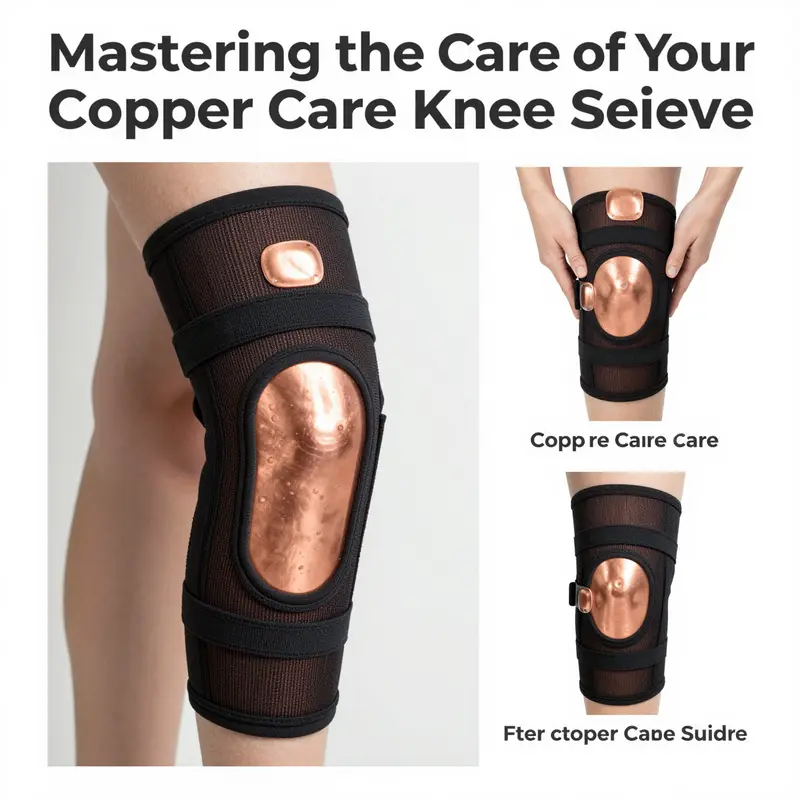
A knee sleeve that blends fabric with copper elements carries its own quiet promises of comfort and hygiene. The copper, woven into the textile or applied as a plating on hardware, adds a technical edge to daily wear. But care becomes a balancing act: you want to remove sweat and dirt without damaging the fabric, and you want to protect any copper components from oxidation or dulling. This chapter sets out a cohesive approach that treats the sleeve as a single system—the fabric and its copper elements—while offering practical steps to keep it functional, comfortable, and looking at least as good as when it was new. The guiding principle is simple: slow, gentle cleaning with cool or lukewarm water, a mild detergent, and mindful handling of hardware. When you follow this rhythm, you preserve both the textile integrity and the copper’s subtle properties, whatever form that copper takes in your sleeve.
First, begin with a quick assessment before you even fill a sink. Copper-infused fabrics are the most common configuration for protective sleeves of this kind. In that setup, the copper is embedded in the fibers themselves, and the care routine can be more forgiving, though still conservative. A sleeve that relies on copper plating, or a metal component such as buckles or hinges, requires a different set of precautions. The line between these two configurations matters because it dictates whether soaking is permissible and how aggressively you can clean the metal parts. If you can, identify which category your sleeve falls into—this informs the method you’ll use and helps prevent unintended damage. If you’re unsure, err on the side of caution and treat the garment as copper-infused fabric with careful spot checks for any hardware.
If your sleeve is copper-infused fabric, the emphasis is on gently lifting away sweat, oils, and soil without stressing the elastic fibers or disrupting copper’s integration with the textile. The water temperature is a guardrail: never hot, and often best when it reaches a temperate, forgiving range. A practical target is lukewarm, around 38 to 40 degrees Celsius, which is warm enough to help dissolve residues but cool enough to preserve the fabric’s structure and elasticity. Use a mild detergent. The detergent should be neutral in scent and free of aggressive additives such as bleach or fabric softeners, which can coat fibers or interact unfavorably with the copper particles. In some cases, a specialized detergent designed for technical athletic wear can offer enhanced performance for synthetic fibers that trap sweat and salts. The goal is to clean the sleeve without encouraging pilling, color fading, or weakening the elastic components that hold the sleeve snug to the knee.
Once you’ve prepared a basin with the appropriate temperature and a gentle cleanser, submerge the sleeve fully. The soaking step—about 30 minutes—helps loosen trapped sweat and oils that tend to accumulate around the joint. You may notice some water’s tint or a faint release of residue; that is normal and not a sign of damage. The key to preservation at this stage is restraint: avoid scrubbing, don’t twist, and resist the urge to wring. The fabric’s knit pattern and any copper-infused fibers can respond poorly to vigorous agitation, which can distort the fit or wear down the structure of the sleeve. After soaking, you’ll move to a gentle, hands-on cleansing with light pressure. Think of using your fingers as a soft brush, working the soiled areas with a careful circular motion rather than a rough scrubbing action. This is particularly important around the knee, where perspiration and debris accumulate more readily than elsewhere.
Rinsing is the next critical moment. Drain the soapy water and replace it with clean, cool water. Rinse by lifting and lowering the sleeve through the water a number of times until all foam is fully removed. Soap residue left in the fibers can irritate the skin when you re-wear the sleeve, so a thorough rinse is essential. If you still detect soap after a couple of rinses, repeat the process. The goal is to arrive at a clean, residue-free fabric that feels comfortable against the skin and won’t irritate or rub any one area repeatedly.
Drying is where the care routine diverges again based on fabric type. For copper-infused fabric, the recommended method is flat drying. Gently press or roll the sleeve on a clean towel to remove excess water—do not twist, wring, or squeeze with force, as these actions can stretch the elastic or distort the sleeve’s shape. Lay the sleeve flat on a dry towel and allow it to air dry in a well-ventilated area. Keep it out of direct sunlight and away from heat sources such as radiators or hair dryers. Heat can degrade the fabric and, over time, might alter the copper’s interaction with the textile. Do not hang the sleeve to dry if it risks stretching the fabric; instead, keep it flat to preserve its original form. When fully dry, you can reattach any detachable components if you had removed them, but only after the fabric is completely dry to prevent trapping moisture inside the hardware attachments.
If your sleeve uses copper plating or incorporates copper-containing metal components, the care steps change in important ways. Submerging copper-plated pieces can invite oxidation, discoloration, and even rust in iron-containing hardware. The recommended approach is to avoid soaking these components altogether. Instead, perform spot cleaning as needed: dampen a soft cloth slightly with mild soap and water and gently wipe the affected area only. Immediately dry the spot with a separate dry microfiber cloth to minimize water exposure. The goal is to prevent moisture from lingering on the copper-plated surface, which could lead to copper oxidation and greenish discoloration—the familiar patina that can transfer to fabric and skin. If you wish to add a protective barrier to the metal surface after cleaning, a thin layer of clear nail polish or a dedicated jewelry sealant can provide a moisture-resistant film. This barrier helps minimize direct contact with moisture and skin oils, reducing the risk of greenish stains while preserving the sleeve’s appearance. It is important to note that this step is optional and should be used only if you are comfortable with applying a very thin protective coating on metal parts. Always ensure the coating is completely dry before reassembling or re-wearing the sleeve.
Across both configurations, there are universal cautions that apply equally to copper-infused textiles and to metal-containing hardware. Avoid alkaline cleaners and aggressive chemicals, which can degrade synthetic fibers and copper coatings alike. Do not use bleach, fabric softeners, or harsh detergents, as these can alter the fabric’s texture, affect elasticity, and interfere with copper’s integration. Machine washing and machine drying are generally discouraged for copper-infused sleeves and any metallic parts. The agitation and heat can accelerate wear and may cause copper to oxidize or the hardware to loosen. If you rely on a pocketed or modular design, remove detachable parts before any cleaning to prevent snagging, deformation, or accidental damage to those components. By separating tasks—washing the fabric by hand and cleaning hardware with a damp cloth—you’ll minimize risk while maximizing longevity.
Storage plays a subtle but meaningful role in durability. After cleaning and ensuring complete drying, store the sleeve in a cool, dry place, away from direct sunlight and from fabrics that could snag or leave transfer marks. Folding or rolling the sleeve can help maintain its shape and prevent unnecessary creasing. If your sleeve has copper elements that feel slightly warm to the touch after wear, this is a normal sign of the copper’s interaction with body heat; ensure those areas are fully dry before storage to prevent moisture entrapment. A well-ventilated storage approach reduces the chance of musty odors and helps preserve the copper’s appearance over time. If your environment tends to be humid, you may consider a breathable fabric bag or a dedicated drawer liner that helps control moisture in the storage space without introducing harsh chemicals.
For sleeves with copper-plated hardware, the dry, cautious routine ends with a final quick wipe of the metal surface to remove any residual moisture that could promote oxidation. Keep an eye on any signs of discoloration along joints or crevices. If you see a greenish t tint, address it promptly with the spot-clean method described above and consider sealing once more if the appearance distracts from the overall look of the sleeve. These small preventive steps add up over time, protecting not only the hardware’s look but also the fabric around it from discoloration or damage that could require more extensive care later.
A well-executed laundering routine does more than eliminate odors. It preserves the sleeve’s fit, the fabric’s elasticity, and the copper elements’ integrity. The approach outlined here is built on common-sense premises: gentle handling, controlled temperatures, and minimal chemical exposure. By maintaining a steady pace—soak, rinse, gentle handling, lay-flat drying, and careful handling of hardware—you can extend the life of your copper-infused knee sleeve while preserving its intended properties and comfort. The moment you deviate into aggressive scrubbing, hot water, or machine cycles, you risk compromising both textile performance and copper behavior. In other words, think of care as a three-part discipline: respect for the fabric, respect for the copper, and respect for the hardware that ties the system together.
If you ever question whether your method is sufficient, consider revisiting the garment’s response after a wear cycle. Check for any change in fit, any new stiffness or looseness around the knee, or any signs of copper-related discoloration on the fabric or hardware. Small changes can indicate your sleeve is due for a gentler cleaning cycle or for a slight adjustment in drying practice. The habit of careful inspection keeps you in tune with how the sleeve holds up to regular use and helps you adjust your routine before wear or performance is affected. As you gain experience, you’ll notice that the simplest routine—soak, gentle cleanse, thorough rinse, and air-dry—remains the most reliable path to maintaining both hygiene and structural integrity.
For readers seeking additional, formal guidance on copper care beyond textiles, consult the broader copper care resources that outline best practices for cleaning and maintenance. These guidelines provide a complementary perspective on handling copper components and can help you translate textile care into a broader understanding of copper’s properties and care requirements. External resources can deepen your understanding, especially when copper plays a critical role in your gear’s performance and longevity. External resource: https://www.copper.org/applications/finishes/clean-maintain.html
Preserving Copper-Infused Comfort: Gentle Laundering Techniques for the Copper-Infused Knee Sleeve
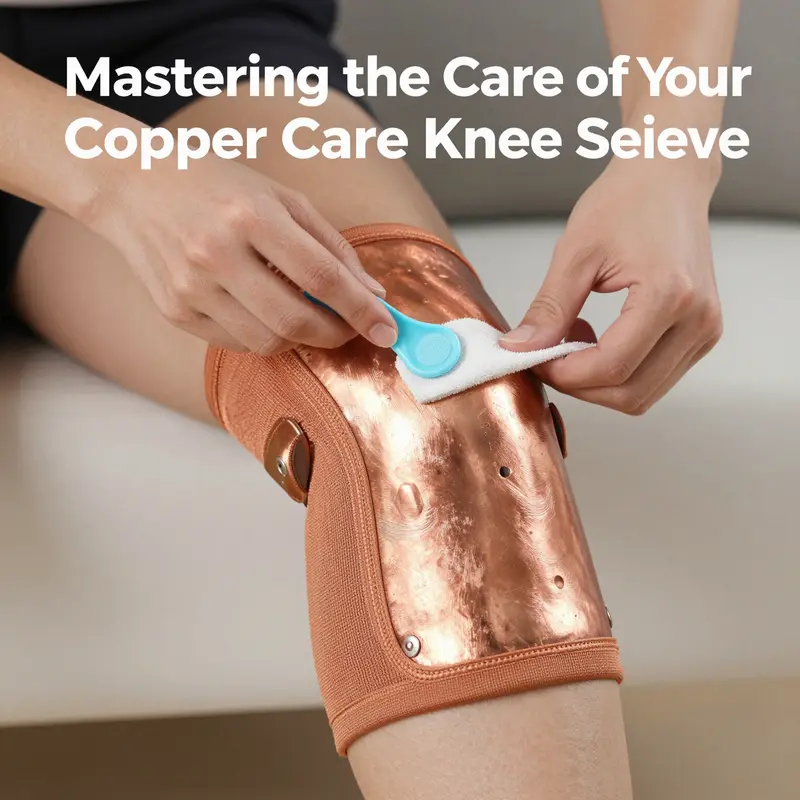
The promise of copper-infused textiles lies in their quiet, everyday utility: a knee sleeve that offers compression, support, and a subtle antimicrobial edge woven into the fabric itself. When you combine performance with comfort, care becomes more than a routine—it becomes a way to protect the fabric’s integrity and the benefits it provides. Cleaning a copper-infused knee sleeve is not purely about cleanliness; it is about preserving the delicate balance between the textile and the embedded copper particles that contribute to its antimicrobial character. A careful approach to washing keeps the sleeve responsive, maintains its fit, and safeguards the hardware that often accompanies this kind of protection gear.
Begin with the hardware, because the way you handle the components sets the tone for the rest of the process. If your sleeve has detachable buckles, hinges, or any plastic or metal hardware, detach them before washing whenever this is feasible. Separating these pieces accomplishes two things at once: it shields the hardware from unnecessary wear and enables more thorough cleaning of the fabric around each attachment point. It also prevents any snagging or distortion that could occur if metal parts were left to rattle or rub against the fabric during a wash. Once the sleeve and its components are separated, you can treat each part with appropriate care. The fabric itself benefits from a gentler touch, while the hardware can be wiped clean with a damp cloth and a mild soap, then dried promptly to prevent oxidation or staining.
Cold water is your ally when laundering copper-infused fabrics. Hot water is a risk to both the textile and the embedded copper’s longer-term performance. Heat can degrade elasticity, alter fabric structure, and, for the copper-infused fibers, potentially lessen the antimicrobial properties over time. Fill a basin or sink with cold water and introduce a mild, neutral detergent in modest strength. A teaspoon or so of a gentle laundry soap is enough for a standard sleeve; harsh detergents, bleaches, and fabric softeners should be avoided. The goal is not to strip any finishes or coatings but to suspend oils, sweat, and dirt that accumulate with use. The key is to keep the cleansing agents light and the water calm.
Soaking forms the core of the cleaning step, but the duration should be mindful of the fabric’s copper-infused nature. Traditional care guides for athletic fabrics often suggest a soak of about 30 minutes to soften grime. For copper-infused textiles, however, a shorter soak minimizes the risk of fiber fatigue and preserves the copper’s integration with the fibers. A gentle soak of five to ten minutes is typically enough to loosen sweat and oils. If you notice any noticeable residue after soaking, this is normal and can be dealt with by gentle agitation when you return the sleeve to the water. The consciousness here is simple: let the fabric do the work, not the abrasiveness of the hand or the strength of the scrub. After soaking, remove the sleeve and proceed to a cautious, hands-on cleaning step.
Gently agitate rather than scrub. Use your hands to press and swirl the sleeve in the water. There is no need to apply force or to rub the fabric aggressively. Scrubbing can abrade fibers and distort elasticity, especially around seams and edges that bear the brunt of movement in daily wear. If you encounter stubborn spots, a light, circular motion can help, but always with care. The aim is to lift the grime without straining the fabric’s structure. When you finish agitating, drain the soapy water and rinse with clean, cold water. Rinsing should be thorough and slow, allowing the fabric to release all detergent residues. Move the sleeve up and down or gently swirl it in the rinsing water until the water runs clear. It may take a couple of passes to remove every trace of soap, and that is perfectly fine. Detergent residues can irritate the skin and may affect the garment’s breathability and comfort if left behind.
Drying is a delicate moment in the care process. Copper-infused fibers, like most athletic fabrics, respond best to air drying. Lay the sleeve flat on a clean towel and roll the towel gently to blot excess moisture. Then lay the sleeve flat on another dry surface or a new towel, shaping it to its original form. Avoid wringing, twisting, or hanging the sleeve to dry. Hanging can stretch the fabric and alter the fit, which defeats the purpose of a compression garment. Direct sunlight and high heat sources should be avoided, as UV exposure and heat can degrade both the fiber matrix and the embedded copper particles over time. Do not use a tumble dryer; the thermal stress can compromise elasticity and the uniform distribution of copper within the fabric. Wait until the sleeve is fully dry before reattaching any detached hardware or putting it back into service.
When metals or plastic components are present, a parallel care routine ensures their longevity. For metal parts such as buckles or hinges, wipe them with a damp cloth and a mild soap if needed, then dry immediately with a soft cloth. Do not submerge these parts in water for extended periods, as prolonged exposure can promote oxidation or rust. Copper elements, if your sleeve includes any copper accents or copper-treated hardware, require particular sensitivity. Copper care guidelines advise avoiding alkaline cleaners, rinsing promptly after contact with chlorinated water (like pools or seawater), and thorough drying—especially in crevices where moisture can linger. A cotton swab can be useful for drying hard-to-reach corners. In practice, this means you treat copper accents with a gentler, more rinse-first approach than you might use for the fabric alone. The overarching principle is to keep all components free of moisture for as long as necessary and to prevent any chemical from lingering in crevices where corrosion or discoloration could begin.
A practical mindset for care is to consult the garment’s care label before any wash. Manufacturers’ instructions reflect specific fiber blends, weaving methods, and any protective finishes. The copper infusion, while advantageous, adds a layer of consideration: some blends tolerate machine washing on a gentle cycle, while others invite hand washing as the safer option. When machine washing is permitted, use a cold water setting (30°C or 86°F) and a gentle cycle. Choose a mild detergent and avoid fabric softeners, chlorine-based cleaners, and bleach. These agents can degrade the fabric’s texture and, in the case of copper-infused fibers, may affect the copper’s distribution or activity. If you prefer hand washing, follow the same principles of cool water and a mild soap, working the solution through the fabric with care and ensuring a thorough but gentle rinse.
The broader context of care for performance sportswear offers a reassuring framework for decisions. Copper-infused fabrics are designed to endure routine cleaning without sacrificing fit or function. Yet, their antimicrobial features rely on the integrity of the fibers and the copper treatment. Aggressive cleaning, high heat, or harsh chemicals can erode this balance over time. To support the garment’s life span, avoid soaking for long periods, avoid prolonged exposure to chlorine or harsh cleaners, and discipline yourself to air dry rather than heat-dry. The result is a knee sleeve that not only feels clean but remains effective in its design and purpose.
Occasionally, you may notice changes in the fabric after multiple wash cycles—slight changes to softness, a small shift in the sleeve’s elasticity, or a tint that may appear in high-friction areas. These are typical signals of wear but do not necessarily mean the garment is beyond use. If the fabric shows obvious signs of fatigue—persistent pilling, thinning, or cracking—consider replacing the sleeve to preserve both support and hygiene. If you suspect that copper elements are deteriorating or if you observe unusual discoloration around metal attachments, consult the manufacturer’s guidance or seek professional advice. The goal is to preserve the sleeve’s protective features and comfort for as long as feasible, without compromising safety or performance.
A cohesive routine also benefits from mindful storage. After the sleeve is completely dry, fold it gently and store it in a cool, dry place away from direct sunlight. Ensure there is no dampness in the storage area, as moisture can invite mold or mildew over time. If you have multiple protective garments, designate a clean, breathable storage space or garment bag that prevents friction with other items. Regular cleaning remains a part of maintenance, not just a response to noticeable staining. A clean sleeve resists smells and remains ready for a quick, confident donning before activities.
In applying these practices, you gain more than just a clean knee sleeve. You sustain the fabric’s elasticity, preserve the copper’s embedded benefits, and maintain the hardware’s reliability. The end result is a faithful companion for daily wear—one that continues to deliver compression, support, and the subtle antimicrobial edge that copper-infused fibers offer. The care routine becomes a quiet ritual that extends the life of a garment designed to support movement, stability, and recovery. For those who rely on knee sleeves during training, rehabilitation, or daily activity, a thoughtful washing routine translates into consistent performance and lasting comfort.
If you encounter uncertainties—such as a care label that conflicts with your observed performance, or if you notice unusual changes in texture or color—trust the guidance on the label first and seek the manufacturer’s advice when needed. The harmony between fabric, copper infusion, and hardware is delicate, and maintaining it requires deliberate, gentle steps rather than brute force. The care you invest today ensures the sleeve continues to support your movements with minimal compromise to its antimicrobial feature and its fit. This approach aligns with the broader aim of keeping protective gear functional and comfortable, enabling you to focus on the activity ahead rather than worrying about maintenance on the journey.
External resources offer additional perspective for those seeking a deeper dive into copper care beyond textiles. For authoritative guidance on cleaning copper components and preserving copper finishes, refer to resources such as Copper.org’s practical care guidelines, which outline approaches that complement the fabric care outlined here. This external reference can help you understand the broader principles of copper maintenance and how they apply to embedded copper in fabrics as well as to copper hardware you may encounter in protective gear.
External resource: https://www.copper.org/applications/finishes/clean-maintain.html
In sum, laundering a copper-infused knee sleeve is not a ritual of harshness but a ritual of respect: respect for the fabric, the copper treatment, and the hardware that completes the protective system. With careful handling, cold water, a mild detergent, a brief soak, and air drying, the sleeve remains comfortable, hygienic, and ready to support your movements with steady reliability. The care you give today translates into longer-lasting performance tomorrow, a small investment with meaningful return in comfort and confidence as you move through your day.
Guarding Copper and Comfort: Avoiding Damage When Laundering a Copper-Infused Knee Sleeve
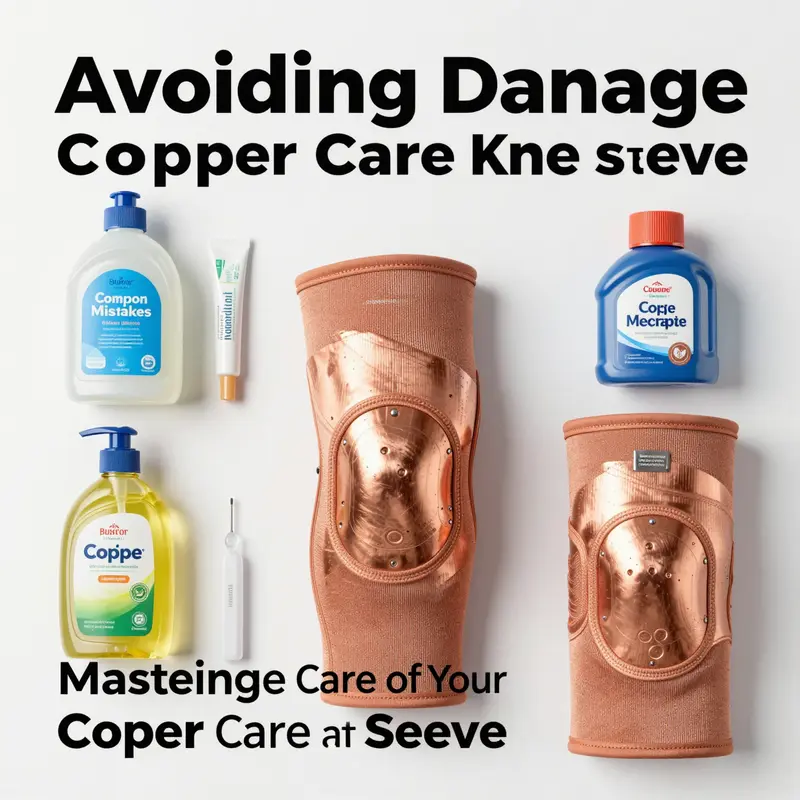
A knee sleeve that combines fabric support with copper-infused fibers promises both comfort and a sense of therapeutic benefit. Yet the very properties that make copper gear work—its fibers, elasticity, and embedded metals—also make it vulnerable to careless washing. A single misstep in the laundry routine can dull the fabric’s performance, distort its shape, or reduce the copper’s contact with the skin. To keep the knee sleeve hygienic and effective, you need a plan that respects both the textile and the metal components. The mistakes people commonly make are not about ambition or neglect but about assumptions: heat is harmless, more detergent is better, and aggressive cleaning is a sign of thorough care. In truth, those assumptions can erode the very benefits the sleeve is designed to deliver. When you approach laundering with a careful, informed method, you extend the life of the garment and preserve the gentle compression that supports joints and the copper’s purported benefits.
A foundational step is to consider the hardware embedded in or attached to the sleeve. Detachable components such as buckles, hinges, or any metal fasteners deserve special attention. If possible, remove these parts before washing. This precaution protects both the hardware and the fabric from snagging or abrasion. It also allows you to address each component on its own terms. The fabric can be cleaned without the fear of catching on metal edges, and the hardware can be wiped separately to remove oils and sweat that accumulate during wear. If you cannot remove certain components, treat those areas with extra gentleness during washing, and plan a more hands-on cleaning approach for them. This preparation reduces wear and helps keep the sleeve’s shape intact, which matters because the cuff and knee contour are part of what makes the sleeve fit securely and deliver consistent compression.
Next comes the water and the cleansing solution. Cold water is not merely a preference; it is a safeguard for the delicate balance of fibers and elastic. Hot water can cause shrinkage or deformation, especially in fabrics that blend synthetic fibers with copper-infused threads. A mild, neutral detergent is the companion you want here. Harsh chemicals, bleach, or fabric softeners can leave residues or coatings that interfere with the fabric’s properties. So, envision a shallow, respectful bath: cool water, a teaspoon of mild detergent, and a patient soak rather than a vigorous scrubbing session. The goal is to loosen sweat, oils, and dirt that have settled into the fibers; not to scour the sleeve into a stiffer, less forgiving version of itself.
The soaking period itself is important. Submerging the sleeve for about 30 minutes gives the soap time to penetrate the fabric. It is normal to see some faint residue emerge during this phase, especially from natural oils released by the skin and the copper-containing fibers. Do not rush this part. After soaking, gentle agitation is all that is needed. Use your hands to press and swirl the sleeve in the water. Resist the urge to scrub or twist. Aggressive motion can distort the elastic bands and the overall shape, which in turn can alter how the sleeve supports the knee or how the copper fibers align with the skin. The aim is careful cleanliness, not violence toward the fabric.
Rinsing follows with equal care. After draining the soapy water, refill with clean, cold water and rinse the sleeve by moving it up and down in the water several times. The detergent residue must be washed away to avoid buildup that can irritate the skin or alter the sleeve’s texture. It is better to rinse longer and more thoroughly than to risk residual soap clinging to the fibers. If you notice any remaining suds, repeat the rinse until the water runs clear. This step matters because even small traces of detergent can interfere with the breathability of the fabric and the way it conforms to your knee during activity.
Drying is where many good intentions go astray. The recommended approach is to lay the sleeve flat on a clean towel and allow it to air dry completely. Do not wring, twist, or squeeze the fabric, as those actions can stretch the elastic and distort the sleeve’s architecture. Avoid direct sunlight and heat sources, including tumble dryers, which can degrade both the fabric and the copper-infused threads over time. The goal is a gentle, even drying that preserves the original fit and keeps the copper components close to the skin as designed. Do not reattach metal or plastic hardware until the fabric is fully dry; moisture in crevices can promote rust, corrosion, or uneven wear when the sleeve is later worn again.
Cleaning the hardware deserves its own careful routine. Metal parts—such as buckles, hinges, or any metal accents—should be wiped with a damp cloth and a little mild soap, then dried promptly with a soft cloth. Never soak metal components for prolonged periods, as this can accelerate oxidation or rust. Copper elements, if present on the hardware, require particular attention. For copper elements, avoid alkaline cleaners and rinse promptly after contact with chlorine, whether from pools or seawater. After any cleaning, dry thoroughly, paying special attention to crevices where moisture can linger. A cotton swab can be handy for drying those tiny spaces so no residual dampness remains that could foster corrosion or tarnish.
Copper care comes with a broader set of cautions. The very material that lends the sleeve its therapeutic reputation can be sensitive to certain cleaners and environmental factors. The guidelines emphasize avoiding alkaline cleaners, fragrance-laden products, and any substances that create a persistent film on the fibers. The idea is to keep the copper’s surface and the fabric’s weave free from coatings that could impede heat transfer, moisture wicking, or the tactile sensation of the sleeve against the skin. In practice, that means choosing a wash routine that respects the material’s chemistry. It means recognizing that moisture, heat, and harsh chemical residues are not neutral variables but factors that influence long-term performance.
The care routine, in other words, is a choreography. Each step—whether detaching hardware, selecting cold water and a mild detergent, soaking, gentle agitation, thorough rinsing, or flat air drying—works in concert to preserve both the fabric’s structure and the copper’s embedded benefits. The goal is not simply cleanliness but sustained function: a knee sleeve that maintains its compression, retains its form during activity, and continues to deliver the comfortable contact of copper-infused fibers with the skin where it matters most. It is easy to fall into a mindset of “clean means fast,” but the slower, steadier approach pays dividends in the sleeve’s longevity and reliability when you need it most.
If you ever question whether a particular step matters, consider the principle behind it. Heat reduces elasticity; residue on the fibers can irritate the skin; harsh chemicals can dull the fiber’s finish or alter the copper’s surface in ways that diminish comfort and effectiveness. These are not mere aesthetic concerns. They directly affect how the sleeve feels during a run, a workout, or a daily activity that requires joint support. By treating laundering as a precise, patient practice, you protect the sleeve’s design intent: a blend of support, comfort, and copper-fused performance that works when you move.
To weave this practice into daily life without making it feel like a chore, think of the laundry as a small ritual of care rather than a rushed chore. Have your cold water, mild detergent, and a clean basin ready. Keep a soft towel at hand for pressing and drying. If you’re new to copper-infused gear, you may be surprised how small adjustments—like avoiding fabric softeners or never spinning in a dryer—can preserve the sleeve’s fit and feel. When you reassemble any detachable hardware, check that everything is aligned and secure. A properly reassembled sleeve should sit smoothly around the knee, with the copper fibers in contact with the skin in the intended way. The difference may be subtle, but it adds up across weeks and months of use.
For readers who want to explore broader care practices that touch on similar principles of maintenance and material sensitivity, a related resource discusses general maintenance skills. It can provide a complementary perspective on handling fabrics and hardware with care in everyday gear maintenance. Accessing such guidance via a broader maintenance lens helps to reinforce the same careful approach that keeps a copper-infused knee sleeve performing at its best. You can explore related discussions here: car maintenance skills.
As you continue to care for your knee sleeve, remember that the goal is consistency over intensity. Revisit the care label, if available, and adhere to the recommended practices. If a doubt ever arises—whether a cleaner seems mild enough or a component seems removable—err on the side of caution. It’s better to under-wash and rewash than to risk harming the fabric or copper elements. The practice you establish now will pay dividends in comfort, hygiene, and long-term performance, especially as you rely on the sleeve to support daily activities and workouts.
In closing, the path to maintaining a copper care knee sleeve is less about heroic cleansing and more about disciplined, gentle care. The simple rules—use cool water, mild detergent, avoid fabric softeners, avoid heat, and dry flat—carry a weight of intention. They honor the fabric, respect the attached hardware, and preserve the unique copper-infused technology that makes the garment more than a mere sleeve. By treating your laundering routine as a careful ritual rather than a quick task, you protect both the knee and the catalyst that helps it perform with ease. This mindful approach ensures the sleeve continues to fit well, feel comfortable, and function as designed, season after season.
External reference for further copper care guidance: https://www.copper.org/applications/finishes/clean-maintain.html
Guarding Longevity: Delicate Maintenance for a Copper-Infused Knee Sleeve
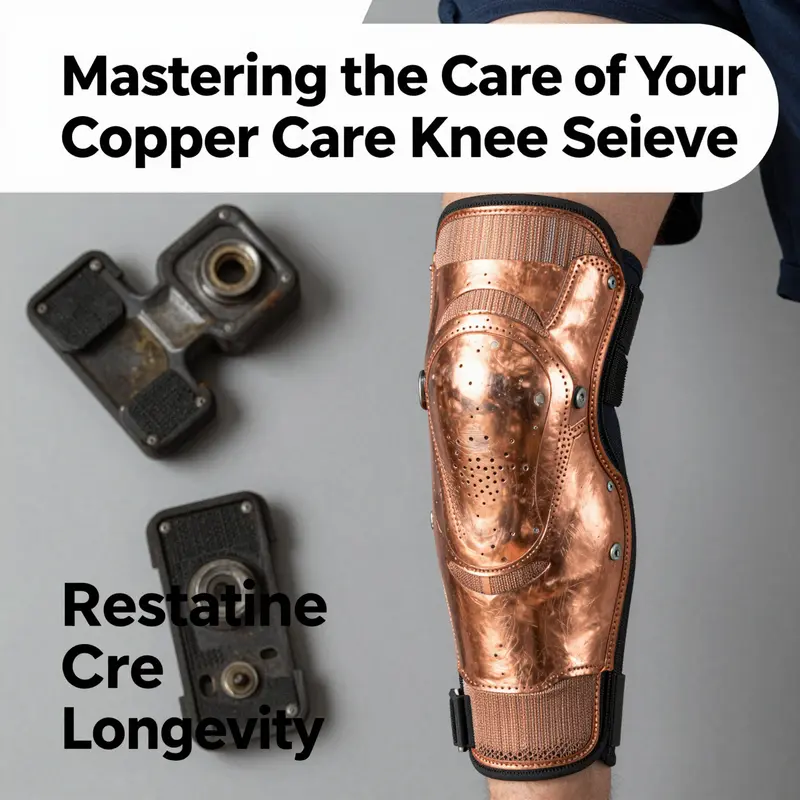
A copper-infused knee sleeve sits at the intersection of daily practicality and micro-scale engineering. It is designed to support movement, provide comfort, and perhaps offer antimicrobial or conductive properties that some wearers value. Yet like any protective garment that relies on textile fibers, elastic bands, and metal or copper components, its longevity hinges on thoughtful maintenance. The research available on this specific sleeve type does not lay out a complete longevity roadmap, but it does illuminate a sensible path: treat the fabric gently, protect the hardware, and honor the delicate balance between cleaning and preserving what makes the sleeve work in the first place. With that in mind, maintenance becomes less a chore and more a mindful ritual that sustains hygiene, flexibility, and the integrity of copper elements over many seasons of use. The goal is not to chase perfection through aggressive cleaning but to nurture the sleeve so it continues to fit snugly, breathe, and function as intended without compromising its copper-infused core.
Begin with a simple but crucial first step: remove any detachable components before washing. Buckles, hinges, or other hardware that can be separated should be taken off if possible. This is not merely a convenience; it reduces the risk of hardware snagging, bending, or rubbing against fabric fibers during the wash. When parts come apart, each piece—fabric sleeve and hardware—has room to be cared for according to its own needs. The sleeve itself benefits from a gentler bath, while metal or copper pieces receive a more targeted wipe-down that prevents moisture from lingering where it can foster corrosion or clog crevices. The separation also allows you to assess wear on the hardware itself. If any piece shows looseness or fatigue, you’ll have a clearer heads-up about whether it should be replaced or serviced before it causes discomfort or damage during wear.
Next, the cleansing environment matters as much as the cleaner you choose. Use cold water and a mild, neutral laundry detergent. Hot water can degrade elastic components and soften fibers more quickly, reducing the sleeve’s snug fit—a key feature for support. A teaspoon, roughly 4.9 milliliters, of detergent is ample for a thorough cleanse without leaving behind soapy residues that could irritate skin or alter the fabric’s texture. Harsh detergents, bleach, or fabric softeners are off-limits here. Bleach can be too aggressive for elastic fibers; fabric softeners can coat fibers and reduce breathability and moisture management. The aim is to preserve elasticity, texture, and the copper-infused layer’s properties, not to strip them away with aggressive chemicals.
As the water gathers, submerge the knee sleeve completely and let it soak for about 30 minutes. This step helps loosen sweat, oils, and dirt that become trapped in the weave and in the creases around seams. It is normal to see a little residue or tint exit during the soak, especially if you’ve worn the sleeve during workouts or in humid conditions. Rather than rushing to a quick rinse, give the soak time to do its work. A slow, patient soak softens grime without requiring aggressive scrubbing later, which can stretch elastic bands or abrade copper-coated surfaces. The soaking phase also gives you a chance to smell the sleeve for any lingering odors. If you detect a persistent odor after soaking, a second gentle rinse can be enough to refresh it without resorting to harsher cleaners.
Gently agitate the sleeve in the basin or sink during the soak. Use clean hands to press and swirl the fabric rather than scrubbing or wringing. The fabric, elastic, and any copper-infused layer respond best to light handling. Aggressive agitation, twisting, or rubbing can fatigue elastic, distort fabric, or create micro-tears that become opportunities for dirt and sweat to work their way back in. Think of gentleness as a form of preventative maintenance: small, mindful motions now reduce the need for repairs later. If the sleeve feels especially grimy after the soak, you can repeat the gentle agitation briefly, but avoid a harsh scrubbing motion at any point.
Rinsing follows with equal care. Drain the soapy water and refill with fresh, cold water. Rinse the sleeve by moving it up and down in the water multiple times, allowing the clean water to wash away every trace of detergent. Detergent residues left behind can irritate skin, alter fabric texture, and attract more dirt sooner. Check that every seam and the inner surface feel free of suds. If necessary, repeat the rinse until the water runs clear. A thorough rinse is essential for keeping the fabric feeling soft and for maintaining the integrity of the copper layer, which can be sensitive to prolonged exposure to certain residues.
Drying must be approached with equal restraint. Lay the knee sleeve flat on a clean towel and roll it gently to remove excess water without wringing. Then lay it flat in a well-ventilated area away from direct sunlight and heat sources. Heat can degrade elastic fibers and copper coatings over time, leading to stiffness and diminished performance. Do not hang the sleeve to dry, as that can stretch the fabric and alter its compression. Allow it to air dry completely before reattaching any hardware or returning to wear. The aim is a firm but flexible fabric that retains its original shape and compression profile after every wash. Only once the sleeve is fully dry should you consider reintroducing any metal or copper components that you removed earlier. This prevents trapping moisture in crevices, which could lead to oxidation or tarnish in copper parts and reduce antiseptic properties—the very elements that the care team hopes to preserve.
The hardware, particularly any metal parts, deserves its own careful routine. Wipe metal components with a damp cloth and a small amount of mild soap, then dry immediately with a soft cloth. Do not soak metal parts in water, as exposure to moisture can promote oxidation or rust in some alloys. If corrosion is a concern for copper elements, quick, minimal contact with water during routine cleaning reduces the risk of mineral buildup in hard-to-reach places. This step ensures the hardware remains smooth and functional, avoiding snags or stiffness when the sleeve is donned or removed. The copper elements, if present, require special attention. Copper can react with alkaline cleaners and with chlorinated water. In practice, that means avoiding alkaline cleaners such as some dish soaps, promptly rinsing after contact with chlorine from pools or seawater, and drying thoroughly—especially in crevices or small gaps where moisture can hide. A cotton swab can be an effective tool for drying those tight spaces. While the research here does not provide copper-specific performance data, these cautions are widely recognized in copper care guidance and help preserve both the metal’s appearance and its functional contact with the wearer’s skin.
In the end, maintenance is less about chasing a flawless appearance and more about preserving the sleeve’s core capabilities over time. The fabric needs to remain breathable and elastic, the closure system and any fasteners must stay reliable and smooth, and the copper components should retain their integrity so that any potential benefits they offer do not degrade prematurely. Since there is limited manufacturer-specific longevity data in the materials at hand, a prudent approach blends general garment care with the particular considerations of copper-infused elements. You protect the sleeve’s performance by resisting heat, avoiding harsh chemicals, and handling hardware with care. The gentle, methodical practice reduces the likelihood of fiber fatigue, seam separation, or hardware failure. It also aligns with a broader principle of physical therapy and protective wear: equipment that performs well is equipment that is well cared for, and small daily routines can translate into longer intervals between replacements.
Beyond the wash, daily wear and storage habits influence longevity just as much as a careful launder. After removal, air out the sleeve to release any trapped moisture and prevent odor development that can linger if the fabric stays damp. Store it in a clean, dry location where it won’t be crushed or bent out of shape. Avoid folding that concentrates pressure on the copper areas or elastic zones; instead, store flat or loosely rolled to maintain the sleeve’s compression profile. When you reach for it again, you should notice the same snug fit and comfortable flexibility you enjoyed at first use. These small habits—proper washing, careful drying, considerate storage—aggregate into meaningful gains in durability.
It is also worth acknowledging the gap in the literature surrounding copper-infused knee sleeves. While the available material emphasizes general knee health practices such as weight management, exercise, avoiding prolonged sitting, keeping knees warm, proper nutrition, and the use of knee braces for conditions like arthritis or meniscus tears, specific maintenance guidance for copper-infused products is less well documented. This does not undermine the value of basic care; it simply means readers must apply broad garment care principles with an extra respect for the copper layer. If you have access to a manufacturer’s label or care instructions, use them as a primary reference; when in doubt, favor gentleness and conservatism in your approach. The overarching idea remains consistent: cleaner, less stressed fabric and metal parts contribute to longer usability and better hygiene, which in turn supports comfort and function during recovery or daily activity.
To support informed care beyond the practical steps described here, you can consult established copper care guidelines from reputable sources. For authoritative guidance on copper cleaning and maintenance, refer to the Copper Development Association’s overview on cleaning copper jewelry and decorative items. This external resource provides a broader context for handling copper components, including how to rinse away residues, avoid problematic cleaners, and dry thoroughly to protect intricate surfaces. It complements the sleeve-specific routine without replacing it, helping you understand why these precautions matter for copper and how they translate into real-world care for copper-infused wearables. See the external resource for further detail on copper care practices: https://www.copper.org/applications/finishes/clean-maintain.html.
In sum, longevity for a copper-infused knee sleeve rests on disciplined, gentle care that respects both fabric and metal. By removing detachable components before washing, using cold water and a mild detergent, soaking briefly, handling with care during agitation, rinsing thoroughly, and drying flat away from heat, you preserve elasticity and the sleeve’s protective structure. Cleaning hardware separately and giving copper elements additional caution—avoiding alkaline cleaners, rinsing after chlorine exposure, and drying thoroughly in crevices—further guards against wear. When these steps become part of a routine, the sleeve can continue to support your mobility, dignity, and comfort across seasons. The result is not only a piece of protective gear but a durable partner in your ongoing commitment to knee health and daily activity. For anyone who relies on this kind of wearable as part of a rehabilitation plan or a daily wellness routine, mindful maintenance translates into sustained performance and ongoing peace of mind.
Final thoughts
In conclusion, understanding how to effectively launder and maintain your copper care knee sleeve is essential for anyone involved in motorcycle or automotive activities. By following the detailed steps outlined in this guide, and implementing proper care techniques while avoiding common pitfalls, you can ensure your knee sleeve remains both functional and hygienic. Regular maintenance not only enhances the life of your gear but also contributes to your safety and comfort during use. Invest the time in maintaining your equipment, and you will reap the benefits of performance and durability.