

Installing a reducer sleeve, or shock absorber dust boot, on your RC car plays a pivotal role in ensuring the vehicle’s longevity and performance. For motorcycle and auto enthusiasts, these components are often overlooked, yet they significantly contribute to handling and comfort during operation. The following chapters will guide you through selecting the right tools and preparation, detailing each step in the installation process, and providing essential maintenance tips to keep your RC car performing optimally.
Guarding the Gears: A Comprehensive Journey to Installing a Reducer Sleeve on an RC Car
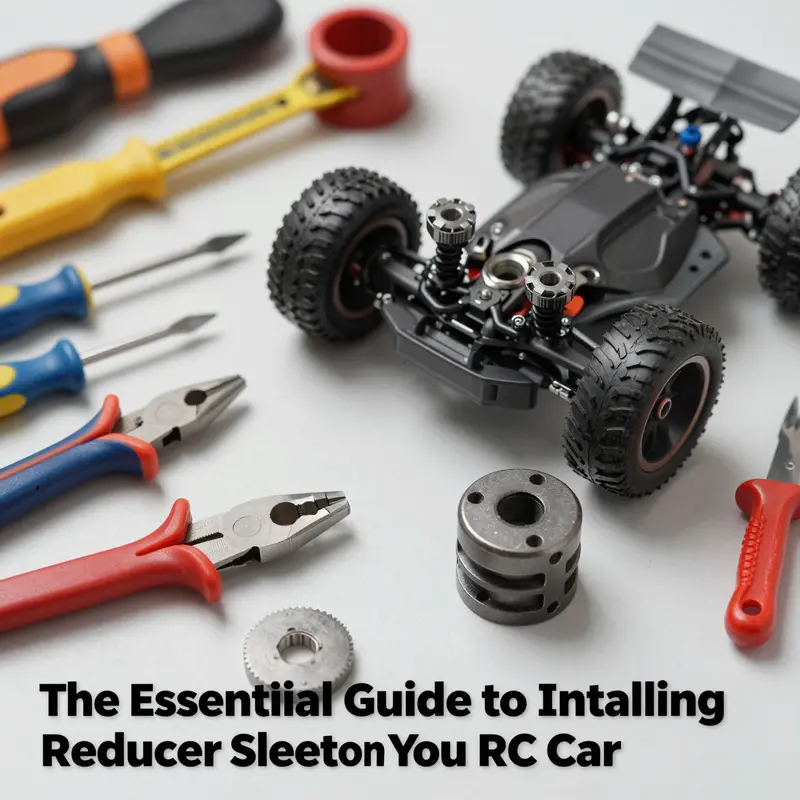
Dust, grit, and heat are unwelcome companions for any RC car’s drivetrain. When a car is pushed to its limits across rough terrain or high-speed runs, the moving parts—the drive shaft, the housing, and the surrounding sleeves—bear the brunt of dirt and mechanical stress. A reducer sleeve, often marketed as a dust boot or protective sleeve, is not just a cosmetic add-on. It acts as a quiet guardian, sealing joints, guiding movement, and extending the life of the harder-working components under load. Installing one correctly is a blend of careful preparation, tactile patience, and respect for tolerances. The goal is to create a seal that remains aligned after every impact, every grain of dust, and every micro-vibration that travels through the chassis. The process begins with the right mindset: treat the vehicle as a system where each part must be free from burrs, well-lubricated, and precisely positioned for predictable performance. With that mindset, the task unfolds as a chain of deliberate actions rather than a hurried rearrangement of parts. The first step is to assemble a small, clean workspace that mirrors a workshop bench rather than a casual garage table. A well-lit, flat surface reduces the chance of dropping small components or missing the moment when a sleeve slides into place. The tools chosen are not exotic; they are the kind that promote control. A set of hex keys and screwdrivers covers the fasteners that hold the housing and the drive shaft. Pliers are indispensable for gripping tiny rings or clips without nicking them. A drift punch, or a simple alignment tool, becomes a quiet partner in coaxing the sleeve to sit squarely where it must. A rubber mallet—never a metal hammer—offers a gentle nudge that respects plastic housings and the sleeve’s geometry. A clean cloth and a dab of light lubricant are the quiet helpers that prevent galling and ease the sleeve’s journey onto the shaft. These preparations are not mere formalities; they are the foundation that prevents rework and scrap later in the maintenance cycle.
The practical path to a successful installation begins with disassembly that respects the integrity of every part. In many RC models, the reducer sleeve sits in or adjacent to the drivetrain housing, often near the drive shaft’s juncture with the differential or a similar junction where rotational motion is transmitted and sealed. The disassembly step requires a calm approach: remove the components in a sequence that preserves the order of parts and their orientation. If you are working on the rear or front end of the car, you will likely need to detach the drive shaft from the hub assembly and remove the differential housing to expose the sleeve’s seating area. While this may sound routine, the moment you rush or pry without proper alignment can introduce burrs, misalignment, or even cracks in the housing. The emphasis must be on cleanliness and measurement. A quick wipe with a clean cloth removes old grease, dust, and tiny metal shavings that tend to hide in crevices. It is not uncommon to find faint burrs along the inner surface of the housing or on the sleeve’s edge; these imperfections invite misalignment and premature wear if not addressed.
Compatibility is the next critical hinge. Not all reducer sleeves share the exact inner diameter or overall length as the original part. The sleeve must fit the drive shaft and housing with a snug but not tight embrace. If the sleeve slides in with a heavy hand, or if it binds at the first attempt, it is a sign to pause and recheck. A quick measurement with a caliper or a careful visual check against the drive shaft can prevent an ill-fitting sleeve from becoming a source of vibration or misalignment. The common sizes—3mm, 4mm, or 5mm inner diameters—point to the importance of matching the sleeve to the shaft. A mismatch manifests as play that translates into wobble or, worse, the sleeve binding during rotations. If the sleeve’s tolerance is too tight, the shaft won’t seat fully and the assembly will ride partially out of true, while a sleeve too loose invites dust intrusion and sloppy motion. With the correct sleeve identified, the next move is to introduce a light lubricant to the sleeve’s inner surface. A silicone-based grease or a light machine lubricant reduces friction during installation and serves as a temporary shield against micro-pitting caused by micro-impacts. The lubricant is not a persistent layer; it simply enables a smooth entry and proper seating. The aim is to establish a low-friction interface so that once the sleeve is in place, it remains properly centered and free to rotate with minimal resistance.
Alignment is the quiet art that separates a good installation from a great one. The sleeve must be centered within the housing, with its ends flush against its seating surfaces. The drift punch becomes a gentle ally during alignment. By placing the punch into the sleeve’s open end and lightly tapping, you guide the sleeve without forcing it. The key is to proceed gradually, checking for flush seating after every minor adjustment. If resistance is encountered, the instinct should be to pause, re-check the pathway for obstructions—dust, burrs, or misaligned edges—and clean again. Forcing the sleeve into place risks cracking a plastic housing or deforming the sleeve itself, which will cascade into binding or uneven wear during operation. The tactile feedback matters here: you want a soft, even resistance as the sleeve slides in, followed by a confident but gentle seat when fully seated. In this moment, confidence comes not from brute force but from measured, persistent alignment.
Once the sleeve sits correctly, the reassembly begins with equal care. The drivetrain components must be torqued to the recommended specifications, if the model’s service manual calls for torque values. This step matters because under tightening can lead to play and overtightening can induce stress fractures in plastic parts. The sequence of reassembly should mirror the disassembly: reattach the drive shaft to the housing, reconnect any clips or clips, and ensure the housing itself is securely fastened to the chassis. The delicate balance of snugness is the unsung hero of reliability. After tightening, a quick inspection confirms that no part interferes with the sleeve’s movement and that the sleeve remains seated during the rotation of the shaft. A cautious, low-speed test run might reveal subtle misalignments that the naked eye would miss. The aim is a smooth motion with predictable resistance and no grinding. If any strange noise or tight spots appear, the car should be shut down and re-examined. This is the moment when many small discrepancies become evident, and catching them early saves wear on the sleeve and the housing in the long run.
Maintenance after installation is not a performative afterthought but a practical discipline. The dust that inevitably sweeps into the workspace during a run will also settle on the drivetrain. A pristine, routine wipe-down after a session ensures that loose grit does not embed itself into the seal or into the sleeve’s edges. The sleeve itself benefits from a light reminder of lubrication after several runs, but the quantity must be minimal; too much grease can attract dust and accelerate wear. The principle to follow is simple: less is more, but enough is enough to ensure smooth entry and exit of the shaft through the sleeve as the car negotiates changes in speed and direction. If the sleeve shows signs of cracking, tearing, or a consistent misalignment that recurs after maintenance, it is a signal that the part must be replaced. A worn sleeve is a symptom of deeper drivetrain issues or aging components. In such a case, a broader inspection of the drive shaft, the housing, and adjacent parts is prudent to prevent a domino effect of failures.
To transform this procedure from a ritual of guesswork into a repeatable practice, one must cultivate a set of routine checks and a workflow to replicate a clean installation. A short pre-run checklist helps; it might include verifying that the sleeve is seated, ensuring the drive shaft spins freely, confirming there is no binding at any joint, and confirming fasteners are torqued to spec. The post-run check, on the other hand, includes inspecting for heat spots, unusual wear, or dust intrusion. If the car has operated in particularly dusty or damp environments, it is prudent to inspect more frequently, as the sleeve’s effectiveness is directly linked to how well the sealing surfaces are maintained. This entire process, when performed with patience, yields tangible benefits: quieter operation, reduced wear on the drive train, and longer intervals between major repairs. It also contributes to the consistency of handling. The shock absorbers and their protective sleeves do more than guard against dust; they stabilize how the suspension interacts with the chassis, and that stability translates to predictable steering and more reliable traction through corners and over jumps.
A practical, real-world mindset supports learning and mastery. Even with a well-illustrated guide, every RC car has its quirks. The positions of the sleeves and the housings can vary slightly depending on the model, the design of the chassis, and the exact routing of the drive shaft. The real value lies in applying the same core checks: confirm a clean seating surface, verify compatibility, apply a touch of lubricant, align with a gentle drift, and reassemble with controlled torque. The hands-on experience gained through repeated practice helps you anticipate minor obstacles and adapt the method without losing the careful rhythm essential to precision work. The result is not just a single successful sleeve installation; it is the formation of a reliable maintenance habit that makes future installations faster and more confident while preserving the car’s performance envelope under demanding running conditions.
For readers seeking a bit more structural clarity, consider treating maintenance as a series of micro-decisions driven by the geometry of the components. The sleeve’s job is to maintain a seal without impeding motion. If the drive shaft binds, it is a sign that the sleeve is not sitting squarely or that the inner diameter is mismatched for the shaft. If the jacketed housing shows any flex or cracking when the test rotation is performed, further inspection or replacement of the housing may be necessary. The goal remains to leave the work surface cleaner than you found it, with all tools at hand in clear reach, and to leave the vehicle ready for a cautious test run. A measured approach minimizes surprises and ensures that every component works in harmony, preserving the car’s performance and the longevity of its most exposed, most critical life-sustaining parts.
As with many mechanical tasks, a blend of method and caution yields the best outcomes. When you are ready to glean broader wisdom from a wider maintenance tradition, you can explore resources that emphasize the fundamentals of handling small parts, cleaning, and reassembly with attention to tolerances. For a practical primer on general car maintenance skills that underpins this kind of operation, see car maintenance skills. The hyperlink is a reminder that the work you do on an RC car mirrors the discipline you apply in any compact mechanical system: keep it clean, keep it aligned, and keep it lubricated just enough to glide smoothly through its cycles. In the end, the success of a reducer sleeve installation rests on a careful eye for alignment, a light touch, and a willingness to pause when anything looks off. The payoff is a drivetrain that stays sealed, operates cleanly, and endures the challenges of off-road racing and recreational bashing alike.
External resources can further illuminate the installation process by providing detailed diagrams, step-by-step visuals, and model-specific cautions. When in doubt, consult official manuals or trusted tutorials that stress safety, correct torque values, and proper seating. External reference: https://www.traxxas.com/support/technical-resources
null

null
Sealed Pathways: Installing a Reducer Sleeve to Protect Your RC Car’s Drivetrain

A reducer sleeve, often described as a protective dust boot for RC drive shafts, is more than a simple part. It acts as a seal that keeps grit, moisture, and small debris away from the gearing, helping to preserve tolerances and smooth operation over time. The goal of this chapter is to guide a careful, repeatable installation that remains reliable under race or hobby use.
Preparation and workspace:
Power off the model and remove the battery. Place the chassis on a clean, flat surface and ensure you have a tray or magnetic mat for tiny parts. Gather the right tools: small screwdrivers, needle-nose pliers, a soft mallet, a light lubricant for RC drivetrains, and a lint-free cloth.
Inspect and prepare:
Open the gearbox housing only as far as needed to access the bore. Inspect the shaft, bore, and any keyways for burrs, wear, or damage. Wipe the shaft clean and remove old lubricants. If you find pitting or scoring, address it before continuing.
Fitment:
Measure the sleeve inner diameter, length, and any keyway geometry against the shaft. Lubricate the bore lightly, align the keyway with marks, and slide the sleeve onto the shaft with even, gentle pressure. It should seat with minimal force but hold firmly.
Reassembly and torque:
Reassemble the housing, paying attention to fastener placement and torque. Do not over-tighten; return to manufacturer specifications to avoid binding.
Test run:
Power up and drive in a controlled area. Listen for binding, strange noises, or vibrations that indicate misalignment or an interference with gears. If anything feels off, stop, recheck the sleeve position and related seals.
Maintenance and broader context:
Regular inspection of the sleeve, its bore, and surrounding seals helps catch wear before it affects performance. Use a clean lubricant and keep moisture away. Consult your chassis manual or official maintenance guides for model-specific torque and fitment guidance. External resources can provide broader chassis care context, while model-specific guides clarify torque and material requirements.
Outcome:
When installed correctly, the reducer sleeve contributes to smoother shifts, reduced wear, and longer service life of the drivetrain, especially under demanding use.
Final thoughts
Successfully installing a reducer sleeve on your RC car enhances not just the lifespan of the shock absorbers but also contributes to a superior driving experience. By following the outlined steps and performing regular maintenance, you’ll ensure that your RC car remains in peak condition for years to come. Empower yourself with these installation techniques and maintenance tips to fully enjoy your RC car adventures.