
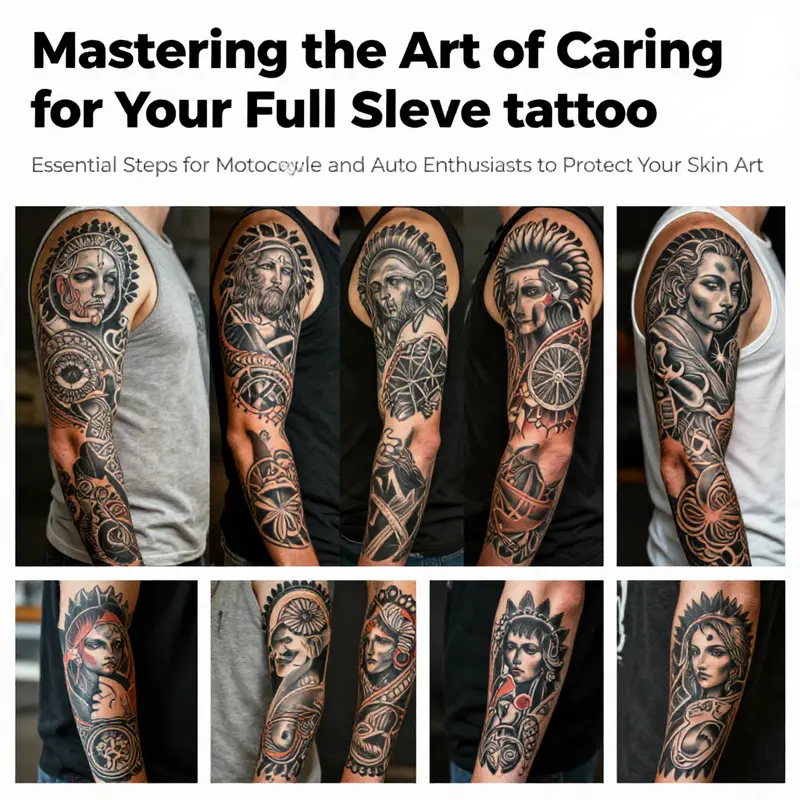
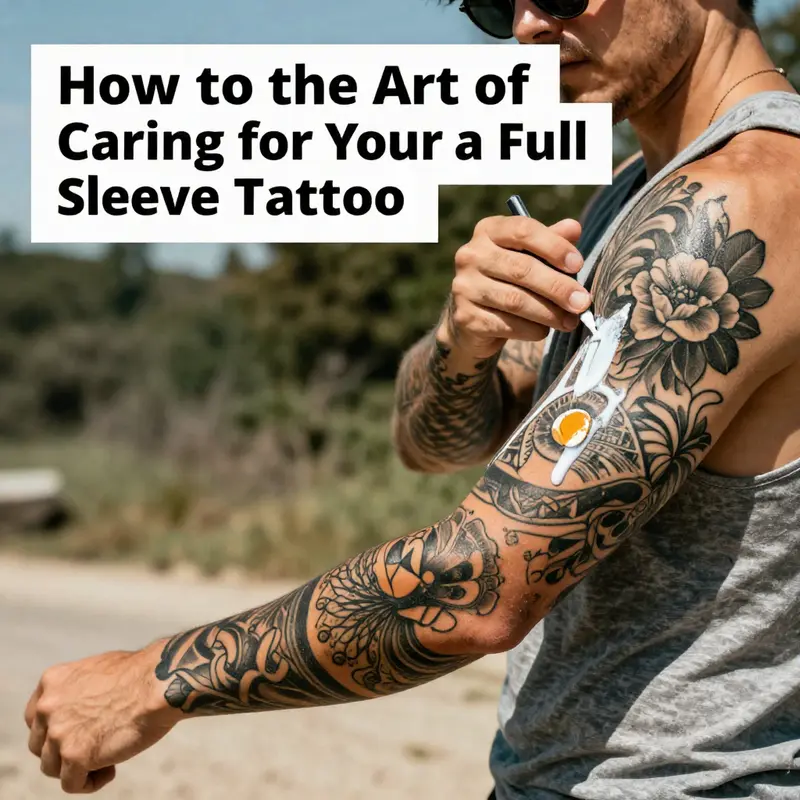
A full sleeve tattoo is more than just body art; it’s a reflection of personal style and identity, especially for motorcycle and auto enthusiasts. Given the intricate designs and larger surface area, it requires diligent care to ensure optimal healing and vibrant color retention. Understanding the nuances of care from the moment your tattoo is inked through to long-term maintenance will not only uphold its appearance but also enhance your comfort and lifestyle. This guide will navigate you through the essential stages of tattoo care, detailing immediate post-application steps, establishing a daily healing routine, managing the inevitable itching and scabbing, and proactive long-term maintenance, specifically tailored for individuals who are often on the move, whether riding bikes or handling mechanics.
First Moments, Lasting Depth: Immediate Post-Tattoo Care for a Full Sleeve
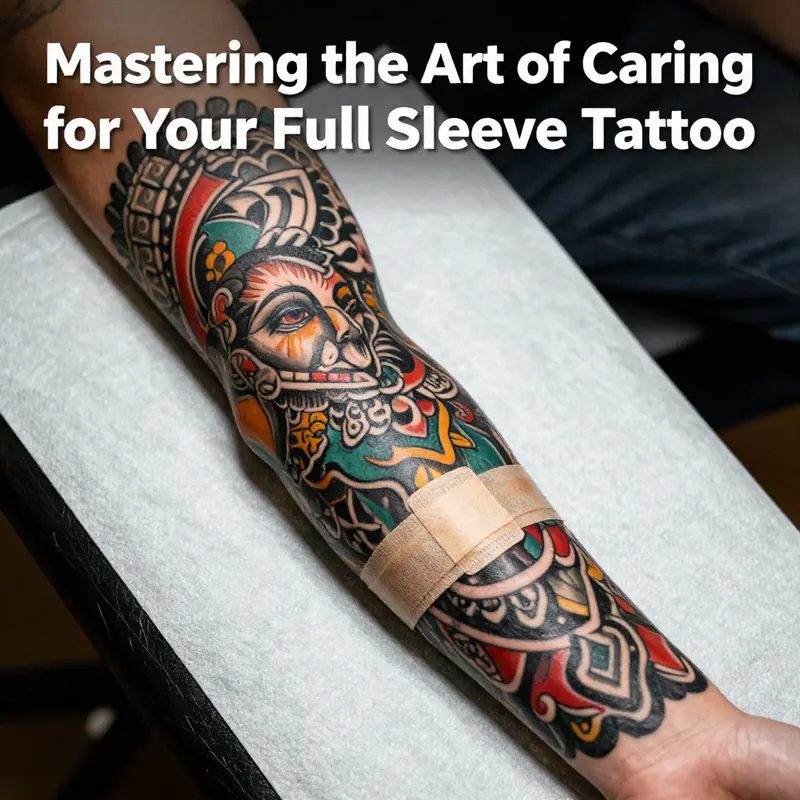
A full sleeve is a journey across the skin, a living canvas that begins healing the moment the needle stops. The skin across a large area endures more stress than a small tattoo, and the early hours set the tone for weeks of recovery and color retention. The care you provide in that first window—roughly the first 24 to 72 hours—acts as the foundation for the entire healing process. With attentive care, you give your artist’s work the best chance to settle evenly; with neglect, you risk slower healing and uneven pigment. This mindset turns post-care into a deliberate ritual rather than a chore.
The first step is the wrap or bandage your artist applies after finishing. This wrap protects the fresh ink from friction and bacteria and is typically left in place for a tightly prescribed window, often two to four hours, though timing can vary based on skin type and ink layering. When you remove it, you enter a delicate stage where the skin begins to breathe and the healing response shifts. From here, gentle care becomes essential.
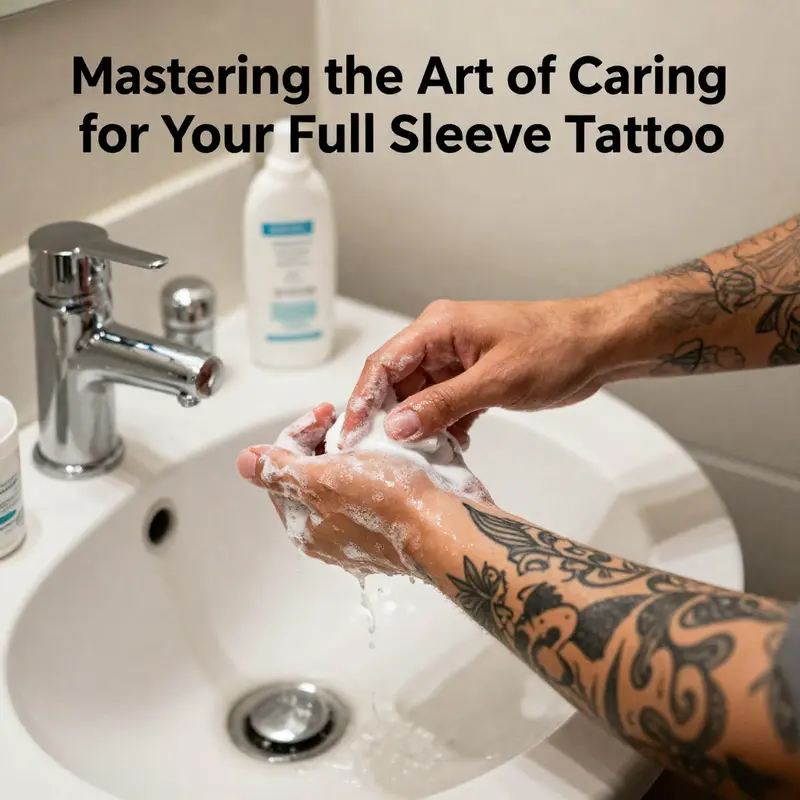
The initial wash should be calm and minimal. Rinse with lukewarm water and use clean hands with a mild, fragrance-free soap to remove plasma and debris without scrubbing. Pat the area dry with disposable paper towels or a clean cloth; rubbing should be avoided to prevent lifting pigment. The goal is a dry, clean surface that remains sensitive but undisturbed.
Moisturization strategies in the first few days vary by artist, but the general principle is restraint. Some artists advise waiting a short period before applying any ointment to avoid occluding the skin; others may recommend a thin layer of a fragrance-free, non-petroleum moisturizer. In either case, avoid heavy creams that feel greasy or create a thick barrier. A light touch helps the skin breathe while the immune system begins its work.
As healing progresses, a simple routine tends to work best: cleanse twice daily with mild soap and water, then apply a thin layer of moisturizer after each cleaning. Loose, breathable clothing around the arm helps reduce friction and overheating, while avoiding tight sleeves that rub against ink. The goal is to keep the area clean, cool, and free from irritants while pigment binds with the skin.
Beyond the local care, consider the environmental context. Temperature and humidity influence how the skin dries and scabs form. Extremely hot showers or soaking baths can macerate skin and delay healing, while prolonged exposure to sun should be protected by clothing or sunscreen once the arm is fully healed. In the early days, protect the sleeve from direct sun while the color is most vulnerable.
Itching is common during healing, but scratching can disrupt the healing surface and disturb pigment. If itchiness becomes intense, cool compresses or fragrance-free moisturizers may help. If there is persistent redness, swelling, pain, fever, or pus, consult your artist or a dermatologist promptly. Early warning signs deserve professional input to prevent complications.
Finally, imagine post-tattoo care as a long-term relationship with your sleeve rather than a one-time task. Hydration and sun protection remain part of routine long after the initial scabs fall away. A broad-spectrum sunscreen protects color during sun exposure, and ongoing gentle moisturization keeps skin supple. As your sleeve settles, you may schedule touch-ups with your artist to preserve line work and color richness over time.
The takeaway: treat the first days as a foundation you build with your body and artist. Consistency, patience, and a mindful approach to cleanliness and protection can help your new ink settle evenly, heal smoothly, and remain vibrant for years to come.
The Full-Sleeve Healing Ritual: A Daily, Discerning Path to Nurture a Large-Scale Tattoo
A full sleeve is more than a collection of images stitched to skin; it is a living surface that carries color, nuance, and texture across a broad expanse of the body. Caring for that much ink demands a daily discipline that acknowledges how a large tattoo behaves differently from a small one. The skin under a full sleeve is a restless canvas—sensitive, sometimes tight, and easily unsettled by routine missteps. The healing journey is not a single moment of compliance but a long, patient conversation between you and your evolving dermal artwork. When you approach care as a sequence of deliberate, mindful actions, you set the stage for even healing, vibrant color retention, and a result that looks as intended for years to come. This is not about chasing perfection in a short window; it is about honoring the ink as it settles into your body, learning what your skin needs, and adjusting as the days unfold.
In the earliest hours after the session, the body is already in recovery mode, and the sleeve presents a frontier of moisture and protection. Your artist will typically finish with a sterile wrap that serves as a first line of defense. The wrap is there to shield the fresh lines from bacteria, friction, and unintentional contact. Adhering to that initial guidance is the first small but important ritual: leave the wrap on as directed, usually a few hours, and then begin a careful cleansing routine that is gentler than your instinct might demand. When you finally remove the wrap, cleanse with lukewarm water and a fragrance-free, antibacterial soap. The goal is to wash away surface contaminants—sweat, oils, and any trace ointment—without agitating the healing skin. Use your hands, not a scrub brush or loofah; the skin underneath the sleeve is raw in places and easily irritated. Pat dry with a clean, disposable towel rather than rubbing, which can irritate and disrupt the delicate new surface. The first thin film of healing is often accomplished with a light layer of a tattoo-specific healing balm or a bland, fragrance-free option, applied sparingly. The emphasis here is on thinness rather than heaviness. A heavy application can clog pores and compromise the breathability that the skin needs to continue its natural healing rhythm. Yet some artists differ on the use of ointments in the first days, depending on their technique and the pigments used. If your artist advises avoiding heavy products initially to prevent pore clogging, follow that guidance with the same seriousness you gave to the initial coverage. The overarching principle is clear: less is more, especially in these early hours.
As you move into the daily schedule, the sleeve still wears a bandage-like veil of vulnerability. The next phase—the days that follow the first 72 hours—calls for a steady, twice-daily cleansing routine. Each morning and evening, wake to a sleeve that has settled into a slightly tighter, drier feel: this is normal as the outer skin begins to scab and the underlying healing processes intensify. You might notice a faintly crispy edge at some angles, a sign that a micro-scab is forming and that the epidermis is rebuilding its protective barrier. Cleansing remains a gentle, almost meditative act: water, mild soap, fingertips only, followed by careful drying and a light, even layer of moisturizer. The aim is not to drown the skin in moisture but to prevent excessive drying that can crack the delicate surface or cause patchy pigment distribution. The choice between a specialized healing balm and a bland, fragrance-free lotion offers a spectrum of options; your artist’s preference should guide your decision, but the practical rule holds: apply a thin layer, let the skin breathe, and avoid heavy, occlusive products unless explicitly advised.
In this mid-healing window, you must also attend to friction and clothing. The arm, being a sleeve’s terrain, is continually in motion—whether you are reaching for a cup, typing at a keyboard, or adjusting a jacket. Tight fabrics, rough seams, or tightly cinched cuffs can rub and irritate the healing skin, potentially disrupting pigment settlement. The recommended wardrobe during this phase favors loose, breathable fabrics—soft cottons or other gentle materials that accommodate movement without stifling airflow. The goal is simple: reduce friction while maintaining coverage, so the arm can recover under gentle, unobtrusive conditions. Sun exposure remains the enemy of early healing. Ultraviolet rays can fade color and destabilize the healing process, so keep the sleeve out of direct sun. If you must venture outdoors, cover the area with lightweight, loose clothing or apply a mineral-based sunscreen that offers physical UV protection. The emphasis on mineral-based products often rests on their UV-blocking mechanism, which is less likely to irritate healing skin than some chemical formulations. Refrain from tanning beds altogether during healing; the intense exposure can accelerate fading and complicate the return to even coloration.
Beyond the mechanics of cleansing and coverage lies a more nuanced partner in healing: patience. It is common to encounter itching, tightness, and the unsettling sense that the skin is in flux. Itching is a natural sign of healing, but the temptation to scratch can be harmful. A normal itch can escalate to a scratch that pulls pigment from the outermost layers and leaves lasting impressions of patchy color or uneven texture. The right response is a cool compress or a gentle tap rather than scratching, allowing the sensation to pass without compromising the ink. If discomfort becomes pronounced, a hypoallergenic moisturizer can deliver relief, provided it is fragrance-free and unobtrusive to the healing process. The objective remains consistent: soothe without suffocating the new skin or introducing irritants, and avoid any products with fragrances, alcohol, or heavy fragrances that could irritate the delicate surface.
Around the two-week mark, the most visible phase of transformation unfolds: the peeling, the shedding of scabs, and the revelation of the underlying vibrancy of the ink. The sleeve’s surface may appear silvery or cloudy as new epidermal layers emerge. This is not a drunken or unnatural change; it is the natural shedding process that accompanies deeper pigment settlement. It is essential to maintain gentle care during this peak peeling phase. Resist the familiar urge to pick or peel; the act of removing flakes can pull pigment and create scarring. Instead, allow the skin to flake and fade on its own, continuing with light cleansing and a thin layer of moisturizer to prevent excessive dryness. At this stage, many find that the sleeve tightens and the skin becomes more susceptible to cracking if moisture levels dip too low. A lightweight, fragrance-free lotion can be a practical companion through this stage, offering a steady hydration that preserves the ink’s clarity.
After the initial peeling passes, the daily care ethos shifts toward longer-term maintenance. The skin needs ongoing hydration beyond the visual healing of the surface. A continuous moisturization plan helps maintain skin suppleness and preserves the ink’s integrity by avoiding micro-damage that dryness can cause. Even after the sleeve has fully healed, a proactive approach to sun protection remains crucial. UV exposure, even years later, accelerates fading, dulls color, and can gradually erode the crisp lines you worked so hard to achieve. A sunscreen with broad-spectrum protection and a sun protection factor of 30 or higher becomes a constant companion for outdoor activities on arms and shoulders. The choice of protective method—clothing, shade, or sunscreen—depends on your lifestyle, but the principle stays intact: shield the ink to maintain its brilliance.
Alongside hydration and sun protection, the sleeve’s well-being also benefits from mindful attention to activity and trauma avoidance. While an arm tattoo may seem resilient, activities that involve repetitive rubbing or stretching—someone who trains vigorously, or sports where the arm experiences repeated impact—can disrupt the healing process or cause micro-tears in the epidermis that complicate pigment distribution. It is wise to tailor your workouts and daily routines to minimize friction on the tattooed area during the healing window. If you are engaged in activities that require muscular expansion or contact, consider wrapping or shielding the arm during the most fragile stages or adjusting technique to reduce direct friction. The objective is not to halt life but to harmonize activity with care so that the sleeve’s healing is even and thorough.
What to avoid during healing mirrors the cautions we all instinctively know but sometimes forget when the pace of life quickens. Alcohol consumption, tobacco, and caffeine can influence circulation and healing, and hot, spicy, or highly processed foods can provoke inflammatory responses that subtly influence recovery. While there is no need to become deprivation itself, recognizing how lifestyle choices affect healing can guide decisions during this critical window. You should also avoid soaking the sleeve for extended periods—no swimming, no hot tubs, and no prolonged showers that can soften the scabs prematurely. Touching the tattoo with dirty hands remains a universal rule; even when you work in environments with grime or dust, wash your hands before assessing or touching the sleeve. Regular lotions with aggressive fragrances or harsh chemicals should be avoided to prevent irritants from infiltrating the healing surface.
If concerns arise, trust your instincts and your professional support network. Signs that require prompt medical evaluation include persistent redness or swelling beyond the first week, increasing warmth around the tattoo, fever, or pus. A bad odor or severe pain pushing beyond ordinary discomfort also signals the need for adjustment by a clinician or the tattoo artist. Early intervention can prevent minor setbacks from becoming lasting issues. A professional assessment can determine whether a reaction, infection, or an unusual healing pattern is at play, and it often reveals practical steps to keep the sleeve on track.
As weeks turn into a more settled phase, the ink moves from a healing process to a maintenance routine. The body has accepted the sleeve as part of its skin’s landscape, and yet a responsible caretaker keeps it vibrant. Hydration remains essential; even as the scabs have fallen away, the skin behind the ink has been through a lot. A non-comedogenic, fragrance-free moisturizer becomes a respectful steward of the ink’s surface, helping the skin stay soft and resilient without clogging pores. The sun continues to be the primary adversary of color retention, so SPF becomes an ongoing habit, especially during the warmer months when arms and shoulders are more exposed. The other dimension of long-term care is respect for the skin’s pause between sessions. If your sleeve is a geometric or intricate piece, you may notice slight changes as the color settles. It is not unusual to consult with the tattoo artist about touch-ups later on, but the healing journey itself remains a testament to careful care and thoughtful patience.
Throughout this narrative, the practical rhythm of care—cleanse, dry, moisturize, protect—emerges as a daily chorus. It is a rhythm that respects the complexity of a full sleeve and the responsibility of preserving a large-scale piece that occupies a substantial portion of the body. The routine is a blend of science and ritual: a clean environment reduces the risk of infection; gentle cleansing supports barrier restoration; mindful moisturization prevents dryness and cracking; sun protection preserves color; and patience prevents premature peeling or pigment loss. The sleeve teaches that care is not a mere afterthought but an ongoing relationship with the skin and its ink. It invites you to observe closely, to notice tiny changes in texture, moisture, and color, and to respond without overcorrecting. The most reliable guardians of a sleeve’s health are the consistency of daily actions and the willingness to adjust as the body evolves through the healing timeline.
In the wider arc of living with a full sleeve, you will likely discover that good care also reinforces your confidence in the piece itself. When you commit to a steady routine, you are not merely avoiding missteps; you are actively guiding how the ink settles into your skin and how the pigments settle into memory. A sleeve that heals evenly tends to display cleaner lines, deeper hues, and a more cohesive overall impression. Even more, the habit of gentle care communicates respect for the artist’s craft and for your body’s capacity to carry meaningful art. The sleeve becomes not only a display of artistry but a reminder that beauty requires attention, and attention requires consistency. The long arc of care—from the immediate post-session wrap to months of sun protection and mindful hydration—transforms potential concerns into a reliable, repeatable practice. With time, the sleeve becomes an enduring part of you, a canvas that remains alive with color and line because you chose to attend to its needs every day.
For those seeking a grounded, expert-supported frame for this practice, a trusted external resource offers consolidated guidance on post-tattoo care and safety considerations. While many reputable sources exist, the guidance linked here provides a comprehensive overview of best practices for full-sleeve care, aligned with current dermatology standards and industry guidance. For a detailed external resource, see Healthline’s guidance on tattoo aftercare, including full-sleeve considerations: https://www.healthline.com/health/tattoo-aftercare#full-sleeve-care. This page reinforces the core principles described here—gentle cleansing, careful moisture management, sun protection, and vigilant observation for signs of trouble—while presenting them in a clinically anchored context that complements the practical experience of caring for a sleeve day by day.
In sum, caring for a full sleeve is a patient, consistent practice that honors both the art and the skin. It is a daily commitment to nurture the surface you’ve chosen to wear for miles of life, seasons of sun, and days of activity. When you treat the sleeve as a living partner, the healing process becomes less a hurdle to overcome and more a ritual of stewardship that yields a durable, vibrant result. The sleeve’s story unfolds not in a single moment but in a sequence of careful, steady acts—cleansing with gentleness, guarding against moisture and friction, protecting against sun exposure, and resisting the impulse to rush the natural timeline. With attention, restraint, and a calm, continuous routine, your full sleeve can emerge not only as a bold statement of artistry but also as a testament to the care you devote to it over time.
Healing the Full Sleeve: A Thoughtful Journey Through Itching, Scabbing, and Lifelong Care
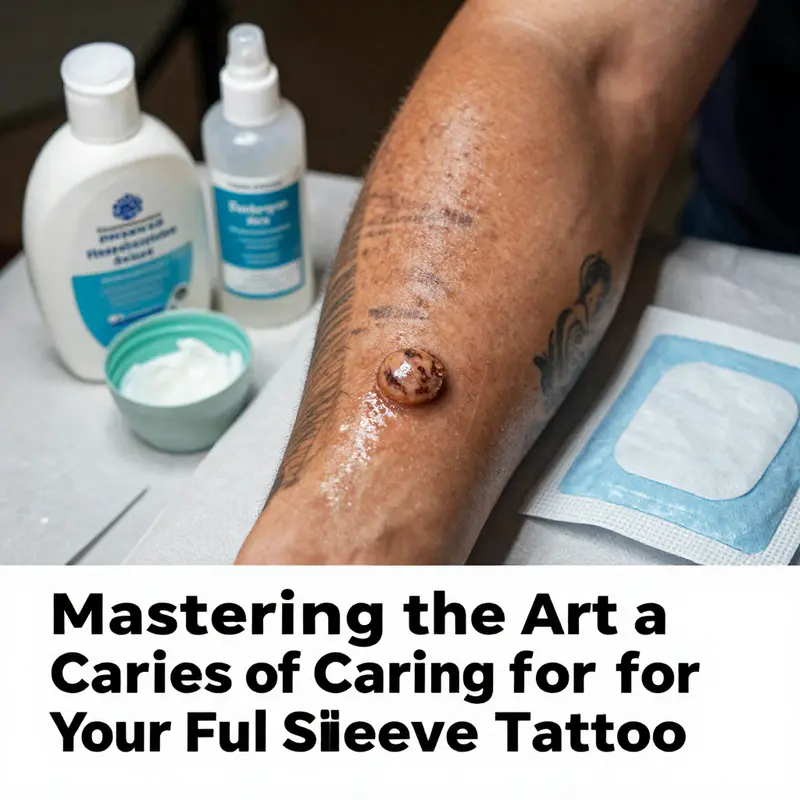
A full sleeve tattoo becomes more than a collection of images when you commit to its healing. It is a living surface that asks for patience, attentiveness, and a steady routine. The larger canvas presents its own challenges. The skin covers a broad area, and the way it heals across that expanse can influence how the colors settle and how uniform the final appearance will be. Healing is not simply about avoiding infection in the first few days; it is about guiding the skin through a careful sequence that minimizes friction, controls moisture, and protects the pigment as new skin forms beneath the surface. In the days immediately after the session, the artist’s taped wrap and the initial protective layer signal the first step toward healing. Keeping that wrap on for the recommended window helps shield the fresh linework from the environment and reduces the risk of contamination during the most sensitive hours. Once the wrap comes off, the real work begins: a gentle cleansing that respects the skin’s boundary between healing and vulnerability. The cleansing routine must be modest in pressure, using lukewarm water and a mild, fragrance-free antibacterial soap. The goal is not to scrub away but to remove plasma, blood, and surface irritants without disturbing emerging skin. The hands are the best tools here; let them do the work, and avoid rough sponges or abrasive cloths that could raise microtears in the healing skin. After washing, pat the area dry with a clean, disposable paper towel or a lint-free cloth. Rubbing or harsh drying can disrupt forming scabs. The next step is to apply a thin film of a healing ointment or balm, chosen with care to balance moisture and pore breathing. The emphasis should be on a light layer only, enough to prevent excessive dryness but not so thick as to clog the pores or create a damp, unbreathing environment. Your artist may have specific recommendations about whether to use any ointment in the first days; some clinics prefer a minimal approach to avoid pore clogging, while others advocate a protective barrier for the outer layers of the skin. The important thread here is to follow your artist’s guidance precisely, because the healing dynamics can differ between individuals and between sleeves and smaller tattoos. The real test of this phase is consistency. The first 72 hours are a window of opportunity to establish a rhythm that will carry you through weeks ahead. From there, the healing process broadens, and a steady routine becomes crucial across the entire surface of the sleeve. In the days that follow, a pattern emerges: twice-daily cleansing, followed by a thin application of a fragrance-free moisturizer or a specialized healing cream. The goal is to keep the skin from drying out without saturating it. Over-washing or over-moisturizing can both disrupt healing. And while the urge to soak the arm can be strong—especially as the weather warms or you become more active—soaking remains a risk. Water exposure softens scabs, which can lead to pigment loss or a higher chance of infection if bacteria are introduced. The safest approach is to avoid long baths, hot tubs, or swimming during the initial weeks, and to limit long showers when possible. Mobility and activity also matter because movement, friction, and sweat can irritate the tattoo. Loose, breathable clothing that minimizes rubbing on the sleeve is a simple but powerful way to support healing. Cotton fabrics and other soft textiles reduce friction and prevent the delicate skin from becoming raw or irritated. If the sleeve covers the shoulder and upper arm, consider how your clothing moves with your arm through daily tasks; the more friction you have, the more your skin has to work to recover. The sun is another powerful factor in the sleeve’s journey to a vibrant final appearance. The healing skin is more translucent and susceptible to damage from UV rays. Direct sun exposure should be avoided during the healing window whenever possible. When stepping outdoors is unavoidable, cover the tattoo with loose clothing or apply a mineral-based sunscreen that sits on the surface rather than being absorbed by the skin. This keeps the pigments from fading and prevents additional irritation on freshly healed skin. The long view of sleeve care emphasizes ongoing vigilance. Even after the most apparent healing signs have passed, daily routines become a habit that extends far beyond the first month. It is not unusual for a full sleeve to require 2–4 weeks of active healing, with itching and scabbing as typical companions along the way. Itching is a natural sign that new skin is forming beneath the top layer. Itches can be intense, especially as the skin begins to regenerate during the middle portion of the healing window. The instinct to scratch is strong but dangerous. Scratching can dislodge pigment, wipe away fine ink detail, and even create micro-scars that distort color and line work. The best response is to resist the urge to scratch and instead to seek gentler remedies that calm the skin. A cool compress, applied through a clean cloth for short intervals, can provide immediate relief without adding moisture or irritants that could trap bacteria. When the itch is persistent, a fragrance-free, non-comedogenic moisturizer can help. The key is a light touch: a thin film that soothes without pooling or leaving the skin slick. In this phase, it is essential to monitor how the skin responds to moisture. Some people find that applying moisturizer too often can increase the sensation of itching, so the approach should be measured. A practical rule of thumb is to apply a thin layer after washing, then reassess after a few hours. If the area remains pliant and comfortable, that minimal application is sufficient. If the skin feels tight or begins peeling, a light additional layer can be helpful, but the aim is to prevent the sense of dryness from driving you to overzealous moisturizing. Scabbing, meanwhile, follows its own natural timeline. Scabs commonly form within the first several days and may begin to peel around day 7 to day 14, depending on skin type and the sleeve’s location. The instinct to peel or pick at scabs must be resisted at all costs. Picking can pull out pigment and create irregular patches that become difficult to correct later. The best course is to let the scabs fall away in their own time. Cleanliness remains important during this phase: wash the area gently twice daily with a mild, fragrance-free soap and lukewarm water. When drying, use a clean paper towel rather than a fabric towel to avoid transferring bacteria or fibers onto the healing skin. After cleansing, apply a thin layer of ointment as directed. A crucial note about this period is to avoid over-moisturizing. Excess moisture can create a damp environment that slows the natural drying and scab shedding process, potentially delaying healing and inviting issues like bacterial overgrowth. As patience becomes a virtue during this stage, it is helpful to view the sleeve as a living canvas that needs gentle attention rather than rapid intervention. Once the scabs have loosened and shed, the skin underneath remains delicate, newly formed, and more vulnerable to irritation. The long-term phase of care begins to show its most meaningful payoff: the color fidelity and texture of the sleeve are more likely to settle evenly, and the risk of patchy healing decreases with careful maintenance. At this juncture, moisturizing continues to play a central role, though with a broader time horizon. A fragrance-free, non-comedogenic moisturizer remains a safe choice, but keep the layer light and consistent. The aim is ongoing hydration that supports the skin’s barrier function without clogging pores. Over the next several weeks, you should establish a rhythm of guarding the sleeve from sun exposure. The sun is a relentless color eraser; it can fade vibrant hues and leave pale, uneven patches if the skin is regularly exposed without protection. Invest in a sunscreen with physical UV blockers, and reapply according to product guidance when you’re outdoors for extended periods. The sleeves’ large surface area makes this habit especially important for the arms and shoulders that catch more sunlight in daily life. Long-term protection is not limited to blocking UV rays. Mechanical trauma and friction can still impact the sleeve, especially during activities that involve arm movement, gym workouts, or sports. Clothing choices continue to matter. Even after the initial healing window, you should favor loose, breathable garments that minimize rubbing against the tattoo as it thickens and settles. If you participate in high-impact or contact sports, take care to cover or pad the area and to clean the skin thoroughly after activity. The risk of infection remains a latent threat that lingers even after the visible signs have faded. If you notice increasing redness that spreads beyond the tattoo’s edges, swelling, warmth, discharge with a foul odor, fever, or severe pain, seek professional medical advice promptly. Those signs warrant an assessment by a dermatologist or an experienced tattoo artist who can evaluate whether a secondary infection has developed and whether any treatment is needed. The goal across all these stages is a practical, steady routine rather than a barrage of inconsistent, short-lived measures. A sleeve demands that you respect the healing pace of the skin while honoring the visual intention of the artwork. In this spirit, a concise set of guiding rules can help you maintain consistency without turning care into a chore. Clean the area twice daily with mild, fragrance-free soap and lukewarm water. Apply a thin layer of a fragrance-free healing balm after washing. Protect the tattoo from sun, friction, and water during the healing window. Resist scratching or picking at scabs, and let peeling occur naturally. After the initial healing phase, continue moisturizing for several weeks and maintain lifelong sun protection. Avoid trauma to the area and monitor for signs of infection, contacting a professional if anything unusual arises. These practices form a cohesive rhythm—a choreography of care that respects both the skin’s healing biology and the sleeve’s artistic integrity. The full sleeve deserves this patient, attentive ritual, not only for comfort but for the lasting vibrancy of color, line, and shading that drew you to the tattoo in the first place. When you approach the process with care, the sleeve not only heals; it matures with you, maturing in color, texture, and presence as time passes. While the specifics of every healing journey vary, the underlying discipline remains consistent: treat the skin gently, protect it intelligently, and listen to its signals. As you move from the early, fragile days into the longer arc of maintenance, the sleeve begins to reveal its final form. You are not merely waiting for healing to end; you are guiding the tattoo toward a durable, luminous completion that will endure through the years and across countless moments of movement, sunlight, and memory. For this reason, embracing a measured approach to itching and scabbing—paired with steadfast sun protection and thoughtful moisture management—transforms healing from a hurdle into a quiet, ongoing act of care. And as the sleeve settles, you will carry with you a practical mindfulness that can carry over into other aspects of body art and skin health, enriching both the art you wear and the skin you live in. If you want a broader, structured resource to supplement this narrative, a detailed aftercare guide from a trusted source offers a comprehensive healing timeline and best practices tailored to extensive tattoos like sleeves. External resource: https://www.tattoo.com/tattoo-aftercare-guide
null
null
Final thoughts
Caring for a full sleeve tattoo involves a commitment to meticulous daily practices and awareness of long-term maintenance to preserve its vibrancy and detail. As someone who embraces motorcycle culture or auto craftsmanship, you understand the importance of detail and quality—your tattoo deserves the same respect. By adhering to the steps outlined in this guide, you can ensure your tattoo remains a stunning centerpiece of personal expression, reflecting not only your passion for the road but your appreciation for the art encapsulated on your skin.