
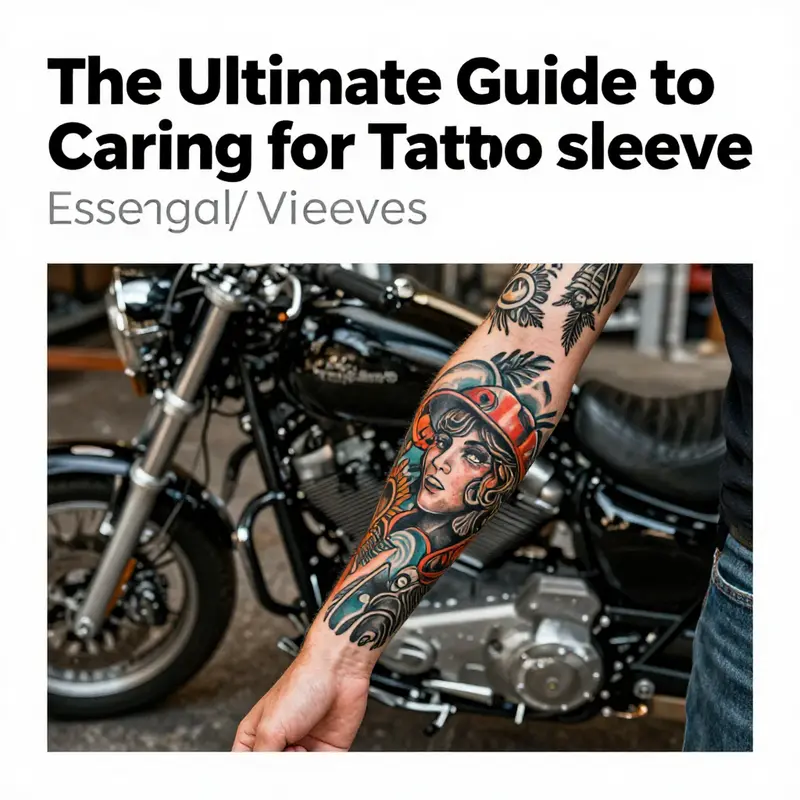
Caring for a tattoo sleeve is both an art and a science, especially for motorcycle and auto enthusiasts who often wear their ink like a badge of honor. This comprehensive guide delves into the critical aspects of post-tattoo care, healing, long-term maintenance, and sun protection. Understanding each phase ensures not only the artwork retains its vibrancy but also that the skin remains healthy—an essential consideration for anyone who spends time on the road. From the immediate cleaning procedures right after getting inked to the best practices for maintaining that bold design through UV protection, each chapter is designed to equip you with the knowledge required for optimal tattoo care. Get set to dive into the essentials and keep your tattoo sleeve looking its best for years to come.
The Fresh Shield: Mastering the Immediate Care of a Full-Sleeve Tattoo
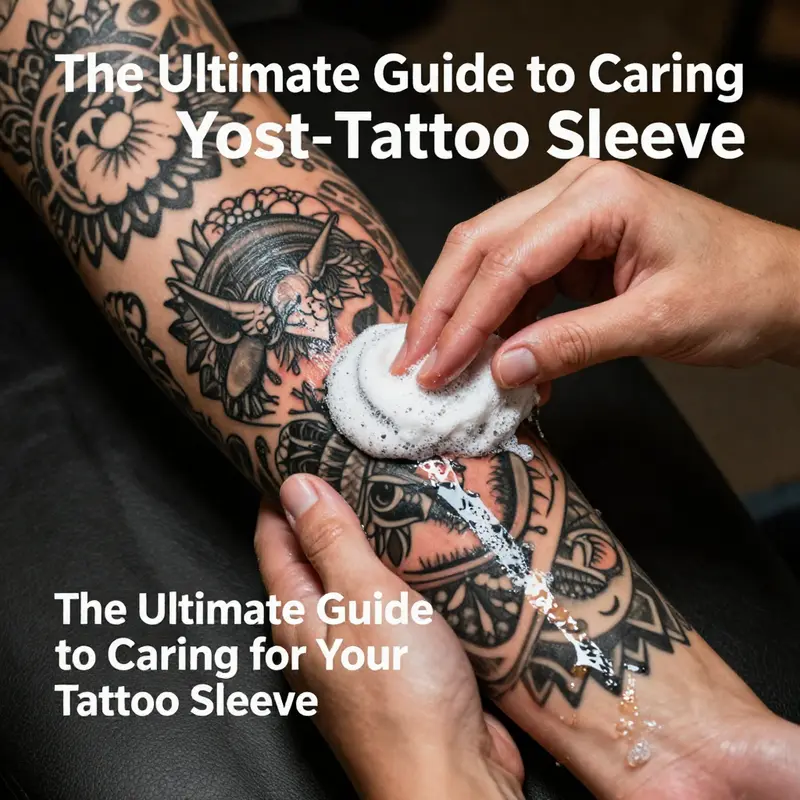
A full-sleeve tattoo is more than a bold statement of art; it is a large, vulnerable patch of skin that now bears intricate lines, shading, and color across an expansive surface. The immediate hours after you leave the studio are when the ink forms its first impression on your body and, just as importantly, when your skin forms a healing plan that will determine how clean, vibrant, and durable that sleeve remains over time. The sleeve’s breadth amplifies every risk: infection is more likely when more skin is exposed, healing can be uneven across the many panels that make up the design, and color may fade if moisture, friction, or contaminants disrupt the delicate process of ink setting. A steady, careful routine in this critical window aligns the tattoo with the strength of your skin and sets the stage for long-term brilliance. The following narrative weaves the essential actions into a seamless approach, emphasizing the practical choices you can make without interrupting the artistry that sits beneath the skin.
The very first safeguard is the bandage or protective wrap that your artist applies at the end of the session. For a sleeve, this layer is more than a brief covering; it acts as a barrier against dirt, bacteria, and friction from clothing as your arm moves through the day. The guidance from experienced tattoo professionals is clear: keep that bandage in place for a carefully prescribed period—typically two to four hours, unless your artist has given you a different interval. This window matters, because it stabilizes the newly deposited pigment in a sterile microenvironment, helping to minimize the risk of microscopic invaders and the mechanical trauma that can bruise or smear the fresh lines. When you remove the bandage, do so gently and with clean hands, because the skin underneath is a new frontier that needs permission to begin breathing on its own. The act of removal is not a mere formality; it is the ceremonial start of your cleaning routine. If you notice any seepage or unusual tenderness around the edges, stay calm and proceed with extra care, recognizing that the sleeve’s size means there are many zones that require the same respect.
Once the barrier is off, the very first wash becomes the crucial rehearsal for proper healing. Use lukewarm water and a fragrance-free antibacterial soap, choosing a formulation that is gentle enough for the most sensitive skin yet effective against surface oils and any crust that begins to form. Your fingertips are your most reliable tool here; avoid harsh scrub brushes and loofahs that could disrupt the delicate surface or drag pigment from the skin. The goal is to lift away plasma, dried blood, and plasma-derived serous fluids without abrading the epidermis or irritating the underlying ink. Rinse thoroughly, then pat dry with a clean, disposable paper towel or a lint-free cloth. The insistence on clean hands and a clean towel is not merely a ritual; it is a practical line of defense against contamination that could complicate the sleeve’s healing across dozens of square inches of skin. For a sleeve, the surface is not flat or uniform; it presents varied contours, crannies, and high-friction zones where moisture can linger. This means you should approach each segment with the same careful touch you would employ on a smaller tattoo, ensuring that every fold, bend, and edge receives gentle attention.
After the initial wash, the next step is to dry and prepare for the skin’s moisture management. It is common to assume that skin restoration requires heavy application to keep things from drying out; however, with a sleeve, the most reliable approach is to favor a conservative, breathable regimen. Allow the area to air-dry completely, which reinforces the natural shedding process and reduces the risk of trapping moisture beneath an occlusive film that can nurture bacteria. Then, beginning on day two, apply a very thin layer of ointment or an unscented, non-comedogenic moisturizer. The emphasis here is “very thin.” Too much moisture at this stage can trap bacteria, soften the outer layer too aggressively, and blur or dilute the pigment as the ink tries to set. The underlying principle is simple: the skin should be kept moist enough to avoid cracking, yet breathable enough to permit the natural exchange of air and sweat. A light glaze is all that is needed to support healing without suffocating the newly formed epidermis or the delicate pigments beneath. Over the next few days, your routine should remain modest and consistent, avoiding the temptation to over-saturate the sleeve with ointments or heavy creams that can accumulate and rub off onto clothing, especially when arms are in motion during daily tasks.
Hygiene becomes even more important when you manage a sleeve. Cleanliness in this context is not about treating any single area as “special” but about treating the entire arm as a connected landscape of healing skin. Always wash your hands prior to touching the tattoo, even during ongoing cleaning or when reapplying ointment. Your hands carry a surprising number of bacteria, and a sleeve offers many contact points—your desk, your clothes, your bedding, and any sleeves you might wear over the area while it heals. A simple routine of washing hands, handling the sleeve with clean fingers, and keeping nails trimmed reduces the chance that bacteria will find a way into staining or healing abnormalities. It is equally important to resist scratching or picking at scabs, no matter how tempting the sensation may be. The itching is part of the healing process, but scratching can introduce microbes and disrupt the pigment’s settling. In a sleeve, where the surface area is broad, the impulse to scratch can create micro-tears that compromise the uniformity of the color and texture across panels that must merge seamlessly as the skin regenerates.
As the sleeve begins to settle into its healing rhythm, clothing choices take on greater significance. Tight fabrics can create friction and trap heat or sweat against healing skin, while rough garments can irritate the surface as you move through your day. Opt for loose, soft fabrics—cotton is a reliable classic—that glide over the arm without creating hotspots or constant rubbing against the fresh ink. The fit of your clothes matters more now than it does for smaller tattoos because there are more contact points with a sleeve. Consider garments that allow air to circulate and do not cling to the arm’s contours. This “breathing” concept is not a fashion preference but a practical strategy to reduce friction-induced irritation. If you need to cover the sleeve for protection or work-related reasons, your approach should prioritize clean, breathable coverage rather than layering heavy, occlusive materials that trap heat and moisture against the skin. Over the next several days, while the bandage has come off and you have resumed cleansing, your sleeve will enter a stage where the skin’s surface begins to shed dried skin and minor scabs naturally. It is during this phase that you must honor the body’s timeline and avoid the temptation to force the process by scrubbing or peeling. Let the skin shed at its own pace; premature picking can pull pigment and lead to patchy or uneven results that are particularly noticeable on a large, flowing design.
From the moment you leave the studio onward, a practical, consistent routine matters more than a complicated regimen. For the first two weeks, aim for a predictable cadence: gentle cleansing once or twice daily, followed by a very light application of moisturizer or ointment as needed to prevent excessive dryness. Submersion in pools, hot tubs, or lakes should be avoided during this window because circulating bacteria and chemical residues in water can complicate healing. Even though the sleeve covers a broad swath of skin, the fundamental rules of wound care apply: protect the surface from prolonged moisture, avoid heat that could irritate healing tissue, and shield from direct sun exposure that can accelerate fading and drying. When you do step outside, a broad-spectrum sunscreen with a high SPF is a wise safeguard—choose a formula appropriate for sensitive or tattooed skin, and reapply according to its directions, especially if you are sweating or engaging in water-related activities. It is a small daily act with outsized long-term benefits, preserving both the vibrancy of the sleeve’s colors and the integrity of the lines that define the artwork.
The path of healing is rarely a straight line. In a sleeve, with many panels and intersections where ink meets skin, some areas may seem to heal faster than others. You may notice slight variations in texture or color across the arm, which is normal in the early stages. The key is to observe, not overreact: minor differences often harmonize over the following days as the skin continues to normalize. If you ever see signs that something might be wrong—persistent redness beyond the initial days, swelling that does not subside, warmth that suggests feverish response, or any discharge that smells off—seek guidance from your tattoo artist or a medical professional promptly. Early consultation is always smarter than waiting for a potential complication to become more challenging to address. In the broader arc of sleeve care, this vigilance becomes a daily habit: you become more aware of how your skin responds to moisture, friction, and environmental exposure, and you adjust your routines accordingly while honoring the artwork’s delicate balance.
A sleeve is, by design, a long-term commitment to the health of your skin and the colors embedded in the ink. The immediate care you provide sets a foundation that nourishes both the healing process and the eventual display of the piece as a living part of you. The guidelines described here—protective bandaging in the initial hours, careful cleansing with mild products, a cautious approach to moisture, deliberate hygiene, and thoughtful clothing choices—cohere into a simple, repeatable practice you can apply day after day. They are not about rigid rules but about informed habits that respect the skin’s need to recover while allowing the art to stabilize in its best possible state. As you continue through the days and weeks that follow, carry forward the same spirit of stewardship that you began with in those first hours: consistency, patience, and gentle attention. The sleeve, like any large tattoo, thrives on the care you invest now. It rewards you with clarity of line, depth of color, and the sense that the body and the artwork are working in concert, not at cross purposes. With a steady routine, you protect your investment—your artist’s workmanship and your own skin—so that the sleeve remains a vivid, lasting expression of your personal vision.
For a more extensive exploration of healing and aftercare, you may find expert guidance that delves into nuanced recommendations and timelines helpful as you navigate long-term maintenance. Such resources can offer a deeper dive into why certain steps matter and how to tailor care to different skin types and sleeve designs. https://www.dermatologytimes.com/view/how-to-properly-heal-and-care-for-your-tattoo-expert-tips-for-a-smooth-recovery
Nurturing a Full-Sleeve Canvas: A Guided Journey Through the Healing Phase
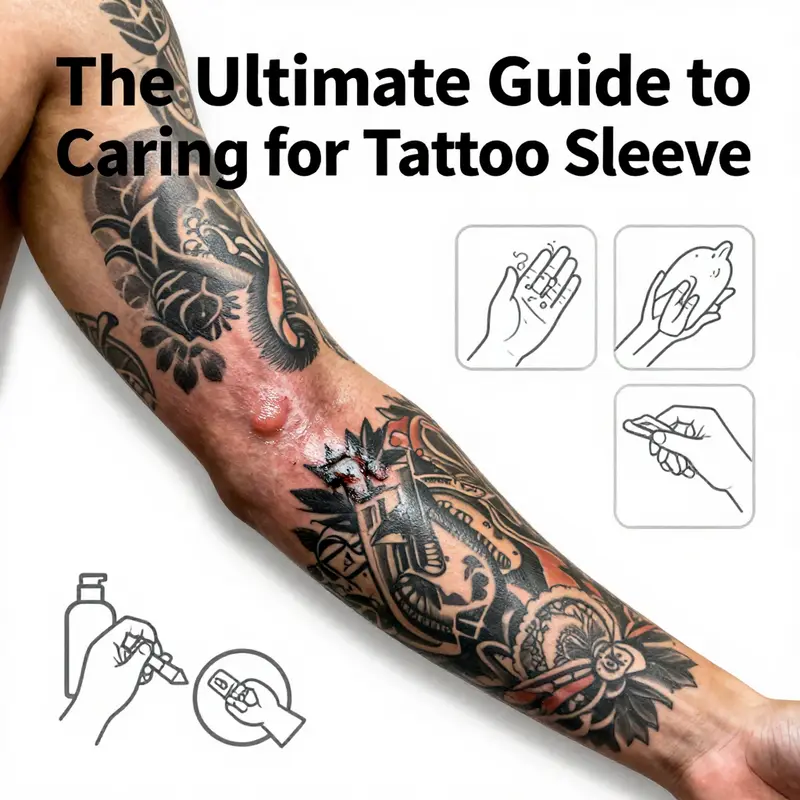
A full-sleeve tattoo is more than a design; it is a living canvas that requires patient care as it settles into the skin. The healing phase of a sleeve is longer and more complex than that of a smaller tattoo because the coverage is extensive. The skin has endured a broad area of disruption, and the body must rebuild a protective barrier while the ink settles into place. This process typically unfolds over two to four weeks for surface healing, with full surface healing sometimes taking up to six weeks. During this time, the skin goes through a sequence: initial oozing, the formation of light scabs, the onset of shedding and peeling, and finally the colors appearing crisper as new epidermis regains its texture. Because sleeves cover large expanses, they can be more susceptible to irritation, dryness, and uneven healing if care routines are neglected. The sleeve’s sheer size means that what you do in the first days reverberates across the entire area, influencing pigment retention and the long-term vibrancy of the art you carry on your arm.
In the earliest moments after you finish your session, your skin is especially vulnerable. The epidermis has been breached over a broad area, so hygiene becomes the first line of defense. Gentle cleansing is key. Avoid submerging the tattoo in water for at least the first 24 hours, then wash with lukewarm water and a mild, fragrance-free antibacterial soap. Use your clean hands or a soft, non-abrasive cloth, and steer clear of aggressive rubbing. Light, circular motions help remove surface fluids without aggravating the healing tissue. After cleansing, you should apply a very thin layer of an appropriate ointment. Common choices include plain petroleum jelly, aloe vera gel, or a specialized aftercare balm enriched with vitamin E or panthenol. The goal remains to keep the skin moist without oversaturating it or trapping bacteria. Importantly, products with alcohol, synthetic fragrances, or harsh additives can irritate the skin, dry it out, or clog pores. For the sleeve, this is especially important because a large, continuous surface area is more prone to friction and micro-tears that can invite trouble if the skin cannot breathe.
As the days progress toward days four to fourteen, the healing narrative shifts. The surface may begin to scab and then peel as the outer damaged skin cells are shed to reveal new, healthy skin beneath. This is a normal, necessary phase, but it is also precisely where patience matters most. You should continue gentle cleansing, repeating the lukewarm wash and mild soap routine once or twice daily. If you notice dried blood or serum on the surface, wipe it away softly with a damp cloth. The aim is to keep the area clean and moisturized without creating a slick film that can clog pores. An essential rule during this period is to let the skin breathe. If you were wrapped or covered initially by your artist, remove the bandage as advised after the first day. Covering the sleeve for too long can trap moisture and promote irritation or infection, especially in a region that already carries a lot of friction from clothing and movement.
The temptation to pick at scabs is a frequent pitfall for sleeve healing. Yet picking can pull out pigment and dull the finished appearance. It can also increase the risk of scarring. The best response to itching is to pat or tap the area gently instead of scratching, letting the urge pass rather than acting on it. During days four to fourteen, many people appreciate a lightweight, breathable moisturizer that supports the skin’s natural exfoliation. Ingredients such as shea butter, beeswax, or light oils can form a soothing barrier without suffocating the skin. The emphasis should be on fragrance-free formulas that do not irritate or clog pores. You want to keep the skin supple as it rebuilds, especially on a sleeve where the skin endures more movement and exposure to fabrics. Loose, soft fabrics—preferably cotton—minimize friction and make it easier for the skin to recover without rubbing against rough fibers.
After the initial peeling subsides, the long arc of healing continues but with a different texture to monitor. Colors may look slightly dull or uneven as the pigment settles and the skin’s surface regains its smoothness. This is part of the natural settling process; with proper care, the sleeve’s colors will begin to look crisper again within the ensuing weeks. Importantly, the sleeve should not be submerged in baths, pools, or oceans until healing is fully completed. Sweat is also a complicating factor because it can carry bacteria and irritants onto the still-sensitive skin. Until the area has achieved full surface healing, treat it as a protected wound rather than a finished tattoo, and adjust your activities accordingly to minimize moisture, friction, and irritation.
As weeks progress toward the deeper healing stage, moisture balance becomes the anchor of care. Once your sleeve has fully closed and the skin is no longer peeling or cracking, you can transition to a fragrance-free moisturizer applied daily. Look for formulas that support skin elasticity and barrier function, notably those containing humectants like hyaluronic acid, ceramides, or glycerin. These ingredients help the skin drink water and hold onto it, which is important for a sleeve that covers so much surface area and can be prone to dryness or tightness after healing. Hydration matters not only for the skin’s surface but for the ink’s longevity as well. The better your skin maintains flexibility and resilience, the more likely the colors will remain vibrant over time.
Beyond the skin’s surface, a sleeve’s long-term care hinges on protective habits. The sun is the tattoo’s sworn foe, especially for large areas exposed to sunlight. Ultraviolet rays break down pigment molecules, fade colors, and can muddy tones that once looked crisp. The standard guidance is to shield the sleeve from direct sun for at least the first six months after receiving a sleeve, and ideally forever. When sun exposure is unavoidable, cover the area with clothing or apply a broad-spectrum sunscreen with a high SPF. Reapplication is critical, particularly if you swim or sweat. Sunscreen should be chosen carefully for a sleeve: it must be fragrance-free and non-comedogenic to avoid clogging pores and causing irritations across a large skin area that is still adjusting to the tattoo.
Even after the skin is fully healed, ongoing care matters. A disciplined routine of daily moisturization supports skin health and helps preserve the tattoo’s brightness. Continue using fragrance-free products, and consider gentle, breathable formulas that respect the skin’s natural barrier. While a sleeve looks finished, the skin’s capacity to renew itself remains active. Regular hydration, a balanced diet, and sufficient water intake all contribute to healthier skin and better pigment retention. Additionally, be mindful of activities that cause excessive sweating or friction until the skin fully relaxes into its healed state. High-intensity workouts or prolonged sun exposure, if not managed, can reintroduce irritation or dryness that dulls the colors you worked so hard to achieve.
No chapter on healing is complete without acknowledging that every body is unique. The exact pace of healing varies by individual, the ink’s depth, and how diligently you follow aftercare guidelines. A sleeve’s healing can be more unpredictable than smaller tattoos because the skin is continuously stressed by movement and exposure. As you move forward, keep in touch with your tattoo artist for personalized adjustments. They know the intricacies of your work, the ink density, and any particular sensitivities you may have developed during the healing process. If messages of itchiness, redness beyond a mild flush, swelling, or unusual discharge appear, seek professional medical guidance promptly to avoid complications and ensure the sleeve’s integrity is preserved.
In the broader arc of care, remember that the healing phase is a foundation for longevity. The sleeve’s color, line work, and shading are a collaborative result of artistry and biology. By respecting the skin’s timeline and honoring its need for moisture, rest, and protection from the sun, you help safeguard the tattoo’s depth and the artist’s original intent. The journey from the immediate post-tattoo moment to long-term brilliance is a marathon, not a sprint. It rewards patience and consistency more than harsh shortcuts. This is the quiet work that sustains a sleeve’s impact years down the line, a process that aligns healing with artistry, skin with pigment, and daily life with a living piece of body art that continues to tell your story.
For authoritative guidance and further detail on proper aftercare during the healing phase, consult trusted dermatology resources and your tattoo artist’s recommendations. For a comprehensive overview of best practices, see the tattoo care guidance from the American Academy of Dermatology: American Academy of Dermatology – Tattoo Care and Healing.
Guarding the Canvas: Long-Term Care That Keeps Your Tattoo Sleeve Vivid, Healthy, and Timeless
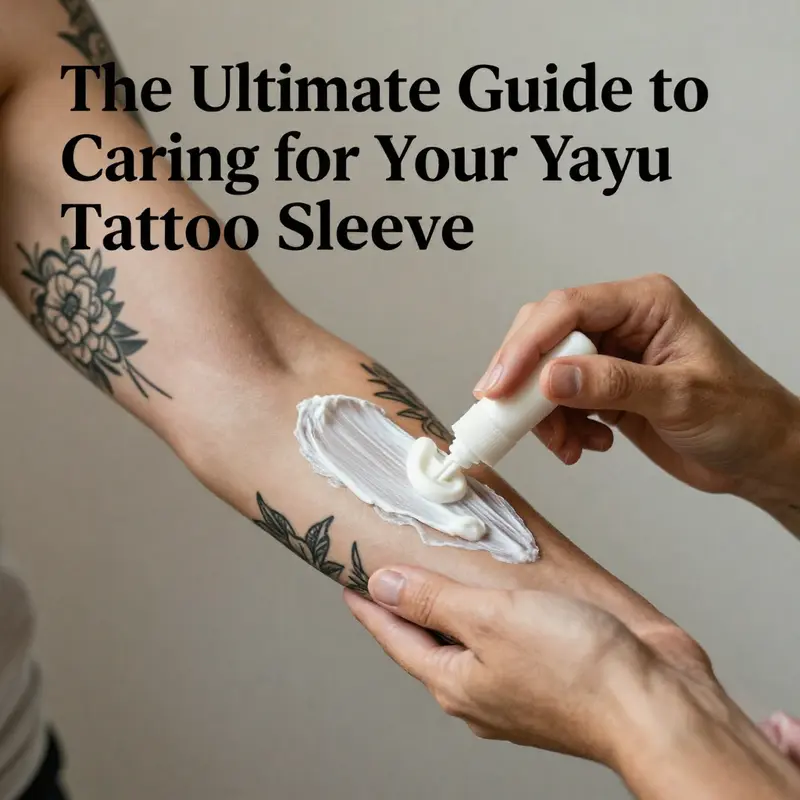
A tattoo sleeve is often described as a living canvas, a stitched map of memory and meaning that travels with you over time. Its longevity hinges not only on the initial healing you’ve already prioritized but also on a patient, consistent approach to long-term care. The vibrant lines and saturated color you admire today can begin to soften, blur, or fade if the skin around the ink dries out, is overexposed to sun, or is subjected to repeated friction without protection. The long view of sleeve care is less about dramatic daily rituals and more about steady habits that honor the skin’s barrier, support pigment retention, and adapt to the changing conditions of life. The aim is not perfection but a resilient, glowing sleeve that tells its story clearly for decades to come. This requires attending to two intertwined realities: the skin’s health and the ink’s resilience, and recognizing that factors like sun exposure, hydration, and everyday wear all play a role in how the sleeve ages.
First, UV exposure stands as the single most powerful force behind fading and color drift. Ink pigments are metallic in their vulnerability to photons. When ultraviolet rays reach the skin, they can break down pigment particles and blur the crisp edges of a tattoo’s lines. For a sleeve, which is frequently exposed to sunlight as you go about outdoor activities, the impact compounds. The most practical defense is a daily habit of broad-spectrum sunscreen with at least SPF 30. This isn’t a weekend ritual but a daily practice, even on overcast days or during routine indoor hours when light seeps through windows. Reapplication becomes a cadence: an early morning layer before you head out, followed by a fresh application every two hours when you’re in direct sun, more often if you’re swimming or sweating. Covering the sleeve with lightweight, breathable clothing when you anticipate long exposures adds another layer of defense. The goal is not to hide the sleeve but to keep the ink locked in its place, with color and lines that remain true to the artist’s intent. The choice of fabrics matters too. Soft, loose-fitting sleeves or arm coverings in cotton or moisture-wicking blends reduce abrasion and friction that can compound sun damage by scratching the surface as you move.
Hydration is the other cornerstone of long-term maintenance. The skin’s barrier acts as both a protective shield and a reservoir that sustains the appearance of the ink. When the skin is dry, it becomes more susceptible to cracking and flaking, and the ink can look dull as the surface scales away. A fragrance-free, non-comedogenic moisturizer applied regularly helps preserve elasticity and smoothness around the sleeve. After showers or workouts, a thin layer—scarce enough to avoid a greasy film—keeps the skin supple and better able to hold pigment over time. While some people reach for richer oils, the safer path for a sleeve is simple, fragrance-free moisturizers that don’t clog pores or irritate the skin. It’s not about pushing for a lacquer-like shine; it’s about maintaining a healthy barrier so the skin can support the ink’s appearance as it natural aging process unfolds.
Avoiding skin damage is not a one-time safeguard but a long-term practice. The skin is a dynamic organ, constantly renewing itself. Scratching, picking at dry patches, or harsh exfoliation can disrupt the delicate balance around the tattoo, causing pigment to lift in patches or the lines to blur where the skin has been irritated. In practical terms, this means resisting the urge to scratch when it itches and treating the area with light, gentle care if irritation arises. If you notice persistent irritation, redness, or changes in the sleeve’s appearance, a professional assessment is wise. Sometimes what feels like a minor tweak—new stiffness, slight color shift, or dry patches—may signal more than weather or seasonal dryness. A quick check-in with your artist or a dermatologist can prevent small issues from becoming bigger problems that require more invasive adjustments later.
Another component of long-term care is mindful activity. Abrasive or repetitive friction from certain sports, manual labor, or frequent contact with rough surfaces can gradually irritate the skin and contribute to fading or texture changes in the ink. It doesn’t mean you have to abandon activities you love; it invites smarter handling. Loose, breathable clothing protects versus chafing. When you participate in activities that raise your sweat levels, shower promptly, cleanse gently, and reapply moisturizer or sunscreen as appropriate. If you’re transitioning through seasons with dry air or reduced humidity, you may notice changes in skin texture. In those moments, adjust your moisturizing routine to maintain a hydrated, flexible surface that supports the ink’s appearance.
Maintenance, however, is not purely protective; it also involves periodic listening to the sleeve itself. The skin ages, as does the artwork it bears. Lines may soften, colors can shift subtly, and some areas may appear more vibrant than others depending on UV exposure and skin turnover. Regular check-ins with your tattoo artist are a practical, proactive habit. A simple evaluation every year or two can help determine whether touch-ups are warranted to restore brightness, sharpen edges, or even out color saturation across the entire sleeve. Discuss the feasibility of adjustments in the context of the whole piece—light, dark, midtones, and the transitions between them. The goal of touch-ups is not to rework the original design but to preserve its integrity as the living canvas evolves with time. This collaborative approach, rooted in respect for the artist’s work and the skin’s needs, is essential for a sleeve that remains cohesive rather than feeling patchworked or uneven.
Skin health and ink longevity also hinge on broader skincare practices. Hydration and a balanced diet support skin resilience. Adequate water intake, a diet rich in essential fatty acids, vitamins, and minerals, and proper sleep all contribute to a skin surface that holds pigment more effectively. While these factors operate beyond the tattoo studio, they are powerful allies in maintaining the sleeve’s appearance. It’s tempting to view skincare separately from tattoo care, but in truth they are intertwined. A well-hydrated, nourished body helps skin cells perform optimally, enhances barrier function, and reduces the likelihood of flaky patches that can trap or draw pigment away from the surface. In practical terms, this means recognizing that lifestyle choices have a direct bearing on the sleeve’s long-term look.
Situational considerations require adaptation. If you live in a climate with extreme cold or dryness, the skin surrounding the sleeve may demand more moisturizing effort during winter months. If you’re in a hot, humid region with frequent sun exposure, more vigilant sunscreen use and shade strategies are important. For people who swim regularly, rinsing off chlorine or saltwater after sessions helps reduce irritation and protects skin integrity. In all cases, the rule of thumb remains consistent: protect the skin, nourish it, and monitor how the ink responds to ongoing exposure and aging. A sleeve is not a one-and-done investment; it is a lifelong partnership between the artist’s intention and the wearer’s living skin.
When discussing long-term care, it’s important to acknowledge the practical limits and the realities of life. Maintenance requires time and attention, but it does not demand perfection. The purpose is to minimize cumulative damage and to preserve a sense of vitality in the artwork. A disciplined routine—daily sun protection, regular moisturizing, mindful clothing choices, and periodic professional check-ins—creates a stable foundation. It also helps you adapt to life’s inevitable changes: different activities, varying weather, aging skin, and evolving tastes. As your sleeve ages with you, your upkeep can evolve too, shifting from a more conservative protective approach to a balanced routine that integrates sun exposure management, hydration, and skin health as part of your daily rhythm.
In the end, the sleeve’s long-term care is about stewardship. You steward the skin that bears the art, and in return, the ink offers a steady reminder of your journey. The strategies outlined here—robust UV protection, consistent hydration, gentle skin care, wise activity management, and ongoing artist collaboration—form a cohesive framework. They respect both the skin’s biology and the tattoo’s artistry, ensuring that the sleeve remains legible, vivid, and true to its original design for years to come. By treating the sleeve as a dynamic, living relationship rather than a fixed object, you cultivate longevity without sacrificing the vitality that makes the piece meaningful in the first place.
For readers seeking a broader overview of tattoo care that extends into long-term maintenance, a comprehensive external resource provides a deeper dive into sunscreen practices, skin hydration strategies, and broader skincare routines that support tattoo longevity. It is a reliable companion to this chapter for those who want to build a more detailed, science-informed plan for protecting their sleeve from fading and damage over time: https://www.healthline.com/health/tattoo-care#long-term-maintenance.
Guarding the Ink: A Comprehensive Approach to Sun Safety and Sustained Moisture for a Tattoo Sleeve
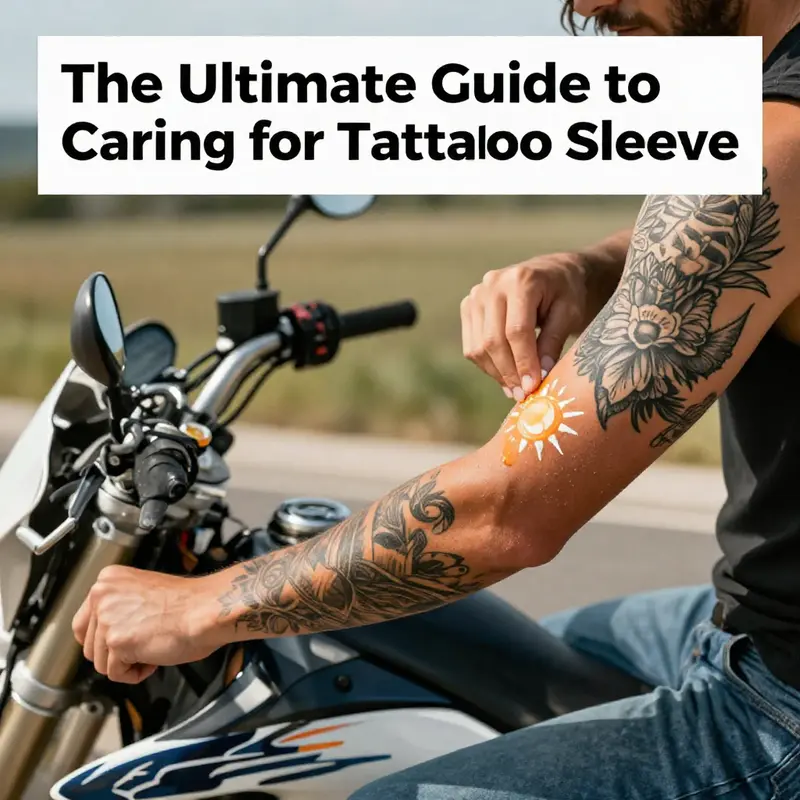
A tattoo sleeve transforms the surface of your arm into a canvas of continuous storytelling, texture, and color. It is a bold commitment and a daily companion, and its care should extend beyond the initial healing window. Once the skin has knitted itself back together and the tattoo has settled into life as part of your skin, the sleeve becomes more vulnerable to the elements than you might expect. Ultraviolet (UV) rays, environmental dryness, and friction from clothing can quietly erode vibrancy, blur details, and dull the contrast that makes a sleeve pop. The path to longevity is not dramatic shifts, but a steady, mindful routine that honors the art while protecting the skin that bears it. In this chapter we move from healing to stewardship, focusing on sun protection and moisturization as a unified practice that keeps the ink bright, the skin healthy, and the overall sleeve looking cohesive over years rather than seasons.
Sun protection is the cornerstone of long term color retention and line clarity. The skin over a tattooed sleeve is a living surface with a history of microtrauma from the needle that created the artwork. Even after the initial healing phase, UV exposure acts like a slow eroder on pigment molecules. The result can be faded edges, muddy transitions, or ghosting of fine details that once shimmered with precision. Daily commitment to broad spectrum protection reduces this risk dramatically. A practical approach is to treat sun protection as a nonnegotiable part of your morning routine, much as you would with a skin care product or a hydration habit. The emphasis should be on a sunscreen that offers broad spectrum coverage and a minimum SPF of 30. While skin type and sensitivity vary, mineral-based formulations that rely on zinc oxide or titanium dioxide are often gentler on tattooed skin and tend to sit more consistently on large, inked surfaces without leaving a heavy residue. The goal is protection without compromising ink integrity or the skin’s comfort during every day wear.
Applying protection properly matters as much as selecting the right product. Begin with clean, dry skin, and apply a generous but not excessive layer to the entire sleeve, including the inner elbow and any exposed area where sun can reach. It is not enough to slather a thin film, because UV damage accumulates over hours of exposure. Reapplication rules are simple and practical: reapply every two hours when outdoors, and again promptly after swimming, sweating heavily, or toweling off. Clothing becomes an essential ally as well. Long sleeves, protective fabrics, and shaded moments during peak sun hours reduce cumulative exposure, especially on days when you know you will be outside for extended periods. The sleeve’s colors and details respond positively when UV exposure is kept within moderate bounds. Even when you wear a hat or sunglasses, the arms deserve their own shield against the sun’s rays.
Alongside sun protection, moisturization completes the cycle of care that helps preserve color depth and skin health. Tattooed skin tends to be a touch drier and less elastic than untouched skin, particularly across the larger expanse of a sleeve. After full healing, a fragrance-free moisturizer used consistently can restore the skin’s barrier and support pigment longevity. Moisturization is not merely about comfort; it preserves the skin’s texture and resilience, which in turn helps maintain the crisp edges and saturated hues of the tattoo. A twice-daily routine works well for most people: once in the morning after sun exposure is managed, and once before bed to seal in hydration through the night. The emphasis is on gentle, non-irritating formulas. Fragrance-free options with ceramides, hyaluronic acid, or glycerin tend to penetrate the surface and reinforce the skin barrier without clogging pores or triggering sensitivity. Heavy ointments or petroleum-based products can feel occlusive and may interfere with normal skin breathability, especially during the day when you are active; these are generally best reserved for the healing stage or for very dry skin in cooler months, and only if they are non-comedogenic and suitable for your skin type.
Dryness is more than a surface concern. When the skin around a sleeve becomes flaky or tight, it signals that the barrier is compromised. Dryness can influence how the ink reads under the surface, diminishing crispness and the perceived depth of color. It can also lead to itching or minor irritation, which may tempt scratching. Scratching is a risk because it can disrupt the skin’s renewed skin layer and, in extreme cases, affect pigment stability in areas with dense shading. A steady moisture routine helps the skin stay supple, reducing friction between the sleeve and clothing and maintaining comfort during long wear. The right moisturizer, used consistently, creates an environment where the skin remains pliable and the ink remains evenly distributed, so the sleeve looks uniform even when you are moving through different lighting and environments.
In practice, the moisturization strategy should adapt to seasonal changes and activity levels. If you live in a dry climate or if you spend a lot of time in air-conditioned spaces, you may notice dryness more quickly. Conversely, in humid environments or after water-based activities, your skin might feel normal or slightly damp, and you should adjust by applying a lighter layer. The key is to listen to your skin and adjust the routine rather than rigidity. A fragrance-free daily moisturizer with basic humectants and emollients is a reliable baseline. If your skin feels taught or cracked, a slightly richer formula used sparingly at night can be effective, always making sure it is non-irritating and non-comedogenic for daytime wear. Hydration starts from within as well. Adequate water intake supports skin elasticity and helps maintaining a balanced moisture level, which in turn supports the appearance of the sleeve. Avoiding extreme dehydration is a simple yet often overlooked step in preserving the natural sheen of the ink and the health of the surrounding skin.
Protection and moisture are not isolated steps; they are intertwined parts of a broader strategy to sustain the sleeve’s impact. For the ink to maintain its fidelity, pigment molecules need a stable environment beneath a resilient epidermal layer. UV exposure, if left unchecked, accelerates pigment breakdown and can shift color temperatures slightly toward duller tones. Meanwhile, persistent dryness can create microcracks and surface irregularities where light scatters oddly, altering the way the ink appears in daylight. By coupling daily sunscreen with a thoughtful moisturization schedule, you give the ink and the skin a shared framework for long-term beauty. This is not a one-time ritual but a daily commitment that travels with you through work, travel, workouts, and downtime. It becomes part of the language you speak with your skin, a dialogue about care, respect, and the art you wear.
Seasonal changes do not erase the need for vigilance. Winter dryness can be severe, even indoors, while summer heat invites more sweating and more sun exposure. In both cases, the most reliable approach is a practical routine: sunscreen first thing in the morning, reapplication at regular intervals when outdoors, and a moisturizer suited to the day’s skin needs. If your sleeve is frequently exposed to sun through gaps in clothing or shorter sleeves, consider choosing fabrics with a tighter weave or darker colors, which can offer a bit more shade. Clothing should still allow breathability, but it can act as a supplemental shield that reduces direct UV contact with the ink and surrounding skin. The overarching message is simple: treat the sleeve like a living artwork that requires ongoing care, not a completed project that sits untouched. The more consistently you apply protection and moisture, the more your sleeve will reward you with vibrant color fidelity and a skin surface that remains balanced and comfortable across years.
The practical rhythm of care also involves daily skin hygiene that respects the tattoo while maintaining overall health. Cleanse the area gently to remove sweat and environmental residues that can dry the skin or irritate the surface. A mild, fragrance-free cleanser helps maintain the skin’s natural oils without stripping them away. After cleansing, a quick pat-dry and an even, light layer of moisturizer can melt into the skin and the ink, reinforcing both the barrier and the glow of the colors. The goal is not to create a heavy shield but to sustain a healthy, flexible surface that allows the sleeve to breathe while staying protected. It is also wise to monitor the skin for any unusual changes—persistent redness, swelling, or tenderness beyond the expected postcare period. If any of these signs emerge or if you notice patchy fading in specific areas, a professional consultation can help you refine your routine and address potential issues early.
Inspiring longevity for a sleeve means embracing a holistic mindset that values both skincare and sunlight as equal partners in art preservation. It means committing to a routine that is simple enough to be sustainable but deliberate enough to make a measurable difference over time. It means recognizing that the sleeve, though decorative, is still skin and deserves the same gentle, protective care you give the rest of your body. The result is not just preserved color and sharper lines but a sense of confidence in how you move through the world with the art you chose to wear. As you continue to live with your sleeve—whether you are in a city that basks in sun, a coastal town where the sea air dries the skin, or a climate with dramatic seasonal shifts—the daily acts of sunscreen and moisture will become second nature. They are the quiet, reliable rituals that let the artwork endure, year after year, through the seasons of life and the changing light that paints the world around you.
For those who want a simple mental map: picture the sleeve as a living canvas that needs two guardians. The first guardian is the sunscreen, a shield against the sun’s energy and its long-term fading effects. The second guardian is the moisturizer, a keeper of the skin’s barrier and suppleness. When these two partners work in harmony, the ink stays crisp, the edges stay clean, and the skin remains comfortable under the surface. The journey of care is continuous, not a finite period; it extends far beyond the healing phase, guiding daily choices and shaping the sleeve’s long arc of beauty. In the chapters that follow, we turn from protection and hydration to how to adapt care to changing activities and environments, ensuring that the sleeve continues to feel as alive as the moment it was first finished on your skin. External resource: https://www.amazon.com/dp/B07FQ2N61Z
Final thoughts
Caring for a tattoo sleeve is a commitment, especially when you’re an active motorcyclist or auto enthusiast. The art of tattoo care encompasses immediate post-tattoo attention, patience during the healing phase, diligent long-term maintenance, and vigilance against sun damage. Each element plays a critical role in preserving the integrity and vibrancy of your ink. By adhering to the guidelines in each chapter, you can ensure that your tattoo sleeve not only remains a stunning expression of your personality but also serves as a testament to your commitment to self-care. So gear up and ride on, knowing your skin art is as resilient as your passion for the open road.