
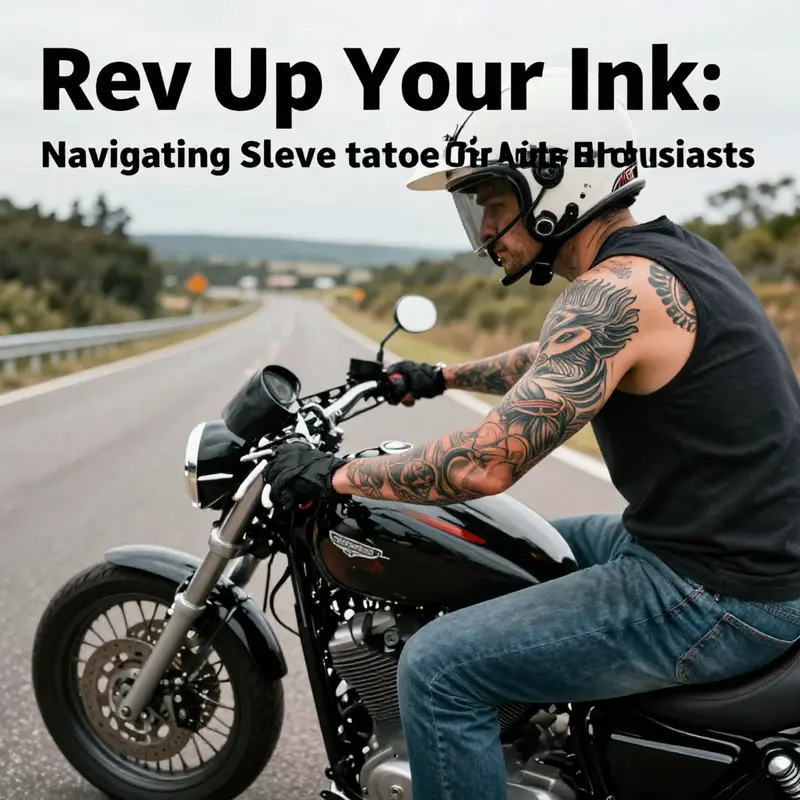
Owning a sleeve tattoo is like having a work of art on your body, reflecting individuality and passion. For motorcycle and auto enthusiasts, these tattoos can symbolize freedom, adventure, and the relentless spirit of the road. However, just like your prized vehicles require maintenance and care, so do your tattoos. Proper aftercare not only preserves the vivid colors and intricate details but also keeps your skin healthy. This comprehensive guide breaks down the multifaceted aspects of sleeve tattoo care. It will explore immediate aftercare during the critical first hours, the healing process that can last weeks, long-term maintenance for keeping tattoo colors sharp, and red flags to watch for during healing. Each chapter ensures you know how to keep your tattoo looking as fierce as your ride for years to come.
Sleeve Tattoo Aftercare: The Crucial First 72 Hours
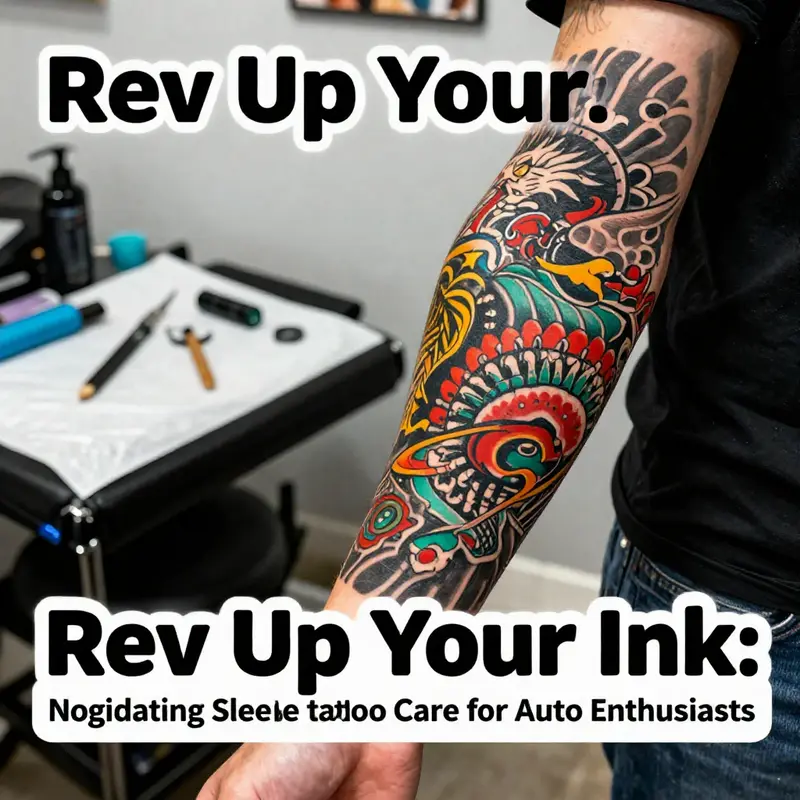
A sleeve tattoo is more than a single image wrapped around your arm; it is a living artwork that requires deliberate care as it begins its life on your skin. The first 72 hours after you finish a sleeve are not just a passing moment of pain and color; they set the course for how clean the line work remains, how vivid the hues stay, and how smoothly the skin reknits around the ink. In this window, the body treats the tattoo as an open wound, and your choices during that window will influence not only the healing trajectory but the eventual look of the sleeve for years to come. The guidance you follow in these early days should come from your tattoo professional, but there are clear principles you can apply to support the healing process with confidence and calm focus. The core idea is simple: keep the area clean, protected, and allowed to breathe, while avoiding anything that could introduce bacteria or irritants or trap moisture against the skin’s surface.
Right after you walk out with your new sleeve, your artist will typically cover the area with a breathable wrap or sterile gauze. The duration of that initial protection can vary—from a couple of hours to perhaps up to a full day for larger, more intricate sleeves. The exact timing should follow the artist’s instructions, since it depends on the ink depth, skin type, and the amount of exposure the area has endured during the session. Once you remove that initial wrap, you should not skip the first wash. This first cleansing is a critical reset that helps remove ointments, plasma, and any surface irritants that collected on the skin’s surface during the healing window. Use lukewarm water and a fragrance-free antibacterial soap, and proceed with the gentlest method possible. Your fingertips are all you need; there is no benefit in scrubbing or rubbing aggressively. If you have a long sleeve that still feels tender, you can carefully glide your hand along the tattooed area rather than applying pressure with your palm, which can push against the healing skin.
Patience is essential here. After you rinse away the residue, dry the area by gently patting with a clean paper towel or a lint-free cloth. Do not rub with a towel, as fabric fibers can irritate the delicate skin and slow the drying process. The first drying step is not a trivial one—friction at this stage can disrupt the healing skin and even pull at newly deposited pigment. It may feel tempting to use a rough cloth to speed things along, but the goal is a soft, careful touch that respects the vulnerability of the area. As you dry, keep the sleeve loosely covered if the surrounding environment is dusty or crowded; exposure to dirt and airborne particles can introduce contamination that you cannot wash away with a single rinse.
Next comes the ointment. The instruction you receive may vary slightly, but the overarching principle is universal: apply only a very thin layer of a healing balm or ointment that is appropriate for tattoo aftercare. The idea behind the thin layer is to allow the skin to breathe while still offering a protective barrier against bacteria. Over-application can trap moisture and create an environment where bacteria thrive or where clogged pores contribute to pimples or a compromised ink surface. If your artist has recommended a petroleum-jelly-based product or a medical-grade balm, use the tiniest amount necessary to create a glisten on the skin’s surface without forming a thick film. It may feel counterintuitive to skip a generous layer when you want to soothe the area, but restraint pays off in the long run by preserving the skin’s natural healing rhythm.
The urge to scratch, pick, or peel is powerful in the first few days. It is a normal response to itchiness and tightness, but you must resist it. Picking at scabs or peeling skin can remove pigment, blur lines, and even create white gaps that are difficult to correct later. If the sensation becomes intense, you can lightly tap the area or apply a cooler compress for short intervals, but avoid applying ice directly to the skin for long durations. Allow the scabs to form and fall off organically; this is part of the protective crust that forms over the healing tissue and helps keep the pigment intact beneath.
Lymph fluid is another factor to acknowledge in this window. In the first 24 to 72 hours you may notice a clear or slightly yellowish seepage—this is lymph, the body’s natural cleansing and healing fluid. It is normal, but it should be cleanly wiped away as needed and not left to accumulate around the tattoo. If a small amount of lymph dries into a crust, resist the temptation to peel it; let it shed with the natural progression of healing. The goal is to maintain cleanliness without creating a dry, cracking surface. If the area begins to feel overly dry, a note of moisturization can be added to your routine, but always opt for a fragrance-free, non-comedogenic product and apply a very thin layer after cleansing and drying.
Another practical consideration is clothing. Sleeves, especially those that cover a large area, are prone to friction from fabric and sweat. Loose, soft clothing made from breathable materials helps minimize irritation during this sensitive phase. Tight sleeves can rub and irritate the edges of the tattoo, potentially affecting how the ink settles and how the skin heals around it. If you can, choose garments that drape away from the tattoo or that use gentle fibers to reduce movement against the skin. And while it can be tempting to keep the sleeve exposed on warm days, shielding the fresh pigment from any direct contact with heat, humidity, or dirt is part of the protective plan. In the immediate aftermath, you should also avoid long, soaking showers and trips to swimming pools, hot tubs, or baths that could saturate the area. Immersion introduces bacteria and can disrupt the scab formation and healing process. Short rinses are acceptable, but the goal is to keep the skin dry and unruffled during this initial period.
During these first days, you may also become more mindful of how you sleep. If your arm is a comfortable position only when you rest on a certain side, be mindful of pressure against the tattoo. Consider sleeping with the arm slightly elevated and supported by a soft pillow to reduce swelling or friction that could rub against the ink. It may not seem dramatic, but consistent, gentle care over the first few days yields a cleaner line and richer color as the skin begins to knit around the needles’ marks. If you notice unusual energy in the area—excessive redness, heat, or tenderness that seems to intensify rather than subside—this is a signal to pause and consult your tattoo artist or a medical professional. Although mild discomfort is expected, sharp or spreading pain, fever, or foul discharge are red flags that warrant professional attention.
Looking ahead, the first three days are not the end of your protection plan but the start of a broader healing journey. As the skin gradually closes over the ink, the balance between cleansing and moisturization shifts. You will gradually reduce the frequency of cleansing to once or twice a day and begin incorporating a fragrance-free moisturizer to prevent excessive dryness that can lead to cracking and pigment loss. You will learn to respect the sun more than ever. Ultraviolet exposure, even on overcast days, can fade and dull the colors of a sleeve that is still mending beneath the surface. For weeks to months, sun protection becomes a habit, not a luxury. A broad-spectrum sunscreen with a high SPF, applied liberally whenever you anticipate sun exposure, helps lock in the intensity of the color while the skin remains more vulnerable than usual. Some people extend this protective habit to physical barriers such as UV-protective clothing or long sleeves during peak sun hours. This long-term caution is essential for maintaining the sleeve’s vibrancy, particularly for lighter colors and fine line work that can lose definition with sun damage.
The healing story does not end with the 72-hour mark. After the initial crusting stage, the day-to-day care becomes less about warding off infection and more about preserving tissue and pigment balance. Daily moisturization remains important, and the tattoo should be kept clean with simple cleansing routines. In most cases, long-term maintenance involves consistent sun protection and careful handling of skincare products near the tattooed area. Avoiding alcohol-based toners, strong fragrances, and harsh chemicals near the skin is wise. The more you protect the skin’s natural moisture barrier, the more faithfully the ink will stay legible and true to its original design. The aim is not perfection in a single moment but steady stewardship over time, so the sleeve remains a vibrant showcase rather than a pale remnant of its first hours.
If anything seems off—a persistent puffiness beyond a day or two, continuing redness, or any discharge that smells unusual—trust your instincts and reach out to your artist or a medical professional promptly. Early intervention can often prevent complications and keep the healing path on track. This is not merely about aesthetics; it is about the skin’s health and your body’s response to a major artistic transformation. The guidance you follow now is an investment in the lasting integrity of the sleeve itself, preserving the lines, shading, and color that you and your artist labored to create together. For authoritative guidance, you can refer to dermatology-backed resources that outline evidence-based aftercare strategies.
For more detailed guidance, see The Spruce Crafts’ guidance on tattoo aftercare, which offers practical, science-based steps tailored to large tattoos like sleeves: https://www.thesprucecrafts.com/tattoo-aftercare-4167905
The Healing Phase: Nurturing a Sleeve Tattoo Toward Bold, Lasting Color
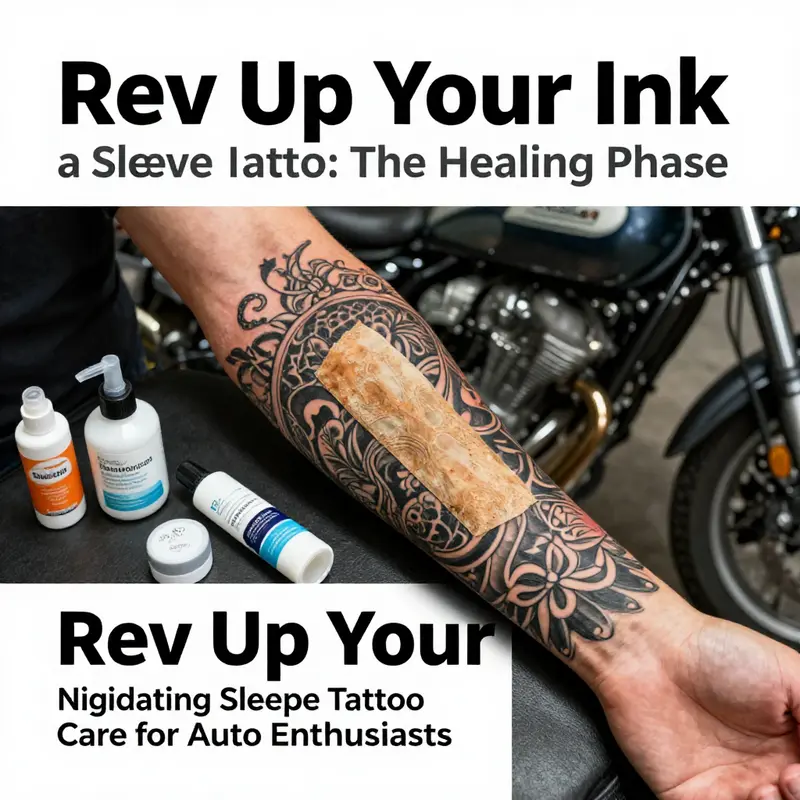
A sleeve tattoo unfolds like a living mural across the length of your arm, a single narrative told in color and line. The healing phase is where that story takes shape. It isn’t merely waiting for scabs to fall; it is a careful, patient conversation between your skin and the pigment beneath. When done well, the skin knit back with minimal inflammation, pigment settles evenly, and the sleeve emerges with the clarity and vibrancy that makes the artist’s work sing. When done less attentively, you risk blurred edges, uneven saturation, and a slower path to the final, cohesive appearance. Understanding the healing phase as a continuous, deliberate process helps you protect the integrity of the artwork while honoring your body’s needs during recovery.
In the first hours after the session, your arm will feel different from any other part of your skin. The tattooed skin is essentially an open wound, especially given the scale of a sleeve. Your artist will apply a protective covering to shield the fresh ink and keep the area clean in those crucial early moments. The most important rule is to follow that bandage or wrap exactly as directed and to avoid removing it prematurely. This initial stage is less about washing and more about giving the skin a controlled start to healing. When the time comes to remove the coverage, you’ll switch to a gentle cleansing routine. Use lukewarm water and a fragrance-free antibacterial soap, and handle the area with the lightest touch. Your fingertips should be the only tools you use. Scrubbing, aggressive rubbing, or rough towels can disrupt the delicate healing skin and disturb the pigment; even small abrasions can create relationships between the skin and ink that later become noticeable as uneven texture or color shifts.
Once you’ve rinsed away any residue and patted the area dry with a clean paper towel, a very thin layer of ointment helps protect the healing surface without suffocating the skin. The emphasis here is thin. A heavy layer can trap moisture, promote clogging, and impede the skin’s natural breath. The goal is a breathable, protective film, not a glossy coating. If your artist recommends a petroleum-based product, apply it sparingly; if a medical-grade balm is suggested, use only what’s necessary to cover the surface evenly. This restraint matters, especially across the vast canvas of a sleeve where friction from clothing and movement can amplify the potential for irritation.
The first 72 hours set the tone for the entire healing window, but the real work begins as you move through days three to fourteen. During this stage, the skin forms a protective crust as the new epidermis regenerates. Gentle, regular cleansing remains essential. Wash the tattoo 1–2 times a day with the same mild method you used earlier. Avoid alcohol-based products, harsh soaps, or anything that could strip moisture from the skin. After washing, you’ll reapply a thin layer of ointment or a fragrance-free, hypoallergenic moisturizer. The trick is to moisturize just enough to keep the area comfortable and supple, not so much that a greasy film remains. A dry, cracking surface invites pigment loss and uneven healing, while an overly moist environment can trap bacteria. Mindful moisture supports pigment retention and skin resilience alike.
As the sleeve encompasses a large surface, you’ll want to pay special attention to clothing. Loose, soft garments made from breathable cotton help minimize friction and allow air to circulate around the healing skin. Tight sleeves or rough fabrics can rub against the fresh ink, increasing redness, irritation, and the temptation to rub or itch. A sleeve’s breadth makes it particularly susceptible to such irritation, so choosing the right wardrobe during this period is a key element of successful aftercare. Sun exposure should be avoided during this entire phase. UV rays can cause fading even when the tattoo is not yet fully sealed, compromising contour lines and color fidelity. If you must be outdoors, cover the arm with loose clothing or shield it with a light shade while you work toward a sun-safe habit that prioritizes the healing sleeve. This protective approach should continue for several months, as the skin remains sensitive long after the initial crust has fallen away.
Itching and tightness are common companions in the healing journey, especially as the skin tightens and begins to shed its outer layer. Between days four and six, you might feel itching more intensely. Scratching is tempting but dangerous; it can disrupt the pigment and leave marks that take longer to fade. If tingling or itching becomes bothersome, a gentle tap on the area or a cool, clean cloth can provide relief without risking damage. Keeping your hands away from the tattoo and resisting the urge to scratch is one of the most reliable paths to a clean, precise finish. It’s also perfectly normal for the surface to peel during this phase. Peeling is a natural part of the skin’s renewal process, and it should steadily lessen as the days pass. Maintain a consistent moisturizing routine to support the new skin and keep the colors crisp.
By days eleven to fourteen, most of the intense flaking has subsided, and you’ll start to notice the tattoo regain its true clarity. The skin beneath the ink will feel smoother, and the colors should appear more even, with the lines sharpened by the new epidermis. This is a moment many people miss: the final appearance is very much about the skin’s health after the crust falls away. If you still observe persistent itching, redness, or swelling beyond two weeks, this may indicate an allergic reaction—sometimes tied to certain pigments like red or yellow—or an infection. It’s wise to seek guidance from a medical professional if these symptoms persist, especially if they disrupt your sleep, cause fever, or deliver unusual discharge.
The red flags are not just about discomfort. A spreading redness beyond the original confines of the tattoo, increasing warmth, swelling, or a fever, all signal an inflammatory response that deserves prompt attention. Infections can look like prolonged tenderness or a pus-like discharge and should never be ignored. The aim of this phase is to minimize risk and promote a uniform, vibrant foundation for the long-term appearance. Your diligence now translates into how well the sleeve will age across decades of wear and sun.
After the initial healing window closes—usually within two to four weeks—the care shifts toward preservation. Daily moisturization remains important. Even after the skin has recovered, keeping it well-hydrated helps maintain pigment integrity and prevents dry cracking that can dull fine lines. In the long run, sun protection becomes the consistent, non-negotiable habit that preserves color and depth. A broad-spectrum sunscreen with a high SPF becomes your ally whenever you step outdoors, and you’ll want to reapply if you’re sweating or swimming. And while the impulse to test beauty regimens on the tattoo is understandable, avoid products that contain strong fragrances, alcohol, or harsh chemicals near the inked skin. The goal is a gentle routine that respects both the skin’s barrier function and the tattoo’s delicate pigment balance.
This healing journey is not merely about avoiding problems; it’s about enabling your sleeve to mature with the same intention you brought to getting it. Small acts—a careful wash, a modest amount of ointment, breathable fabrics, limited sun exposure, and a gradual reintroduction to daily activity—combine to safeguard the arc of the artwork. The story your sleeve tells depends on these decisions. If you plan touch-ups for areas that may fade or blur over time, you’ll want to maintain that relationship with your artist through the healing window and beyond. The better the base healing, the more predictable the outcome, and the more the final piece can achieve its full, intended impact with age.
In this phase, patience is not merely a virtue; it is a practiced technique. Each day provides a new opportunity to protect the work you’ve chosen to wear for life. The sleeve is a commitment to your body’s remodeling and to the artist’s craft. You honor both by staying mindful of moisture levels, avoiding irritants, shielding from the sun, and respecting the skin’s rhythm as it accommodates the ink. As the weeks turn into months, the sleeve will settle into its final look—the lines crisp, the colors true, and the story legible across the whole canvas of your arm.
For readers seeking further, medically grounded guidance on tattoo aftercare, reputable health resources offer evidence-based recommendations that align with this approach to healing. External guidance from dermatology organizations emphasizes careful cleansing, moisture balance, sun protection, and prompt attention to signs of infection or reaction. Engaging with these guidelines supports not only a beautiful outcome but a safer healing experience as well.
External resource: https://www.aad.org/publications/health-and-beauty/tattoos-care
From Healing to Longevity: A Thorough Guide to Caring for a Sleeve Tattoo
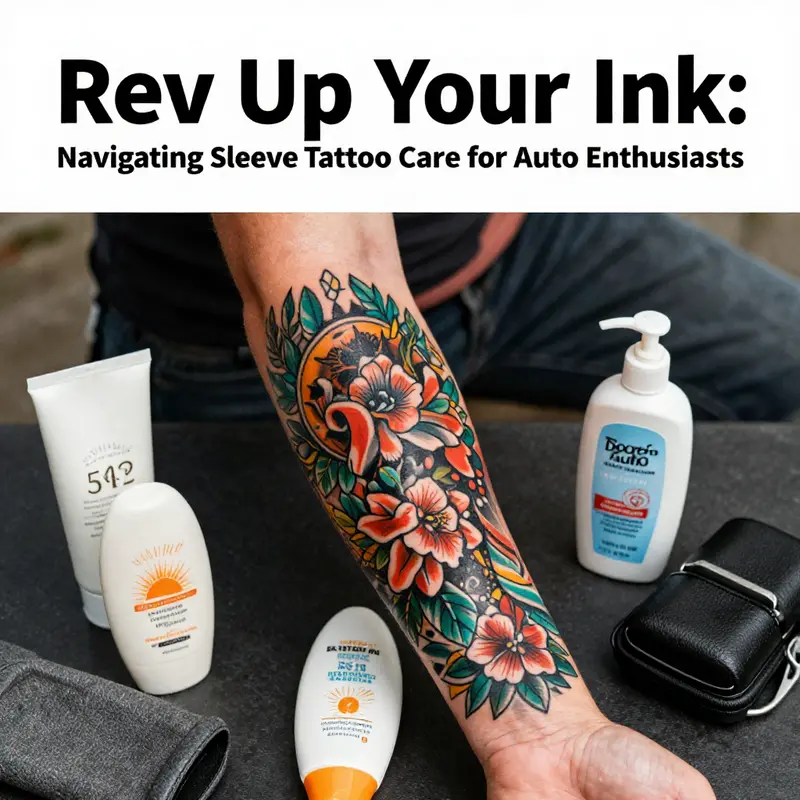
A sleeve tattoo turns a single moment of ink into a long, living conversation with your skin. It is not a static piece but a vast canvas stitched across your arm, inviting a patient, nuanced approach to care. The aim is not merely to survive the healing phase but to preserve the integrity of lines, the depth of shading, and the richness of color for years to come. If you imagine the sleeve as a story that unfolds with time, then care becomes the steady narrator guiding every scene—especially as the skin settles around multiple joints, folds, and the varied terrain of shoulder to wrist. In that sense, sleeve care is uniquely intimate: it respects the artistry and acknowledges how your body ages, moves, sweats, and sun-exposes itself over the decades. The path from the initial healing window to long-term vibrancy is one continuous practice—one that blends hygienic discipline with protective habits and a mindful, skin-first philosophy for an artwork that ages with you rather than fades away.
In those first critical days, the body treats the tattoo as a barrier it must repair. The skin is essentially an open wound, and the objective is to minimize trauma while allowing the ink to set. You follow the artist’s aftercare instructions, which typically emphasize gentle cleansing with lukewarm water and fragrance-free soap, avoiding soaking and heavy scrubbing. A very thin layer of ointment or balm is applied—never a thick seal—that keeps the surface supple without suffocating it. The caution against over-application matters: a heavy film can trap moisture and impede the skin’s breathing, potentially leading to clogged pores or a slower healing trajectory. The itch, the tightness, the sensitivity—these are all normal, but the impulse to pick or scratch must be resisted. Picking lifts pigment and can leave pale patches or lines that disrupt the sleeve’s continuous look, especially where large expanses wrap around the arm. The discipline you show in this phase shapes how evenly the ink sits and how true the final image remains.
As the days progress into the healing window, the skin begins to fashion a crust that protects the fresh work, while still being vulnerable to the environment. Days three through fourteen require a continued light touch: gentle cleansing once or twice daily, avoiding alcohol-based products, and maintaining a moisturized barrier with a fragrance-free, non-comedogenic lotion. The goal is to keep the skin pliable and responsive, not greasy. This is crucial for a sleeve because the art spans multiple planes and areas of stress. The inner elbow, the outer biceps, the shoulder cap, and the forearm each respond a little differently to movement and friction. Therefore, the approach must consider the arm’s entire breadth—the way fabric drapes, how a sleeve sits when you lift your arm, how sweat pools in the creases. Keeping the area loosely clothed in breathable fabrics reduces friction and irritation, helping the ink to settle in a uniform way.
Sun exposure during healing is a stern adversary. UV rays can cause color fading and uneven toning long before the sleeve has fully knit with your skin. If you must be outdoors, cover the tattoo with loose clothing or guard it with a sunscreen designed for sensitive, healing skin. This protective discipline should extend well beyond the initial phase; the unfolding story of a sleeve continues to rely on sun-smart habits for years afterward. A consistent shield—applied generously and reapplied as you sweat or swim—helps preserve the hues and the crispness of the lines that give the sleeve its visual impact. The long arc of care therefore becomes a simple, repeatable ritual: cleanse, protect, moisturize, and repeat, aligning daily practices with the tattoo’s needs and the skin’s rhythms.
Once healing is complete, usually within two to four weeks, long-term maintenance becomes the dominant theme. The emphasis shifts from rapid recovery to ongoing preservation. Daily moisturizing remains essential. Hydrated skin holds pigment better and maintains elasticity, which keeps the ink looking crisp as you bend, flex, and stretch your arm through daily activities. Here, the texture of the skin matters as much as color. Dry, thirsty skin can accentuate fine lines and dull the overall impression of the sleeve. In dry climates or colder seasons, you may find yourself needing a more nourishing, fragrance-free moisturizer. The guidance remains simple: a light, even film that doesn’t clog pores—applied after a gentle cleanse and before sun exposure. As you move through the seasons, you’ll notice how climate affects your skin’s needs, and your routine should adapt accordingly without turning into a heavy, occlusive regimen that risks suffocating the pores.
Sun protection is still the cornerstone of longevity. The same principle that protects the skin during healing now protects the ink’s future. A broad-spectrum sunscreen with SPF 30 or higher becomes a daily ritual for any exposed sleeve. Even on cloudy days, UV radiation penetrates, and over years those rays can noticeably fade a tattoo and erase subtle gradations in shading. Reapplication becomes routine—every couple of hours when you’re outdoors, especially if you’re sweating, swimming, or perspiring through physical activity. When possible, combine sun protection with protective clothing like long sleeves or UV-blocking fabrics. The aim is to build a proactive shield, not to rely on reflexive touch-ups years later when the color has already dulled.
Along with sun care, you want to minimize irritants near the tattoo. Alcohol-based products, strong fragrances, or harsh chemicals can upset the skin’s balance and, over time, affect the ink’s appearance. Choose gentle cleansers and minimally scented lotions for the exposed area. If you incorporate exfoliation into your routine later on, it should be done sparingly and only after the skin has fully healed and with a method approved by a dermatologist. Aggressive scrubs or chemical peels near the tattoo can abrade pigment and distort delicate details, undermining the smooth transition lines that often characterize a sleeve. In general, patience remains the watchword: let the skin do its natural work, and introduce any more aggressive skincare steps only under professional guidance.
A sleeve also presents unique practical considerations. It covers broad surface areas with varied exposure to friction from clothing, sweat, and environmental elements. The elbow and inner arm repeatedly fold, flex, and rub against fabric, so the ink in those zones often needs gentler handling and steadier protection. This means choosing looser sleeves, avoiding rough fabrics, and washing more carefully to prevent irritation. If you sleep with a sleeve, you might notice that sheets and pillowcases can contribute micro-scratches that detract from the ink’s clarity. Soft, breathable pillow covers and a light nightly moisture routine can help, as can wearing oversized garments during the healing phase that keep the arm more at ease during rest. Over time, as the sleeve ages, you’ll find a balance between daily care, cloth choice, and the body’s evolving skin dynamics. The art remains the same—a composition created by skilled hands—but its care becomes a rhythm you tune to your life’s tempo.
Despite the clarity of this plan, real life introduces deviations. Young athletes, freelancers, or travelers may push routines into travel-friendly formats or juggle different climates. The core ideas stay the same, however: stay gentle, stay consistent, and shield the ink. If a patch of the sleeve feels abnormally raised or if color seems uneven in certain areas, consider a professional evaluation. Sometimes what looks like a fading edge is simply a minor variation in healing that can be stabilized with a few well-timed, dermatologist-approved steps. Remember, the sleeve’s beauty lies in its continuity—the lines should read cleanly across joints, and the colors should maintain their depth along the arm’s sweeping contours. A thoughtful, patient approach now makes the artwork more resilient as your skin evolves with time.
Long-term care is not a set-it-and-forget-it routine. It is a living practice you carry with you. Hydration, sun safety, and gentle skincare become daily habits that align with your life’s pace. The payoff is a sleeve that ages gracefully, with the same sense of depth, contrast, and line work you admired on the first day the ink settled. Your sleeve becomes more than skin-deep art; it becomes a steady companion that thrives on consistency and respect. If you want additional, expert guidance to anchor your routine in clinical best practices, many health resources offer evidence-based tattoo aftercare recommendations, which can deepen your understanding of how to shield your sleeve across seasons and life’s fluctuations. External resource: https://www.aesthetic-surgery.org/patient-resources/tattoo-aftercare
From Healing to Longevity: Nurturing a Sleeve Tattoo Through Every Stage
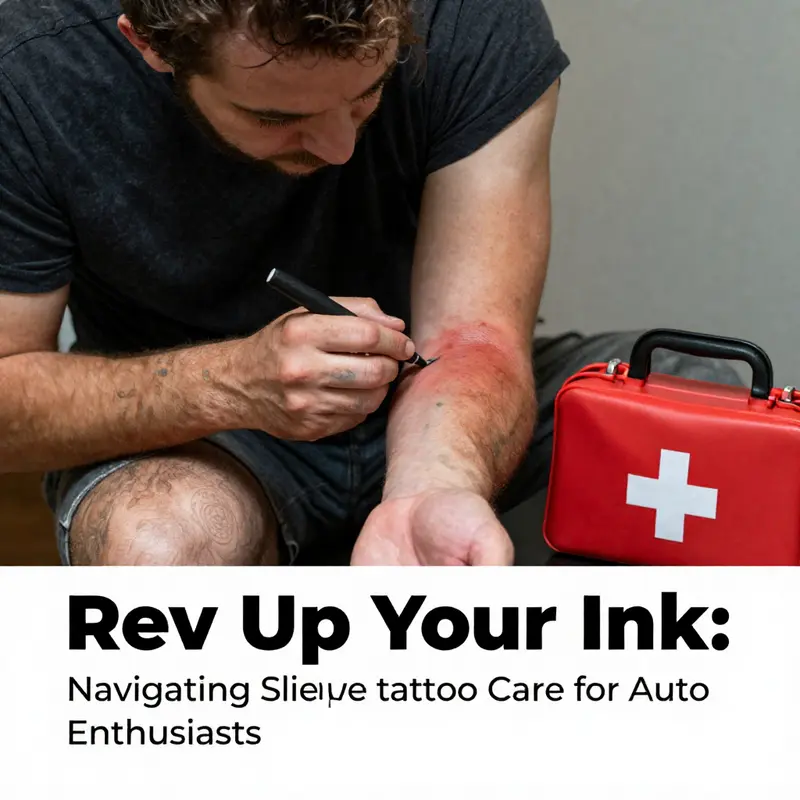
A sleeve tattoo is more than a single image wrapped around an arm; it is a complex composition that flows with the body’s contours and moves with each day of your life. Caring for such a large piece demands steady, patient attention. Healing a sleeve is not a one-and-done event but a sequence of stages that, if respected, preserves the linework, the shading, and the color you chose with your artist. The journey from the moment a fresh sleeve is wrapped in its initial bandage to years later when the ink remains crisp and vivid is defined by repeatable, mindful habits. In practice, this means embracing a routine that acknowledges the skin’s need for air, moisture, and protection while recognizing that the skin under a sleeve has more surface area exposed to friction, heat, and sun. When you think about care in this way, the process becomes less about a set of strict rules and more about a long-term relationship with your art and your skin. The goal is not merely to avoid problems but to support the skin’s natural healing rhythms so the ink settles cleanly and endures.\n\nIn the first 72 hours after getting a sleeve, your skin behaves like an open wound, and the emphasis is on gentle handling. Cleanliness is essential, but so is restraint. Your tattooist will have provided specific aftercare instructions, and those should be followed as if they were a rescue plan written in ink. The general guideline is to keep the area clean and dry. Avoid soaking the arm for at least the first day, and after that, you can rinse with lukewarm water and a mild, fragrance-free soap. The wash should be gentle, applied with the fingertips rather than a rough cloth or palm, and never scrubbed. Rinse thoroughly to remove all soap residue, then pat dry with a clean paper towel or a lint-free cloth. Traditional towels can harbor bacteria and create friction that irritates the healing skin. The moment the area is dry, apply a very thin layer of a tattoo-specific healing ointment or balm. The key word is thin—excess moisture can trap bacteria, clog pores, and impede the skin’s breath. If you prefer a simpler approach, a small amount of a neutral, petroleum-based ointment can work, but avoid applying more than a whisper of product. Over-application is as problematic as neglect. The goal in this early window is to keep the surface protected yet let the skin begin to recover its natural function.\n\nIt is normal for the skin to feel tight and a touch itchy as the healing begins. Do not scratch or pick at any scabs that form. Those scabs are the protective shield your tattoo needs to stay vibrant as it settles into the skin. Picking can pull pigment from the skin, causing uneven color, blurred edges, or white spots. If the itch becomes overwhelming, resist the urge to scratch and instead tap lightly or use a gentle, controlled pressure to soothe the sensation. As your sleeve heals, you will notice a gradient in your care routine: what you do matters as much as what you avoid. During the ensuing days, your regimen should become a steady rhythm rather than a rigid timetable. The middle phase—roughly days three through fourteen—brings a protective crust, and with it the chance for overzealous behavior to disrupt progress. Continue washing the area one to two times daily with lukewarm water and fragrance-free soap, carefully avoiding any alcohol-based products that can sting or dry the skin. The objective is balance: the area must be clean but not stripped of essential moisture.\n\nMoisturizing becomes crucial in this stage, but the amount and frequency matter. Apply a thin layer of a fragrance-free, non-comedogenic moisturizer after cleansing. The aim is to support the skin’s hydration without creating a slick layer that can trap heat or cause maceration. For a sleeve, which spans a larger surface area, this step benefits from a measured approach: a light touch across the entire arm, allowing the product to sink in rather than linger. If the skin begins to feel excessively tight or shows signs of cracking, you may increase subtle hydration, but stop once the skin feels comfortable or begins to peel. It is a delicate balance—over-moisturizing can delay healing, while under-moisturizing can prolong discomfort and dryness. The goal is a well-hydrated but not soggy surface, a state that helps the ink settle cleanly and reduces the risk of pigment migration.\n\nThe clothing you wear during the healing window matters as well. Sleeves that repeatedly brush against rough fabrics or tight cuffs can introduce friction that irritates the tender new skin and disrupts the ink’s lock-in process. Favor loose, soft, breathable fabrics, preferably natural fibers like cotton. The arm deserves air and space to breathe as it recovers. Sun exposure becomes a dangerous adversary during this phase. UV rays can fade color and distort edges even when the tattoo looks inflamed or still healing. Keep the sleeve covered with loose clothing when you’re outdoors, or shield the area with a broad hat and SPF-protected clothing. If you must be in bright sun, protect the area with a physical barrier as much as possible and apply a dedicated sunscreen only after the skin has formed a protective layer and with careful attention to not rub or irritate the healing surface. This protection should be ongoing long after the initial healing period, given the sleeve’s expansive surface and the potential cumulative damage from sun exposure.\n\nOnce the initial healing has run its course—usually within two to four weeks for a sleeve—the care routine shifts toward long-term maintenance. The skin’s texture will have normalized, but the ink’s longevity depends on ongoing stewardship. Daily moisturizing continues to be important, particularly in dry seasons or climates. A fragrance-free, gentle body lotion applied regularly keeps the skin supple, which in turn keeps the tattoo’s lines crisp and the color evocation bright. Hydrated skin holds pigment more consistently and reduces the risk of cracking that could catch on fabric or irritants. The sun remains an ever-present factor. From that point onward, the best defense against fading is a robust sunscreen habit. A broad-spectrum sunscreen with at least SPF 30 should be reapplied whenever you anticipate sun exposure, especially when sweating or swimming. For a sleeve, a sun-safe approach often means layering: sunscreen plus protective clothing, and when possible, keeping sleeves in the shade during peak hours. In addition, be mindful of products applied near the tattoo. Alcohol-based toners or harsh chemical irritants are best kept away from fresh or healing skin, as they can disrupt the skin barrier and, in turn, affect how the ink settles and how the surface ages over time.\n\nOf course, any journey of healing includes possible bumps along the road. Red flags can appear even after the sleeve has fully formed. While some redness, swelling, and itching are common in the early days, persistent or worsening redness or swelling beyond the first few days deserves attention. Pus-like discharge or a foul odor suggests infection. Severe or unrelenting pain or throbbing, especially when resting, is not typical. Any raised, irregular, or discolored areas that grow larger or new blisters or open sores that fail to heal within a week should prompt professional consults. Allergic reactions can manifest as hives, intense itching, or a spreading rash. If you notice any of these signals, seek guidance from a medical professional or your tattoo artist promptly. Early intervention is key to preventing complications and preserving the integrity of both skin and art.\n\nIn practical terms, care for a sleeve tattoo blends patience with discipline. The size and coverage of a sleeve mean more surface area to protect from friction, more skin to hydrate, and more opportunities for sun damage if neglected. The care you invest in the early weeks resonates years later: colors stay vibrant, lines stay sharp, and the story of your sleeve continues to unfold with clarity. When you commit to a consistent routine—gentle cleansing, minimal product use, mindful moisturizing, careful clothing choices, and vigilant sun protection—you are not simply maintaining an aesthetic; you are preserving a personal, living canvas. The sleeve becomes a lifelong companion, aging with you in a controlled, intentional way rather than fading away through neglect or wear.\n\nFor authoritative guidance and nuanced signs to watch for beyond personal observation, consider consulting widely recognized dermatology resources that address tattoo aftercare and infection recognition. A reliable, up-to-date reference can strengthen the care you give your sleeve over time, ensuring your art remains as striking as the day it was finished. https://www.aad.org/public/diseases/skin-infections/tattoos
Sleeve by Design: Nurturing a Full-Arm Tattoo Through Healing, Longevity, and Everyday Care
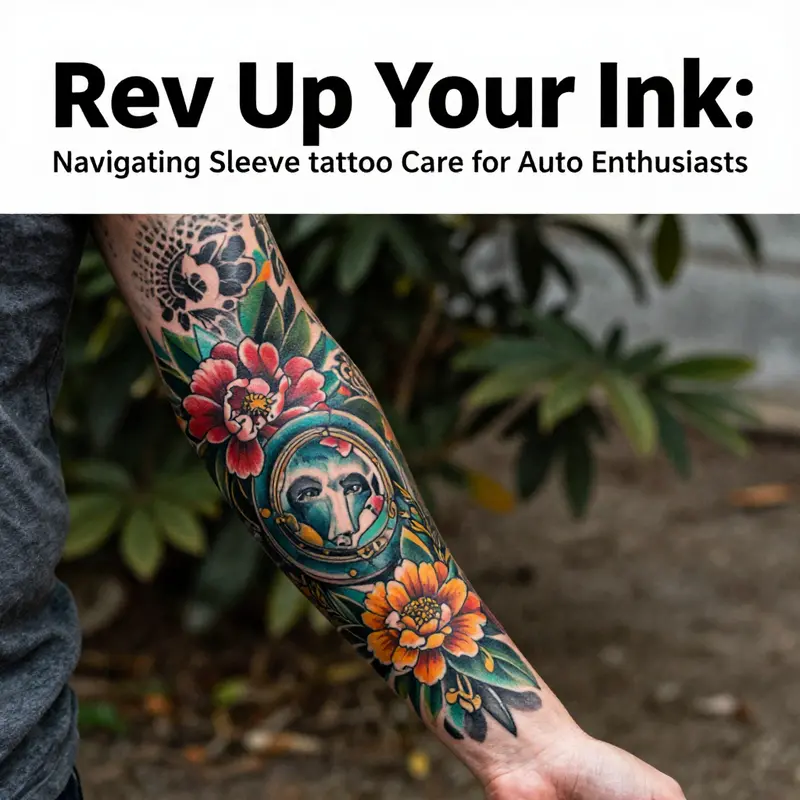
A sleeve tattoo is more than art on skin; it is a living map of your choices, your body’s pace, and the rhythms of daily life. Because it covers a large, dynamic expanse, caring for a full-arm piece demands a steady, patient approach that extends well beyond the studio. The goal is not only to heal cleanly in the first weeks but to keep the lines crisp, the colors true, and the skin healthy for years to come. When you recognize that a sleeve is a long-term collaboration between ink and epidermis, the care plan transforms from a series of brief steps into a mindful, ongoing routine that respects both the art and the body that bears it.
In the moments immediately after the session, your tattoo becomes a guarded wound and a growing canvas. The artist will typically cover the area with a protective wrap or bandage, and this covering serves a crucial purpose: it shields the fresh work from friction and outside contaminants during the early, most vulnerable interval. Follow the artist’s instructions about how long to keep the wrap in place, usually a few hours, and then proceed to the gentle, deliberate cleansing that begins the healing process. When you finally remove the bandage, the skin underneath will feel tender and perhaps slightly sticky. This is normal. At this stage, the temptation to scrub is powerful, but the safest path is to wash with lukewarm water and a fragrance-free soap using only your fingertips. Rinse until all soap is gone, and pat dry with a clean paper towel or a lint-free cloth. Avoid ordinary towels that can harbor bacteria or create friction against the still-sensitive surface.
Moisture control becomes the next balancing act. You want the skin to breathe while still receiving enough moisture to prevent excessive dryness that can crack or peel pigment. Begin with a very thin layer of a fragrance-free ointment or a non-scented healing balm once the area is fully dry. The key word is thin: over-application can trap moisture, which may clog pores or create a moist environment that delays healing. In the early days, some people find a small amount of plain petroleum jelly useful, but the emphasis remains on moderation. If you notice the skin feels tight or starts peeling, that is a signal to adjust the amount you apply and the frequency. The aim is to support an unbroken, protective surface without suffocating the skin.
Inevitable itching and a sense of tightness are part of the healing conversation. Do not scratch or pick at the forming scabs. Picking can lift pigment, blur fine lines, or create pale spots that alter the perceived depth and vibrancy of the sleeve. Instead, resist the itch by gently tapping the area with clean fingers or your palm, and keep the nails trimmed to minimize harm if you do inadvertently touch the skin. It helps to keep the air around the tattoo calm and free from irritants—loose, breathable fabrics and a clean environment reduce the chance of irritation creeping in as the skin repairs itself.
The weeks that follow move the healing into a different phase. Between days three and fourteen, the area often develops a protective crust as the outermost layer of skin renews itself. This is when the classic fading effect can appear temporarily. The sleeve may look lighter as the topmost skin sheds, but this is a natural and expected stage. Continue washing gently once or twice daily, using the same mild soap and lukewarm water, and keep moisturizing with a thin layer of fragrance-free cream. The emphasis remains on light touch rather than heavy application. Avoid harsh soaps, abrasive scrubs, and alcohol-based products, which can irritate the healing skin and dull the ink’s clarity.
A sleeve presents a broader battlefield against friction than a smaller tattoo. Clothing plays a surprisingly large role in the healing process. Loose, soft fabrics that cushion the arm can dramatically reduce irritation. Tight sleeves, rough seams, or heavy fabrics pressed against the skin during the critical healing window can create micro-tears in the surface and disrupt pigment retention. For this reason, many people find that longer, loose-fitting shirts or breathable cotton sleeves help maintain calm skin and preserve the day-to-day integrity of the tattoo while it heals. The goal is a balance between protection and ventilation, allowing air to reach the area while shielding it from abrasive contact.
Sun exposure is a relentless foe to healing skin and fresh pigment. UV rays can cause fading and color distortion even with short exposures, particularly during the healing window when the skin is more vulnerable. The prudent path is to keep the sleeve covered or shaded whenever you are outdoors during the first weeks, and to continue guarding it long after the healing period ends. Once the skin has fully closed and the tattoo surface has stabilized, you can begin to reintroduce sun exposure with care. Broad-spectrum protection becomes a daily habit for a sleeve, not a seasonal choice. A sunscreen with a high SPF should be part of the routine when the arm is exposed, and reapplication during activity, sweating, or immersion in water is essential. In addition to sunscreen, consider protective clothing, like UV-rated fabrics or a lightweight long-sleeve layer, to maintain a guard against blue-light and UV rays that can gradually erode color over time.
Toward the end of the first month, most people reach a point where the skin feels comfortable and the peeling has ceased. It is at this juncture that the maintenance phase begins in earnest. Daily moisturizing remains a constant: choose a fragrance-free moisturizer and apply it to the arm to keep the skin supple, especially in dry climates or during winter months when dehydration is a frequent threat to both skin and ink. Consistency is the quiet engine of long-term vibrancy. Hydrated skin keeps the lines crisp and helps prevent premature fading. Yet moisturization is a careful practice; too much moisture can soften the skin excessively and blur the ink, so patience and restraint remain essential.
Long-term care also requires vigilance about irritants that can affect the skin around the tattoo. Alcohol-based lotions, strong fragranced products, or abrasive exfoliants should be avoided on the tattooed skin. The arm is a highly active area; it encounters soaps, detergents, and everyday grime, so rinse thoroughly after any contact with potentially irritating substances and reapply protection as needed. A sleeve’s artistry depends on a skin canvas that stays even-toned and healthy, without patches of dryness or irritation that could alter ink saturation.
If anything unusual occurs during healing, trust your instincts and seek professional guidance. Redness that spreads, swelling, warmth, severe pain, fever, or a discharge with an odor are signals that something is not right. Infections, though not universal, do occur and can threaten both the tattoo and the skin’s health. Early consultation with the tattoo artist or a medical professional can prevent complications from turning into lasting damage. In most cases, a careful reassessment of cleansing routines, moisture balance, and protection from external factors can restore the healing trajectory without long-term harm. The objective is steady progress, not perfection in attack or speed—especially in a sleeve where the skin’s surface area is expansive and healing must be managed with a broader, more deliberate approach.
The concept of aftercare for a sleeve is, in essence, a long-term discipline rather than a finite set of steps. The sleeves’ curves and lines demand ongoing attention to how the skin behaves under daily life. Sleep and posture, for example, can influence irritation and friction. If you tend to sleep on your side with the arm pressed against the pillow, you might wake with a pale crease or redness that needs only a moment of rest and a light reapplication of moisturizer. Regular activity with mindful protection—hand washing, safe showering routines, and careful handling of the arm during workouts—helps preserve clarity and reduces the likelihood of pigment breakdown in high-mobility areas.
Ultimately, the sleeve’s longevity rests on a simple, powerful triad: cleanse with care, moisturize with restraint, and shield with consistent sun defense. This trio supports not just the immediate healing arc but the enduring beauty of the artwork. The skin’s health is the frame around the ink, and by tending to it daily, you extend the life of the design you wore with intention and pride. The commitment you make in the first weeks translates into years of color and detail retained under the skin’s natural evolution.
For those seeking an authoritative, evidence-based reference on aftercare guidelines, consult dermatology resources that synthesize clinical experience with patient-centered practice. The guidance emphasizes similar themes: gentle cleansing, proper moisture management, avoiding premature soaking, mindful sun protection, and prompt attention to signs of infection. By aligning your routine with these principles, you reinforce the integrity of your sleeve and honor the artistry it carries through time.
External resource for further reading: https://www.aad.org/publications/newsletters/dermatology-times/2026/01/tattoo-aftercare
Final thoughts
Taking care of a sleeve tattoo is much like caring for your beloved motorcycle or car — it demands attention and respect. The journey from immediate aftercare to long-term maintenance ensures that your tattoo continues to reflect your passion and lifestyle. Being vigilant about the healing phase and recognizing any signs of complications will safeguard not just your tattoo but your skin’s health as well. Establishing best practices for longevity can help you enjoy those vibrant colors and intricate designs for years to come. Treat your sleeve tattoo with the same dedication you apply to your vehicles, and it will reward you with lasting beauty and individuality.