
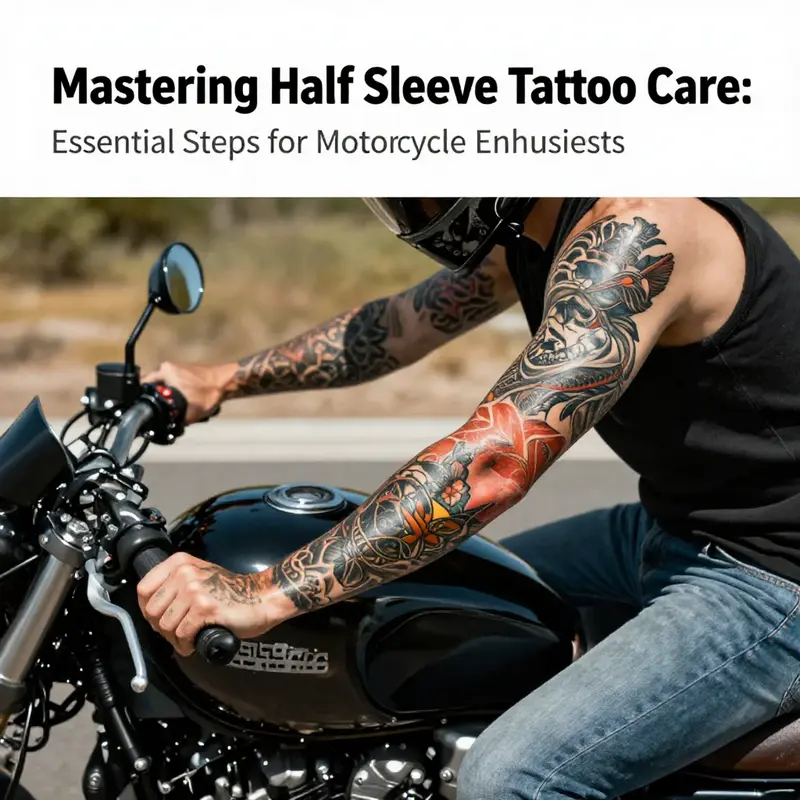
For motorcycle and auto enthusiasts, a half sleeve tattoo represents personal expression and passion. However, it is essential to embrace diligent aftercare practices to ensure that your artwork remains vibrant and free from complications. Just like maintaining a vehicle, a tattoo requires consistent monitoring and care, particularly in the initial healing stages. This article delves into three crucial aspects of half sleeve tattoo care: the critical first 48 hours, establishing a daily cleaning and moisturizing routine, and methods to avoid sunlight and friction. Each chapter is tailored to fit your lifestyle, ensuring your tattoo reflects your love for the road in all its glory.
Nurturing Fresh Half-Sleeve Ink: The First 48 Hours as the Foundation of a Lifelong Vivid Canvas
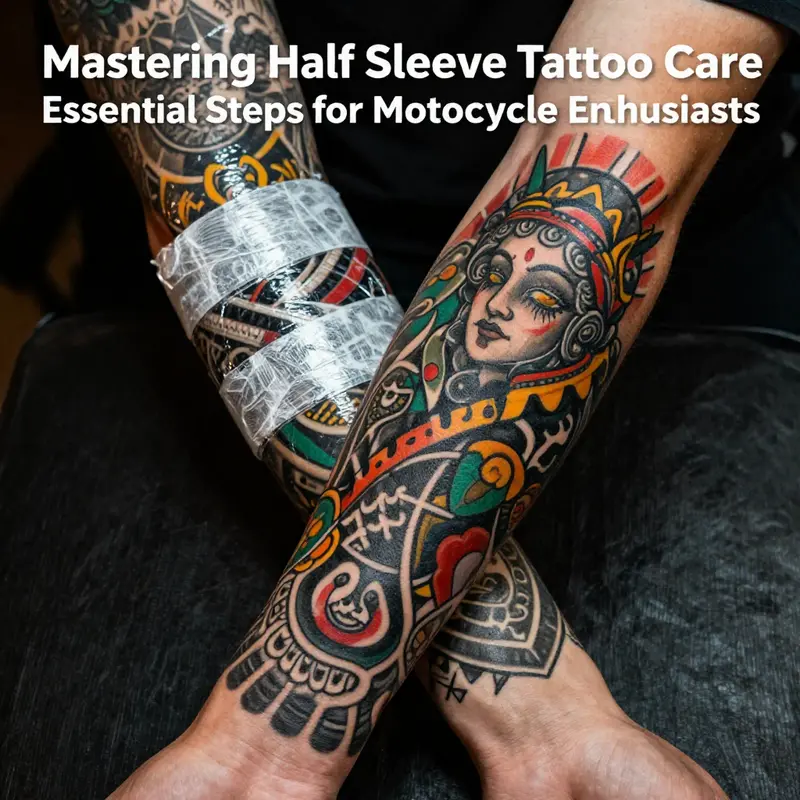
The moment the needle leaves its work and the ink settles into your skin, a half-sleeve tattoo steps from art into biology. The first 48 hours are not just a time window; they are the foundation of every hue, line, and glow you hoped to preserve. In this expanse of two days, your body begins a quiet, remarkable process of repair. The skin that was opened to receive the design is now an active, living surface that craves protection, gentle attention, and clarity about what it can and cannot tolerate. When you respect this window with steady, mindful care, you tilt the odds toward a clean healing and a long-lasting vibrancy that will honor the artist’s craft for years to come. Ignore it, and you risk blurring lines, fading color, or lingering irritation that can shadow the work long after the initial thrill wears off.
The first critical step happens in a controlled moment right after the session. Your artist will typically cover the area with a breathable protective wrap or a specialized barrier designed to shield the fresh ink from bacteria and friction. This wrap is not just a shield; it is a first line of defense that creates a sterile micro-environment as the skin begins its healing dance. The guidance now common across many studios is to leave this initial covering in place for a short, carefully prescribed period, usually between 2 and 4 hours, unless your artist has given you a different directive. The exact timing depends on the size of the half-sleeve and the location on your arm, as well as the materials used and your own skin sensitivity. The temptation to peel it off early is strong; do not give in. Removing too soon disrupts the protective barrier and exposes the tender ink to contaminants, which can elevate the risk of infection or pigment loss at the most vulnerable moment.
When the time finally comes to remove the wrap, do so gently. Use lukewarm water to help loosen the adhesive and any residue rather than tugging the wrap away. A patient, slow peel minimizes trauma to the still-sensitive surface. Once the wrap is removed, the cleaning step becomes the new focal point. Wash the tattoo thoroughly with lukewarm water and a fragrance-free antibacterial soap. The method matters as much as the soap itself. Use just your clean hands, letting the fingertips do the work. Avoid any scrubbing or abrasive contact—no washcloths, sponges, or loofahs. These textures can abrade the healing skin and disrupt the settled ink. Rinse away soap completely to prevent residue that can irritate or sting during the next stage.
Drying is equally important as cleansing. Pat the area dry with a clean disposable paper towel. Do not rub with fabric towels, which can harbor bacteria and rough fibers that irritate the wound. The goal in this moment is to minimize friction while preserving a delicate surface that is already more porous than usual. After drying, a critical decision confronts most new half-sleeve recipients: whether to apply moisturizer or ointment immediately. In the first 24 to 48 hours, the guidance you’ll encounter from experienced artists and dermatology-informed sources tends to favor air exposure over a thick, occlusive layer. Let the skin breathe and air-dry for a brief window, typically 1 to 2 minutes. That tiny pause helps prevent excess moisture from seeping into the skin and creating a damp environment that can slow healing or encourage bacteria to thrive.
If your artist has recommended a specific product for the immediate aftercare, such as a fragrance-free ointment or a plain, unscented moisturizer, you should adhere to that advice. In many cases, the first day is spent allowing the newly inked surface to acclimate to air. The simplest approach is to forego ointment altogether for the remainder of the first day, then reassess the next day. This is not about neglect; it is about letting the skin establish a natural microclimate that supports proper scab formation without trapping irritants beneath a thick layer. The moment you move into the second day, you may begin a very light, cautious regimen if your artist approves it. A thin application of an unscented, gentle moisturizer or a product formulated for tattoo healing can be introduced only with restraint and in small amounts. The overarching principle is thin, infrequent application rather than heavy, persistent layering.
The takeaway for the first 48 hours is clear: maintain a clean, protected environment while avoiding excess moisture and heavy occlusion. Submerging the half-sleeve during these initial two days is a risk you should avoid. Baths, hot tubs, swimming pools, and even long showers are off-limits. Brief, cool showers are permissible, but you should stay mindful of the amount of time the skin spends under running water. The objective is to shield the wound from prolonged moisture, which can soften scabs too quickly or introduce microbes that thrive in damp conditions. A steady, controlled approach to moisture—neither bone-dry nor sopping wet—creates the most stable platform for healing.
Beyond moisture control, the environment around your tattoo matters. The skin’s surface is more prone to irritation during this early stage, and any friction can become a hindrance. Loose, breathable clothing is your ally. Tight sleeves or fabrics that rub against the tattoo can provoke itching, inflammation, and, in some cases, scarring. The same principle applies to sleeping positions and bedsheets. If you sleep on your side or raise your arm heavily during the night, you might wake to increased tenderness or a higher chance of accidental abrasions. The aim is to honor the freshly inked network of lines by providing it with space to settle and breathe. The less contact and friction, the more likely the pigment remains evenly embedded and the less likely you are to disturb the delicate epidermal layer that is forming around each needle strike.
Itching and mild tightness are common during this period. They are not signs of failure; they are part of the natural shedding process the body uses to remove dead skin from the wound site. Resist the urge to scratch or pick at any forming crusts. Picking can pull away pigment, leading to patchy areas and possible scarring. If itching becomes bothersome, a cool compress can offer relief without introducing bacteria or oils to the surface. A gentle, fragrance-free moisturizer applied in extremely small amounts on the next day or after consulting with your tattoo artist can also provide relief, provided you do not overdo it. The objective is a calm, steady transition from a fresh wound to a protected healing surface, not an accelerated or aggressive regimen that might disrupt the pigment’s placement or the skin’s new barrier.
Nutrition and hydration also play subtle roles in these early hours. The body’s repair systems operate more efficiently when they have the stamina to support cell turnover and collagen synthesis. Maintaining steady hydration, consuming balanced meals that include adequate protein, and avoiding alcohol in these first 48 hours can contribute to clearer healing. It would be reasonable to lean into vitamin-rich foods that support skin integrity, such as those containing vitamin C and vitamin E, without overdoing any single nutrient. It is not a dramatic prescription but a practical, everyday choice—one that supports the skin’s resilience as it transitions from a freshly pricked canvas to a protected, stable surface.
If you notice signs that something might be amiss—redness spreading beyond the tattoo, increasing warmth, swelling that worsens after the initial day, or any discharge with a strong odor—these could signal an infection or an adverse reaction. In such cases, do not hesitate to contact your tattoo artist for guidance or seek medical advice. Early discussion with a professional can prevent complications and preserve the integrity of the design. While the vast majority of first-48-hour experiences go smoothly with careful, patient attention, it is essential to stay vigilant and responsive to what your body is telling you during this sensitive window.
The first 48 hours lay the groundwork not only for a clean healing but for the long-term vibrancy of a half-sleeve. A well-managed early phase minimizes pigment loss and uneven fading that can stem from moisture imbalances, friction, or contamination. The decisions you make now—how you protect the wrap, how you cleanse, how you manage moisture, and how you quiet the urge to meddle with the skin—are acts of stewardship toward a piece of art that will accompany you for years. In many ways, the tattoo’s life in your arm begins here, in the careful quiet of the first two days, when every action reverberates through the ink’s future clarity and color depth.
As you move forward beyond the initial 48-hour window, the healing journey continues with a gradual introduction of moisture and ongoing protection. The next days will bring their own set of guidelines about washing frequency, gentle exfoliation during peeling, and how to adjust your clothing and sun exposure as the area becomes less vulnerable. The core values, however, remain consistent: keep the area clean, protect it from unnecessary trauma, avoid sun exposure, and resist the impulse to peel or pick. Those simple, disciplined steps in the early stage create a stable platform for the long, patient process of settling in the design’s lines and colors. The goal is not just a healed look but a living, durable finish that remains vibrant as the years pass. This foundation supports the artistry that followed the needle and ink, ensuring that the half-sleeve continues to read as intended—the expression of you, rendered in skin, color, and care.
Key takeaway: The first 48 hours establish the healing trajectory. Gentle cleansing, protection, and restraint from irritating actions set the stage for vibrant, lasting results. By honoring the protective barrier, limiting moisture, avoiding submersion, and staying vigilant for signs of trouble, you cultivate an environment in which the ink can settle evenly and securely. Proper care now reduces the risk of infection, pigment loss, or premature fading later on, allowing your half-sleeve to remain a striking, true representation of the artist’s intention for years to come.
For those seeking a deeper, dermatologist-informed perspective on early tattoo care, reputable sources emphasize hygiene, protection, and cautious handling during the initial recovery. You can consult the American Academy of Dermatology for guidance that aligns with medical standards on how to care for new tattoos and what to watch for during the early healing phase. The information provides a solid framework for aligning personal practices with widely accepted medical principles, complementing the care you receive from your tattoo artist.
External resource for further reading: https://www.aad.org/public/skin-hair-nails/tattoos/tattoo-care
Rituals of Renewal: The Daily Cleaning and Moisturizing Path to a Vibrant Half-Sleeve
A half-sleeve tattoo turns your arm into a living canvas, a broad expanse that demands steady, mindful care. The healing journey is a slow, patient process, not a single moment of vigilance. It unfolds over weeks, with the daily routine you establish early on shaping the ink’s final appearance. When you treat the first days as a foundation and the following weeks as a gradual ascent toward skin that reads true to the design, you’ll protect color depth, even lines, and the integrity of the skin beneath. The daily cleaning and moisturizing routine is not merely maintenance; it is a careful dialogue between new skin, fresh ink, and your body’s healing rhythm. The goal is simple in theory and exacting in practice: keep the area clean, hydrated, and free from irritants while avoiding anything that could disrupt the delicate healing work happening beneath the surface. This is the backbone of care for a half-sleeve, a large area that naturally encounters more friction, more exposure, and more opportunity for misstep if attention drifts. The first 48 hours are the most intense, the next week or two the most formative. Beyond that, the skin settles into a new normal—your tattoo, now integrated with your skin and your movement, needs continued, but gentler, care to retain its vitality. The daily routine you commit to during this phase should be precise yet simple, repeatable, and forgiving enough to fit real life. You will learn to listen to your skin’s signals and adjust your approach without losing the core discipline that protects ink and skin alike. And while the details below reflect a science-based approach, the real payoff lies in consistency: a patient, steady practice yields a tattoo that remains crisp, bright, and less prone to scabbing or color loss when you look back after months or years have passed.
The immediate aftermath of your session is the moment when careful boundaries between your skin and the outside world matter most. In the hours right after the tattooing, your artist will usually wrap the area in a breathable covering, intended to guard the fresh work from bacteria and friction. Leave this covering in place for the duration recommended by your artist—commonly a window of 2 to 24 hours, depending on the extent of the work and its location. Premature removal can expose the delicate ink to contaminants, increasing the risk of infection or irritation. When the wrap is finally removed, your cleansing ritual begins with calm, deliberate movements. Gently wash the tattoo with lukewarm water and a fragrance-free, antibacterial soap, using only clean hands. Avoid washcloths, sponges, or loofahs that could irritate the skin or disrupt the new ink. After washing, pat the area dry with a clean paper towel; never rub, never drag fabric across the surface. The skin is especially vulnerable to moisture that is too eager to penetrate and soften fragile scabs too early. A light touch—just enough moisture to keep the surface from sticking to itself—is the aim.
One of the most important guidelines after the first day is to avoid submerging the area for extended periods. This means no baths, no swimming, no hot tubs, and no long, soaking showers for at least two weeks. Water can loosen scabs and wash away some pigment if the surface is still healing. Instead, opt for short, warm showers when needed, and be gentle as the water runs over the tattoo. The moment you step out of the shower, pat dry once more with a clean towel. The goal is to minimize friction and maintain a clean, dry environment that supports healing rather than introduces irritants.
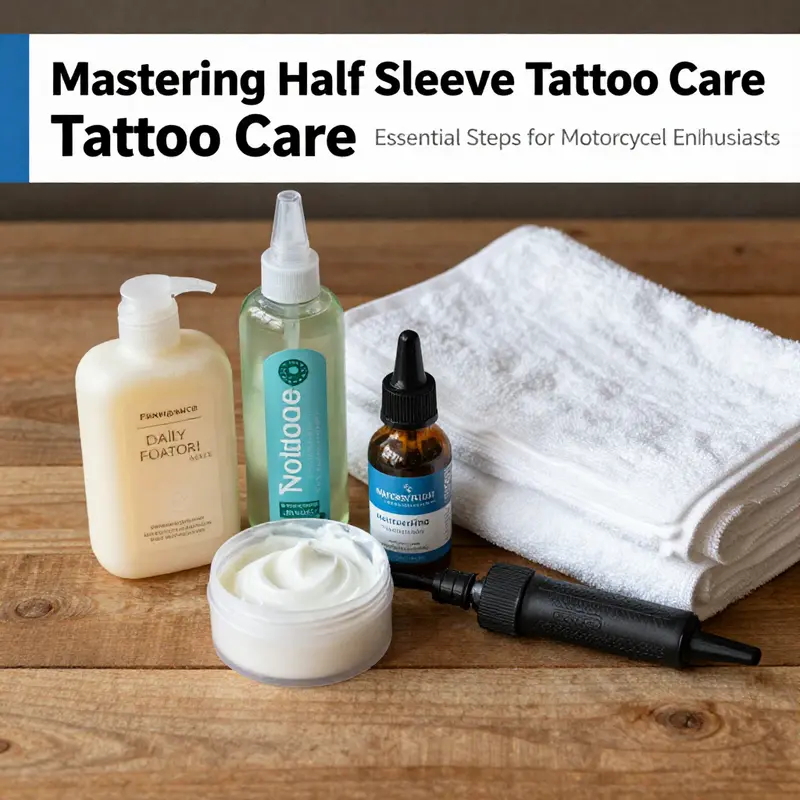
As you move into the days following the session, a simple, reliable routine takes shape. For the first week or two, cleansing becomes a daily ritual, paired with a careful moisturizing step. After washing, you will apply a thin layer of a non-fragrance, non-irritating moisturizer or a healing ointment designed for tattoo recovery. The emphasis here is thinness: a light, even coating that keeps the skin from drying and cracking without clogging pores or trapping bacteria. Avoid heavy, greasy ointments that sit on the surface and can trap moisture against the skin in a way that slows healing or leads to breakouts. The objective is to support the skin’s natural regeneration while maintaining an environment that respects the ink’s integrity. If you notice the skin feels tight or begins to peel, that is a natural phase of healing. Continue with the program, and adjust by reducing or stopping moisturizer as the skin resumes its normal suppleness. In practical terms, you will likely moisturize twice daily—once in the morning and once in the evening—through the majority of the first two weeks. If the tattoo feels dry, you may add a third light application, but never go overboard. A thin, even layer is enough to protect the skin and the pigment without creating a barrier that blocks the skin’s breathing.
The products you choose for this phase should be plain and gentle. Look for a fragrance-free, gentle cleansing soap and a moisturizer that is non-comedogenic and unscented. A simple, unscented healing ointment can be helpful for the first couple of days if the skin feels dry or irritated. The guiding principle is simple: keep the surface hydrated enough to prevent cracking, but avoid over-moisturizing to the point of clogging pores or suffocating the skin. In this early stage, alcohol, fragrances, and aloe vera—common irritants for some people—should be avoided because they can aggravate healing skin and delay the process. If itching arises, resist the urge to scratch. Instead, you can apply a cool compress to the area or lightly rehydrate with a small amount of the gentle moisturizer. Itching is a natural signal that the skin is waking up and repairing itself; scratching can disrupt pigment and increase the risk of scarring or patchy healing.
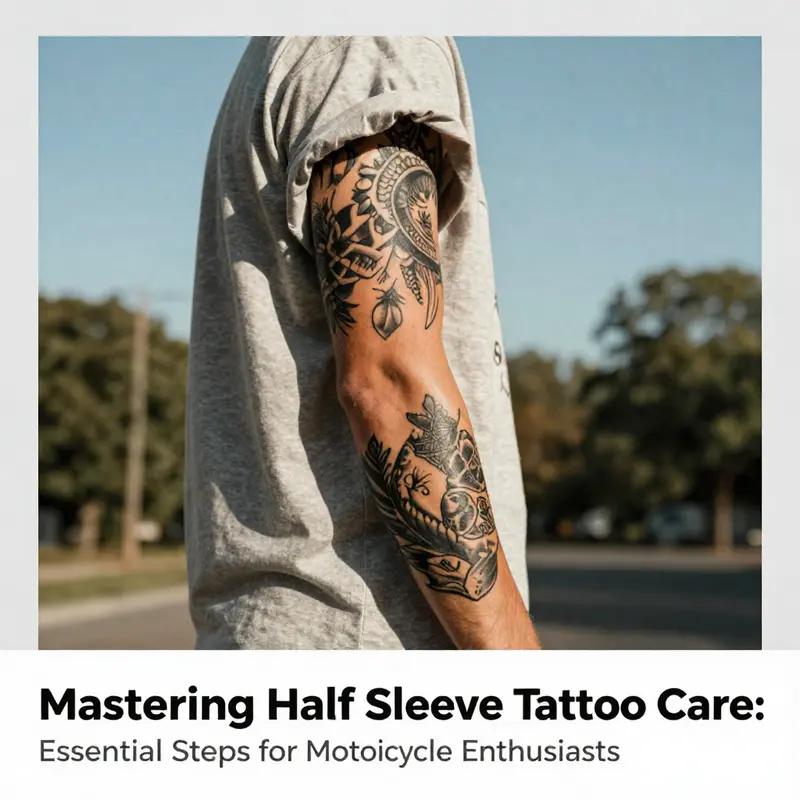
Beyond the first two weeks, the healing journey gradually shifts from active repair to ongoing maintenance. The skin will begin to normalize as the scabs fade and the outer layer stabilizes. At this stage, continue with a light touch of moisturizer as needed, but most people will find that the area no longer requires frequent, heavy application. If the tattoo feels tight or begins to peel naturally, you are in the final stages of the primary healing window. Once the skin has settled, you can transition to a standard skincare routine, still avoiding harsh irritants that could reach the tattoo and cause discoloration or irritation. Throughout the healing period, long-term protection from the sun remains essential. A half-sleeve is unusually exposed, and UV exposure can dramatically fade the colors and damage skin tissue. Guard your ink by covering the area with loose, breathable clothing when possible, or by using a high-SPF, physically blocking sunscreen. If you must be in bright sun, chose shaded pathways and wear the sleeve loosely to prevent friction from clothing rubbing against the tattoo. The combination of sun protection and gentle handling is the best guarantee that your colors stay saturated and your lines stay crisp.
Friction poses another common challenge for half-sleeves. The arm is a high-movement area; fabrics, even soft ones, can cause rubbing and irritation that leads to inflammation, itching, and in some cases scarring. Wear light, loose clothing and avoid tight sleeves during the healing window. If your day includes activities that might cause sweating or friction, cleanse and reapply a light layer of moisturizer as needed, staying mindful of the skin’s signals. The objective is not to ban all movement or cover the tattoo forever but to minimize the mechanical stress during the most sensitive days. By maintaining this balance, you reduce the risk of pigment loss and help ensure the ink settles evenly across the canvas.
Lifestyle choices during healing can subtly influence outcomes. Adequate hydration, good sleep, and a protein- and vitamin-rich diet support skin repair and immune function, which in turn influence how quickly and how well the tattoo heals. While dietary changes are not a cure-all, they play a real role in inflammation control and tissue regeneration. Limiting alcohol, spicy foods, and highly processed meats during the initial healing period can reduce inflammatory responses that might aggravate the healing skin. Hydration becomes not just a comfort but a healing strategy; in the weeks after your session, aim for steady water intake and consider hydrating foods to support your skin’s recovery. In parallel, those caring for a half-sleeve tattoo should be attentive to the skin’s general health signals. If you notice persistent redness, swelling, warmth, pus, or increasing pain beyond what is typical for healing, seek professional advice promptly. While the vast majority of cases heal without complication, infections or nerve irritation require medical attention to prevent lasting damage and pigment loss.
The maturation of a half-sleeve is a journey from tender new skin to a resilient, color-rich surface that reads as a single piece rather than exposed ink. The daily cleaning and moisturizing routine, practiced consistently, is the slow, steady heartbeat of that transformation. You are not merely washing and hydrating a site of skin; you are actively guiding the ink to settle in a manner consistent with the design’s lines, shading, and color balance. The routine’s rhythm—gentle cleansing, a light, even layer of moisturizer, careful avoidance of irritants, and mindful sun protection—creates a stable environment that lets the pigment stay true to the artist’s intent. Over time, the skin thickens and the scar tissue that initially formed softens, and the ink remains clearer and better aligned with the original artwork. That outcome is not accidental. It is the result of intention, discipline, and respect for the healing process.
To summarize the practical cadence: immediately after the session, keep the bandage on as directed, then wash gently with lukewarm water and fragrance-free soap, drying with a clean paper towel. For the next 1–2 weeks, cleanse daily and apply a thin layer of a non-fragranced moisturizer or healing ointment twice daily, adjusting as needed if the skin feels particularly dry or if peeling begins. Avoid soaking, sun exposure, and tight clothing that could rub or irritate the area. Resist scratching and picking, using cool compresses or gentle moisturizers to ease itch. Throughout the healing window, keep lifestyle habits supportive of tissue repair: stay hydrated, rest well, and limit inflammatory foods. With consistency, your half-sleeve will emerge from healing not just intact but vibrant, with color depth preserved and lines still crisp.
If you would like to explore dermatology-aligned guidance that consolidates these practices with clinical support, you can consult the American Academy of Dermatology’s tattoo care resource for a broader, evidence-based perspective: https://www.aad.org/publications/psa/2023/tattoo-care.
In the end, care is a dialogue between your body and your art. The daily routine is a gracious but exacting partner to the ink, a commitment to keeping your skin healthy and your design legible. When you treat healing as an ongoing practice rather than a sterile, one-off phase, you protect both the health of your skin and the life of your tattoo. The result is a half-sleeve that ages gracefully, maintains its vibrancy, and continues to tell your story with the same clarity you imagined the moment you first traced the design onto your arm. Remember that every healed line, every shade, and every smooth surface owes its existence to the minutes you invested in proper cleansing, patient moisturization, and sun-safe habits during the healing window. Your future self—and your future artwork—will thank you for the care you give today.
null
null
Final thoughts
Caring for a half sleeve tattoo is akin to maintaining a finely tuned vehicle; each step in the healing process matters. By prioritizing the first 48 hours, establishing a daily care routine, and avoiding the challenges posed by sunlight and friction, you can preserve the beauty and clarity of your tattoo for years to come. Integrating these practices into your lifestyle as a motorcycle or auto enthusiast not only ensures stunning body art but also reflects the care and attention you give to all your passions.