
When it comes to vehicle performance, few areas hold as much potential for enhancement as the engine. Yet, the prospect of engine performance upgrades represents both opportunity and risk. Neglecting routine engine maintenance can spell disaster, leading not only to diminished performance but also to costly repairs down the line. Engine upgrades offer a pathway to unlock your vehicle’s true potential and can dramatically improve power and efficiency. However, they must be approached with caution; improper modifications can compromise safety and performance.
As automotive enthusiasts know, the key to maximizing engine performance lies not just in upgrades but in a solid foundation of maintenance. This discussion delves into essential engine performance upgrades that can elevate your driving experience while highlighting the importance of an informed and careful approach to each enhancement.
Essential Engine Upgrades for Enhanced Performance
In the realm of vehicle modifications, engine performance upgrades stand as one of the most impactful ways to enhance your driving experience. Here are five essential engine upgrades that can significantly boost vehicle performance:
-
Cold Air Intake System
-
Benefits: A cold air intake system increases airflow to the engine, allowing it to breathe better and produce more power. Enhanced air intake also leads to improved fuel efficiency, translating to higher miles per gallon.
Source - Risks of Neglect: Without this upgrade, engines may suffer from heat-soaked air intake, which decreases performance and fuel efficiency. Over time, a restricted air supply can lead to engine straining and premature wear.
- Contribution to Performance: Better airflow enhances combustion efficiency, resulting in more power output and torque. This is a foundational upgrade for those seeking noticeable performance improvements.
-
Benefits: A cold air intake system increases airflow to the engine, allowing it to breathe better and produce more power. Enhanced air intake also leads to improved fuel efficiency, translating to higher miles per gallon.
-
High-Performance Exhaust System
-
Benefits: A high-performance exhaust system minimizes back pressure and allows for more efficient exhaust flow. This results in improved overall horsepower and a more aggressive sound.
Source - Risks of Neglect: Failing to upgrade the exhaust can lead to diminished power and engine performance due to restrictions in the exhaust path. A poorly flowing exhaust system may also increase emissions and lead to potential engine damage over time.
- Contribution to Performance: A well-designed exhaust system works in tandem with other upgrades to optimize power. The reduction in back pressure creates a healthier engine environment, improving throttle response.
-
Benefits: A high-performance exhaust system minimizes back pressure and allows for more efficient exhaust flow. This results in improved overall horsepower and a more aggressive sound.
-
ECU Tune
-
Benefits: A custom ECU (Engine Control Unit) tune modifies the vehicle’s fuel maps and ignition timing to maximize power output and efficiency. This electronic upgrade is customizable, allowing for fine-tuning based on specific performance goals.
Source - Risks of Neglect: Not tuning the ECU after major engine changes can prevent the engine from running optimally, leading to wasted fuel, reduced power, or even damage due to incorrect tuning parameters.
- Contribution to Performance: By maximizing fuel delivery and adjusting timing, a proper ECU tune can yield significant power increases while enhancing throttle response, making the vehicle feel more responsive to driver inputs.
-
Benefits: A custom ECU (Engine Control Unit) tune modifies the vehicle’s fuel maps and ignition timing to maximize power output and efficiency. This electronic upgrade is customizable, allowing for fine-tuning based on specific performance goals.
-
Performance Camshaft
-
Benefits: Upgrading to a performance camshaft improves valve timing and lift, which can boost horsepower and torque, particularly at higher RPMs. This upgrade allows the engine to draw more air and fuel for combustion.
Source - Risks of Neglect: Not opting for this upgrade in a modified engine can lead to limitations in power output, especially for those seeking performance boosts. The engine may also operate less efficiently, leading to higher operating temperatures and wear.
- Contribution to Performance: A performance camshaft directly impacts the engine’s ability to produce power. This change can shift the torque curve, improving acceleration and responsiveness in various driving conditions.
-
Benefits: Upgrading to a performance camshaft improves valve timing and lift, which can boost horsepower and torque, particularly at higher RPMs. This upgrade allows the engine to draw more air and fuel for combustion.
-
Turbocharger or Supercharger
-
Benefits: Forced induction through a turbocharger or supercharger dramatically increases the amount of air entering the engine, allowing for significantly more power output without the need for larger displacement engines.
Source - Risks of Neglect: Skipping this upgrade when looking for major horsepower gains means forgoing the potential to tap into a significant power source. Without it, engines may also experience increased strain when pushed to their limits without proper power adders.
- Contribution to Performance: Turbocharging or supercharging increases engine efficiency by generating more power from the same amount of fuel. This leads to improved acceleration, making the vehicle much more thrilling to drive.
-
Benefits: Forced induction through a turbocharger or supercharger dramatically increases the amount of air entering the engine, allowing for significantly more power output without the need for larger displacement engines.
Common Mistakes During Engine Upgrades
Upgrading an engine can propel your vehicle’s performance to thrilling new heights, but several common mistakes can lead to disappointing results or even serious damage. It’s vital to approach upgrades with caution and thorough understanding. Here are some typical pitfalls to avoid:
-
Ignoring Component Compatibility
One of the most frequent errors is not considering the compatibility of new parts. For instance, an upgraded turbocharger might require larger fuel injectors for optimal performance. Ignoring this can lead to engine strain or failures. As noted by John Smith, a lead technician at a performance auto shop, “The biggest mistake is thinking you can just drop in a bigger engine without supporting modifications—the entire vehicle system needs to work together.”
-
Poor Installation Practices
Installation mistakes, such as improper mounting or inadequate cooling system upgrades, can severely impact performance. For example, failing to upgrade the brakes and suspension to match increased power can create safety hazards and lead to performance issues. A piece from MotorTrend highlights that “inadequate installation can lead to catastrophic failures down the line.”
-
Neglecting ECU Tuning
Proper tuning of the Engine Control Unit (ECU) is crucial after modifications. Failing to adjust the vehicle’s fuel maps or ignition timing following an upgrade can result in wasted fuel and a decrease in power. A harrowing anecdote from a mechanic after a botched upgrade, “Customer melted pistons because they increased boost without upgrading injectors—a $15,000 lesson in system balance.”
-
Skimping on Supporting Systems
Many enthusiasts tend to focus solely on the engine itself rather than supporting components like fuel delivery, lubrication, and cooling systems. ASE certified technicians emphasize that “90% of engine upgrade failures come from neglecting these systems rather than the engine itself.” Comprehensive planning is vital for successful upgrades.
-
Rushing the Process
Hasty upgrades without proper research or professional assistance often lead to regrets. Automotive engineers warn against piecemeal upgrades, emphasizing that “many performance issues stem from unmatched components working against each other rather than together. Proper calibration and system integration are non-negotiable for reliable performance improvements.”
By recognizing these common traps, you can avoid significant setbacks in your engine upgrading journey. Always take the time to carefully plan your modifications and consider consulting with professionals to ensure all components function in harmony. As the saying goes, “an ounce of prevention is worth a pound of cure,” particularly in automotive performance enhancements.
Upgrading essential engine components can yield remarkable gains in vehicle performance. According to multiple sources, ECU tuning can provide performance increases between 5% and 36%, depending on the engine type, significantly enhancing torque and throttle response for a more engaging driving experience.
Cold air intake and high-performance exhaust systems can also boost fuel efficiency by as much as 25%, leading to higher horsepower output and more effective combustion. These enhancements result not only in improved acceleration times but also contribute to better fuel economy, underscoring the considerable transformative effects of engine upgrades.
Essentially, these upgrades can be pivotal in enhancing a vehicle’s overall performance and driving dynamics, making them a worthy investment for any automotive enthusiast or everyday driver looking to optimize their vehicle’s capabilities.
| Engine Upgrade | Cost Range | Benefits | Considerations |
|---|---|---|---|
| Turbocharger | $2,500 – $5,000 | Significant power increase, improved efficiency | Potential engine strain if not tuned properly |
| High-Performance Exhaust | $1,000 – $2,500 | Better airflow, increased horsepower | May increase noise levels |
| Cold Air Intake System | $200 – $500 | Increased airflow, improves fuel efficiency | Requires regular maintenance |
| ECU Tune | $300 – $1,000 | Optimizes fuel efficiency and power output | Requires good understanding of tuning |
| Performance Camshaft | $600 – $2,000 | Enhanced valve timing, boosts horsepower | Requires professional installation |
| Engine Upgrade | Cost Range | Benefits | Considerations |
|---|---|---|---|
| Turbocharger | $2,500 – $5,000 | Significant power increase, improved efficiency | Potential engine strain if not tuned properly |
| High-Performance Exhaust | $1,000 – $2,500 | Better airflow, increased horsepower | May increase noise levels |
| Cold Air Intake System | $200 – $500 | Increased airflow, improves fuel efficiency | Requires regular maintenance |
| ECU Tune | $300 – $1,000 | Optimizes fuel efficiency and power output | Requires good understanding of tuning |
| Performance Camshaft | $600 – $2,000 | Enhanced valve timing, boosts horsepower | Requires professional installation |
Common Mistakes During Engine Upgrades
Upgrading an engine can propel your vehicle’s performance to thrilling new heights, but several common mistakes can lead to disappointing results or even serious damage. It’s vital to approach upgrades with caution and thorough understanding. Here are some typical pitfalls to avoid:
-
Ignoring Component Compatibility
- One of the most frequent errors is not considering the compatibility of new parts. For instance, an upgraded turbocharger might require larger fuel injectors for optimal performance. Ignoring this can lead to engine strain or failures. As noted by John Smith, a lead technician at a performance auto shop, “The biggest mistake is thinking you can just drop in a bigger engine without supporting modifications—the entire vehicle system needs to work together.”
-
Poor Installation Practices
- Installation mistakes, such as improper mounting or inadequate cooling system upgrades, can severely impact performance. For example, failing to upgrade the brakes and suspension to match increased power can create safety hazards and lead to performance issues. A piece from MotorTrend highlights that “inadequate installation can lead to catastrophic failures down the line.”
-
Neglecting ECU Tuning
- Proper tuning of the Engine Control Unit (ECU) is crucial after modifications. Failing to adjust the vehicle’s fuel maps or ignition timing following an upgrade can result in wasted fuel and a decrease in power. A harrowing anecdote from a mechanic after a botched upgrade, “Customer melted pistons because they increased boost without upgrading injectors—a $15,000 lesson in system balance.”
-
Skimping on Supporting Systems
- Many enthusiasts tend to focus solely on the engine itself rather than supporting components like fuel delivery, lubrication, and cooling systems. ASE certified technicians emphasize that “90% of engine upgrade failures come from neglecting these systems rather than the engine itself.” Comprehensive planning is vital for successful upgrades.
-
Rushing the Process
- Hasty upgrades without proper research or professional assistance often lead to regrets. Automotive engineers warn against piecemeal upgrades, emphasizing that “many performance issues stem from unmatched components working against each other rather than together. Proper calibration and system integration are non-negotiable for reliable performance improvements.”
By recognizing these common traps, you can avoid significant setbacks in your engine upgrading journey. Always take the time to carefully plan your modifications and consider consulting with professionals to ensure all components function in harmony. As the saying goes, “an ounce of prevention is worth a pound of cure,” particularly in automotive performance enhancements.
Conclusion
As we have explored, enhancing engine performance can offer substantial benefits to your vehicle, unlocking potential power and efficiency that every automotive enthusiast craves. However, the excitement of engine upgrades can quickly turn to disappointment if approached haphazardly. The risks associated with performance upgrades and DIY installations are numerous—improper modifications can lead to costly repairs, safety issues, and even total engine failure.
In the world of automotive performance, knowledge is key. While hands-on projects can be fulfilling, relying solely on DIY methods without adequate expertise can be detrimental. Professional assistance ensures that your upgrades are not only effective but also safe, blending seamlessly with the vehicle’s overall system.
Reflecting on my own experience, I recall when I first attempted to modify my vehicle’s engine by installing a cold air intake and an ECU tune without fully understanding the implications. Excited by the prospect of increased horsepower, I dismissed the advice of a more seasoned mechanic. Unfortunately, a poorly executed installation resulted in engine knock and ultimately led to a costly repair. This taught me a valuable lesson about the importance of expert guidance.
Let this be a cautionary reminder: Engine upgrades are an investment worth making, but they are best executed under the guidance of experienced professionals. Don’t take unnecessary risks. If you’re considering essential engine upgrades, seek professional advice and optimize your vehicle’s performance through proper tuning and modifications.
The Importance of Regular Maintenance to Prevent Extensive Upgrades
Regularly scheduled maintenance is paramount in preserving your vehicle’s performance and extending its lifespan. By investing time and resources into upkeep, you can avoid the need for extensive upgrades that often come with both financial and operational risks. Preventive practices such as routine oil changes, brake inspections, and electrical system checks serve not just to maintain the vehicle’s functionality but also to enhance its overall performance.
First and foremost, keeping up with oil changes and fluid top-offs is crucial. Engine oil serves a vital role in lubricating the engine’s moving parts, reducing friction, and preventing overheating. Neglecting these vital routine services can lead to engine wear, decreased performance, and significant repair costs.
Next, attention to the braking system cannot be overstated. Regular brake inspections and prompt replacement of worn components like pads and rotors can prevent compromised safety and costly repairs. A well-maintained braking system is essential for optimal vehicle performance, especially in high-stress driving conditions.
Furthermore, with modern vehicles relying heavily on electrical systems for functionality, regular checks on components like wiring, fuses, and batteries can preemptively catch issues that, if neglected, could lead to more extensive and expensive fixes. Ignoring these systems could result in unexpected failures, potentially leaving you stranded.
The costs associated with neglecting regular maintenance are undeniable. For example, overlooking the importance of timely brake service or ignoring signs of electrical failure can lead to catastrophic failures, ultimately resulting in expensive upgrades or even vehicle replacements. Moreover, failing to maintain core components of your vehicle can drastically affect performance, leading to degraded driving experiences and lower fuel efficiency.
In conclusion, adopting a routine maintenance schedule not only prolongs the life of your vehicle but also enhances its performance capabilities. Avoiding the discomfort and financial strain of extensive upgrades begins with the commitment to attentive upkeep of your vehicle so it can perform at its best every day. Remember, taking a proactive approach in maintaining your vehicle today can yield significant benefits down the road, helping you steer clear of costly repairs and extensive modifications in the future.
Professional Insights on Engine Upgrades and Maintenance
The importance of engine upgrades and routine vehicle maintenance cannot be overstated, and numerous automotive experts have shared their insights on these subjects. Here are some impactful quotes from professionals that resonate with the theme of caution and care in modification and maintenance:
-
John Hennessey, noted automotive engineer and tuner:
“An engine is a system of carefully balanced components. Modifying one part without considering the others can lead to catastrophic failure. Professional tuning ensures that upgrades work in harmony, maximizing performance while maintaining reliability and safety.”
(Source: Car and Driver)
-
Steve Brule, renowned engine builder:
“The difference between a successful upgrade and a blown engine often comes down to proper installation. Amateur mistakes can compromise both performance and safety. Always invest in professional expertise for critical modifications.”
(Source: MotorTrend)
-
David Freiburger, veteran mechanic and TV host:
“I’ve seen too many DIY projects go wrong because someone skipped safety steps. If you’re not 100% confident, hire a professional – it’s cheaper than rebuilding your engine after a mistake.”
(Source: Hot Rod Magazine)
-
Jon Kaase, legendary engine builder:
“True performance means reliability under stress. A professionally built engine that makes less power but lasts longer is better than a max-effort build that fails when you need it most.”
(Source: Engine Builder Magazine)
-
Steph Papadakis, professional tuner:
“Modern engines are complex computers on wheels. A improper tune can destroy an engine in seconds. Professional tuners understand how to extract performance while protecting your investment safely.”
(Source: Super Street Online)
Quotes on Regular Maintenance
Regular maintenance serves as a safeguard against the need for extensive upgrades, highlighted by these expert thoughts:
-
Car and Driver:
“Skipping routine maintenance might save you money in the short term, but it can lead to costly repairs down the road. A well-maintained vehicle not only performs better but also retains its value longer.”
(Source: Car and Driver)
-
AAA:
“Neglecting basic maintenance can turn a simple repair into a complex and expensive one. Routine checks prevent wear that would otherwise necessitate significant upgrades or replacements.”
(Source: AAA)
-
Consumer Reports:
“Routine maintenance is preventive medicine for your car. It helps catch small issues before they become big problems, saving you from costly upgrades and repairs.”
(Source: Consumer Reports)
-
AutoWeek:
“You can’t expect peak performance without consistent upkeep. Maintenance isn’t just about fixing what’s broken; it’s about preventing breakdowns altogether.”
(Source: AutoWeek)
-
Edmunds:
“Stay ahead of problems with routine maintenance. A small investment today can prevent a huge bill tomorrow. Drivers who follow maintenance schedules spend significantly less on major repairs.”
(Source: Edmunds)
These insights serve as pearls of wisdom for vehicle owners, highlighting the necessity of professional interventions and the importance of routine maintenance to ensure both safety and performance in your automotive endeavors.
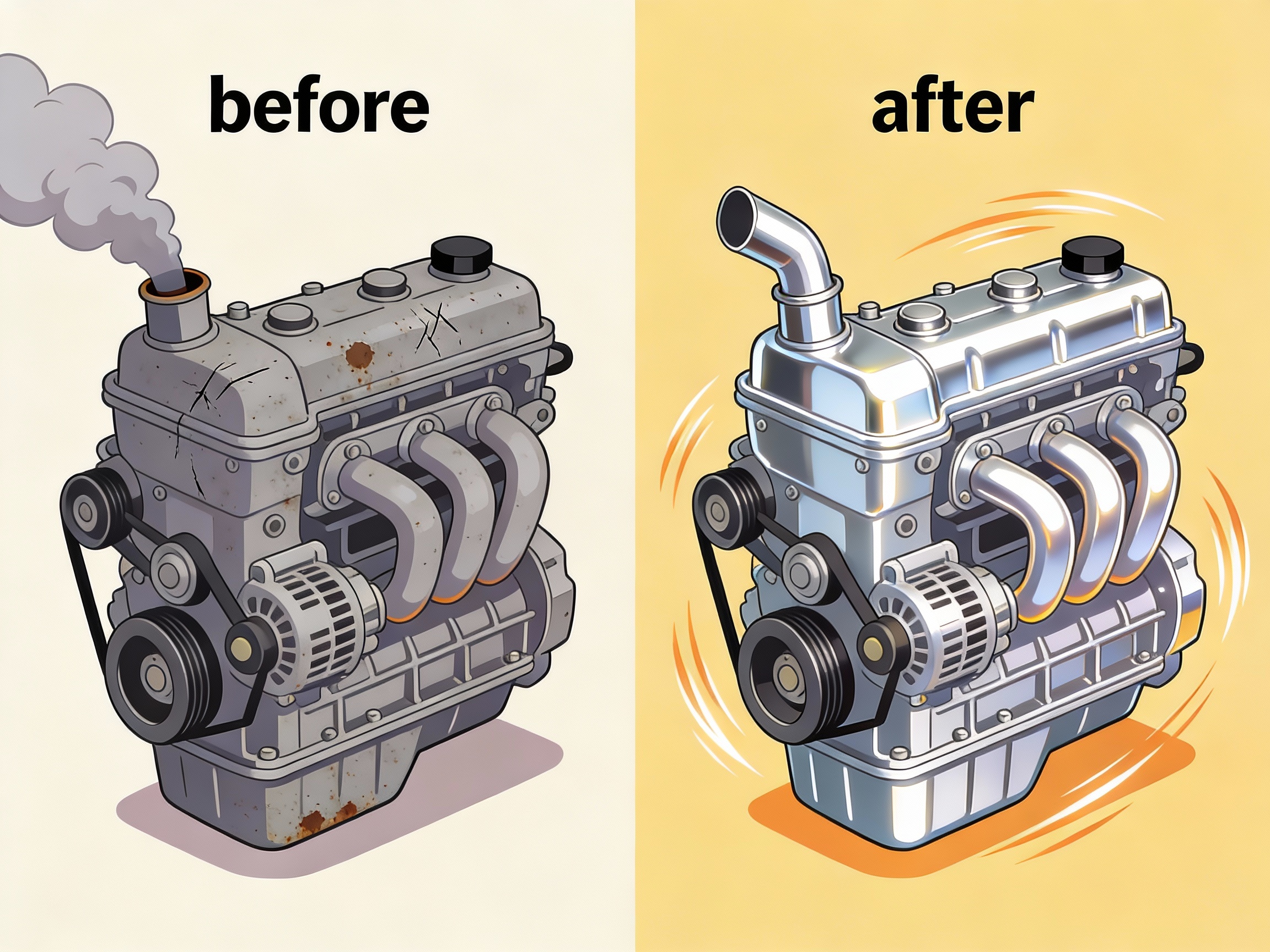
Visual graphic illustrating the consequences of neglecting engine upgrades, depicting a before scenario with a dull, poor performing engine and an after scenario showcasing an upgraded engine with enhanced performance and efficiency.
When it comes to vehicle performance, few areas hold as much potential for enhancement as the engine. Yet, the prospect of engine performance upgrades represents both opportunity and risk. Neglecting routine engine maintenance can spell disaster, leading not only to diminished performance but also to costly repairs down the line. Engine upgrades, including engine tuning and other vehicle modifications, offer a pathway to unlock your vehicle’s true potential and can dramatically improve power and efficiency. However, they must be approached with caution; improper modifications can compromise safety and performance. As automotive enthusiasts know, the key to maximizing engine performance lies not just in upgrades but in a solid foundation of maintenance. This discussion delves into essential engine performance upgrades that can elevate your driving experience while highlighting the importance of an informed and careful approach to each enhancement.
Essential Engine Upgrades for Enhanced Performance
In the realm of vehicle modifications, engine performance upgrades, such as optimizing your engine tuning, stand as one of the most impactful ways to enhance your driving experience. Here are five essential engine upgrades that can significantly boost vehicle performance:
-
Cold Air Intake System
-
Benefits: A cold air intake system increases airflow to the engine, allowing it to breathe better and produce more power. Enhanced air intake also leads to improved fuel efficiency, translating to higher miles per gallon.
Source - Risks of Neglect: Without this upgrade, engines may suffer from heat-soaked air intake, which decreases performance and fuel efficiency. Over time, a restricted air supply can lead to engine straining and premature wear.
- Contribution to Performance: Better airflow enhances combustion efficiency, resulting in more power output and torque. This is a foundational upgrade for those seeking noticeable performance improvements.
-
Benefits: A cold air intake system increases airflow to the engine, allowing it to breathe better and produce more power. Enhanced air intake also leads to improved fuel efficiency, translating to higher miles per gallon.
-
High-Performance Exhaust System
-
Benefits: A high-performance exhaust system minimizes back pressure and allows for more efficient exhaust flow. This results in improved overall horsepower and a more aggressive sound.
Source - Risks of Neglect: Failing to upgrade the exhaust can lead to diminished power and engine performance due to restrictions in the exhaust path. A poorly flowing exhaust system may also increase emissions and lead to potential engine damage over time.
- Contribution to Performance: A well-designed exhaust system works in tandem with other upgrades to optimize power. The reduction in back pressure creates a healthier engine environment, improving throttle response.
-
Benefits: A high-performance exhaust system minimizes back pressure and allows for more efficient exhaust flow. This results in improved overall horsepower and a more aggressive sound.
-
ECU Tune
-
Benefits: A custom ECU (Engine Control Unit) tune modifies the vehicle’s fuel maps and ignition timing to maximize power output and efficiency. This electronic upgrade is customizable, allowing for fine-tuning based on specific performance goals.
Source - Risks of Neglect: Not tuning the ECU after major engine changes can prevent the engine from running optimally, leading to wasted fuel, reduced power, or even damage due to incorrect tuning parameters.
- Contribution to Performance: By maximizing fuel delivery and adjusting timing through performance upgrades, a proper ECU tune can yield significant power increases while enhancing throttle response, making the vehicle feel more responsive to driver inputs.
-
Benefits: A custom ECU (Engine Control Unit) tune modifies the vehicle’s fuel maps and ignition timing to maximize power output and efficiency. This electronic upgrade is customizable, allowing for fine-tuning based on specific performance goals.
-
Performance Camshaft
-
Benefits: Upgrading to a performance camshaft improves valve timing and lift, which can boost horsepower and torque, particularly at higher RPMs. This upgrade allows the engine to draw more air and fuel for combustion.
Source - Risks of Neglect: Not opting for this upgrade in a modified engine can lead to limitations in power output, especially for those seeking performance boosts. The engine may also operate less efficiently, leading to higher operating temperatures and wear.
- Contribution to Performance: A performance camshaft directly impacts the engine’s ability to produce power. This change can shift the torque curve, improving acceleration and responsiveness in various driving conditions.
-
Benefits: Upgrading to a performance camshaft improves valve timing and lift, which can boost horsepower and torque, particularly at higher RPMs. This upgrade allows the engine to draw more air and fuel for combustion.
-
Turbocharger or Supercharger
-
Benefits: Forced induction through a turbocharger or supercharger dramatically increases the amount of air entering the engine, allowing for significantly more power output without the need for larger displacement engines.
Source - Risks of Neglect: Skipping this upgrade when looking for major horsepower gains means forgoing the potential to tap into a significant power source. Without it, engines may also experience increased strain when pushed to their limits without proper power adders.
- Contribution to Performance: Turbocharging or supercharging increases engine efficiency by generating more power from the same amount of fuel. This leads to improved acceleration, making the vehicle much more thrilling to drive.
-
Benefits: Forced induction through a turbocharger or supercharger dramatically increases the amount of air entering the engine, allowing for significantly more power output without the need for larger displacement engines.
Common Mistakes During Engine Upgrades
Upgrading an engine can propel your vehicle’s performance to thrilling new heights, but several common mistakes can lead to disappointing results or even serious damage. It’s vital to approach upgrades with caution and thorough understanding. Here are some typical pitfalls to avoid:
-
Ignoring Component Compatibility
One of the most frequent errors is not considering the compatibility of new parts. For instance, an upgraded turbocharger might require larger fuel injectors for optimal performance. Ignoring this can lead to engine strain or failures. As noted by John Smith, a lead technician at a performance auto shop, “The biggest mistake is thinking you can just drop in a bigger engine without supporting modifications—the entire vehicle system needs to work together.”
-
Poor Installation Practices
Installation mistakes, such as improper mounting or inadequate cooling system upgrades, can severely impact performance. For example, failing to upgrade the brakes and suspension to match increased power can create safety hazards and lead to performance issues. A piece from MotorTrend highlights that “inadequate installation can lead to catastrophic failures down the line.”
-
Neglecting ECU Tuning
Proper tuning of the Engine Control Unit (ECU) is crucial after modifications. Failing to adjust the vehicle’s fuel maps or ignition timing following an upgrade can result in wasted fuel and a decrease in power. A harrowing anecdote from a mechanic after a botched upgrade, “Customer melted pistons because they increased boost without upgrading injectors—a $15,000 lesson in system balance.”
-
Skimping on Supporting Systems
Many enthusiasts tend to focus solely on the engine itself rather than supporting components like fuel delivery, lubrication, and cooling systems. ASE certified technicians emphasize that “90% of engine upgrade failures come from neglecting these systems rather than the engine itself.” Comprehensive planning is vital for successful upgrades.
-
Rushing the Process
Hasty upgrades without proper research or professional assistance often lead to regrets. Automotive engineers warn against piecemeal upgrades, emphasizing that “many performance issues stem from unmatched components working against each other rather than together. Proper calibration and system integration are non-negotiable for reliable performance improvements.”
By recognizing these common traps, you can avoid significant setbacks in your engine upgrading journey. Always take the time to carefully plan your modifications and consider consulting with professionals to ensure all components function in harmony. As the saying goes, “an ounce of prevention is worth a pound of cure,” particularly in automotive performance enhancements.
Conclusion
As we have explored, enhancing engine performance can offer substantial benefits to your vehicle, unlocking potential power and efficiency that every automotive enthusiast craves. However, the excitement of engine upgrades can quickly turn to disappointment if approached haphazardly. The risks associated with performance upgrades and DIY installations are numerous—improper modifications can lead to costly repairs, safety issues, and even total engine failure.
In the world of automotive performance, knowledge is key. While hands-on projects can be fulfilling, relying solely on DIY methods without adequate expertise can be detrimental. Professional assistance ensures that your upgrades are not only effective but also safe, blending seamlessly with the vehicle’s overall system.
Let this be a cautionary reminder: Engine upgrades are an investment worth making, but they are best executed under the guidance of experienced professionals. Don’t take unnecessary risks. If you’re considering essential engine upgrades, seek professional advice and optimize your vehicle’s performance through proper tuning and modifications.