
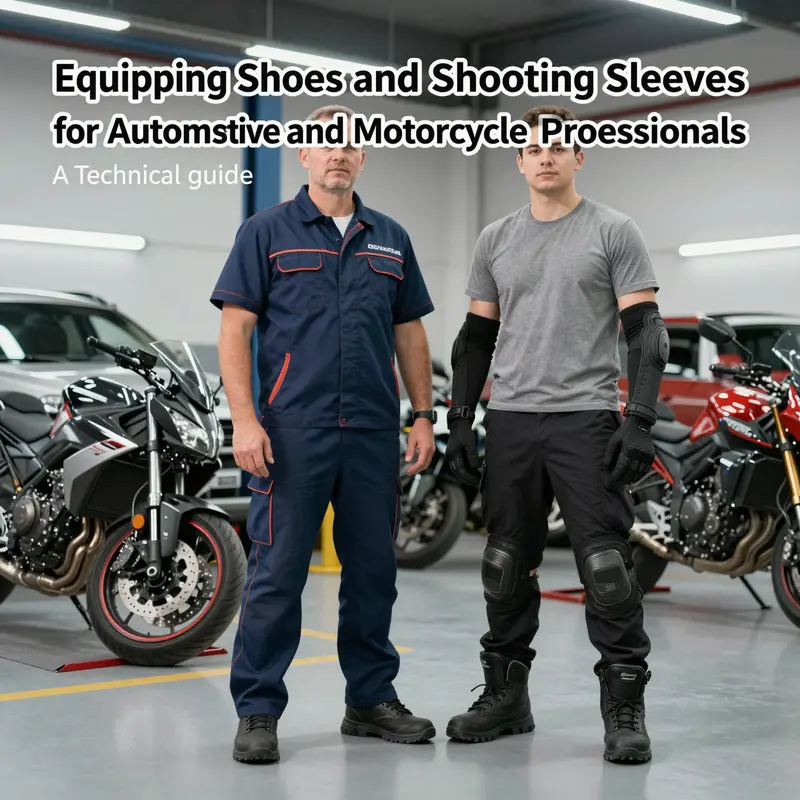
Selecting the right shoes and shooting sleeves plays a critical role in the safety and efficiency of professionals in the automotive and motorcycle sectors. Whether you’re a motorcycle owner, an auto parts distributor, or working in a repair garage, equipping yourself properly minimizes injury risks and ensures peak performance throughout your demanding workdays. This guide explores how to choose footwear suited for the unique environments you face, the functional benefits and applications of shooting sleeves as protective gear, and how to align your equipment with industry safety standards. Each chapter builds upon these themes to provide a clear, practical approach to personal protective equipment that enhances both safety and comfort in your daily operations.
Stepping Secure: A Cohesive Guide to Choosing Shoes and Shooting Sleeves for Professional Mastery
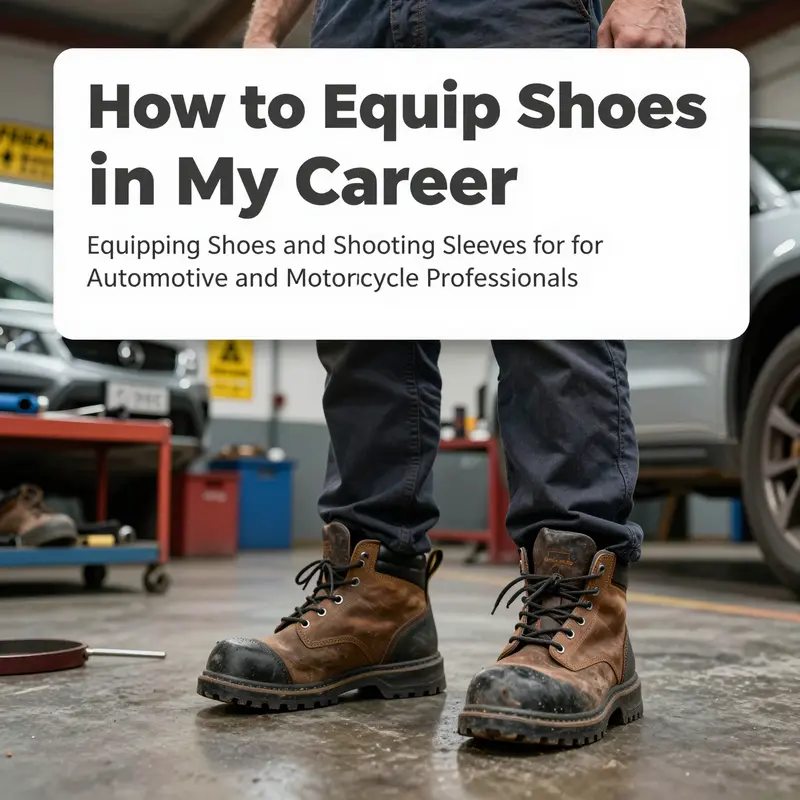
Choosing the right footwear and arm protection is more than a matter of style. It is a strategic investment in safety, comfort, and performance that pays dividends across long careers. When you plan your gear, you aren’t just buying products; you’re shaping how you stand, move, and work through a day that may involve hours of standing, climbing, or precise manual tasks. Shoes and shooting sleeves exist in a shared ecosystem: the feet keep you upright and stable, the forearms and wrists anchor your grip and control. Getting them right together means less fatigue, fewer injuries, and more consistent output, whether you are behind a desk, on a busy factory floor, or refining your aim in a sport or training exercise. In this integrated view, your equipment becomes a single system designed to support a career, not a checklist of separate purchases.
To tailor footwear to a career, you begin with risk assessment. Office roles demand comfort and support for prolonged standing or walking, with emphasis on fit, breathability, and a refined appearance. Industrial roles demand certified protection: toe guards, puncture resistance, chemical and oil resistance, electrical insulation, and slip resistance. In harsher outdoor or field environments, weatherproofing, ankle support, and rugged traction are critical. These are not optional add-ons; they are regulatory anchors in many workplaces. Standards such as GB21147-2007 and GB21148-2020 guide the built-in protections, while ISO 20347:2004 frames the broader expectations for occupational footwear. The practitioner who consults these standards aligns daily practice with proven safety baselines rather than guessing what “seems right.” This grounding helps you weigh trade-offs between weight, protection, and comfort, so you remain productive without compromising safety.
Material choices and design matter because they set the tone for how a shoe behaves during a shift. Work footwear generally divides into two broad classes. I-Class footwear, often leather or engineered leather with supportive midsoles, suits general use and lighter industrial tasks. II-Class footwear relies on rubber or polymer construction, offering superior resistance in wet or oily environments and easier maintenance in demanding settings. Styles range from low-cut sneakers to high-top boots, or even whole boots for extreme conditions. Your environment dictates priorities: a warehouse worker negotiating slick floors benefits from an outsole with excellent traction, while a technician in a chemical plant needs chemical resistance and a shielded toe or metatarsal protection. Modern safety footwear increasingly embraces lighter, high-performance materials. Composite toes and advanced foams in insoles can deliver robust impact resistance with a notable reduction in weight, improving gait and reducing energy drain over long shifts. With those capabilities, you gain not just protection but a real boost in daily comfort and long-term health.
Fit and ergonomics deserve equal attention. Foot shape varies by population, and historical shoe design often mirrored a narrow, European last that doesn’t fit many athletes and workers well. Contemporary footwear development increasingly incorporates biomechanics research and Asian-specific foot modeling, addressing forefoot width, arch height, and toe room. A well-fitting shoe distributes pressure evenly, supports the arch, and allows a natural gait without squeezing the forefoot or rubbing the Achilles. It should cradle the heel securely while accommodating slight swelling as a day progresses. Beyond the outside, the inside matters: moisture-wicking linings, breathable vents, and temperature regulation contribute to comfort, reducing fatigue that can compound over hours of standing or moving. A subtle but meaningful benefit emerges when your footwear reduces micro-movements within the shoe, which translates to steadier posture and less risk of overuse injuries. The goal is a seamless bridge between form and function, where comfort enables consistent performance rather than forcing a compromise between safety and productivity.
Technology and standards converge to shape practice, too. Innovations range from smart materials that adapt to temperature and moisture to lightweight composites that replace heavy steel toes without sacrificing impact protection. Yet technology must be practical and properly certified. PPE standards provide guardrails that protect workers; compliance isn’t a hurdle but a baseline for practice. Employers bear responsibility for ensuring footwear meets standards and supports a safe workday, while individuals should train themselves to inspect and replace worn components—tread wear, sole separation, compromised laces, or a crack in the toe cap can undermine protection when it matters most. The emphasis rests on a culture of ongoing vigilance: a responsible workflow that treats gear as a living part of your daily routine, not a one-off decision at hire.
Shooting sleeves occupy a different corner of protective gear, but they share core aims with footwear: reduce injury, enhance control, and sustain performance through repetition. In archery, shooting sports, or military or law-enforcement training scenarios, forearm protection minimizes friction from bow strings or firearm recoil. They also help stabilize grip and prevent blisters or abrasions after many repetitions. Fabric choices range from abrasion-resistant blends to Kevlar-reinforced zones where contact is most likely. An adjustable strap ensures a secure fit, while a breathable inner lining handles sweat so skin remains comfortable. Padding is often targeted to contact points, so sleeves dampen impact without adding unnecessary bulk. The sleeves are not a fashion accessory; they are a practical extension of limb protection that supports endurance and precision during long practice sessions or high-intensity drills.
When choosing sleeves, the same disciplined approach that governs footwear applies: select materials that stand up to the specific friction and contact patterns of your work. Durability and padding should align with the intensity of use. Adjustable fittings are essential, because even minor shifts in temperature or duration of activity can cause swelling or shifting of fabric. Breathability is not a luxury here; it prevents overheating and skin irritation that could break focus during critical moments. The intent is not to suffocate movement but to create a controlled, repeatable contact with the instrument you use—whether bow, rifle, or pistol—so your performance remains stable and reliable.
A practical path to implementing both pieces of gear involves a clear picture of your daily realities. For many professionals, a versatile, comfortable shoe with slip resistance and reliable arch support anchors the day, paired with light cut-resistant arm sleeves for occasional handling of sharp tools or rough materials on the line. For archery or precision shooting, invest in footwear with solid grip and good padding and couple it with a shooting sleeve designed for bowstring contact or weapon recoil. Field technicians or surveyors benefit from waterproof, supportive boots and arm guards that provide reinforced padding for outdoor tasks. The overarching principle is balance: protection should complement mobility, and mobility should not be compromised for protection. The most effective kits are those that feel almost invisible—like an extension of your body—because they fit well, perform consistently, and reduce the need for adjustments during peak performance moments.
Looking ahead, the long-term value of smart equipment lies in habitual care and proactive upkeep. Employers who provide compliant footwear contribute to lower injury rates and healthier postures across workers. Individuals who invest in properly fitting, regulation-aligned gear cultivate greater energy, concentration, and career longevity. Subtle gains add up: a better arch support reduces fatigue, a lighter sole lessens joint strain, and a sleeve with improved breathability lowers heat buildup in the forearm. Individually these changes might seem minor, but together they redefine what a career feels like after years of steady practice. This is not about chasing novelty but about building a reliable base for ongoing achievement. The core recommendation remains straightforward: equip smart, work safe, and tailor every choice to your unique daily demands. Your body—the most valuable tool you possess—will thank you with steadier performance and longer vitality.
External resource note: to deepen understanding of footwear standards, consult ISO 20347:2004, which defines occupational footwear as protective footwear designed to guard against injuries. This standard, alongside national regulations, provides the foundation for safe practice across many industries. For organizational guidance on protective footwear standards in North America, see OSHA guidelines on footwear, which emphasize proper selection, fit, and inspection as part of a comprehensive safety program. Relevant external resource: https://www.iso.org/standard/69897.html
Arm to Aim: Strategically Equipping Shooting Sleeves to Elevate Precision and Protect the Forearm
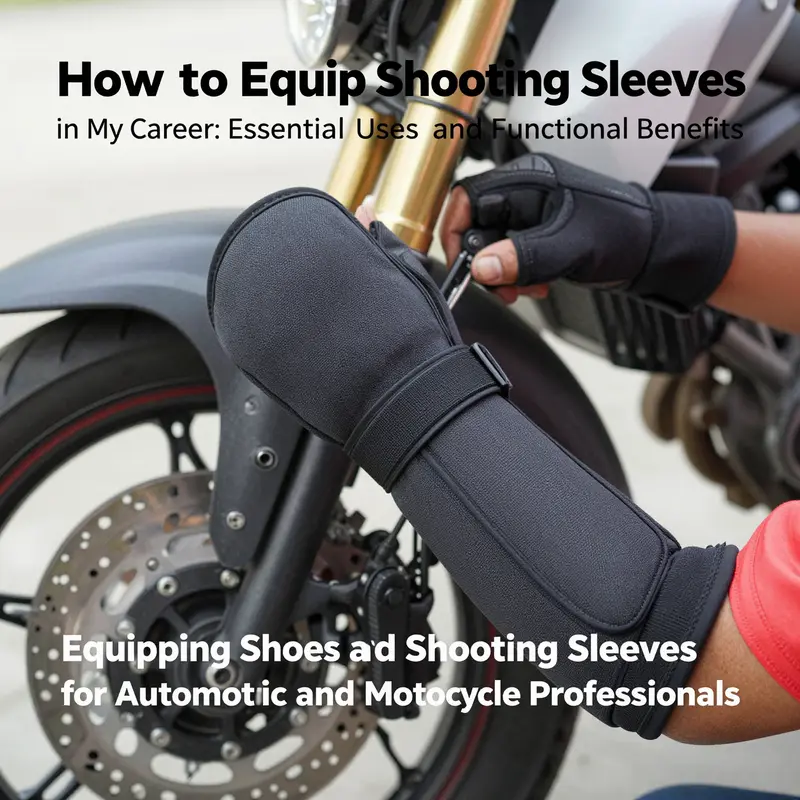
Shooting sleeves are more than a simple cover for the forearm. In high-stakes disciplines such as rifle and pistol shooting, where micro-adjustments and steady nerve control determine scores, sleeves function as a dedicated layer of protection and a performance aid. They are designed to minimize friction, regulate temperature, and sustain a consistent contact surface between arm and stock. When you adopt them thoughtfully, sleeves become an integrated part of your technique and your long-term health, not merely a disposable accessory. The process of choosing and wearing the right sleeve begins with understanding how the forearm interacts with the stock during a shot. Repeated contact produces friction, heat, and sometimes blistering. Over time, this can contribute to distraction or a breakdown of stable form. A well-fitted sleeve acts as a barrier, reducing the skin-to-material friction that otherwise wears on nerves and soft tissue. It also provides a uniform surface, so the arm’s texture and moisture won’t create uneven grip or shifting while you settle into your stance. For athletes who practice in clubs or ranges that emphasize consistency, this consistency is almost as crucial as sight alignment. A sleeve’s value lies not only in protection but in the psychological edge of routine. When a shooter slides a properly fitted sleeve over the forearm, there is a tactile cue that signals readiness. It’s a cue that says, this surface is prepared for the nuanced contact with the stock, this skin is shielded from abrasive wear, and the body can focus energy on breath, stance, and trigger control rather than discomfort. The best sleeves achieve a balance between resilience and comfort. They’re constructed from abrasion-resistant fabrics such as durable synthetic blends that retain shape over many sessions. These fabrics should move with you, not against you, so you won’t feel imprisoned by the material during a long dry-fire block or a tense live-fire match. Breathability is essential, especially when training in warm venues or outdoor ranges. A sleeve that traps heat and moisture can cause sweat to accumulate, which may alter grip quality and lead to subtle shifts in the hold. Modern sleeves often incorporate moisture-wicking inner linings and light compression to promote a steady temperature and reduce sweat buildup. The compression aspect is not merely comfort; it can aid circulation and help you maintain a stable forearm position through dozens of repetitions. The forearm’s contact area with the rifle stock is typically the most dynamic part of a shooter’s base during a shot. To optimize this contact, sleeves should extend beyond the elbow and cover the entire forearm with a seamless or reinforced-stitched construction. A sleeve that ends short risks exposing sensitive skin to friction points, while one that is too long can bunch under the stock or irritate the elbow. The right length also helps prevent minor shifts that could change how the stock sits in your grip during wind or recoil. When sizing sleeves, you should measure arm circumference at the widest point of the forearm and compare that to the manufacturer’s size chart, but with a personal test in front of a mirror. The goal is snugness without constriction. If you feel numbness, tingling, or a constricted pulse while wearing the sleeve, you’ve chosen a size that is too tight or too rigid. Likewise, if you notice sliding, sagging, or a constant need to readjust, your sleeve is too loose. The fit should feel like a second skin, steady as you settle into your natural form. The sleeve’s construction matters as well. Seamless designs reduce internal rub and irritations that can escalate during sustained practice. For some athletes, reinforced stitching at the arm’s contact zones provides extra durability where the stock rubs, while others prefer minimal seams with high-tidelity fabric. The choice between these options often comes down to personal sensitivity and the stock’s geometry. In addition to material and fit, one should consider the sleeve’s attachment system. Adjustable straps or closures can help secure the sleeve to the arm without creating pressure points. The best systems distribute pressure evenly and can be micro-adjusted between sessions or even within training blocks. These adjustments matter after a long day of practice, when swelling may alter fit; a sleeve that allows a tiny amount of adjustment can preserve comfort and continuity in form. Practical use also means considering weather and climate. In hot environments, a sleeve with effective moisture management and a light, breathable fabric can prevent overheating. In cold conditions, some insulation or a more tightly woven fabric can help maintain warmth so the forearm remains supple and responsive. This isn’t about bulky padding or added weight; it’s about maintaining the delicate balance between protection and tactile feedback. Another layer of consideration is adaptation over time. As you gain experience, your forearm might respond differently to the stock as your technique evolves. A sleeve that once fit perfectly may feel restrictive or too loose after your training regime changes. This is why periodic reassessment is advisable, especially at the start of a new season or after a significant change in your stance or grip. You should also integrate sleeve use with other protective or performance-oriented gear. Some shooters prefer arm sleeves in combination with protective cuffs or wrist wraps when warm-ups or transport are involved, though this is not universally required. The overarching rule is to ensure that every garment you wear supports consistent, repeatable form and does not interfere with your sight picture or breathing. Maintenance is another practical pillar. Treat sleeves as you would other athletic gear: wash them after heavy sessions, observe for fabric wear, and replace when padding or fabric shows thinning. Avoid aggressive fabric softeners that can compromise wicking properties, and air-dry away from direct heat to preserve elasticity. A simple regimen—rinse after practice, hand wash gently if possible, air dry, and inspect weekly—extends both the life and the performance of the sleeve. The real-world payoff appears in several dimensions. Injury prevention is foremost. The forearm is subjected to repetitive motion, potential friction, and, in some drill environments, limited movement. A sleeve minimizes skin irritation and reduces the risk of blistering that can derail a training block. Beyond comfort, sleeves can enhance grip stability. When sweat or skin texture changes during a session, a uniform forearm surface helps the stock settle in a repeatable way, reducing micro-mifts that can skew aiming. Temperature regulation, particularly in outdoor sessions or long-range matches, helps keep muscles relaxed and responsive. The psychological component should not be overlooked. Confidence grows when athletes feel they have optimized every contact point with the rifle. The sleeve becomes a symbol of preparation—an outward sign that the shooter has considered every factor affecting consistency and accuracy. In practice, this translates to fewer mid-session adjustments, steadier breath control, and more reliable shot timing. When and where to use a sleeve follows a straightforward logic: during every practice block, in all official matches, and in outdoor drills where weather may influence forearm comfort. If your organization mandates specific PPE, align sleeve use with those guidelines, ensuring your gear satisfies both personal comfort and range policy. The broader context suggests sleeves are part of a disciplined approach to gear management. Just as you select footwear to align with the job’s risk profile and posture demands, selecting a shooting sleeve reflects risk management and technique optimization. It is not a luxury item but a practical component of your professional toolkit—one that supports long-term health and the precision you pursue across years of training and competition. For a deeper dive into how athletes justify and tailor shooting sleeves as a performance tool, consider cross-disciplinary research and practitioner-focused discussions that explore material science, ergonomic design, and conditioning routines. External reading can provide context on how protective apparel integrates with performance goals in high-stress environments. External resource for further reading: https://www.tactical-life.com/shooting-sleeve-reasons/
null
null
Grounded Precision: Mastering Shoes and Shooting Sleeves for Safe, Sustained Performance Across Your Career
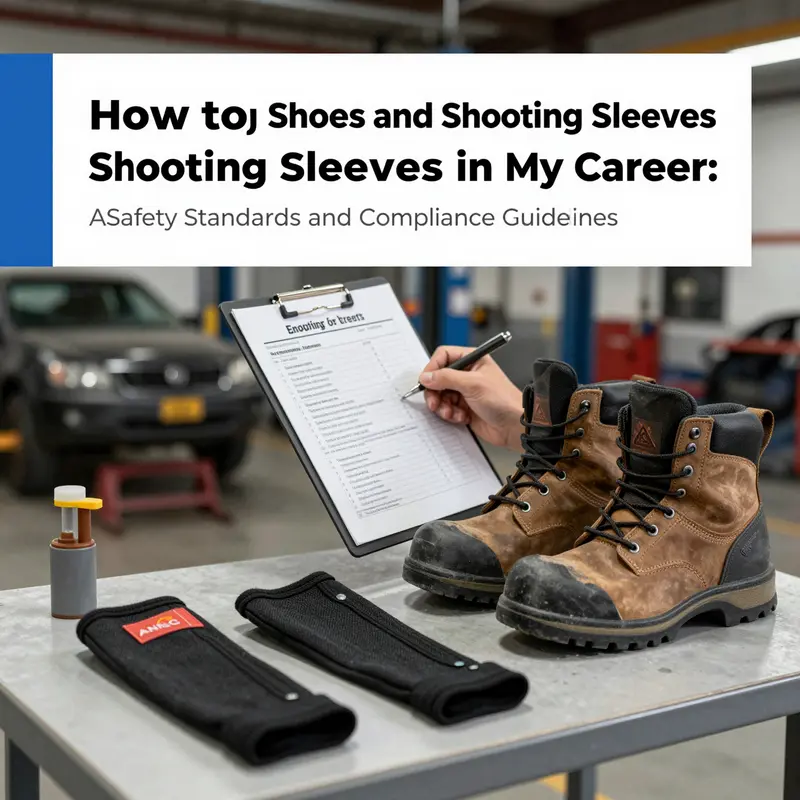
Grounded precision begins with what you wear on your feet and how you protect your forearms as you move through a day that may include lifting, climbing, navigating slick surfaces, or repeating high-stress shooting motions. Footwear and arm protection are not decorative add-ons; they are foundational elements of safety and endurance. The path to choosing and using them well starts with a hazard assessment and a clear map of the environments you operate in. In many workplaces, regulators require employers to address footwear risks and to provide appropriate PPE. The underlying principle is simple: gear should reduce risk, not merely conform to a fashion standard. This chapter weaves together the practical questions you face—how to support your feet for long hours on hard floors, how to shield the forearms from friction and recoil, and how to integrate both into a routine that sustains performance without sacrificing comfort or mobility. It is not about chasing the newest gadget, but about aligning protection with the exact risks of your daily tasks, your body mechanics, and your long-term health.
When you think about shoes, the starting point is the task at hand and the conditions you encounter. In office and professional settings where most of the day is spent standing or walking on smooth floors, comfort and posture come to the fore. Shoes with ergonomic arch support, well-cadded insoles, and breathable materials help stave off foot fatigue and spinal strain after hours of commuting and meetings. A lightweight profile reduces ankle articulation load, while a non-slip sole on polished floors minimizes the risk of slips. In these environments, versatility matters. You want a shoe that transitions smoothly from formal meetings to the after-work gym, without sacrificing support or foot health. The emphasis is on comfort, stability, and durability enough to withstand a full day of movement without fatigue translating into compromised posture or attention.
In contrast, industrial, construction, or manufacturing roles demand a different kind of commitment to safety. Here the footwear must be certified to meet recognized protective standards. Steel-toe or composite-toe protection guards against impact and compression, while puncture-resistant soles defend against sharp objects that can puncture conventional footwear. Materials should resist oils, chemicals, and water when exposure is likely, and outsoles must offer reliable traction on various surfaces, including oily or uneven terrains. Footwear in these settings often carries electrical hazard considerations for work near live circuits, along with explicit guidance for inspection and replacement. The decision framework should hinge on a hazard assessment that identifies each risk—crush hazards, puncture risks, slippery floors, electrical exposure—and then selects footwear that addresses those risks comprehensively. Compliance documents often reference standards such as ANSI/ISEA Z41 or its modern equivalents, as well as broader safety standards. The core message remains: select footwear based on the job’s hazards, perform regular inspections, and replace worn items promptly. This is not merely a regulatory checkbox; it is proactive self-preservation, reducing the likelihood of delays, injuries, or chronic fatigue that would undermine long-term performance.
Outdoor or field roles add another layer of considerations. For surveyors, landscapers, or emergency responders, the demand shifts toward durability, weather resistance, and mobility. Waterproof yet breathable uppers, robust ankle support to prevent sprains, and outsoles with strong grip on uneven or rocky ground become essential. The goal is to keep feet dry and stable while allowing flexible movement through variable terrain. Even here, practicality wins: footwear that remains comfortable after hours of exposure to mud, rain, or cold can keep you performing at the highest level during critical moments. The overarching principle in all these contexts is safety through fit and function. A well-fitting shoe reduces blisters, foot fatigue, and knee or hip strain—issues that compound during long shifts or high-repetition tasks.
Shooting sleeves occupy a different, though complementary, niche. In contexts such as archery, rifle or pistol disciplines, and tactical or training environments, these sleeves serve to protect the forearm from friction, reduce skin irritation from repeated contact with a bowstring or shooting surface, and improve grip stability by limiting slippage as fatigue accumulates. The fabric choices matter: abrasion-resistant materials that hold up to repeated contact with strings or benches, breathable linings to manage sweat, and seams placed to minimize pressure points. Some sleeves incorporate targeted padding in the zones where contact is most intense. Adjustability through straps or closures ensures a snug fit that won’t shift during action yet won’t constrict circulation. The ergonomic objective is clear: provide protection without creating stiffness or heat buildup that would hamper precision or comfort. In practice, consistency is key. Athletes and professionals alike benefit from wearing sleeves during training to build muscle memory, reinforce proper arm alignment, and prevent repetitive stress injuries. The ergonomic balance is achieved not only through material choice but through the integration with technique. Proper posture, steady breathing, and a relaxed grip together reduce systemic strain and contribute to steadier outcomes over long practice sessions or in high-repetition cycles.
Real-world insights remind us that arm protection in shooting-related activities is often categorized within PPE. When sleeves are part of a safety program, the emphasis is on durability and injury prevention, not merely on appearance. Flexible yet reinforced fabrics support movement while offering abrasion resistance where it matters most. The choice of inner lining is crucial for comfort; a breathable layer helps manage sweat, reducing irritation and the risk of skin breakdown during extended wear. Adjustable closures ensure a secure fit around the upper arm and forearm, preventing shifting that could disrupt form or cause chafing. A practical takeaway is to select sleeves that have padded zones aligned with the contact points on the arm and to verify that the overall design minimizes friction against the skin. In the broader framework of safety, many organizations classify arm guards within PPE and require wearing them in certified ranges and during specific drills. This regulatory context reinforces the message that practical gear is inseparable from compliance and professional responsibility.
The integration of footwear and shooting sleeves into a career routine hinges on thoughtful alignment with your overall workflow. For office staff and executives, the emphasis is on comfortable footwear with supportive features and a forearm sleeve is rarely necessary unless your work includes repetitive forearm contact with a desk edge or bench. For factory workers or builders, the pairing takes on a more protective tone: slip-resistant, puncture-resistant footwear paired with arm sleeves that resist cuts and abrasions from sharp tools or rough materials creates a safer, more efficient environment. For archery shooters or marksmen, the combination becomes highly specialized: specialized non-slip footwear with substantial grip, coupled with full-length shooting sleeves designed to mitigate string slap and forearm irritation, supports both precision and endurance. For field technicians and surveyors, waterproof, supportive boots along with padded arm guards can reduce fatigue and protect against minor scrapes in outdoor settings. Across all these examples, the consistent thread is that equipment should be tailored to actual risk, not simply to a preferred style. Regular risk assessments, adherence to workplace safety policies, and ongoing training ensure that gear choices stay relevant as tasks evolve.
Care and maintenance matter as much as the initial selection. Shoes require inspection for sole wear, stitching integrity, and the condition of insoles. Damaged footwear loses its protective properties and comfort, undermining posture and performance. Arm sleeves demand regular cleaning to prevent skin irritation and to maintain fabric integrity. Look for signs of thinning fabric, padding compression, or seam fatigue, and replace worn sleeves promptly to preserve protective function. Hygiene, airflow, and drying are essential considerations for sleeves; avoid tight confinement that traps moisture, which can foster irritation or odor. The practical discipline of care translates into better consistency, fewer interruptions, and a longer service life for both shoes and sleeves.
Ultimately, the message is pragmatic: safety standards and compliance frameworks exist to protect you, but the real payoff is a quieter confidence built through reliable gear. The right shoes and sleeves enable steadier movement, reduce fatigue, and support precise, repeatable performance across demanding days. They help you stay focused at the crucial moments and preserve your body for the long arc of your career. To keep this momentum, conduct a hazard review, align gear with your role, commit to regular maintenance, and integrate your equipment into a routine that supports both safety and peak performance. If you want a deeper dive into the protective footwear landscape and its regulatory anchors, consult established guidelines that address foot protection in the workplace and the appropriate PPE selection process. For more details on protective footwear standards and their practical implications, see the OSHA Foot Protection Guidelines: https://www.osha.gov/laws-regs/regulations/standardnumber/1910/1910.132/d
null
null
Final thoughts
Equipping yourself with the appropriate shoes and shooting sleeves is more than a matter of comfort—it is a cornerstone of safety and performance in automotive and motorcycle careers. By understanding the specific demands of your work environment and adhering to recognized safety standards, you can significantly reduce injury risks and enhance your operational effectiveness. Whether working in repair shops, parts distribution, or on the road as a motorcycle owner, investing in quality footwear and protective arm gear ensures resilience and readiness for daily challenges. Integrating these practices helps safeguard your long-term health, promotes compliance, and supports sustained career success.