
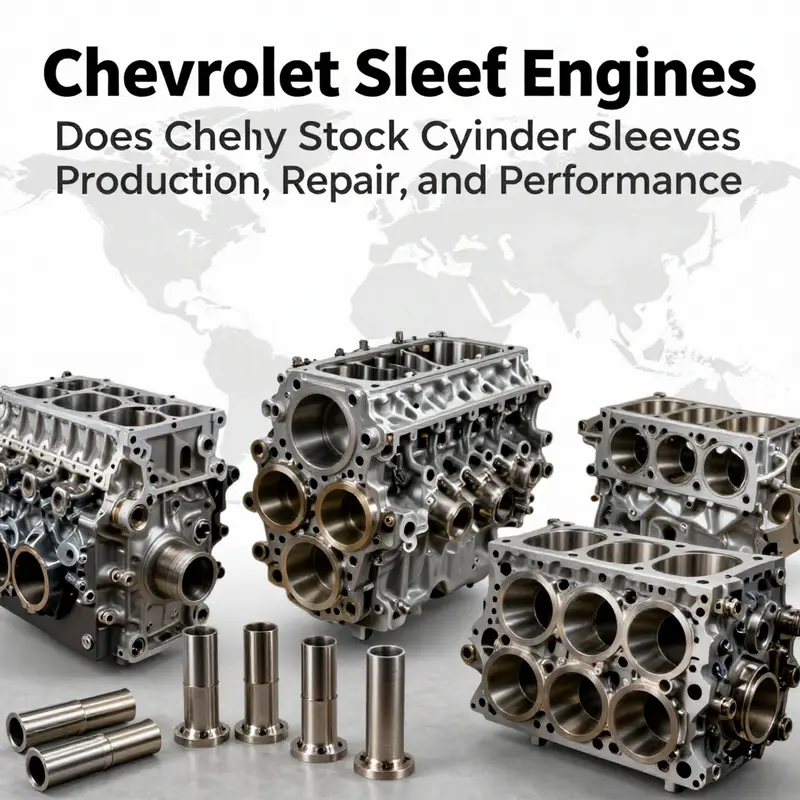
Chevrolet’s cylinder sleeves are a niche detail that matters to a broad audience beyond the shop floor. Sleeve technology influences durability, repair strategy, and build options across Chevy’s engine families. While many modern GM blocks use integral cylinder walls, sleeves continue to appear in production decisions, remanufacturing programs, and performance upgrades. This article threads five angles to answer the central question: does Chevrolet stock sleeve engines? First, we examine current production sleeve options in Chevy’s in-service lineup. Then we look at how sleeves figure into repair, remanufacture, and upgrade programs. We revisit the historic Small Block and LS families to see what sleeve configurations were used and how they evolved. Next, we evaluate the implications for performance variants and the aftermarket—where sleeves can influence durability, bore integrity, and rebuild options. Finally, we consider the global supply chain: supplier relationships, sourcing nuances, and geopolitical factors that shape Chevrolet’s sleeve-engine strategy. Each chapter builds toward a practical takeaway for motorcycle owners, auto owners, distributors and wholesalers, and repair shops: sleeves are not just a factory detail; they affect availability, service paths, and the economics of maintenance and performance.
Sleeves in Chevrolet Engines: Do Modern Chevys Use Cylinder Sleeves in Production?
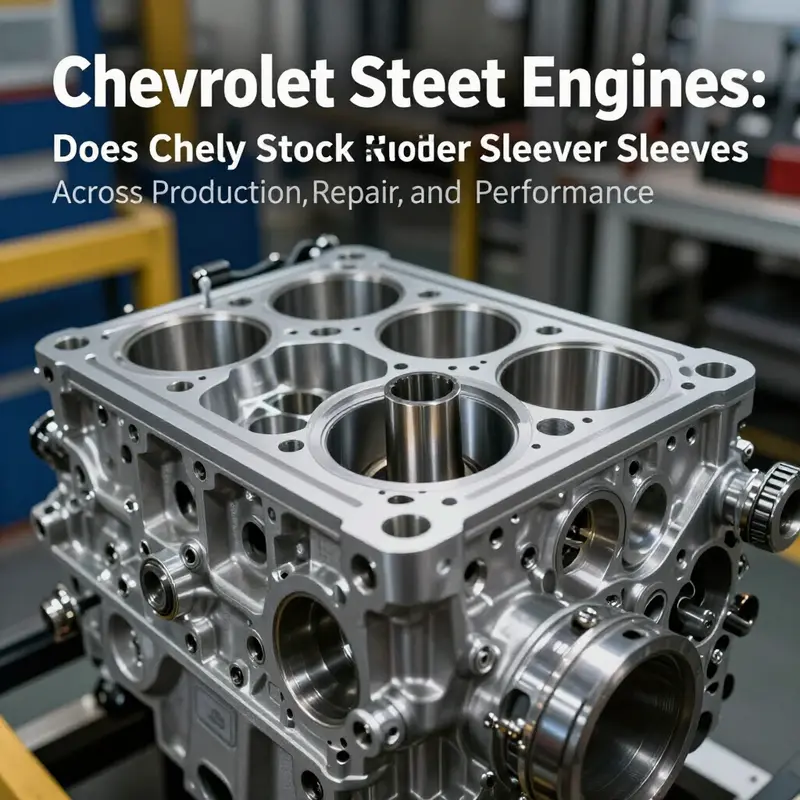
The question of whether a modern mainstream automobile company stocks engines with cylinder sleeves sits at the intersection of history, materials science, and manufacturing strategy. Cylinder sleeves are inserts that line the bore of a cylinder to reinforce wear resistance and sometimes enable bore repair. In practice, sleeves can be dry or wet and have served as a practical tool to extend engine life or simplify overhauls. In the current Chevrolet production ecosystem, public-facing materials emphasize precision engineering, advanced coatings, and tight bore tolerances rather than removable sleeves as a routine feature. This pattern aligns with a broader industry shift toward integrated bore designs that rely on hardened substrates and refined finishing rather than insert sleeves for mass-market engines. That said, the record is nuanced. Chevrolet, like other OEMs, maintains a spectrum of engine families and regional variants, and sleeves may appear in repair workflows, remanufacturing, or certain turbocharged or high-performance variants in specific markets. The absence of sleeve references in mainstream product literature does not categorically rule out sleeves in all contexts, but it does suggest they are not a standard production feature in the engines Chevrolet sells to most customers today. From a lifecycle perspective, sleeves remain a viable option in the aftermarket or remanufacturing space for restoring worn bores or enabling targeted rebuilds. The central takeaway is that while sleeve technology persists in the engine-building toolbox, the modern Chevrolet lineup publicly centers on integrated bore design and durability through materials science and manufacturing precision rather than routine sleeve usage. For deeper, official direction, consult Chevrolet’s technical resources and product bulletins; market-specific documentation may vary, and any definitive specification should come from the manufacturer. External sources and historical context can illuminate the topic, but current production statements remain the most reliable reference. External reference: Official Chevrolet site and industry literature can provide broader context about bore durability strategies and repair options.
Sleeves in Stock: Unraveling Chevrolet’s Approach to Cylinder Sleeves for Repair, Remanufacture, and Upgrades
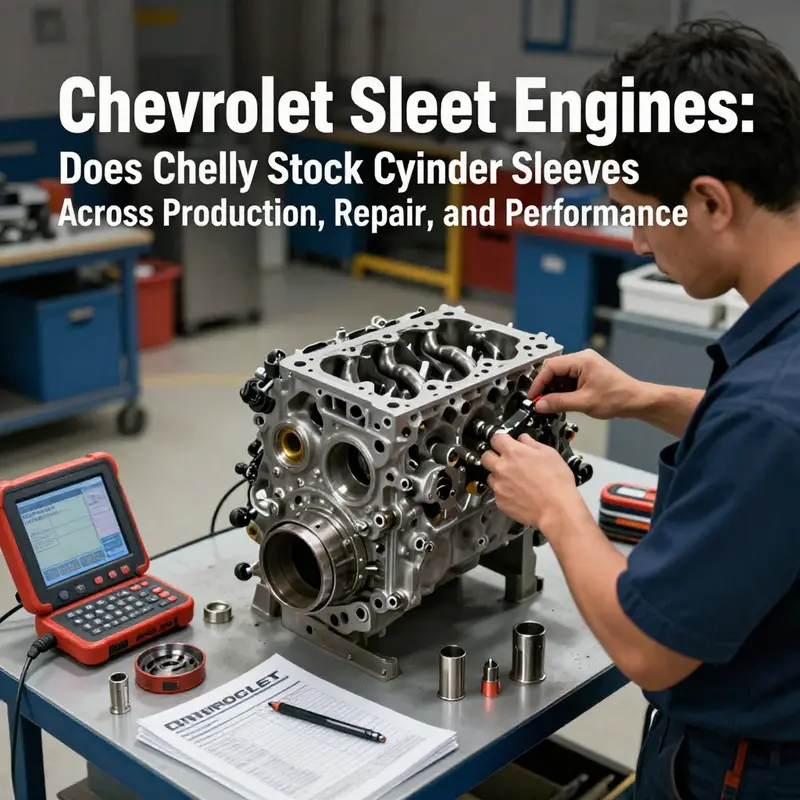
The question of whether a major automaker keeps cylinder sleeves in stock for repair, remanufacture, or upgrade programs might seem esoteric at first glance. Yet it touches a practical crossroads of old-school engineering and modern service networks. In the broader landscape of engine design and maintenance, cylinder sleeves have a storied role. They were once a common way to extend the life of worn cylinders, simplify repairs, and adapt an engine block to new wear patterns. When you zoom in on a maker like Chevrolet, the answer is nuanced: the company itself does not market a catalog of sleeves as a stand-alone, widely advertised program today. Instead, its current official focus centers on remanufactured engines, factory-approved rebuilds, and service options that restore reliability and performance through consolidated parts, procedures, and warranties. Behind that stance lies a historical trail of sleeves that helped engines endure the rigors of daily use in mid-century vehicles and, later, in certain specialty applications where wear repair was both feasible and economical.
In the mid-20th century, a subset of GM’s small-block engines used cylinder sleeves as a dedicated bearing surface for pistons and rings. These sleeves were pressed into the block and then served as the wear-resistant wall that guided the piston and retained the rings. The approach offered clear benefits: when a cylinder wall wore unevenly or rusted, a sleeve could be replaced or repaired without reboring an entire block. In practical terms, sleeves made maintenance more approachable for independent shops and for enthusiasts who preferred to extend the life of aging engines rather than consign them to the junkyard. The sleeves were typically cast iron or a similar hard-wearing material, and their geometry was chosen to balance sealing, heat transfer, and fatigue resistance.
Over time, as metallurgy improved and production tolerances tightened, GM and its service network leaned toward modern configurations that emphasize the integrity of a single, integral cylinder wall. Engines evolved toward block designs with reinforced casting around the cylinder bores, and manufacturers built remanufacturing programs that rely on rebuilt cores, updated components, and factory procedures rather than isolated sleeve replacements. This shift does not erase the sleeve option from memory or from the toolkit of capable shops. For certain combinations of vintage hardware and restoration goals, sleeves can still be part of the conversation, especially when a project aims to preserve original manufacturing characteristics or to replicate a specific era approach to engine repair.
For readers curious about how sleeve-based repair compares to modern remanufacturing, it helps to imagine the workflow as a spectrum rather than a binary choice. On one end sits a fresh, factory-new engine designed to meet contemporary emissions, durability, and performance standards. On the opposite end lies a sleeve-based repair path, where wear is addressed by introducing a new, replaceable bore into an older block. In between, you find remanufactured assemblies that blend new and reconditioned parts while retaining the block’s lineage. In practice, the choice depends on factors like the engine’s age, rarity, and the owner’s restoration or performance goals.
From a maintenance perspective, the question of stock availability is less about a labeled program and more about access through trusted sources. When an older Chevrolet engine reaches the point where the cylinder walls are worn but the block remains structurally sound, a restoration-focused shop may evaluate sleeves as a repair strategy. A sleeve approach can be appealing for a vehicle with collector appeal or for a rebuild intended to preserve original bore diameters and piston geometry. The decision to sleeve a block hinges on precise measurement, bore alignment, and the ability to maintain proper clearance for piston rings, which all require specialized expertise and tooling. In that sense, the concept of a readily stocked sleeve for every engine in the Chevrolet lineup is less a corporate policy and more a specialized service option that exists in a subset of the broader engine-rebuilding ecosystem.
For enthusiasts who want to understand what sleeve-based repair entails, it helps to define the concept in simple terms. A cylinder sleeve is a cylindrical liner inserted into a worn bore to provide a fresh, durable surface for pistons and rings to seal against. In a classic repair scenario, the sleeve must be coaxially aligned with the crankcase, sealed at the top and bottom, and compatible with the engine’s cooling and lubrication regimes. The wall thickness, bore diameter, and sleeve length are carefully chosen to restore proper compression while avoiding heat-related distortion. In some vintage programs, sleeves are offered in standard bore sizes with specific wall thicknesses and lengths, designed to fit common block architectures. While the precise specifications can vary, the underlying principle remains the same: a repaired bore can be brought back to life without full-block replacement.
All of this leads back to the practical question for today’s owners: if you own a vintage or specialty Chevrolet, can you walk into a parts counter and walk out with sleeves? The honest answer hinges on the engine family, the availability of qualified service, and whether the project aims to preserve originality or to embrace a robust, modernized rebuild. Officially, Chevrolet’s current public messaging emphasizes remanufactured engines and factory warranty-backed repairs rather than marketed, sleeve-based upgrades. That does not negate the possibility of a sleeve repair for a suitable, well-documented case, but it does mean such work rests with specialized shops that partner with the broader remanufacturing and restoration ecosystem rather than with a standardized, manufacturer-branded sleeve program.
This distinction is especially important for the hobbyist who dreams of a period-correct restoration. In those scenarios, a skilled vintage engine shop can assess whether a sleeve approach aligns with the block’s condition, the project’s goals, and the long-term reliability sought by the car’s owner. It is not merely about replacing metal; it is about preserving the engine’s character while ensuring it can run consistently on today’s fuels and lubricants. The shop will measure the bore, inspect the water jacket for potential corrosion, verify deck heights, and determine whether a sleeve can be installed without compromising head gasket sealing and valve train geometry. If sleeves are deemed appropriate, they are sourced from manufacturers that focus on long-standing, reliable bore liners rather than relying on off-the-shelf modern components. In that context, sleeve availability is less about a standing corporate catalog and more about a supply chain geared to restoration fidelity and mechanical compatibility.
For readers who want a deeper primer on the sleeve concept itself, a concise overview is available through technical resources that explain what sleeves are, how they function, and the differences between wet sleeves and dry sleeves. See What are engine sleeves? for a clear, workshop-friendly explanation that helps demystify the terminology and the practical implications of bore repair.
From a consumer perspective, the practical takeaway is straightforward: if your goal is a faithful, period-correct restoration or a targeted upgrade that relies on an older repair approach, you may encounter sleeve-based options offered by select specialists. If your aim is broad compatibility with modern emissions standards and factory warranties, the path will likely revolve around remanufactured engines or dealership-approved rebuilds that emphasize single-block integrity and controllable maintenance. In either case, the decision should be guided by a qualified technician who understands the heritage of the engine family and the limits of its modernization.
As the restoration and remanufacturing landscape continues to evolve, the availability of sleeves—as a dedicated stock item—will remain a nuanced topic rather than a headline feature. The takeaway for practitioners and collectors is to approach sleeve discussions with a clear sense of project goals, budget constraints, and long-term reliability expectations. If sleeve-based repair is on the table, treat it as a deeply technical option that requires precise alignment, professional tooling, and a plan for ongoing maintenance. The story of cylinder sleeves in Chevrolet-powered engines is less about a universal stock and more about a spectrum of repair philosophies that coexist within a modern service network.
For additional context on engine sleeves in general, readers can explore a general overview of cylinder liners and sleeves in technical references, which provide foundational insight into material selection, bore geometry, and the thermomechanical challenges involved in sleeved repairs. This broader resource helps frame why sleeve choices matter when preserving historic blocks or pursuing performance upgrades.
External resource: For a general overview of cylinder liners and related concepts, see https://en.wikipedia.org/wiki/Cylinder_liner
Sleeves in Chevrolet’s History: Do Small-Block and LS Engines Still Use Cylinder Liners?
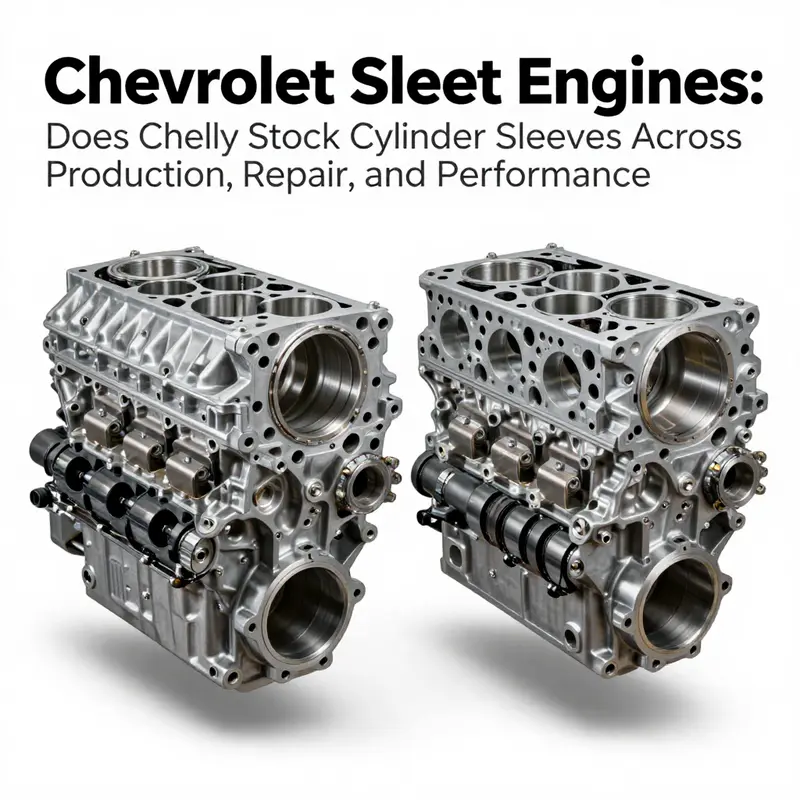
Cylinder sleeves sit at an intriguing crossroads in Chevrolet’s engineering narrative. They are not the signature feature of modern GM blocks, but they appear in pockets of history and in specific repair or high-stress scenarios. The broader question—does Chevrolet stock sleeve engines in its historical families, and what forms do these sleeves take—unfolds as a story about design choices, material science, and the evolving demands of performance and durability. In the earliest iterations of the GM small-block lineage, engineers experimented with enclosing the bore in different ways. Some early small-block designs integrated a separate sleeve into the block bore, a concept that created a dry interface between the cooling system and the cylinder wall. This approach offered potential advantages in bore rigidity and serviceability, particularly when wear or damage demanded a repair that could be targeted rather than replaced as a whole block. The sleeves themselves—often a discrete component inserted into the bore—were chosen to deliver a predictable working surface during extensive engine cycles, where heat, lubrication, and mechanical stress all tested the integrity of the cylinder wall. It is useful to picture the sleeve as a protective skin for the piston’s travel: not part of the combustion chamber, but a separate, replaceable element that could be curated to lean into particular performance goals or repair strategies. In some of these early configurations, the dry sleeve concept coexisted with other bore architectures, and the design choices reflected a period of exploration when manufacturers weighed ease of maintenance against stiffness, thermal conduction, and quiet operation. The ownership of such sleeves was not universal across all small-blocks, but they were a credible path used in certain models or production years where a replaceable liner could be justified by service life expectations or field repair realities. A related, practical note concerns maintenance and repair practices that automotive hobbyists and engine builders encounter today. When sleeves are present in a block, the technician’s task shifts from simple bore honing to confirming sleeve integrity, checking for step differences, and ensuring proper fit with pistons, rings, and the crank axis. The 4-inch diameter, 3/32-inch wall thickness, and 6-inch length you may hear referenced in sleeve discussions describes a classic, standard form factor for a replaceable liner that was commonly employed to restore or reinforce worn bores. This L.A. Sleeve, as it’s sometimes described in aftermarket and repair literature, represents a durable, cylindrical solution designed to restore dimensional stability where the original block bore has suffered wear or distortion. The technique—whether for a repair, a power-up, or a race-oriented rebuild—speaks to the practical mindset of engineers who favored modularity in some contexts. Yet even within this historical frame, the modern Chevrolet engine family structure reveals a decisive shift. When the industry looks at the LS family, especially from the late 1990s onward, GM moved away from the notion of a factory-installed, easily replaceable sleeve in the production blocks. The modern LS blocks, whether aluminum or iron, rely on a precisely finished cylinder bore enhanced by advanced wear-resistant surface processes and coatings rather than a detachable liner that could be swapped out in service. In other words, the contemporary LS design tends to treat the bore as the enduring interface with the piston, supported by precision machining, refined surface finishes, and engineered bore treatments that improve wear resistance and longevity without requiring a separate sleeve component. That is not to say sleeves vanished entirely from the ecosystem. In high-performance or specialized racing contexts, builders occasionally employ wet sleeve or other liner configurations to meet extreme durability demands. Those setups fall outside standard production and often sit in the realm of aftermarket or purpose-built race blocks where cooling and bore rigidity must perform under intense heat and load. They are not representative of the typical factory LS or modern GM small-block block, but they remind us that the sleeve idea lives on in specific, demanding niches. The overall arc, then, is not a blanket statement about “Chevrolet sleeves” being ubiquitous in every engine. It is a nuanced history in which sleeves were a real component in certain early small-blocks, a repair or performance option in particular contexts, and largely superseded by more advanced bore technology in today’s LS blocks. The shift is tied to larger engineering goals: reduce assembly complexity, improve material efficiency, and push the envelope of wear resistance through bore finishing and coatings rather than interchangeable liners. This evolution reflects GM’s broader development philosophy, where changes in metallurgy, casting technology, and surface engineering allow for lighter blocks with tighter tolerances, enhanced heat management, and longer service life, even as the need for removable sleeves diminishes. For readers who want a direct, explicit discussion of Chevrolet’s sleeve strategy, a concise online reference can be revealing. It presents a focused view on whether Chevy sleeves engines and how those sleeves have been deployed across different eras. See the focused discussion here: Does Chevrolet sleeve engines. The sentence the reference implies is not a uniform decree across all models; it acknowledges that sleeve concepts have existed, but that the modern production path for mainstream blocks leans toward bore-centric durability rather than removable liners. This layered history matters for anyone confronting a rebuild or a restoration project where a given engine code or production year might respond differently to sleeve-based repair or to traditional bore honing. A practical takeaway is to assess the block’s architecture before assuming a sleeve is present or necessary. Some enthusiasts seek a sleeve for bore repair with a stock rebuild, while others aim to maximize the cylinder’s durability with modern bore finishes and coatings that the LS family relies on today. That distinction echoes the broader engineering evolution at GM, where the core challenge has been to marry durable, wear-resistant cylinders with manufacturing and serviceability that fit across a diverse range of markets and performance goals. For researchers and engineers, the narrative is not simply about whether a sleeve exists in the current lineup. It’s about understanding how design choices adapt to material science, thermal management, and the demands of both street and track. The LS engine family, in particular, embodies a convergence of precision boring, refined surface technology, and the strategic move away from detachable liners—an approach that prioritizes a robust, homogeneous bore surface. Still, sleeves do persist in the larger conversation about engine durability and repair strategies in older blocks or in specialized builds. The historical practice of deploying dry sleeves in certain small-block configurations shows how engineers experimented with separate bore protection long before modern bore surface treatment became the default. It is this continuity—the thread from dry sleeves to modern bore surfaces—that helps explain why sleeve discussions appear in contemporary conversations about Chevrolet’s engine heritage. Readers curious about the practical implications can explore the broader engineering context of the LS family through GM’s official engineering overview, which outlines how the bore strategies evolved as part of the LS line’s modernization. External resource: GM’s LS engine family overview at https://www.gm.com/en/vehicles/engineering/ls-engine-family.html. For a consolidated perspective on sleeves in Chevy history, many shop manuals and technical references corroborate the idea that the modern production blocks lean away from replaceable sleeves, while older blocks retain pockets of sleeve usage or sleeve-like repair approaches. If you are researching a specific engine code or production year, the precise answer often lies in the factory diagrams and service documentation for that variant. In those cases, a careful review of the block’s bore architecture—whether it’s a traditional dry bore, a wet liner approach, or a bore-finished cylinder in an LS block—will reveal the actual configuration. This nuanced picture may seem subtle, but it is precisely the nuance that explains why sleeve components exist in the historical record without being a universal feature of Chevrolet’s current mainstream lineup. The conversation about sleeves, then, is not simply a yes-or-no question. It is a reflection of how engineering solutions adapt to shifting demands for durability, repairability, and performance, across decades of GM design philosophy. The available historical record suggests that while Chevrolet did use cylinder sleeves in certain blocks and repair scenarios, the modern LS era moved away from factory-installed removable sleeves, favoring advanced bore technology and surface treatments that deliver durability without the need for a separate sleeve component. For enthusiasts and professionals evaluating a rebuild, the key is to verify the bore architecture before selecting a restoration path. By tracing this lineage, the chapter ties back to the broader inquiry: does Chevrolet stock sleeve engines, and in what forms do sleeves take? The answer lies in tracing the engine’s generation, its manufacturing era, and the specific repair or performance context in which a sleeve would be considered. External resource reference included to provide additional context on the LS approach and its evolution. GM’s official engineering overview of the LS engine family provides a technical backdrop to the discussion of bore integrity, wear resistance, and cylinder finishing, helping readers situate sleeves within the larger arc of Chevrolet’s engine design history: https://www.gm.com/en/vehicles/engineering/ls-engine-family.html
Sleeves Behind the Scene: How Cylinder Sleeves Shape Chevrolet’s Performance Variants and the Aftermarket
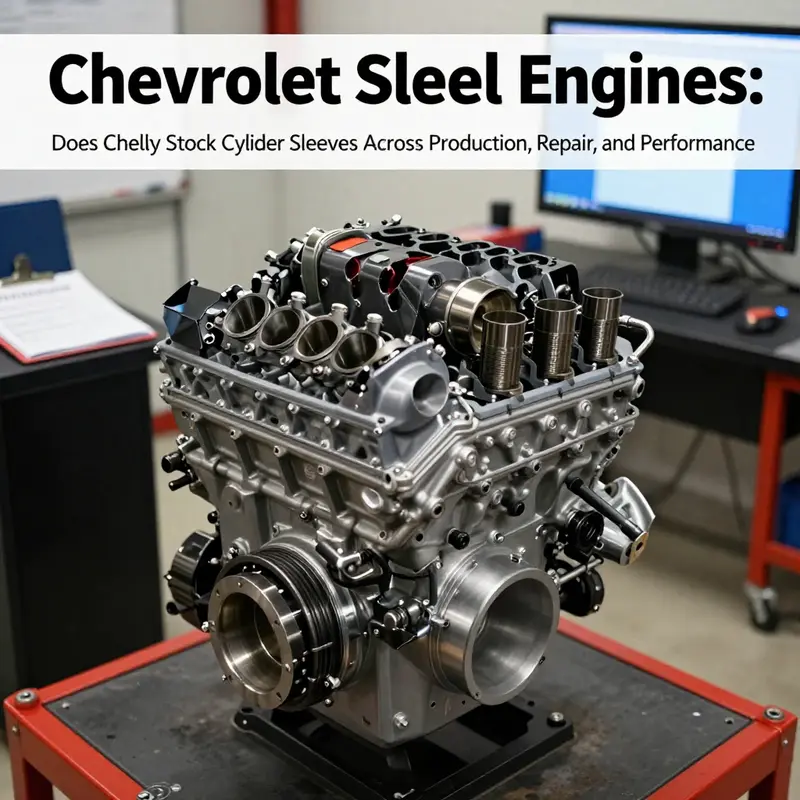
When we ask whether a major automaker stocks sleeve engines, the honest answer is nuanced. The brand does not offer a catalog of engines defined by interchangeable sleeve blocks. Instead, cylinder sleeves exist as a wear-resistance feature inside certain blocks. They are not sold as a standalone, stock engine variant; they are internal components whose presence and configuration can influence durability, rebuild options, and the door to reliable high-performance work. In practical terms, this distinction matters because it colors how engineers design blocks, how builders select cores, and how enthusiasts approach upgrades and repairs. To understand why sleeves matter for performance variants and the aftermarket, it helps to start with the core idea: sleeves are surfaces inside the engine that resist wear, control bore roundness, and manage heat transfer and lubrication challenges. They are part of the block’s architecture, not a separately marketed engine family. In some families, sleeves are integral to the block. In others, blocks can be sleeved for repairs or reinforcement when wear has progressed beyond simple honing. The difference is not just technical; it shapes how a platform handles stress during high-rpm operation, boosted power, or extended longevity under demanding conditions. Within this landscape, a familiar picture emerges: sleeves contribute to durability where it matters most, and that durability becomes a enabling factor for performance variants and for the aftermarket that sustains them.
Among the most discussed examples are engines from the maker’s V8 and inline-four lineages, where designers have weighed the benefits of cast walls, iron sleeves, or even newer aluminum-sleeved combinations. The intention has always been clear: preserve bore integrity under repetitive loading, limit cylindrical wear from aggressive piston movement, and maintain a stable compression seal across a wide band of operating temperatures. When sleeves are part of the design, they can provide a predictable wear surface that stands up to high compression, aggressive fuel mixtures, or forced induction. This is not about creating a separate sleeve-engine product; it is about building a robust platform whose internal components can tolerate more aggressive tuning without sacrificing long-term reliability. The result is a chassis for performance variants that can sustain higher power levels and more intense duty cycles than a leaner, sleeve-free baseline might. It is this capability—the combination of reinforced bore surfaces with a well-engineered block—that attracts both factory engineers and aftermarket specialists alike.
In conversations about reliability and performance, the topic often turns to specific engine families and their internal strategies. The classic discussion about durability tends to highlight engines that earned reputation for strength in daily driving, as well as those that became legends in high-output applications. In some cases, the engine blocks employ sleeves that improve wear resistance, while in others the sleeves are used selectively during rebuilds or for heavy-duty variants. The practical upshot is that sleeves—whether present by original design or added later—provide a platform that can handle higher loads without the bedrock issue of bore growth or scalloping that can undermine sealing and piston stability. For high-performance variants, this translates into the possibility of sustaining higher compression ratios, more aggressive cam profiles, or boosted air intake without compromising the stalwart base of the block. Enthusiasts who push an engine toward the edge find sleeves valuable because they allow them to push power further while keeping the core architecture intact.
A concrete example often cited in workshops and restoration bays involves the small-block and big-block lineages where sleeves come into play under pressure. In repair scenarios or early performance upgrades, sleeves can serve as a means to restore a worn bore without a full block replacement. A reference sleeve used in specialized applications measures around four inches in diameter, with a wall thickness of about 3/32 inch and a length of roughly six inches. This standard cylindrical form has long served as a practical tool for repairing or strengthening worn cylinders, enabling an engine to recover its original bore geometry while preserving the integrity of the piston rings and the sealing interface. Though this is a specialized solution, it illustrates the broader logic: sleeves are part of the repair and reinforcement toolkit that supports durability and enables power increases in practical, street-legal packages.
In discussions of performance variants and the aftermarket, the sleeves’ role becomes even more pronounced. Engines that emerge from the factory with a reputation for strong stock reliability often also offer the potential for higher performance under controlled conditions. A platform with solid sleeves can tolerate higher compression ratios, upgraded cam timing, and bolt-on forced induction more readily than a sleeve-lacking alternative. This permeability of the design space is what makes the aftermarket ecosystem around this family so vibrant. Builders can frame a plan that increases horsepower while maintaining a safe margin for longevity, thanks to the structural integrity provided by durable cylinder walls. The aftermarket’s vitality—more heat-tolerant pistons, stronger connecting rods, and refined cylinder-port matching—has grown in large part because sleeves give the engine a dependable baseline to build from. In turn, this reassures buyers that a performance-oriented build will still retain the mechanical resilience that underpins daily usability, cold starts, idling steadiness, and long-term service life.
It is important to clarify a common misconception that can fuel confusion: there is no stand-alone “stock sleeve engine” product in the catalog. The sleeves are a characteristic of the block’s design or its service history, not an independent engine family. This distinction matters when differentiating between a factory configuration and an aftermarket rebuild or upgrade path. The presence of sleeves can influence decisions about bore diameter during a rebuild, the choice between dry-sleeve versus wet-sleeve approaches, and the selection of sleeves during a block repair. In a performance context, sleeves also influence cooling strategies, as the interface between sleeve and water jacket can impact heat transfer efficiency. These nuanced design choices ripple outward, affecting how quickly an engine can recover after a high-power run, how long it can sustain a particular horsepower level, and how simple it is to source compatible replacement sleeves and related hardware.
From the vantage point of the aftermarket, the sleeve-equipped or sleeve-repairable block often becomes a more attractive foundation for power gains. The durability provided by sleeves supports the use of higher compression pistons, more aggressive cam profiles, and refined induction systems. A platform with a proven, wear-resistant bore surface invites enthusiasts to push boundaries with confidence, knowing the core can handle increased thermal and mechanical demands. That confidence translates into a thriving ecosystem of performance parts, tuning solutions, and rebuild strategies that are tuned to the realities of sleeves rather than relying on a sleeve-less, single-use design. The end result is a cycle of innovation: sleeves enable higher power targets, and those targets spur more advanced sleeving techniques, reinforcing a feedback loop of durability, performance, and aftermarket customization.
For readers seeking a practical reference on the subject, a deeper dive into the concept of sleeves and their role in engine architecture is available through technical resources that discuss how sleeving works and what it means for maintenance and upgrades. What Sleeving an Engine Means provides accessible context on the terminology and the mechanical realities behind the sleeves-in-block approach. While the broader question of whether any specific factory product line exists under a given brand can lead to confusion, the reality is that sleeves are a component-level consideration with outsized influence on performance capability and the aftermarket’s possibilities.
To close the loop on reliability, performance variants, and aftermarket potential, it is helpful to view sleeves as a design and repair tool rather than a standalone product. They exist to preserve bore integrity, enable stronger builds, and support the sustained high-load operation that performance-focused engines demand. The presence of robust cylinder sleeves in contemporary blocks helps explain why certain engines are favored for high-power applications and why the aftermarket can offer meaningful upgrades without compromising the long-term durability builders expect. The relationship between sleeves and performance is not a marketing narrative; it is a practical engineering truth that shapes choice, capability, and longevity for street-driven beasts and track-tarred road machines alike.
External resource for further reading: https://www.gm.com/technical-resources/ls-series-engine-guide
Sleeves in the Engine Room: Why Chevrolet Doesn’t Stock Sleeve Engines in a Modern Global Supply Chain
Across the history of mass production, the automotive vocabulary has always included a few stubborn terms that survive despite shifts in technology. One of these is the cylinder sleeve. In theory, a sleeve is a replaceable lining inside a cylinder bore that can extend the life of an engine by resisting wear, heat, and corrosion. In practice, sleeve technology has lived most clearly in the repair and refurbishment world rather than as a factory-installed feature in new vehicles. When readers ask whether Chevrolet stock sleeves engines today, the straightforward answer from the modern supply-chain and engineering perspective is simple: no. Chevrolet does not manufacture sleeve engines as part of its current mainstream line, including performance icons such as the Corvette. This clarity matters because it anchors a broader conversation about where sleeves fit in the engine ecosystem and how a global automaker like Chevrolet navigates supply chains and geopolitical pressures while pushing toward electrification and high-performance engineering.
To understand why, it helps to define what a cylinder sleeve is and why it exists in the first place. A cylinder sleeve is a cylindrical wall that sits inside the engine bore. It can be a dry sleeve, standing alone in the bore, or a wet sleeve that shares heat with the engine’s cooling system. The sleeve provides a hard-wearing surface for the piston rings and shields the bore from wear. For someone encountering the topic for the first time, a compact primer on engine sleeves can be illuminating. See the primer here: What are engine sleeves?. The distinction between wet and dry sleeves has practical implications for lubrication, cooling, and how precisely the bore must be machined during installation. In theory, sleeves offer a way to repair or reinforce worn cylinders without a full block replacement. In practice, however, this approach has never become the default for a mass-market manufacturer like Chevrolet.
GM’s product history, when read with a modern lens, reveals a different trajectory. The majority of today’s GM engines are designed as monolithic blocks with integral cylinder walls or with modern, purpose-built liners that are not marketed as replaceable sleeves in the field. The landscape is further complicated by historical anecdotes tied to older small-blocks and early performance work. In some corners of the repair and remanufacturing world, sleeve components have been used to restore worn bores, and the literature mentions a specific sleeve family that many technicians recognize: the L.A. Sleeve. This is a standard configuration characterized by a 4-inch bore, a wall thickness of 3/32 inch (with an outer diameter of 4.190 inches), and a total length of about six inches. These sleeves were designed to fortify cylinder walls or to repair damaged bores in a controlled, repair-oriented context. Yet even with this specificity, the sleeve option is more about prolonging life in a repair shop or a controlled rebuild than about delivering a factory-driven production solution. In short, while sleeves existed and still exist in repair-focused workflows, they do not constitute Chevrolet’s current production strategy for new engines.
The modern automotive economy rewards designs that scale cleanly, with repeatable manufacturing steps, predictable yields, and straightforward remanufacturing pathways. A sleeve-in-a-block architecture adds complexity: it requires precise bore alignment, careful lubrication management, and compatibility with the chosen cooling regime. For mass production at the scale of Chevrolet, the risk–reward calculus tilts toward integrated cylinder walls that can be cast, machined, and finished in high-volume lines with minimal ancillary parts. This is not a philosophical rejection of sleeves; it is a pragmatic prioritization of processes that minimize variability and maximize efficiency across millions of units. When readers consider performance lines or specialty builds, they might encounter sleeves in the context of repairs or restoration. But for the Corvette’s current powertrains and the broader GM portfolio, the sleeve is a historical instrument rather than a mainstay tool in the factory floor.
There is a broader, consequential backdrop to this topic that cannot be ignored. The automotive industry today operates under a web of global supply chains that are as much about semiconductors, high-strength metals, and battery systems as they are about the metal that lines a cylinder. General Motors, like many peers, has crafted a strategy to reduce exposure to geopolitical domino effects by diversifying suppliers and investing in domestic or near-shore manufacturing for critical components. The shift toward electrification intensifies this emphasis. Batteries, battery cells, and related powertrain components anchor a new tier of supply risk—one that pushes manufacturers to build regional ecosystems, secure long-term contracts with battery-material producers, and collaborate with strategic partners to guarantee capacity and traceability. None of this revolves around sleeves; instead, it revolves around the materials and technologies that define the next era of propulsion. The resulting supply chain mosaic is about resilience and agility—dimensions that have become central to sustaining performance platforms like the Corvette while scaling electric architectures that will define Chevrolet’s future.
This contrast—between sleeves as a niche repair option and the broad, scalable supply networks required for modern propulsion—helps explain why sleeve engines do not appear as an active strategy within Chevrolet’s current lineup. The supply-chain narrative is organized, deliberate, and forward-looking. It prioritizes core components and systems that can be produced, shipped, and integrated with high reliability. In an era where a single battery line can complicate production schedules, a replaceable cylinder sleeve would be a far smaller priority. The economics of modern engine manufacturing reward fewer, more robust interfaces between engine block, cooling system, and lubrication network. It’s a design philosophy that makes sleeves unnecessary for new production while leaving room for sleeves in the repair bay or in vintage restorations where the goal is to recover a classic engine without a full rebuild.
There is value in acknowledging the repair and restoration niche without implying a current production strategy. For readers who want to delve deeper into the technical frames behind sleeves, a concise primer can illuminate how sleeves function and why certain designs exist. The concept remains relevant for understanding legacy engines or the processes by which engines are kept on the road through capably engineered repairs. For a quick primer, consider the resource linked above; it clarifies the differentiation between wet and dry sleeves, the installation tolerances, and the lubrication and cooling implications. Alongside that technical lens, the overarching narrative of this chapter follows the real-world dynamics of Chevrolet’s product development, supply relationships, and strategic priorities as they navigate a shifting global landscape where electrification, performance, and resilience define success. In that light, sleeve engines exist as a historical footnote rather than a present or future engine-building instrument.
For readers seeking a direct, policy-forward anchor on how the broader enterprise manages supplier relationships and supply security, a reliable external resource outlines GM’s current approach to its global supplier network and the strategic emphasis on resilient, U.S.- and North American–oriented sourcing. External resource: https://www.gm.com/supply-chain
Final thoughts
Across Chevrolet’s engine programs, sleeve technology intersects production realities, repair strategies, and performance ambitions. For motorcycle and auto owners, sleeves can influence long-term durability and rebuild options, sometimes shaping which engines are chosen or repaired rather than replaced. For distributors and wholesalers, sleeve-related parts and remanufacture capabilities inform stocking decisions, pricing, and warranty considerations. For repair shops and garages, understanding whether a Chevy engine uses a sleeve, and in what form, helps plan workshops, sourcing, and turnaround times. The global perspective—supplier networks, manufacturing footprint, and geopolitical factors—adds a layer of risk management to any sleeve-engine strategy. In sum, does Chevrolet stock sleeve engines? The answer is nuanced: sleeves appear in specific production blocks, repair/reman programs, and select performance contexts, while the broader Chevy lineup often emphasizes integral-bore designs. Recognizing where sleeves fit enables practical decisions about maintenance, upgrades, and service paths in a dynamic OEM landscape.