
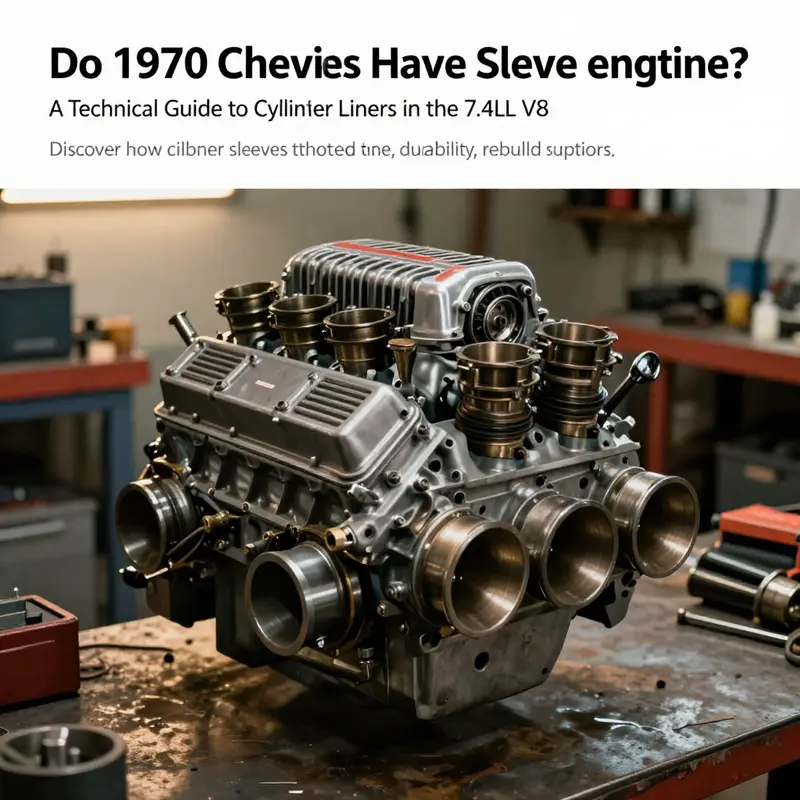
The long-standing question of whether 1970 Chevrolet engines used cylinder sleeves centers on the big-block 7.4L V8 family, particularly in high-displacement applications of the era. Cylinder sleeves, also known as cylinder liners, are inserted into the block to form the inner wall of the bore, offering wear resistance and a recoverable surface during rebuilds. For 1970-era GM cars and trucks powered by the 7.4L V8, sleeve-based bores were a common solution that enabled durable operation under heavy use and high temperatures typical of performance and work applications. This article targets motorcycle owners who may work alongside auto owners, wholesale distributors, and repair shops, providing a technical yet accessible overview of sleeve engines in the 1970 Chevrolet lineup. Across five chapters, we will connect the hardware reality (sleeves in the 7.4L) to practical maintenance, rebuild considerations, economic factors, and sourcing strategies. Each chapter builds on the central question by detailing a facet of sleeve engines—from dimensional specs to aftermarket compatibility—so automotive professionals and enthusiasts can assess, plan, and execute sleeve-related work with confidence.
Sleeved Powerhouses: Cylinder Liners and the 1970 Chevrolet Big-Block V8s
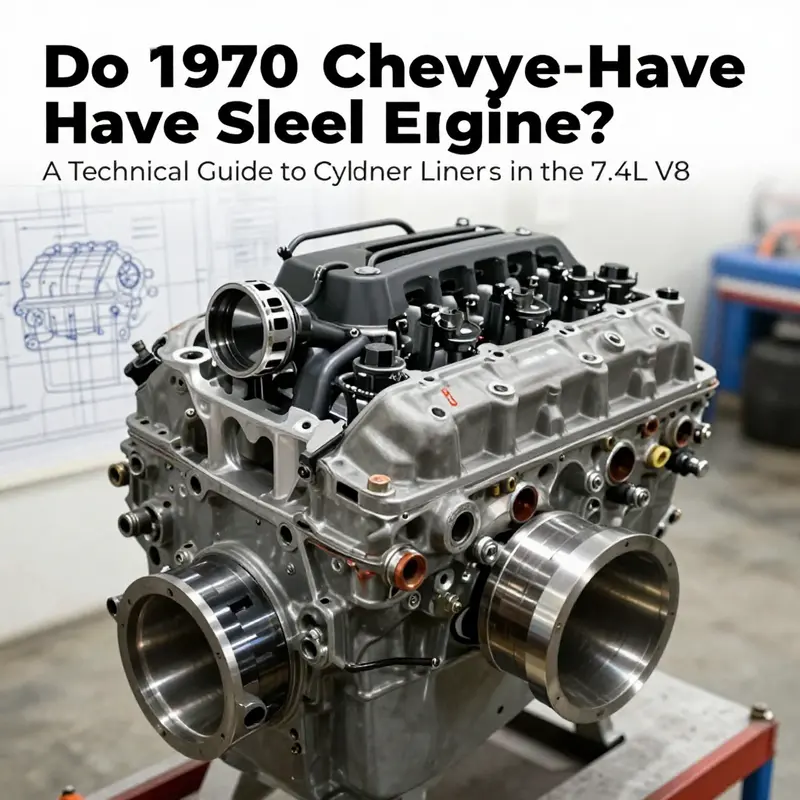
When car enthusiasts turn to the question of whether a 1970 Chevrolet carried sleeve engines, they are really asking about the fundamental architecture that powered some of GM’s most enduring big-blocks. The year 1970 sits squarely in the peak Yo-yo era of American muscle and heavy‑duty trucks, a period when power and durability were measured not just in horsepower but in the block’s ability to withstand heat, pressure, and wear over long mileages. In that context, cylinder sleeves—often called cylinder liners—played a decisive role in several high‑displacement Chevrolet V8s. They are not a novelty of modern engines; they were a tried‑and‑true solution that GM used to preserve bore integrity, manage wear, and maintain sealing under demanding operating conditions. The description is straightforward enough: cylinder sleeves are essentially precast metal linings inserted into the engine block to form the inner wall of a cylinder bore. In this era, many large-displacement Chevrolet V8s employed such sleeves, with a good example being the 7.4-liter, or 454 cubic inch, OHV V8. The engine block would receive cast iron sleeves that formed the actual surface the piston rings rode against. A common specification cited for the 454 sleeve is a sleeve of about 3/32 inch wall thickness, with a bore around 4.250 inches and a length near 7.000 inches; this kind of sizing was representative of the practice GM used to ensure bore uniformity and durability across high‑stress operations. The practical upshot is that the sleeve approach allowed the engine to resist wear and detonation tendencies better than a bare, bored cylinder could on its own, particularly when engines worked hard for extended periods in trucks, performance cars, or heavy‑duty applications.
The broader picture of the era confirms that cylinder sleeves were not exclusive to the 454. Chevrolet’s big-block lineup in 1970 included several high‑displacement options that relied on similar sleeve-based cylinders. The Turbo‑Jet 402, a 6.6-liter variant introduced around the same period, shared the same fundamental architecture and likewise used cast iron sleeves to maintain bore integrity. In both cases, sleeves provided a robust surface that could better resist wear, especially under high heat and pressure—conditions that were common as emissions controls began to tighten and fuel quality varied across regions and service intervals. These sleeves, once installed in the block, formed a sealed inner surface that could be replaced or refreshed during rebuilds without entirely reworking the block core. This was particularly valuable for restorations where originality and long‑term durability mattered just as much as performance.
A note on the practicalities helps when imagining a 1970 Chevrolet engine being rebuilt. Sleeves could be replaced or re‑sleeved during a rebuild, preserving the bore diameter and permitting the use of modern pistons or rebuild components while maintaining the block’s original geometry. The sleeves also helped with sealing against coolant pressure and combustion gases, a concern that grows as engines accumulate mileage or when they are tuned for higher performance. For enthusiasts and restorers, that is a meaningful distinction, because it means a worn bore could be restored to service without sacrificing the block’s structural integrity. It also means that a 1970‑era big‑block, if properly rebuilt with sleeves, can retain the characteristics that many collectors value: authentic architecture plus practical longevity. The sleeve approach thus bridged the old‑school strength of a large‑block design with the realities of wear, maintenance, and the evolving demands of the period’s emissions and fuels.
Beyond the mechanical specifics, the story of Chevrolet’s sleeves in 1970 also speaks to how parts and practice evolve. The sleeves discussed in historical references were traditional iron liners that were embedded into the block to form the bore wall. In practice, this means a traditional, cast‑iron sleeve, rather than a modern, aluminum liner or a dry sleeve arrangement that you might hear about in other engines or eras. For someone restoring a 1970 big-block, the sleeve is a reminder that not all blocks were left bare and that the engineering choice was tied to durability in a high‑stress, high‑volume market. If you want a concise explainer on the concept itself, you can refer to a dedicated piece that outlines what engine sleeves are and how they function, which discusses the general purpose and types of sleeves in a straightforward way. What are engine sleeves?
The upshot is that yes, many 1970 Chevrolet big‑block V8s used cylinder sleeves as part of their core construction. The 7.4L/454 OHV V8 is a primary example often cited by restorers and parts suppliers as a sleeve-based bore design, and the 6.6L/402 Turbo‑Jet era engines shared the same lineage. This wasn’t a one‑off feature tucked away in a corner of the block; it was a standard approach that GM relied on for durability under demanding conditions, especially as vehicles were pushed harder in trucks and performance cars while fuel quality and emissions rules were in flux. The practical implications for owners and rebuilders are clear: if you’re assessing a project’s needs or evaluating a block for restoration, consider the sleeve’s condition as a central factor. A worn sleeve can signal the need for re‑sleeving or a carefully prepared bore to maintain seal integrity and minimize oil consumption, contributing to a reliable rebuild that honors the original design intent.
From a historical perspective, this sleeve technology highlights a cross‑section of engineering decisions during a transitional period in American automotive history. The big‑block Chevys of 1970 faced a landscape where performance was still highly prized but where durability, serviceability, and maintainability were increasingly important to buyers who logged miles across harsh climates and long highway stretches. Cylinder sleeves served as a practical compromise: they preserved the strength and lineage of the block while offering a rebuild path that kept classic engines on the road longer. The fact that sleeves are still referenced in modern supplier catalogs underlines how enduring this design choice has been, even as engine families evolved toward other materials and configurations. For someone diving into a restoration, that continuity matters—a reminder that the 1970s era was not merely a bridge to modern powerplants but a period when the fundamentals of bore integrity, piston sealing, and wear resistance were actively maintained with sleeve technology.
If the topic nudges you toward deeper technical nuance, a quick reference to an external resource provides a contemporary snapshot of how sleeves are cataloged and discussed in modern supply ecosystems. This can help envision the physical reality of a sleeved bore and the practical steps of replacement or reconditioning in a workshop. External reference: https://www.bbc.com/products/454-7-4l-chevy-cylinder-sleeve-3-32-x-4-250-x-7-000
Sleeves in the Big-Block Shadow: Unraveling Cylinder Liners in 1970 Chevrolet V8s
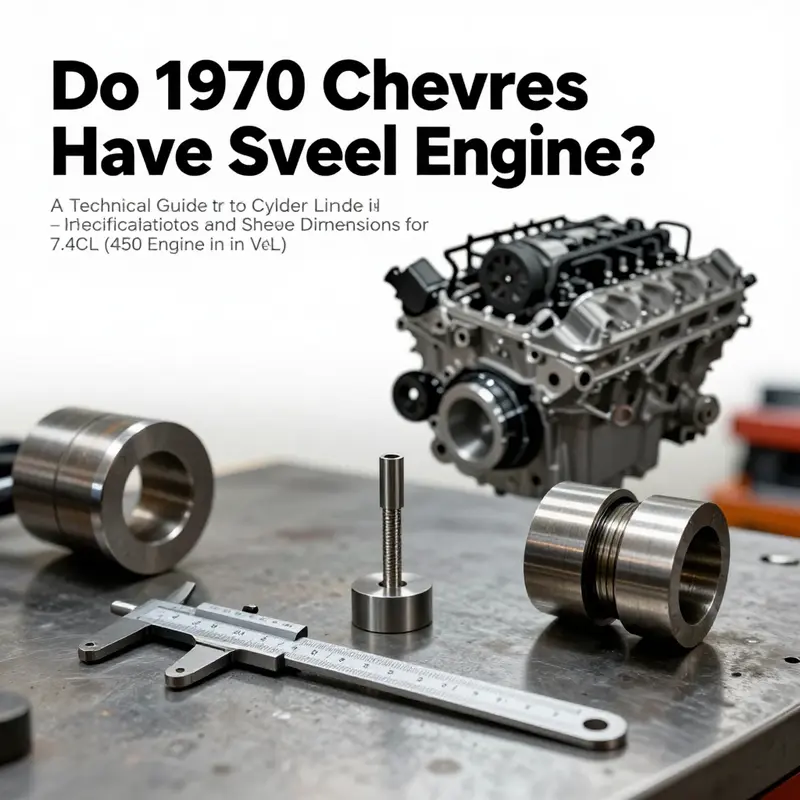
When the question asks whether a 1970 Chevrolet could be equipped with sleeve engines, it invites a look into the era’s big-block heart. The early 1970s were the apex of American performance engineering, a time when large-displacement V8s were celebrated for their torque and endurance. Within that landscape, the 7.4-liter, or 454 cubic inch, V8 stands out as a symbol of the period’s muscular identity. The core architectural choice for these engines—whether the bore walls relied on a solid block or on a sleeve-based inner wall—shaped how these engines wore, how they breathed, and how they could be rebuilt decades later. For the 1970 Chevrolet big-blocks, the sleeve approach was not an exotic afterthought but a defining feature of the cylinder bore. In plain terms, the block was cast iron, but the inner surface of the cylinder bore was formed with a precision insert, a cylinder sleeve, pressed into place to create the working bore. This design is what keeps the wear, sealing, and heat management aligned under the demanding conditions of a high-performance, long-use engine. The sleeves meant that the bore wall could retain a consistent diameter even as the piston crowns and rings did their relentless work day after day, mile after mile, with torque curves and RPM ranges that taxed the limits of the era’s engineering in a way modern engines rarely do outside of specialized racing contexts. And that is why the topic matters for collectors and restorers as well as for enthusiasts tracing the lineage of a classic muscle car.
To understand the practicalities, it helps to picture the cylinder sleeve as a carefully machined, durable sleeve inserted into the bore. The sleeve serves as the true wall against which the piston rings seal. It’s a component that absorbs the wear from countless heat cycles, the friction from contact with piston rings, and the occasional hot-luelike stress from heavy acceleration. The sleeve’s job is not just to maintain a tight seal but also to preserve bore geometry. A worn or damaged sleeve can upset compression, oil control, and cooling efficiency, making an engine rebuild or sleeve replacement a common path back to factory-like performance. In engines of this era, a sleeve-based bore required a specific fit—an exact wall thickness, a precise diameter, and a length that matched the block’s design, all of which influence how the engine seals and cools during operation.
When we translate this into concrete measurements, the sleeve dimensions issued by the era’s engineering standards become a map for those who rebuild or restore. The cylinder sleeve for the 7.4L big-block was specified with a bore diameter of 4.250 inches, corresponding to a bore size that could comfortably house the pistons and rings designed for high using conditions. The sleeve length extended to 7.000 inches, a dimension that interacts with deck height and head gasket geometry to establish the effective compression chamber and the bore’s heat management profile. The wall thickness for the sleeves carried a modest but critical specification of 3/32 inches. This thickness confers a balance between rigidity and the ability to dissipate heat while resisting wear. These constants—bore, length, wall—are not footnotes but the structural language of an engine block that had to endure high loads without sacrificing reliability under a daily-driver or a performance-focused scenario.
The narrative of 1970s GM big-blocks, in particular, centers on the configuration that combined a sturdy iron block with a sleeved inner bore. This combination guaranteed a sealed and durable cylinder surface in an era when the demands of performance and the realities of evolving emissions and fuel quality pressed engines toward robust, long-lived service. The sleeves empowered builders to address wear issues without resorting to a complete block replacement, which was especially valuable as engines aged and usage patterns shifted—from showroom-floor demonstration runs to daily driving, heavy towing, or high-speed cruising on weekends. Sleeves could be replaced or resized in the context of a rebuild, preserving the original bore geometry and avoiding more invasive block machining. That modularity mattered in a period when the availability of new blocks or premium replacements could be uncertain and when a car’s value often hinged on preserving its authentic mechanical footprint.
From a historical vantage, this is also a reminder that the sleeve approach was not a universal hallmark across every engine that rolled off the line in that era. The big-block family included blocks with different bore-wall strategies, and the choice often reflected the intended balance of cost, durability, and serviceability. In high-performance configurations and heavy-use applications, a sleeved bore could reinforce the engine’s resilience under increased torque and sustained RPM, while in other contexts a plain-sleeve or a different internal geometry might be chosen for cost efficiency or manufacturing considerations. For enthusiasts, that nuance matters because it influences how a given engine wears, how easy it is to service, and what parts are compatible when a rebuild enters the picture. The story of the 1970 Chevelle SS or other high-performance variants with the large-displacement V8 becomes richer when these sleeve specifications are mapped onto the real-world experiences of owners who rebuilt their engines or restored them to period-correct specifications.
To readers who are exploring the practical, hands-on angle, consider how this translates to maintenance and restoration. A worn sleeve means more than a ding in the bore. It can erode compression, alter ring sealing, and disrupt oil retention, all of which degrade performance and efficiency. Replacing a sleeve, or re-sleeving, is a specialized process that requires careful measurement, proper alignment, and a compatible match with piston, ring, and head geometry. While the sight of a sleeved bore might seem like a small detail, it is a linchpin in the engine’s ability to breathe and seal under stress. That makes sleeves an essential topic for anyone evaluating the feasibility of a factory-correct rebuild, a performance-oriented restoration, or a project that seeks to preserve the character of a 1970-era big-block without sacrificing reliability.
For those who approach this topic from a learning standpoint, a useful entry point is to explore the basics of what engine sleeves are and how they function. If you’re new to the terminology, What are engine sleeves? provides a concise primer that situates sleeves within the broader world of cylinder bore construction. This context helps connect the specific case of a 1970 big-block engine to the general principles of wear resistance, bore sealing, and the trade-offs engineers make when choosing a sleeved versus a non-sleeved design.
In sum, the 1970 Chevrolet’s large-displacement V8s did embrace a sleeve-based cylinder bore design. The sleeves served as the durable inner wall that preserved bore integrity and sealing under demanding operation. The measured bore diameter of 4.250 inches, sleeve length of 7.000 inches, and wall thickness of 3/32 inches reflect a precise engineering decision aimed at longevity and performance. These sleeves were a practical solution for engines expected to endure the dual pressures of high-power output and the road-going realities of their era. They illustrate how, even within a single model year and a single engine family, the technical choices behind the bore can ripple through maintenance, rebuilds, and the overall driving experience. For the collector, restorer, or curious reader, this is a reminder that the chapter of a car’s history often lies in the details—where the walls of the bore themselves tell a story about material choices, manufacturing tolerances, and the enduring quest for durability.
External resource for further reading: https://www.chevroletperformance.com/
null
null
From Factory Bores to Refurbished Blocks: The Practical Realities of Sleeve Engines in a 1970 Chevy
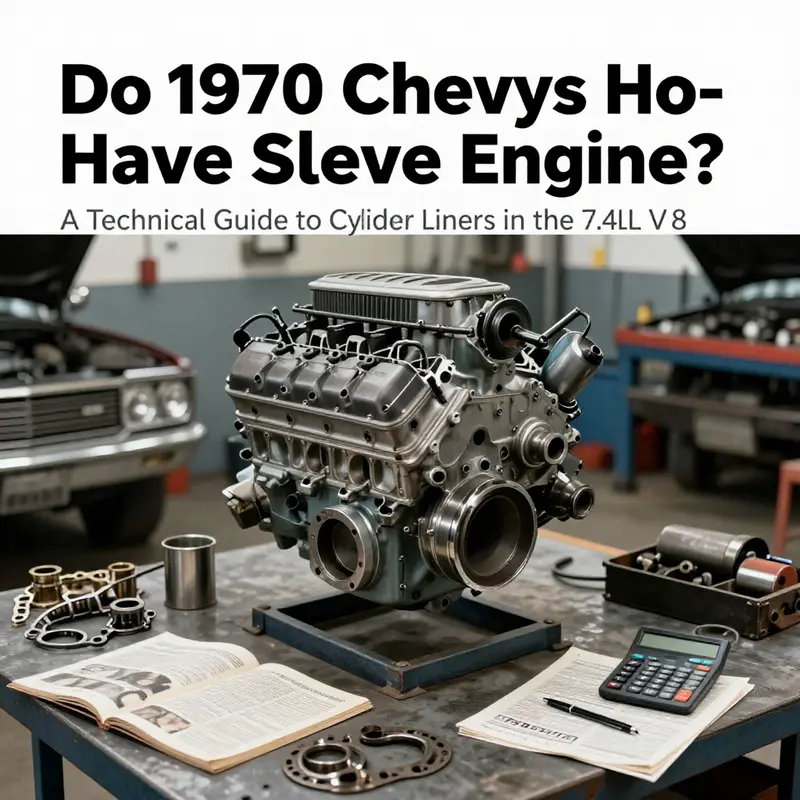
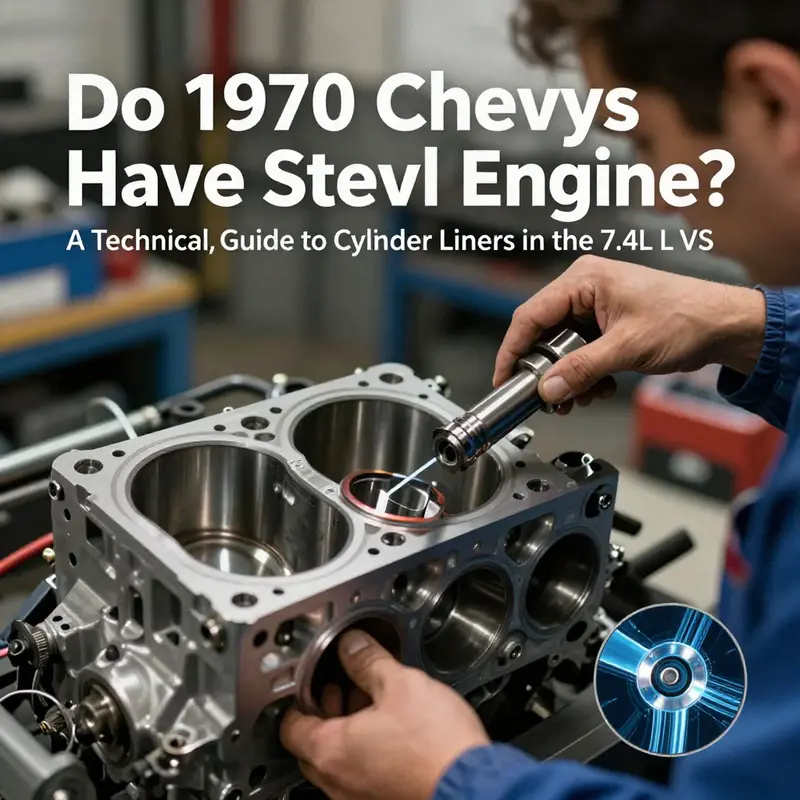
When you walk through the history of a 1970 Chevrolet, you encounter a lineage built on sturdy iron and straightforward engineering. The big-block and small-block V8s that powered Chevrolets in that year were designed for torque, reliability, and enduring service. In the factory, these engines wore bores cast directly into the block, with the wall thickness and surface finish determined by the machining standards of the era. Cylinder sleeves, or liners, were not part of the original factory configuration for most 1970 Chevys. Instead, the bores were integral to the block, a design choice that favored mass production efficiency and a compact production footprint. This means that, in their pristine factory form, a 1970 Chevrolet’s cylinders were not sleeves in the sense used by later rebuilds or performance builds. The engine’s life, however, would often come to hinge on how well those bores were maintained and how much wear they endured before rebuilds became necessary.
Yet the story of sleeves is not a tale of an absent feature, but of a practical tool that appears when wear accumulates or when owners seek to push a classic motor beyond its stock limits. Cylinder sleeves are insertable walls that form the inner surface of the cylinder bore. They can be installed to restore a worn bore, to improve sealing with higher compression and tighter ring gaps, or to accommodate a bored cylinder that would otherwise exceed the limitations of a cast-iron block. For readers looking to understand the concept without wading through technical catalogs, think of sleeves as replacing the worn lining of a tire, but inside the engine’s heart. They provide a fresh, hard-wearing surface for pistons to slide against, and they can be tailored to specific bore diameters and wall thicknesses. If you follow the thread of engine restoration long enough, you’ll encounter a spectrum of opinions about when to sleeve, when to bore, and when to leave a block as-is. A concise way to anchor this is to recognize sleeves as post-production tools for maintenance and performance, not as factory components in the 1970 lineup.
The practical implications of using sleeves hinge on the balance between cost, reliability, and authenticity. For a 1970 Chevelle, a common path during a rebuild is to assess the bore wear, measure cylinder roundness, and determine whether the remaining material can sustain another cycle of wear. If the bore is severely worn or if a rebuild intends to increase displacement, sleeves become an attractive option. They can restore the bore diameter to a fresh surface without sacrificing the strength of the original block structure. Importantly, when sleeves are used, they are not a retroactive alteration to the factory design. They are an engineered repair or upgrade introduced by machinists and builders who understand how to preserve the block’s core integrity while enabling modern tolerances. In this sense, sleeves are a bridge between preserving authenticity and embracing improved durability.
A practical illustration helps illuminate the decision. In the broader GM engine family, there are documented cases where sleeved cylinder bores were used in large-displacement V8 configurations across model lines from that era. A size specification that often surfaces in reference materials is a sleeve designed for big-block platforms with a 4.250-inch bore, a 7.000-inch height, and a small 3/32-inch wall thickness. While the exact dimensions can vary by production run and target engine family, the principle remains clear: sleeves must be precisely machined to fit the bore, maintain proper oil clearance, and sustain heat transfer characteristics. This kind of engineering detail matters because the sleeve’s fit directly influences ring seal, piston stability, and overall longevity under load. The takeaway is not just about inserting metal into a bore, but about aligning several factors—material hardness, surface finish, lubrication, coolant flow, and the tension of the piston rings under typical operating temperatures.
From an economic standpoint, sleeves often present a sensible middle ground. Replacing an entire engine block can be prohibitively expensive, especially for a classic car where original components carry emotional and historical value. A carefully chosen sleeve strategy can salvage a robust block, maintain the car’s character, and offer a platform for reliable daily driving or spirited weekend trips. For enthusiasts who want stronger performance without sacrificing the block’s provenance, sleeves open doors to modest bore increases and selective upgrades to supporting components, like a higher-flow intake, improved exhaust, or upgraded camshaft profiles. In many cases, this approach can extend the vehicle’s service life while keeping overall project costs in a more predictable range than a full, off-rotation block replacement would require.
To ground this discussion in a concrete example, consider a hypothetical high-profile rebuild of a 402 cubic inch engine in a 1970 Chevelle. In such a build, the owner might pursue a blend of authenticity and performance: lightweight, high-flow cylinder heads, a larger displacement through carefully matched components, and performance-tocused tuning. If the engine were rebuilt with sleeves, the sleeves would allow the bore to be opened to a desired diameter while maintaining a stable, wear-resistant surface. In the actual historical record, there are notes that sleeves were not factory-installed on those 1970 models, yet the sleeve concept proves highly relevant to post-production maintenance and to engines that outlive their original service life. The essential message is that sleeves are a practical tool for restorers and builders, not a sign of a retroactive factory change.
An important nuance is the relationship between authenticity and reliability. Sleeve installations do not inherently diminish a classic car’s authenticity; rather, they can preserve it by enabling the engine to run reliably on modern fuels and under more demanding operating conditions. When done with proper machining and clear documentation, a sleeved bore can keep the historical engine’s character intact while improving durability and tolerance control. For many enthusiasts, this balance is the heart of a meaningful restoration: honoring the original design while ensuring the car remains usable and enjoyable for the road.
For readers seeking a quick entry into the mechanics behind these choices, a compact source on engine sleeves explains the concept in accessible terms. engine sleeves
Viewed through the lens of maintenance economics, sleeve work is not a one-size-fits-all decision. It depends on the block’s material integrity, the intended use of the vehicle, and the long-term ownership horizon. A rare, valuable example of a sleeved build might raise the engine’s potential to handle higher compression or a more aggressive cam profile, while a more modest restoration might focus on repairing wear to restore factory compression and temperature management. Either way, the sleeves themselves are a tool—one that teams of machinists deploy with careful measurements, surface finishes, and coolant strategies to ensure that the core block remains sound.
The broader takeaway from this chapter is simple yet powerful. The 1970 Chevrolet lineup did not leave the factory with sleeve-lined bores. Cylinder sleeves belong to a later, adaptive phase of engine maintenance and enhancement. They offer a practical, economically sensible route for restoring worn bores, supporting reliable operation, and enabling intentional performance upgrades without discarding a cherished block. This dual promise—preserving authenticity while embracing durability—resonates with the core aim of classic-car stewardship. If a owner contemplates a rebuild, sleeves should be considered as part of a balanced plan that weighs bore wear, block integrity, intended use, and total project cost. The decision is never about sleeve versus no sleeve in a vacuum; it is about how sleeves fit into a holistic strategy for keeping a 1970s Chevrolet on the road with confidence for years to come.
External resource: https://www.barronshome.com/2023/11/09/custom-1970-chevelle-with-402-engine-a-must-have-for-any-classic-car-enjoyer/
Sleeves in 1970 Chevys: How Cylinder Liners Shaped Rebuilds, Not Original Design
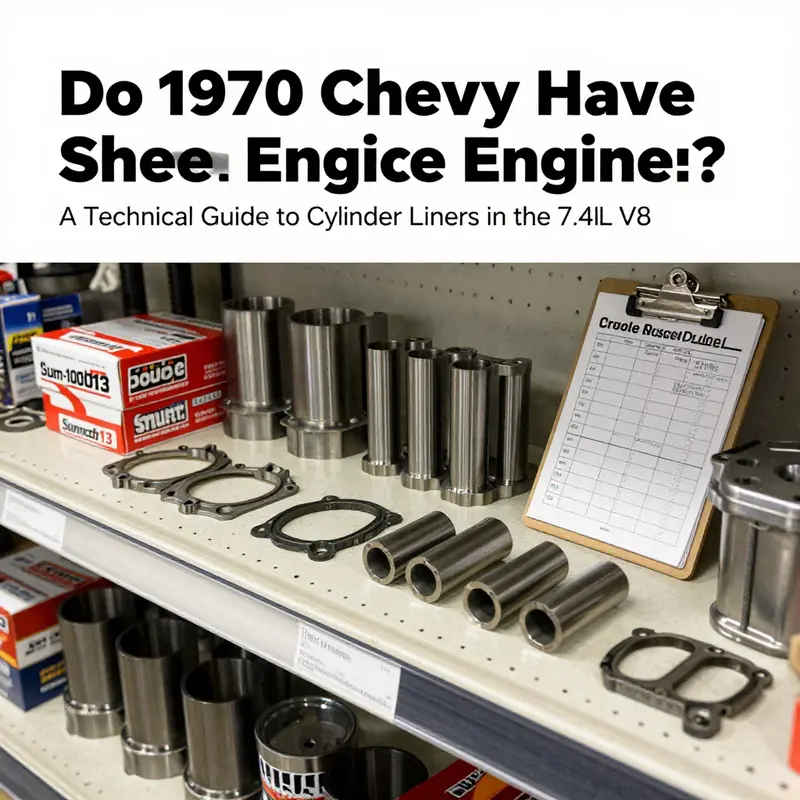
When fans of classic Chevys ask whether a 1970 model year came with sleeve engines, they’re really asking about two intertwined ideas: what the factory block actually offered back then, and how today’s aftermarket world can reshape or restore those same foundations. The short answer is nuanced. In 1970, Chevrolet’s lineup relied on the familiar, iron-block architecture that underpinned both the small‑block and the large‑block V8s of the era. Those engines were built with integral cylinder bores—a cast‑iron block with bore walls formed as a continuous wall of the block itself. There was no separate, serviceable sleeve pressed into the bore as part of the factory design. That doesn’t mean sleeves are irrelevant to the chapter’s question, however. It means sleeves enter the story as a later option—an aftermarket capability that allows rebuilders and performance enthusiasts to address bore wear, re-bore decisions, or displacement goals without having to replace the entire block.
To understand why sleeves exist at all in this context, it helps to picture the engine block as a big, rigid walled chamber whose inner walls determine seal, compression, and heat flow. In the era’s mainstream production, those walls were not intended to be swapped out; the block’s cylinders were machined into the casting and then lived there for the engine’s life unless a rebuild demanded larger pistons or a re-bore. Over time, however, wear, scoring, or damage can stretch or thin the bore, and the original wall’s integrity can be compromised. That is where cylinder sleeves enter the narrative. A sleeve is a cylindrical insert that lines the bore, creating a fresh, hard surface for new pistons to seal against. It’s a concept that has served a lot of engines, especially when a bore needed to be restored after wear or when a project called for controlled alterations to displacement or compression characteristics. The result is not a factory feature, but a practical repair and upgrade method that has evolved with the era’s endless demand for reliability and performance.
The distinction between sleeve-based repair and factory bore design matters not just in theory but in the realities of the rebuild shop. Sleeves come in various configurations—some designed to be a tight, interference-fit wall that becomes the cylinder’s new inner surface, others meant to be part of a wet-sleeve or dry-sleeve family depending on lubrication and cooling needs. A dry sleeve, for example, stands as a tiny insert that relies on the bore’s own surfaces for sealing, while a wet sleeve sits in the block with coolant surrounding it. For a classic big-block or small-block Chevrolet from 1970, the choice of sleeve type depends on the block’s condition and the builder’s goals. The important point for our topic is that factory production did not include sleeves, but the aftermarket built a pathway to sleeve compatibility when rebuilding or upgrading a 1970-era block.
If a reader takes a broadened view of compatibility, the story grows even more practical. When a high‑mileage or damaged bore is detected during a rebuild of a 1970 Chevrolet’s engine, technicians can opt for sleeving as part of the repair strategy. This is especially relevant for engines that see heavy use or performance-oriented builds, where restoring the original bore with a precision sleeve can restore or even improve sealing and wear characteristics. The general principle is straightforward: if the block’s integrity is still sound and the bore wear is beyond simple honing but still within the sleeve’s intended service, a sleeve can provide a durable inner surface without the need to replace the entire block. This reality is not unique to the 1970 era; it reflects a broader principle in engine technology: sleeves extend the usable life of a block and enable future restoration or upgrades without discarding a classic foundation.
From a sourcing perspective, enthusiasts will find that the aftermarket has products specifically sized for big-block Chevrolet blocks used across a range of years, including those from the early ’70s. These sleeves are designed to fit the bore geometry of the era’s blocks and to provide reliable wear resistance once installed. The practical implication for someone restoring a 1970 Chevy is clear: you do not need a factory “sleeved” engine to benefit from the sleeve concept. If bore damage or a rebuild project arises, sleeves are a legitimate, widely supported option that can be integrated with the same core engines that powered Chevys of that period. This alignment between vintage design and modern repair capability helps preserve the performance and longevity of these classics, allowing builders to maintain the character of the period while upgrading reliability and durability.
The broader context of this topic also highlights how a well-planned rebuild can impact reliability. Replacing worn surfaces with sleeves often requires careful measurement, honing, and alignment so that piston rings seal properly and heat transfer remains efficient. The sleeve’s inner diameter must be machined to precise tolerances, and the block’s deck surface must be true to ensure a consistent head gasket seal. All of these steps, while technically demanding, reflect the same meticulous craftsmanship that defined good engine rebuilding in classic American cars. In that sense, sleeves are not a deviation from the era’s technology but an evolution of it—an extension of the builder’s toolkit that respects the engine’s original design while acknowledging the realities of wear and performance demands.
For those who want a more concrete sense of the available paths, it’s useful to keep in mind that sleeves can be part of a broader strategy that includes proper bore maintenance, ring seating, and heat management. A sleeved bore, done correctly, can improve sealing and reduce risk of future bore wear. It also opens doors for modest displacement improvements if a builder wants to raise compression or accommodate larger pistons within the same block. These are not changes that compromise the engine’s classic identity; rather, they preserve it while enabling it to endure as a reliable daily driver, a weekend warrior, or a period-correct showpiece. The central takeaway remains practical and grounded: in 1970 Chevrolets, sleeves were not factory features, but sleeves are very much part of the modern rebuild toolkit for those who want to keep these engines running at the level their owners expect.
For readers curious about the deeper mechanics of sleeves and how they differ from other bore repair options, a concise, accessible resource explains what engine sleeves are and why they matter. What are Engine Sleeves? This reference helps connect the practical realities of sleeve installation with the broader discussion of whether a 1970 Chevy technically had a sleeve engine from the factory. It’s a reminder that the hallmark of classic muscle and big‑block reliability is not always a single feature but a spectrum of engineering choices, many of them arising after the car left the showroom.
In summary, the 1970 Chevrolet lineup did not come with sleeves as a factory feature. The blocks used integral bore walls that remained part of the block throughout the engine’s life. Yet the aftermarket response—providing sleeves that fit these blocks for rebuilds and performance upgrades—offers a pragmatic route to prolonging the life and vitality of these engines. Owners and builders who approach a 1970 classic with sleeves in mind are not overturning a design; they are applying a modern repair and upgrade philosophy to a timeless engine family. The compatibility exists not in the factory specification but in the enduring adaptability of engine technology, where a strong block, a precise bore, and a well‑placed sleeve can together produce a dependable powerhouse that honors the car’s vintage heritage. For those who want to explore the topic further from a practical sourcing standpoint, there are reputable aftermarket paths that align with modern machining standards and long‑term reliability, even for engines born in 1970.
External resource: https://www.summitracing.com/parts/sum-454-001
Final thoughts
In the 1970 Chevrolet big-block family, sleeve-based cylinder bores were a practical solution for durability and serviceability in high-displacement V8s like the 7.4L (454). Cylinder sleeves provided a recoverable wear surface, enabling rebuild strategies that preserve the block when wear or damage occurs in a subset of cylinders. The key takeaways are clear for shop owners, distributors, and enthusiasts: know the sleeve dimensions (for the BBC 454, commonly around 3/32 inch thickness with a 4.250 inch bore and 7.000 inch length as a reference), understand sleeve mounting (dry vs wet configurations), and verify compatibility with engine variants and production years (1970–1976 for many 7.4L applications). When undertaking a rebuild, confirm bore condition, select an appropriate sleeve, and use reputable sources (such as aftermarket sleeves listed for GM big-blocks) to maintain block integrity and engine longevity. For distributors and repair shops, building a reliable sourcing channel around established sleeve products and cross-reference data ensures consistent availability and service outcomes. Overall, sleeve engines in the 1970 Chevrolet lineup are not simply historical footnotes; they are a practical, rebuild-friendly feature that continues to influence modern restoration and maintenance decisions.