
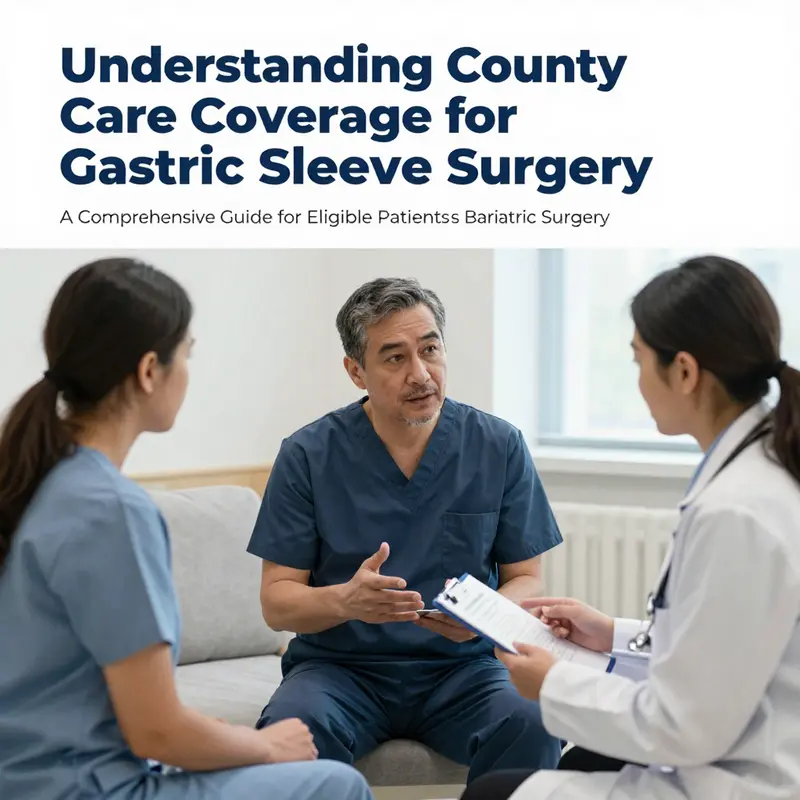
County Care, as part of California’s Medicaid program, offers potential coverage for gastric sleeve surgery under specific conditions. As an individual exploring this option, it is crucial to understand the eligibility criteria, the process of obtaining prior authorization, and additional considerations that may affect your coverage. Each chapter of this guide sheds light on these aspects, providing a structured overview to help navigate your path toward qualifying for this transformative procedure.
Mapping the Path to Gastric Sleeve Under County Care: Eligibility, Process, and Real-World Hurdles
When a person explores weight-loss surgery under County Care, the question is not only whether the procedure is medically appropriate but whether the program will provide coverage under Medi-Cal’s safety-net umbrella. The landscape is not a single, uniform plan; it is a mosaic built by county-managed programs that interpret state rules within local budgets and clinical networks. The result is a pragmatic reality: coverage can be available to the right people, yet obtaining it requires navigating a sequence of medical assessments, administrative checkpoints, and coordinated care that may vary from one county to the next. This is not a mere formality. It is a process designed to confirm that sleeve gastrectomy, a substantial surgical intervention, aligns with a patient’s medical needs and their capacity to sustain life-long lifestyle changes, including rigorous post-operative follow-up. To understand the path, it helps to anchor the discussion in the common elements that most County Care programs share, while also acknowledging the ways in which county-level discretion can influence eligibility and timeliness.
At the core of eligibility is the Body Mass Index (BMI), the standard metric used to categorize obesity and to determine surgical candidacy in many systems. Across substantial portions of County Care policy, a BMI of 40 or higher typically serves as a primary threshold for consideration of sleeve gastrectomy. This benchmark reflects the recognition that severe obesity carries substantial health risks and that surgical intervention can yield meaningful, durable health benefits when other interventions have not achieved lasting results. Yet the landscape becomes more nuanced when obesity-related comorbidities are present. In many programs, a BMI in the 35–39.9 range is deemed eligible if the patient also exhibits at least one serious obesity-related condition—conditions such as type 2 diabetes, high blood pressure, obstructive sleep apnea, or heart disease. In practical terms, a patient with a BMI of 37 and well-documented diabetes is frequently evaluated on par with someone with a higher BMI but fewer comorbidities. The aim is to identify those who stand to gain the most both in terms of weight reduction and the amelioration of associated health risks. Still, even with these criteria, counties may adjust thresholds, reflecting local patterns of health need, provider capacity, and budget realities. The overarching thread is that BMI and comorbidity status are not mere numbers; they translate into a clinical rationale for surgical intervention and into the question of whether Medi-Cal funding should be mobilized for a given case.
But BMI and comorbidities do not stand alone. Most County Care programs require a documented, sustained attempt at non-surgical weight loss before surgery is approved. The rationale is straightforward and ethically sound: surgery is a powerful tool, but it is not a cure-all. It is most effective when combined with comprehensive behavioral change, nutrition education, and ongoing medical supervision. Accordingly, applicants are expected to demonstrate that they have attempted medically supervised weight management for a period that typically ranges from six months to a year. This may involve structured weight-loss plans, dietary counseling, physical activity guidance, and behavioral therapy. The documentation must be thorough enough to show a pattern of effort, not just a single failed diet. For someone who has tried multiple programs through primary care, endocrinology, or specialized weight-management clinics, this criterion is a clear signal that the program values evidence-based sequencing of care. It also imposes a practical hurdle: administrative gaps or incomplete records can stall the process, even when BMI and comorbidity criteria are otherwise satisfied.
Beyond the medical history and the weight-management record, eligibility is anchored in a comprehensive preoperative evaluation. This evaluation is rarely a one-visit affair. Instead, it functions as a multidisciplinary clearance that ensures the patient is a suitable surgical candidate and understands the lifelong commitments that come with sleeve gastrectomy. A key element is the involvement of a team that typically includes a surgeon, a primary care physician or bariatric specialist, a psychologist or behavioral health professional, and a registered dietitian. The psychologist’s role is not to question a desire to lose weight, but to assess readiness for the profound lifestyle changes the operation demands. This includes evaluating the patient’s expectations, coping mechanisms, support systems at home, and mental health status. It also helps identify potential postoperative barriers, such as active substance use, unmanaged mood disorders, or unrealistic expectations about rapid weight loss. The dietitian, meanwhile, translates a surgeon’s plan into practical, day-to-day nutrition strategies that accommodate the altered physiology after sleeve gastrectomy. The preoperative education often covers meal progression, vitamin supplementation, potential side effects, and the essential routines that patients must adopt to maintain weight loss and prevent nutrient deficiencies. The medical evaluation and nutrition assessment are paired with lab work, cardiovascular risk screening, and, when indicated, sleep-disorder evaluations to capture a full picture of surgical risk.
Age is another variable that enters the eligibility conversation. Most programs set a practical range, commonly adult ages 18 through 65. This is not a rigid exclusion of older adults or younger adults with exceptional medical circumstances; rather, it reflects a balance of clinical risk, anticipated benefit, and the capacity of the patient to comply with the rigorous postoperative follow-up schedule. Exceptions can occur. In some counties, younger adults with severe obesity-related complications may receive consideration if the clinical team believes the benefits outweigh the surgical risks and the post-surgical support will be strong. Likewise, older adults with meaningful functional decline but without prohibitive medical risk may have a pathway if comprehensive evaluation demonstrates a plausible chance of meaningful quality-of-life or health improvements. The bottom line is that age, like BMI and comorbidities, is part of a holistic assessment rather than a simple exclusion or automatic approval.
A consistent element across County Care programs is the requirement for preoperative education. Prospective surgical patients are expected to participate in an approved education program that covers nutrition, lifestyle changes, and the risks and benefits of sleeve gastrectomy. The education serves multiple purposes: it sets realistic expectations, fosters a shared understanding of the long-term commitments after surgery, and helps ensure that patients are aligned with the post-surgical plan. This is not a disciplinary checkpoint; it is a readiness check that emphasizes patient empowerment. The education process also creates a baseline for informed consent, ensuring that patients enter the operating room with a clear map of the postoperative journey, including the importance of follow-up visits, dietary stages, and the ongoing need for vitamin and mineral supplementation. The practical impact of education becomes evident in the weeks and months after surgery, when patients navigate dietary transitions, monitor for early signs of nutrient deficiencies, and integrate new habits into daily life.
It is essential to recognize that coverage is not automatic. Even if a patient meets the medical and behavioral criteria, the decision to authorize coverage rests on a combination of clinical justification and administrative approval. Prior authorization is a standard feature of Medi-Cal coverage for bariatric procedures, and obtaining it requires that the in-network provider or hospital completes the necessary documentation and demonstrates alignment with program requirements. Not all facilities are approved to perform bariatric surgery under Medi-Cal, which means the choice of hospital or surgical center can influence the trajectory of care. Patients may need to coordinate between the surgeon’s office, the plan’s network directory, and the county health department to identify in-network facilities with the necessary accreditation, surgical teams, and postoperative support services. This process, while sometimes lengthy, is designed to preserve clinical quality and ensure that patients have access to the full spectrum of multidisciplinary care that bariatric surgery requires.
A practical frame for understanding eligibility is to picture it as a structured conversation among several threads: medical necessity, patient readiness, and the realities of the local health system. The medical thread asks whether the patient’s BMI and health conditions justify a surgical approach as part of a comprehensive treatment plan. The readiness thread probes whether the patient is prepared to adhere to lifestyle changes and follow-up care, including nutrition visits, vitamin supplementation, and regular monitoring for potential metabolic improvements. The health-system thread questions whether there is an appropriate surgical facility, a qualified team, and an infrastructure that can support long-term outcomes, including nutrition and mental-health follow-up. The interplay among these threads is not a mock negotiation; it is a real assessment of whether County Care can responsibly fund and sustain a major surgical intervention for a particular individual.
For individuals pursuing this path, the process typically unfolds in stages that begin with a careful conversation with a primary care provider or a bariatric specialist who participates in Medi-Cal. The conversation often starts with a candid discussion about weight-related health risks, prior weight-loss attempts, and the patient’s goals. The clinician then facilitates a plan that includes documentation of BMI, comorbid conditions, and failure of non-surgical therapies. Once the medical case is prepared, the patient is referred to a multidisciplinary evaluation, which may take place at a clinic affiliated with the hospital system or a designated bariatric program. The psychologist’s evaluation is instrumental in addressing issues such as adherence to dietary changes, coping with the emotional aspects of weight loss, and planning for social support that will accompany the patient postoperatively. The dietitian’s assessment focuses on baseline nutrition, potential nutrient deficiencies, and the development of a preoperative diet plan designed to optimize liver size and surgical safety, while also preparing the patient for the postoperative diet that will follow.
After the preoperative assessments, the case enters a review phase where the medical team, sometimes with input from a county review board, weighs the documented evidence against program criteria. If the case meets threshold requirements, a formal recommendation for sleeve gastrectomy is issued, and the patient can proceed to the preauthorization stage with the insurance plan. This is where the administrative gears come into play. The plan requires detailed documentation of the patient’s BMI history, comorbidity profile, evidence of supervised weight loss attempts, and the consensus from the multidisciplinary team that surgery is medically necessary and likely to yield durable health benefits. The prior-authorization process is a checkpoint that serves to confirm both clinical justification and the feasibility of treatment within the network’s capabilities. It can involve timelines that depend on the complexity of the case, the completeness of the medical records, and the availability of in-network surgical facilities equipped to provide the requisite postoperative care, nutritional monitoring, and behavioral support.
The practical implications of these procedures extend beyond the operating room. For patients who navigate County Care successfully, the journey includes a robust postoperative program that is central to long-term success. Sleeve gastrectomy is not a stand-alone procedure; it is part of a comprehensive treatment paradigm that requires follow-up nutrition counseling, vitamin and mineral supplementation, and ongoing monitoring of weight trajectory and metabolic health. In practice, this means a schedule of follow-up visits with the surgeon and the dietitian, periodic blood tests to assess micronutrient status, and coordinated mental health support to address the psychosocial dimensions of weight loss. The patient’s commitment to these follow-ups is often a legally and medically critical component of the coverage criteria; failure to attend or maintain the follow-up plan can jeopardize continued eligibility for Medi-Cal coverage of the procedure. From a policy perspective, this emphasis on long-term care recognizes that the benefits of sleeve gastrectomy accrue gradually as weight loss stabilizes and comorbid conditions improve, rather than delivering a rapid, one-time fix.
The road to eligibility is rarely linear. Delays can stem from incomplete medical records, missed referrals, or difficulties in securing an appointment with an in-network surgeon. Administrative delays can also arise if a county needs to confirm fund allocation for a given year or if the patient’s documentation requires translation or additional verification. These delays, while frustrating, are not inherently indicative of a denial; they reflect the careful, multi-layered scrutiny that governs public insurance coverage of high-cost procedures. For patients and families, the best way to minimize uncertainty is to maintain proactive communication with all parties involved: the primary care clinician, the bariatric team, the health plan’s case manager, and the county health department. Keeping a well-organized file that contains all test results, records of weight-management efforts, and letters from clinicians can help reduce back-and-forth and accelerate the authorization timeline. In parallel, patients should be prepared for the possibility that the surgical pathway may shift if in-network options evolve or if new clinical guidelines emerge; flexibility and ongoing dialogue with the care team are essential attributes in navigating County Care.
The broader social and ethical context matters as well. Access to gastric sleeve surgery under County Care intersects with questions of health equity, resource allocation, and population-level outcomes. Because Medi-Cal serves a large and diverse eligible population, counties sometimes revise policies to address disparities in access to care. In practice, this means that two patients with similar medical profiles might experience different pathways depending on where they live, the local network’s capacity, and the county’s willingness to authorize surgical interventions for those who may benefit most. These disparities underscore the importance of patient advocacy, transparent information, and clear guidance from healthcare providers who understand both the medical science and the policy environment. They also highlight the value of reliable, up-to-date information that helps patients and their families plan effectively, manage expectations, and pursue the most appropriate course of action within public coverage frameworks.
For someone preparing to initiate or advance a County Care–funded sleeve gastrectomy, a practical mindset can make a meaningful difference. Start with a candid inventory of health conditions and their current management, then assemble the medical record with particular attention to documentation of prior weight-loss attempts. Seek a clinician who can articulate a clear rationale for surgery—one that ties BMI, comorbidities, and expected health gains to the patient’s quality of life and functional status. Schedule a preoperative evaluation that includes a psychologist and a dietitian, and be ready to discuss expectations for long-term follow-up. Alongside clinical work, secure a point of contact within the county program for questions about the authorization process, facility networks, and timelines. While this may feel administratively burdensome, the structured approach increases the likelihood that coverage decisions reflect genuine medical need and the patient’s ability to commit to the postoperative care plan.
In the end, the question of whether County Care covers gastric sleeve surgery hinges on a constellation of factors: the patient’s BMI and health status, a verifiable history of non-surgical weight management, a comprehensive preoperative evaluation, and robust support for long-term follow-up. The county’s role is to ensure that the procedure is medically justified, that the patient can participate in the full continuum of care, and that the use of public funds aligns with anticipated health benefits. Patients who navigate this path successfully often emerge with more than weight loss; they gain improved metabolic health, enhanced mobility, and a renewed capacity to engage in daily life with fewer obesity-related burdens. Yet the journey is not guaranteed, and it is not instantaneous. It requires a careful alliance among the patient, the medical team, and the county program, all working within a framework of evidence-based criteria and accountable care.
For those seeking a concrete starting point, the most current, official guidance remains the California Department of Health Care Services and local County Care offices. These sources provide the up-to-date criteria, application steps, and provider directories that shape eligibility in real time. In addition, patients and families should be prepared for a process that may take several weeks to several months, depending on the complexity of the case, the availability of in-network facilities, and the pace at which documentation can be gathered and confirmed. The objective is not to rush a medical decision but to ensure that the decision to move forward is grounded in a solid medical rationale, a clear plan for postoperative care, and a realistic assessment of the patient’s capacity to sustain weights loss, health improvements, and improved quality of life over the long term.
External resources can provide additional clarity and current policy details that support this pathway. For those exploring eligibility and coverage, consulting official state and county documents, as well as patient-centered guidance offered by public health agencies, is essential to ensure that information remains accurate over time. A foundational external resource that outlines Medicaid eligibility and how it functions within the broader system of public health coverage is available online and can serve as a helpful reference point for families navigating these decisions. Medicaid Eligibility.
As policy and practice continue to evolve, patients and clinicians alike should stay engaged with the process and advocate for transparent, timely information. The core truth remains: gastric sleeve surgery can be a life-changing intervention when it is clinically appropriate and supported by a robust continuum of care. County Care’s role is to determine that appropriateness within the framework of public funding and to ensure that those who stand to benefit most can access the procedure through a network that prioritizes safety, quality, and long-term health outcomes. The chapter on eligibility, then, is not merely a checklist; it is a narrative about aligning medical need, patient readiness, and system capacity in a way that respects both the science of bariatric care and the realities of public health coverage. It is a path that requires patience, collaboration, and persistent engagement, but when navigated thoughtfully, it can open the door to meaningful health transformation for individuals who have long carried the burden of obesity and its related conditions.
Unlocking Coverage: Navigating the Prior Authorization Pathway for Gastric Sleeve Surgery Under County Care
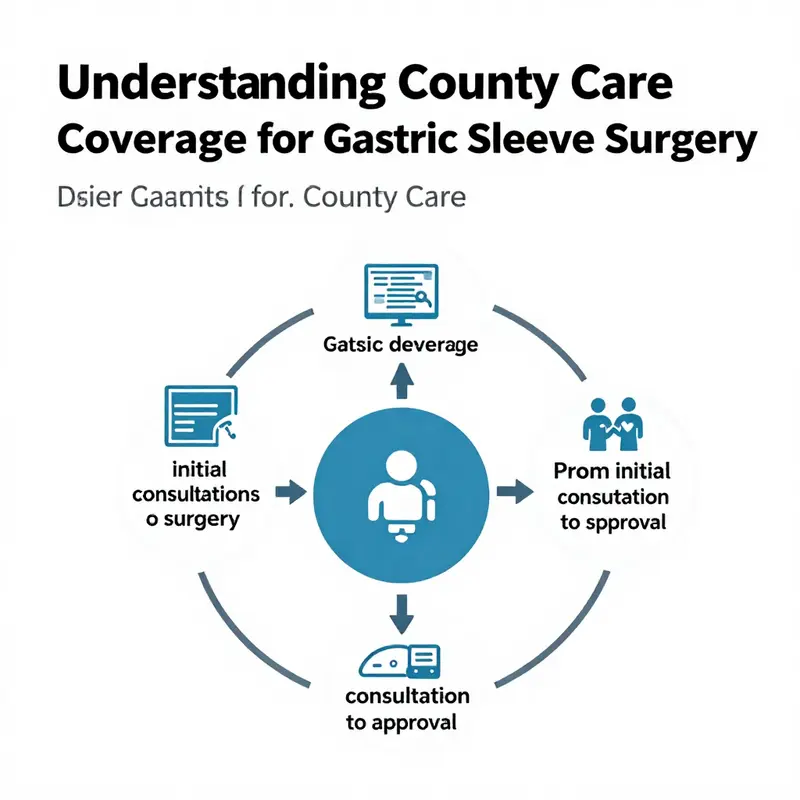
Gastric sleeve surgery sits at a crossroads between medical necessity and bureaucratic process for many patients enrolled in County Care, a Medi‑Cal program operating through California counties. The question of whether County Care covers a sleeve gastrectomy is not answered by a simple yes or no; it hinges on a careful alignment of medical qualification, documented need, and the administrative machinery that mediates access to covered services. In practice, coverage exists for eligible individuals, but the route to approval is paved with criteria that must be demonstrated and documented to the satisfaction of the county program, the patient’s primary care provider, and the bariatric team overseeing the case. This chapter aims to illuminate that route, not as a rigid checklist but as a coherent narrative of how medical necessity and careful planning converge to make a life-altering procedure possible within the safety net of County Care. It is a journey that begins with understanding the medical thresholds tied to BMI and obesity-related conditions, proceeds through a documented history of attempted weight loss, and culminates in a coordinated preoperative evaluation and a formal prior authorization submission that stands up to scrutiny from multiple angles. The path is not identical in every county, and it is not autonomous from ongoing medical follow‑up once the sleeve is in place. Yet, with clear guidance and proactive engagement, patients can navigate the process with greater confidence, supported by a care team that understands the interplay between medical necessity and programmatic requirements.
The medical criteria that typically govern eligibility for gastric sleeve surgery under County Care reflect longstanding Medi‑Cal standards for bariatric procedures. A body mass index, or BMI, of 40 or higher has historically been the primary threshold. In patients whose BMI falls between 35 and 39.9, the presence of at least one serious obesity-related health condition—such as type 2 diabetes, hypertension, obstructive sleep apnea, or heart disease—can qualify them for consideration. These thresholds are not arbitrary; they are grounded in a body of clinical evidence that links substantial obesity and related comorbidities with increased surgical risk, potential for substantial improvement after weight loss, and the likelihood of sustained long‑term benefits when a comprehensive care plan accompanies the surgery. The criteria do not stop at the door of BMI and comorbidity alone. Medi‑Cal and County Care programs typically require that individuals have attempted medically supervised weight loss efforts for a defined period—commonly at least six months. This requirement reflects a recognition that surgery should be reserved for cases where non-surgical approaches have been pursued, while still leaving room for timely intervention when obesity‑related conditions are severe or worsening. In addition, patients are expected to commit to ongoing follow‑up care after the operation, including persistent nutritional monitoring, lifestyle changes, and active engagement with the multidisciplinary team that supports the long-term success of the procedure. The policy intent behind these provisions is to ensure that the operation is not only medically appropriate but also structurally supported by a system designed to maximize safety and effectiveness over the long arc of weight management.
To translate these thresholds into a pathway toward coverage, patients and clinicians must embark on a rigorous, documented process. Prior authorization is the mechanism that bridges clinical necessity with coverage, acting as a gatekeeper to ensure that the proposed sleeve gastrectomy meets programmatic criteria and that the requested facility is approved to perform bariatric surgery under Medi‑Cal. The typical authorization pathway begins with the patient’s health care provider assembling a dossier that demonstrates medical necessity. This documentation often includes evidence of obesity‑related health conditions, such as type 2 diabetes, hypertension, or sleep apnea, and a documented history showing that non-surgical weight loss methods have been attempted and have not yielded durable results. The precise mix of documentation can vary, but the spirit remains consistent: a clear case that the patient’s obesity and comorbidities pose significant health risks, and that sleeve gastrectomy offers a realistic, evidence‑based route to meaningful, durable improvement.
A central component of the authorization package is the preoperative evaluation, which is more than a formality. Many programs require a comprehensive pre‑surgical assessment that spans several domains. Psychological screening is commonly part of this evaluation, not only to screen for mood disorders or eating behavior patterns that could influence postoperative adherence but also to set realistic expectations and ensure that the patient has the emotional resources to navigate the substantial lifestyle changes that follow surgery. Nutritional counseling is another standard element, designed to prepare the patient for the shift in dietary patterns that accompanies the sleeve procedure and to establish a foundation for ongoing dietary guidance after the operation. The preoperative evaluation is a rehearsal for life after surgery, a chance to align the patient’s goals, capabilities, and support systems with the practical demands of post‑operative eating, physical activity, and follow‑up visits. When these evaluations are completed thoroughly, they strengthen the case for authorization by illustrating a robust, multi‑disciplinary approach to care that extends beyond the operating room.
Even with a well‑documented case, the exact requirements for prior authorization can diverge from county to county and among different County Care plans. The authorization process is not a monolith; it is shaped by regional administrative rules, the particular plan in effect, and the specific Bariatric Surgery program criteria that the county has adopted to comply with state guidelines. As a result, two patients with superficially similar medical profiles may experience different experiences in the authorization process depending on their county, their chosen facility, and the team that guides their care. This variability does not undermine the legitimacy of the process; rather, it highlights the need for patients to engage early with the right stakeholders and to verify the particular documentation and steps required in their jurisdiction. A key step for patients is to verify that the selected surgical facility is in‑network with their Medi‑Cal plan and approved to perform bariatric procedures under County Care. If the facility is not in‑network or not an approved bariatric center, even a strong medical indication may not translate into coverage. This is why the initial discussion with a primary care provider or a bariatric surgeon who participates in Medi‑Cal is so critical, because they can guide the patient toward in‑network options that are credentialed to perform sleeve gastrectomy under the program.
The practical implications of prior authorization extend beyond the initial approval. After a patient clears the medical necessity hurdle, there is often a processing period during which the supporting documentation is reviewed, and the payer may request additional information or clarifications. In some cases, a formal submission is needed in a defined format, with specific forms completed, pages of medical history provided, and the including of test results from recent imaging, lab work, or cardiovascular assessments. The timeline for approval can vary, sometimes taking weeks, and in other circumstances longer if the reviewer requires more comprehensive evidence or if there are backlogs in the county’s review process. This is not a sign of denial; it is a feature of a program designed to ensure that every aspect of the patient’s readiness is assessed and that the anticipated benefits will materialize with minimal risk.
A patient’s preparation for this process is best characterized as a separation of concerns—a careful orchestration of medical clarity, administrative precision, and practical readiness. From the clinical side, the focus is on which conditions commute the need for surgical intervention, how severe the patient’s comorbidities are, and whether a six‑month history of supervised weight loss has been convincingly documented. From the administrative side, the emphasis is on compiling the correct set of documents, aligning them with county‑specific requirements, and ensuring the chosen facility is authorized to perform the operation under Medi‑Cal. The patient herself must be prepared to participate actively, providing medical records, scheduling preoperative appointments, and maintaining adherence to a carefully calibrated pre‑operative and post‑operative plan. With this alignment, prior authorization can proceed smoothly, and the sleeve gastrectomy can move from the realm of hopeful possibility to concrete coverage under County Care.
The variability across counties adds a layer of practical complexity that patients should anticipate. Some counties may request more extensive documentation, such as detailed longitudinal histories of weight management attempts or explicit documentation of ambulatory assessments that reflect the patient’s functional status and weight‑related limitations. Others may require a more streamlined package, focusing primarily on core medical criteria and the essential preoperative assessments. The common thread, however, is the expectation that the patient and the care team work collaboratively to build a coherent case that demonstrates both medical necessity and a well‑considered plan for perioperative care and long‑term follow‑up. The surgeon, often the lead of the medical portion of the process, coordinates with the patient’s primary care provider to assemble this package, while a case manager or a preauthorization specialist within the county system may facilitate communications, set expectations for timelines, and clarify any missing elements needed for approval.
In practical terms, prospective sleeve patients should begin by confirming three things early in the process. First, confirm BMI and comorbidity status with the primary care provider to ensure the medical criteria are clearly documented in the chart. Second, obtain documentation of at least six months of medically supervised weight loss attempts, including any behavioral therapy programs, nutrition counseling, and structured exercise plans. Third, ensure that a comprehensive preoperative evaluation is scheduled, with attention to psychology and nutrition as integral components of the assessment. These actions lay a strong foundation for the authorization package and demonstrate a proactive stance toward their own care. Once this documentation is in hand, the next steps involve engaging with a bariatric surgeon who participates in Medi‑Cal and who can articulate the surgical plan, potential risks, expected outcomes, and the long‑term follow‑up framework. The surgeon’s team can then assemble the official preauthorization package for submission, including the surgeon’s rationale for sleeve gastrectomy, the patient’s documented medical history, the results of preoperative evaluations, and a plan for postoperative monitoring and nutrition management. The pace of this process underscores the importance of patience and persistence. While an approved authorization can be a turning point, it is not the final step; it marks the transition from eligibility to scheduled care, with the understanding that the procedure will occur within the safety net of County Care and Medi‑Cal coverage.
As patients move through this pathway, they should remain mindful of the practical realities that accompany any major surgical decision. The sleeve procedure, while effective for many, requires a long‑term commitment to lifestyle changes, ongoing nutritional guidance, and regular medical follow‑ups. Insurance coverage, including County Care, is designed to support access to the procedure, but it is not a guarantee of instant service. Delays can occur in the authorization process, in scheduling preoperative evaluations, or in lining up the in‑network surgical center. The patient’s role in mitigating these delays is to stay organized, respond promptly to requests for additional documentation, and maintain consistent communication with the care team. In turn, the care team must be transparent about what is needed, provide clear timelines, and help the patient understand any potential hurdles or alternative pathways if a particular center cannot proceed within the County Care framework. This collaborative dynamic is essential to transforming a complex medical case into a feasible healing pathway.
Another layer of consideration concerns the post‑authorization phase. Once sleeve gastrectomy is approved and performed, the patient faces lifelong follow‑up obligations that are integral to the success of the operation. Medi‑Cal and County Care policies emphasize not only the cost coverage of the initial procedure but also the ongoing care that accompanies weight management over years. Regular nutritional assessments, periodic psychological check‑ins, and ongoing support from a multidisciplinary team help ensure that the weight loss achieved through surgery is sustained and that any emerging medical issues are detected and managed promptly. The emphasis on follow‑up reflects a broader understanding that bariatric surgery is not a single event but a continuum of care—one that requires sustained engagement with clinicians, dietitians, mental health professionals, and fitness guidance. In this context, prior authorization is best viewed not as a gate that closes after approval, but as a gateway that opens into a structured, supported pathway toward healthier functioning and improved quality of life.
For patients and families navigating County Care, the emotional and logistical dimensions of this process should not be underestimated. The decision to pursue sleeve gastrectomy is often accompanied by concerns about cost, access, and the demands of postoperative life. The authorization process, if well managed, provides a framework that can alleviate some of these concerns by clarifying the steps, the expected timelines, and the nature of the support available through Medi‑Cal. It also brings into focus the importance of choosing a surgical team and facility that are in‑network and approved to perform bariatric procedures under the program. By aligning medical needs with the administrative reality of County Care, patients can pursue a path that is not only medically sound but also administratively feasible. The result is a care experience that respects both the science of obesity treatment and the social contract that Medi‑Cal embodies—the assurance that medically necessary care will be accessible to those who meet defined criteria, with safeguards that promote safety, quality, and accountability throughout the journey.
In summary, the question of whether County Care covers gastric sleeve surgery is answered most accurately by understanding the full arc of eligibility, documentation, preoperative evaluation, prior authorization, and post‑operative follow‑up. The process begins with a clear articulation of medical necessity, supported by documented obesity with related health conditions, and a proven history of attempts at non‑surgical weight loss. It requires a comprehensive preoperative assessment from a multidisciplinary team and a formal submission that demonstrates readiness for life after surgery, as well as the commitment to long‑term follow‑up. It is a pathway that recognizes the gravity of the decision while offering a structured framework to ensure safety, effectiveness, and value. The county system’s approval is contingent on in‑network access, adherence to plan requirements, and the readiness of both patient and care team to engage in an ongoing cycle of care that extends beyond the operating room. Patients who approach the process with clarity, organization, and open communication are best positioned to move through the prior authorization phase toward a sleeve procedure that is both medically appropriate and financially supported within the County Care framework. For those seeking the most precise, up‑to‑the‑day guidance, it is essential to contact the local County Care office or speak with a Medi‑Cal–participating bariatric specialist, and to consult the official guidelines published by the California Department of Health Care Services. This combination of direct, local assistance and official program guidance offers the strongest foundation for turning the prospect of sleeve gastrectomy into a realizable treatment option within County Care.
External resource: For authoritative guidance on County Care coverage and the latest policies, refer to the official County Care website: https://www.countycare.org.
Key Practical Factors That Determine Whether County Care Will Pay for a Gastric Sleeve
When you’re moving beyond the basic medical eligibility for a sleeve gastrectomy, several practical and procedural factors determine whether county care will cover the operation. These factors are not optional add-ons. They shape the approval process, the timeline, and what you will owe out of pocket. Understanding them reduces surprises and helps you craft a stronger, faster authorization request.
First, documentation quality matters as much as the underlying medical facts. Medi-Cal and county-administered plans require clear, consistent clinical evidence that you meet the eligibility thresholds. This includes accurate BMI calculations recorded over multiple visits, dated notes showing at least six months of documented efforts at non-surgical weight loss, and contemporaneous records of obesity-related comorbidities. Simply telling a caseworker that you tried diets and exercise is not enough. Providers must show specific, measurable attempts: enrollment in a structured weight-management program, nutritional counseling visits, exercise prescriptions, medication trials when appropriate, or monitored behavioral therapy sessions. Records should include start and end dates, provider names, and documented outcomes. If you have inconsistent or sparse records, the authorization team may request additional information or deny coverage until the gaps are filled.
Another major factor is the multidisciplinary evaluation. County programs typically insist on a coordinated team assessment before approval. That team usually includes a bariatric surgeon, a medical specialist to review metabolic and cardiopulmonary risk, a registered dietitian, and a mental health professional. Each specialist contributes documentation that addresses a specific decision point. The surgeon explains the medical indication and technical suitability for the sleeve. The dietitian documents prior attempts at weight loss and readiness for lifelong dietary change. The mental health professional assesses for untreated psychiatric issues, substance use, or cognitive barriers that could interfere with post-operative adherence. Case managers review these reports for completeness. If any element is missing or cursory, the authorization may be delayed. For smooth processing, seek clinics that already work with Medi-Cal and provide integrated team letters formatted to the county’s expectations.
Accreditation and facility requirements often affect coverage eligibility. Many county plans require that the procedure be performed at an accredited bariatric center. These centers meet standards for volume, patient safety, and multidisciplinary services. They also have experience navigating Medicaid authorization processes. If your chosen surgeon operates at a non-accredited or out-of-network facility, county care may deny coverage or require you to transfer care. That can add time and complexity. Before scheduling a surgery date, confirm both the surgeon’s and the hospital’s status with the county plan or Medi-Cal network. If you are unsure, ask the surgeon’s office to verify in writing that they are approved providers for your specific county plan.
Pre-operative education and counseling are another gatekeeper. Many counties require documented completion of specific education modules and support groups. These sessions teach what to expect before and after surgery, including dietary stages, vitamin supplementation, and signs of complications. They are designed to confirm patient understanding and willingness to commit to follow-up care. Missing certificates or incomplete attendance records are common reasons for administrative denials. If you must travel or rearrange work to attend these sessions, plan early. Some programs offer virtual classes, but you still need written proof of completion.
Prior authorization is central to whether county care will pay. Submission must include a complete packet: clinical notes, lab results, sleep study reports if obstructive sleep apnea is suspected, imaging studies, medication lists, and the multidisciplinary letters. The authorizing clinician’s rationale should link the individual’s health issues to the expected benefits of surgery. It helps when the surgeon’s note explicitly addresses why non-surgical measures are unlikely to succeed in the long term for this patient. The authorization team often follows standardized clinical review criteria, so aligning your documentation to those criteria speeds approval. Expect back-and-forth requests for clarifying records. Respond quickly to avoid denials based on missing information.
Financial eligibility rules sometimes play a role in county-administered benefits. A county case may require proof of Medi-Cal enrollment and verify ongoing eligibility at the time of surgery. Coverage may also hinge on whether the plan places annual limits on elective procedures or prioritizes cases by medical urgency. Some local programs expect applicants to demonstrate financial need for ancillary services, such as travel or childcare, which can factor into discretionary approvals for non-urgent cases. If your county imposes caps or budgetary constraints, approval may be subject to waitlists or deferred to future fiscal cycles. Ask your county case manager how these administrative finances might affect timing.
Network restrictions and provider participation are practical hurdles. Not every bariatric surgeon accepts every Medi-Cal plan. Even within county care, provider participation can change. Confirm current network status before starting the pre-op process. If your preferred surgeon does not participate, you may have the option to change surgeons or seek a one-time authorization to use an out-of-network provider, though such exceptions are uncommon and often require compelling justification. When switching providers, expect duplicate evaluations. That can delay the overall timeline. To avoid this, consider selecting a provider known for working with your plan.
Timing and waitlists deserve attention. County-authorized cases are often triaged by urgency and medical complexity. If your comorbid conditions are life-threatening or severely limiting, that can accelerate approval. For elective but medically indicated cases, you may face weeks or months of administrative processing. There can also be backlog at accredited centers. Plan for this by starting authorization steps early, keeping your documentation current, and ensuring timely responses to county requests. If your health changes while waiting, send updated clinical notes. These updates can influence prioritization and strengthen the case for approval.
Psychiatric and behavioral health findings carry weight. A diagnosis of uncontrolled depression, active psychosis, or ongoing substance use disorder can be grounds for denial until adequately treated. Conversely, documentation of stable mental health, participation in therapy, or successful treatment of past issues supports approval. Mental health providers should be explicit about current status and readiness for surgery. Where concerns exist, a plan for continued post-operative behavioral health follow-up is persuasive. Because the sleeve requires long-term lifestyle change, counties look for evidence of realistic expectations and coping strategies.
Documentation of comorbidities must be clear and evidence-based. Conditions such as type 2 diabetes, hypertension, obstructive sleep apnea, and ischemic heart disease typically strengthen the case when they are objectively documented. For example, include A1c values and diabetes medication history for diabetes. Include polysomnography reports and CPAP usage data for sleep apnea. Blood pressure logs and medication trials help document hypertension severity. Linking these objective measures to improved outcomes expected after surgery helps reviewers see the value of coverage. If a comorbidity appears only as a single, undated note, consider arranging updated testing before submission.
Understanding coverage scope helps you plan for non-covered items. County care often covers the surgery and standard in-hospital care. However, coverage for related items varies. Pre-operative weight-loss medications, bariatric vitamins, or specialized post-op garments may receive limited or no coverage. Home health services, extended rehabilitation, or private nursing are sometimes excluded. If revision surgery is needed later, coverage rules may differ. Ask your county case manager about likely out-of-pocket costs for specific items so you can budget and arrange support in advance.
Appeals and reconsideration procedures exist but require preparation. If the authorization is denied, the decision letter should explain the reasons and the appeals process. Appeals often hinge on submitting missing documentation or clarifying why the existing records meet medical necessity. A timely, organized appeal with targeted new evidence has a strong chance of success. Engage your surgeon’s office to draft a focused rebuttal that addresses the denial points. Some denials are based on administrative technicalities, which a prompt correction can fix. Know the deadlines and required formats to avoid losing the right to appeal.
Coordination with your primary care provider matters. PCPs often provide the longitudinal documentation that proves sustained failure of non-surgical measures. Regular clinic visits, weight logs, and referrals to dietitians or community programs strengthen the case. Ask your PCP to document weight trends, attempted interventions, and ongoing management of chronic conditions. Their voice in the packet complements the specialized team notes and can tip a close case in your favor.
Practical patient behaviors affect approval and success. Follow scheduled appointments, complete recommended classes, and maintain good communication with the multidisciplinary team. Missing visits or failing to follow through on tests creates gaps reviewers interpret as non-adherence. Demonstrate commitment by keeping records of attendance, homework from counseling sessions, and progress notes. These small actions build a narrative of readiness that helps secure authorization.
There are occasional exceptions and compassionate-use pathways. If a patient faces imminent, severe consequences from obesity and standard criteria cannot be met in time, counties may have mechanisms for expedited review. These are rare and require compelling, well-documented clinical urgency. The treating surgeon must articulate the risk of delay and provide objective supporting evidence. Expedited pathways are not automatic and must be requested through official channels.
Finally, practical navigation strategies reduce friction. Start early and maintain a checklist of required documents. Use clinics that routinely handle Medi-Cal authorizations and have dedicated coordinators. Keep copies of every submitted form, and track submission dates and case numbers. Maintain open lines with your county case manager. If you encounter delays, politely escalate the issue to supervisors or patient advocates while continuing to document all communications. A proactive, organized approach often shortens the timeline and improves approval odds.
When the county approves coverage, confirm all terms in writing. Verify which facility and which surgeon are authorized, what pre-op requirements remain, and whether any co-pays or ancillary costs apply. If anything changes between approval and planned surgery, alert the case manager immediately.
For clear, authoritative guidance about Medi-Cal bariatric surgery policies and program requirements, consult the California Department of Health Care Services bariatric surgery page: https://www.dhcs.ca.gov/services/medicaid/Pages/bariatricsurgery.aspx
Final thoughts
Navigating the complexities of County Care and its coverage for gastric sleeve surgery can empower individuals struggling with obesity to take informed steps toward better health. Understanding the eligibility criteria, the significance of prior authorization, and additional considerations allows potential candidates to prepare effectively for the process ahead. Keeping abreast of these elements not only enhances the likelihood of coverage approval but also ensures a comprehensive approach to post-surgery care essential for successful long-term outcomes.