

Maintaining the integrity of copper items is crucial for motorcycle owners, auto enthusiasts, and garages alike, and copper care sleeves play a vital role in this maintenance. However, a common question arises: can these sleeves be washed? This investigation takes a closer look at the proper care, material composition, and best practices for using copper care sleeves. Each chapter offers a comprehensive understanding of not only why washing is discouraged but also how adhering to best practices can ensure the protection of your valuable copper components.
Washing Copper Care Sleeves: Balancing Hygiene, Material Integrity, and Lasting Protection
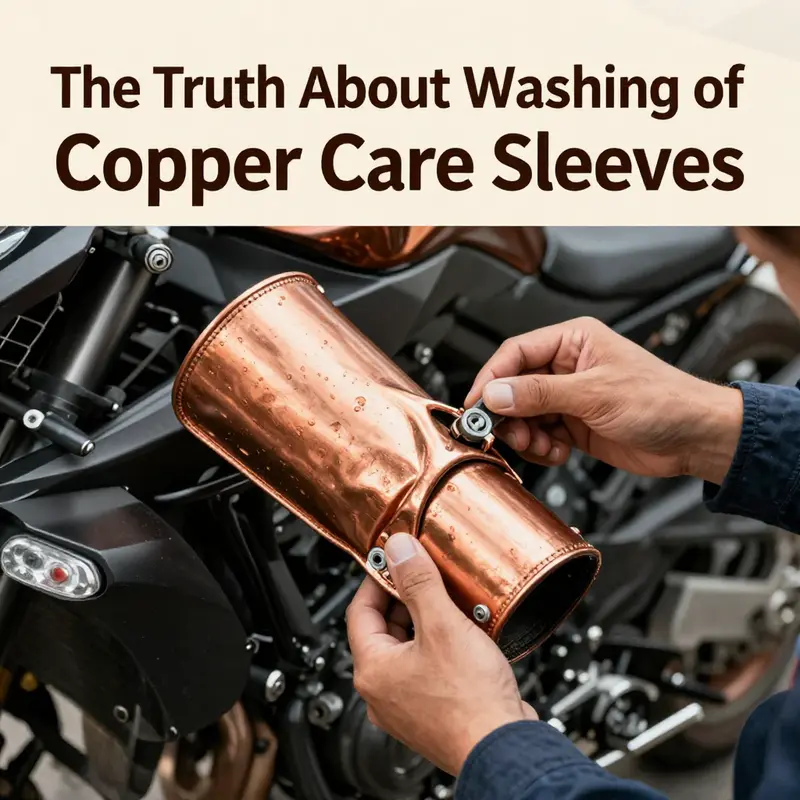
Copper care sleeves enter the scene as small, boundary-drawing tools in the ecosystem of metal preservation. They promise protection, simplicity, and ease of handling for copper surfaces that are prized for their warm luster and malleable beauty. Yet, a simple question—can you wash these sleeves?—unfolds into a richer conversation about how best to maintain copper without compromising the very shield that sleeves provide against tarnish and corrosion. The tension between hygiene and integrity sits at the heart of this discussion. On one hand, cleanliness is essential; on the other, the protective layer that makes a sleeve effective can be sensitive to moisture and abrasion. The answer, therefore, cannot be a single, universal decree. It must be a nuanced approach that respects the design intent of the sleeve, the specific materials involved, and the context in which the sleeve is used. In practice, this means acknowledging both the cautionary notes that have historically guided use and the more current, evidence-based guidance that invites careful, gentle cleaning when needed. This chapter weaves those strands into a coherent understanding of how to handle copper care sleeves in a way that preserves both hygiene and protection for copper items in everyday contexts and more deliberate maintenance scenarios.
To begin, it is helpful to recall the origin of the caution around washing copper care sleeves. Earlier guidance emphasized their one-time-use character and warned that washing could disturb protective coatings or even degrade the metal surface. This line of thinking aligns with a general principle in materials stewardship: when a protective layer is present, wet environments and abrasive actions have the potential to erode the barrier that keeps copper from tarnishing or oxidizing under less controlled conditions. In other words, the sleeve is not merely a passive wrap; it is a shield whose effectiveness depends on the integrity of its coating and the skin of metal behind it. The idea of disposal after a single use is not merely about waste or convenience. It is about ensuring that the shield remains intact and that the user does not unknowingly compromise the surface it is meant to defend.
Yet, as practical experience with copper and protective sleeves accumulates, a more measured view has emerged. The central insight is not a wholesale reversal of the original caution, but a calibrated permission: washing is possible, provided it is done with care. This shift does not redefine the sleeve’s purpose; it simply expands the toolkit for users who must balance hygiene with preservation. When you approach a sleeve with this mindset, you adopt a rhythm that respects both cleanliness and coating integrity. The aim is not to treat the sleeve as a disposable item that can only endure a dry, dust-free existence, but as a protective accessory that benefits from occasional, thoughtful maintenance rather than aggressive, careless cleansing.
In practical terms, cleaning a copper care sleeve begins with choosing the gentlest method that can lift residues without inviting damage. The recommended method is straightforward: use mild soap and warm water, and apply the solution with a soft cloth or sponge. This is not a heavy-handed cleaning regime; it is a careful wipe that respects the delicate nature of the coating and the copper itself. The technique matters as much as the solution. A soft cloth, perhaps a microfiber cloth for stubborn spots, minimizes the risk of micro-scratches that could accumulate over time. The act of rubbing with a rough material—whether a stiff sponge or a scrub brush—has the potential to abrade the protective layer or the finish. In other words, the medium used for cleaning should be as gentle as the intent of the sleeve’s protective function.
When residues linger, the approach should remain gentle. A mild dish soap diluted in warm water can address more stubborn spots, but the process should be executed with a light touch. Wipe rather than scrub, and ensure the sleeve is rinsed thoroughly to remove any soap traces that could interact with the metal or coating. After rinsing, drying is not optional; it is essential. A quick, thorough dry with a clean, soft cloth helps prevent water spots and reduces the chance of moisture lingering long enough to encourage oxidation on any exposed copper surface. This sequence—wash gently, rinse completely, and dry promptly—embeds a discipline of maintenance that protects both hygiene and longevity.
A crucial caveat accompanies these steps: coatings and coatings-plus-plastic layers. If a sleeve features a protective coating—such as a clear polymer or a silicone layer—the interaction with water becomes more nuanced. Prolonged submersion or extended exposure to moisture can erode or loosen the coating, potentially undermining the sleeve’s primary line of defense. Submersion, therefore, should be avoided for sleeves with such layers. A quick wipe, followed by careful drying, is the preferred path when a coating exists. The same caveat applies to any scenario in which the sleeve’s coating might be damaged by the chemical composition of cleaners. Harsh chemicals, abrasive cleaners, or strong acids should be avoided because they can attack both the metal and the coating, gradually thinning the barrier that guards against tarnish and oxidation. The message here is not a blanket ban on cleaning but a cautious, informed approach that respects the sleeve’s material reality.
Within this framework, the role of manufacturer instructions remains important. Specialized or high-value copper care sleeves may come from manufacturers who offer specific care recommendations tailored to the exact coating system and substrate in use. When such guidance exists, it should take precedence. The broader rule—gentle cleaning, careful drying, avoidance of aggressive agents—serves as a baseline. But if the sleeve carries a particular coating, a unique microstructure, or a rare alloy composition, the manufacturer’s directions can provide essential refinements or limits that preserve performance for the longest possible time. The practical upshot is that care is not one-size-fits-all. It is a dialogue with the item itself, guided by tested procedures and a sensitivity to the subtle ways coatings respond to moisture, heat, and abrasion.
In the broader context of copper care, the question of washing also intersects with hygiene and reuse. Hygiene is not simply about eliminating visible grime; it is about maintaining the integrity of the sleeve so that it can continue to perform its protective function without introducing new risks to the copper surface. A clean sleeve reduces the risk of introducing contaminants that could be transferred to copper items during handling or storage. At the same time, the decision to re-use a sleeve versus replacing it after a number of uses or after a wear check is not only economic but protective. A sleeve that shows signs of wear—scratches, thinning of coating, or pale discoloration—may invite micro-damage to copper beneath it or create pockets where moisture or contaminants can accumulate. In such cases, replacement beyond mere cleaning is a prudent choice. This is not a catch-all rule, but a practical guideline that aligns maintenance with ongoing protection.
The moral of these considerations is a simple, actionable balance. When you need to address cleanliness, proceed with a mild, controlled approach. If a sleeve shows any signs of degradation, err on the side of caution and replace it. The best practice, then, is to view cleaning as a periodic, careful maintenance act rather than a daily ritual, and to couple it with regular inspections for wear or coating damage. The result is not only a cleaner sleeve but a more reliable shield for copper items that deserve durable care. In other words, cleaning is a tool that, when used judiciously, extends the sleeve’s usefulness without compromising its essential job: preventing tarnish and oxidation on copper surfaces.
Another layer to consider is the environmental and practical context in which these sleeves are used. For hobbyists and professionals who handle copper objects frequently—jewelry, decorative pieces, or laboratory artifacts—the value of maintaining a robust barrier against moisture, oils, and environmental contaminants rises. In such contexts, the decision to wash becomes part of a broader routine that includes proper handling, storage, and periodic inspection of sleeve condition. A routine might include wiping down sleeves after use, air-drying in a well-ventilated area, and storing them in a dry, cool environment to minimize any chance of moisture-induced issues. While these practices do not guarantee perpetual perfection, they do contribute to a longer effective life for the sleeve and, by extension, better protection for the copper items they guard.
What emerges, then, is a philosophy of care that accommodates both cautious restraint and practical cleaning. The old caution that warned against washing remains valid in its core concern: moisture can compromise coating and, in turn, the protective performance. The newer guidance, which advocates gentle cleaning, rests on the understanding that not all sleeves are created equal, and that when properly executed, cleaning can remove residues that would otherwise invite tarnish, without delivering lasting damage. The two positions are not contradictory; they are complementary stances within a disciplined maintenance routine. The key is to pay attention to the sleeve’s specific materials, to follow any manufacturer guidance, and to apply cleaning in a way that respects the delicate balance between cleanliness and protection.
To translate these ideas into a practical mindset, consider the lifecycle of a copper care sleeve in your work or hobby. After each use, inspect the sleeve for any visible wear, coating thinning, or discoloration that might signal a vulnerability. If the sleeve passes a visual check and no protective layer shows signs of damage, a gentle cleaning can be appropriate when the sleeve is needed again. If you detect wear or if the coating appears compromised, it is wise to replace the sleeve rather than risk exposing copper to tarnish or oxidation. This approach aligns with a precautionary ethic: you preserve the integrity of copper surfaces by ensuring that the protective barrier remains intact and reliable.
In sum, washing copper care sleeves is not an outright prohibition, but a careful, condition-based option. It requires selecting mild cleaning agents, using non-abrasive application methods, avoiding prolonged soaking, and prioritizing prompt drying. It invites a mindful appraisal of coating integrity and sleeve wear, with replacement as a normal, protective step when needed. The goal is not to sanitize at the expense of protection but to maintain both hygiene and barrier performance in a way that respects the sleeve’s design and the copper item’s needs. This nuanced stance reflects a broader shift in material care—from rigid absolutes to informed, context-sensitive practices that recognize the value of gentle maintenance as a means to sustain protective function over time.
For readers seeking a broader framework on copper care that echoes these principles, a corresponding reference on cleaning copper items offers detailed, practical guidance aligned with the gentle approach described here. It discusses why mild solutions and careful handling matter when maintaining copper’s natural beauty without eroding its surface or protective coatings: https://www.thesprucecrafts.com/clean-copper-jewelry-4125738
Copper Threads and Gentle Care: Material Truths and Washability of Copper-Infused Sleeves
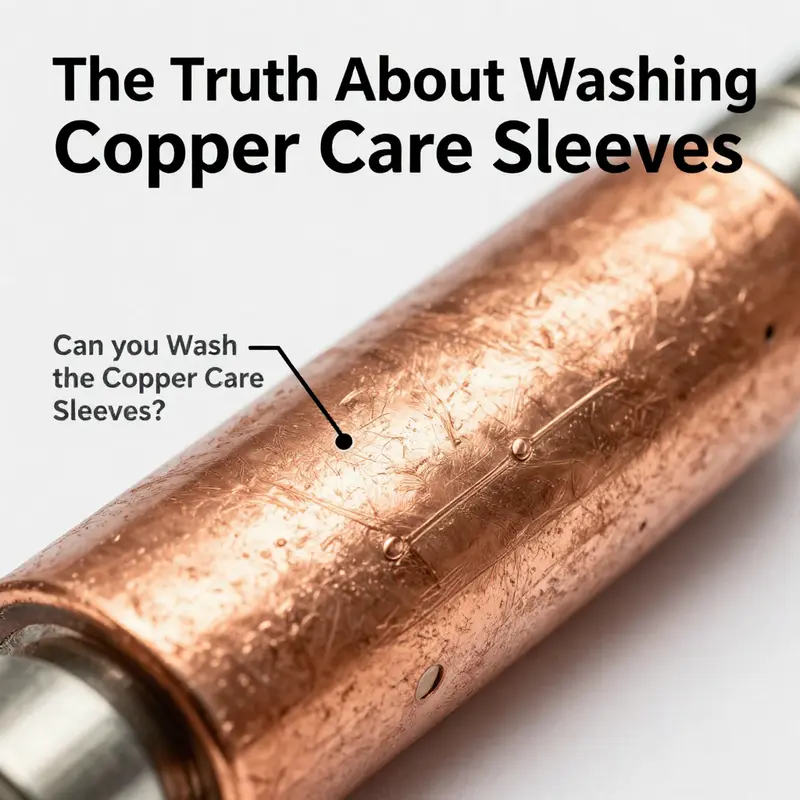
Copper care sleeves sit at an intersection of textile science and daily practicality. They combine antimicrobial promises with the comfort of a sleeve designed to move with the body. The core idea is simple enough: embed or weave copper-containing fibers into a fabric that forms a barrier against tarnish and oxidation on copper items, while also offering someCompression and protection to the joints or surfaces they cover. But the reality behind the material is more nuanced. These sleeves are not solid copper or rigid copper components. They are composite textiles. An outer layer often contains copper-infused fibers. The inner lining tends to be a soft, breathable synthetic such as polyester or nylon. The result is a fabric that can carry the copper’s familiar properties without the stiffness or weight of a solid metal piece. The copper fibers may be mixed with other fibers to balance stretch, moisture management, and comfort. This configuration aims to keep the wearer comfortable while delivering the hoped-for benefits of copper’s natural attributes. Yet the very mix of materials introduces questions about washability, durability, and long-term performance. What works in theory must be tested in practice, especially when a product is marketed as something intended for one-time use or strict hygiene standards. The material story matters because it anchors how we should care for the sleeve without compromising its core functions. If the outer copper fibers are damaged or the protective coating on those fibers degrades, the sleeve’s ability to resist tarnish on copper surfaces might diminish. If the fabric loses its elasticity or the knit becomes misshapen, the sleeve’s fit and support characteristics can also suffer. In short, the composition determines both how the sleeve should be treated and how robust its performance will be after repeated wear and cleaning. When you encounter a copper-infused sleeve, you are looking at a textile designed to ride the line between function and care. The wearer’s comfort and the surface-protection role of the sleeve rely on a careful balance of materials. The copper fibers deliver potential antimicrobial effects and help create a barrier that slows tarnishing, while the synthetic inner layers provide softness, stretch, moisture wicking, and durability. This blend is central to understanding why washing requires a gentle touch, and why some guidance emphasizes disposal after use. If the sleeve is treated too harshly, whether by machine washing, aggressive agitation, or high heat, its microstructure may change. Copper fibers can become misaligned, loose, or rubbed thin. The coating integrity can be compromised, which in turn reduces the protective benefits those fibers are meant to offer. The textile’s resilience hinges on staying within the tolerances of its fiber blend. That makes the question of washability not just a matter of cleanliness, but a question of preserving the sleeve’s functional architecture. A practical takeaway follows from this material logic: the sleeve’s design anticipates care, but with constraints. Those constraints are rooted in the fact that it is a composite fabric rather than a solid metal piece. If the outer copper-containing layer remains intact and the inner knit remains pliable, the sleeve can continue to serve its protective and supportive role. If those elements degrade, the sleeve’s performance declines, and replacement becomes a more sensible option. This is why many guidelines stress gentle handling and controlled cleaning rather than robust aggressive washing. The material story also sheds light on why manufacturers and hygiene-focused guidance sometimes diverge. Some sources describe copper-infused sleeves as suitable for single-use or limited reuse, particularly in contexts where cleanliness and hygiene are paramount. In those contexts, the argument for disposal after initial use rests on preventing potential skin irritation, surface contamination, or microbial transfer. The one-time-use view is not purely about material fragility; it also reflects how hygiene practices intersect with wearables. However, when a sleeve is intended for ongoing use, a careful cleaning approach emerges as a viable option that can extend its life without eroding its core capabilities. It is here that the material science behind copper fibers meets the everyday realities of home care. The outer copper fibers, while durable enough for regular wear, tend to be more delicate than solid textiles in the sense that they are thinner and more prone to snagging or fraying if handled roughly. The inner synthetic layers are designed for resilience but also have limits. Repeated harsh washing can distort the knit structure, reduce elasticity, and alter fit. This is why the care guidance frequently emphasizes hand washing and air drying as safer routes. The broader implication is clear: care protocols must respect the composite nature of the fabric. A one-size-fits-all approach to washing is unlikely to preserve both the feel of the sleeve and its functional copper properties. In practice, the best approach is to treat the sleeve as a textile with specialized fibers rather than as a conventional activewear item. That mindset helps avoid the temptation of machine washing, which can be convenient but risky for this kind of fabric. When a sleeve is engineered to combine copper with other fibers, the care label or the manufacturer’s instructions will typically highlight gentle handling, cool water, and avoidance of aggressive drying methods. These instructions are not merely bureaucratic; they reflect the delicate balance that preserves the sleeve’s structure and surface properties. The practical upshot is straightforward in concept: if you want to keep the sleeve performing as intended, err on the side of gentleness. The question of whether you can wash such sleeves is not a binary yes or no, but a conditional yes. The conditionality lies in how you wash, what you use, and how you treat the garment after washing. The material composition informs those conditions. The copper fibers’ presence is not a license to ignore care; rather, it is a cue to adopt a cleaning routine that supports the fabric’s unique blend. In this sense, washability becomes a careful calibration rather than a routine that mirrors ordinary laundry. A gentle hand wash in cool water combined with a mild detergent minimizes the risk of mechanical stress that could loosen or damage the copper fibers. It also reduces the chance that copper particles become dislodged or redistributed to areas where they are less needed. The use of mild detergents helps preserve the fiber surface without aggressive chemical action that could degrade coatings or alter fiber texture. Some practitioners consider the use of oxygen-based cleaners as a means to lift sweat and oils without heavy abrasion. These agents, when used properly, can offer a safer option than harsher detergents or chlorine-based bleaches, which may interact unfavorably with copper fibers. The overall philosophy here is informed by a precautionary principle: treat the sleeve with care, avoid rough cycles, and let it air dry. The drying step is as important as washing. Heat can be the hidden enemy of delicate fibers. A normal dryer or direct heat exposure may shrink the fabric, warp the knit, or degrade elasticity, ultimately affecting fit and support. The safest path is to lay the sleeve flat on a clean towel or hang it to air dry away from direct sunlight or strong heat sources. In this quiet act of drying, the fibers have a chance to settle, any residual moisture can evaporate evenly, and the knit can regain its shape with less stress. The drying process, while seemingly mundane, plays a crucial role in maintaining both comfort and performance. When the sleeve is fully dry, a light inspection can help determine whether its surface shows signs of wear that would justify discontinuing use or whether it simply needs normal use cycling. The inspection should look for softened cuffs, thinning areas, loose threads, or any uneven color that might indicate fiber breakage or coating compromise. If any of these symptoms appear, replacing the sleeve becomes a prudent choice. Another layer to consider is hygiene beyond fabric care. Sweat, oils, and environmental exposure can accumulate on the sleeve surfaces. While copper fibers contribute antimicrobial properties, relying on those properties alone without cleaning can lead to a buildup that diminishes comfort or raises concerns about skin sensitivity. Regular but gentle cleaning helps maintain both hygiene and performance. Even with careful washing, there are boundaries. The outer copper fibers may not recover their original texture and sheen after repeated cleaning cycles, particularly if they have endured abrasion or friction against rough surfaces. The inner synthetic layers may lose their breathability or stretch over time, which can compromise comfort and support. And while some advocates emphasize the antimicrobial benefits or tarnish-preventive aspects, those properties are not guaranteed to persist indefinitely if the fabric is repeatedly abused. The practical stance for most users is to accept that copper-infused sleeves are not indestructible tools; they are carefully engineered textiles that require respectful handling. In that sense, the decision to wash becomes a decision about usage longevity and personal hygiene standards. If you plan to use a sleeve for extended periods, a conservative cleaning routine—gentle hand wash, mild detergent, cool water, careful handling, and air drying—offers the best chance to preserve both comfort and function. If the sleeve has been worn in medically sensitive settings or if it shows signs of skin irritation, discontinuing use and seeking alternatives may be wise. The central spirit of the guidance lies not in a universal rule but in a balanced practice: recognizing the sleeve’s composite nature, honoring its copper-infused function, and applying care methods that respect both. In the end, the question “Can you wash the copper care sleeves?” does not resolve to a simple yes or no. It resolves to a careful yes, practiced with a clear understanding of the material composition and its implications for wear, hygiene, and performance. This nuanced view helps readers navigate their own needs, whether they are athletes, hobbyists protecting copper surfaces in the home, or anyone who relies on copper-infused textiles for comfort and believed antimicrobial benefits. For some, the safest route remains disposal after initial use and replacement when needed, aligning with strict hygiene or risk considerations. For others, a gentle hand-wash approach offers a viable way to extend the life of a sleeve without sacrificing its core advantages. Either path begins with appreciating the material story—the copper fibers woven into a breathable, comfortable fabric—and ends with mindful care that respects the delicate balance of protection, comfort, and longevity. External factors, such as how often the sleeve is worn, the level of moisture and oil exposure, and the user’s skin sensitivity, will further shape the practical decision. In this light, care is not simply about cleanliness. It is a strategic step in maintaining the sleeve’s integrity and its function as a protective and supportive textile designed to complement daily life while engaging with copper’s unique properties. The dialogue between material science and everyday care is ongoing. As new fibers and coatings emerge, care guidelines may evolve, offering even more precise methods to wash, dry, and maintain copper-infused sleeves without compromising their performance. For now, the recommended approach—gentle hand washing, mild detergents, cool water, careful handling, and air drying—strikes a practical balance. It acknowledges the sleeve’s composite nature, respects its protective goals, and provides a sustainable path for those who wish to reuse rather than replace after each wear. Readers who value hygiene and longevity can apply this approach with confidence, keeping the copper fibers present and functional while avoiding the rough treatment that can undermine the sleeve’s intended benefits. If you seek further guidance, simple references and consumer insights from reputable online retail guidance can offer additional real-world nuances, especially on fabrics and copper-infused textiles. External resource: Amazon.
Can You Wash Copper Care Sleeves Without Losing Their Shield? A Balanced Guide to Maintenance and Hygiene

Copper care sleeves are promoted as a practical measure to slow tarnish and oxidation on copper items, offering a protective layer that keeps metals looking bright and behaving predictably. The question of washing them is more nuanced than a simple yes or no. On one hand, proper maintenance through cleaning can preserve hygiene and remove oils, residues, or contaminants that might accumulate during use. On the other hand, these sleeves are constructed with materials and coatings that respond to moisture, agitation, and detergents in ways that can degrade their protective performance. The overarching goal is to maintain both cleanliness and the sleeve s ability to shield copper from tarnish, oxidation, and micro-scratches. In this light, the guidance emerges not as a rigid rule but as a best practice framework. It helps balance hygiene with material integrity, extending the sleeve s useful life without compromising its protective function. The result is a more thoughtful approach to care that honors the sleeve s original purpose while acknowledging real-world use where occasional refreshing is both sensible and feasible.
From the outset, it is helpful to understand what the sleeve is made of and how that composition interacts with cleaning agents and water. Copper care sleeves are typically woven or knit from a fabric blend that can include copper-infused fibers and a surface coating designed to deliver a barrier against moisture and air. The coating is intended to slow down the formation of tarnish on the copper surface and to minimize direct contact with contaminants. When you introduce water and detergent to this system, two dynamics come into play. First, moisture can facilitate the migration of residues toward the coating’s edge or into any porous areas of the fabric. Second, detergents and the mechanical action of washing can wear down fibers and edge finishes, potentially reducing the sleeve s snugness and protective reach. The tension between cleanliness and preservation is the core consideration.
The initial research glimpses a straightforward stance: some sleeves are designed for single use and replacement, a stance grounded in purity and simplicity. Yet the more detailed results present a more nuanced picture. They acknowledge that washing is possible while outlining clear precautions to maintain integrity. The key is to respect the sleeve s material limits and to follow a method that minimizes agitation, chemical exposure, and heat. Those who carry this practice into daily life often find a simple ritual effective: gentle cleaning that treats the sleeve with care, followed by thorough drying to prevent residual moisture. It is not a paradox but a calibrated approach: wash when needed, but with techniques that protect the coating and the fibers from undue stress.
A practical, beginner-friendly path emerges when we translate these principles into steps. The preferred method begins with hand washing, which offers finesse and control that a washing machine cannot provide. In a small basin or bowl, mix a mild detergent or a gentle cleaning solution. An option recommended by practitioners is a mild solution that resembles a soft laundry soak rather than a heavy laundry cycle. The objective is to lift oils, skin oils, and environmental residues without forcing the fabric to rub hard against itself or against any stiffened coating. Submerge the sleeve gently and circulate the liquid by hand rather than by machine action. The motion should be smooth, with deliberate, careful turns that wash without aggressive scrubbing. The emphasis is on conservatism: gentleness preserves fibers and coatings while still releasing accumulated grime.
Detergent choice matters. A mild detergent is almost always safer than harsh solvents. In some circles, a light solution such as a small amount of a mild household detergent works well. A specialized, mild cleaning agent can be used if recommended by the sleeve s manufacturer or official care instructions. For those who prefer a gentle boost, a diluted approach with a small amount of an oxygen-based cleaner can be effective, but this should be used sparingly and rinsed away thoroughly. The objective of rinsing is complete removal of detergent residues, which can otherwise interact with skin or cause an unsuitable film to cling to the fibers. After the washing step, the sleeve should be rinsed with clean water until there are no soapy streaks left. The rinsing step is not merely a ceremonial gesture; it ensures that no cleaning residues remain that could interfere with the sleeve s intended protective action or with subsequent contact between the sleeve and copper surfaces.
Machine washing is generally discouraged for sleeves of this type. The mechanical agitation inside a washing machine can be too aggressive for the delicate fibers and any coating layers. The detergent exposure and drum movement can stress seams and edges, leading to accelerated wear, loss of elasticity, and diminished protective performance. If a machine is used accidentally, it should be a light, delicate cycle with cold water and no high-speed spin, but even then, the potential for damage remains higher than with hand washing. The guiding principle is that the sleeve deserves human-guided care, at least for maintenance cleaning, if longevity and reliability are the goals. This caution is not about antagonism toward modern appliances but about preserving the sleeve s protective features and ensuring it continues to perform its core function when it is placed over copper items.
After washing, thorough rinsing is essential to neutralize the detergent and to prevent any residue from affecting the sleeve s texture or color. The rinsing stage should be repeated until the runoff water runs clear and there are no visible soap films left on the fabric. Following rinsing, the sleeve must be dried properly. Air drying is strongly recommended, ideally away from direct heat sources or intense sunlight. High heat can degrade fibers, alter the coating, or cause shrinkage that changes how the sleeve sits over copper items. A cool, well-ventilated space is best. Patience here pays off: a fully dry sleeve retains its shape and its protective characteristics better than a damp one that carries moisture into storage or into your next use.
As you contemplate whether to wash or replace, consider the sleeve s overall condition. A clean sleeve can enhance hygiene and help reduce cross-contamination, especially in settings where multiple copper items are handled. However, if you notice fraying seams, a thinning coating, or a loss of elasticity, replacement may be the wiser option. The protective efficacy often correlates with the sleeve s integrity. Compromised edges or a degraded coating can create opportunities for moisture to reach copper surfaces more directly, potentially accelerating tarnish rather than preventing it. In such cases, replacing the sleeve preserves both the hygiene standard and the protective shield, ensuring that copper items remain shielded from oxidation and unsightly discoloration.
The decision to wash and reuse should also be mindful of hygiene expectations. In some environments, the sleeve s role is not only to slow tarnish but to act as a barrier against skin contact or environmental contaminants. In these scenarios, washing becomes a reasonable maintenance practice, provided it is performed with care and followed by complete drying before reuse. The frequency of washing will depend on use patterns and exposure. If a sleeve accumulates oil, sweat, or outdoor residues, a gentle wash between uses may be warranted. If use is light or infrequent, a wipe-down with a damp cloth and a mild soap can suffice, followed by thorough drying. The objective is to restore cleanliness without inviting material fatigue or compromising the coating s performance.
In thinking through how to integrate washing into routine care, it helps to visualize the sleeve as part of a broader care ecosystem for copper items. The sleeve acts as a preliminary line of defense, reducing direct exposure of copper to air and contaminants. Maintaining that line of defense involves routine but gentle checks for wear, regular cleaning when necessary, and mindful storage that keeps moisture away from fabric or coating layers. When stored, the sleeve should be completely dry and kept in a cool, dry place where it will not be crushed or stretched. Avoid folding in ways that crease seams or damage the coating. By treating the sleeve as a durable, reusable component rather than a disposable accessory, you emphasize a long-term approach to copper care that aligns with both practical hygiene and material stewardship.
For readers who want a broader context on sleeves and their protective roles, it can be helpful to explore related discussions about sleeves in other technical domains. A concise explainer on engine sleeves, for example, highlights how a protective enclosure can influence performance and durability in systems that rely on precise fits and material interfaces. While the settings are different, the underlying principle remains consistent: protective sleeves must be treated with care to preserve their function. See the explainer on what are engine sleeves for a succinct comparative perspective. what-are-engine-sleeves?
The care guidance above sits within a framework of official instructions and trusted resources. When in doubt, consult the sleeve s manufacturer guidance or a trusted health and wellness resource that focuses on copper-infused textiles. Adhering to official instructions helps ensure that your hygiene and maintenance efforts do not inadvertently compromise the sleeve s protective features. The balance between hygiene and protection is a dynamic one, influenced by the sleeve s materials, coatings, and the specific contexts in which it is used. A careful reader will recognize that care practices require both diligence and restraint: diligence in cleaning to maintain cleanliness and restraint to avoid harsh chemicals or aggressive mechanical action that could erode the material and diminish its protective function.
In practice, then, washing copper care sleeves becomes a defined step in a broader care routine rather than a routine afterthought. It is a step that demands respect for the material, an appreciation for how coatings and fibers respond to liquids, and a commitment to drying and storage that preserves a sleeve s ability to guard copper items from tarnish and oxidation. The result is not a static rule but a living protocol that aligns with how materials age and how users interact with them in daily life. By following a careful hand washing ritual, avoiding machine agitation, rinsing thoroughly, and drying away from heat, you can keep a sleeve clean and ready for reuse without eroding its protective promise. This approach supports both practical hygiene and the long-term performance of copper items that rely on such sleeves to stay vibrant and well protected.
For those who wish to explore further, a compact resource on how to approach washing sleeves in a consumer context can provide additional clarity. The recommended method emphasizes gentle handling, careful rinsing, and proper drying, reinforcing the idea that maintenance care can be both effective and gentle. While this chapter references specific examples and general guidelines, the core takeaway remains consistent: washing is permissible with the right technique, and safeguarding the sleeve s integrity is essential for keeping copper items shielded from tarnish and oxidation over time. As you move forward, you can apply these practices to your own routine, incorporating a mindful washing step when needed and choosing to replace the sleeve when its protective edge shows signs of wear. The ongoing aim is to preserve the shield that the sleeve provides while maintaining a clean, hygienic environment for your copper items.
In summary, the path to washing copper care sleeves is paved with careful, low-stress cleaning that respects the fabric and coating, followed by thorough drying and mindful storage. The approach balances cleanliness with protection and acknowledges that replacement may be warranted when wear becomes evident. This balanced view, rooted in both practical experience and detailed guidance, helps ensure that copper items remain tarnish-resistant and visually appealing, while the sleeve continues to serve as a reliable shield between metal and everyday environmental challenges.
To further contextualize the concept of sleeves and maintenance beyond copper care, you may want to review related discussions about protective sleeves in engineering and mechanical contexts. For a deeper dive into the general idea of sleeves and their roles, see the explainer on engine sleeves. what-are-engine-sleeves?. As you continue to explore care practices, keep in mind that the specific materials, coatings, and use scenarios will shape the most appropriate washing approach and the decision to replace when needed. The overarching theme remains consistent: treat the sleeve with care, preserve its protective shield, and maintain a clean environment for copper items to stay bright and free from tarnish. For those seeking a practical consumer reference that illustrates washing guidance in a related context, an external resource offers a concise example of how washing guidance is approached in practice. How-wash-Tommie-Copper-knee-sleeve.
Final thoughts
In summary, while the temptation may exist to wash copper care sleeves for reuse, doing so is detrimental to their protective qualities. Understanding the material composition and adhering to best practices will ensure that motorcycle and auto owners can maintain the beauty and integrity of their copper items. Investing in new copper care sleeves after each use not only preserves the cleanliness of the components but also significantly enhances their protective capabilities, safeguarding against tarnishing and oxidation. By following these guidelines, you will ensure that your investment in both your vehicles and their components remains safe, sharp, and polished for years to come.