
Introduction
Are you considering selling your vehicle? Whether it’s a motorcycle or a car, selling it for parts can be a savvy choice with numerous benefits. For starters, dismantling your vehicle and selling its individual parts can yield a surprising profit-often much higher than selling the car as a whole. Many motorcycle and auto owners are unaware that parts like engines, transmissions, and even smaller components can demand a hefty price on the market. Not only does this approach put some extra cash in your pocket, but it also contributes positively to the environment by diverting usable parts from landfills, reducing waste, and promoting recycling efforts in the auto industry. Since eco-conscious practices are increasingly important, selling for parts can be a responsible decision, allowing you to help the planet while maximizing your financial return. If you’re curious about how this process works and how you can start, learn more about vehicle maintenance to better understand the value of your parts.
Reasons to Sell a Car for Parts
Selling a car for parts can be a practical decision for various reasons, particularly for motorcycle owners, auto owners, auto parts distributors, and garages. Here are some key reasons to consider:
-
Financial Gains: Parts from older or damaged vehicles can still hold significant value. Selling the car for parts can lead to better returns than trying to sell it whole, especially if the vehicle’s repair costs exceed its market value. Automotive parts can be resold to repair shops or enthusiasts looking for replacements.
-
Cost of Repairs: If a vehicle is in cheap condition, the cost of repairs might outweigh its value. Parting out the car allows owners to recoup some of their investment without the burden of costly repairs.
-
Decluttering: Many owners find themselves with non-functional vehicles taking up valuable garage space. Selling a car for parts is an effective way to declutter and make room for operational vehicles or other uses.
-
Environmental Sustainability: Disposing of a vehicle responsibly helps reduce waste. Many parts can be recycled or reused, helping the environment by minimizing the need for new production and reducing landfill contributions. By selling for parts, vehicle owners also contribute to sustainable practices in the automotive industry.
-
Demand for Rare Parts: Certain vehicle models may be rare, making their parts highly sought after. Selling a vehicle for parts can tap into this demand, providing an opportunity for more substantial financial returns.
For more detailed information on vehicle maintenance, consider checking out essential car maintenance skills that can enhance the lifespan and functionality of your vehicle.
Average Parts Pricing
Here’s a useful table that compares the average pricing of various car parts sold separately. This reference can help you when considering which parts to sell from your car.
| Car Part | Average Price (New) | Condition |
|---|---|---|
| Brake Pads | $150 | New |
| Alternator | $300 | New |
| Starter Motor | $200 | New |
| Radiator | $250 | New |
| Fuel Pump | $120 | New |
| Water Pump | $150 | New |
| Battery | $100 | New |
| Tires | $80 each | New |
Additional Information
Understanding the average price of car parts can significantly aid in determining how to sell your car for parts effectively. Remember to check for the condition of each part, as it greatly affects its resale value. For more information on proper maintenance of these parts, you can learn more about car maintenance skills or check out brake maintenance tips.
Assessing Car Parts Values
When it comes to selling car parts, knowing their value is crucial to ensuring you get a fair price. Here are some effective methods to assess car parts values:
1. Condition Matters
The condition of car parts plays a significant role in determining their resale value. Inspect each part carefully for signs of wear and tear, rust, or damage. Higher-quality and well-maintained parts naturally command a higher price. Make sure to clean and present them in the best possible light.
2. Research Market Comparison
Utilizing online resources for market comparison can provide valuable insights into current pricing trends. Websites like Kelley Blue Book help you gauge how similar parts are priced. Look for specific listings of parts from similar models to understand what others are asking for.
3. Check Demand
The demand for specific car parts can fluctuate based on various factors such as seasonal trends, automotive trends, or recent model releases. If a certain part is in high demand, you may be able to price it higher. Research platforms like eBay and specialized forums to see which parts are commanding attention.
4. Use Online Valuation Tools
There are numerous online valuation tools that can help guide your pricing strategy. For instance, CarMax offers insights into how vehicles and parts are evaluated for resale. Consider these tools as starting points in your evaluation process.
5. Evaluate Weight
Interestingly, the weight of car parts can also influence their value. Heavier parts might be more valuable for their material content, while lighter parts might not fare as well. This can be particularly relevant for scrap pricing.
In summary, combining these strategies will present a more comprehensive view of the value of your car parts. Consulting databases and marketplaces will highlight what buyers are ready to spend. Ultimately, staying informed and doing due diligence will enhance your selling process.
Factors Affecting Car Parts Value
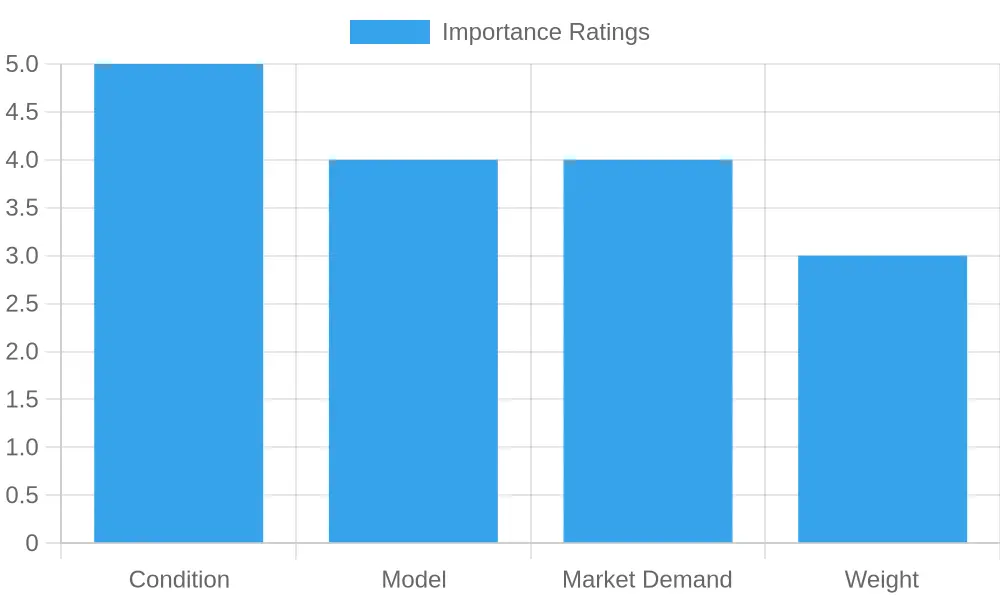
Here’s a quick chart demonstrating the importance of various factors:
| Factor | Importance (1-5) |
|---|---|
| Condition | 5 |
| Model | 4 |
| Market Demand | 4 |
| Weight | 3 |
Understanding the interplay between these elements can empower you to set competitive prices.
By assessing the value of your car parts with these tips, you’re more likely to maximize your returns while ensuring a smooth selling experience.
How to Remove Parts Safely: A Technical Guide
Removing parts from a car for resale requires careful technique and the right tools to avoid injury and damage to the vehicle or the parts. Whether you are an auto owner looking to sell parts or a professional in an auto repair shop, following safety protocols and technical guidelines is critical.
Essential Tools for Safe Part Removal
- Socket Set and Wrenches: Use these for loosening nuts and bolts; ensure they fit correctly to avoid rounding off the fasteners.
- Screwdrivers: Both flathead and Phillips types, suitable for screws and clip removal.
- Pliers: Needle-nose and locking pliers help grip and hold small parts securely.
- Plastic Pry Tools: Prevent damage to delicate trim and plastic components.
- Torque Wrench: Useful to avoid over-tightening or stripping bolts during disassembly and reassembly.
- Jack and Jack Stands: Crucial for lifting the vehicle to access parts underneath safely.
Steps and Techniques for Safe Removal
- Prepare the Workspace: Ensure the vehicle is parked on a flat surface, engage the parking brake, and disconnect the battery to avoid electrical hazards.
- Consult the Vehicle Manual: Familiarize yourself with the layout and specific removal instructions, including any safety warnings.
- Label and Organize: As you remove parts, label each component and store bolts and screws securely to facilitate reassembly or resale.
- Use Correct Tools: Apply the appropriate tool for each part. Avoid makeshift tools that could slip and cause injury.
- Apply Controlled Force: Loosen fasteners gently; if a bolt is stuck, use penetrating oil and gentle tapping rather than excessive force.
- Support Heavy Parts: Components like engines, transmissions, and doors must be supported during removal to prevent sudden drops causing injury or damage.
- Wear Safety Gear: Gloves, safety glasses, and closed-toe shoes protect you from sharp edges, fluid spills, and debris.
Additional Safety Tips
- Avoid working under a car supported solely by a jack; always use jack stands.
- Keep a fire extinguisher nearby in case of fuel or electrical fires.
- If uncertain about any step, consult a professional mechanic or seek detailed repair guides.
By following these guidelines, you ensure that parts are removed safely, preserving their condition and your well-being. For more foundational vehicle care skills, consider exploring essential car maintenance skills to enhance your overall mechanical confidence and safety knowledge.
This careful approach will not only safeguard your health but also uphold the value of the car parts, making your venture into selling parts more successful and professional.
“Selling car parts not only offers substantial cost savings for consumers compared to new parts, but it also plays a crucial role in environmental sustainability. By recycling auto parts, we reduce the demand for new manufacturing, conserve energy, and minimize landfill waste. It’s a win-win scenario for both the pocket and the planet.”
- Auto Parts Expert
This expert advice highlights the multifaceted benefits of selling car parts. Recycled parts are often more cost-effective, benefitting both the consumer and the environment through reduced manufacturing demand, energy savings, and decreased carbon footprints. For more information on auto parts sustainability, you can learn more about eco-friendly practices or explore the advantages of buying from local recyclers here.
In conclusion, selling your car for parts can be a wise and financially beneficial option, especially if your vehicle is no longer in working condition. Not only does this approach provide an opportunity to recover some value from a non-functioning car, but it also contributes to environmental sustainability by reducing waste. When you sell parts individually, you may earn more compared to selling the entire vehicle at a lower price. This method can simplify the disposal process by allowing professionals from local junkyards to handle logistics, saving time and effort.
Moreover, recycling components leads to reduced emissions and conservation of resources, highlighting the environmental advantages of opting for parts sale over standard disposal methods. If you’re considering this route, incorporating automotive products from Summit Fairings can enhance your experience, ensuring quality while you navigate the transition. Consider selling your car for parts not just as a financial benefit, but as a step towards a more sustainable future for our planet.
Market Trends for Used Auto Parts
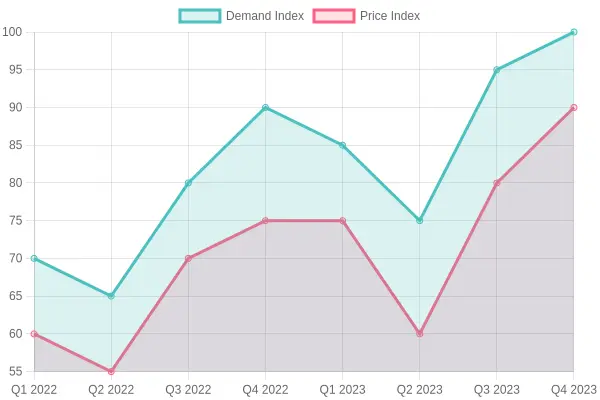
Understanding the demand and pricing fluctuations within the used auto parts market is essential for anyone considering selling parts. Recent data indicates notable trends in both demand and prices, particularly from 2022 to 2023.
Demand and Pricing Indices
The table below outlines the Demand and Price Index for used auto parts over the last eight quarters:
| Year | Quarter | Demand Index | Price Index |
|---|---|---|---|
| 2022 | Q1 | 70 | 60 |
| 2022 | Q2 | 65 | 55 |
| 2022 | Q3 | 80 | 70 |
| 2022 | Q4 | 90 | 75 |
| 2023 | Q1 | 85 | 75 |
| 2023 | Q2 | 75 | 60 |
| 2023 | Q3 | 95 | 80 |
| 2023 | Q4 | 100 | 90 |
Visual Representation
To give a clearer picture of these trends, here is a chart illustrating the Demand and Price Index over the specified periods:
Conclusion
Analyzing the peaks and troughs in this data, it is evident that the demand for used auto parts has been increasing steadily, particularly in the latter part of 2023. The positive price movement reflects this growing demand, indicating a profitable opportunity for those looking to sell auto parts. For more insights into automotive pricing trends, you can check the Kelley Blue Book or eBay Auto Parts.
FAQ about Selling Car Parts
1. Is it legal to sell used car parts?
Absolutely! You can legally sell used car parts as long as you own the vehicle from which the parts were taken, and you’ve ensured you’re compliant with local regulations. Always keep proper documentation of ownership to avoid legal hassles. Learn more about legal considerations when selling used car parts.
2. How do I determine the value of my car parts?
To price car parts effectively, consider researching similar items on various retail platforms, including eBay and specialized auto parts sites. It’s essential to factor in the condition of each part and local market demand. You can also consult pricing guides specific to auto parts to help you gauge the value accurately. Read about effective pricing strategies for car parts.
3. What’s the best way to sell auto parts?
You can sell auto parts through several avenues such as online marketplaces (eBay, Craigslist), social media, or local auto salvage yards. Creating a professional listing with clear photos and detailed descriptions can help attract potential buyers. It’s also a good idea to be transparent about the part’s condition and any flaws it may have.
4. Are there environmental considerations to keep in mind?
Yes, when selling car parts, you should be aware of the environmental responsibilities, especially concerning hazardous materials like oil or battery fluids. Ensure that these materials are disposed of correctly, adhering to environmental regulations. Check local governing laws regarding such matters.
5. Can I sell parts from a junk car?
Yes, you can sell parts from a junk car, and many auto parts have good resale value even if the entire car isn’t operational. Make sure to check the condition of each part and document that you own the junk car legally before selling. Consider researching the resale value of individual parts to maximize your earnings.
6. How should I package and ship sold parts?
When selling online, carefully package each part to prevent damage during shipping. Use bubble wrap or packing peanuts for protection, and ensure that the parcel is securely sealed. Additionally, consider using a reputable shipping service that provides tracking numbers for buyer reassurance.
For more tips and resources on car maintenance and management, check out our guide on essential car maintenance skills.
This FAQ section aims to address the common concerns when entering the market for selling car parts. With a little guidance and the right resources, you can effectively navigate this process and maximize your returns!
Word count: 473