
Modern automobiles are astonishingly complex, with an average of over 30,000 parts in each vehicle, which highlights the intricacy of automotive manufacturing today. As technology advances, the complexity of these vehicles only increases, making them not only smarter but also more challenging to repair and maintain. For motorcycle owners and auto enthusiasts alike, understanding these components is essential, especially when it comes to maintaining their vehicles or discerning the differences between traditional machinery and advanced automotive technology. This article aims to break down car parts systematically, providing insights into their functions and how they contribute to the vehicle’s performance, ensuring that both seasoned mechanics and curious auto enthusiasts can navigate the fascinating world of automotive components with confidence. To enhance your understanding, check out essential car maintenance skills and brake maintenance tips.
Major Components of a Car
Understanding the major components of a car is essential for both vehicle owners and auto repair professionals. Here’s a breakdown of the most critical parts:
1. Engine
The engine is the heart of the car, converting fuel into mechanical power. It comprises several components, including pistons, cylinders, and valves, all working together to produce the energy required for the vehicle to move. Learn more about engine components.
2. Transmission
The transmission transfers the power generated by the engine to the wheels. It allows the car to change speeds and enables smooth acceleration. Transmissions can be automatic or manual, each with its unique variations in operation.
3. Brakes
Brakes are crucial for safety, enabling the vehicle to slow down or stop when necessary. Most cars use a hydraulic brake system consisting of brake pads, rotors, and calipers. Regular maintenance is necessary to ensure optimal performance. Check out these brake maintenance tips.
4. Wheels
Wheels provide mobility and load support for the vehicle. They work in conjunction with tires, helping grip the road and ensuring a smooth ride. Choosing the right type of wheels and maintaining tire pressure are essential for safe driving. For tire care, see these essential tire maintenance skills.
5. Chassis
The chassis is the framework of the car that supports all its components, including the engine, transmission, and suspension system. It includes the car’s body and undercarriage, providing structural integrity and safety during operation.
Visualization of Car Components
Here’s a visual representation of the major components and their functions:

Conclusion
Every component plays a significant role in the car’s operation and performance. Regular maintenance and understanding how they work can enhance a vehicle’s lifespan and safety on the road.
Car Parts Diagram
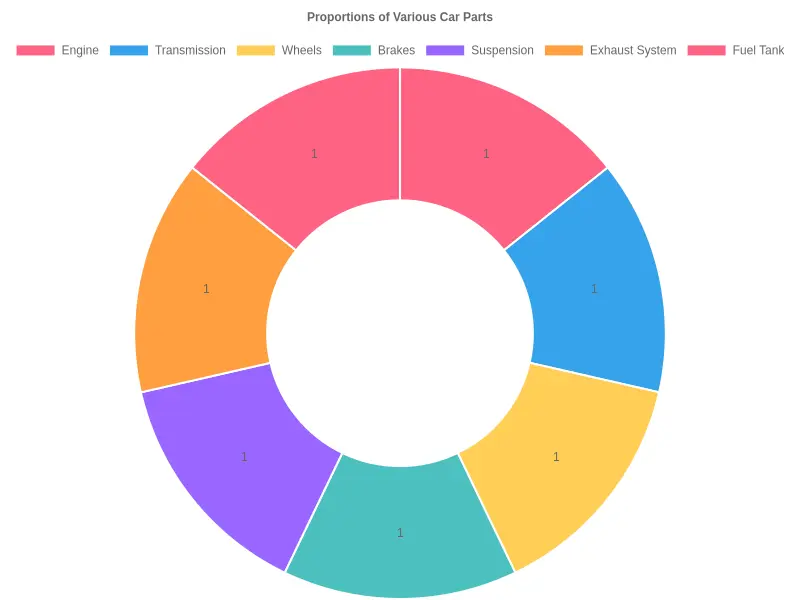
This diagram helps understand the various parts of a car.
For more information on how car parts operate, check out our article on essential engine upgrades for performance.
The Role of Engine Components in Propelling Your Vehicle
Understanding the critical engine components and how they interact is foundational for motorcycle and automobile owners who want to grasp how their vehicle operates and performs. Three key components-pistons, crankshafts, and camshafts-work in harmony to transform fuel into movement.
Pistons: The Power Movers
Pistons are cylindrical components that move up and down inside the engine’s cylinders. During the combustion process, the fuel-air mixture ignites, creating an explosion that forces the piston down. This motion generates the engine’s power. Pistons need to be strong and precisely engineered to withstand immense pressure and high temperatures inside the combustion chamber.
Crankshaft: The Rotary Converter
The crankshaft is connected to the pistons via connecting rods. As pistons move up and down, the crankshaft converts this linear motion into rotational motion. This rotary movement is vital because it ultimately turns the wheels of the vehicle through the drivetrain. The crankshaft’s smooth rotation impacts the engine’s overall balance and efficiency.
Camshaft: The Timing Controller
The camshaft controls the opening and closing of the intake and exhaust valves at precise intervals. Proper timing ensures the optimal intake of air-fuel mixture and the expulsion of exhaust gases, directly affecting engine performance and fuel efficiency. The camshaft synchronizes its movement with the crankshaft, maintaining the perfect rhythm within the engine.
Synergy for Performance
These three components must operate flawlessly together. The pistons’ power stroke drives the crankshaft, which in turn orchestrates the camshaft’s valve timing. Any malfunction or misalignment impacts engine power, smoothness, fuel consumption, and emissions.
For enthusiasts looking to enhance their engine’s output, understanding these components is key. You can also discover essential engine upgrades for performance to optimize these parts further.
This foundational knowledge helps owners and repair professionals alike diagnose issues and perform maintenance that keeps vehicles running at peak efficiency and reliability.
How Many Parts Are in a Car?
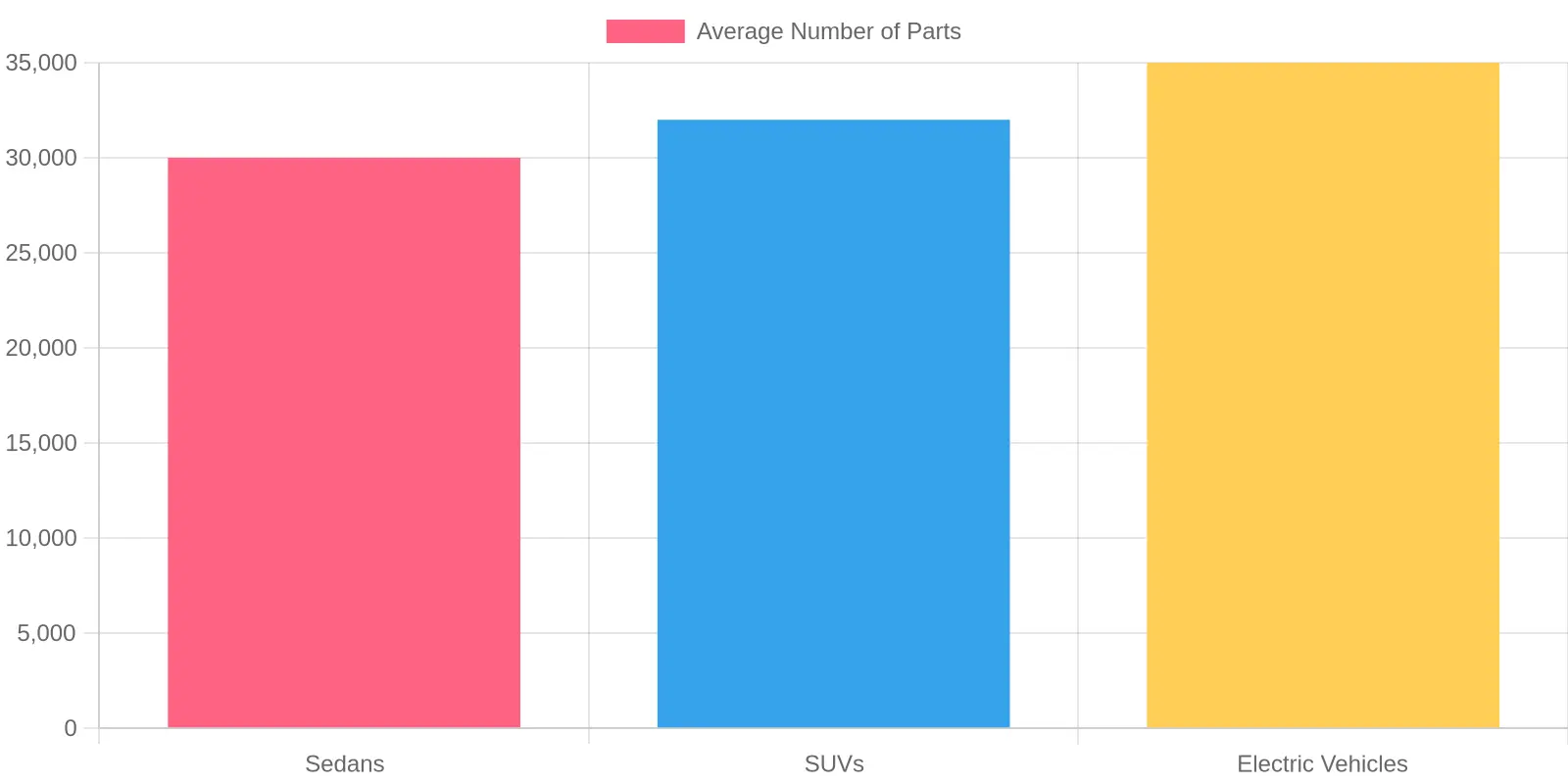
The average modern automobile is a complex machine that is made up of approximately 30,000 parts. This includes everything from major components like the engine and transmission to tiny elements like nuts, bolts, and clips. The exact count can vary significantly based on the car’s model and type, with different categories revealing interesting differences in part complexity.
Breakdown by Vehicle Type:
- Sedans: On average, sedans contain around 30,000 parts. These vehicles tend to have a more traditional build without as many technological features as their counterparts.
- SUVs: Sports Utility Vehicles (SUVs) are a bit more complex, averaging about 32,000 parts. Their larger size and often greater feature sets contribute to the increase.
- Electric Vehicles: EVs typically contain the most parts, averaging about 35,000 parts. The higher count is attributed to their complex electric drivetrains and advanced technologies used in their construction.
Comparison Table of Vehicle Types
| Vehicle Type | Average Number of Parts |
|---|---|
| Sedans | 30,000 |
| SUVs | 32,000 |
| Electric Vehicles | 35,000 |
These numbers highlight the growing complexity of vehicles today due to the integration of technology and additional features aimed at enhancing safety, comfort, and efficiency.
Sources
- MotorBiscuit
- ConnexVSC
To see a graphical representation of this information, refer to the chart below:
| Vehicle Type | Number of Parts |
|---|---|
| Cars | 30,000 |
| Motorcycles | 1,500 |
| Trucks | 40,000 |
| Buses | 25,000 |
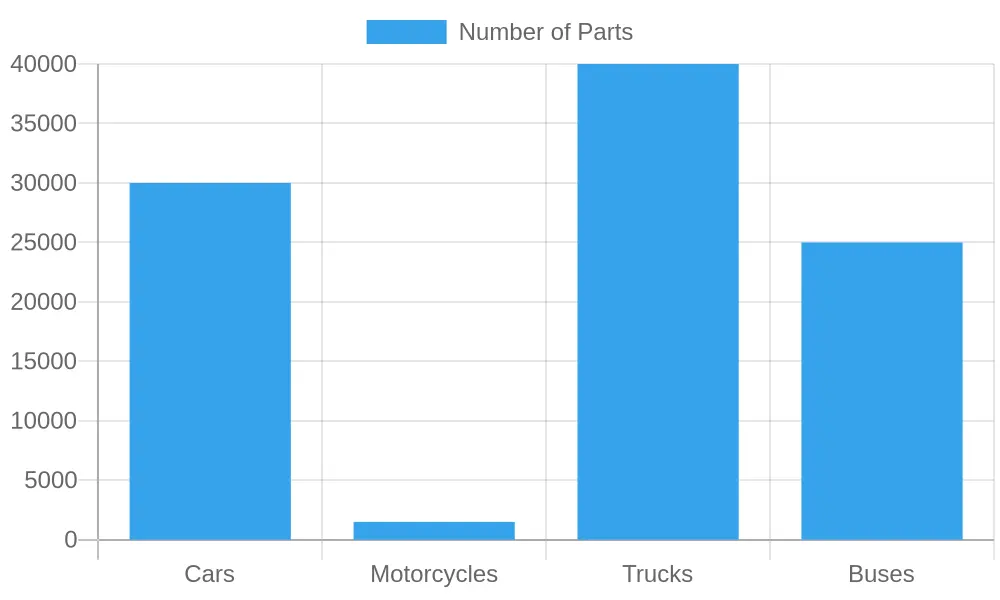
This table provides a clear comparison of the number of parts found in different vehicle types. Cars have the highest part count, which reflects their complexity in design and functionality. Motorcycles, on the other hand, have significantly fewer parts, indicating a simpler construction. Trucks, often used for more intense applications, come with the most parts, followed by buses that also serve complex transport needs.
Benefits of Understanding Car Parts for Maintenance
Understanding car parts is essential for both preventative maintenance and repairs. Here are some key benefits:
- Preventative Maintenance: Recognizing early signs of issues in components can help avoid serious breakdowns and costly repairs.
- Cost-Efficiency: Knowledge of car parts allows owners to make informed maintenance decisions, potentially saving money by avoiding unnecessary repairs.
- Enhanced Safety: Understanding how vital parts like brakes, tires, and lights function promotes better safety practices on the road.
- Informed Communication: A solid grasp of car parts enables vehicle owners to communicate effectively with mechanics, facilitating clearer discussions about repairs and maintenance needs.
For more insights on car maintenance strategies, check out essential maintenance skills and brake maintenance tips.
Technology in Modern Car Parts
Modern vehicles are at the forefront of technology, integrating advanced components that enhance both performance and safety. The rise of electric components, sophisticated sensors, and smart technology has revolutionized how cars and motorcycles operate.
Electric Components
Electric components are becoming fundamental in today’s vehicles, particularly with the shift towards hybrid and fully electric models. These components include high-efficiency batteries, electric motors, and regenerative braking systems, which not only improve mileage but also reduce emissions. For instance, innovations in battery technology have significantly increased the range and efficiency of electric vehicles, making them more appealing to consumers seeking sustainable options.
Advanced Sensors
Sensors play a crucial role in modern vehicle technology. From adaptive cruise control to lane-keeping assist, these devices continuously monitor various aspects of vehicle performance and external conditions. The implementation of air flow sensors improves engine efficiency by optimizing air intake, thereby enhancing overall performance. Furthermore, vehicles equipped with advanced collision detection sensors can react quickly to potential hazards, significantly reducing the risk of accidents. Nissan’s advancements in vehicle sensor technology demonstrate how these innovations enhance safety and performance through constant monitoring of the vehicle’s surroundings (Nissan’s Advancements in Vehicle Sensor Technology).
Smart Technology
Smart technology, such as vehicle telematics, connects cars to the internet, allowing for real-time vehicle monitoring and diagnostics. This feature helps owners track maintenance needs and ensure optimal performance. Moreover, the integration of smart technology in navigation systems offers users real-time traffic updates and route adjustments, further enhancing the driving experience. As seen in numerous recent evaluations, including those by IIHS (IIHS Vehicle Ratings), these technologies significantly improve safety ratings and overall vehicle reliability.
In summary, the modern advancements in electric components, sensors, and smart technology are not just innovations; they represent a crucial evolution in enhancing vehicle performance and ensuring passenger safety.
“The complexity of software in modern vehicles mirrors the intricate interdependencies of their mechanical parts. Each component must communicate flawlessly with others to ensure not only function but safety.”
- Manfred Broy, Expert in Automotive Engineering
Understanding the multitude of parts in a vehicle is essential for maintenance and repair. For those interested in the inner workings of their cars, learn more about essential car maintenance skills.
Conclusion
Understanding the various parts of a car is essential not only for auto owners but also for motorcycle owners, auto repair shops, and distribution professionals. It empowers individuals to make informed decisions about repairs, maintenance, and upgrades. As we’ve discussed, knowledge of car and motorcycle components can significantly enhance performance, fuel efficiency, and longevity-all crucial for ensuring a smooth driving experience. For instance, motorcycle owners are often advised to familiarize themselves with their machines, as this deep understanding can simplify repairs and enhance safety on the road. Articles such as Repair And Maintenance Tips For New Motorbike Owners elaborate on how important it is for riders to grasp their motorcycle’s mechanics for effective maintenance.
This is where Summit Fairings steps in with its vast selection of motorcycle parts. Their offerings not only cater to enhancing the performance of your motorcycle but also provide durability and style. Whether you are looking for aesthetic improvements or practical parts to aid in maintenance, Summit Fairings has you covered. Don’t miss out on transforming your ride; explore their collection today and make the best choice for your motorcycle’s needs. Take charge of your vehicle’s potential by investing in quality parts that make all the difference!