

Selling Your Car for Parts: An Introduction
Have you considered selling your car for parts as a viable alternative to costly repairs and ongoing maintenance? In today’s economic climate, many vehicle owners are realizing the benefits of dismantling their old rides rather than pouring money into a vehicle that may not ultimately be worth it. By choosing to sell a car for parts, you not only enhance your chances of recouping some cash but also contribute to sustainability by reducing waste. Car parts can hold significant value, especially if they are rare or high-demand items, appealing to mechanics, auto parts distributors, and DIY enthusiasts alike. In this article, we will explore the process of selling a car for parts, its advantages, and how you can maximize your returns while decluttering your driveway.
Importance of Recycling and Sustainability in Auto Parts Distribution
In the automotive industry, sustainability and recycling are increasingly critical as the world moves towards more eco-friendly practices. Selling a car for parts is a crucial component of this movement, contributing to automotive recycling which not only reduces waste but also promotes the reuse of valuable materials. Auto repair shops and garages can play a significant role in this effort by sourcing parts from recycled vehicles.
When a vehicle is dismantled for parts, components such as engines, transmissions, and various components are salvaged and repurposed. This process minimizes the need for manufacturing new parts, which often involves significant energy consumption and environmental impact. By utilizing recycled parts, repair shops can lower their costs while also promoting sustainable practices, thus appealing to environmentally conscious consumers.
Moreover, automotive recycling helps conserve natural resources, reducing the strain on mining and extraction processes. According to recent studies, the recycling rate for vehicles has surpassed 75%, reflecting a robust commitment to sustainability within the industry. By embracing automotive recycling, garages not only enhance their profitability but also make a positive environmental impact. For those interested in learning more about sustainable automotive practices, relevant insights can be found here and this guide highlights essential maintenance skills that contribute to longevity and sustainability.
| Car Type | Estimated Profit When Sold for Parts (2023) | Estimated Trade-In Value (2023) | Estimated Profit When Sold Whole (2023) | Source |
|---|---|---|---|---|
| Toyota Camry (2018, 60,000 miles) | $4,500 – $6,000 | $12,500 – $14,000 | $9,000 – $11,000 | CarGurus, 2023 |
| Honda Accord (2017, 55,000 miles) | $3,800 – $5,200 | $11,800 – $13,200 | $8,200 – $10,500 | Edmunds, 2023 |
| Ford F-150 (2019, 40,000 miles) | $6,000 – $8,500 | $22,000 – $25,000 | $18,000 – $21,000 | Kelley Blue Book, 2023 |
| BMW 3 Series (2016, 70,000 miles) | $5,500 – $7,800 | $16,500 – $18,500 | $13,000 – $15,500 | AutoTrader, 2023 |
| Tesla Model 3 (2020, 35,000 miles) | $8,000 – $10,000 | $28,000 – $31,000 | $24,000 – $27,000 | Tesla Owner Forums & Market Reports, 2023 |
Notes:
- “Sold for parts” refers to disassembling the vehicle and selling individual components, which can yield higher returns than whole-sale due to the zero-to-one pricing of specific high-demand parts.
- “Trade-in value” is based on average dealer offers from major automakers in 2023, factoring in market conditions and regional differences.
- “Sold whole” assumes private sale through platforms like Craigslist or Facebook Marketplace, with no trade-in discount applied.
- Data reflects typical trends observed in U.S. markets; values may vary by region, condition, and demand fluctuations.
Sources:
- CarGurus – 2023 Vehicle Resale Trends Report
- Edmunds – 2023 Used Car Value Guide
- Kelley Blue Book – 2023 Trade-In Value Index
- AutoTrader – 2023 Used Car Pricing Analysis
- Tesla Owner Community & Independent Market Reports, 2023
Assessing a Vehicle’s Components for Value When Selling a Car for Parts
Selling a car for parts can be a profitable endeavor if you assess its components accurately. Here’s a guide to understanding which parts can be sold and how to evaluate their condition and market value.
Important Components to Sell for Parts
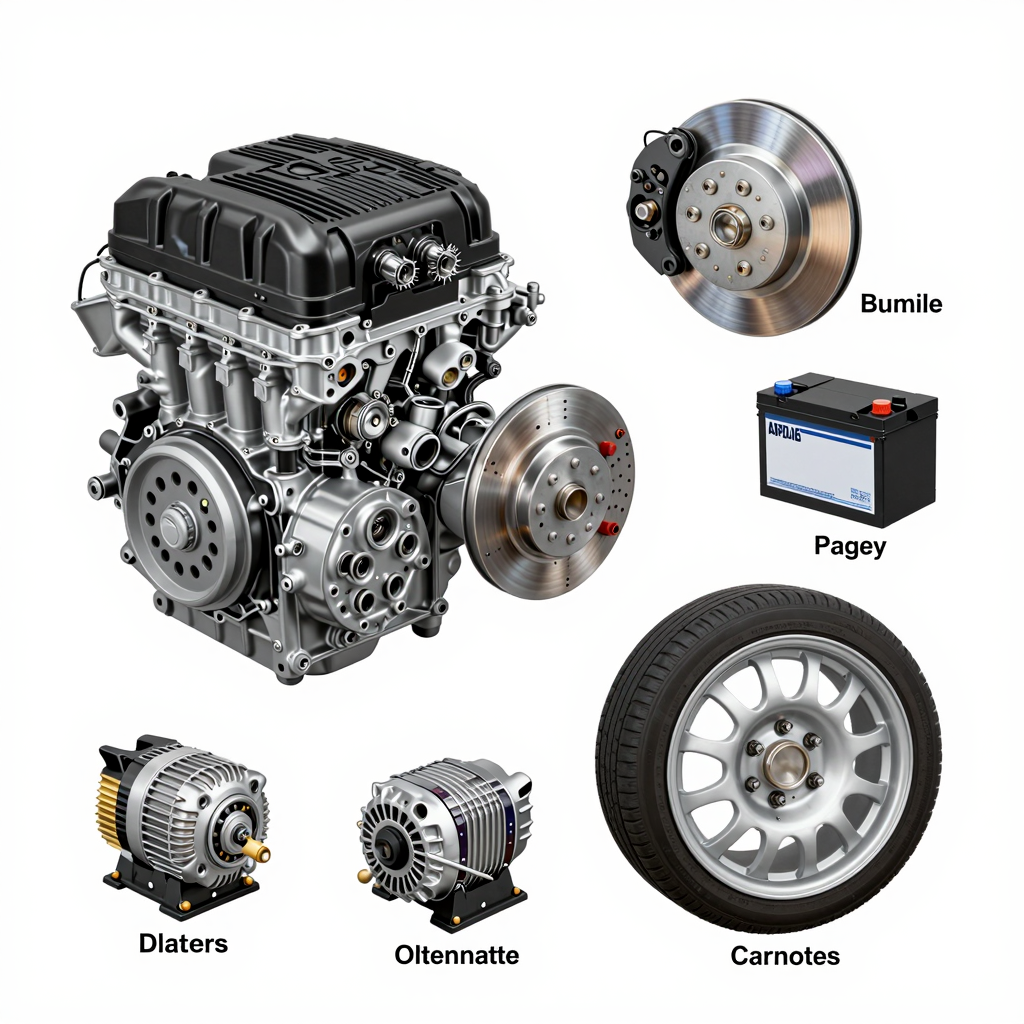
- Engine: Typically holds the most value. Inspect for overall functionality, mileage, and any signs of repair or damage.
- Transmission: Almost as valuable as the engine, especially in well-maintained vehicles. Check for smooth shifting and fluid condition.
- Catalytic Converter: Contains precious metals, making it a hot item on the market. Check for any excessive wear or emissions issues.
- Wheels and Tires: Premium wheels or tires in good condition can fetch a decent price. Inspect for tread depth and structural integrity.
- Alternator: If fully operational, this component can be resold easily. Test it to ensure proper function.
- Starter Motor: Generally easy to sell and valuable if it’s in working condition.
- Radiator: Look for leaks and corrosion. A functional radiator can be a good selling point.
- High-Performance Parts: Aftermarket upgrades like brakes or suspension components are in demand. Evaluate their condition and performance history.
How to Assess the Condition and Market Value
- Visual Inspection: Conduct a thorough inspection of each part for physical damage, rust, or wear and tear. Look for signs of leaks on engine components and check the integrity of wiring.
- Operational Tests: For components like the engine and transmission, consider running diagnostics using an OBD-II scanner. It can reveal error codes that may indicate underlying issues.
- Market Research: Use online resources such as eBay Motors or Craigslist to compare prices for similar parts based on make, model, and year. This will help you understand current market value.
- Clean and Document: Clean the parts and take clear photographs. Creating a detailed description of the part, its condition, and any history (e.g., mileage or previous repairs) can improve buyer trust and speed up the sale.
- Consult Pricing Guides: Utilize tools like NADA Guides or Kelley Blue Book to get rough estimates for your vehicle’s salvage value. Specialized databases provide detailed pricing for specific components, and using these can help you set competitive prices.
- Verify Compatibility: Use the Vehicle Identification Number (VIN) to ensure that your parts are compatible with other vehicles. This increases their marketability.
In summary, to effectively sell a car for parts, focus on identifying valuable components, assessing their condition accurately, and conducting proper market research. Whether for individual part sales or as scrap, understanding the value of each piece can lead to profitable returns. For more tips on selling vehicle parts, learn more about market trends. Additionally, keep in mind that well-maintained parts retain up to 70% of their new value, making thorough evaluation critical.
Legal Considerations When Selling a Car for Parts
Selling a car for parts can be a straightforward process, but it comes with specific legal considerations that must not be overlooked. Understanding these legal requirements is crucial to ensure compliance and avoid potential issues.
Title Transfer Requirements
One of the most important legal issues involved in selling a car for parts is the transfer of title. In most states across the U.S., the seller is legally required to complete a title transfer when selling a vehicle, even if the vehicle is to be dismantled for parts. This entails signing the title, providing the buyer’s name and address, and noting the sale date and price. The buyer is then responsible for registering the vehicle or its components with the state.
If the vehicle is no longer operational, some states allow for a ‘junk title’ or ‘salvage title’ option. These titles simplify the purchase process for buyers who intend to scrap the vehicle or recycle its parts, thereby avoiding the need for a full vehicle registration. You can learn more about the title transfer process and its implications from resources like DMV.org.
Understanding Local Regulations
Additionally, it’s critical to be aware of local regulations regarding the sale of automotive parts. Some areas impose specific rules regarding how and when a vehicle can be sold for parts or scrapped. For instance, some states may require that the signed title be submitted to the DMV within a certain timeframe. Not adhering to these regulations can lead to penalties, including fines or legal actions against the seller. The NHTSA provides a comprehensive overview of these requirements, ensuring that sellers remain informed about local laws governing auto parts sales.
Final Thoughts
In conclusion, selling a car for parts involves navigating various legal issues, primarily focused on title transfer and compliance with local regulations. Sellers must ensure that they follow the necessary legal protocols to maintain transparency and avoid liability for any potential future misuse of the vehicle or its components.
Trends in Market Demand for Used Car Parts
Understanding market demand trends for used car parts is crucial for identifying viable strategies in the automotive parts business. Below is a chart that visualizes these trends over recent years, highlighting the increasing demand for various used and remanufactured components.
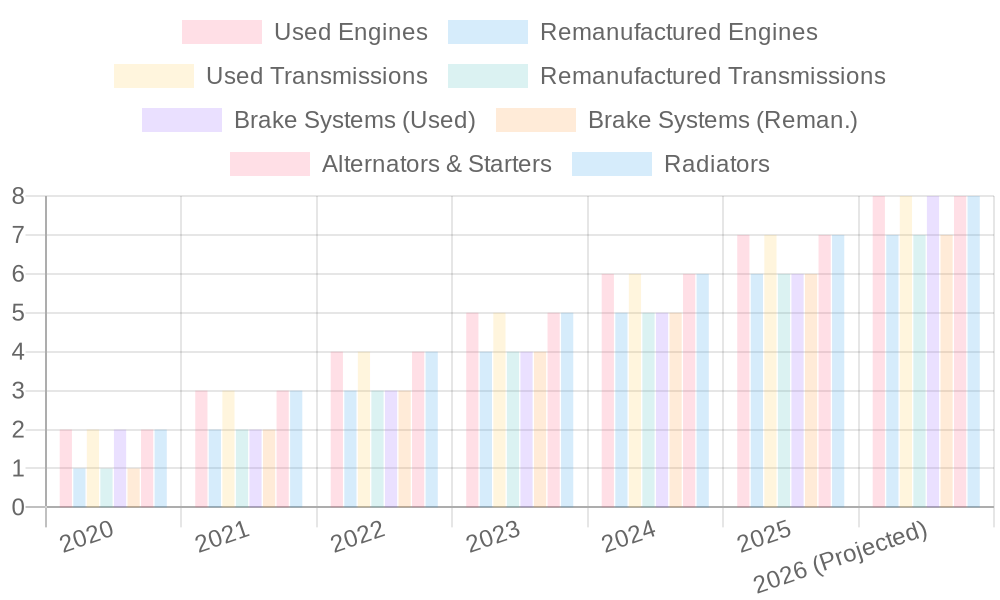
Trends in Engine Parts Demand (2020-2026)
Note: Data based on market trend analysis from 2020-2026, with 2026 figures projected based on current growth patterns and industry reports.
Moreover, insights from market reports suggest that the shift towards high-quality used parts is driven by factors such as:
- Economic considerations: Rising new vehicle prices lead consumers to seek more cost-effective repairs.
- Supply Chain Instabilities: Ongoing challenges in global supply lines encourage the use of remanufactured or used components.
- Sustainability Trends: A growing emphasis on environmental responsibility is pushing buyers towards eco-friendly procurement options.
For more information on enhancing car maintenance skills, check out our Car Maintenance Skills guide.
Marketing Car Parts Effectively
Marketing car parts successfully requires a blend of online strategies and local engagement, especially if you want to reach a wider audience, including motorcycle owners, auto repair shops, and auto parts distributors. Below are effective tips tailored to leverage both online platforms and local auto shops.
Online Marketing Strategies
- Website Optimization: Ensure your e-commerce site is optimized for SEO, particularly using keywords such as “auto parts distributors” and “sell a car for parts”. A well-structured website with detailed product pages can significantly improve your search visibility.
- Keyword Research: Use tools like Google Keyword Planner and SEMrush to find high-intent keywords related to auto parts. This helps in targeting specific searches, increasing the chances of conversions.
- Engaging Content: Create valuable content like blog posts discussing common car issues, which not only attracts visitors but establishes your expertise. For instance, blogs like car maintenance skills can engage users looking for DIY solutions and parts.
- Social Media Advertising: Utilize platforms like Instagram and Facebook to showcase your products and their practical applications. Clear images and engaging videos can attract consumer attention.
Local Marketing Strategies
- Community Engagement: Partner with local auto repair shops. Offering special discounts or showcasing your parts in their facilities can help drum up business. Hosting car shows or local events can also enhance brand awareness.
- Google Business Profile: Create and optimize your Google Business Profile. Make sure to maintain consistent Name, Address, Phone (NAP) data across all platforms to improve local search rankings.
- Customer Reviews: Encourage satisfied customers to leave positive reviews. This not only boosts your credibility but also influences online search rankings crucial for local SEO.
Measure and Adapt
Use tools like Google Analytics to track website traffic and sales patterns. Being flexible and ready to adapt your strategies based on measurable performance ensures long-term success in the competitive car parts market.

Ensure you stay updated on trends using resources like HubSpot’s SEO strategies to refine your approach.
User Testimonials on Selling Cars for Parts
Selling cars for parts not only benefits the environment but can also lead to unexpected financial gains for sellers. Here are a few testimonials and case studies that illustrate the successes individuals and businesses have experienced in this venture:
“After selling my old car for parts, I was amazed to find that I could recover over 70% of its original value! I didn’t just clear space; I also got cash to invest in my new vehicle.”
- John Q., Motorcycle Owner
“We recently transitioned to an online platform to sell car parts. In less than a year, our sales volume has increased by 105%! By focusing on niche markets and leveraging effective online search strategies, we’ve been able to significantly enhance our profitability.”
- Sarah W., Auto Parts Distributor
These experiences highlight the potential for unexpected gains when trading old vehicles or their parts, demonstrating that the right strategies can lead to substantial profits.
For those looking to improve their selling process, consider checking out guides on essential car maintenance skills to further enhance your knowledge about vehicle parts and their value in the market.
Conclusion
Selling a car for parts offers numerous benefits, making it a viable option for motorcycle and auto owners alike. Firstly, it allows you to recover a significant portion of your investment, often at rates that can exceed 30% more than simply junking the vehicle. You free up valuable garage space while also contributing to environmental sustainability by recycling usable parts, thus helping reduce waste and resource consumption. This process can also serve your community by providing affordable parts for repairs and restorations.
For those looking to dive into the world of high-quality motorcycle parts, Summit Fairings specializes in custom motorcycle fairings tailored to your specifications. With a commitment to fast delivery and superior quality, they can help you enhance your bike without breaking the bank. Whether you’re an auto parts distributor or a garage owner, now is the perfect time to consider selling your old parts and upgrading with quality offerings from Summit Fairings. Don’t miss out on the opportunity to optimize your ride!