
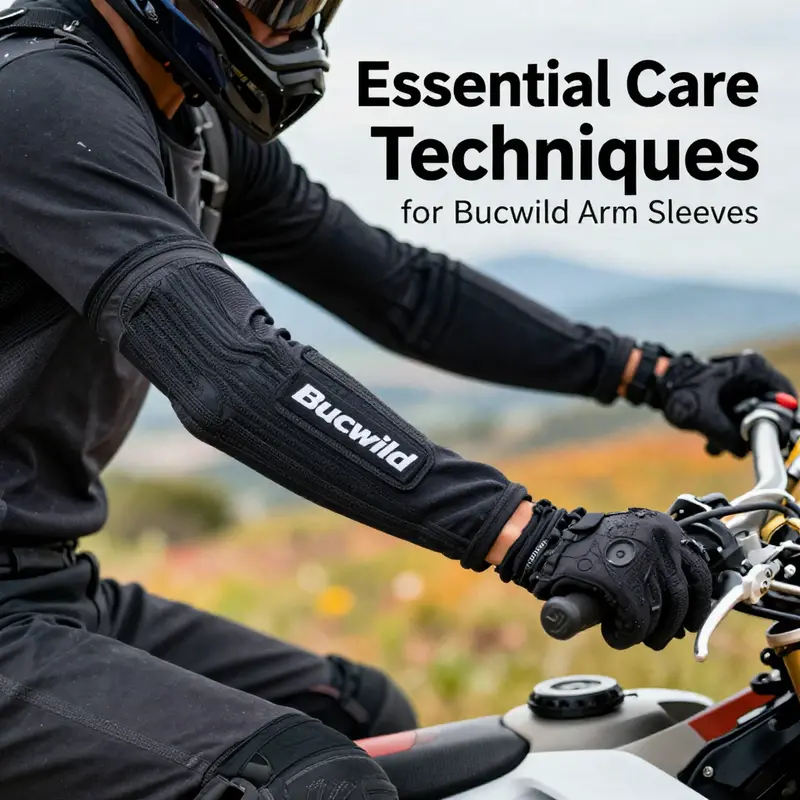
Bucwild arm sleeves are a favorite among motorcycle and auto enthusiasts for their performance-enhancing compression and comfort. Proper care is essential to prolong their lifespan and maintain effectiveness. This guide outlines best practices for washing, drying, and maintaining bucwild arm sleeves. The subsequent chapters will provide in-depth instructions on each aspect of care to ensure your sleeves remain in optimal condition, performing their best on every ride.
Preserving Performance: A Comprehensive Guide to Washing and Caring for Bucwild Arm Sleeves
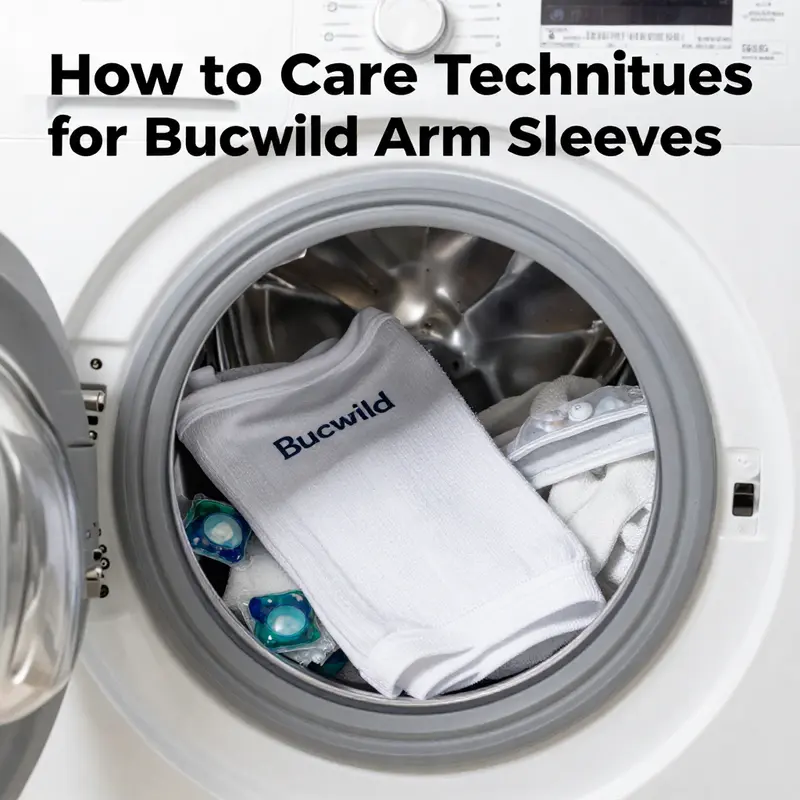
Care for Bucwild arm sleeves goes beyond a quick rinse after a workout. These sleeves are engineered to manage sweat, reduce friction, and maintain compression and color through repeated wear and washing. Because the fabric blend is designed to balance stretch, moisture-wicking, and durability, the care routine you develop should honor those design goals. A consistent, gentle approach protects the sleeve’s fit, keeps the fabric soft against the skin, and preserves the performance characteristics that athletes rely on during practice and competition. When you start thinking about care as part of your athletic routine, the sleeves reveal their true value: a small fabric asset that can stay reliable season after season if treated with respect. The core principle is straightforward: gentleness first, dryness second, and routine consistency as the habit that locks in long-term performance.
First, understand that the washing method matters because agitation, heat, and harsh chemicals are the enemies of performance fabrics. The sleeves are not built to tolerate aggressive cycles or high heat. Instead, they thrive when cleaned with care, using water that is cool or lukewarm and a mild detergent free of bleaching agents or softeners. A mild, neutral detergent helps preserve color, elasticity, and the integrity of the fibers without leaving residue that can irritate the skin or diminish moisture management. The recommendation is clear: avoid bleach and avoid fabric softeners. Bleach can break down the fibers over time, leaving pale patches and a diminished fit. Fabric softener can leave a film on the fabric, interfering with moisture transport and even reducing the compressive feel that supports performance. Keeping the detergent use modest and well-rinsed is a small but meaningful investment in longevity.
To begin, separate care steps that preserve the sleeved fabric’s structure from more aggressive cleaning tasks. Hand washing is preferred because it minimizes abrasion and allows you to control the motion gently. Submerging the sleeve in cold or lukewarm water with a small amount of detergent, then gently swishing it through the fabric, gives you the chance to lift sweat salts, oils, and dirt without shocking the fibers. The water temperature is not a mere preference; it directly impacts how the fiber retains its elasticity and how the color holds up over time. When you rinse, you should eliminate all traces of soap. Residual detergent can cause skin irritation and, over repeated cycles, can contribute to a dingier appearance and a stiffer hand feel that betrays the sleeve’s original softness.
One practical note often overlooked is the danger of machine washing for these particular garments. The agitation in a washing machine—especially in a normal or heavy cycle—can create micro-abrasions that gradually dull the surface, loosen the fibers, and alter the sleeve’s snug, contoured fit. The recommended path is to avoid machine washing entirely or, if you must, to use an extremely gentle, short wash cycle that mirrors hand washing in its mildness and to place the sleeve inside a protective laundry bag. Even then, the risk to fit and performance remains higher than hand washing. If you keep a schedule that hinges on speed, you might find it worth investing a few extra minutes to hand wash, knowing you are protecting the investment you’ve made in fit and comfort. This is not merely about prolonging life; it is about keeping the sleeve’s compression consistent from wear to wear, which matters for both comfort and performance during training.
Drying is the next crucial stage. After washing, gently press out excess water by laying the sleeve flat on a clean towel and rolling the towel to absorb moisture. Do not wring, twist, or wring the fabric; that kind of pressure can distort fibers and take the stretch out of the fabric in places where you rely on it most. Lay the sleeve flat to air dry, or hang it in a shaded area where it is out of direct sun. Direct sunlight can fade color and break down the fibers more quickly, especially for performance fabrics that manage moisture and heat. The goal is a slow, even dry that preserves the sleeve’s shape and elasticity. Avoid tumble drying entirely. The combination of high heat and tumbling is a common cause of shrinkage, stiffness, and gradual degradation of the fabric’s surface and its wicking properties. The drying step, though seemingly simple, is where you lock in the sleeve’s long-term performance.
When you’re ready to store, consider the sleeve a compact, high-performance tool rather than a casual garment. Once completely dry, fold or lay flat to maintain its form and avoid unnecessary creasing. Store in a cool, dry place away from direct heat sources. If you travel with the sleeves, pack them in a breathable pouch or a dedicated compartment within your gear bag to deter snagging and to keep them clean between sessions. Rotation plays a subtle but important role. By alternating between multiple sleeves on a weekly basis, you reduce wear on a single item, allowing each to dry fully and recover a bit between sessions. A small habit—washing after every use, letting air flow through, and drying away from heat—builds a cycle that keeps the fabric’s performance intact across hundreds of workouts.
A few practical nuances can influence outcomes beyond the core steps. For example, turning the sleeve inside out before washing can minimize friction against the outer surface, reducing pilling and preserving color vibrancy. This is particularly valuable if the sleeve’s outer surface features logos, stripes, or color blocks that you want to stay sharp over time. If you notice any persistent odor after air drying, a brief post-wash treatment of a mild rinse with a splash of white vinegar diluted in water can help neutralize odor-causing bacteria without affecting the fabric. Rinse again to remove any vinegar scent before drying. Such minor, field-tested tricks are about keeping comfort high and distractions low during training.
If you encounter stains, treat them with care. Gently dab a small amount of detergent directly onto the stain and let it sit for a few minutes before proceeding with a light hand wash. Use a soft brush or your fingers to work the stain out without scrubbing aggressively, which could damage fibers or alter the knit. Afterward, rinse thoroughly to ensure all residues are removed. The aim is to keep the sleeve looking clean without compromising the fabric’s performance cues—the texture of the knit, the elasticity around the elbow, and the moisture-wicking surface that makes the sleeve feel responsive when you flex through a drill or a sprint to the next station.
In considering the broader care philosophy, you may appreciate the rhythm of routine that these steps create. A modest, repeatable process reduces the likelihood of neglect and ensures you consistently protect the sleeve’s integrity. For athletes who rely on precise fit and reliable fabric behavior, even small improvements in washing technique can translate into steadier compression, better thermal management, and more comfortable wear across seasons. When you follow the recommended cold or lukewarm wash, avoid bleach and softeners, rinse thoroughly, and dry away from heat and sun, you preserve both the appearance and the function of the sleeve. The fabric’s microstructure benefits from this gentleness, retaining its elasticity and capillary action that move sweat away from the skin and toward the fabric’s surface for evaporation. The result is a product that remains comfortable and effective through countless training cycles.
For readers seeking a wider frame of reference on care routines that involve technical apparel, there is value in recognizing how disciplined maintenance translates across materials. The ethos of careful handling—gentle washing, careful drying, mindful storage—applies whether you are caring for a sleeve that works with moisture transport or another piece that must endure repeated movement and heat exposure. A practical tip is to treat the sleeve as part of your athletic toolkit, a piece that requires time and attention to stay in peak condition. When you integrate a routine into your weekly schedule, you reinforce habits that support performance and comfort. This approach also reduces the likelihood of odor buildup, fabric fatigue, and color fading, all of which can undermine the sleeve’s function when you’re in the middle of a training block or a competitive push.
As you refine your care practice, you may notice some guidelines emerge that feel intuitive over time. Always start with the gentlest method first, then escalate only if necessary. If the sleeve appears unusually grimy or saturated with sweat salts after intense sessions, a second, light wash can help, but you should remain mindful of how many times you expose the fabric to washing within a given week. The goal is not to rotate to a harsher routine but to keep a steady, modest cadence that respects the fabric’s longevity while meeting performance needs. And if external factors require a slightly different routine—such as working in a setting with particularly dusty air or high humidity—you can adapt by increasing the frequency of rinses or by air-drying the sleeves in a shaded area that allows airflow to carry away moisture and heat more efficiently. These small adaptations do not contradict the core principle of gentle care; they simply acknowledge real-world conditions without compromising the fabric’s integrity.
In closing, the care of Bucwild arm sleeves should be viewed as a disciplined habit rather than a chore. The investment is small in time but meaningful in how it sustains fit, comfort, and performance. By following the essential steps—hand washing in cold or lukewarm water with a mild detergent, avoiding bleach and fabric softeners, thorough rinsing, and air drying away from direct heat—you safeguard the sleeve’s compression and moisture management properties. By handling the garment with care during washing and drying, and by storing it thoughtfully between sessions, you extend the life of a key training ally. If you seek further perspectives on maintaining technical fabrics more broadly, you can explore related routines in other domains, such as general vehicle maintenance, which shares a philosophy of care and routine with athletic gear. For readers curious about broader maintenance routines, consider the idea of routine care in other contexts via car maintenance skills. This cross-disciplinary reminder—that good care is a habit, not a one-off task—can help you build a durable, dependable gear care routine that keeps your sleeves ready for every workout.
Further reading on safe and effective cleaning practices for high-performance fabrics can offer additional reassurance and techniques. For a broader, well-regarded perspective on cleaning delicate and technical materials, see Outside Online’s guidance on safely cleaning and restoring technical fabrics, which complements the practical steps outlined here: https://www.outsideonline.com/health-fitness/fitness-training/cleaning-puffer-jacket/.
Care Under Pressure: Drying Tactics to Preserve Performance for Arm Sleeves
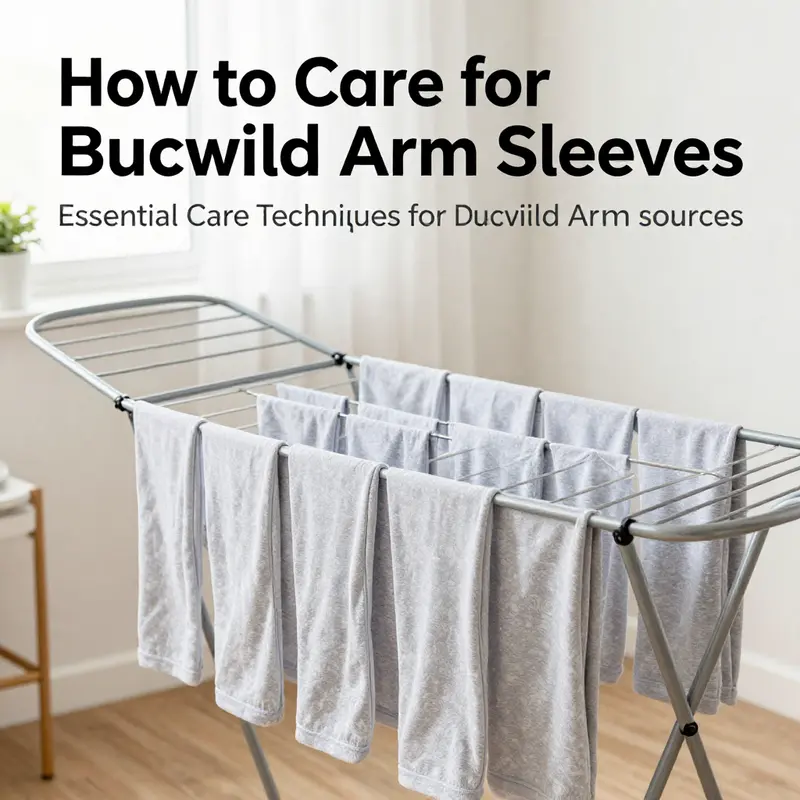
After a workout, the sleeve you wear on your arm carries more than heat and motion; it carries your effort, sweat, and a steady demand for resilience. The drying stage is not an afterthought but a critical part of maintaining compression, fit, and comfort. If you think of care as a continuum from wash to wear, drying is the hinge that keeps the fabric’s elasticity from fraying and the silicone or grippy edge from loosening its hold. When you understand the science behind drying, you start to see the sleeve not as a disposable piece of gear but as a precise tool that needs the right climate and handling to stay dependable—season after season, game after game, practice after practice. The path to that reliability is straightforward, yet deliberate: gentle washing followed by flat, patient drying, with a clear stance against heat and rough handling.
The most important truth about drying is that heat—whether from a hot dryer or from direct sun—acts like a cyclist pedaling too hard in a rainstorm. It can shorten the life of the fabric by weakening the fibers and, perhaps more immediately noticeable, it can diminish the sleeve’s elastic retention. The compression that supports comfort and performance relies on a precise stretch. High heat can cause the fibers to relax unevenly, which translates into looser sleeves and a looser grip. The silicone grip that helps keep the sleeve in place during swings, catches, and quick movements can also suffer from repeated heat exposure. That is why the guidelines emphasize air drying over any form of heat.
Begin with the wash, because a clean base is the first step toward a smooth drying process. Machine washing on a gentle cycle with a mild detergent is perfectly acceptable, as long as you honor a few simple constraints. Use cold or warm water rather than hot to protect the fibers. Choose a detergent that is clear of bleach or heavy additives. Bleach can be harsh on elastic fibers and can break down the grip texture over time. If you notice odors after a long day of sweat and exertion, a small boost of odor-neutralizing power, such as a gentle wash with a touch of baking soda or a rinse with white vinegar, can help without compromising fabric integrity. It’s wise to turn the sleeve inside out before washing. This minimizes abrasion against zippers, buttons, or the interior of the washing drum and reduces friction that can wear away the fabric’s surface. In addition, washing with similar fabrics helps prevent pilling and keeps colors from bleeding into other garments during the cycle.
As the machine completes its gentle cycle, the next phase begins: extracting moisture without pulling or twisting the fabric. Gently remove the sleeve from the washer and press it between towels to lift excess water. The goal is not to squeeze or wring the garment dry, which would apply stress to the seams and the silicone edge. Instead, a careful blot and press helps preserve the sleeve’s shape and elasticity. If you have more than one sleeve, avoid twisting them together. Treat each piece with the same light touch you would give to a delicate textile. The result should be damp rather than dripping. This residual moisture is manageable and not likely to cause any harm during air drying, provided you follow through with careful drying.
Now comes the decisive step: air drying. The frame of reference here is simplicity and control. Lay the sleeve flat on a clean, dry surface, or drape it over a drying rack in a well-ventilated area. The flat lay method has a dual benefit. It preserves the sleeve’s natural contours and prevents the elastic fibers from stretching into new shapes as they would if hung vertically for long periods. It also prevents the silicone edge from bending or curling, which can occur if the sleeve is hung and left to sag from its weight. If space is limited and you must hang the sleeve, do so lightly and only if you can keep the cloth away from direct sunlight. Direct sun can have an unintended bleaching effect on certain fabrics and will certainly speed up the fibers’ degradation. A cool, shaded corner is preferable for longer air-drying sessions.
Patience is essential in the drying process. The sleeve should be completely dry before it goes back into rotation. Even a small amount of dampness can soften the fabric, which may cause slippage in the short term and, in the longer term, invite odor development or mildew if stored in a closed bag. For those who train multiple times a week, a practical rhythm is to assign a dedicated drying window after each wash so you never re-wear a damp piece. If you are in a pinch and cannot wait for full air drying, avoid a traditional tumble dryer altogether. The heat in a dryer, even on a low setting, can begin to compromise elasticity and the integrity of the grip. In an emergency, a gentle, cool air-dry alternative can be used for a fraction of the time, but it should never replace proper air drying in the long run.
The care narrative for arm sleeves also includes a mindful approach to odor and stain management. Sweat and oils can cling to fabric fibers, and without thorough drying, these residues become an invitation for bacteria and a lingering scent. A light approach to odor management begins with proper washing and continues with mindful storage. If odors persist, a soak in a solution of water and baking soda for 15 to 30 minutes, followed by a normal wash, can help. White vinegar dilutes a mild odor without leaving a harsh chemical scent. Avoid overuse of fabric softeners, which can leave a residue that reduces the material’s moisture-wicking performance and can interfere with the sleeve’s grip. The goal is a clean sleeve whose technical features—compression and grip—remain intact and responsive under the strain of movement.
Storage after drying is not a trivial matter either. The best outcome comes from storing the sleeve in a breathable environment, ideally laid flat or lightly rolled to avoid sharp creases that could become permanent. A dedicated drawer, a clean gym bag designed for moisture control, or a shelf in a dry closet works well. The key is to keep the sleeve out of damp corners, away from heat sources, and away from anything with a strong chemical odor that could transfer to the fabric. The performance you expect—steady compression, reliable grip, and fast, comfortable drying between sets—depends on a calm, climate-controlled resting place.
Over time, a careful drying routine contributes to longevity. A sleeve that consistently dries flat, in shade, and without heat exposure will retain its shape longer, resist pilling, and preserve elasticity. The silicone grip will be less prone to becoming stiff or brittle, which means it can hold the sleeve in place during rapid arm movements rather than slipping or rolling. You may notice that, with proper drying, the sleeve remains comfortable and supportive across many sessions, even as it collects sweat and takes on the wear patterns of training. With this approach, the garment continues to perform as if it were new, and you can rely on it for longer, reducing the need for frequent replacements.
It is helpful to keep a simple checklist in mind for each washing and drying cycle. First, verify you are using a gentle wash cycle and a mild detergent; second, ensure the garment is inside-out to minimize wear on the outer surface; third, extract excess water gently with towels and avoid wringing; fourth, lay the sleeve flat or on a drying rack away from heat and direct sun; fifth, wait until it is completely dry before storage; and finally, inspect the sleeve for any signs of elasticity loss or grip wear before returning it to duty. When every step is observed, the sleeve’s performance remains consistent, and your training remains uninterrupted by avoidable gear issues.
For readers curious about the broader context of sleeves beyond athletic gear, a helpful primer on the general concept of sleeves in other mechanical domains can be found in a related article on engine sleeves. This resource offers a useful comparison that deepens understanding of how sleeves maintain fit, tension, and structural integrity across different uses. What are engine sleeves?.
When it comes to practical care decisions, the overarching message is clear: treat the fabric with patience, respect the gentle nature of the fibers, and avoid heat at every turn. Drying is the stage where the garment’s longevity is either reinforced or compromised. By laying the sleeve to dry, steering clear of high heat, and maintaining an orderly wash routine, you protect the device that helps you train hard. Your sleeves will retain their snug fit, your arms will stay comfortable, and your performance will benefit from gear that behaves consistently under pressure.
If you want deeper, line-by-line guidance based on official product details, you can refer to care instructions provided on the official product page for similar athletic sleeves. This external resource shows the general care principles in action and illustrates how manufacturers recommend balancing washing ease with the need to preserve elasticity and grip. For a direct reference, see the external resource here: https://www.amazon.com/dp/B0B6W2XZQV
Preserving Compression and Comfort: A Practical Guide to Caring for Bucwild Arm Sleeves
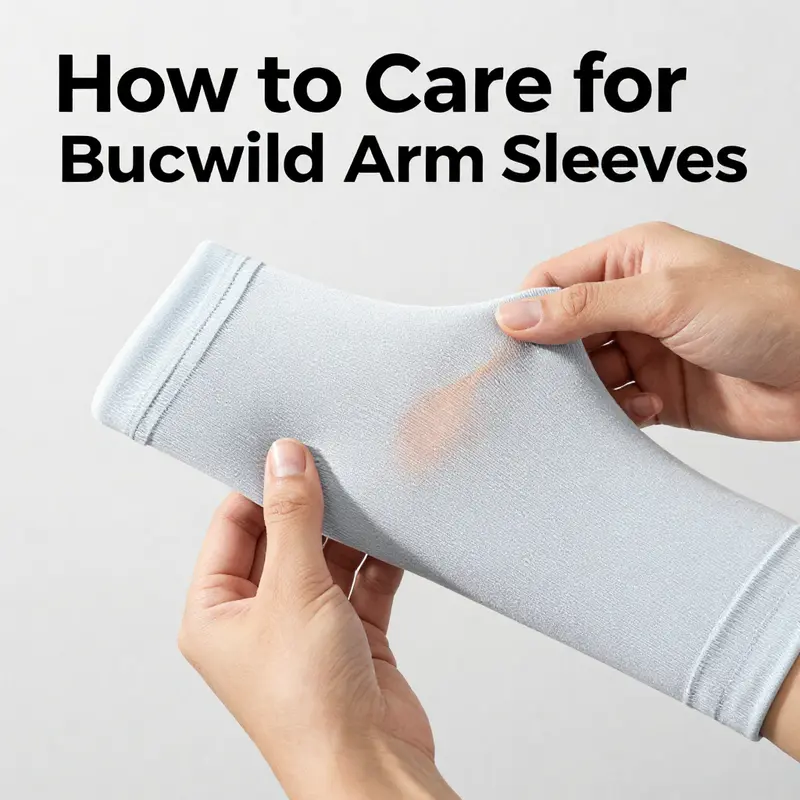
Every day, athletes reach for Bucwild arm sleeves not just for color or style, but for reliable compression, comfort, and a sense of readiness. The care of these sleeves helps preserve elasticity, keep their shape, and maintain the gentle support that helps muscles perform with steadier rhythm. When you understand how a sleeve works, care becomes more than maintenance; it becomes a way to protect an affordable ally in your training, games, and warmups. This is a practical guide to caring for Bucwild arm sleeves that aligns with the most direct guidance available and integrates naturally into a daily athletic routine.
The core reason for careful care is simple: the fabric is designed to apply gentle pressure, support muscle tone, and wick moisture away from the skin. Repeated heat, harsh chemicals, or rough agitation can gradually loosen fibers, dull color, or alter how the sleeve sits on the arm. The direct way to slow this change is to treat the sleeve with a consistent, mild washing routine and to avoid things that degrade the fabric. The three pillars you’ll see on care labels and product pages are cold-water washing, gentle handling, and air-drying away from heat.
Begin with washing. The sleeve’s elasticity and color benefit from a cold-water wash. Cold water reduces stress on fibers during agitation and helps prevent color fading. Use a gentle or delicate cycle and a mild detergent designed for delicate fabrics or athletic wear. Avoid strong bleaching agents or fabric softeners that can leave residues or impede moisture transport. The key guidance is simple: wash in cold water, avoid bleach, and skip fabric softeners.
After washing, the drying method matters even more. High heat can alter the weave, fade colors, and relax elastic fibers. Hang the sleeve to dry; air-drying keeps fibers in their natural state and avoids heat distortion. Give it space to dry evenly and avoid cramming multiple items on a single hanger or line. If you have a drying rack or a hanger with a soft edge, that helps prevent distortions. The important point is to avoid heat.
The third pillar is to avoid harsh agents that can degrade polyester fibers or alter the sleeve’s fit. Bleach weakens fibers and can cause uneven wear; fabric softeners can leave a film that impedes moisture transport and fabric feel. Use mild detergents, no bleach, and no softeners. If a care label exists, follow it first. Product pages often echo these guidelines to protect the sleeve’s performance and extend its life.
Adhering to these steps—cold washing, gentle handling, and air drying—produces tangible outcomes. The sleeve maintains its color longer, the elasticity lasts longer, and the finish remains consistent to support moisture management and breathability. Over months of training, this translates into fewer distractions, fewer replacements, and more confidence in the fit during long sessions. Care is an investment in consistency of performance and the reliable grip of support you expect from gear that rests close to the skin.
A practical rhythm can help new wearers incorporate care into their routine. After a significant training block or game, set the sleeve aside and assess: does it sit evenly on the arm with no twisting or bunching, and is the color uniform? If everything looks tidy, wash when convenient. If sweat or dirt has built up around the cuff, a quick rinse in cold water helps reduce the need for aggressive washing. Then place the sleeve in cold water with a gentle cycle and a mild detergent, as described. After washing, remove promptly and hang to dry in a shaded area away from direct sunlight. Proper air circulation reduces damp spots and musty smells and keeps the sleeve ready for the next workout.
For meticulous athletes, treat sleeves with the same respect you give other high-performance items. The care steps are straightforward, and they help preserve the sleeve’s performance envelope over time. When the fabric remains taut and evenly woven, compression sits where it should, providing steady support. Comfort remains longer, enabling you to train with fewer distractions from slips or tight spots. In this sense, care is not a chore but an investment in consistency of performance.
The guidance from manufacturers and retailers is intentionally conservative. Adhering to cold washing, gentle handling, and air drying is the prudent path for higher reliability and longer life. If you follow these guidelines, Bucwild arm sleeves can remain comfortable and effective across more sessions and help you avoid unnecessary replacement costs. It’s a principle that translates beyond a single pair of sleeves: gear worthy of your trust should be treated gently, cleaned thoughtfully, and dried properly.
Beyond the technicalities of washing and drying, adopt a mindset when caring for compression sleeves. Treat them as you would other athletic gear designed to support performance. Avoid washing with items that could snag or abrade the fabric, such as heavy zippers or rough textiles. If you wear the sleeve with gloves or during activities that might expose it to friction against rough surfaces, consider whether a different sleeve or protective approach is appropriate. The practical takeaway is to keep the sleeve clean and dry and avoid aggressive washing after exposure to friction to preserve integrity.
As you consider care across multiple pieces of athletic gear, you’ll see how simple routines build lasting performance. The care steps form a concise, repeatable pattern you can weave into your training life without adding friction. This is about consistency and reliability: a sleeve that looks good, fits well, and continues to perform becomes a more valuable tool in your toolkit. The small acts cold water, gentle cycle, air drying, and avoiding harsh chemicals are not mere maintenance; they are a habit that supports your practice.
If you want to verify specifics, consult the retailer’s care sheet or product tag for model-specific notes. The core guidance remains consistent: machine wash in cold water, avoid bleach and fabric softeners, and air dry to maintain compression integrity. By following these steps, you extend the life of your Bucwild sleeves and preserve their comfort and performance across training and competition.
Final thoughts
Caring for your Bucwild arm sleeves is essential for optimal performance and longevity. By following the washing instructions, drying recommendations, and maintenance tips outlined in this guide, you can keep your sleeves in excellent condition for every motorcycle or automotive journey. Reliable care not only enhances the durability of the sleeves but also ensures they continue to provide the necessary compression and comfort that enthusiasts rely on.