

Whether you’re a motorcycle enthusiast, a car owner, a parts distributor, or a professional in an auto repair shop, understanding how to properly secure the positive post screw on a car battery is vital for ensuring reliable vehicle performance. The connection at the positive terminal is pivotal, as it directly impacts the battery’s ability to deliver adequate starting power and maintain electrical systems. This guide is designed to walk you through the critical aspects needed to achieve the right torque specifications, comprehend the effects of proper tightening on battery performance, and learn the essential tools and techniques for the job. With clear insights into each facet, you’ll gain the confidence necessary to prevent common issues related to battery connections and prolong the life of your automotive battery.
Mastering Torque: How Tight Should You Secure the Screw in Your Battery’s Positive Post Sleeve
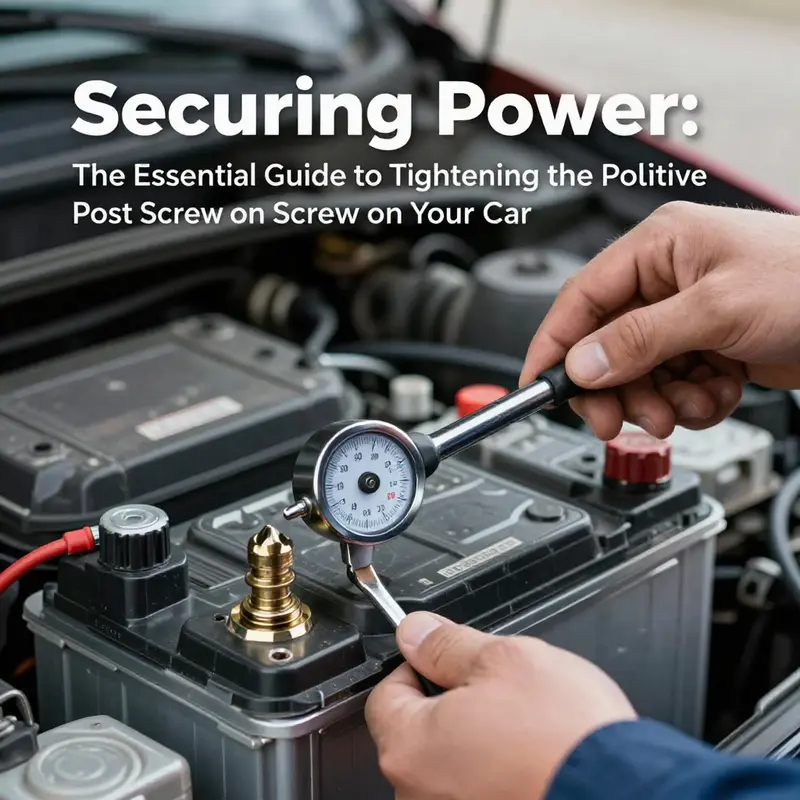
When working with automotive batteries, one of the most frequently overlooked yet crucial procedures is tightening the screw in the positive post sleeve. This small, vital step ensures that the battery maintains a secure and efficient electrical connection while eliminating potential hazards that may arise from under-tightening or over-tightening. In this chapter, we explore a comprehensive narrative detailing why torque matters, the specifics of torque values for both standard and high-voltage battery applications, and the very real consequences that can result from deviating from the manufacturer’s recommendations.
At its core, the process of securing a bolt or screw in any mechanical system is an exercise in precision. Unlike many parts of a vehicle where a margin of error might be acceptable, the positive post of a car battery must meet exact specifications to perform correctly. Car batteries, whether they are conventional lead-acid units or more advanced configurations for modern vehicles, are engineered to support significant current flows reliably. The screw or nut that fastens the positive terminal – usually an M10 zinc alloy nut with a 19mm diameter interface – therefore assumes a critical role. This screw not only ensures that the cable lug and battery terminal form a strong, low-resistance contact, but it also helps to secure the entire battery assembly in place, preventing movement that might otherwise alter the connection integrity.
There is a delicate balance to be maintained between if you tighten the screw too much and if you fail to tighten it enough. Over-tightening can lead to physical deformation of the battery components. Excess torque can crack a battery case, damage the cable lug, or strip the threads in the zinc alloy nut itself. Such issues may result in a compromised electrical connection that can manifest as arcing at the terminal, overheating of the connection due to resistance, or even complete battery failure over time. On the other hand, under-tightening the screw creates a loose connection that introduces high resistance into the electrical circuit. A loose joint is notorious for intermittent power delivery, voltage drops, and, in worst-case scenarios, could lead to an electrical arc that might ignite surrounding components.
Precision is especially critical when dealing with high-voltage (HV) battery systems. In some HV systems, which are becoming increasingly common in hybrid and electric vehicles, a slightly different torque specification is prescribed. For instance, when securing the HV battery ancillary positive busbar to the right-hand ancillary bay bus cover, manufacturers recommend a torque of approximately 4.5 Nm (3.3 lbs-ft). This lower torque value is intentionally set to accommodate the design characteristics of high-voltage components, ensuring that the connection remains secure without imposing undue stress on the delicate busbar or cover assembly.
The significance of following these torque specifications cannot be overstated. Torque is measured in units such as inch-pounds or Newton-meters, and each setting is calculated based on several factors including the materials involved, thread pitch, and even the lubrication used on the fastener. For the typical M10 zinc alloy nut on a car battery, manufacturers often specify a torque range of 70–90 inch-pounds (approximately 8–10 Nm) to provide the right balance between firmness and safety. In contrast, the HV battery connection’s requirement for 4.5 Nm is derived from intensive testing and an understanding of the unique loads placed on these systems. By adhering to these values, automotive technicians help maintain not only the mechanical integrity of the battery assembly but also its electrical performance.
The process of achieving the correct torque is as much about the right tools as it is about understanding the principles behind the connection. A high-quality torque wrench is indispensable. Unlike a simple ratchet or regular socket, a torque wrench provides the user with the ability to set a specific torque value and then precisely apply that force. When used in combination with the proper socket – typically a 19mm socket for the battery terminal coupled with an M10 nut driver for the screw – it ensures that the force applied is entirely within the manufacturer’s recommended range. For technicians and DIY enthusiasts alike, investing in a well-calibrated torque wrench is one of the best ways to safeguard against the common pitfalls associated with over- or under-tightening.
Once the proper tools are in place, the next step is the methodical execution of the tightening process. The routine typically starts with the connection of the positive terminal first before moving on to attach the negative terminal. This order isn’t arbitrary; it’s designed to prevent accidental short circuits that could occur if a live negative connection were inadvertently grounded by the battery case or another conductive component. Likewise, when removing a battery, the negative terminal is disconnected first to minimize the risk of sparks or shorts. Following this prescribed order of operations is fundamental to both the safety of the technician and the vehicle’s electrical system.
Another critical aspect to be mindful of is the condition of the screw threads and the surfaces they engage. Over time, exposure to environmental elements such as corrosion, dirt, and moisture can degrade these components. A deteriorated thread may not hold the screw at the required torque, no matter the diligence of the technician. Regular inspection and maintenance of the battery terminals are therefore essential to ensure that each connection remains robust. Where possible, employing anti-corrosion treatments or using dielectric grease can help preserve the connection integrity, ensuring that the torque remains effective over long periods.
The challenges associated with securing the positive post screw are not confined to just mechanical considerations. Electrical performance is equally impacted by the quality of the connection. A secure connection ensures that electrical current flows smoothly from the battery to the vehicle’s numerous systems, providing reliable power for everything from the ignition during startup to the functioning of onboard electronics. A loose connection, on the other hand, can lead to intermittent issues that may not be immediately obvious. For example, a driver might notice a slight dimming of the lights or experience sporadic difficulties with the vehicle’s electronic controls, issues that often trace back to a compromised battery connection.
In both standard and high-voltage battery installations, the principles of proper torque application intersect with broader themes in automotive maintenance. The act of tightening a single screw might seem trivial in the grand scheme of vehicle repair, yet it encapsulates a microcosm of design, engineering, and safety standards that have been honed over decades. Every bolt, every nut, every measured turn is part of a carefully balanced system that ensures both performance and longevity. In this sense, the positive battery post screw exemplifies how meticulous attention to detail in one small component can have far-reaching consequences for vehicle performance and safety.
It is also important to note that the real-world application of these torque values goes beyond mere adherence to numbers. The act of torqueing is intertwined with the ambient conditions under which the maintenance is performed. Temperature, humidity, and even the quality of the lubricant on the screw can have subtle effects on the final torque reading. Consequently, seasoned technicians often calibrate their tools and adjust for these variables, sometimes even consulting the vehicle’s service manual for specific guidelines unique to a particular model or batch of batteries. This level of diligence is what separates routine maintenance from truly reliable vehicle upkeep and highlights the importance of continuing education in automotive repair.
Practical experience often reinforces theoretical knowledge. Many automotive service professionals have firsthand accounts of the dramatic consequences brought about by neglecting torque specifications. One common scenario involves a battery terminal that has been over-tightened, leading to the deformation of the cable lug. In such cases, even if the screw is exceedingly secure, the deformed lug can create a point of high resistance, which over time may result in local heating and eventual failure of the battery connection. Conversely, there have been numerous instances where under-tightening has led to a gradual yet insidious increase in resistance at the joint, culminating in a battery that struggles to deliver the required current, ultimately leaving its owner stranded at an inopportune moment.
The evolving complexity of modern vehicles only heightens the importance of such seemingly simple maintenance procedures. Today’s vehicles incorporate an abundance of electronic systems that rely on constant, reliable power supplies. From sophisticated infotainment systems to advanced driver-assistance features, everything demands a steady flow of electricity. Given this reliance, the integrity of the battery connections becomes paramount. A connection that is not properly torqued can lead to subtle malfunctions or more severe failures, forcing technicians to undertake extensive diagnostic procedures that might have been otherwise avoided through strict adherence to proper torque recommendations.
Even though the act of securing a screw might appear straightforward, many technicians find that it is the nuance in the process that can spell the difference between a successful and a failed connection. Factors such as the even distribution of force, the alignment of the socket, and the calibrated effectiveness of the torque wrench all combine during the process. The importance of each incremental turn cannot be understated, as each rotation brings the connection closer to either an optimal or suboptimal state. This is why a methodical approach is favored over improvisation in professional settings.
For those who are new to this aspect of automotive maintenance, it is advisable to seek training or consult detailed guides before attempting to perform the task independently. There are numerous resources available that dispel myths about the appropriate tightness of battery connections and offer tried-and-tested techniques for achieving the required torque with minimal risk. One useful resource is a practical guide on maintaining essential car upkeep, which provides an excellent overview of various procedures. If you’re interested in expanding your knowledge on this topic, you might find the article on essential car maintenance skills particularly illuminating.
The consequences of failing to adhere to proper torque specifications extend beyond personal inconvenience. In commercial settings, where fleets of vehicles are maintained on tight schedules, the failure of a battery connection can translate into significant downtime, unexpected repair costs, and compromised safety standards. Automotive manufacturers invest considerable resources in developing precise torque recommendations to optimize both the performance and safety of their vehicles. For vehicle owners and maintenance professionals, understanding and implementing these guidelines is not merely a technical requirement; it is also a commitment to quality and durability.
Perhaps one of the most compelling arguments for meticulous torque management is the potential for severe safety hazards. A loose battery connection, while sometimes dismissed as a minor annoyance, can in reality act as a harbinger of electrical failures that might escalate into dangerous situations. Poor contact not only undermines the performance of the vehicle’s electrical system but also increases resistance which, under certain conditions, may lead to overheating. Such overheating can cause the battery to emit dangerous gases or, in extreme cases, result in a thermal runaway situation—a scenario that poses a significant risk of fire. Thus, the act of securing the battery’s positive post screw is fundamentally an act of risk mitigation.
Modern diagnostic tools and computerized systems also rely on the accuracy of physical connections in a vehicle’s electrical system. Many vehicles perform self-checks that gauge the integrity of the battery assembly, and a poorly secured terminal can trigger error codes or malfunction indicators that confuse diagnostics. This not only complicates maintenance procedures but may also lead to misinterpretations of the vehicle’s overall health. By ensuring that every component, down to the fastening screw, is correctly torqued, technicians pave the way for smoother diagnostics and a clearer understanding of any underlying issues.
Beyond the technical aspects of torque application lies the broader philosophy of automotive maintenance—a philosophy built on precision, consistency, and a respect for the engineering that goes into every vehicle. This philosophy dictates that every task, whether it appears simple or complex, is executed with unwavering attention to detail. In a sense, tightening a screw in the positive post sleeve is emblematic of this larger mindset. It requires the practitioner not only to follow guidelines but also to appreciate the underlying principles that govern mechanical and electrical integration. In doing so, one not only preserves the functionality of the vehicle but also ensures its long-term reliability and overall performance.
Technological advances continue to refine the process of torque application. Many modern service centers now employ digital torque wrenches that record and log the applied torque, ensuring traceability and accountability. Such technological enhancements represent a significant step forward in maintenance quality control, enabling a level of consistency and precision that was once the exclusive domain of high-end manufacturing facilities. As these digital tools become more widely adopted, the process of battery maintenance is likely to become even more standardized, thereby reducing the incidence of human error.
Equally important is the role played by regular training and continued education for technicians. As the automotive industry evolves, so too does the complexity of its systems. Keeping abreast of the latest research, techniques, and best practices is vital for every technician tasked with maintaining modern vehicles. Many training programs now include modules specifically focused on torque application and battery management, reflecting the critical nature of these areas. By investing in ongoing education, maintenance professionals can ensure that they remain adept at executing procedures that not only safeguard the vehicle but also protect themselves and the drivers who entrust their safety to these vehicles day in and day out.
In summary, the seemingly modest act of tightening the screw in the positive battery post sleeve plays a disproportionately large role in the overall health of a vehicle’s electrical system. Whether dealing with a conventional battery or an advanced HV system, the principles remain consistent: adhere strictly to manufacturer torque specifications, use the correct tools, and approach the task with the seriousness it demands. The consequences of deviating from these practices can be far-reaching—ranging from subtle performance issues to severe safety hazards that may culminate in electrical failures or even fire. Through a methodical and well-informed approach, technicians and vehicle owners alike can ensure that the battery remains a reliable and enduring component of the vehicle’s power system.
Every turn of the wrench, every calibrated reading from a torque tool, ultimately contributes to a safer driving experience. In the world of automotive maintenance, precision is not just a recommendation; it is a necessity. The art of torque application is one where mathematics meets mechanical intuition—a meticulous blend of science, skill, and dedication. By understanding the fine balance between too much force and too little, technicians help preserve the integrity of a system that is as vital to a vehicle as the engine itself.
For anyone involved in the maintenance of their vehicle, recognizing the importance of correct screw torque on the positive post sleeve is a step toward mastering broader car care principles. Each action taken in the workshop or garage reinforces the broader goal of operational safety and efficiency. Dedicated adherence to torque guidelines, be it 70–90 inch-pounds for standard connections or the finely tuned 4.5 Nm for specific high-voltage applications, reflects an ongoing commitment to excellence in automotive maintenance.
In conclusion, understanding and applying the proper torque is much more than a routine adjustment—it is a comprehensive practice that embodies the highest standards of automotive care. By treating every battery connection as a critical juncture in the vehicle’s overall performance, technicians ensure that each component fulfills its role without compromise. For precise, safe, and effective vehicle maintenance, rarely should any step be overlooked; even the act of tightening one screw encapsulates the essence of preventative care and proactive management in the automotive world. For further technical details and updated recommendations directly from industry sources, see the technical bulletin available at HV Battery Connection Torque Specifications.
The Crucial Impact of Correct Torque on Positive Post Battery Terminals: Ensuring Performance and Longevity
When we consider the heart of any vehicle’s electrical system, the battery stands out as a key component, and an often-overlooked detail like the proper tightening of the screw on the positive post sleeve can yield enormous benefits. The very act of securing the positive terminal, usually with an M10 zinc alloy nut, to the required torque of 70–90 inch-pounds (approximately 8–10 Nm) is more than just a minor maintenance detail—it forms the foundation of a secure, low-resistance connection that can have far-reaching implications for your vehicle’s performance, safety, and overall lifespan.
A correctly tightened screw in the positive post is essential because it ensures a continuous, reliable electrical connection between the battery and the vehicle’s electrical system. Unlike many components that have visible wear and tear, the subtle nuances of battery terminal torque are not immediately apparent but are critical over time. An under-tightened screw can lead to intermittent power delivery, where the connection’s resistance increases gradually. This increase in resistance not only diminishes the battery’s ability to transmit power but can also lead to symptoms such as voltage drops during engine starts and diminished performance of the vehicle’s electronic accessories.
On the other side of the spectrum, over-tightening the screw creates its own set of risks. When too much torque is applied, the delicate battery terminal or the surrounding plastic enclosure can suffer damage. Over-tightening is known to crack battery cases or deform the terminal, rendering it ineffective in maintaining a steady electrical flow. Either scenario—be it an under-tightened or an over-tightened screw—can eventually lead to increased electrical resistance that is manifested through heat generation at the connection point. This heat, if unchecked, may cause further degradation of the terminal surface, resulting in corrosion that compromises both the battery and the associated cabling over time.
The subject of proper tightening fits squarely into the broader discipline of vehicle maintenance. It is a step that demands attention not only to avoid immediate mechanical failure but also to preempt long-term issues that affect the overall longevity of the battery. When a battery terminal screw is properly torqued, the contact between the positive post and its corresponding cable lug is solid, ensuring minimal resistance to the current flow. This connection is imperative, especially given the harsh environments and vibrations that vehicles regularly encounter. The continuous motion and varied road conditions can gradually loosen a connection that wasn’t secured with care; thus, the use of precise tools such as a torque wrench becomes indispensable.
The proper tools and techniques are at the core of effective battery terminal maintenance. It is recommended that technicians and vehicle owners alike use a socket wrench equipped with a 19mm socket and an M10 nut driver or wrench to engage with the battery terminal. These tools provide the proper mechanical advantage to apply the necessary torque without exceeding the safe limits. They help ensure that the technician can achieve the manufacturer-specified torque range without inadvertently over-tightening or under-tightening the terminal. Using a torque wrench particularly eliminates any guesswork; it provides a precise measurement so that the risk of damaging the positive terminal is significantly curtailed.
A critical observation comes from understanding the physics involved: when a screw is not tightened to the correct specification, the resultant increase in electrical resistance creates a barrier to the free flow of electricity. This increased resistance is more than just an abstract notion—it translates directly into phenomena like intermittent or insufficient power delivery, difficulties in engine starting, and even the potential for arcing. Arcing is especially hazardous because it occurs when electricity leaps across a small gap between loose contact points. In such cases, beyond the danger of overheating, repeated arcing events can lead to the degradation of the battery terminal, causing a spiral of issues that culminate in battery failure.
What makes this matter even more pressing is the increasing reliance of modern vehicles on sophisticated electrical systems. Today’s cars are replete with electronically controlled systems ranging from engine management computers to advanced safety features. These systems are highly sensitive to voltage variations or momentary drops in power. As a result, even a slight deviation in the torque applied to the positive post screw can have amplified effects across the entire electrical network of the vehicle. A secure and optimally tightened battery terminal reduces these risks, thereby guaranteeing that the energy stored within the battery can be effectively harnessed when needed most.
In the realm of car maintenance, the importance of following proper procedure cannot be overstated. One widely recommended practice is the installation and removal order of battery terminals. When connecting a new battery, it is advised to attach the positive terminal first, followed by the negative. Conversely, when removing a battery, the negative terminal should be disconnected before the positive. This order of operations is designed to prevent accidental short circuits and maintain a safe environment during maintenance procedures. The act of correctly tightening the positive post screw, therefore, forms just one critical link within a chain of best practices that collectively safeguard the vehicle’s electrical integrity.
Another significant consequence tied to improper tightening is the generation of excessive heat at the contact point. When the connection is loose, the resistance builds up, which in turn converts electrical energy into heat. This is not just a matter of efficiency—it is about safety and durability. Heat can exacerbate corrosion processes, and over time, it may erode the conductive surfaces of the battery terminals. Corrosion, often spotted as a whitish residue on the metal surfaces, further impedes the flow of electricity. The cycle of loose connections leading to heat, which then promotes corrosion, results in a deteriorating electrical system and, ultimately, reduced battery performance and lifespan.
The emphasis on correct torque is also a study in balancing precision and practicality. The recommended torque of 70–90 inch-pounds (approximately 8–10 Nm) has been derived from extensive testing and experience, ensuring that the connection is secure without the risk of overbearing stress on the battery components. Following these specifications is paramount. It is a classic illustration of the interplay between mechanical precision and electrical performance—a field that has evolved alongside modern automotive engineering. The challenges of achieving the right torque are compounded by everyday conditions such as vibrations, varying ambient temperatures, and even small manufacturing variances in battery or cable lug design. These factors make the precise application of torque even more critical, as they can rapidly transform a marginally risky condition into a hazardous one.
For vehicle owners, understanding this level of detail may seem like a deep dive into technical minutiae, but it speaks to a broader theme in automotive maintenance: attention to detail is the key to longevity and reliability. Rather than viewing the positive post screw as a simple, one-dimensional component, the reality is that it is an integral junction point where electrical, mechanical, and even thermal elements converge. This convergence is what makes the proper tightening of the terminal both an art and a science—a precise procedure that, when executed correctly, underpins the overall performance of the vehicle.
Engaging with these details fosters a maintenance culture in which even the most subtle factors are not left to chance. Many seasoned mechanics emphasize the importance of periodic checks of battery terminal torque, advocating for a proactive rather than reactive approach to vehicle care. Over time, the applicants of small amounts of torque can drift from their intended values due to the mechanical stresses associated with daily driving. Hence, routine inspections can help ensure that the battery’s connection remains within the ideal range.
For those inclined to learn more about these intricate details of vehicle care, expanding one’s knowledge through related articles and hands-on experience is invaluable. A solid grounding in car maintenance skills can also include understanding related elements like ensuring proper cable seating and avoiding common pitfalls such as under-tightening that might cause future electrical failures. Enthusiasts and professionals alike are encouraged to build on their skills by exploring resources that delve deeper into different aspects of vehicle maintenance. One useful resource covering a wide range of practical car care tips is available on a blog that discusses essential maintenance skills. For more on this subject, you might find the article on essential car maintenance skills particularly informative.
Continuing further, it is important to underscore that the relationship between proper tightening and battery performance extends beyond mere connectivity. When the battery terminal is secured to the proper specifications, the efficiency of current flow is maximized. In turn, this leads to improved engine performance, smoother operation of electronic modules, and overall enhanced reliability. Every electrical component in the car, from the starter motor to the delicate sensors that manage the engine’s delicate balance, depends on the seamless operation of the battery. A dropped voltage or minor interruption in current flow can place undue stress on these components, eventually leading to costly repairs or even complete system failures.
It is interesting to note that the battery’s positive post screw, while small, plays an outsized role in preventing issues such as erratic engine starting. A secure and optimally torqued connection minimizes the chance that the cable lug will loosen over time. In situations where the connection is less than perfect, drivers might experience intermittent engine cranking issues, where the battery struggles to provide the necessary surge of power during critical moments. This underscores how a seemingly minor step—ensuring that every screw is tightened to the proper specification—can drastically improve the dependability and efficiency of the vehicle’s overall electrical system.
Beyond the physical aspects of installation, proper battery terminal maintenance is also a matter of safety. There is a real risk associated with both under-tightening and over-tightening, not merely in terms of performance but also because of the potential for electrical hazards. Loose connections have been known to cause arcing, a dangerous occurrence where tiny sparks jump the gap between contact points. Not only can this arcing damage the battery terminal over time, but it can also lead to a significant safety hazard by increasing the risk of electrical fires or short circuits. In contrast, applying too much torque can physically damage the cable lug or battery terminal, compromising the connection permanently. Striking the right balance is therefore pivotal, not only to protect the battery but also to preserve the integrity of the surrounding electrical systems.
The science behind these phenomena is rooted in basic principles of electricity and mechanics. The purpose of applying a specific amount of torque is to ensure that the contact area between the positive post and its associated cable lug is maximized without the material being deformed. Achieving this balance means that the electrons can flow freely across the connection, minimizing the energy lost as heat. This is analogous to how a well-fitted gear in a machine operates smoothly and without unnecessary friction, thereby ensuring that the system functions efficiently. In the context of your vehicle’s battery, ensuring the positive terminal screw is tightened to exactly the right degree maximizes the efficiency of this vital electrical conduit.
This detailed examination of the battery terminal screw leads us to appreciate the broader implications of proper vehicle maintenance. The act of ensuring that the positive post is secured correctly becomes a microcosm of overall self-reliant car care—one where technical precision supports driving safety, mechanical performance, and long-term reliability. Every driver who is mindful of these details not only enhances the performance of their vehicle but also protects their investment, as problems stemming from a loose or overly tightened battery terminal can cascade into larger, more expensive repairs.
Ultimately, the emphasis on proper tightening techniques for the positive post screw is a reflection of the broader trend in automotive maintenance: attention to every detail counts. From the very first spark that ignites the engine to the sustained performance of on-board computers and sensors, every component relies on a solid electrical connection. When maintenance is taken seriously and performed with the correct tools and techniques, it contributes not only to the longevity of the battery but also to the overall health and efficiency of the vehicle. This systematic approach to care is an investment in sustained performance and reliability—a concept that resonates with both everyday drivers and professional mechanics.
In practice, accomplishing the correct torque involves a methodical approach. First, one must carefully inspect the battery terminal and the screw, ensuring that there are no signs of wear, corrosion, or deformation. Next, using a calibrated torque wrench, apply a gradual and measured force to secure the screw to the manufacturer’s specified range. A slow and steady approach is advisable, and it is critical to avoid any sudden movements that might result in an excessive force being applied. The tools used must be appropriate: a socket wrench that fits precisely, along with an M10 nut driver, is essential for achieving an even distribution of force. This careful technique not only ensures a secure connection but also preserves the integrity of the battery terminal over time.
The process itself is more than just a mechanical task—it is an exercise in precision and an example of how small details can dramatically influence the broader function of a vehicle’s electrical system. With every turn of the wrench, the operator is engaging in a practice that is both scientifically sound and practically essential. Many auto repair manuals and vehicle service guides include sections devoted to the proper tightening of battery terminals, emphasizing once again that this is not an area where rules can be relaxed. The benefits of adhering to these guidelines are clear: improved battery performance, greater safety margins, and the prevention of potential hazards that can arise from improper maintenance.
For those who wish to delve deeper into the subject of meticulous vehicle care, the interconnected nature of these maintenance routines becomes even more apparent. The correct tightening of a battery terminal screw, for example, is one aspect of a comprehensive maintenance routine covering various components from brake systems to engine sleeves. Each component, while operating in a different realm of the vehicle, plays a role in creating a harmonious and efficient system overall. This understanding fosters a greater appreciation for the science behind routine checks and aligns well with broader efforts to maintain vehicle reliability over long periods.
In summary, the detailed attention given to the proper tightening of the positive post screw is one of those critical practices that exemplify the importance of technical precision in everyday vehicle maintenance. It encapsulates a range of potential issues—from increased resistance and the risk of arcing to the emergence of dangerous heat generation and premature battery failure. By adhering to the recommended torque settings and using the appropriate tools and techniques, drivers can ensure that their vehicle operates smoothly and reliably, even under challenging conditions.
For detailed model-specific guidelines and further technical specifications regarding battery terminal installation, please refer to Toyota Service Information (TSI).
Precision and Safety: Mastering the Tightening Technique of the Positive Battery Post Screw
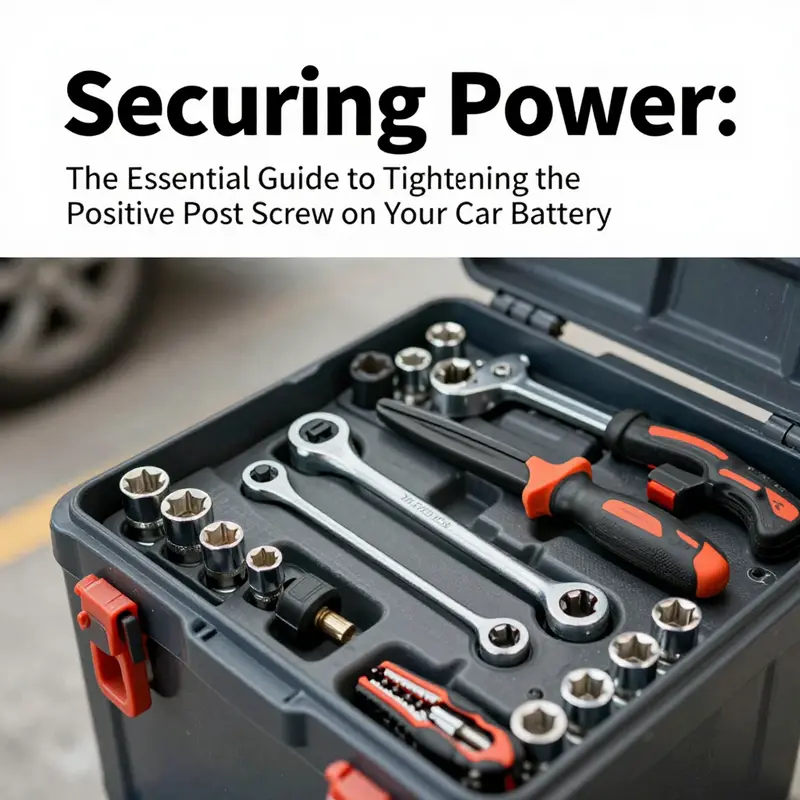
Ensuring a secure and lasting electrical connection in a vehicle is essential for both performance and safety. The process of tightening the screw in the positive post sleeve on a car battery is one of those tasks that, while appearing straightforward, demands a careful blend of the right tools, proper technique, and an understanding of the underlying principles. In this comprehensive discussion we explore the reasons behind specific torque settings, the importance of selecting the appropriate tools, and the necessary sequence of steps to guarantee that each battery connection remains steadfast under the most demanding conditions.
At the heart of the process lies the use of the correct tools. The connection typically relies on a standard M10 zinc alloy nut, which fits the 19mm diameter positive terminal. To achieve the optimal connection, the ideal tool is a 10 mm socket wrench or an open-end wrench tailored to match the nut’s dimensions. Using a torque wrench in this scenario is critical; the recommended torque for the positive battery terminal is around 6 Nm (approximately 4.4 ft-lb), which provides just the right amount of force to secure the screw without over-stressing the battery case or damaging the connection points. This measured application of force ensures that the connection is both electrically conductive and mechanically secure, thereby minimizing the resistance and potential for localized heating or arcing.
The significance of proper torque cannot be overstated. An insufficiently tightened screw can lead to a multitude of issues ranging from voltage drops and inconsistent power supply to severe complications such as arcing and overheating. When a connection is loose, the mechanical vibration from regular vehicle operation can gradually worsen the contact point, eventually resulting in a poor or intermittent electrical connection. Over time, such issues may not only impair the performance of the battery but could also lead to starting difficulties and unpredictable engine behavior. Conversely, excessive torque risks damaging delicate components. Over-tightening can strip the internal threads of the battery terminal or even fracture the battery case itself, compromising the structural integrity of one of the vehicle’s most vital components. This delicate balance underscores the importance of controlled, precise tightening using the correct torque setting.
Before the tightening process even begins, proper preparation is a key factor in ensuring a successful outcome. Both the battery post and the terminal clamp must be clean and free from any contaminants such as corrosion, dirt, or oxidation that might interfere with the electrical conduction. Over time, deposits build up on these surfaces, and if not properly treated, can introduce high resistance into the system. A wire brush or a battery terminal cleaner should be employed to gently remove any residual buildup. Once the surfaces are clean, the application of a thin layer of anti-corrosion grease, such as dielectric grease or a dedicated battery terminal protector, is recommended. This grease not only helps to prevent future corrosion but also ensures that the connection maintains its integrity under varying environmental conditions. The routine of cleaning and protecting the terminal surfaces is indicative of a broader commitment to vehicle maintenance, tying into comprehensive car maintenance skills that every enthusiast and technician should master.
Central to the discussion of battery maintenance and securing the positive post screw is the thoughtful selection of a torque wrench. By relying on a torque wrench rather than the unpredictable strength of one’s hand, technicians can achieve a level of precision that is critical to the task. The torque wrench serves two primary functions. First, it ensures that the nut is tightened to the specified 6 Nm, providing an optimal balance between safety and performance. Second, it mitigates the risk of over-tightening, which could damage both the battery terminal and the surrounding structures. This accuracy is particularly crucial in modern vehicles where electrical systems are finely tuned, and any deviation in connection quality could trigger broader system failures.
The sequence in which the battery cables are connected is another critical aspect of the process. The correct practice is straightforward: when installing a car battery, the positive (red) cable should be connected first, followed by the negative (black) cable. This sequence minimizes potential risks, such as short circuits, that could occur if the battery is mishandled. When disconnecting the battery, the reverse order is recommended; the negative cable should be removed first. This protocol prevents accidental contact between the battery terminal and any grounded metal surfaces, which could result in sparks or even damage to the sensitive electronics onboard. Adhering to this ordered sequence is a simple yet vital part of safe battery maintenance.
Using proper techniques when securing the battery terminal also plays into the broader discipline of vehicle maintenance and repair. Traditional mechanics and modern technicians alike emphasize the need for preventive measures to avoid recurring issues. For instance, after the battery terminal has been properly cleaned, treated with anti-corrosion grease, and connected using a torque wrench set to 6 Nm, it is important to double-check the connection. A gentle rock of the cable can confirm that there is no movement in the terminal assembly, and that the cable is held firmly in place. Such attention to detail not only ensures reliable electrical performance over time but also reinforces the importance of preventive maintenance in avoiding costly repair jobs in the future.
In addition to the mechanical aspects of tightening the positive post sleeve screw, understanding the underlying materials and their behavior under stress is valuable. The zinc alloy nut paired with a 19mm positive terminal is chosen for its resistance to corrosion and its physical robustness. Zinc alloys provide an excellent balance between durability and conductivity, which is why they are favored in automotive applications. However, even the best materials require proper handling to fully leverage their properties. When the M10 nut is tightened too quickly or with too much force, it can cause microscopic damage to the alloy, potentially reducing its long-term effectiveness. This is one of the reasons why a controlled environment—with cleanliness, appropriate lubrication, and measured force—is so critical. The interplay between material science and practical applications becomes apparent here, demonstrating that even routine maintenance tasks require a solid grasp of several sophisticated engineering principles.
The process described above demands that technicians and vehicle owners alike take a methodical approach to battery terminal maintenance. Many may view the simple act of tightening a screw as trivial, yet it is a task that, if done improperly, can have significant and cascading effects on a vehicle’s overall performance. By ensuring that proper tools are used—specifically a 10 mm socket wrench and a calibrated torque wrench—it becomes possible to achieve a reliable mechanical connection that bolsters the vehicle’s electrical system. This detailed attention to nuance not only enhances operational reliability but also contributes to the longevity of key components. Readers interested in more comprehensive vehicle care can explore additional insights on maintenance by checking out our article on comprehensive car maintenance skills at this link.
A closer examination of the specialized techniques reveals that achieving the correct torque is both an art and a science. The use of a torque wrench calibrated to 6 Nm ensures consistency from one battery service to the next. Unlike hand tightening, which is subject to individual strength and can vary dramatically in force, a torque wrench standardizes the process and removes personal variance. The precise measurement means that every tightening yields the same secure connection, translating to a stable voltage supply and minimized risk of arcing. In applications where every fraction of a volt counts, such as in modern vehicles with sensitive electronic systems, the practice of using a torque wrench becomes indispensable.
This meticulous attention to detail extends to the evaluation of the battery terminal’s condition. Regular inspections can preemptively catch potential issues before they escalate into severe problems. It is advisable that operators inspect not only the tightness of the connection but also the condition of the surfaces involved. Signs of corrosion, discoloration, or looseness might indicate that the terminal has been subjected to stresses above the recommended specifications. In such cases, immediate cleaning and reapplication of anti-corrosion compounds can restore the terminal’s effectiveness, ensuring continued safety and reliability.
Emphasizing the interconnected nature of vehicle systems, it is important to understand that a secure battery connection is but one element in a larger ecosystem. The battery serves as the heart of the electrical system, and any disturbance in its connection can have a domino effect on other critical components such as the starter, alternator, and electronic control units. Given this, the correct torque application of 6 Nm on the battery terminal is part of a broader strategy aimed at maintaining both electrical integrity and overall vehicular performance. Each small measure—whether it be cleaning the terminal or applying the proper torque—plays a significant role in ensuring that the engine starts reliably, that the onboard electronics function without interruption, and that safety is preserved in all driving conditions.
Moreover, the use of anti-corrosion grease goes beyond simply preventing oxidation. It acts as a barrier that minimizes the ingress of moisture and contaminants. Moisture, in particular, is notorious for accelerating corrosion, which not only degrades conductivity but also weakens the structural integrity of metal components over time. By applying a thin, even layer of such grease to both the battery post and the inside of the terminal, one creates a long-lasting shield against the elements. This preventative strategy is a hallmark of high-quality maintenance practices and is increasingly recommended by experts in automotive repair and engineering. The interplay of mechanical precision and environmental protection underlines the complexity hidden within what might seem like a routine maintenance task.
In many ways, the process of tightening the screw in a positive battery post sleeve can be seen as a microcosm of advanced mechanical engineering practices. It involves selection of the right materials, careful handling of those materials, accurate force application, and thorough inspection both before and after the connection is made. Additionally, the proper sequencing of connecting the positive cable before the negative cable reflects a deep understanding of both electrical principles and practical safety measures. The importance of this sequence is underscored by the potential hazards of reversed or improper connections, which could lead to short circuits and even pose risks of fire or explosion in extreme cases.
Beyond the technical aspects lies a philosophy of preventive maintenance. A well-maintained battery not only improves the performance and reliability of a vehicle but also contributes to overall operational efficiency and longevity. The act of ensuring that every screw, terminal, and connection is secured correctly is a proactive measure against future complications. This discipline of regular check-ups, precise installations, and immediate corrective actions forms the bedrock of sound automotive care. Vehicle owners who embrace this philosophy tend to experience fewer breakdowns and incur lower maintenance costs over the lifetime of their vehicles.
Furthermore, advancements in torque wrench technology and improved design of battery terminals have provided mechanics with tools that make these tasks more accessible and less prone to error. Modern torque wrenches come with digital displays, audible clicks, and sometimes even Bluetooth connectivity to log maintenance records. These technological improvements streamline the routine tasks involved in car maintenance, making them more efficient and reliable. However, even these modern tools require a deep understanding of the principles behind their use. Every mechanic must remember that no matter how advanced the tool, the responsibility to follow the correct procedure and maintain a methodical approach rests with them.
As the discussion draws to a close, it is important to reiterate the central role that proper tightening plays in the overall safety and functionality of a vehicle’s electrical system. A secure battery terminal is one that has been carefully cleaned, protected, and connected using the exact torque specifications recommended by experts. By adhering to these guidelines—using a 10 mm socket wrench, a calibrated torque wrench, and following the correct connection order—vehicle owners and technicians alike can ensure that the battery remains a reliable power source. This meticulous process not only prevents immediate issues like arcing and overheating but also guards against long-term deterioration that could compromise critical vehicle functions.
The comprehensive approach to this maintenance task reflects a broader commitment to excellence in automotive repair and routine care. Much like other aspects of vehicle maintenance, such as brake system checks or tire rotations, the precision required in securing the battery terminal is a testament to the importance of attention to detail. When every component receives the level of care it demands, the entire vehicle benefits, leading to smoother performance, enhanced safety, and lower likelihood of unexpected failures during operation.
Engaging in such a detailed and structured maintenance routine is not just about adhering to best practices; it is also about cultivating an understanding of the vehicle’s intricate systems and how each part interrelates with the others. Whether you are a professional technician or an informed vehicle owner, the knowledge of precisely how to tighten the screw in the positive post sleeve on a car battery equips you with the confidence and competence to troubleshoot potential issues before they escalate. This commitment to detailed care ultimately enhances overall vehicular reliability and showcases the critical role preventive maintenance plays in automotive longevity.
In conclusion, mastering the art and science behind securing the battery terminal involves more than simply turning a wrench. It requires a deep understanding of the interplay between physical materials, electrical principles, and maintenance procedures. Every step—from the careful cleaning of the terminal surfaces and the judicious use of anti-corrosion compounds, to the precise application of torque using a calibrated wrench—is a vital part of the process that ensures safe, durable, and optimal vehicle performance. With this comprehensive perspective, maintaining secure battery terminals transforms from a mundane task into an essential expression of prudence and technical mastery. For more insights into this and other essential techniques in automotive upkeep, readers can explore further details available through trusted resources such as the guidelines provided by SAE International at https://www.sae.org/standards/content/J2400_202305/.
Final thoughts
In conclusion, mastering the technique of properly securing the screw in the positive post sleeve on your car battery is crucial for any vehicle owner or automotive professional. By adhering to the recommended torque specifications, understanding the performance impacts of correct tightening, and having the right tools at your disposal, you ensure not just the functionality of your battery but also the overall health of your vehicle’s electrical system. Regularly check your connections and tighten them as needed, and you’ll avoid common problems that can lead to starting issues or even damage to the battery itself. Empower yourself with knowledge, and keep your vehicle running smoothly.