

Understanding whether Mercy Care covers gastric sleeve surgery is essential for individuals seeking weight loss solutions. For motorcycle and auto owners, as well as distributors and repair shops, this topic holds significance, especially as health impacts physical activities and overall lifestyle. Each chapter of this guide will delve into the nuances of Mercy Care’s coverage, the criteria and conditions that qualify individuals for surgery, the role of health conditions in the approval process, and the necessary documentation for pre-approval. Together, these elements will equip you with the knowledge to navigate the complexities of gastric sleeve surgery coverage effectively.
Does Mercy Care Cover the Gastric Sleeve? A Practical Guide Through Eligibility, Pre-Approval, and Real-World Steps

For many people facing obesity, bariatric surgery can be a turning point in health and daily life. When Mercy Care is the payer, that turning point comes with questions about eligibility, documentation, and the timing of approval. Mercy Care is a Medicaid program available in certain states, including Missouri, where coverage for sleeve gastrectomy is a real possibility but not a guarantee. The decision rests on medical necessity, individual health status, and adherence to specific administrative requirements. This pathway is not a one-size-fits-all shortcut; it is a careful, case by case process that weighs medical history, current conditions, and the patient’s commitment to a structured treatment plan. Understanding how Mercy Care approaches coverage helps patients navigate the journey with clarity and purpose.
At the heart of Mercy Care’s coverage considerations is body mass index, or BMI, and the presence of obesity-related health conditions. The typical criteria reflect a balance between medical necessity and the realities of medical practice. In many Medicaid programs, sleeve gastrectomy is considered when BMI reaches 40 or higher, an explicit threshold that signals extreme obesity and an elevated risk for weight-related complications. The conversation broadens when BMI falls into the 35 to 39.9 range; in these cases, coverage often hinges on at least one serious comorbidity. Commonly cited conditions include type 2 diabetes, hypertension, obstructive sleep apnea, and cardiovascular disease. High cholesterol and fatty liver disease, including nonalcoholic steatohepatitis, may also satisfy the medical criteria. While the list of qualifying conditions can vary by state, Mercy Care’s general framework mirrors the broader Medicaid standards used nationwide. The key takeaway is that eligibility is not automatic; it depends on a documented health profile that demonstrates a clear medical need for surgical intervention.
Even when a patient meets BMI and health-condition criteria, Mercy Care typically requires more than a chart review. The process usually includes evidence that non-surgical methods have been attempted and documented for a meaningful period. Structured, medically supervised weight-management programs are often required for several months before surgery is considered. The standard in many programs is a minimum of six months of documented weight-loss efforts, including diet modification, physical activity, and behavioral counseling. This requirement is designed to ensure that surgery is reserved for those who have exhausted or nearly exhausted nonoperative options and to set a strong foundation for long-term weight management after the operation.
A critical piece of the Mercy Care pathway is the formal referral and pre-authorization step. A primary care provider or a bariatric specialist typically plays a central role in initiating the process. The referral document must articulate a clear medical justification for sleeve gastrectomy, outlining how obesity-related health issues contribute to current health risk and how surgery is expected to improve outcomes. Along with the referral, patients should expect to compile a robust dossier of medical documentation. This often includes a detailed weight-loss history, proof of failed attempts at lifestyle modification, nutrition counseling notes, and letters or reports from healthcare providers that endorse medical necessity. In addition, Mercy Care commonly requires a pre-authorization review, where the insurer examines medical records, documentation from dietitians, and sometimes results from psychological evaluations to assess readiness for surgery.
The pre-approval phase is designed not only to confirm eligibility but also to prepare the patient and the care team for the postoperative pathway. In many Mercy Care plans, psychological and nutritional evaluations form part of the required assessments. These evaluations help determine whether the patient has realistic expectations, understands the lifestyle changes required after surgery, and has strategies to cope with potential challenges, such as emotional eating or adherence to lifelong dietary guidelines. The evaluations also provide a framework for ongoing support after the procedure, which is essential to long-term success.
An important nuance in the Mercy Care landscape is the status of endoscopic sleeve gastroplasty ESG. ESG is a less invasive alternative to sleeve gastrectomy, but it is not typically covered by Mercy Care in the same way as traditional surgical sleeve procedures. In many Medicaid programs, ESG is viewed as experimental or investigational, limiting coverage despite its growing acceptance in some medical centers. This distinction matters because patients who might prefer ESG for its lower invasiveness or quicker recovery may find that Mercy Care does not provide coverage for this option. Understanding this difference early in the planning process helps manage expectations and guides discussions with clinicians about the most appropriate and feasible treatment path given coverage realities.
Policy details can and do evolve, which is why the current status of Mercy Care’s bariatric coverage is best confirmed directly through official channels. As of the latest updates, Mercy Care’s policy aligns with traditional Medicaid standards and emphasizes medical necessity, documented treatment attempts, and formal pre-approval. However, decisions are made on a case-by-case basis and can vary by state, plan specifics, and individual circumstances. This means that even a patient who appears to meet common criteria should expect a personalized review, and a denial at one stage does not necessarily close the door forever. If an application is denied, there are usually formal appeal options, often with timelines and additional documentation requirements. The overarching principle is transparency and ongoing dialogue between the patient, the primary care team, and Mercy Care representatives.
For anyone contemplating sleeve gastrectomy under Mercy Care, there are practical steps that can improve the odds of a smooth process. First, contact Mercy Care member services to verify coverage details and obtain the exact pre-authorization forms required for bariatric surgery. Next, prepare a comprehensive medical packet that includes a completed weight-loss history, documentation of failed diet and exercise efforts, and a letter of medical justification from a trusted clinician. Your primary care physician or a bariatric surgeon can help assemble these materials in a cohesive, persuasive narrative about medical necessity and the potential health benefits of surgery. It is also wise to confirm that you have access to the necessary pre-surgical counseling services and to schedule any required psychological and nutrition assessments early in the process. This proactive approach reduces back-and-forth delays and demonstrates readiness for the postoperative lifestyle changes that are crucial to success.
The timing of approval can vary significantly. Some patients move through the pre-authorization phase in a matter of weeks, while others encounter longer timelines depending on the completeness of documentation and the intensity of required evaluations. Throughout this period, clear communication with Mercy Care, your PCP, and the surgical team is essential. Keeping a well-organized file—digital and paper copies of all submissions, test results, and counseling notes—can prevent avoidable delays. Because Mercy Care policies may differ by state, it is important to verify whether any local Medicaid office or state health department guidelines apply to your case. The goal is to arrive at a decision that reflects not only clinical necessity but also a sustainable plan for postoperative care, follow-up appointments, and ongoing weight management strategies with the support of your healthcare providers.
Ultimately, the question does Mercy Care cover the gastric sleeve rests on a combination of measurable health indicators, program requirements, and administrative diligence. For many patients who clear the BMI and comorbidity thresholds and complete the required pre-approval steps, coverage is attainable. For others, the journey may reveal alternative routes, such as intensified medical weight management programs, noninvasive options, or a more extended period of structured weight loss before reapplying. In all cases, the path is anchored in careful documentation, collaborative care, and a clear, medically justified rationale for pursuing surgery. As policies continue to evolve, staying informed through Mercy Care’s official resources and maintaining open lines of communication with the care team will help ensure that the quest for a healthier life remains grounded in both medical reality and administrative transparency.
External resource: For authoritative, up-to-date guidance on Mercy Care’s bariatric coverage, consult the official Mercy Care bariatric surgery coverage page at https://www.mercycare.org/healthcare-providers/bariatric-surgery-coverage
Unlocking Mercy Care Coverage for Gastric Sleeve: Criteria, Process, and Real-World Pathways
Mercy Care is a Missouri-based Medicaid program that often plays a gatekeeping role in expensive medical procedures like weight-loss surgery. When people first consider a gastric sleeve, or sleeve gastrectomy, the question is not only whether such a procedure can help with health and quality of life, but also whether Mercy Care will authorize coverage. The short answer is that coverage is possible, but it is not automatic. It hinges on a careful alignment of medical necessity, policy specifics, and a person’s readiness for the long-term lifestyle changes that follow surgery. For anyone weighing this option, understanding the criteria and the pathway to pre-approval helps turn a hopeful intention into an actionable plan. The landscape can vary by individual plan type and by updates Mercy Care makes to its policies, so proactive verification with both a healthcare provider and the Mercy Care representative is essential.
The core eligibility framework mirrors widely accepted clinical guidelines, with emphasis on body mass index (BMI) and obesity-related health conditions. In general, candidates who meet Mercy Care’s criteria will include adults with a BMI of 40 or higher, which marks extreme obesity, or a BMI in the range of 35 to 39.9 who also have one or more serious weight-related health conditions. These conditions commonly include type 2 diabetes, high blood pressure, obstructive sleep apnea, heart disease, high cholesterol, or fatty liver disease. Some programs also recognize that certain individuals with a BMI between 30 and 34 may qualify if they carry significant comorbidities that markedly increase health risk and impact daily functioning. These thresholds are not mere numbers; they signal a medical reality where obesity has begun to drive organ strain and complicate disease management. Mercy Care’s documentation will reflect how weight-related health issues are contributing to clinical risk and why weight loss would meaningfully alter prognosis.
Beyond BMI and comorbidity, Mercy Care, like most insurers, requires more than a single clinical snapshot. Coverage hinges on a documented history of trying safer, non-surgical weight loss methods first. This typically means evidence of medically supervised weight loss attempts, such as structured diet plans, behavioral counseling, and supervised exercise regimens that have not produced durable results. The emphasis on prior attempt is not a hurdle to deny care; rather, it demonstrates medical necessity and medical stability, showing that surgery is a reasonable next step after conservative measures have fallen short. Alongside these weight-management efforts, patients must demonstrate a clear understanding of the rigorous post-surgical regimen. The gastric sleeve is not a standalone intervention but a lifelong commitment to dietary change, nutritional supplementation, and ongoing follow-up with a multidisciplinary team.
Pre-approval processes underscore the administrative side of Mercy Care’s criteria. A patient is unlikely to receive an automatic nod at the first clinician visit. Instead, a pre-authorization workflow is typically required, with documentation that spans medical records, a formal recommendation from a physician, and often reports from a dietitian about a realistic plan for post-surgical nutrition. Psychological readiness is another essential piece. Behavioral health assessments help ensure that patients can engage with the mental and emotional adjustments that accompany substantial lifestyle change, including managing relationship with food, stress, and potential triggers for relapse. The pre-approval step also generally requires a documented plan for pre-operative and post-operative follow-up. This plan outlines how weight loss, nutrition education, and physical activity will be integrated into daily life in the months and years after surgery, along with the names of the professionals who will deliver care.
Mercy Care’s criteria also reflect practical considerations about the process itself. Plan type can influence coverage scope: Medicaid expansion plans, Medicare Advantage options, or commercial plans nested within Mercy Care networks may each carry distinct documentation requirements, timelines, and appeals processes. For individuals, this means that the path to coverage could look different depending on their specific enrollment details. Even when the core medical criteria are met, administrative completeness matters. Submitting thorough medical records, a detailed treatment history, and a robust pre-operative workup can reduce back-and-forth delays. Patients should be prepared to obtain referrals and to coordinate between their primary care provider, a bariatric surgery program, a nutritionist, and a mental health professional. This coordination not only supports the pre-approval but also sets the stage for successful post-operative care.
The practical steps to move from eligibility to coverage are straightforward in concept, but they require diligence in execution. Start by contacting Mercy Care directly to confirm current coverage policies, because policies evolve and plan-specific nuances can shift eligibility. A patient typically needs a physician’s referral that documents medical justification for sleeve gastrectomy. From there, the pre-approval submission grows to multiple components: medical records that chronicle the obesity history and related health conditions, dietitian reports detailing a weight-management plan, and psychological evaluations that assess readiness for the behavioral aspects of the surgery. Once Mercy Care receives this information, a centralized review process weighs clinical necessity against the plan’s criteria. If approved, the patient proceeds to scheduling through a bariatric program that collaborates with Mercy Care. If denied, there may be an appeals pathway, often requiring additional documentation or an updated medical opinion demonstrating medical necessity. Throughout this journey, clear communication with both the primary care provider and Mercy Care is essential to avoid gaps in coverage or delays in care.
For patients, the most constructive framing is to approach eligibility as a collaborative project rather than a one-off medical decision. It is about building a comprehensive case for why sleeve gastrectomy is medically appropriate given current health status and what it promises for future health. It is equally about crafting a realistic, sustainable plan for aftercare. Mercy Care’s potential coverage rests on this dual axis: demonstrable need and demonstrable commitment to long-term health changes. The emphasis on long-term follow-up cannot be overstated. Diet, nutrition, physical activity, and mental health support are not optional add-ons; they are integral to the surgery’s effectiveness and to maintaining results. Patients should engage with a multidisciplinary team that can provide ongoing education and monitoring, as this not only supports medical outcomes but also strengthens the case for continued coverage under the plan.
In summary, Mercy Care does cover sleeve gastrectomy under clearly defined medical criteria and a structured approval process. The path to coverage is shaped by BMI thresholds, the presence of obesity-related health conditions, prior medically supervised weight loss attempts, and a sustained commitment to post-surgical follow-up. Plan variations can influence the exact documentation required and the timing of decisions, so verification with Mercy Care and with a physician who understands the patient’s unique health profile is essential. For anyone navigating this route, the core message is that eligibility is a medically grounded, procedural journey, not a single hurdle. When approached with thorough preparation and ongoing clinical guidance, the process can align health needs with a viable, covered pathway to sleeve gastrectomy.
External resource: https://www.mercycare.org/health-plans/bariatric-surgery-coverage
Health Conditions as Gatekeepers: Mercy Care’s Gastric Sleeve Coverage

Mercy Care, a Missouri Medicaid program, does not blanketly fund every weight-loss operation; instead it uses a medical necessity framework to determine eligibility for procedures like sleeve gastrectomy. In practice, this means that a person’s health status, current body mass index, and the presence of obesity-related health conditions all play a critical role. It also means that obtaining coverage often feels like navigating a careful mosaic of criteria rather than receiving a straight yes or no. Understanding how health conditions influence Mercy Care’s decision requires looking beyond the idea of obesity as a single problem. Bariatric surgery is viewed as a tool to reduce risk and improve function when conservative approaches have not yielded durable results. The chapter that follows explains how health conditions interact with policy rules to shape who gets access to gastric sleeve surgery under Mercy Care.
At the center of Mercy Care’s policy are numerical thresholds tied to BMI. Generally, a patient is eligible if they have a BMI of 40 or higher, which indicates extreme obesity. Alternatively, a BMI between 35 and 39.9 may qualify if there is at least one serious weight-related health condition present. These criteria aren’t mere labels; they reflect the medical reality that higher levels of obesity increase risk during surgery and heighten the potential for meaningful long-term health gains with weight loss. The approach aims to balance the desire to provide life-changing treatment with the responsibility to use resources where they will have the strongest impact. The exact thresholds can shift with updates in policy or changes in a patient’s health profile, so verification is essential.
Common qualifying conditions extend the picture beyond BMI alone. Type 2 diabetes is often cited because obesity and insulin resistance cluster together, and sleeve gastrectomy can markedly improve glycemic control. Severe sleep apnea, especially when not well managed non-surgically, also features in coverage discussions since airway obstruction and daytime fatigue increase cardiovascular risk. Hypertension and heart disease add risk and potential benefit, as weight loss helps blood pressure and cardiac function. In some cases, obesity-associated cancers such as breast, endometrial, or prostate cancer may be considered within the scope of medical necessity due to the broader health benefits of weight reduction. These examples show how Mercy Care weighs disease burden alongside body size to determine medical need.
Beyond BMI and conditions, Mercy Care typically requires evidence that non-surgical strategies have been tried and not produced durable results. A medically supervised diet, structured exercise, and behavioral therapy are commonly documented steps before surgery. The goal is to demonstrate readiness for a long-term lifestyle change. The pre-approval process often asks for a coherent plan that includes dietary counseling, psychological support, and a path for ongoing medical monitoring after surgery. When these elements are in place, Mercy Care can view the procedure as part of a comprehensive treatment strategy rather than a one-off intervention.
In practical terms, eligibility begins with a referral from a primary care provider or a bariatric specialist who can articulate the medical necessity of the procedure. The referral is only the first step, because Mercy Care typically requires a formal pre-authorization before approving bariatric surgery. The pre-authorization packet can include extensive medical records, documentation from dietitians or weight-management specialists, and psychological evaluations that assess readiness and support networks. Some plans may insist on proof of prior attempts at weight loss under supervision, a current medication review, and a plan for managing potential nutritional deficiencies after surgery. Each piece of documentation helps adjust the risk-benefit calculus and demonstrates that the medical team has considered alternatives. The process can take weeks or months, but it remains a critical safeguard to ensure that surgery aligns with health goals and consumer protections.
An important nuance is that Mercy Care’s decision is rarely a simple yes or no based solely on numbers. The medical narrative around a patient—how obesity affects organ function, how comorbidities interact, and how likely the patient is to adhere to a post-operative plan—carries substantial weight. A history of non-adherence to medical recommendations can complicate approval, even if BMI and comorbidities would otherwise support it. Conversely, a robust support system, stable housing, access to transportation for follow-up visits, and demonstrated engagement with nutrition and mental health services can tilt the scales toward approval. In this way, the policy resembles a partnership between patient and clinician, framed by insurance rules but guided by clinical judgment aimed at long-term health improvement. It underscores why the team-based approach—primary care, surgeons, dietitians, and behavioral health professionals—matters so much in the journey toward surgery.
Because policies evolve, the best strategy is direct verification with Mercy Care and, when possible, with a trusted healthcare provider who can translate insurance language into medical rationale. This means preparing a dossier that aligns clinical evidence with the plan’s criteria, staying informed about any policy updates, and coordinating appointments to complete pre-surgical requirements within the allowed time frames. Patients should anticipate a multi-step sequence: referral, documentation collection, pre-authorization submission, and scheduling of assessments such as nutritional, surgical, and psychological evaluations. Even with clear health conditions and a strong care plan, the timing can be unpredictable, because approvals depend on administrative workflow as well as clinical appropriateness. Maintaining open communication with Mercy Care and the medical team helps navigate delays and clarifies what additional information might be needed to finalize coverage. The objective remains consistent: secure a pathway that respects both medical necessity and patient safety.
Ultimately, Mercy Care’s approach to gastric sleeve coverage centers on health status as a principal driver of medical necessity. BMI thresholds set the stage, but the presence of diabetes, sleep apnea, hypertension, heart disease, and obesity-associated cancers often becomes the decisive factor in moving from consideration to approval. The philosophy behind this structure is to ensure that surgery supports meaningful health gains, reduces risk, and is integrated into a sustainable care plan. The chapter you’ve read treats this intersection of physiology, policy, and patient-centered care as a dynamic process rather than a fixed rulebook. If readers take away one idea, it should be that eligibility is not automatic; it is earned through documented health needs, proven engagement with non-surgical treatment options, and a clear commitment to long-term health maintenance. This understanding helps patients and providers align expectations and prepare for the steps ahead in the Mercy Care pathway.
External resource: For the most current policy details and official requirements, consult Mercy Care’s site: https://www.mercycare.org/.
Mercy Care Pre-Approval Roadmap for Gastric Sleeve Surgery: Documentation, Criteria, and Concrete Next Steps
Embarking on a weight-loss journey through a gastric sleeve procedure involves more than a medical decision. It requires navigating a payer landscape where coverage is not automatic and where Mercy Care, like many plans, ties approval to a careful blend of medical necessity, measurable health indicators, and a documented commitment to long-term lifestyle changes. This chapter follows a steady, integrated path through what patients commonly encounter as they seek pre-approval for sleeve gastrectomy. It is written to feel like a single, continuous narrative rather than a checklist, because the real experience of pre-approval is a narrative of evidence, conversations with clinicians, and timely communication with an insurer. The core message is clear: understanding the criteria, organizing the right documentation, and engaging in the process with your care team can make the difference between hesitation and a confirmed path to surgery when it is medically warranted.
At the heart of Mercy Care’s review is medical necessity. The decision hinges on whether obesity-related health issues are present and how severely they affect daily life and long-term health risks. Blood pressure, type 2 diabetes, obstructive sleep apnea, and lipid disorders are among the conditions that frequently accompany obesity and that insurers consider when evaluating need. It is not enough to be overweight; the paperwork must demonstrate that weight loss would meaningfully improve current conditions or prevent further health decline. In practical terms, you will be compiling medical evaluations that clearly tie your health conditions to obesity, showing not only a body mass index (BMI) but also how weight affects heart health, sugar control, breathing during sleep, and the risk profile overall. Mercy Care typically expects documentation from a primary care physician or a specialist who can attest to these connections and who can outline why alternative treatments have not achieved lasting results.
BMI thresholds are another common axis in determining coverage. Traditional guidelines often consider sleeve gastrectomy for a BMI of 40 or higher, which is categorized as extreme obesity. A BMI in the 35 to 39.9 range with at least one significant comorbidity may also meet criteria, depending on plan specifics and regional variations. Some cases may even consider BMI in the 30–34 range when substantial health issues exist and risk reduction appears substantial with weight loss. Because Mercy Care policies can vary by plan and location, it is essential to understand that these thresholds are not universal rules and may shift with updated guidelines. The key is to work with your medical team to document how your BMI and health conditions align with Mercy Care’s current framework, and to confirm exact numbers and qualifiers with Mercy Care directly or through your care coordinator.
Beyond BMI and medical necessity, Mercy Care commonly looks for evidence that you have pursued non-surgical weight-management efforts before moving to surgery. This typically includes documentation of structured weight-loss attempts, which may involve supervised diet plans, counseling, and behavior modification programs. A record of these efforts does not guarantee approval, but it helps demonstrate that surgery is a clinically appropriate next step after non-surgical options have been explored and exhausted. The documentation often spans several months and can include notes from a registered dietitian, progress reports from weight-management programs, and summaries of weight-change patterns over time. When combined with a physician’s endorsement that lifestyle changes alone have not achieved sustainable results, this information strengthens the case for medical necessity.
A psychological evaluation is another pillar in the dossier Mercy Care frequently considers. The long-term success of sleeve gastrectomy depends not only on physical change but on emotional readiness and the ability to adhere to a lifelong dietary and lifestyle transformation. A mental health assessment helps confirm that you understand the lifelong commitments after surgery and that you have strategies to cope with behavioral changes, stress, and potential setbacks. In parallel, a nutritional assessment from a registered dietitian ensures there is a concrete post-surgery nutrition plan. This plan typically outlines how calories, protein, vitamins, and minerals will be managed after the operation, and how patients will be supported in adopting new eating habits. The goal is to present a cohesive, forward-facing plan: you will eat differently, you will exercise, and you will follow medical guidance to protect bone health, metabolic balance, and overall well-being.
The pre-approval process itself is a regulatory step as much as a clinical one. Mercy Care often requires prior authorization before scheduling surgery. This means assembling a comprehensive packet that includes medical records from your primary care physician and any specialists involved, notes from the treating bariatric surgeon, dietitian reports, and psychological and nutritional assessments. It isn’t enough to mail or fax a few pages; the documentation should be thorough, well-organized, and clearly labeled so reviewers can trace the medical narrative from initial obesity through to the recommended surgical option. In many cases, the submission is done through a provider portal, but some plans still accept documentation via fax or a dedicated phone line. The speed of the decision depends on how quickly records can be gathered, how clearly the medical justification is presented, and whether all requested forms and test results are included. Experienced coordinators often emphasize compiling every item in one consolidated packet rather than submitting piecemeal updates, which reduces back-and-forth and accelerates review.
For patients, the practical path to pre-approval looks like a deliberate collaboration between you, your PCP, and the surgical team. First, obtain a physician’s referral that explicitly recommends sleeve gastrectomy as a medically appropriate intervention. Your physician can help assemble the necessary medical necessity statements and ensure key comorbidity data is included. Next, work with the bariatric surgeon to coordinate the pre-authorization workflow. This typically involves compiling and transferring medical records, test results, a detailed weight history, and the post-surgery nutrition and activity plan. It is common for Mercy Care to require documentation such as a recent BMI, a documented history of weight-loss attempts, a psychological evaluation, and a dietitian’s preoperative assessment. The process can take weeks to months, depending on how quickly records are obtained and whether reviewers need additional information or clarifications. Throughout, proactive communication matters. If a reviewer asks for more data, respond rapidly and ensure that all new materials are integrated into the same dossier to avoid delays.
Even with a well-assembled package, there may be variations in how Mercy Care applies criteria across regions and plans. It is not unusual for two patients with similar BMI and health profiles to experience different outcomes in terms of pre-approval timing or required documentation. This reality underscores the importance of confirming the specifics directly with Mercy Care or with a healthcare professional who regularly interacts with Mercy Care in your area. A careful, patient-centered approach to the pre-approval journey can also help set expectations for coverage decisions and potential next steps, such as appealing a denial or seeking clarification on required elements that could unlock approval in a subsequent submission.
As you prepare, keep a clear, organized record of all communications, including the dates of appointments, who you spoke with, and any reference numbers from Mercy Care. A simple, consistent file of documents — from initial medical necessity statements to final post-approval nutrition plans — can reduce confusion and help you stay focused on the health outcomes you’re pursuing. In the best-case scenario, the pre-approval process culminates in a formal authorization that not only approves sleeve gastrectomy but also outlines benchmarks for post-operative follow-up care, nutrition counseling, and ongoing evaluation of health improvements. In any case, the process is designed to ensure that surgery is clinically warranted, medically safe, and supported by a structured care plan that extends beyond the operating room.
For readers seeking direct, up-to-date specifics, the most reliable source is Mercy Care’s official coverage information, which outlines current criteria, required documentation, and submission procedures. In practice, this means aligning your medical narrative with Mercy Care’s policy language and staying in close contact with your care team to confirm what counts as medical necessity in your plan.
External resource: For the most accurate details, consult Mercy Care’s official coverage page at https://www.mercycare.org/coverage/weight-loss-surgery.
Mercy Care and Sleeve Gastrectomy: A Clear Path to Coverage
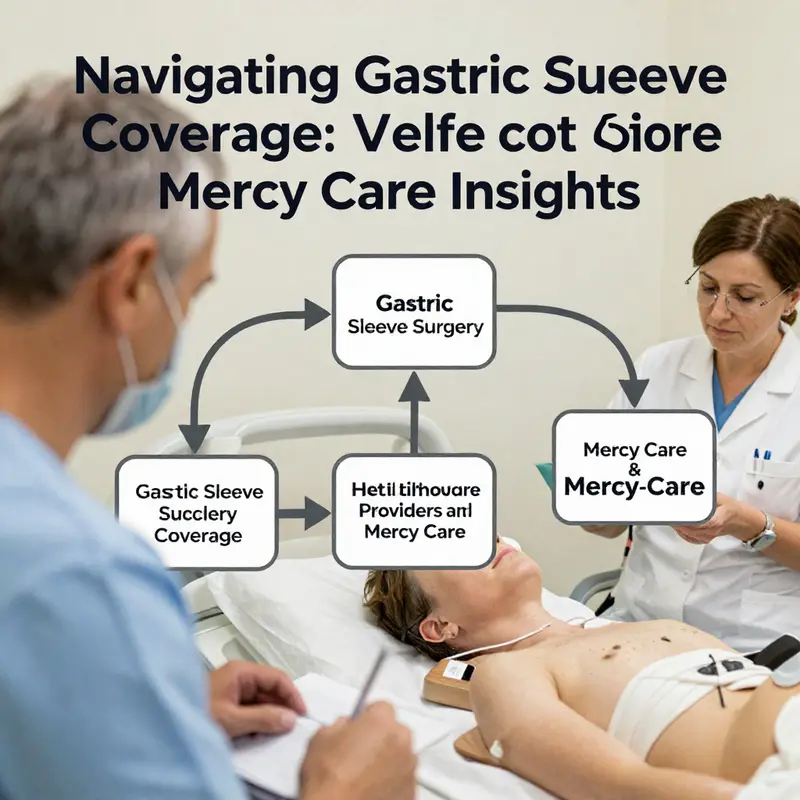
Mercy Care can cover sleeve gastrectomy for Missouri residents when medical necessity is clearly demonstrated and plan requirements are met.
Eligibility generally considers a BMI in the range of 35 to 39.9 with obesity-related conditions, or a BMI of 40 or higher with related health challenges. These thresholds are guidelines, not rigid rules; Mercy Care weighs the overall health status, prior weight loss attempts, and the stability of obesity-related conditions.
Practical steps begin with a call to Mercy Care Member Services to confirm that bariatric surgery is a covered benefit under your plan. This helps identify plan-specific requirements. Next, request and submit the official pre-authorization form with physician notes and supporting documentation. A well-documented request that shows medical necessity and a clear pre-operative plan moves the review faster.
The medical dossier should include proof of BMI eligibility, documented non-surgical weight loss attempts, and obesity-related health conditions that justify surgery. A letter from the primary care physician or bariatric surgeon supporting medical necessity can be influential. Mercy Care may also request pre-surgical evaluations, nutrition and behavioral health documentation to reduce perioperative risk.
Submissions can be made by mail, fax, or online portal. Allow about seven to ten business days for review, with proactive follow-up to confirm receipt and completeness.
If approved, review the coverage terms and any out-of-pocket costs. If additional information is required, work with a clinician or patient advocate to supply the gaps. Not all cases are approved, and appeals or reconsiderations may be possible.
Finally, routine verification through the Mercy Care member portal helps confirm benefit coverage and in-network status, which can affect costs and care continuity. External resource: Mercy Care Official Website – Member Services: https://www.mercycare.org
Final thoughts
Navigating the coverage for gastric sleeve surgery under Mercy Care may seem complex, but understanding the criteria, health conditions required, and documentation for patient eligibility simplifies the process. By following the outlined steps, motorcycle and auto owners, along with their affiliates, can ensure they are well-informed about their health options. The path to coverage verification becomes manageable, allowing individuals to focus on their journey toward improved health and wellbeing.