

For motorcycle and automotive enthusiasts, a sleeve tattoo is often more than just body art; it’s a statement of passion and individuality. Like maintaining a well-tuned vehicle, taking care of your sleeve tattoo requires diligent attention and the right techniques to ensure it heals properly and retains its vibrant colors. This article breaks down the essential stages of tattoo care into three detailed chapters, covering immediate care, the healing phase, and long-term maintenance. Each chapter builds upon the last, providing you with a holistic approach to ensuring your tattoo remains a source of pride for years to come.
First Shield, Fresh Ink: Navigating Immediate Care for a Sleeve Tattoo
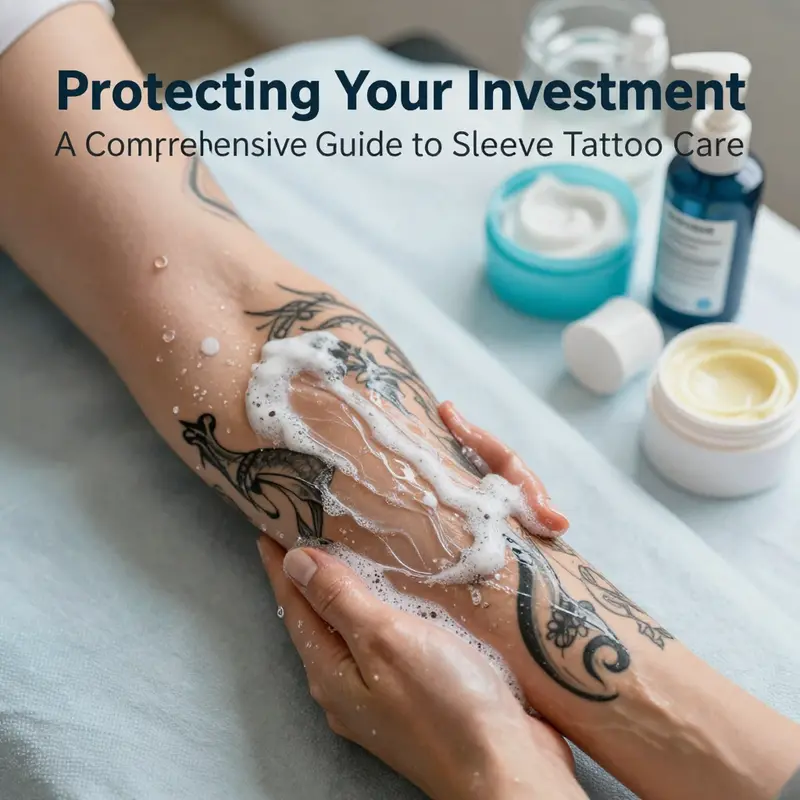
A sleeve tattoo is more than a collection of lines and color; it is a large, living story that begins its healing journey the moment you step away from the chair. The immediate care you give in the first hours after the session sets the baseline for how vibrant and sharp the sleeve will look weeks, months, and even years later. Healing is not a passive process; it is an active collaboration between your skin, the ink your artist laid down, and the rituals you follow to protect and nurture the new imagery. The first 72 hours are the most crucial window where tiny decisions accumulate into a durable foundation. The skin, freshly pricked to receive pigment, treats ink like a foreign guest. It calls for gentle handling, steady moisture, and consistent protection from irritants. In practice, this means honoring a simple sequence that blends cleanliness, barrier management, and restraint—plus a willingness to adjust if your artist provides personalized instructions. The bandage or protective wrap applied at the studio is not just a shield against bacteria; it is a controlled nebula of moisture retention and microbial defense that you are trusted to maintain exactly as directed. When you understand why the wrap is there and how long it stays in place, you begin healing with intention rather than hope. After the bandage comes the first wash, and with it a new relationship to your tattoo as it breathes its first breath outside the studio. The guidance you follow in these early hours should be precise but simple, and it should always be aligned with the specific advice your artist gave you. If there is any variation, defer to those instructions because every sleeve design interacts with skin in its own way, and the healing response can differ from person to person. In the following pages you will find a cohesive, narrative sense of how to navigate the immediate care phase, how to read the signals your body sends, and how to translate a general guideline into a living routine that fits the contours of a sleeve.
The moment you leave the studio, resist the urge to peel off or disassemble the protective layer yourself. The recommended window for keeping the initial bandage in place is typically about 2 to 4 hours, though some artists may advise a slightly longer period depending on the ink load, the location of the sleeve, and the nature of the day’s environment. This covering acts as a barrier that helps prevent bacteria from entering and guards the fresh ink from excessive moisture loss. It also stabilizes the surface so you do not rub or irritate the skin during transport home. When it is finally time to remove the wrap, do so with clean hands, in a calm, well-lit setting. The removal should be deliberate, not abrupt, because the act itself can cause micro-scratches or micro-tears in the delicate epidermis if you yank at it. Once the wrap comes off, the next step is to perform the first gentle wash. Water that is lukewarm, not hot, is a small but meaningful difference. Tap water, not ice-cold, not scalding, will help the skin ease into its new normal. Choose a mild, fragrance-free antibacterial soap and the gentlest method possible: fingertips only, never a rough washcloth or rough towel. The goal is to cleanse the area without scrubbing away the thin protective layer of ink. As you cleanse, move in soft, circular motions to lift any blood, plasma, or ointment residue that may cling to the surface. Avoid overdoing it; the skin needs its natural moisture balance to begin the healing phase. After cleansing, pat the tattoo dry with a clean disposable paper towel. The paper towel matters here more than it might seem at first glance because it reduces the risk of introducing new bacteria into the healing skin. Do not rub with fabric towels that could harbor microbes or become abrasive as they dry the area. The first wash is not a moment for healing drama; it is a routine, almost meditative act that signals you are entering the next phase with discipline, not fear.
A common point of confusion in those early hours is whether to apply ointment right away. The best practice, unless your artist has given you explicit written instructions to use a thin layer of a tattoo-specific ointment, is to refrain from applying any ointment at this stage. The aim is to keep the surface clean and slightly moist, not to seal it in layers of product that might suffocate the skin or trap heat and bacteria. If your artist tells you to use a minimal amount of a non-comedogenic ointment—just enough to create a barely visible film—apply with a very light touch. Think of it as laying down a scarf over the skin rather than saturating it. The wrong amount can create a pocket of moisture that delays healing, softens scabs improperly, or even contributes to pigment loss. The key here is restraint and fidelity to the instructions provided by the person who performed the tattoo. Maintaining a clean, dry baseline for the first day allows the skin to begin its natural scabbing process in a controlled way that preserves the crisp lines and the saturated colors that inspired you to get the sleeve in the first place.
As you proceed through the first 72 hours, you will begin to notice the skin’s evolving texture. The surface may feel slightly tight, and you might see a small amount of redness, which is normal during the early stages of healing. Do not ignore unusual changes that feel hot to the touch or spread beyond the initial area. If you see increasing redness, swelling, or drained fluid that has a foul odor, step away from the routine and contact your artist or a medical professional. Illness, fever, or systemic signs of infection require professional care, but everyday healing challenges—like mild itching, minor flaking, or a small amount of peeling skin—are part of the journey. Itching is a common companion during this phase, but it is a signal to be gentle, not scratchy. Your skin is signaling both the fragility and resilience of the new ink, and every scratch can disrupt pigment retention or cause scarring. When it itches, aim to diffuse the discomfort with a light touch, or you can apply a cool compress for short intervals to calm the sensation without soaking the area.
Another practical concern is friction and clothing. The sleeve, particularly in the first week, rests on tender, healing skin. It is essential to wear loose, soft clothing that minimizes friction against the tattoo. Tight sleeves or rough fabrics will rub and irritate the surface, potentially reopening the skin or causing a sensation of stinging that makes healing longer. The choice of fabrics matters: natural fibers like cotton tend to be gentler on healing skin than synthetic blends that can trap heat and cause additional irritation. Consider the daily environment you navigate: outdoor activity, gym sessions, commuting through wind and dust, and even the way you dress for different weather conditions. Each scenario has its own potential to disturb the delicate balance between ink and skin in this nascent stage of healing. You will learn to tailor your wardrobe as the sleeve begins to settle into its new appearance. Keeping the sleeve covered when you are in dusty environments or engaged in activities that involve water exposure is another real-world strategy that many people find beneficial in the immediate days after getting tattooed.
Moisture management in this early window is a careful balancing act. While you should avoid over-soaking, you mustn’t let the area dry out entirely either. The skin’s barrier function is still rebuilding, and excessive dryness can crack damaged skin, complicating pigment retention and line integrity. The best approach is a light, consistent routine: gentle cleansing once daily, followed by a very light application of a non-irritating, fragrance-free barrier if advised. The exact rhythm of cleansing and moisturizing will be guided by your own body’s response and your artist’s direction. If you feel the need to moisturize, opt for a fragrance-free, non-greasy option that won’t clog pores or leave a film that could affect how the ink sits in the skin. The goal is to provide just enough moisture to prevent excessive drying while avoiding any heavy residue on the surface that could hinder the healing process.
In the broader sense, the first 48 to 72 hours also involves thoughtful avoidance of water exposure beyond necessary cleansing. Swimming pools, hot tubs, lakes, and oceans are off-limits because pool chemicals and saltwater can irritate the newly tattooed skin and raise infection risk. Long baths should be avoided, as should extended showers that keep the area wet for an extended period. The skin’s new surface is porous and more permeable in these initial days; prolonged moisture can lead to maceration, a condition where the skin softens and pigments may blur or fade. Saunas, steamy rooms, or any environment that raises the body’s temperature and induces sweating can complicate healing. In the same way you would protect a delicate mechanical component during a delicate repair, you protect the tattoo by keeping it dry, clean, and free from external irritants. This is not a minor preference but a critical component of preserving the integrity of the sleeve’s lines and shading at a moment when the ink is most vulnerable to distortion.
A steady hand and a patient mind help you translate the first days into the weeks ahead. After all, your sleeve traveled from the artist’s world of precise needles and designed shading to your day-to-day life, where it will meet the rhythms of your sleep, your workouts, and your daily chores. The healing arc continues beyond the first two days, but the habits you establish now—gentle cleansing, minimal or carefully applied ointment if directed, avoidance of sun, and protective clothing—generate the conditions that allow the colors to stay saturated and the lines to remain crisp. The skin’s natural process of scabbing, peeling, and remodeling will take place on its own schedule, and your job is to keep your hands off, avoid unnecessary picking, and respond calmly to any itchiness or mild irritation. The more you resist the impulse to scratch or peel at the scabs, the more you protect the pigment from shedding early and the more faithful your sleeve will look when the healing reaches its next, more stable phase.
If you want to anchor your approach in a practical mindset, treat your sleeve like anything that benefits from routine maintenance and attention to detail. The discipline you bring to aftercare can echo the approach you bring to other long-term maintenance tasks, such as those found in routine vehicle care or general home maintenance. A steady, methodical rhythm—clean once, moisturize lightly as directed, cover when needed, and avoid drainage or irritants—becomes a quiet, reliable foundation. You do not need to dramatize the process; you need to show up for it every day. When you slip into the habit of noticing changes in color saturation or skin texture and adjusting only after consulting your artist, you protect the work of art you now wear. This is not merely about looking good in the moment; it is about preserving the sleeve’s integrity across seasons and life circumstances. The commitment you show in these early hours translates into a long-term respect for the tattoo and the investment you made in your own body’s storytelling surface.
As you progress through the immediate care window, consider the broader purpose of your actions. The goal is to support your skin’s healing while respecting the original contours, shading, and hues your artist crafted. You are not adding to the work so much as allowing it to settle into your skin with clarity and longevity. The first few days lay the groundwork for how the sleeve will evolve, how the pigments will settle into the skin’s natural texture, and how resilient the lines will become as you move into the next stage of aftercare. The guidance provided by professionals, including the emphasis on minimal yet strategic moisture and strict avoidance of contaminants, is not a superstition but a practical framework. It is designed to reduce risks and optimize the final appearance. The actual experience of healing varies from person to person—some sleeves show wash and shine within a couple of weeks, while others take a bit longer to finalize. What remains constant is the principle that careful, informed actions in this initial period create the healthiest environment for the ink to embed itself, to stay vibrant, and to avoid unnecessary scarring or pigment loss.
If you need a concise, practical reminder as you navigate the first few days, remember three core ideas: keep the area clean but not waterlogged, avoid picking at scabs or peeling skin, and protect the tattoo from sun and friction. All other nuances flow from these essentials. And if you feel unsure at any moment, do not hesitate to contact your artist. Their experience is invaluable, and their guidance tailored to your sleeve’s unique style and placement will help you tailor these general principles to your own body. As with any long-term care routine, consistency matters more than intensity. A small daily investment—gentle cleansing, a light, fragrance-free moisture when advised, and simple protection—will yield a stronger, more vivid result when the sleeve has fully healed. In that spirit, you can adopt a calm, steady routine that aligns with your everyday life rather than turning healing into a ceremonial, once-only event. You might even draw on a mindset from other meticulous maintenance practices you know well; for example, if you follow a routine like car-maintenance-skills, you understand that ongoing attention beats sporadic, intense care. That steady discipline becomes the everyday rhythm of caring for your new art on your skin, a rhythm that respects both the craft of the tattoo and the biology of your body.
For readers seeking further guidance that aligns with established aftercare practices, a trusted, authoritative overview can be found in professional resources that distill the essentials into practical steps. This external guide reinforces the approach described here and offers a solid reference point as you navigate the week ahead. External resource: https://www.healthline.com/health/tattoo-care
Nurturing the Sleeve: The Healing Phases and Practical Care for Lasting Color
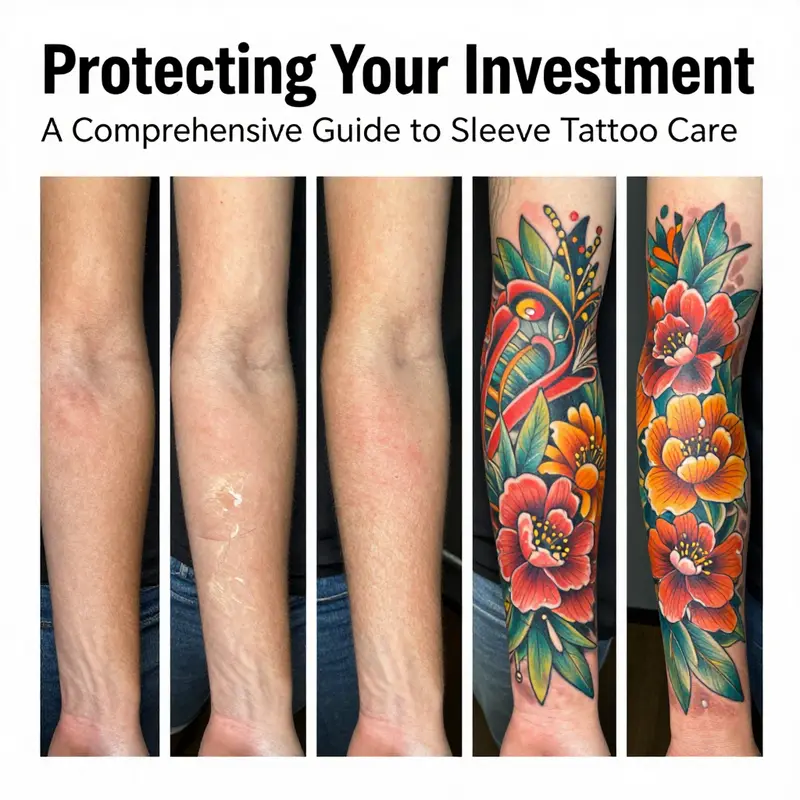
Understanding the Healing Timeline and Practical Care
A sleeve tattoo is more than a single procedure. It is a staged healing process that requires steady, informed care. The skin has been deliberately injured to deposit ink into the dermal layer. That trauma triggers a predictable biological response: inflammation, scab formation, shedding, and remodeling. While the surface often looks healed within a few weeks, the deeper skin layers continue settling for months. Treating your sleeve with patience and consistent routines during those phases preserves line work, prevents color loss, and reduces the chance of scarring.
In the first three days, your sleeve will be the most vulnerable. Expect redness and mild swelling near heavily worked areas. The tattoo may weep a clear or slightly tinged fluid. That fluid contains plasma and ink and is part of the normal inflammatory response. The priorities now are cleanliness, gentle protection, and avoiding irritation. Keep hands clean and resist touching the area. If your artist applied a protective film, follow their guidance about timing for removal. When you wash, use lukewarm water and a mild, fragrance-free soap. Clean with your fingertips, not a washcloth. Pat dry with a clean paper towel. After each wash, apply a very thin layer of a recommended, hypoallergenic tattoo balm. The layer should be thin enough to let the skin breathe. Thick layers trap moisture and can cause follicle suffocation or excessive scabbing.
As you move into days four through six, the early peeling begins. The topmost damaged skin tightens and flakes away like a mild sunburn. It might itch. Itching is a normal sign the skin is regenerating, but scratching or picking can pull pigment and create uneven patches. Instead of scratching, try gentle tapping or a cool, clean compress. Continue your cleaning ritual once or twice daily. Reduce bath time and avoid soaking. Baths and chlorinated water increase the chance of infection. If you must shower, keep water pressure moderate and the temperature comfortable. Hot water opens pores and can increase bleeding or irritation during these early days.
Between days seven and fourteen, the active peeling phase reaches its peak. More flakes will lift, and the tattoo might look faded. This apparent fading is temporary; dead skin covers fresh ink during the peel. Keep moisturizing consistently. Use a pH-balanced, fragrance-free moisturizer and apply it lightly two to three times a day, or when skin feels dry. Avoid over-moisturizing. Too much balm softens scabs and prolongs healing. Wear loose, soft clothing to prevent friction. Tight garments or rough fabrics will rub delicate, newly forming skin and can alter line sharpness.
Around weeks three to four, the surface skin settles. Colors begin to reveal their true tones again, and texture improves. Yet the skin below continues to strengthen. In cooler or drier climates, you may notice occasional flaking or dry spots even after this point. Continue to use a mild daily lotion to maintain suppleness. If you have been careful and infection-free, you can cautiously resume some activities, but remain mindful of what stresses your skin. Swimming in natural bodies of water and public pools should still be avoided until a full epidermal seal forms. The protective barrier is not only about stopping fades. It is about preventing microbes from making their way past surface defenses.
By weeks five and six, many tattoos appear fully healed to the eye. The epidermis has largely re-formed and feels normal. This is the time to reintroduce sun exposure with strict protection. Fresh ink is highly sensitive to ultraviolet radiation, which can quickly break down pigments and muddy fine detail. Use a high-quality, broad-spectrum sunscreen with SPF 30 or higher on exposed area when outside. Reapply every two hours. If you are outdoors for prolonged periods, cover the tattoo with breathable clothing when possible. Remember, sun protection is not temporary. Ongoing use of sunscreen is one of the most effective ways to prevent premature fading and to keep colors vivid over years.
Full integration of ink into the dermis can take up to six months. During this extended timeline, the body continues to remodel tissue and deposit collagen. That means a healed look at two months is not the end of care. Continue to keep the skin moisturized, avoid harsh exfoliation, and monitor changes. If you notice persistent dullness or patchy areas months later, a touch-up with your artist may be necessary. Most experienced artists plan for this possibility and will advise a suitable waiting period before correction work.
Practical habits matter as much as specific steps. Cleanliness is a simple but powerful principle. Wash hands before you touch the tattoo for any reason. Change pillowcases frequently, and wear clean, breathable clothing. When sleeping, avoid positions that press the sleeve into sheets for prolonged periods. Excess friction during sleep can cause irritation and slow healing. For sleeves that cover the inner arm or elbow, be mindful of motions that repeatedly bend or rub the area. Minimizing unnecessary friction prevents microscopic trauma that could impact ink retention.
Diet, hydration, and rest support healing from the inside. Protein provides the amino acids the skin needs to rebuild tissue. Vitamins such as C and A support collagen formation and immune function. Staying well-hydrated keeps skin cells plump and resilient. Sleep is when much of tissue repair occurs. Aim for regular, sufficient sleep to give your body the best chance to heal effectively.
Another key concept is the relationship between scabbing and proper healing. A light, thin scab is normal and part of the process. Thick, dense scabbing signals over-drying or heavy application of ointment. Thick scabs increase the risk of pulling pigment as they detach. If scabs become heavy, consult your artist about adjusting aftercare, and consider a medical opinion if you suspect infection. Watch for signs like spreading redness, increasing pain, warmth, pus, a fever, or red streaks. These symptoms suggest an infection and require prompt medical attention.
Avoiding irritants helps prevent both infection and unnecessary pigment loss. Steer clear of exfoliating products, chemical peels, retinol, and strong acids on or near the tattoo until fully healed. These agents accelerate cell turnover and can strip pigment. If you use topical medications for unrelated skin conditions, discuss timing with a dermatologist or your tattoo artist to avoid interfering with the tattoo’s integrity.
When physical activity resumes, start with low-risk exercises. Heavy sweating in the early weeks can introduce bacteria to the healing area and can macerate the skin. If you plan to exercise, wear loose, breathable fabrics and shower soon afterward using gentle soap. Avoid training that causes repeated scraping or pressure on the sleeve. Over time, you can return to your full routine, but take care to maintain hygiene and to apply moisturizers after showers.
Long-term maintenance is part of the story. Daily moisturizing keeps the skin supple and the ink vibrant. Use a fragrance-free lotion and avoid products with intense perfumes or dyes that might irritate sensitive skin. Regular sun protection is essential. UV rays fade pigments unevenly and can alter contrast. Cover the area with clothing or apply high-SPF sunscreen whenever you expect sun exposure.
Be realistic about expectations for color longevity. Some hues, especially lighter shades, naturally fade faster than others. Pigment longevity depends on placement, skin type, and exposure. Areas that receive frequent sunlight or heavy friction will fade faster. Proper early healing reduces many preventable losses and gives your tattoo the best chance of lasting brilliance.
If you notice anything unusual after the first week, reach out. Your tattoo artist should be your first contact for concerns about the way the ink is settling. They can advise on whether what you describe is normal, a sign of allergic reaction, or an early infection. If symptoms are severe or worsen rapidly, seek medical help. Allergic reactions to tattoo ink are rare but possible. They can present as persistent redness, itching, or raised bumps localized to the tattoo. A medical professional can help determine the cause and recommend treatment.
For long sleeves with dense detail, plan for staged touch-ups. Complex work often requires minor corrections once the skin fully settles. Discuss a touch-up timeline with your artist before you leave the studio. They will likely recommend waiting several months to ensure true color placement can be assessed. Good artists are conservative during the initial session and prefer to refine once the skin has returned to normal.
Beyond the technical steps, approach aftercare with patience and respect. The healing window is an investment in the art you wear daily. Gentle consistency prevents many common problems. Little acts add up: washing with care, patting dry, applying thin layers of balm, avoiding sun and chlorine, and choosing soft fabrics. Those habits preserve line work, maintain saturation, and protect skin integrity.
Finally, remember that tattoos are a long-term relationship with your body. They will age with you and respond to life. Good early care sets a strong foundation, but ongoing attention sustains it. Keep hydrating, protect against sun, and moisturize. When you need guidance, rely on professionals: your tattoo artist or a dermatologist. If you want authoritative reading on best practices, consult the American Academy of Dermatology’s tattoo aftercare guidelines for clear medical perspectives and practical tips.
https://www.aad.org/publications/derm-health-topics/tattoo-aftercare
Keeping Your Sleeve Tattoo Vivid for Years: Long-Term Protection and Daily Care
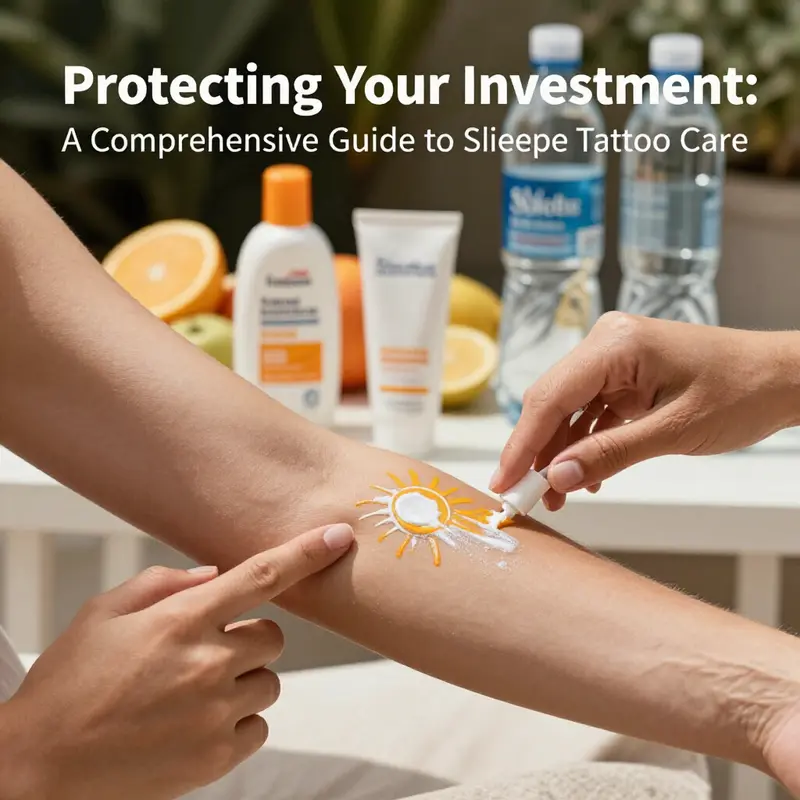
A sleeve tattoo is a commitment to bold artwork that moves with your body. After the initial healing, long-term care becomes a steady, low-effort routine that preserves color, crisp lines, and skin health. This chapter focuses on the daily habits and seasonal adjustments that matter most. It covers sunlight protection, intelligent moisturization, gentle cleansing, lifestyle choices that affect pigment, and when to seek professional help. The aim is practical: preserve the artwork while keeping your skin healthy and comfortable.
Daily Habits That Preserve Color and Detail
The single most important long-term habit is consistent sun protection. Ultraviolet radiation slowly breaks down tattoo pigment. Even on cloudy days, UVA rays reach skin and degrade color. Apply a broad-spectrum sunscreen with at least SPF 30 whenever your tattoo will be exposed. Reapply every two hours when you remain outdoors, and after sweating or toweling off. For extended exposure, combine sunscreen with physical barriers. Lightweight, tightly woven clothing shields ink and prevents heat that accelerates fading. A hat or sleeve cover can be an easy, effective backup on bright days.
Moisturizing every day keeps tattooed skin supple and reduces the dulling that comes from dryness. Use a fragrance-free moisturizer designed for sensitive skin. Look for ingredients that attract and retain water in the skin: hyaluronic acid, ceramides, and plant-derived butters can help without clogging pores. Apply a thin layer after showering, when the skin is still slightly damp. This locks in moisture and reduces flaking. Overly rich or greasy creams can trap bacteria or suffocate skin, so keep applications light and consistent rather than heavy and irregular.
Clean the area gently. A mild, pH-balanced cleanser used during regular showers removes environmental grime without stripping natural oils. Avoid hot water and harsh exfoliants that accelerate pigment loss. If you exercise and sweat heavily, rinse the sleeve promptly with warm water to remove salt and bacteria. Pat dry with a soft towel instead of rubbing. Rubbing can abrade the surface over time, especially where the skin is slightly raised or textured.
Friction speeds wear. Repeated rubbing from backpack straps, tight clothing, or gear will blur fine details. When possible, choose fabrics that glide over skin. If you carry items on a shoulder or wear tight equipment, add a soft liner between the gear and your skin. Small adjustments—like repositioning a strap or switching to a smoother fabric—make a measurable difference over months and years.
Avoid long-term exposure to chlorinated pools, bodily chemicals, or solvents. Occasional swimming usually won’t ruin a healed tattoo, but frequent chlorinated water can fade pigment. When you plan to swim often, protect the skin with a water-resistant barrier cream or cover it with clothing. After exposure, rinse and moisturize promptly.
Tattoos and skin aging are linked. As skin loses collagen and elasticity, tattoo lines can soften and colors may spread slightly. Protecting skin collagen helps preserve the tattoo’s appearance. Sunscreen, adequate sleep, balanced nutrition high in vitamins and protein, and smoking avoidance all support skin structure. Collagen-building nutrients, antioxidants, and hydration won’t stop aging. However, they slow the decline in overall skin quality and extend the life of crisp lines and solid color.
Seasonal adjustments keep a sleeve in top shape. Cold weather dries skin, so increase moisturizing frequency in winter. Use richer creams at night if the air is very dry. In summer, reduce heavy ointments that trap sweat and bacteria, and rely more on light, fast-absorbing lotions. Change fabrics with seasons; breathable cotton or performance fabrics wick moisture and reduce friction in heat. Layering allows quick changes when conditions shift.
Be mindful when introducing new skincare products. Acid exfoliants, retinoids, and professional chemical peels alter the skin and can affect tattoo pigment. If you use any active ingredient for anti-aging or acne, test it on unaffected skin first and consult a dermatologist about how it might interact with your tattoo. Strong topical agents can lighten colors or produce uneven texture over treated areas. If you plan in-office procedures on tattooed skin—like laser treatments, certain peels, or microneedling—always inform the practitioner. Some procedures can remove pigment or create unwanted scarring.
Lifestyle choices matter. Smoking reduces blood flow and slows cellular turnover. Poor circulation affects skin health and the vibrancy of tattooed areas. Alcohol in excess dehydrates skin. Hydration and a nutrient-rich diet support recovery and long-term maintenance. Protein, vitamin C, zinc, and omega fatty acids support skin repair and resilience. While no single food guarantees better tattoos, a balanced diet promotes the tissue structure that holds pigment stable.
Exercise and sweating: stay active, but practice quick care. Sweat itself is not damaging, but salt and oils left on the skin can irritate. After workouts, rinse the tattooed area and apply light moisturizer. For contact sports or activities where the skin may be scraped, consider extra padding or temporary covers. Avoid wearing damp, tight gear for long periods.
Watch for changes in the skin. Long term, tattoos should remain stable. If you notice sudden swelling, intense redness, persistent tenderness, or a new lump, seek medical advice. These signs could indicate infection, allergic reaction, or other skin issues. Also monitor for gradual changes like loss of color in isolated patches or spreading outlines; these may be signs of breakdown or scar tissue and could warrant a professional touch-up or medical evaluation.
Touch-ups are a normal part of long-term maintenance. Over years, certain areas may fade more quickly due to sun exposure or friction. Skilled artists can retouch lines and refresh color. Touch-ups are best done by the original artist or someone whose style matches the tattoo. Discuss the timeline and expectations; minor refreshes every few years are common, but major reworking is rare if you maintain the piece well.
If you have sensitive skin, select hypoallergenic and dermatologist-tested products. Fragrance, certain preservatives, and some botanical extracts cause irritation in sensitive individuals. Patch-test new moisturizers on a small, non-tattooed area for several days before regular use. If irritation occurs, discontinue use and consult a professional. For chronic skin conditions—eczema, psoriasis, or dermatitis—coordinate care between your dermatologist and tattoo artist to prevent flares around inked areas.
Long-term cosmetic decisions also matter. If you plan cosmetic laser treatments, tattoo removal, or body-contouring procedures, consult professionals about effects on pigment and scar tissue. Tattoo removal methods use lasers that break up pigment intentionally; avoid accidental exposure to strong lasers without understanding the outcome. Similarly, large surgical procedures can stretch or shift skin, subtly affecting the look of a sleeve.
Routine self-checks preserve color and detect concerns early. At regular intervals, view the sleeve in natural light. Note any fading, blotchy areas, or lines that have softened. Photograph the tattoo annually under consistent lighting to track change. These images can guide decisions about sunscreen habits, clothing choices, or the need for a touch-up.
When shopping for skincare, prioritize ingredient lists over marketing terms. Look for simple formulations focused on hydration and barrier restoration. Ingredients that support the skin’s barrier function—ceramides, niacinamide in low concentrations, hyaluronic acid, and gentle emollients—are useful without aggressive activity. Avoid products with heavy fragrances or harsh alcohols. For topical antiseptics or treatments, follow medical advice rather than experimenting with home remedies.
Travel and environmental hazards require small adjustments. High altitudes increase UV intensity, so increase sunscreen vigilance. Dry climates demand more frequent moisturizing. If you spend time in polluted or dusty environments, rinse the skin at the end of the day to remove particulate matter. Protect tattoos from direct exposure to oils and solvents used in industrial settings; these chemicals can erode pigment or irritate skin.
Workplace considerations are practical. If your job requires repeated handwashing, gloves, or protective equipment rubbing against the sleeve, use barrier creams and take micro-breaks when possible. When long-term mechanical abrasion is unavoidable, discuss protective gear that reduces friction. In office or creative settings, consider fabric choices and ergonomic shifts to minimize continuous contact with rough surfaces.
Addressing myths: tattoos do not require ongoing antibiotic ointments after healing. Long-term use of antiseptics or antibiotic creams can disrupt skin flora and lead to sensitivity. Clean, moisturize, and protect from UV are the pillars for a healed tattoo. Also, routine exfoliation intended to keep general skin texture smooth should be mild. Strong physical scrubs and aggressive chemical exfoliation can remove top layers of skin and accelerate color loss.
Plan for future touch-ups and layered work. If you intend to add on to a sleeve over time, maintain the existing work carefully to ease future blending. Artists work more easily with well-cared-for skin. Discuss long-term plans with your artist so they can advise on color choices and placement that age gracefully.
Finally, treat your sleeve like an ongoing collaboration between you and your skin. Small, consistent decisions add up. Daily sunscreen, gentle hydration, mindful fabric and gear choices, and a balanced lifestyle maintain pigment and preserve detail. When you notice subtle changes, act early with noninvasive adjustments or professional touch-ups. A well-cared-for sleeve keeps looking intentional, not worn, long after the fresh-ink glow fades.
For authoritative guidance on sun protection and tattoo care, refer to the American Academy of Dermatology: https://www.aad.org/publications/spotlight/sun-protection-tattoos
Final thoughts
Taking conscientious care of your sleeve tattoo mirrors the same dedication you showcase in maintaining your motorcycle or car. From immediate care following the tattooing process to diligent long-term maintenance, each phase is crucial for preserving the artistry on your skin. By adhering to these detailed guidelines, you not only enhance the longevity of your tattoo but also ensure it remains a striking visual narrating your journey as an automotive enthusiast. Proper tattoo care is an investment in your self-expression, ensuring that every detail shines through for years to come.