
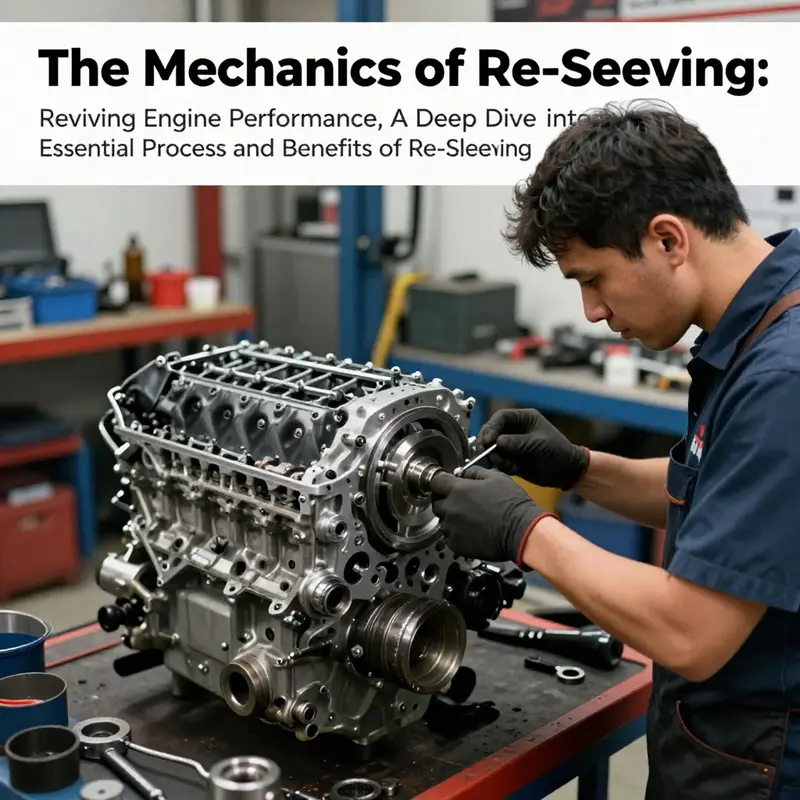
Re-sleeving an engine is a critical process for any motorcycle or auto owner, not just a repair choice but a gateway to restoring power and efficiency. This practice ensures that aging engines can continue to perform optimally, particularly in high-stress environments. Understanding re-sleeving, its process, the materials involved, and its applications not only equips motorcycle owners, auto enthusiasts, and repair professionals with valuable knowledge but also highlights how crucial maintenance can extend engine lifespan and performance. The discussions will unfold across four chapters: we will explore what it means to re-sleeve an engine, delve into the hands-on procedures involved in re-sleeving, examine the various materials and techniques engineers use, and uncover the applications and benefits that underscore the importance of this essential automotive service.
null
null
Rethinking Cylinder Walls: The Re-Sleeving Journey That Restores Life to an Engine
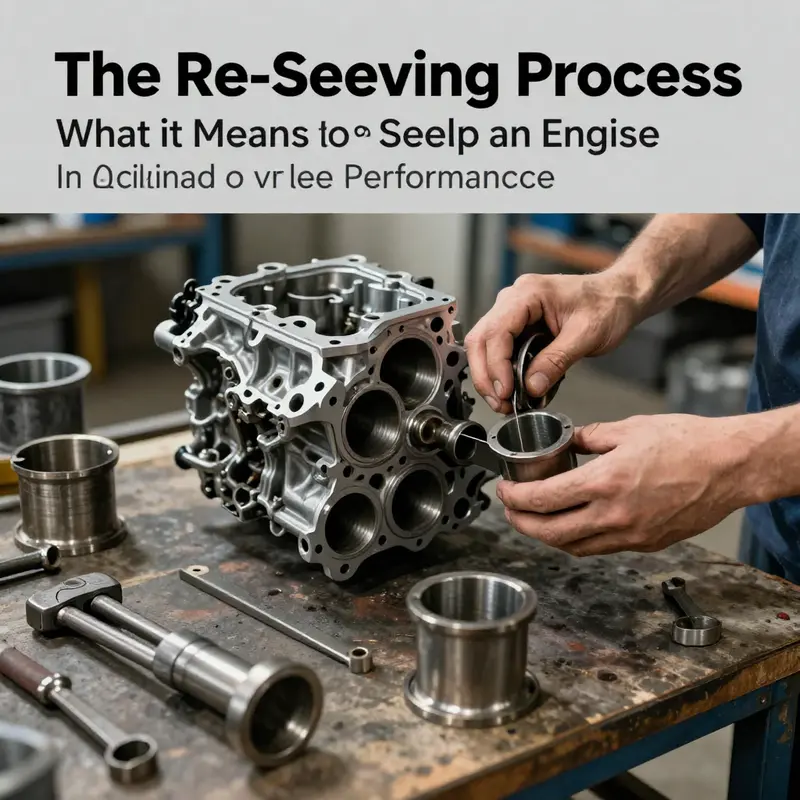
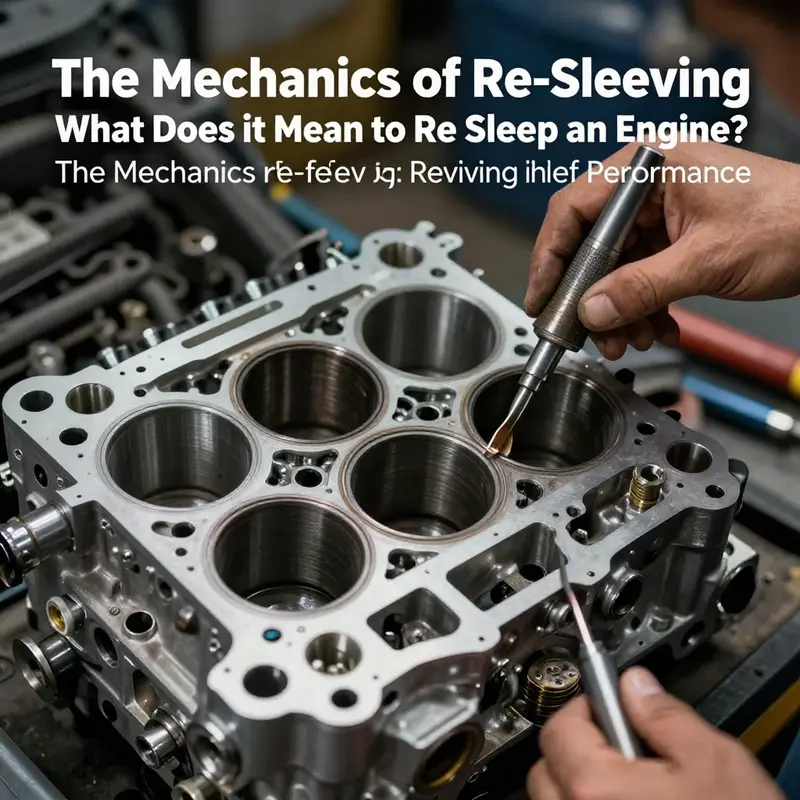
Cylinders are the beating heart of an internal combustion engine, and the sleeves that line those walls are the quiet guardians of compression, heat, and friction. When the walls wear or distort, the engine begins to tell a story of diminishing returns: reduced power, rising oil consumption, and a churning frustration in maintenance bays. Re-sleeving, in essence, is a surgical repair that returns a worn bore to a clean, true surface capable of sealing again with new rings and fresh lubrication. It is not simply about replacing metal; it is about restoring a precise geometry that was compromised by heat, wear, and use. The concept is deceptively simple on the surface: take out the old sleeve, fit a new one, and reassemble. But the reality sits at the intersection of metallurgy, precision machining, and careful engine management. In this light, re-sleeving becomes less about a single fix and more about a disciplined restoration of an engine’s core operating tolerances. For engines that live in demanding duty cycles—industrial applications, or vintage machines that demand reliability without a full rebuild—re-sleeving offers a path to reclaim performance without sacrificing the known character of the block. To begin with, it helps to understand what the sleeves do, and why wear in that region matters so much. Engine blocks do not carry their own surface finish indefinitely. The bore walls, even when perfectly honed at the factory, are subject to micro-wear, scoring, and distortion from heat cycling. Each time the piston rises and falls, the ring pack scrapes the bore, and over thousands of cycles the surface can assume wear patterns that deviate from ideal cylindrical geometry. When the walls are no longer true, the piston rings cannot seal consistently, and compression leaks into the crankcase or the coolant loop and oil control becomes unreliable. It is precisely this challenge that re-sleeving targets: to restore a true, uniform cylinder bore that accepts a new sleeve with an interference fit and a freshly honed inner surface that the piston rings can seal against again. The process is most commonly associated with older, heavy-duty, or performance-oriented engines, where the block has withstood high loads but the wear patterns have become excessive. In a two-stroke engine, the case for re-sleeving becomes even more pointed. Two-stroke designs rely on a narrow window for effective sealing between the piston and the bore. When compression falls and rings cannot seal adequately, the engine loses power and efficiency, and it is precisely the sleeve surface that can be renewed to restore proper sealing surfaces. In such cases, re-sleeving is not merely an option; it is often the practical route to prolonging engine life without the need for a more invasive rebuild that would require precise re-boring and possibly new pistons matched to an oversized bore. The re-sleeving journey, then, begins with a careful assessment. The technician must determine whether the bore can be restored by re-sleeving or whether other repairs are warranted. A worn bore may be uneven or scored beyond acceptability, and there are limits to how much a sleeve can corrective-hone the inner surface without undermining structural integrity. In this decision point, the broader operating context matters as well. The block’s deck surface must be flat and true, the head gasket surface must be in good condition, and the cooling system must have capacity to handle the thermal demands of a refreshed cylinder. If these conditions exist, re-sleeving offers a viable path to restore compression without increasing the bore diameter beyond reasonable limits. The actual re-sleeving sequence unfolds with a blend of art and engineering. The first step is the removal of the old sleeve. Depending on engine design, sleeves may be pressed or slipped out, sometimes aided by heating, cooling, or mechanical tools designed to avoid damage to the block. The challenge here is not simply extracting metal but avoiding distortion that would complicate subsequent machining. Once the worn sleeve is out, the cylinder bore is prepared for the new sleeve. This often involves precise machining to create a true, square seating surface for the new liner. The bore must be brought to exact tolerances in diameter, roundness, and alignments to ensure the sleeve will seat properly and seal against the head gasket when the block is assembled. Any misalignment at this stage would propagate into troublesome gaps or a misfit that would compromise compression or oil control. The choice of sleeve material then comes into play. The sleeve is typically made from durable metals such as cast iron or steel, chosen for their wear resistance, machinability, and compatibility with the engine’s cooling system. In some advanced or specialized contexts, other materials or composites may be used to optimize wear characteristics or thermal conductivity, but those choices require a careful match to the engine’s operating conditions, such as lubrication regime, cooling efficiency, and the type of fuel or emissions strategy the engine is designed to support. The installation itself is a precise operation. The sleeve must be seated with a controlled interference fit, often requiring a press or controlled heating and cooling steps. The objective is a snug, uniform seating that promotes a consistent wall thickness and reliable sealing around the entire circumference. After seating, finishing the sleeve becomes critical. The inner surface is honed to the exact diameter and surface roughness that the piston rings expect for effective sealing. This final honing also helps ensure that the ring pack can mate with a clean surface that conducts heat away from the rings and into the coolant efficiently. The deck side of the sleeve must align with the block’s deck surface to maintain the correct head gasket seating and compression geometry. Any deviation here can lead to head gasket failures or uneven compression across the cylinder. The subtleties of this phase are where experience matters. A modern re-sleeve job often involves meticulous measurement of bore roundness, straightness, and alignment with adjacent bores and with the crankcase. The machinist must account for wear patterns that developed over years of service and adjust the new sleeve to accommodate those patterns while restoring a uniform cross-section. The outcome, when done correctly, is a cylinder that feels like a new heart for the engine. Compression improves, piston rings seal more effectively, oil consumption stabilizes, and the power curve can return to a level close to its original specification. The engine’s quiet confidence is a visible reward for the careful work of lining up tolerances, selecting appropriate sleeve materials, and finishing the bore to a truly smooth internal surface. Still, the decision to sleeve is not made in a vacuum. It is a balance of cost and benefit. Re-sleeving is labor-intensive and requires specialized tooling and skilled technicians. The cost must be weighed against a full rebuild, the availability of a suitable block, and the engine’s intended life in service. In some cases, the engine may be valuable enough or critical enough to warrant sleeves as a practical compromise between performance and downtime. In other cases, a sleeve might be a stepping stone to a broader restoration plan that includes new pistons, rings, and perhaps a refreshed cooling system to handle the heat generated by renewed compression. The material choice is more than a technical detail; it is a strategic one. Cast iron sleeves, for example, offer robust wear resistance and stable machinability, while steel sleeves can provide higher strength in engines subject to high loads or high boost. The potential use of advanced composites or surface coatings adds another layer of complexity, offering specialized wear characteristics or thermal properties. The compatibility with coolant flow, lubrication, and the engine’s thermal management strategy must be considered to prevent future failures. It is also worth noting the distinction between wet sleeves and dry sleeves, a nuance often discussed by practitioners in the field. In wet-sleeve designs, the sleeve sits in the bore and is cooled by the engine’s cooling system, with the sleeve’s outer surface in direct contact with coolant. This arrangement can offer excellent heat transfer but imposes demands on sealing between the sleeve and the block. Dry sleeves, by contrast, rely on a separate insert that is sealed differently and may interact with other design choices in the block. Each approach requires its own set of machining tolerances and assembly considerations, and choosing between them hinges on the engine’s original design and its intended duty cycle. The practical takeaway for the technician who faces a worn bore is that re-sleeving is a rational and disciplined repair path when the block has more to offer than a simple fix. It preserves the integrity of the original block geometry, respects the engine’s design heritage, and, when done well, returns a measure of its former capability. The craft lies not only in removing and inserting metal but in the discipline of measurement, tolerance, and finishing that underwrites compression, lubrication, and thermal performance. As with any repair that touches the heart of an engine, re-sleeving should be undertaken with a clear view of the engine’s overall health. If the block has other compromised features—cracked decks, warped cylinders, or weakened mains—those issues may overshadow the benefits of sleeving. The decision should be guided by a thorough assessment and an honest appraisal of the engine’s intended life after repair. When a sleeve job fits the bill, it can be a remarkably effective restoration of life and reliability. The engine can return to near-original performance and reliability, not because it behaves like a brand-new unit out of the factory, but because the core cylinder geometry is restored to a state where the piston rings can properly seal, the combustion chamber can operate with efficient compression, and the coolant and oil systems can manage heat and lubrication in a way that sustains operation under the expected load. The re-sleeving journey thus becomes a story of precision and restraint: choosing the right material, performing the exact machining steps, finishing to exact tolerances, and aligning the assembly so that the engine can be trusted to run cleanly, efficiently, and reliably. For readers looking to dig deeper into this topic, a concise primer on engine sleeves can be found here: What are engine sleeves. This resource helps clarify what sleeves do, how they interact with the bore, and why the surface finish on the inner diameter matters so much for sealing and heat transfer. In the broader arc of engine restoration, re-sleeving represents a thoughtful compromise between total rebuild and simple repair. It preserves core geometry while giving the engine a new lease on life, especially in machines where the block’s original form is a critical part of its identity. The skill required extends beyond the metalwork; it encompasses a careful dialling-in of tolerances, a disciplined approach to cleanliness, and a thorough understanding of how the sleeve will behave under actual operating temperatures and pressures. The result, when executed with care, is that a worn bore is no longer a barrier to performance but a challenge that can be overcome with precision. The engine’s heartbeat grows steadier, the power curve smooths, and the machine can again join the roster of reliable performers in its assigned duty. It is not glamorous in the way a flashy rebuild might be; it is, instead, a deeply practical art—one that respects the original design, honors the physics of friction and heat, and demonstrates how a well-executed sleeve replacement can extend the life of an engine far beyond what casual maintenance might achieve. If you are considering re-sleeving as part of a restoration or long-term maintenance plan, you should approach it with the same respect you would bring to any precision machining task: measure twice, cut once, and ensure the block’s health supports the investment. The sleeves are the guardians of compression, and when they are renewed, the engine can again perform with the confidence that comes from a cylinder wall that rings true. For readers who want a practical, experience-based conversation on the topic, a detailed discussion exists that covers the nuances of re-sleeving a two-stroke engine, including the specific steps and considerations involved in that particular application: https://www.team-bhp.com/forum/technical-questions/157680-re-sleeving-cylinder-2-stroke-engine.html
null
null
Breathing New Life into Worn Cylinders: What Re-Sleeving Really Means for Engine Longevity and Performance
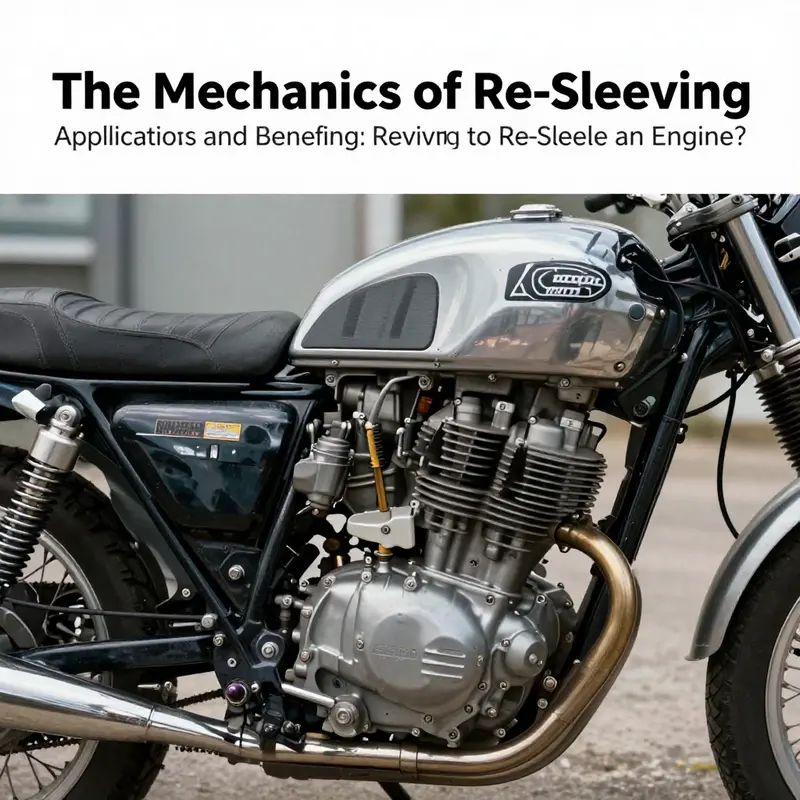
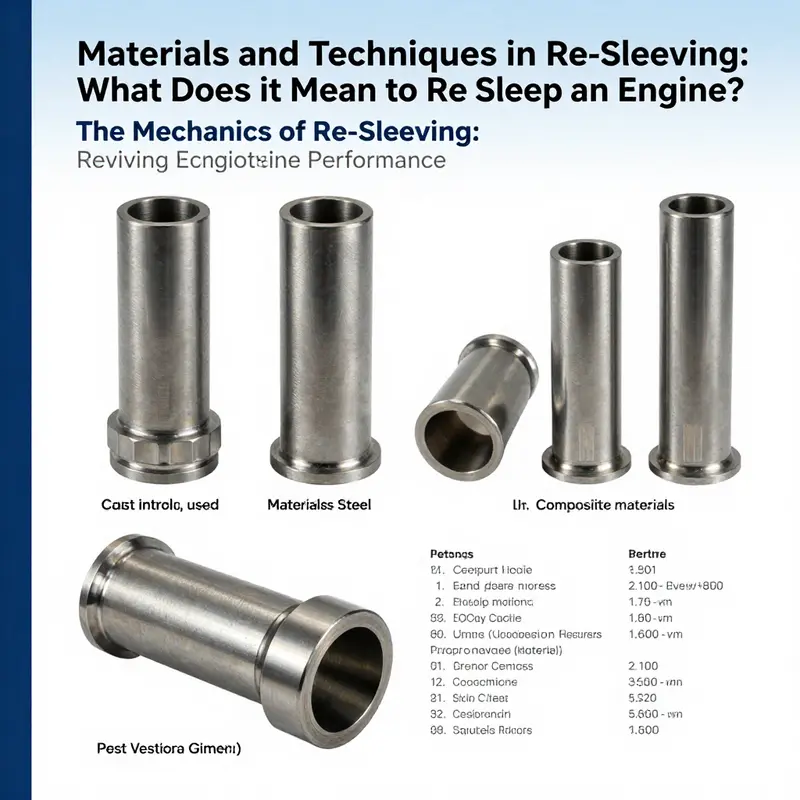
Re-sleeving an engine is a measured restoration that sits quietly in the repair shop’s lineup, yet it carries the promise of turning a tired powerplant back into a reliable workhorse. At its core, re-sleeving means replacing the cylinder liners that line the inside of the engine block where the pistons move. These liners, or sleeves, form the critical interface between the hot, fast-moving piston and the cooling and lubrication system that keeps the engine from turning into a heat-soaked catastrophe. Over many miles, or after a harsh beating by overheating, detonation, or neglect, the cylinder walls can wear, distort, or scoring can develop. When that happens, compression falls, oil can slip past piston rings, and fuel economy slips along with power. Re-sleeving addresses the wear where it begins, replacing the worn cylindrical surfaces with new, precisely sized sleeves that restore a near original bore geometry and seal integrity. In effect, it is an approach that respects the original design while acknowledging the realities of wear, heat, and time. The sleeves themselves are installed to a precise fit, a process that may involve pressing new sleeves into the block or casting a fresh bore and then sizing it with careful machining. The result is a cylinder that behaves as if new, with clean compression and measured clearance that minimizes friction and oil consumption. The technique is especially common in engines where replacing the entire block would be impractical, too expensive, or simply not feasible due to the availability of an appropriate core. It is a practical compromise that preserves heritage engines, or high-mileage machines, by returning them to a state of dependable operation rather than consigning them to the junkyard. The benefit is not merely the restoration of power; it is the restoration of reliability, efficiency, and predictability in an engine that would otherwise continue to degrade under stress. In the context of re-sleeving, the cylinder wall is not just a surface to be replenished. It is an engineered interface that governs compression, heat transfer, lubrication, and piston motion. The new sleeve must align precisely with the bore axis, maintain a coaxial relationship with the crank, and provide a seamless seal with the block casting and the head gasket. Achieving this level of precision requires careful machining of the block, bore finishing, and, in many cases, a bespoke fit for the liner material. The sleeve material itself is chosen for durability and compatibility with the engine’s intended use. Typical options include cast iron and steel alloys, materials known for their wear resistance and long-term stability under load. In more specialized applications, advanced composites and ceramic-like materials can offer lower friction or improved heat conductivity, though these choices come with their own installation challenges and cost considerations. What makes re-sleeving compelling, beyond its technical plausibility, is its relevance across a broad spectrum of engines. In high-mileage or overheated engines, where cylinder walls warp, glaze, or wear unevenly, sleeves can reestablish a true round bore and restore efficient sealing. In major overhauls, especially for classic or vintage engines where finding an exact replacement block is difficult, re-sleeving becomes a practical route to bring the engine back to usable life. For engines that have been bored to the limit in pursuit of higher displacement or performance, re-sleeving makes it possible to recover a precise bore size for proper piston fit and ring seal, ensuring that the intended compression ratio and combustion dynamics can be realized again. In marine and industrial environments, where the engine may operate under heavy load for extended periods and where salt exposure and thermal cycling accelerate wear, sleeves provide a robust, stable interface that can endure harsh service and make longer service intervals achievable. Heavy-duty trucks, construction equipment, and agricultural machinery also benefit because sleeve replacements can extend the life of powertrains that otherwise would require costly block replacements or wholesale engine swaps. The practical upshot of all this is a restoration that preserves performance and reliability while spreading the cost across the life of the engine rather than absorbing it in a single, large rebuild. The process by which sleeves are installed is as important as the choice of material. A well-executed re-sleeve starts with a thorough assessment of bore condition, including taper, out-of-roundness, and any residual scoring or heat damage. The block may require align honing, decking, or other refinements to ensure the new sleeve sits perfectly square and true relative to the block face and the head gasket surface. The sleeves themselves must be manufactured to tight tolerances; their inside diameter must be coaxial with the crank axis and match the piston diameter with the correct clearance to achieve a stable oil film and predictable wear. In some designs, sleeves are pressed into the block, a method that demands precise interference fit and sometimes the use of lubrication during installation to prevent galling. In other configurations, a casting process may create a fresh bore before the bore is honed to final size. In all cases, the transition from sleeve to block must be seamless, with a properly finished counterbore, a clean sealing surface, and a bore finish that ensures piston rings seat and seal correctly. The bore size itself is not incidental. It determines compression ratio, fuel-air mix behavior, and the load the piston rings must manage. Therefore, a dedicated measuring protocol follows the sleeve installation, ensuring that the final bore is within tolerance and that the piston-to-wall clearance produces the intended performance without sacrificing durability. The choice of sleeve material reflects a balance of wear resistance, heat management, and compatibility with the engine’s lubrication regime. Cast iron remains a common choice for its hardness and ability to hold a finish, while steel sleeves offer enhanced strength for high-stress applications. For engines that operate in severe service or demand very high wear resistance, engineers may experiment with advanced composites that promise lower friction or better thermal performance. Each material has its own set of installation challenges and service implications, so the decision to sleeve is not merely about substituting a worn surface with a new one. It is about selecting the right partner material for the engine’s operating profile and then executing the fit with the discipline of a precision craftsman. The benefits of re-sleeving extend beyond restoring the old power output. The process can restore compression and seal integrity, which has a direct effect on combustion efficiency and oil usage. A proper sleeve fit reduces the chance of oil migration into the combustion chamber and helps maintain a stable ring seal, both of which contribute to better fuel economy and smoother running. In engines that have suffered from glazing or glazing-related peak pressure losses, a new bore surface can reestablish the piston rings’ contact pattern, which in turn helps minimize blow-by and improve overall performance. The lifecycle impact of re-sleeving is often measured in terms of extended engine life across tens of thousands of miles or operating hours, rather than a single upgrade. In many cases, a well-executed sleeve replacement can add years of service to an engine that would otherwise require major repair or replacement, thereby preserving the investment in the engine’s core geometry and mechanical heritage. The financial dimension is also important. Re-sleeving typically falls between a full engine block replacement and a routine component overhaul. It can be more cost-effective than replacing the entire block, particularly in older or rarer engines whose blocks are scarce or where matching a new block to the rest of the drivetrain would be expensive or impractical. The sustainability angle is equally compelling. Extending the life of an existing engine reduces material waste and the energy footprint associated with producing new blocks or complete powertrains. This makes re-sleeving a pragmatic choice for operators who want to balance performance, reliability, and budget, all while keeping aging machinery productive rather than sidelined. The broader takeaway is that re-sleeving is not a one-size-fits-all fix. It is a deliberate engineering decision that considers wear patterns, operating conditions, maintenance history, and the engine’s future role. For some engines, a repaired block with new sleeves can meet or exceed the original performance envelope; for others, a rebuild or replacement might still be the smarter path. The key is to approach the process with a clear understanding of what the sleeves are doing, how they interact with piston rings and lubrication, and how precise the bore needs to be to achieve reliable sealing and efficient combustion. A quick reference point is that sleeves are not optional decorations inside a block; they are functional components that carry the burden of heat, pressure, and motion. When chosen and installed correctly, they restore the integral relationship among bore, piston, rings, and head gasket, enabling the engine to resume its intended dynamics. For readers who want to dig deeper into the fundamentals of engine sleeves, a concise overview is available at the linked resource that explains what sleeves are and how they function within modern engines, including distinctions between wet sleeves and dry sleeves and how each type interacts with coolant and lubrication. What are engine sleeves? In practice, the best path forward often comes from a careful assessment of the engine’s history, the block condition, and the costs and downtime associated with different repair options. Acknowledging these factors helps owners and technicians decide whether re-sleeving is the right course of action now, or if the engine would benefit more from a more comprehensive rebuild or replacement later on. For those who want to explore technical guidance beyond the shop floor, industry standards and professional references offer a rigorous framework for measurement tolerances, surface finish requirements, and installation procedures that govern the integrity of a re-sleeved engine. External references provide a structured backbone to the hands-on work, ensuring that the practice aligns with established engineering expectations and long-tested methodologies. In this spirit, the broader community of engine repair professionals relies on technical literature to guide decisions, calibrate expectations, and confirm that the sleeve installation will deliver the intended durability and performance. External resources from professional organizations offer an authoritative baseline for best practices, even as the specific details may vary by engine design and application. Overall, the act of re-sleeving embodies a pragmatic philosophy: when the core cylinder walls have deteriorated beyond simple honing, a measured sleeve replacement can bring back the engine’s rhythm without erasing its history. It is about keeping machines productive, efficient, and reliable by treating wear not as a dead end but as a solvable challenge that, with the right materials, machining, and process control, returns power, efficiency, and confidence to the operator. External resource: SAE International provides broader technical context on engine repair techniques, including re-sleeving, and serves as a reference point for practitioners seeking authoritative standards and methodologies. https://www.sae.org/.
Final thoughts
Re-sleeving an engine isn’t merely a repair; it’s a strategic decision that impacts longevity and performance. By understanding the re-sleeving process, its materials, and its diverse applications, motorcycle owners and auto enthusiasts can make informed decisions about their vehicle’s maintenance needs. This proactive approach not only saves costs over the long run but also returns engines to near-original capacities. As the auto repair industry advances, staying informed and understanding these processes allows you to unlock the full potential of your vehicle.