
Restoring a vintage Ford 8N tractor often centers on preserving the authenticity of the original block while safeguarding long-term reliability. Worn or damaged cylinder bores can erode compression, heat transfer, and oil-control performance, threatening overall engine life. Sleeve-based restoration – installing a precision inner liner inside the worn bore – is a time-honored technique that restores cylinder integrity without sacrificing the vehicle’s authentic block. The Ford 8N, produced from 1947 to 1952, used a four-cylinder OHV gasoline engine whose bores were prone to wear after decades of farm work. Sleeving provides a durable, replaceable inner surface for piston rings, enabling a restoration that can approach near-original performance while retaining the original block. This approach is particularly attractive to collectors, restoration shops, and parts distributors who value authenticity, long-term durability, and a more cost-effective path than full block replacement. This article unpacks sleeving as it applies to the 8N platform in five tightly connected chapters. Chapter 1 establishes the restoration rationale and the core concepts behind sleeving Ford 8N engines, including when sleeving makes sense versus other repair routes. Chapter 2 dives into the mechanical workflow: bore sizing, sleeve fitment, and the finishing steps needed to achieve the correct final diameter for rings and proper heat transfer. Chapter 3 surveys sleeve availability and trusted sources, with emphasis on Sealed Power sleeves, the Ford8N.com restoration guide, and market outlets that serve vintage tractor enthusiasts. Chapter 4 contrasts sleeving with rebore (oversize pistons and re-honing), presenting decision criteria that help builders pick the most reliable path given wear patterns and block condition. Chapter 5 anchors the discussion in practical economics: typical sleeve prices, machining labor, final finishing costs, and how those figures align with the 8N’s historic specifications and the project’s authenticity goals. Across these chapters, the core idea remains consistent: for certain levels of bore wear, sleeving preserves block integrity, honors OEM dimensions, and yields a durable bore surface for long-term compression and cooling. This is not simply an upgrade paragraph but a restoration philosophy that aligns with the needs of motorcycle owners whose mechanical acumen translates well to automotive work, auto owners planning thoughtful restorations, and shops or wholesalers seeking dependable, authentic parts pipelines. By the end, readers will understand when sleeving is the prudent path, how to execute the process with confidence, where to source sleeves and guidance, and how to balance cost with the benefit of a genuine, durable engine build.
Sleeving Ford 8N Engines: Restoring Bore Integrity while Preserving an Icon
On the bench and in the field, the Ford 8N endures as a symbol of an era when simple machines did heavy work with a quiet, dependable clatter. The 8N’s engine—an inline four with overhead valve configuration, a compact displacement, and a straightforward cooling and lubrication setup—was engineered for durability and serviceability. Over decades of field use, however, cylinder bores can wear, score, or become out of round. When that happens, the restoration question often comes into sharper focus: are Ford 8N engines sleeved? The answer sits in a nuanced middle ground: sleeving is not a factory feature of the 8N, yet it is a widely recommended restoration strategy. It allows builders to preserve the block’s provenance while providing a fresh, wear-resistant inner surface that supports reliable compression and heat management. In practice, sleeving is chosen when bore wear is serious but the block integrity remains solid, making it a prudent path that respects both history and performance.
Sleeving is rooted in a practical philosophy of restoration. The philosophy begins with preservation of the block, which matters to enthusiasts who prize authenticity and long-term durability. The original Ford N-series blocks were machined to tight tolerances on the bore surfaces, then finished to provide a controlled seal for the piston rings. Years of agricultural work can erode that precision, with wear patterns that lead to oil leakage, reduced compression, and uneven heat transfer. Sleeving addresses these issues by introducing a new, uniform inner surface that is designed to be wear-resistant and dimensionally stable. Rather than resorting to a larger piston and a more aggressive reboring, sleeving provides a dedicated bore of known final dimension that can be honed to the exact fit required by the piston rings. In this light, sleeving is not just a repair technique; it is a restoration strategy aimed at preserving the block while restoring core engine performance.
The practical rationale for sleeving rests on three intertwined considerations: compression integrity, heat management, and long-term reliability. First, bore wear compromises compression, particularly when surfaces become worn or glazed after years of service. Without a true seal, even a well-tuned valve train and optimally gapped rings struggle to deliver consistent power across the RPM range. Sleeving refreshes the surface that the rings ride against, enabling a more repeatable seal and restoring the engine’s ability to develop usable torque. Second, the bore’s finish must handle heat as the piston moves; a worn bore can trap heat or fail to transfer it efficiently, accelerating ring wear and potentially prompting detonation or scuffing. A sleeve provides a stable, heat-conductive path that, when correctly finished, promotes even heat distribution and minimizes hot spots around the ring pack. Third, the reliability of a sleeved bore hinges on precision fit, proper honing, and careful assembly. The final bore diameter must align with the piston rings and the engine’s fuel and ignition timing. This is not a DIY lottery; it is a controlled, measured process that pays dividends in stability and longevity.
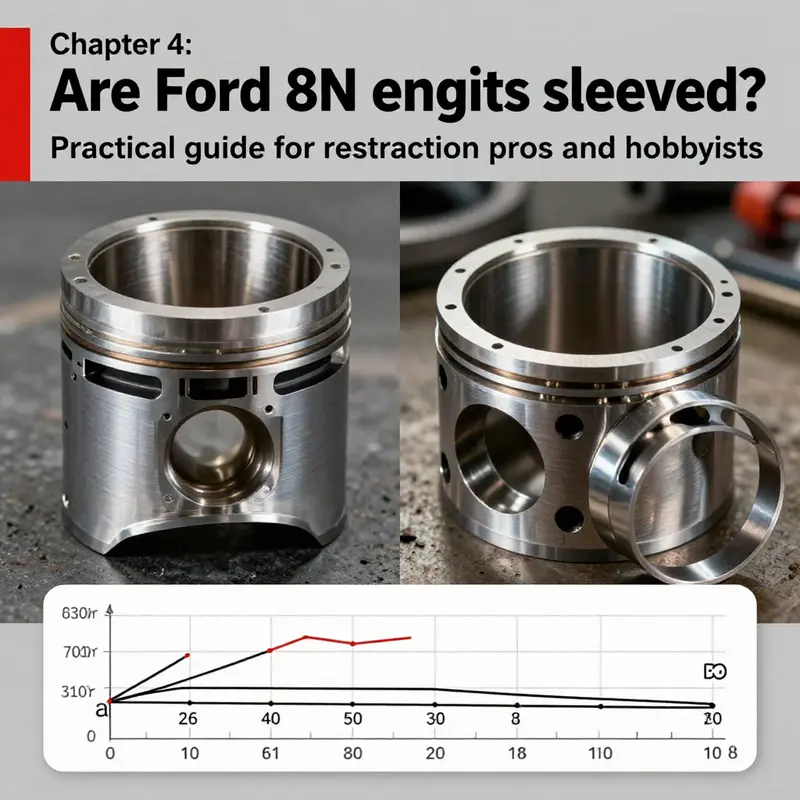
Executing a sleeving job is a calculated sequence rather than a sudden repair. The cylinder bore is first prepared to receive a sleeve. That preparation involves removing any unsound material and bringing the bore to a precise reference diameter so the sleeve can be pressed or shrink-fit into place with uniform wall thickness. The sleeve’s outer contour must mate perfectly with the bore walls, resisting movement and maintaining concentricity under the load of the piston. After seating, the sleeve is machined to ensure an exact outer diameter that leaves room for a proper final bore. The inner surface of the sleeve is then honed to the intended final diameter and surface finish, so that the piston rings can seat with consistent pressure and minimal friction. The outcome should be a bore that remains cylindrically true through many cycles of expansion and contraction, with a ring seal that remains stable as the engine warms and cools.
Material choices for sleeves in this context are well understood and emphasize longevity and machinability. For the Ford N-series engines, sleeves are typically cast iron, selected for their wear resistance and compatibility with the block’s casting and cooling characteristics. The objective is a sleeve with a uniform wall thickness and a final bore dimension that corresponds to OEM tolerances, thereby preserving the engine’s original compression ratio and combustion chamber geometry. In practice, restorers often start with a standard sleeve dimension that suits the OEM bore, and use oversize options to bring a heavily worn bore back to the factory final diameter. This strategy avoids heavy modification of the block while delivering a durable, round, and true cylinder surface. The result is a restored cylinder that behaves like new in terms of seal quality and heat transfer, while maintaining the block’s historical identity.
From a practical standpoint, sleeve availability reflects a niche but active market. Enthusiasts pursue sleeves through vintage machinery suppliers and specialized restoration channels, recognizing the value of a durable, authentic surface over the slow erosion of a worn bore. Because the 8N is an older model with a dedicated following, the market tends to emphasize accuracy of fit and tolerances rather than speed of delivery. The restoration approach commonly described to lay readers stresses precise measurement, alignment checks, and finishing tolerances that ensure the final bore diameter accepts the intended piston rings and maintains proper compression. In this context, a well-documented restoration guide serves as a blueprint, describing the step-by-step sequence, the necessary tolerances, and the checks that confirm the sleeve has been installed correctly. The emphasis is on reliability, not shortcuts, because a sleeved bore must perform across a long service life in a working tractor.
Cost considerations reinforce the value proposition of sleeving. The sleeve itself is only part of the equation; the machining, installation, and finishing steps add up as a package. In many restorations, the total outlay for sleeving includes the parts cost, shop labor, precise bore measurement, press or shrink fit, and the final honing and quality checks. The total can be substantial, but it is often justified by the projected lifespan of the restored engine and the vehicle’s overall value. For tractors that are driven regularly or displayed at events, sleeving can be the difference between a reliable, usable machine and a recurring maintenance nightmare. The investment aligns with restoration goals that favor authenticity, durability, and the practical ability to return the tractor to field work or show use without repeated major interventions.
Availability and sourcing reflect regional variation and the aging market for vintage parts. Sleeves specific to Ford N-series engines appear through dedicated restoration channels, with measurements and tolerances published for reference. The guidance notes that the inner bore dimension of sleeves is typically aligned with the OEM final bore, and oversize options enable restoration when the bore is beyond simple re-reaming. The broader restoration community values this approach for its balance of authenticity and modern reliability. A carefully chosen sleeve and a correctly finished bore produce a cylinder that can hold compression, manage heat, and resist the rough demands of farm work. The philosophy behind sleeving remains practical: preserve the block’s history while delivering a dependable, efficient engine that can meet the needs of today’s operators and collectors alike. If you want to explore the topic further through practitioner experience, the community maintains discussions and guidelines that emphasize measured approaches and precise machining.
For readers who want a direct path to exploring the question in a practical, practitioner’s frame, you can follow this discussion Are all Ford 8N engines sleeved?. The link points to a consolidated treatment of the topic, including the rationale, process, and considerations that arise when restoring an 8N engine. While this chapter is not a substitute for hands-on shop work, it frames the essential logic: sleeving is a central strategy when a bore has deteriorated beyond simple repair, and it offers a path to restoring performance without sacrificing the block’s historical integrity. The conversation around sleeving is not about novelty; it is about delivering a durable, authentic result that respects the engine’s design and the tractor’s enduring role on the farm.
Ultimately, the choice to sleeve an 8N bore is a decision rooted in integrity and practicality. The engine’s simple, robust architecture—paired with the right restoration discipline—can be revived to serve reliably for years to come. Sleeving provides a controlled, durable inner surface that supports sealing, heat management, and long-term durability, while allowing the block to remain a tangible link to the machine’s past. It’s a restoration strategy that recognizes the block’s history, respects the engine’s fundamental design, and delivers the performance restoration that enthusiasts expect from a classic Ford N-series tractor. External references and community consensus support this path, reinforcing that sleeving is a credible, often essential step for returning an 8N to full, useful life.
null
null
Sleeves, Sources, and the 8N: Availability and Approach
When restoring a Ford 8N, sleeving is a deliberate option to preserve the original block while restoring compression, heat transfer, and longevity. The practical question is usually answered with a pragmatic yes. Wear in the cylinder walls accumulates over decades of field work; dust, heat, and hard use demand a solution that reestablishes a bore surface without discarding the block itself. Sleeving provides a replaceable inner liner that forms the new heart of the cylinder and supports the rings and pistons as if new. For many 8N restorers, sleeving blends authenticity, durability, and economics. A sleeved block is faithful to the original design and a practical path to reliable operation, especially when bore wear has surpassed what simple re-honing or minor oversize can safely accommodate. The concept is to machine the bore to accept a sleeve, press or shrink the sleeve into place, then bore and hone the sleeve to the final diameter so the piston rings seal correctly and heat can be managed effectively. The success depends on precision machining and sleeves that fit OEM dimensions closely enough to preserve compression ratios and cooling characteristics. It is a restoration approach widely recommended by experienced communities and reputable suppliers, because it minimizes block damage and helps maintain historical integrity while delivering practical benefits.\n\nIn the availability landscape, sleeve options for the 8N are well established, even if the market is niche. Reputable sleeve manufacturers such as Sealed Power provide cylinder liners designed for Ford N-series engines, including the 8N and siblings. These sleeves fit the typical OEM bore diameter and are offered in standard and oversize configurations to accommodate worn bores that cannot be safely honed back to stock. The standard practice is to select a sleeve with an inner bore that matches or slightly undercuts the target final size, then size the sleeve in the shop to achieve the precise final diameter required by the pistons and rings. This sizing helps ensure the rings seal evenly, heat transfer paths stay sound, and the combustion chamber geometry remains compatible with the engine’s original compression ratio.\n\nBeyond manufacturer catalogs, the Ford 8N community, exemplified by sites like ford8n.com, is a trusted conduit for information, part verification, and practical guidance. The sleeving guide there outlines the step-by-step path of preparing the bore, selecting a sleeve, installing it with proper fit, and finishing the bore to exact tolerances. The value lies in the community’s collective experience—what has worked in restoration shops, what hasn’t, and how to troubleshoot uneven wear or block weaknesses that would complicate a sleeving job. When a restorer visits the forum or guide, they gain confidence that the sleeve choice aligns with Ford’s original design intent and that the final dimensions will marry clean compression with reliable heat management.\n\nEven as specialized sources anchor the practice, the broader aftermarket ecosystem keeps sleeves accessible. Sleeves are marketed through classic-car and vintage-tractor suppliers, online marketplaces, and remanufacturing shops. Cataloged solutions often include a standard inner bore around the OEM size, with precise measurements tailored to the original specifications. The standard bore is commonly cited as roughly 3.368 inches for certain sleeves, a dimension that balances compatibility with the 8N bore while allowing a reliable press-fit and a final bore that accepts modern piston rings. Oversize options exist to accommodate wear beyond the straightforward re-hone, frequently in increments that mirror classic engine restoration practice. An oversize option may allow a block worn beyond standard to be brought back into spec without cutting the block or compromising integrity. Availability of oversizes helps restorers decide whether sleeving is prudent or if another approach is better for the block.\n\nThe practical side of sourcing a sleeve balances compatibility, price, and reliability. Sleeve prices, when viewed alone, may seem modest—often in the range of a few tens to a couple hundred dollars per sleeve—but a complete sleeving job includes machining labor, measurement, and finish honing. The total investment often rises into the hundreds or thousands of dollars, depending on block condition and shop rates. Yet for many collectors and farmers who rely on a Ford 8N as a working tool or heritage piece, sleeving promises longer life, lower risk of hidden block damage, and restoration of the engine’s original geometry and cooling behavior. The economics become clear when set against replacing the block or facing ring seating problems caused by a worn bore. The sleeving option remains appealing because it preserves authenticity while delivering predictable performance.\n\nFor those navigating this path, trusted references map a path from worn bore to final operating condition. Official product lines and compatibility notes from reputable sleeve manufacturers confirm sleeves exist for Ford N-series engines and provide guidance on final bore sizes and fit. Community knowledge guides buyers to reliable sellers and verified part numbers, reducing the risk of ill-fitting sleeves. The synergy between manufacturer specifications and community-tested experience enables restoration with confidence rather than guesswork. For a detailed sleeving pathway, the sleeving guide on Ford8N.com offers a practical blueprint: sleeving an 8N engine. The resource translates general sleeving principles into a concrete project plan, with notes on bore preparation, sleeve handling, finishing techniques, and verification steps to meet piston and ring needs.\n\nAs the restoration conversation evolves, it helps to supplement hands-on guidance with catalogs and vendor assurances. Official pages and catalogs from sleeve manufacturers verify compatibility with Ford’s N-series and provide the essential dimensions that keep sleeving aligned with OEM tolerances. This combination of a trusted sleeving guide, reputable sleeve sources, and a vigilant restoration community yields a robust pathway for anyone considering sleeving an 8N engine. In the end, the question is not simply whether the 8N can be sleeved; it is whether the available sleeves, the correct bore sizing, and the right shop skills can deliver a restoration that preserves the tractor’s character while restoring function.\n\nFor further detail, official specifications and part availability anchor practice in reliability: see the catalog and technical resources from trusted sleeve manufacturers. These references support the steps of sleeving—from bore preparation to final honing—and underscore the long-term benefits of a well-fitted sleeve to restore compression and heat transfer in the Ford 8N. The availability path is clear, trusted sources are established, and sleeving remains a cornerstone of authentic, durable Ford 8N restoration.\n\nExternal reference for broader specifications and part availability: Sealed Power’s official catalog and product resources provide detailed measurements and compatibility guidance for 8N/9N/2N/120 engines. https://www.sealedpower.com/
null
null
null
null
Final thoughts
Sleeving the cylinders of a Ford 8N engine represents a thoughtful repair pathway that aligns restoration intent with practical durability. When bore wear exceeds what a simple honing and re-ring can sustain, a properly sized sleeve offers a repeatable, authentic solution that preserves block integrity and maintains OEM geometry. The technique relies on precise bore preparation, an accurately fitted sleeve, and careful finishing to the correct final diameter. Sourcing is supported by specialized sleeve manufacturers, respected restoration guides, and a robust marketplace that includes vintage tractor suppliers and online catalogs. The decision to sleeve versus rebore hinges on bore condition, block integrity, and the restoration goals – authenticity, reliability, and long-term service life. Economically, sleeves add upfront cost for material and labor, but can reduce risk and long-term maintenance if the alternative involves extensive block work or repeating failures. For motorcycle owners, auto enthusiasts, repair shops, and distributors who value durable workmanship and faithful restorations, sleeving is not merely a repair option—it is a restoration philosophy that respects the engine’s heritage while delivering dependable performance. By following the structured approach outlined in the five chapters, practitioners can assess wear patterns, select credible sleeve sources, execute precise bore finishing, and budget intelligently for a reliable, authentic 8N rebuild that stands the test of time.