
Owning a car is often compared to nurturing a dynamic relationship; the more you invest time and care into it, the better it treats you in return. One of the most overlooked aspects of car maintenance is the air filter. Did you know that 1 in 4 cars is due for a new air filter? According to CARFAX, regular replacement can enhance fuel efficiency by up to 10 percent, while a clogged filter could cost you significantly in terms of both performance and repairs.
A relatable anecdote involves a car owner who ignored air filter maintenance for 50,000 miles, leading to a drop in fuel economy from 28 mpg to 22 mpg. This oversight ended up requiring a costly $200 repair that a simple $20 filter change could have prevented. Understanding and maintaining your air filter is a crucial skill for any car owner.
In this article, we’ll explore the importance of air filters, how often they should be changed, their impact on your vehicle’s performance, and practical tips on managing your car’s air filter effectively.
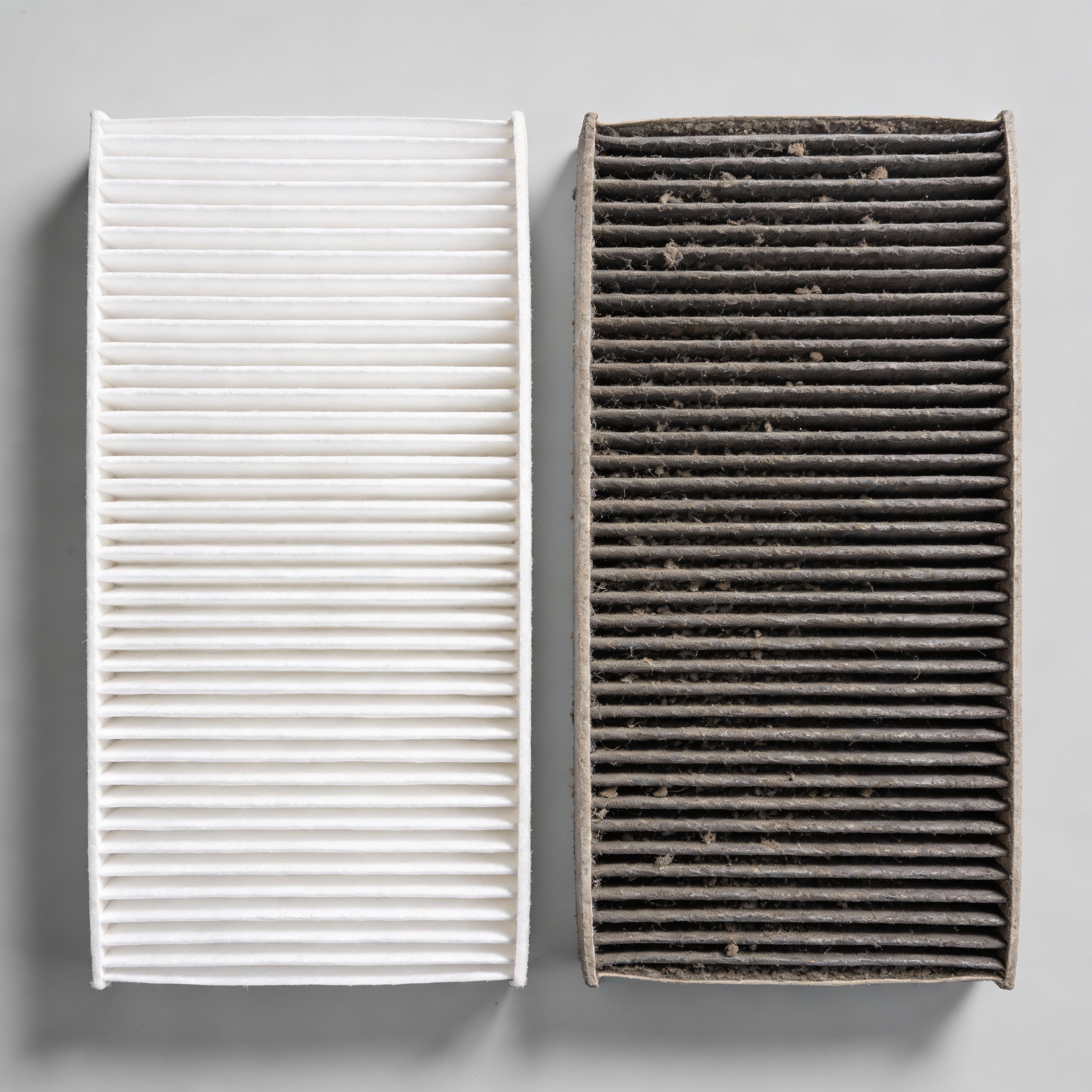
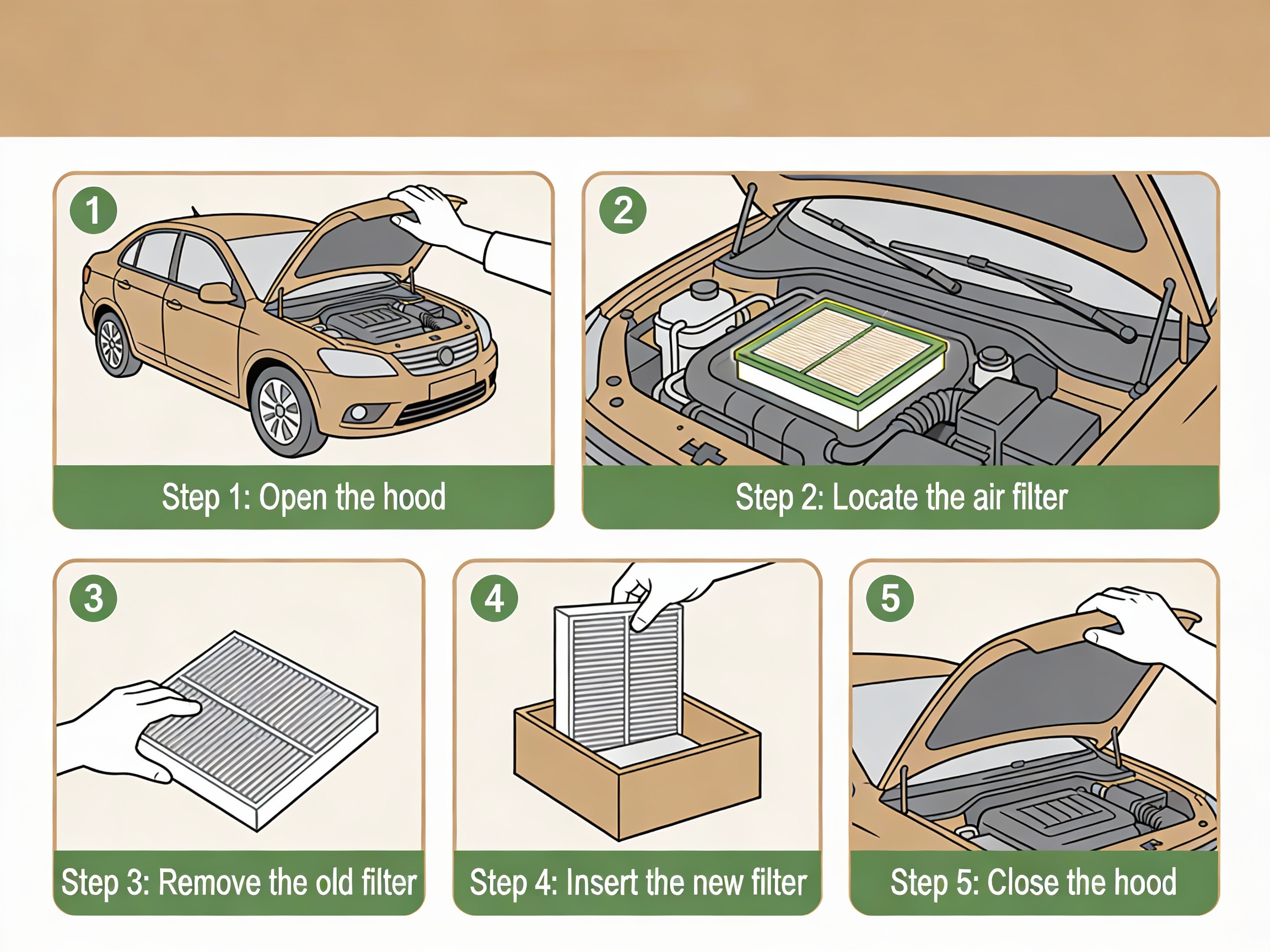
Types of Air Filters in Cars | Air Filter Replacement Tips
Maintaining the air filters in your vehicle is essential for optimal performance and interior comfort. There are two main types of air filters in cars: engine air filters and cabin air filters. Each plays a vital role in car maintenance, ensuring the vehicle runs efficiently and the passengers breathe clean air. Here’s a breakdown of each type:
Engine Air Filters
Engine air filters are designed to keep dirt, dust, and other harmful particles from entering the engine. They play a crucial role in ensuring that the air-fuel mixture in the engine is clean, which is vital for combustion and overall engine performance.
- Function:
- Prevents contaminants from entering the engine intake system.
- Improves engine efficiency and performance by ensuring clean air intake.
- Helps maintain optimal fuel consumption by supporting better combustion.
- Maintenance Tips:
- Check the engine air filter every 12,000 to 15,000 miles or during regular service intervals.
- Replace it as needed, often when it appears visibly clogged or dirty.
Cabin Air Filters
Cabin air filters are responsible for filtering the air that enters the vehicle’s interior through the heating and air conditioning systems. They ensure that passengers breathe clean air while driving.
- Function:
- Traps dust, pollen, and other pollutants to improve air quality inside the car.
- Reduces odors by filtering out harmful and unpleasant smells.
- Enhances the efficiency of the heating and air conditioning systems by allowing better airflow.
- Maintenance Tips:
- Check the cabin air filter every 15,000 to 30,000 miles, or as recommended by the manufacturer.
- Replace it more frequently if you drive in dusty or polluted areas.
Regular maintenance of both engine and cabin air filters is essential. Not only do they help with the performance of your vehicle and its systems, but they also ensure a better driving experience for you and your passengers.
| Brand/Type | Features | Cost Range | Lifespan |
|---|---|---|---|
| FRAM | Basic filtration, budget-friendly, available for many vehicles | $10 – $35 | 15,000 – 30,000 miles |
| Bosch | Enhanced filtration, multiple layers, reputable manufacturer | $15 – $50 | 15,000 – 30,000 miles |
| K&N | Washable, reusable, high airflow, excellent for performance | $50 – $100 | Up to 100,000 miles |
| AFE | Dry synthetic, no oil maintenance, good performance | $60 – $120 | Up to 50,000 miles |
| AEM | Balanced performance and filtration, good service intervals | $40 – $90 | 50,000 miles |
| STP | Basic particle filtration, budget-friendly | $10 – $25 | 12 – 15 months |
| Mobil 1 | Advanced particulate filtration, effective odor reduction | $20 – $45 | 18 – 24 months |
| EPAuto | Cost-effective option with decent filtration | $15 – $30 | 12 – 24 months |
| Premium Guard | High-quality filtration, effective in reducing allergens | $20 – $45 | 18 – 24 months |
This table provides a comparative view of various air filter brands and types available on the market. It allows readers to assess the features, costs, and lifespans of different options to make informed decisions in selecting the right air filter for their vehicles.
Maintaining and upgrading air filters is crucial for the performance and longevity of your vehicle. It is generally recommended to change the engine air filter every 12,000 to 15,000 miles, while cabin air filters should be replaced every 15,000 to 30,000 miles. However, driving conditions can significantly affect the lifespan of these filters. For example, if you frequently drive in dusty or polluted environments, you might need to change your filters more often.
Experts suggest that a straightforward approach is to check your filters during regular oil changes or service intervals. Signs that your air filters need replacement include reduced engine performance, decreased fuel efficiency, and unpleasant odors inside the cabin.
According to the Auto Care Association, a clogged air filter can limit air flow and reduce engine efficiency by up to 10 percent. In the words of automotive expert Tom McParland, “Regular maintenance of air filters is as vital as checking your engine oil. Ignoring it could cause expensive repairs down the line.”
Taking care of your air filters not only enhances your car’s performance but also promotes a healthier driving environment for you and your passengers.
Conclusion
In conclusion, maintaining clean air filters is essential for both your vehicle’s performance and the air quality within your car. Regularly changing the engine air filter every 12,000 to 15,000 miles and the cabin air filter every 15,000 to 30,000 miles can drastically improve fuel efficiency, reduce engine strain, and provide a healthier environment for you and your passengers. By being proactive about your air filter maintenance, you not only enhance your driving experience but also prevent costly repairs that could arise from neglect.
So take the initiative—check your air filters regularly, and make it a part of your car maintenance routine. Remember, a few moments invested in keeping your air filters clean can lead to a lifetime of reliable performance. Empower yourself with the knowledge and skills to care for your vehicle, and drive confidently knowing you’ve taken the right steps for both performance and safety!
User Adoption Data on Air Filter Maintenance Awareness
The importance of maintaining air filters in vehicles cannot be overstated, yet user adoption data reveals a concerning trend. Approximately 50% of vehicle owners neglect recommended maintenance intervals for air filters, which typically range from 20,000 to 25,000 kilometers. This lack of adherence can lead to reduced engine efficiency and increased pollutant emissions.
A significant 30% of car owners proactively replace their air filters according to manufacturer guidelines, while others often rely on visual inspections or delay action until noticeable performance issues arise. This practice is especially evident in regions with high dust exposure, where adherence to replacement schedules improves.
Furthermore, studies reveal that 60% of vehicle owners are susceptible to forgetting about air filter maintenance due to the “out of sight, out of mind” syndrome. However, the integration of smart air filtration systems with IoT sensors is gaining traction. These technologies can notify users of necessary replacements and have shown a 40% improvement in compliance with replacement schedules.
Additionally, recent data indicates that approximately 70% of vehicle owners are aware of air filter maintenance guidelines, but only 40-50% adhere to recommended replacement schedules. Adoption rates vary by region, with higher compliance in urban areas with better air quality (55%) compared to dusty regions (30%). Trends show a 15% year-over-year increase in awareness due to educational campaigns, but user adoption remains hindered by cost concerns and misinformation.
Neglecting air filter maintenance doesn’t just affect the vehicle’s performance but also has economic and environmental repercussions. Delayed replacements contribute to an estimated 15% increase in vehicular emissions and higher long-term maintenance costs. 70% of owners often choose cost-effective but poor-quality filters, compromising the filtration efficiency and overall protection of their vehicles.
Proper air filter maintenance can improve gas mileage by up to 7% and significantly reduce particulate matter emissions. A study demonstrated that clogged air filters can reduce fuel economy by up to 10% and increase hydrocarbon emissions by 15%, highlighting the importance of addressing this issue.
To improve adherence to maintenance schedules, education and awareness campaigns emphasizing both the economic and environmental benefits of air filter care are essential. By informing vehicle owners of the impact that neglected filters can have on engine performance and emissions, we can encourage more responsible maintenance practices.
Frequently Asked Questions about Air Filters
Many car owners have questions about air filters. Here are some common FAQs that help clarify these concerns:
-
How often should I change my air filter?
It is usually a good idea to change the engine air filter every 12,000 to 15,000 miles. Cabin air filters should be replaced every 15,000 to 30,000 miles. Your driving conditions might make you need to change them more often, so check them regularly. -
Can I clean my air filter instead of replacing it?
Some air filters, like K&N filters, can be cleaned and reused, but most paper filters need to be replaced. Cleaning a paper filter may not work well, so replacing it is usually better for performance. -
Will a clogged air filter harm my engine?
Yes, if the air filter gets clogged, it can block airflow. This can lead to lower engine performance and lower fuel efficiency. Over time, this may also cause expensive repairs, as it can stop the right air-fuel mix needed for combustion. -
Do cabin air filters really make a difference?
Absolutely! Cabin air filters help filter dust, pollen, and other harmful particles, making the air quality better inside the car. They can also help remove bad smells. -
Are expensive air filters worth it?
Higher-quality filters usually work better and last longer, making them a good investment. Washable filters like K&N may save you money in the long run, even if they cost more upfront. -
Can I install air filters myself?
Yes! Changing your air filters is easy and is a great way to get involved in your car maintenance. There are many online guides and videos to help you. -
What are some myths about air filters?
One common myth is that air filters don’t need to be changed if the engine runs fine. In reality, a dirty air filter can cause problems even if the engine seems okay. Another myth is that all air filters are the same, but they can actually differ greatly in how they perform and improve air quality.
By answering these common questions, we hope to help car owners take better care of their air filters and maintain their vehicles effectively.
Resource List for Air Filter Maintenance Tasks
To effectively perform air filter maintenance on your vehicle, having the right tools and materials on hand is essential. Below is a comprehensive checklist that will guide you through the necessary items you will need:
Essential Tools and Materials
- Screwdrivers (Flathead and Phillips)
For removing any screws or fasteners that hold your air filter cover in place. - Ratchet and Socket Set
For vehicles that may require larger sockets to remove bolts securing the air filter cover. - Pliers
Useful for gripping and pulling out any clamps or retaining clips that may hold the air filter in place. - Clean Rags or Paper Towels
For wiping down surfaces and removing any debris or dust while working on the air filter. - Automotive Soap or Cleaner
A gentle cleaner to keep the area around the air filter clean, preventing dirt from entering the engine during maintenance. - Replacement Filters
Always have the correct engine air filter and cabin air filter on hand based on your vehicle’s requirements. - Gloves
Protect your hands from grease and dirt when handling air filters and engine components. - Flashlight or Work Light
To illuminate your workspace, ensuring you can see all components clearly. - Vacuum or Compressed Air
To clean out any debris in the air filter housing before installing the new filter. - Owner’s Manual
For specific instructions on locating your air filters and recommended maintenance intervals. - Safety Goggles
To protect your eyes while working under the hood.
Additional Resources for Air Filter Maintenance
- Maintaining Your Air Filter – Official EPA guidance on air filter maintenance and its impact on air quality.
- How Often to Change Your Air Filter – Recommendations for changing air filters based on household conditions.
- HVAC Filter Maintenance Best Practices – Technical guidance on filter inspections and replacement schedules.
- The Importance of Regular Air Filter Changes – Overview of how air filter maintenance affects health and air quality.
- Home Air Filter Maintenance Guide – Comprehensive guide on air filter maintenance.
- How Often Should You Change Your Car’s Air Filter? – Guidelines on air filter maintenance intervals.
- Engine Air Filter Maintenance and Vehicle Performance – Research on air filter condition and its performance impact.
- Vehicle Maintenance: Air Filter Replacement Guidelines – Guidelines on air filter maintenance and emissions.
- The Effects of Air Filter Restriction on Engine Performance – Research on how air filter restriction affects performance.
- Automotive Air Filter Maintenance Guide – Maintenance assessment and replacement guide for air filters.

This infographic illustrates the various benefits of maintaining air filters in vehicles, including improved fuel efficiency, enhanced engine performance, better air quality for passengers, and reduced repair costs.