
Car maintenance is more than just a routine check; it’s a necessary habit that ensures your safety on the road. Among the many aspects of maintaining your vehicle, tire health stands out as a crucial element. Did you know that nearly 11,000 tire-related crashes occur annually? Keeping your tires in tip-top condition can significantly reduce your risk of these accidents and enhance your driving experience.
In this guide, we will delve into essential Car Maintenance Skills. We will focus on tire maintenance practices that every car owner should master. Embracing these skills empowers you as a DIY car owner and saves you time and money in the long run. Let’s roll up our sleeves and take charge of our vehicle’s health—your tires will thank you!
Tire-Related Incident Statistics
Understanding the statistics surrounding tire-related incidents can help emphasize the importance of tire maintenance. Here are some key points to consider:
- Nearly 11,000 tire-related crashes occur in the United States each year, as reported by the National Highway Traffic Safety Administration (NHTSA).
- Tragically, in 2023 alone, 646 fatalities resulted from these tire-related incidents.
- Regular tire maintenance can significantly reduce the likelihood of these accidents, ensuring a safer driving experience for all vehicle owners.
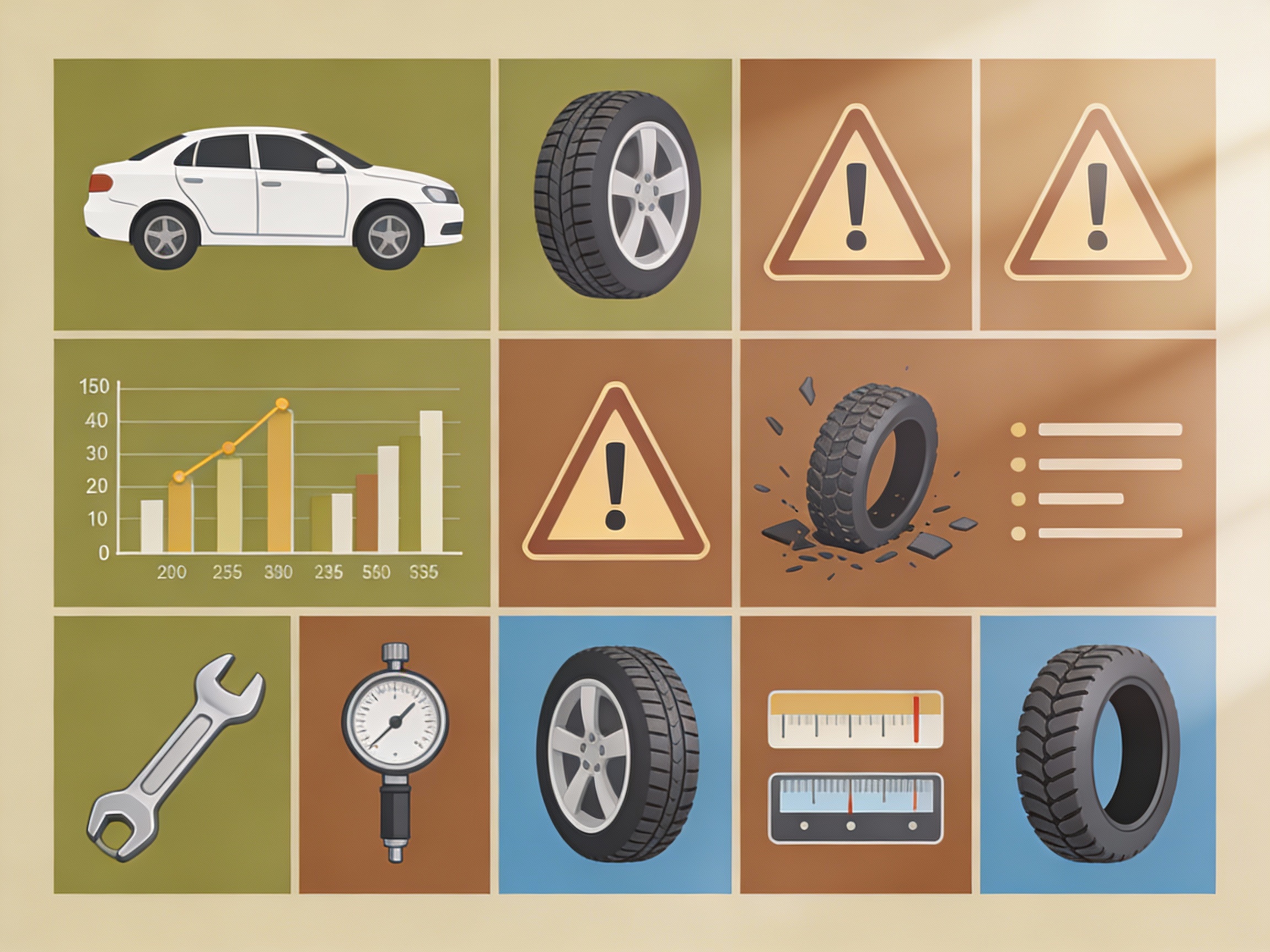
Essential Tire Maintenance Skills Every Adult Should Know
Tire maintenance is crucial for ensuring the safety, performance, and longevity of your vehicle. Here are four essential tire maintenance skills every adult should master:
-
Checking Tire Pressure
Regularly checking tire pressure is one of the simplest yet most effective maintenance tasks. Properly inflated tires improve fuel efficiency, enhance comfort, and ensure better handling. Make it a habit to check your tire pressure at least once a month and before long trips. Remember, maintaining the recommended tire pressure can extend the life of your tires significantly. -
Measuring Tread Depth
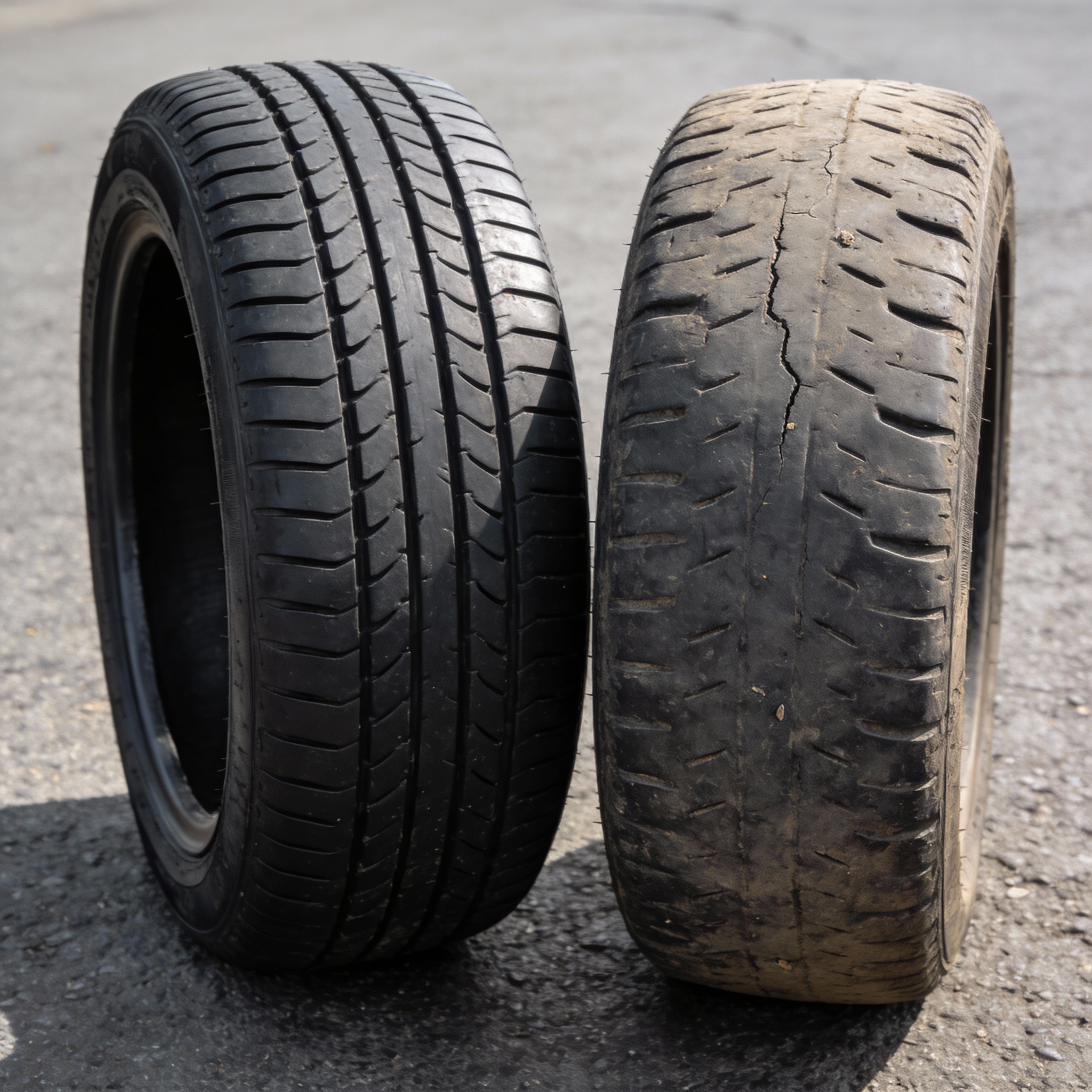
Tread depth is key for maintaining traction, especially in wet or slippery conditions. Invest in a tread depth gauge or use the penny test—insert a penny into the tread grooves with Lincoln’s head facing down. If you can see all of Lincoln’s head, it’s time for new tires. Mastering this skill can drastically improve your safety on the road. -
Understanding When to Rotate Tires
Tire rotation is essential for equal wear and to maximize the lifespan of your tires. Most manufacturers recommend rotating tires every 5,000 to 8,000 miles. Familiarize yourself with your car’s rotation pattern—most vehicles benefit from changing the front tires with the rear tires regularly. Knowing when to rotate your tires will help you avoid premature wear and save money in the long run. -
Performing Visual Inspections
Regularly inspecting your tires for visible signs of damage can prevent serious issues down the road. Look for cracks, punctures, or bulges on the sidewalls and tread. Ensuring your tires are free from foreign objects and maintaining a clean surface is essential. Developing this skill will empower you to spot potential problems before they become serious, thereby maintaining your vehicle’s health and your safety.
By mastering these tire maintenance skills, you become a more responsible car owner and significantly enhance your safety on the road. Not only will these skills help you save money by preventing costly repairs, but they also provide you with the confidence to take control of your vehicle’s health. So roll up your sleeves, get knowledgeable, and enjoy the ride!
Tire Maintenance Skills Images
-
Checking Tire Pressure
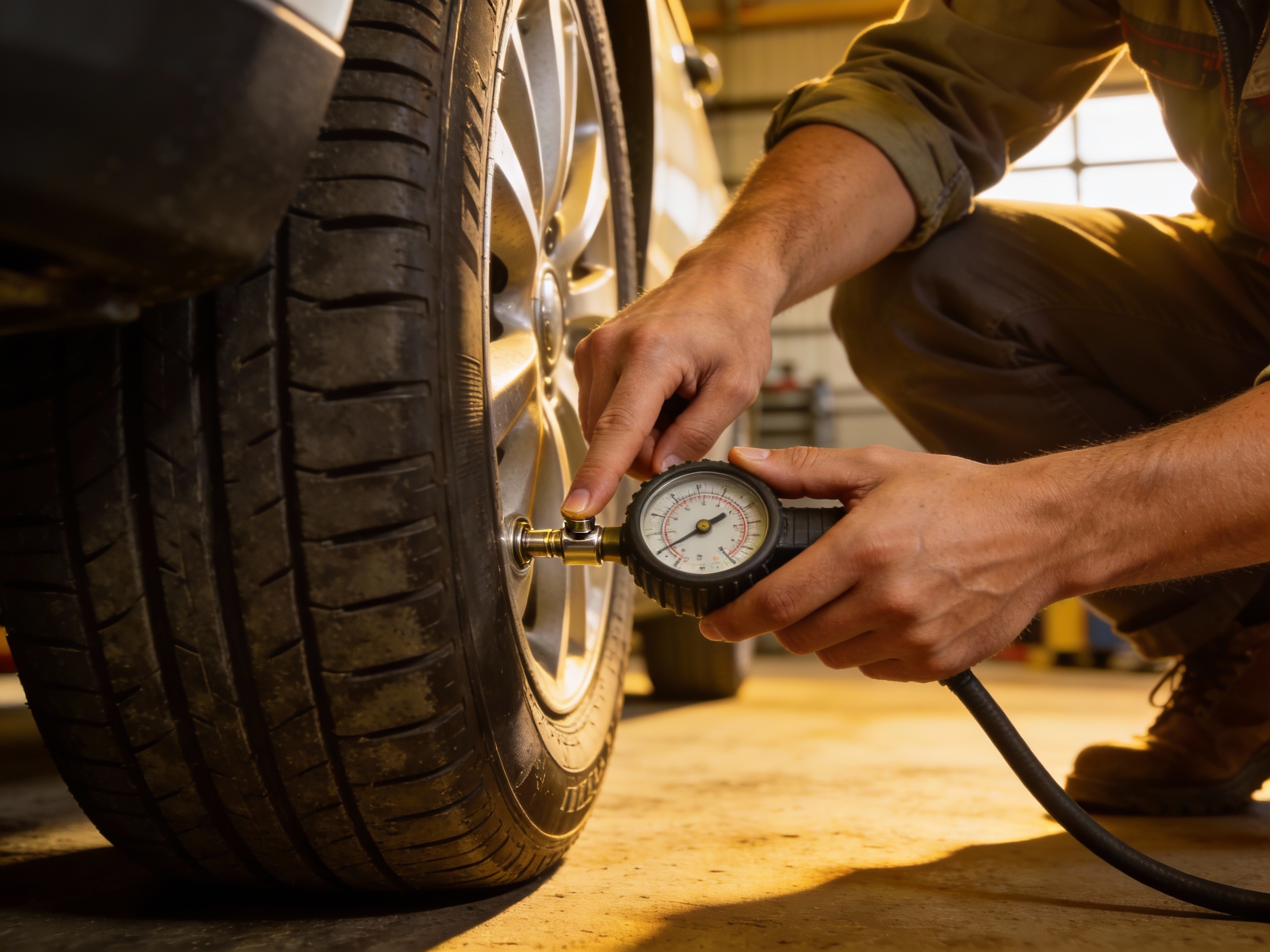
Image depicting a person checking the tire pressure of a vehicle, highlighting the importance of maintaining proper tire pressure. -
Measuring Tread Depth
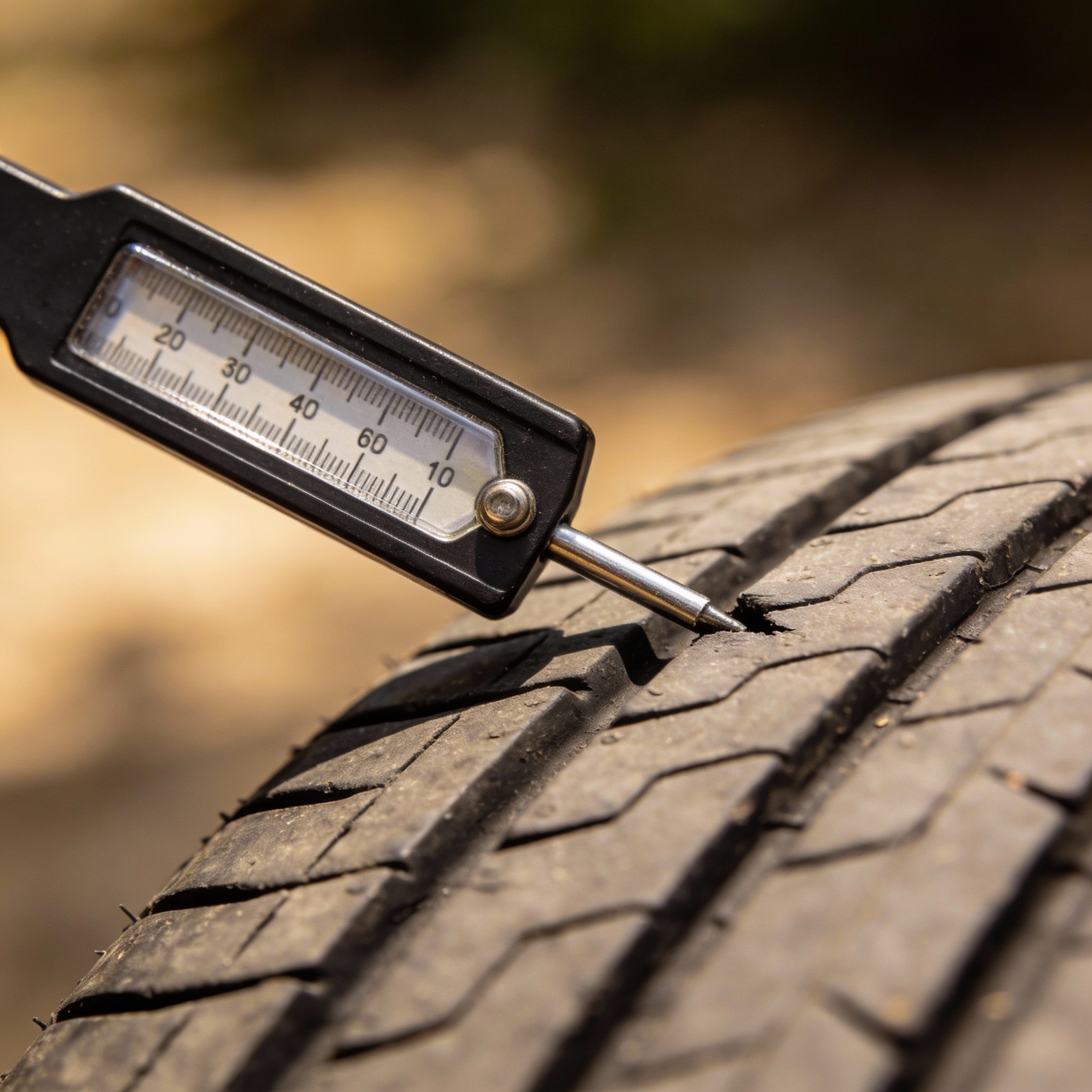
Image showing a tire tread gauge measuring the tread depth of a car tire, emphasizing how to assess tire safety. -
Understanding When to Rotate Tires
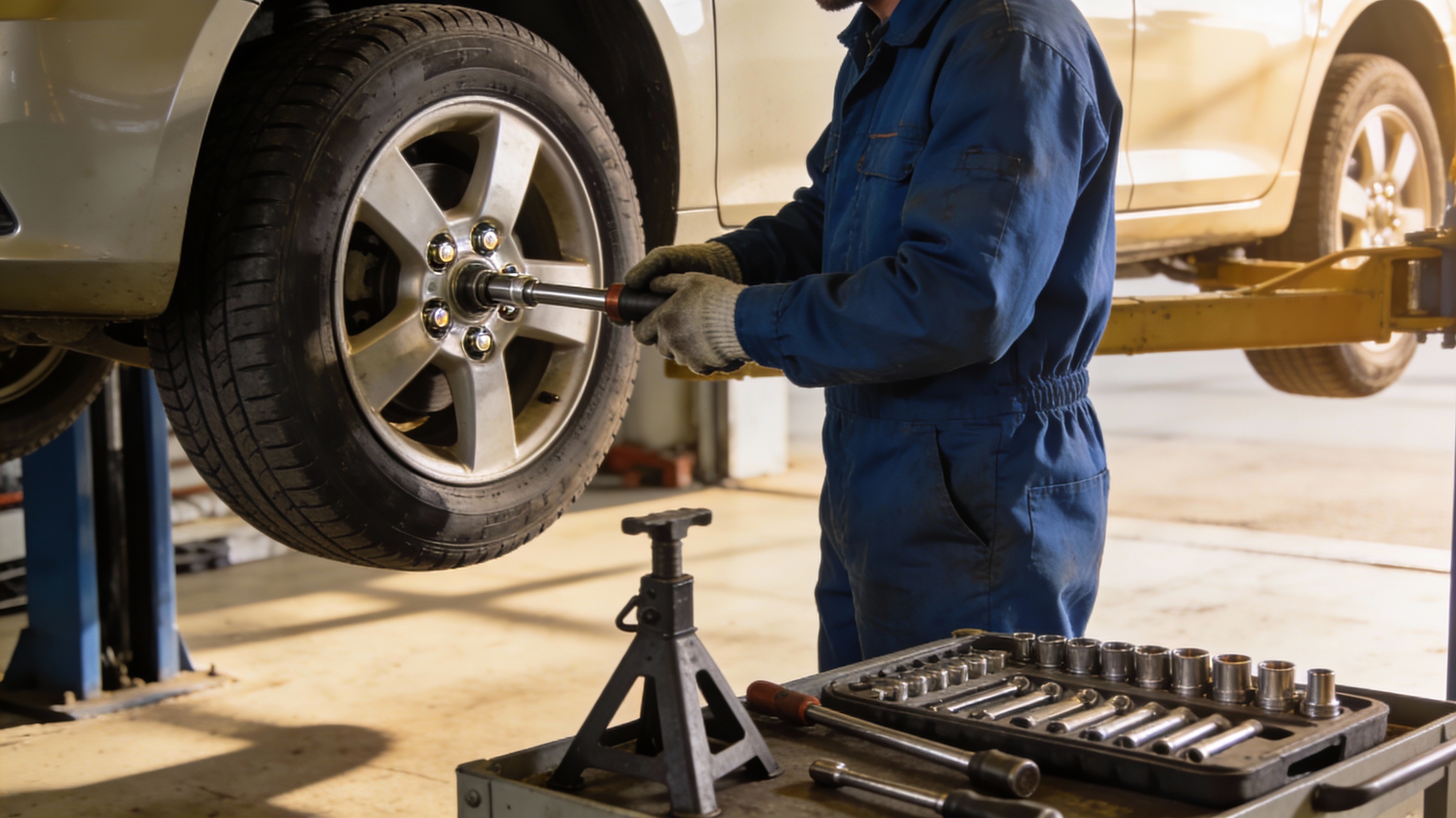
Image illustrating an automotive mechanic rotating car tires in a garage, representing best practices for tire maintenance. -
Performing Visual Inspections
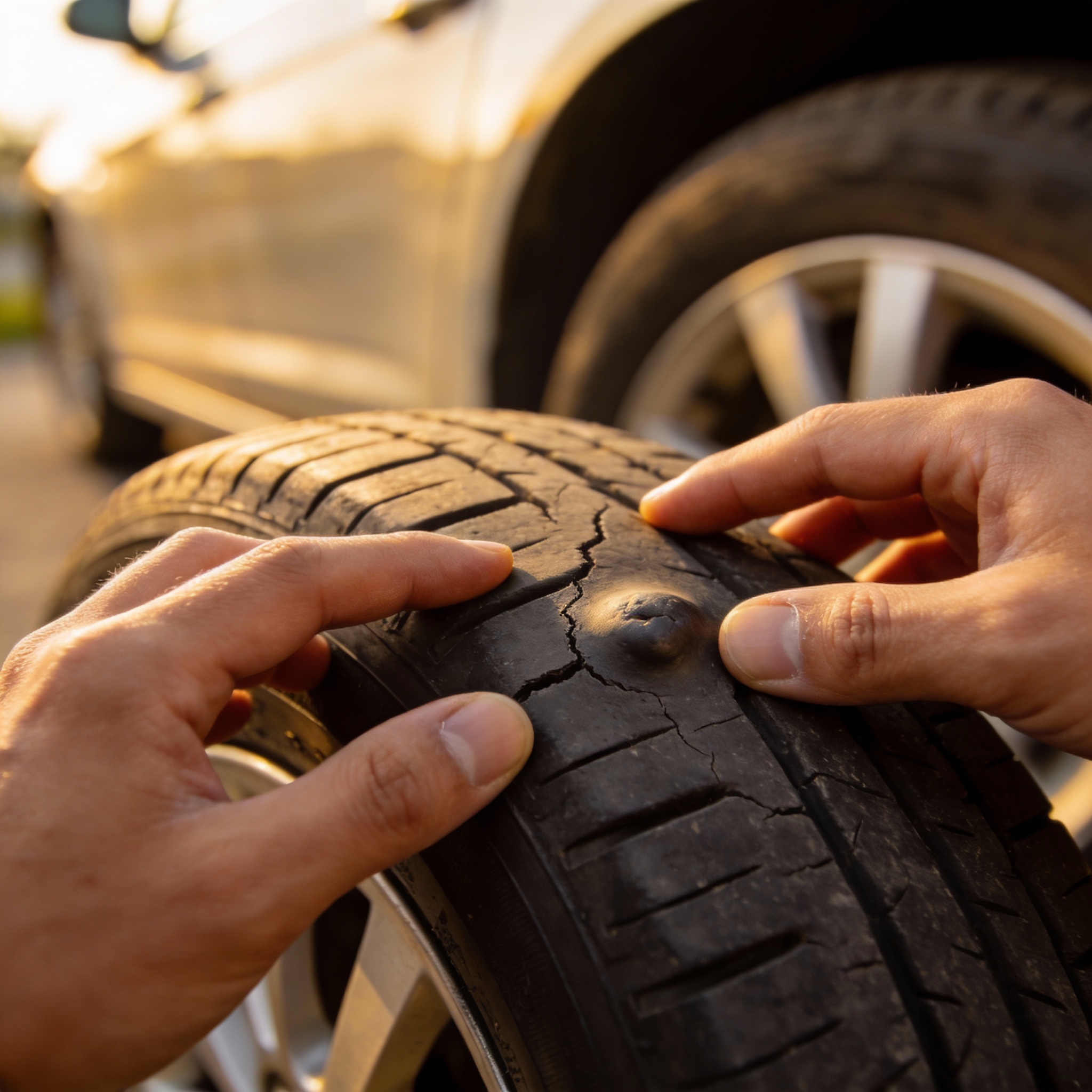
Image showing an individual inspecting a tire for visible damage, underscoring the importance of regular visual checks.
Inspirational Quotes Integrated into the Narrative
When it comes to DIY car maintenance, embracing the small tasks can lead to significant savings. As one insightful quote puts it, “Doing the small stuff yourself will certainly save you from high labor costs.” Taking control of your car maintenance not only fosters a sense of ownership but also translates into financial benefits.
Imagine navigating through vehicle ownership with confidence. It can be a rewarding journey if you arm yourself with essential skills, as noted: “If this sounds enticing, take a gander at these 12 simple maintenance skills that will surely acclimate you to DIY car ownership.” This journey becomes even more fulfilling when you recognize the challenges as stepping stones. Recall how straightforward spark plug replacements felt? The quote reminds us, “Remember how easy spark plug replacements were? Well, wiper blades make that look like rocket science.” Every challenge faced in car maintenance is an opportunity for growth and learning.
Each moment spent learning and mastering these skills adds up. As emphasized, “Every small task you handle can add up to significant savings and greater peace of mind.” By embracing DIY car maintenance, you not only save money but also cultivate a sense of empowerment and capability as a car owner. Soon, with a little dedication, you will find that you can tackle many common issues with minimal effort and maximum satisfaction!
Encouraging yourself to dive into these maintenance tasks can reap significant benefits, and soon, you’ll be on your way to becoming a more competent and confident car owner.
| Tool | Pros | Cons |
|---|---|---|
| Air Pressure Gauge |
|
|
| Tire Depth Gauge |
|
|
| Tire Repair Kit |
|
|
Financial Benefits of Tire Maintenance and Tire Longevity
Proper tire maintenance is not just about safety and vehicle performance; it also brings substantial financial benefits. By keeping your tires in optimal condition, you can prevent costly repairs and extend the life of your tires, leading to significant savings over time. Here are some key aspects tied to tire longevity to consider:
- Extending Tire Life: Studies show that properly maintained tires can last up to 4,700 miles longer than those that are neglected (Source). Regular tire rotation and alignment help prevent uneven wear, saving an average of $150-200 per tire replacement cycle. Refer to this comprehensive guide on tire lifespan from Consumer Reports.
- Preventing Breakdowns: Proper inflation alone can prevent 30% of tire-related breakdowns, leading to emergency roadside assistance costs averaging $150 per incident (Source). This maintenance not only provides peace of mind but also avoids costly disruptions to your daily routines. The NHTSA emphasizes that proper tire maintenance can prevent up to 11,000 crashes annually. Learn more about tire safety here.
- Fuel Efficiency: Maintaining correct tire pressure can improve fuel efficiency by up to 3%, translating to about $0.11 in savings per gallon of gas (Source). This may seem minor, but over time, it adds up to substantial savings—potentially over $1.2 billion annually for U.S. drivers, as proper maintenance can significantly reduce fuel costs (Source). For additional insights, consult the guidance from Bridgestone Tires.
- Reducing Repair Costs: Regular tire maintenance can reduce the risk of blowouts by 60%, thereby avoiding the high costs associated with tire repairs and replacements (Source). Properly maintained tires lead to fewer incidents requiring costly repairs, representing potential savings of $400-800 over the life of a set of tires. For best practices to prolong tire longevity, visit Goodyear’s guide.
In conclusion, taking the time to regularly check your tire condition and maintain proper inflation can lead to significant savings, both on fuel and on repair costs. Investing in tire maintenance not only ensures a safer ride but also contributes to your overall financial health as a vehicle owner. Start making tire maintenance a priority today, and watch how it positively impacts your wallet in the long run!
Conclusion
In conclusion, mastering essential tire maintenance skills is vital for every car owner. By regularly checking tire pressure, measuring tread depth, rotating your tires, and performing visual inspections, you can significantly enhance your vehicle’s safety and performance. These proactive measures not only prevent costly repairs but also ensure a smoother, safer driving experience.
Taking charge of your car maintenance is empowering. It allows you to anticipate issues before they escalate and fosters a deeper understanding of your vehicle. So don’t wait; roll up your sleeves and apply these skills to keep your tires in top condition. By investing time in tire maintenance, you are also investing in your safety and financial wellbeing. Remember, a well-maintained vehicle leads to fewer mishaps and a more enjoyable ride. Start today and enjoy the peace of mind that comes with being a responsible car owner!