
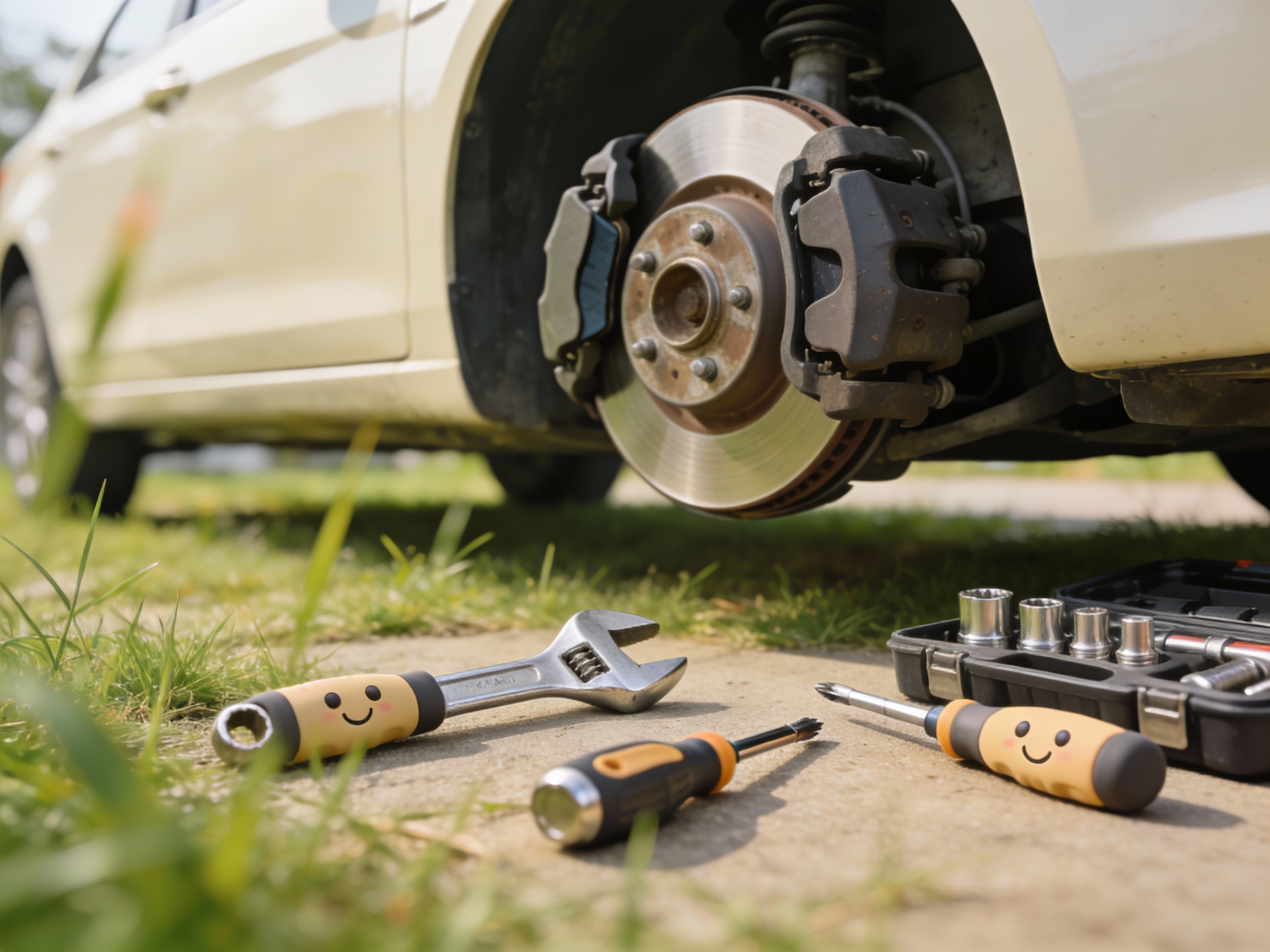
Key Brake Maintenance Tips
Keeping your brake system in top shape is essential not just for the health of your car but also for your brake safety and the safety of others on the road. Here are some practical car maintenance tips to maintain your brake system and keep your car stopping safely:
-
Check Brake Fluid Regularly:
Always keep an eye on your brake fluid levels. The fluid should be clear or slightly yellow, not dark. If it is, it’s time for a replacement. Think of brake fluid like the lifeblood of your braking system—if it’s dirty, your brakes are going to feel like they’re trying to run a marathon in a suit of heavy armor!
-
Inspect Brake Pads:
Your brake pads are your car’s first line of defense against stopping. Check them every 12,000 miles. If they’re less than a quarter inch thick, it’s time to replace them. Remember, ignoring this can lead to grinding noises—unless you have a sudden inexplicable desire to listen to heavy metal music while driving!
-
Clean Brake Components:
Brake dust can be a sneaky culprit in brake performance issues. Make it a habit to clean your brake calipers to prevent them from sticking and causing uneven wear on the brake pads. After all, a clean brake is a happy brake!
-
Test Your Brakes Regularly:
This might sound like a no-brainer, but regularly testing your brakes is crucial. Press the brake pedal to ensure it feels firm and responds quickly. If it’s spongy or soft, don’t take it lightly—it’s a sign something is off. Trust me, you don’t want to discover your brakes are not up to par when you’re at a stoplight—suddenly turning into a cartoon character is not a good look.
-
Schedule Routine Inspections:
Having a professional check your braking system every year is a wise investment in your brake safety. They can identify potential issues that could lead to significant problems down the road. Car maintenance tips like these are essential—just like you wouldn’t skip your doctor’s appointments, don’t neglect your car’s health!
Comparison of Brake Maintenance Tasks
To help you decide what brake maintenance tasks to tackle yourself and which to leave to the professionals, here’s a handy comparison table:
| Task | DIY Feasibility | Safety Risks | Cost Implications |
|---|---|---|---|
| Check Brake Fluid | Yes | Low | Minimal cost for fluid |
| Inspect Brake Pads | Yes | Moderate (improper replacement) | Low (pads cost $30-$100) |
| Clean Brake Components | Yes | Low (but be mindful of debris) | Minimal (cleaning supplies) |
| Test Your Brakes | Yes | Low | No cost |
| Replace Brake Pads | Possibly, if confident | Moderate to High (improper install risk) | Low to moderate (cost of pads + tools) |
| Brake Fluid Replacement | No | High (contamination risk) | Moderate ($75-$150) |
| Rotating or Machining Rotors | No | High (brake failure risk) | Moderate to high ($100-$300) |
| Comprehensive Brake Service | No | Very High (risk of accidents) | High ($200-$1,000) |
In summary, while basic maintenance tasks can often be done at home, more complex ones should typically be handled by professionals due to safety concerns and cost implications. Always prioritize safety first when it comes to your brake system.
When to Seek Professional Help for Brake Maintenance
Brakes are one of the most critical components of any vehicle, and maintaining them properly is essential for ensuring your safety and that of others on the road. While there is a lot you can do on your own, there comes a time when professional intervention becomes necessary. Here are some clear indicators:
-
Unusual Noises or Feedback
If you’re experiencing grinding noises or a soft brake pedal, it’s not just an inconvenience; it’s a sign that something is amiss. Ignoring these symptoms could lead to brake failure, creating serious safety hazards. -
Complex Repairs
Not all brake maintenance tasks are suitable for the average enthusiast. Replacing serious components like brake calipers, rotors, or lines requires specialized knowledge and tools. Attempting such repairs without the necessary skills could put you and other road users at risk. -
Warranty Considerations
If your vehicle is still under warranty, DIY brake maintenance might void this protection. Many manufacturers require that brake services be completed by certified professionals to maintain warranty integrity. You definitely do not want to be left footing the bill for repairs that could have been covered. -
Safety Hazards
Brake maintenance is not just about the car functioning well; it is also about your safety on the road. A malfunctioning brake system could lead to catastrophic accidents. Think of it like this: if you wouldn’t attempt open-heart surgery on yourself, you shouldn’t attempt to fix your brakes without proper experience. -
Time Constraints or Stress
Repairing brake systems can be time-consuming, and if you find yourself stressed or in a rush, the last thing you want is to make a mistake. A professional will ensure that the job is done correctly, allowing you to focus on other important aspects of your life instead.
In summary, while it’s wonderful to embrace the DIY spirit, when it comes to brake maintenance, it’s usually advisable to seek the expertise of a professional. The risks associated with improper repairs—not just to your vehicle but also to your safety—are simply too high. Remember, peace of mind is worth the investment!
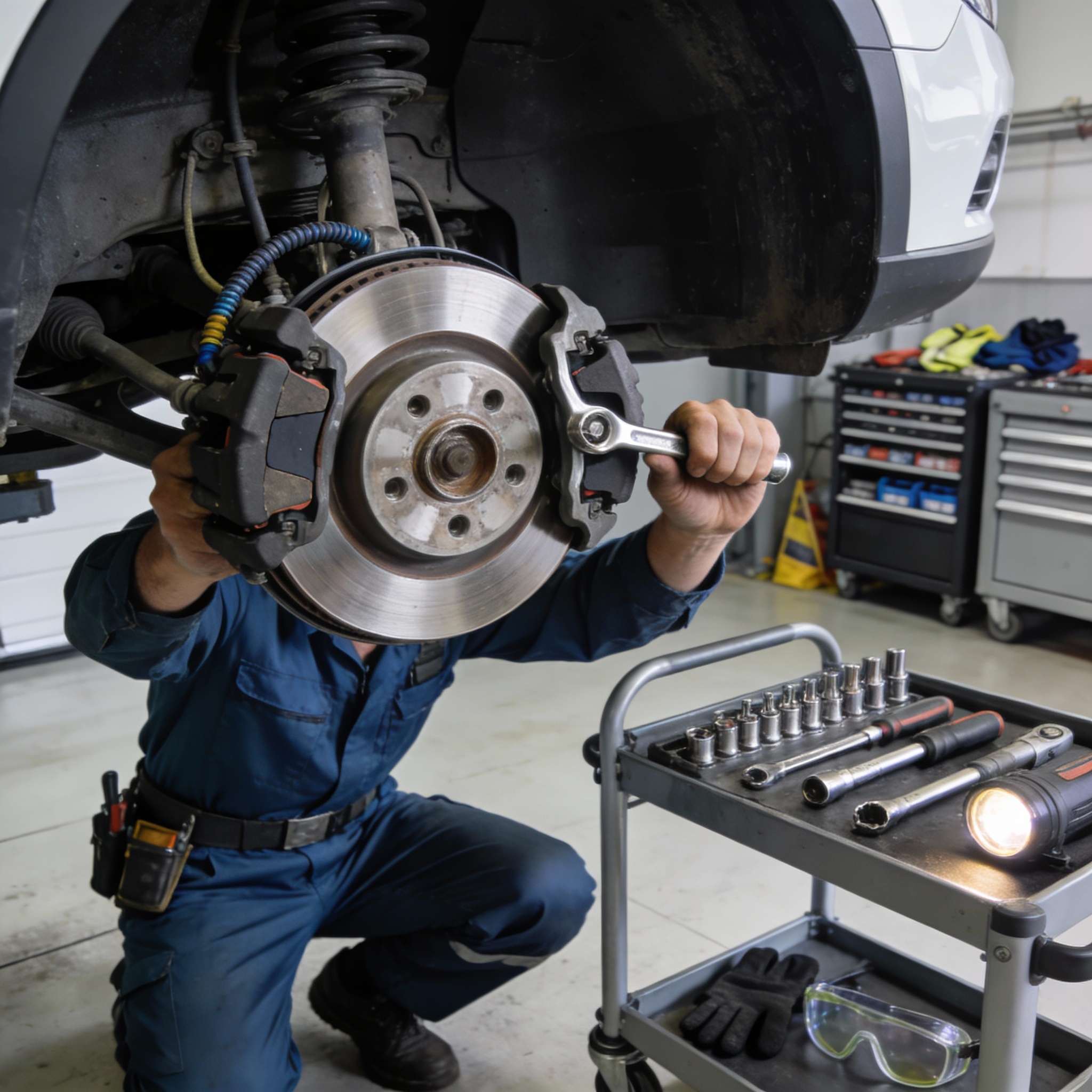
Engaging With Brake Maintenance
In the realm of automotive repair, one often comes across individuals who either glorify DIY projects or downplay their complexity. This brings us to a pertinent quote:
“If someone tells you working on cars is easy, ignore them.”
This humorous yet cautionary statement resonates strongly within the context of brake maintenance and DIY projects.
Brake systems are intricate and vital to vehicle safety, making their maintenance a task that should not be treated lightly. As a novice or even an enthusiast, you might be tempted to undertake this job thinking it’s simple. However, the reality often involves challenges that can surprise even the most confident DIY-ers. Neglecting the intricacies of brake maintenance can lead to dire consequences, such as improper installation, which may impair your car’s stopping ability and jeopardize your safety.
Therefore, the significance of this quote transcends mere humor; it serves as a reminder that while DIY projects can be fulfilling and cost-effective, certain tasks—especially those related to the braking system—demand professional expertise for optimal safety. In the world of car maintenance, understanding your limits can save not only time and money but potentially your life.
Conclusion
In conclusion, maintaining your brake system is not just a matter of preserving your vehicle; it is essential for your safety and that of everyone on the road. Regular brake maintenance ensures reliable stopping power, reduces the likelihood of expensive repairs down the line, and provides peace of mind every time you get behind the wheel. From regularly checking your brake fluid levels to knowing when to seek professional help, understanding the nuances of brake maintenance can prevent potentially dangerous situations.
When you take the time to care for your brakes, you are investing in a safer driving experience for yourself and your passengers. While many tasks can be tackled as DIY projects—including checking brake fluid and inspecting pads—complicated repairs should be approached with caution. If uncertainty strikes, remember that peace of mind is always worth the investment in professional expertise. So, the next time someone suggests that car maintenance is a walk in the park, silently chuckle and remind them of the importance of stopping safely—because the last thing anyone wants is to end their drive on a bumpy note!
User Adoption Data for Brake System Maintenance
Recent data indicates significant trends in user adoption rates for brake maintenance among car owners, particularly differentiating between DIY efforts and professional services.
- Growth in DIY Maintenance: According to the Auto Care Association’s 2023 report, 42% of vehicle owners now perform at least some brake maintenance themselves—a notable increase from 35% in 2020. This rise points to an emerging trend where more owners engage in basic maintenance tasks.
- Professional Services Remain Dominant: Despite the increase in DIY attempts, professional services continue to capture the larger share of brake maintenance work, sitting at 58%. Complex tasks, particularly rotor replacements and anti-lock braking system (ABS) repairs, are typically reserved for professionals, highlighting a preference for expert expertise on intricate repairs.
- Demographic Influences: The trend is particularly pronounced among younger vehicle owners. Those under 35 are 27% more likely compared to those over 50 to attempt DIY brake maintenance, reflecting a growing empowerment via digital resources and tutorials among younger drivers.
- Survey Insights on Confidence and Behavior: In a survey conducted by NAPA Auto Parts, 65% of car owners reported feeling confident in checking their brake pads; however, only 38% followed through with DIY replacements. The findings indicate a clear preference for professional assistance in more complex maintenance tasks, as evidenced by only 12% opting for DIY brake fluid flushes.
- Role of Digital Resources: Digital platforms, notably YouTube, significantly influence DIY brake maintenance activities, leading to a 31% increase in attempts among 25 to 45-year-olds. Nevertheless, 45% of these DIY efforts result in further visits to professionals for corrections, indicating that while digital resources enhance confidence, they do not ensure success in complex tasks.
- Market Growth Figures: The brake service market is expanding, with professional services growing at an annual rate of 4.2%, while the DIY segment is even higher at 6.8%. Despite the rapid growth of DIY, professional services still account for 78% of total revenue in brake maintenance, underscoring the ongoing importance of expert service.
These insights paint a complex picture of user behavior regarding brake maintenance, showing that while DIY efforts are on the rise for simpler tasks, the expertise of professionals remains crucial for more complex repairs, especially as demographic trends influence these choices.
This graph shows the trends in user adoption of DIY brake maintenance versus professional services over the years, highlighting an increase in metrics while emphasizing the importance of professional service for complex tasks.
Call to Action
Are you confident in your understanding of brake system maintenance? Now is the perfect time to assess your knowledge! Ask yourself: Can you identify the signs that your brakes require attention? Are you aware of the critical components of your braking system? If you’re unsure about any aspect, do not hesitate to seek professional assistance. Remember, brakes are one part of your vehicle that should never be taken lightly.
Take Action Today: It’s simple – consider scheduling a professional inspection to ensure your brake system is in top condition. Whether it is for routine maintenance or to address potential issues, entrusting your brake system to experienced professionals will give you peace of mind. Your safety—along with that of anyone else on the road—depends on the reliability of your brakes. Don’t risk it; stay informed, stay safe, and make the right choice for your vehicle!
Transitional Flow Between Sections
Having navigated through the comparison of brake maintenance tasks, it is crucial to recognize that while many of these tasks can be performed at home, not every situation lends itself to DIY solutions.
In fact, identifying when it is time to call in a professional is just as important as knowing how to undertake the simpler tasks. Brakes are vital to your safety, and while a good dose of DIY spirit can empower you to tackle some issues, do not underestimate the complexities and potential dangers associated with more advanced repairs.
Thus, as you venture into the realm of brake maintenance, keep in mind that embracing professional expertise is essential when the tasks at hand exceed your comfort level or skill set. After all, recognizing your limitations not only saves time and money but can also ensure the safety of everyone on the road.